8 Key Traits of a German Shepherd Rottweiler Mix Dogs Explained
Only about 1 in 5 dog owners who bring home a large mixed breed feel fully prepared for what that dog actually needs — and the German Shepherd Rottweiler mix is one of the most misunderstood hybrids in that group. Powerful, loyal, and strikingly intelligent, this crossbreed carries a reputation that often overshadows its true nature. Understanding the 8 Key Traits of a German Shepherd Rottweiler Mix Dogs Explained in this guide will help you decide whether this dog is the right fit for your home — and how to raise one well if it is.
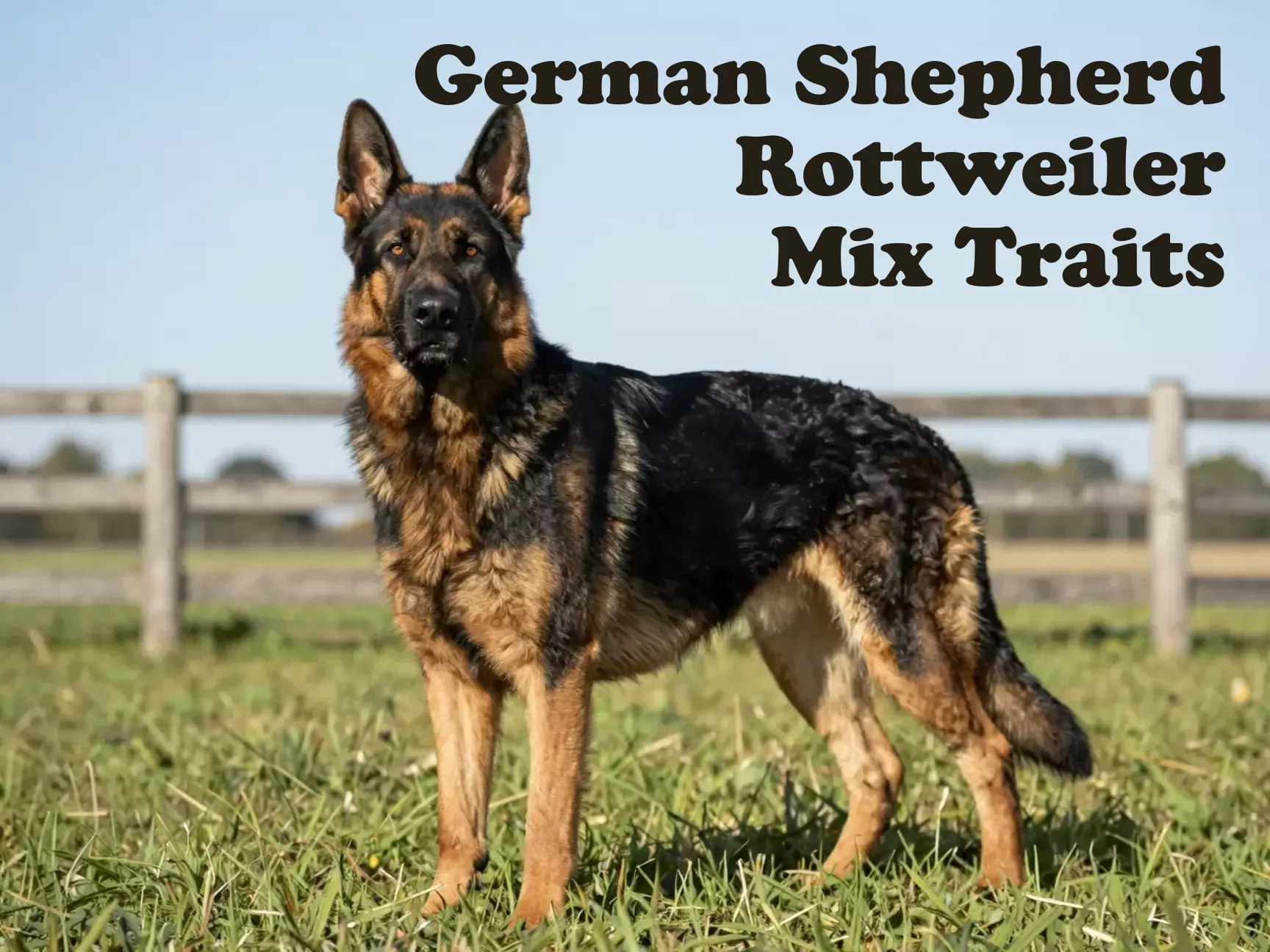
Also known as the Shepweiler, Rottweiler Shepherd, or Rottie Shepherd, this designer breed combines two of the world’s most capable working dogs. The result is a dog that is equal parts devoted companion and natural protector. But like any powerful breed, it comes with real responsibilities.
Key Takeaways
- 🐾 The German Shepherd Rottweiler mix weighs 75–115 lbs and stands 22–28 inches tall — a large, powerful dog that needs space [1][2]
- 🧠 This hybrid ranks among the most intelligent mixed breeds, requiring daily mental stimulation and consistent training [1][3]
- 🛡️ Aggression is not an inherent trait — proper socialization and training make this dog a calm, reliable family companion [1]
- ⚡ Expect at least 1–2 hours of vigorous exercise daily to keep behavioral issues at bay [1]
- 🎖️ Their intelligence, loyalty, and size make them strong candidates for service dog roles [1]
1. Impressive Size and Athletic Build
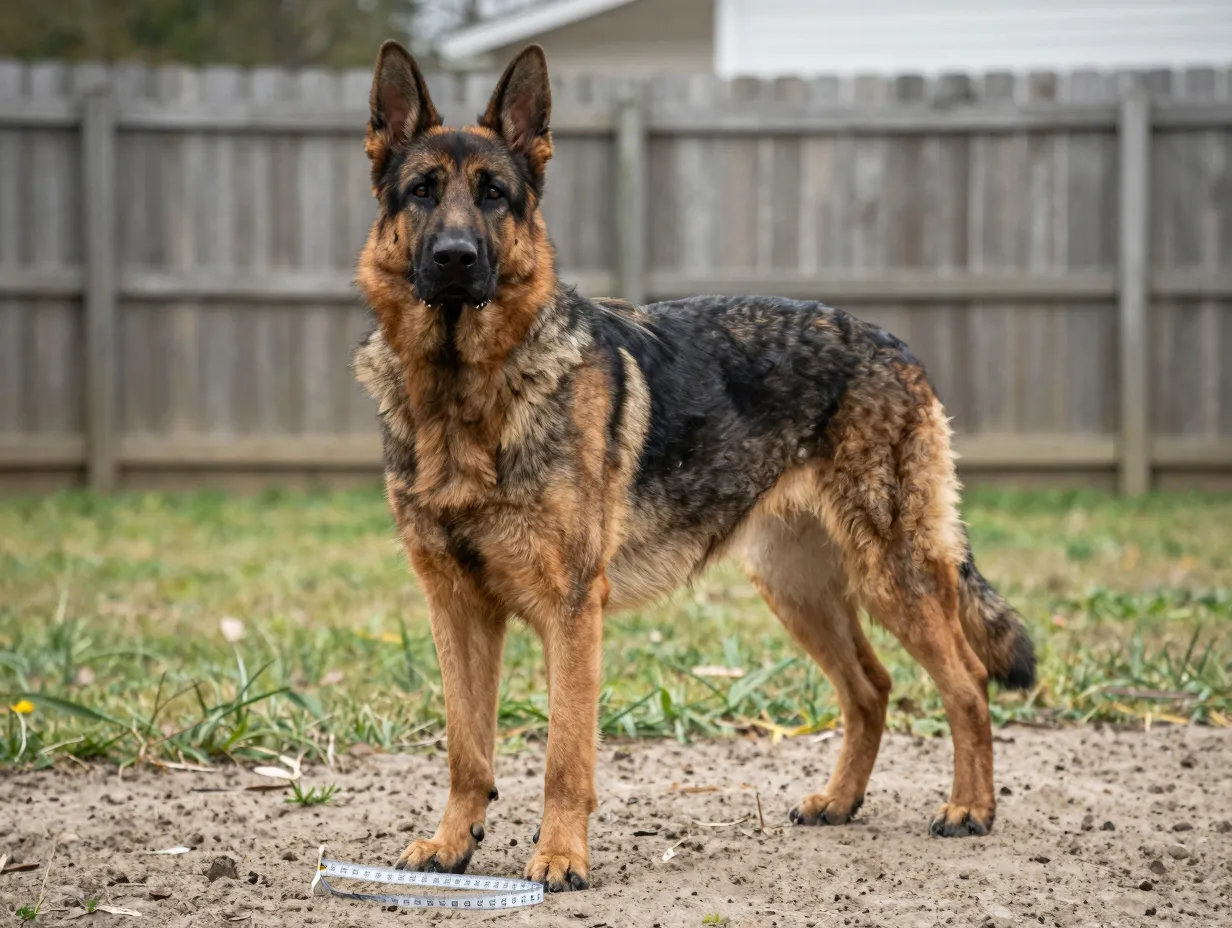
The first thing most people notice about a German Shepherd Rottweiler mix is its sheer physical presence. These dogs typically weigh between 75 and 115 pounds and stand 22 to 28 inches tall at the shoulder [1][2]. That puts them firmly in the large-to-giant dog category.
Their build reflects both parent breeds well:
| Feature | Typical Characteristic |
|---|---|
| Weight | 75–115 lbs |
| Height | 22–28 inches |
| Hindquarters | Strong and muscular |
| Snout | Longer than a purebred Rottweiler |
| Ears | Floppy, erect, or one of each |
| Coat | Short to medium, thick, straight |
Because this is a designer breed with no official breed standard, individual dogs can look quite different from one another [1]. One puppy from the same litter may look more like a German Shepherd, while another resembles a Rottweiler more closely. This variability is part of what makes each Shepweiler unique.
Their strong hindquarters and athletic frame mean they are built for movement. A yard with a secure fence is not optional — it’s essential. Apartment living is generally not recommended for this breed unless you commit to an intensive daily exercise routine.
2. Deeply Loyal and Protective Temperament
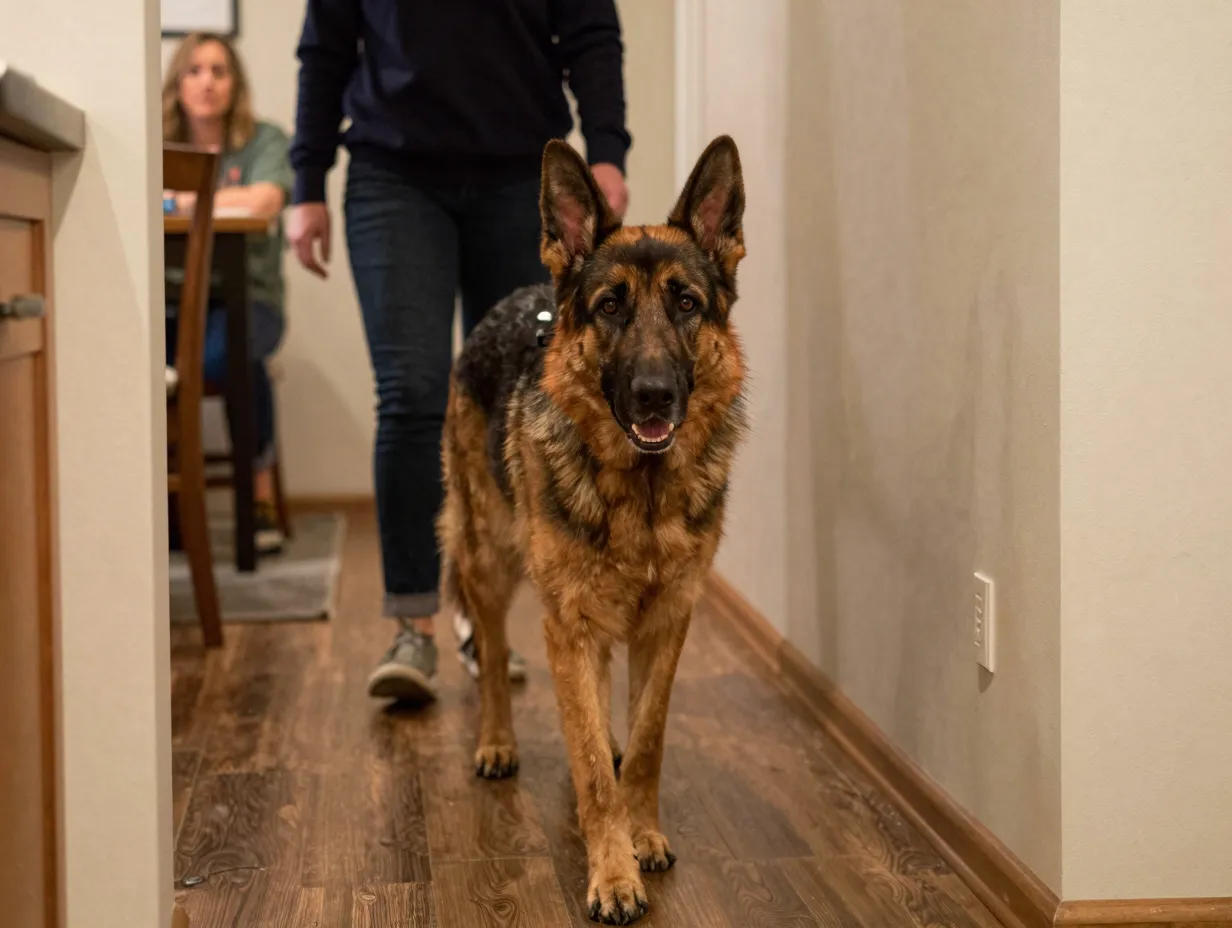
“Few dogs match the Shepweiler’s combination of devotion and protective instinct.”
One of the defining characteristics covered in the 8 Key Traits of a German Shepherd Rottweiler Mix Dogs Explained is their extraordinary loyalty. These dogs form deep bonds with their families — and especially with their primary caretaker [1][2].
This loyalty is not passive. A Shepweiler will actively monitor its environment, position itself near family members, and respond quickly if it senses a threat. This protective instinct comes naturally from both parent breeds, which were historically bred for guarding and herding.
What this means in practice:
- They may be reserved or cautious around strangers at first
- They tend to follow their favorite person from room to room
- They can become anxious or destructive if left alone for long periods
- They are generally excellent with children in their own family when properly socialized
This loyalty is one of the breed’s greatest strengths — but it also means they need an owner who can provide consistent leadership and clear boundaries.
3. Exceptional Intelligence
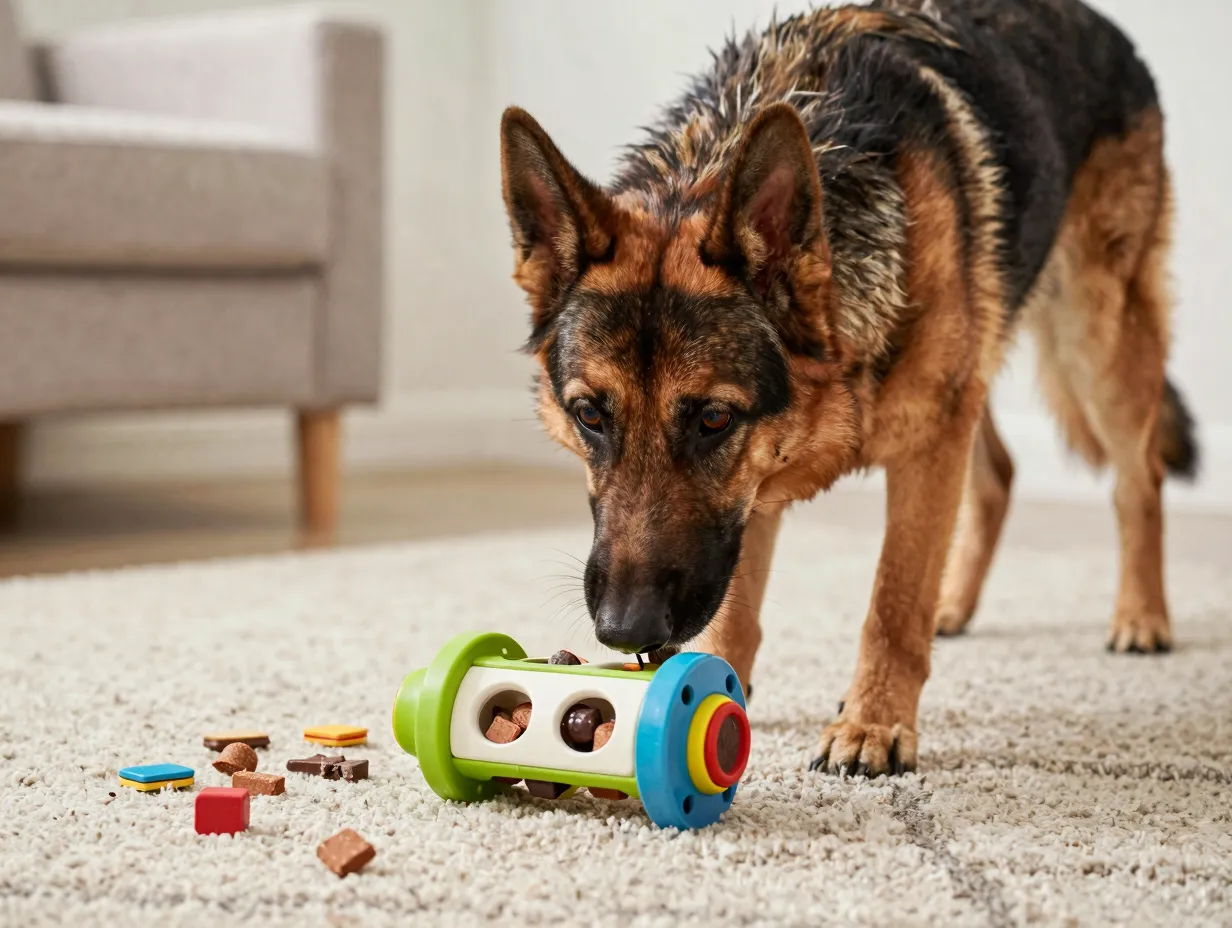
Both the German Shepherd and the Rottweiler rank among the top 10 most intelligent dog breeds in the world. Combine them, and you get a dog that is quick to learn, eager to problem-solve, and hungry for mental challenges [1][3].
This intelligence is a double-edged sword. On the positive side, Shepweilers are highly trainable and genuinely enjoy learning new commands, tricks, and tasks. They thrive with:
- 🎯 Obedience training
- 🧩 Puzzle toys and interactive feeders
- 🏃 Agility courses
- 📚 Advanced command sequences
On the challenging side, a bored Shepweiler is a destructive Shepweiler. Without enough mental stimulation, these dogs will find their own entertainment — and you probably won’t like what they choose.
Pro tip: Start training from day one. These dogs respond best to positive reinforcement — reward-based methods that build trust and keep sessions fun. Harsh corrections can backfire with a dog this intelligent and sensitive [3].
4. High Energy Requirements
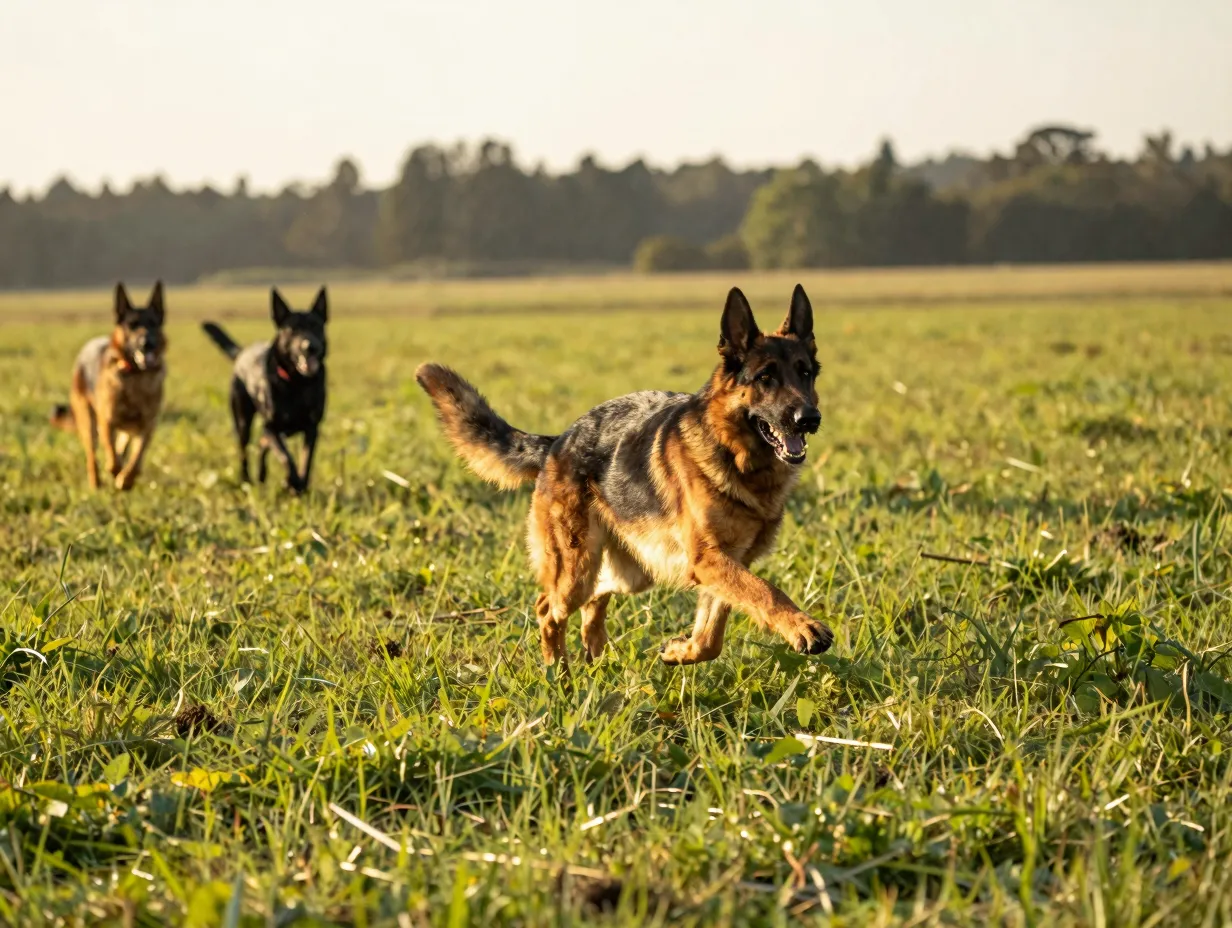
If you lead a sedentary lifestyle, the German Shepherd Rottweiler mix is not your ideal companion. These dogs require at least one to two hours of vigorous exercise every single day, plus a minimum of two long walks [1].
Think of it this way: skipping a workout for yourself might leave you feeling sluggish. Skipping exercise for a Shepweiler can lead to:
- Destructive chewing and digging
- Excessive barking
- Hyperactivity indoors
- Anxiety and restlessness
Ideal exercise activities include:
- Long-distance running or jogging
- Fetch and frisbee in a secured outdoor area
- Swimming (many Shepweilers love water)
- Hiking on trails
- Structured play sessions with other dogs
This breed needs plenty of space to run safely [1]. A large, fenced backyard is ideal. Dog parks can work, but early socialization is key before introducing your Shepweiler to off-leash environments with other dogs.
5. Affectionate and Surprisingly Cuddly
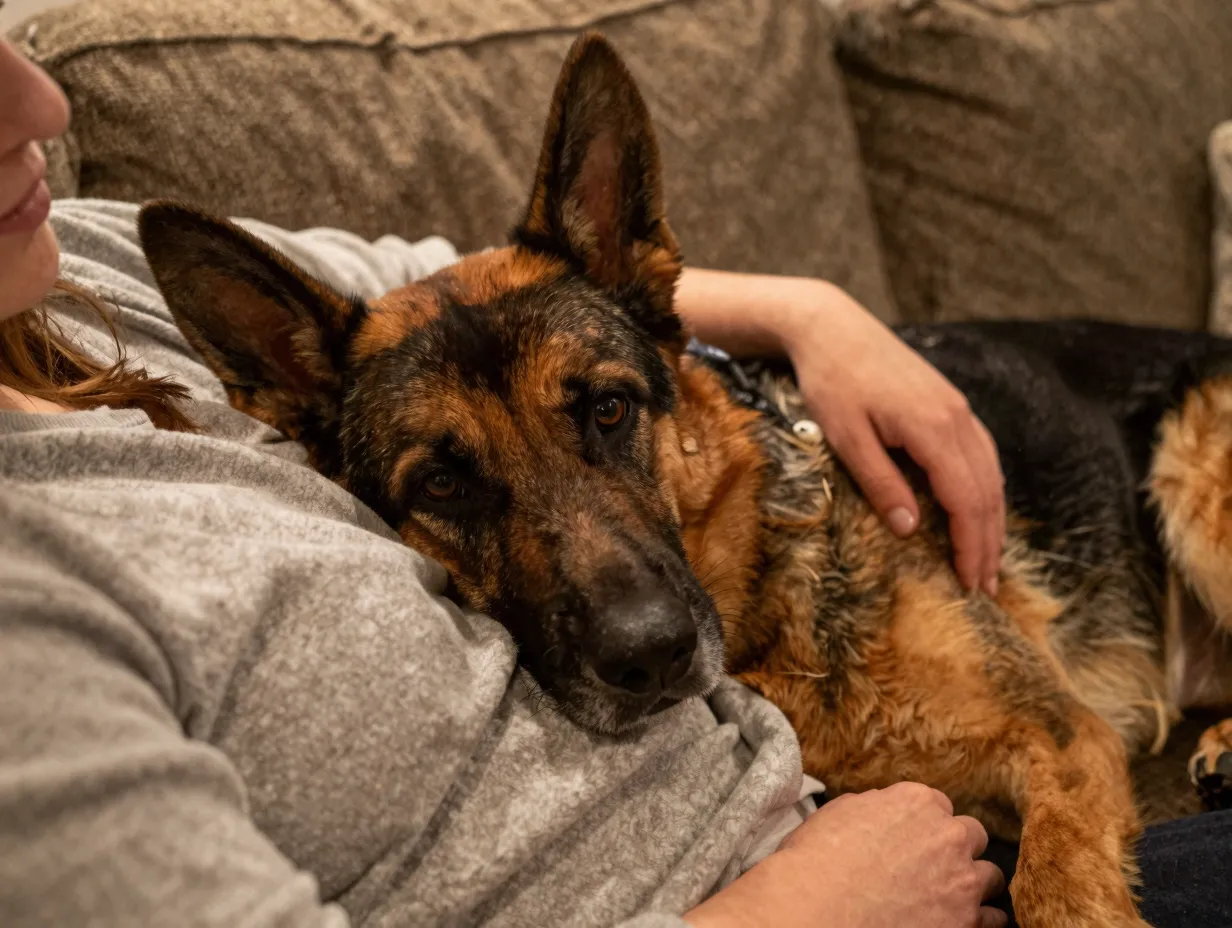
Here is where many people are genuinely surprised. Despite their intimidating size and guard dog reputation, German Shepherd Rottweiler mixes are often deeply affectionate and love physical closeness with their families [1].
These dogs enjoy:
- 🛋️ Curling up on the couch next to their owners
- 🤗 Leaning against their favorite person
- 😴 Napping alongside family members
- 🎾 Playful roughhousing with older children
This affectionate side is one of the most endearing traits in the 8 Key Traits of a German Shepherd Rottweiler Mix Dogs Explained — and it often catches new owners off guard. A 100-pound dog that wants to sit in your lap is both charming and logistically challenging.
“Don’t let the muscular frame fool you — this breed has a genuinely soft side that makes it a wonderful family companion when raised correctly.”
This warmth also means they do not do well with isolation. Shepweilers are not outdoor-only dogs. They need to be part of the family’s daily life to stay emotionally healthy.
6. Aggression Is Preventable — Not Inevitable
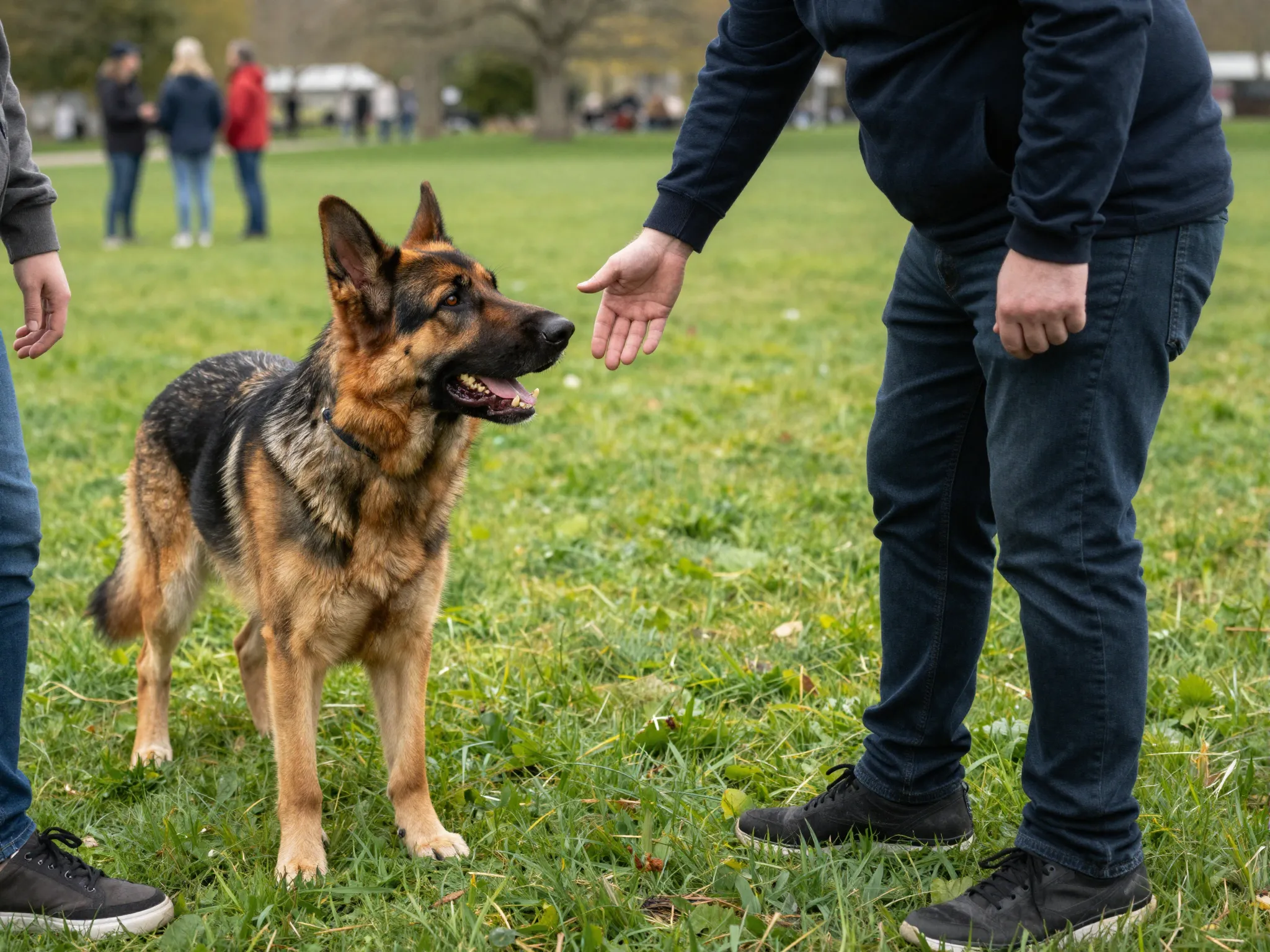
This is perhaps the most important point in the entire 8 Key Traits of a German Shepherd Rottweiler Mix Dogs Explained discussion. Many people assume that a dog this large and powerful must be dangerous. The reality is more nuanced.
The Shepweiler is not inherently aggressive [1][3]. However, like any powerful breed, aggression can develop if the dog is:
- Poorly socialized during puppyhood
- Under-exercised and chronically bored
- Trained using fear or punishment
- Kept isolated from people and other animals
- Neglected or abused
When raised responsibly, these dogs are calm, confident, and non-aggressive around people and animals they know. They may bark at perceived threats due to their protective nature — but that is watchfulness, not aggression [1].
Early socialization checklist:
- ✅ Expose puppies to different people, ages, and environments
- ✅ Introduce other pets gradually and under supervision
- ✅ Enroll in puppy obedience classes early
- ✅ Use positive reinforcement consistently
- ✅ Never encourage guarding behavior toward guests
One additional factor worth noting: the Shepweiler has an extremely powerful jaw — approximately 1.5 times stronger than a German Shepherd’s bite force, according to research by zoologist Brady Barr for National Geographic [2]. This makes early bite inhibition training non-negotiable.
7. Natural Watchdog Ability
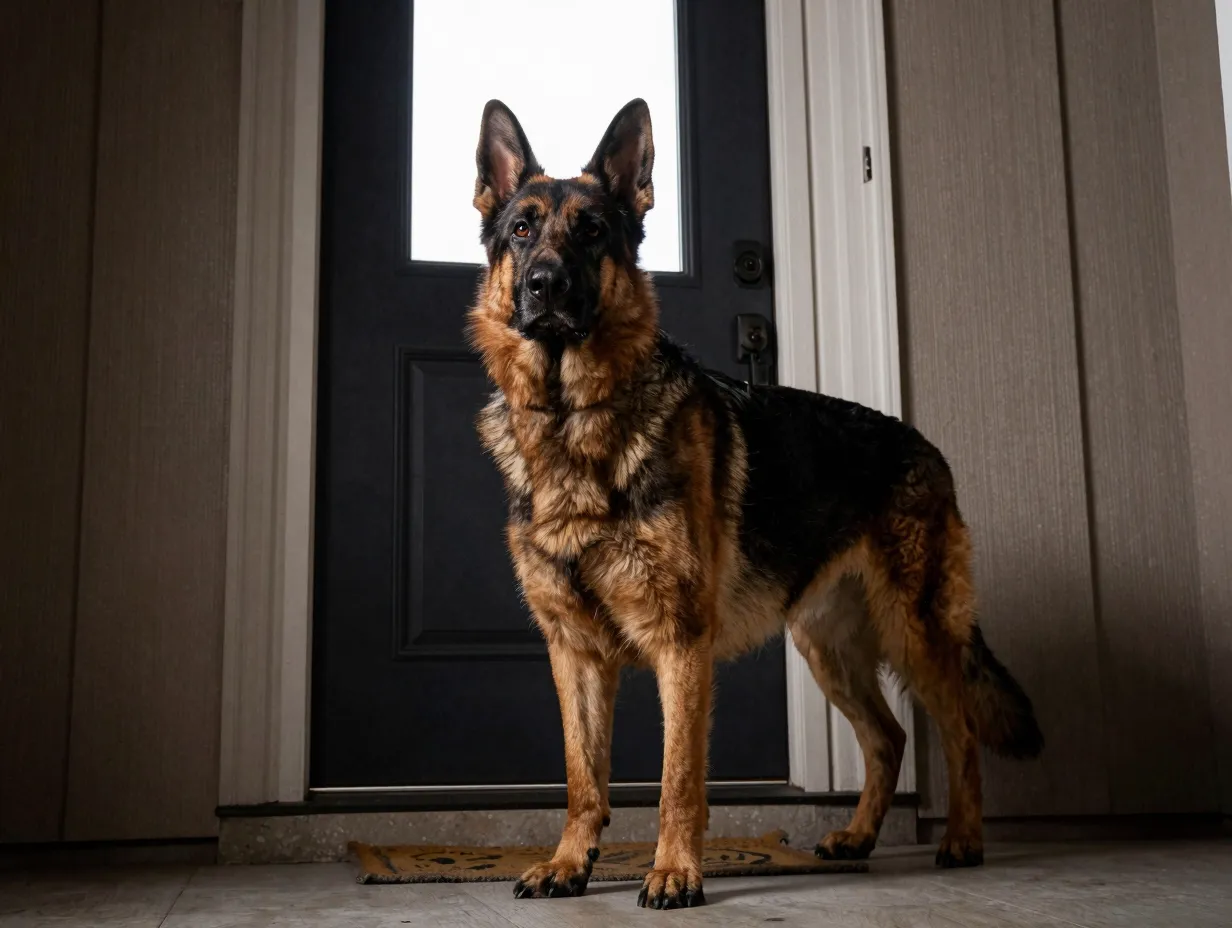
The Shepweiler’s protective instincts, combined with its loyalty and alertness, make it a naturally gifted watchdog [1]. Unlike some breeds that bark constantly at everything, the German Shepherd Rottweiler mix tends to be relatively quiet until it senses a genuine threat [1].
This purposeful barking is one of the traits that makes them so effective in a watchdog role. They are not nuisance barkers — they are communicators. When your Shepweiler barks, it usually means something has genuinely caught its attention.
What makes them effective watchdogs:
| Quality | Why It Matters |
|---|---|
| Size and presence | Acts as a visual deterrent |
| Loyalty to family | Motivated to protect, not just react |
| Alertness | Notices changes in environment quickly |
| Purposeful barking | Signals real threats, not noise |
| Intelligence | Can distinguish familiar from unfamiliar |
It is important to channel this watchdog instinct properly. A well-trained Shepweiler will alert you to a stranger at the door and then stand down once you signal that the person is welcome. An untrained one may escalate unnecessarily. This is why obedience training is not optional for this breed — it is the foundation of safe ownership.
8. Genuine Service Dog Potential
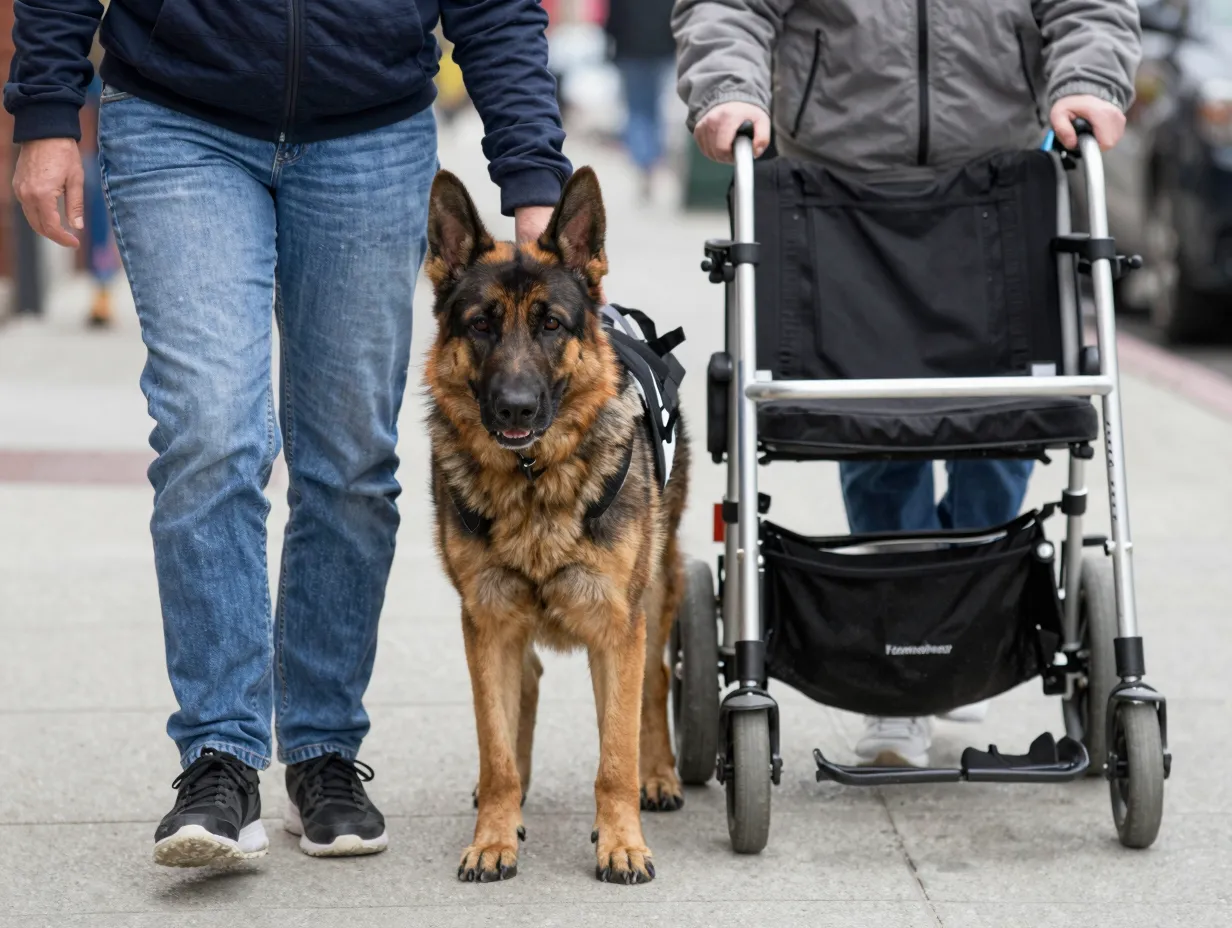
The final trait in the 8 Key Traits of a German Shepherd Rottweiler Mix Dogs Explained may be the most impressive. Thanks to their unique combination of intelligence, loyalty, size, and natural aptitude for commands, Shepweilers can serve as highly effective service dogs [1].
Specifically, they are well-suited for:
- Mobility assistance — Their size and strength allow them to brace, retrieve, and support individuals with physical disabilities
- Medical alert — Their intelligence and attentiveness make them capable of learning to detect medical events
- Psychiatric service — Their loyalty and emotional attunement help individuals managing PTSD, anxiety, or other mental health conditions
Both parent breeds have long histories as working dogs — the German Shepherd in police, military, and search-and-rescue roles, and the Rottweiler as a herding and protection dog [1][3]. The Shepweiler inherits this working drive and channels it into purposeful tasks when given the right training.
Is your Shepweiler a service dog candidate?
- Does it remain calm in busy, unpredictable environments?
- Does it respond reliably to commands even with distractions?
- Does it show consistent focus on its handler?
- Is it non-reactive to strangers when properly introduced?
If yes, working with a certified service dog trainer could unlock this dog’s full potential.
Additional Facts Worth Knowing
Before committing to a Shepweiler, here are a few more practical details:
Lifespan: These dogs typically live 7 to 13 years, depending on individual health and the quality of care they receive [1][2]. Regular vet checkups, a balanced diet, and consistent exercise all contribute to a longer, healthier life.
Coat and grooming: Their thick, straight coat of short to medium length sheds regularly [1]. Expect to brush them at least 2–3 times per week, and more frequently during seasonal shedding periods. They are not hypoallergenic.
Health considerations: Like all large breeds, Shepweilers can be prone to hip dysplasia, bloat, and joint issues. Choosing a reputable breeder who screens for these conditions is important.
Best home environment:
- 🏡 House with a large, fenced yard
- 👨👩👧 Active family or individual with time to train and exercise
- 🐕 Experience with large or strong-willed breeds preferred
- 🚫 Not ideal for first-time dog owners without a training plan
Conclusion: Is the German Shepherd Rottweiler Mix Right for You?
The 8 Key Traits of a German Shepherd Rottweiler Mix Dogs Explained in this guide paint a clear picture: this is a dog of extraordinary capability, loyalty, and heart — but also one that demands real commitment.
Here is a quick summary of what you now know:
- Size and build — Large and athletic, needing space and structure
- Loyalty — Deep family bonds with strong protective instincts
- Intelligence — Top-tier, requiring daily mental engagement
- Energy — 1–2 hours of exercise daily, minimum
- Affection — Surprisingly cuddly and emotionally connected
- Aggression — Preventable with proper training and socialization
- Watchdog ability — Natural, purposeful, and reliable
- Service potential — Genuinely capable of high-level working roles
Your actionable next steps:
- ✅ Research reputable breeders or rescue organizations in your area
- ✅ Schedule a consultation with a professional dog trainer before bringing your Shepweiler home
- ✅ Puppy-proof your yard and invest in a secure, high fence
- ✅ Create a daily exercise and training schedule before day one
- ✅ Connect with Shepweiler owner communities online for real-world advice
In 2026, more families than ever are looking for a dog that is both a devoted companion and a capable protector. The German Shepherd Rottweiler mix delivers on both counts — provided you are ready to meet it halfway. Give this dog the training, exercise, and love it needs, and you will have one of the most loyal and impressive companions you have ever known. 🐾
References
[1] German Shepherd Rottweiler Mix – https://dogacademy.org/breeds/german-shepherd-rottweiler-mix
[2] German Shepherd Rottweiler Mix – https://www.dogster.com/dog-breeds/german-shepherd-rottweiler-mix
[3] Guide To German Shepherd Rottweiler Mix – https://www.groomarts.com/blogs/2017/guide-to-german-shepherd-rottweiler-mix
[4] Watch – https://www.youtube.com/watch?v=pKuHMKoNxO4
[5] Rottie Shepherd – https://wagwalking.com/breed/rottie-shepherd
[6] Watch – https://www.youtube.com/watch?v=D3xVEpK8KDA