8 Key Questions to Ask Before You Buy a Mini Aussie Shepherd for Sale
Only 1 in 4 puppy buyers ever asks a breeder about genetic health testing — and that single oversight costs thousands of dollars in veterinary bills and years of heartbreak. If you are searching for a Mini Aussie Shepherd for sale in 2026, the stakes are even higher. These dogs are brilliant, high-energy, and deeply bonded to their families, which means a poor match or an unhealthy puppy can unravel your household fast.
That is exactly why I put together this guide on the 8 Key Questions to Ask Before You Buy a Mini Aussie Shepherd for Sale. Whether you are a first-time dog owner or an experienced handler adding to your pack, these questions will help you separate responsible breeders from risky ones, protect your investment, and set your new companion up for a long, healthy life.
Key Takeaways
- 🐾 Always request OFA or PennHip documentation for both parents before committing to a purchase.
- 🧬 Genetic panel testing is non-negotiable — Mini Aussies carry risks for MDR1, CEA, PRA, and more.
- 🏃 Activity level matters — Mini Aussies need substantial daily exercise and mental stimulation.
- 📋 Demand full paperwork, including health certificates, vaccination records, and a 4–5 generation pedigree.
- 🐕 Meet the mother in person — her temperament is your clearest preview of your puppy’s personality.
Why These 8 Key Questions to Ask Before You Buy a Mini Aussie Shepherd for Sale Actually Matter
Miniature Australian Shepherds — sometimes called Mini Aussies or North American Shepherds — are not impulse purchases. They are working dogs bred for intelligence, stamina, and drive. In 2026, demand for compact herding breeds has surged, which means more backyard breeders and puppy mills have entered the market to cash in.
A responsible breeder will welcome every question you ask. A problematic one will dodge, deflect, or pressure you to decide quickly. The 8 key questions to ask before you buy a Mini Aussie Shepherd for sale in this guide are your filter. Use them every time.
💬 “A good breeder is not just selling you a puppy — they are entering a lifelong relationship with you and that dog.”
Let’s walk through each question in detail.
The 8 Key Questions to Ask Before You Buy a Mini Aussie Shepherd for Sale
1. Have Both Parents Undergone OFA Testing for Hips and Elbows?
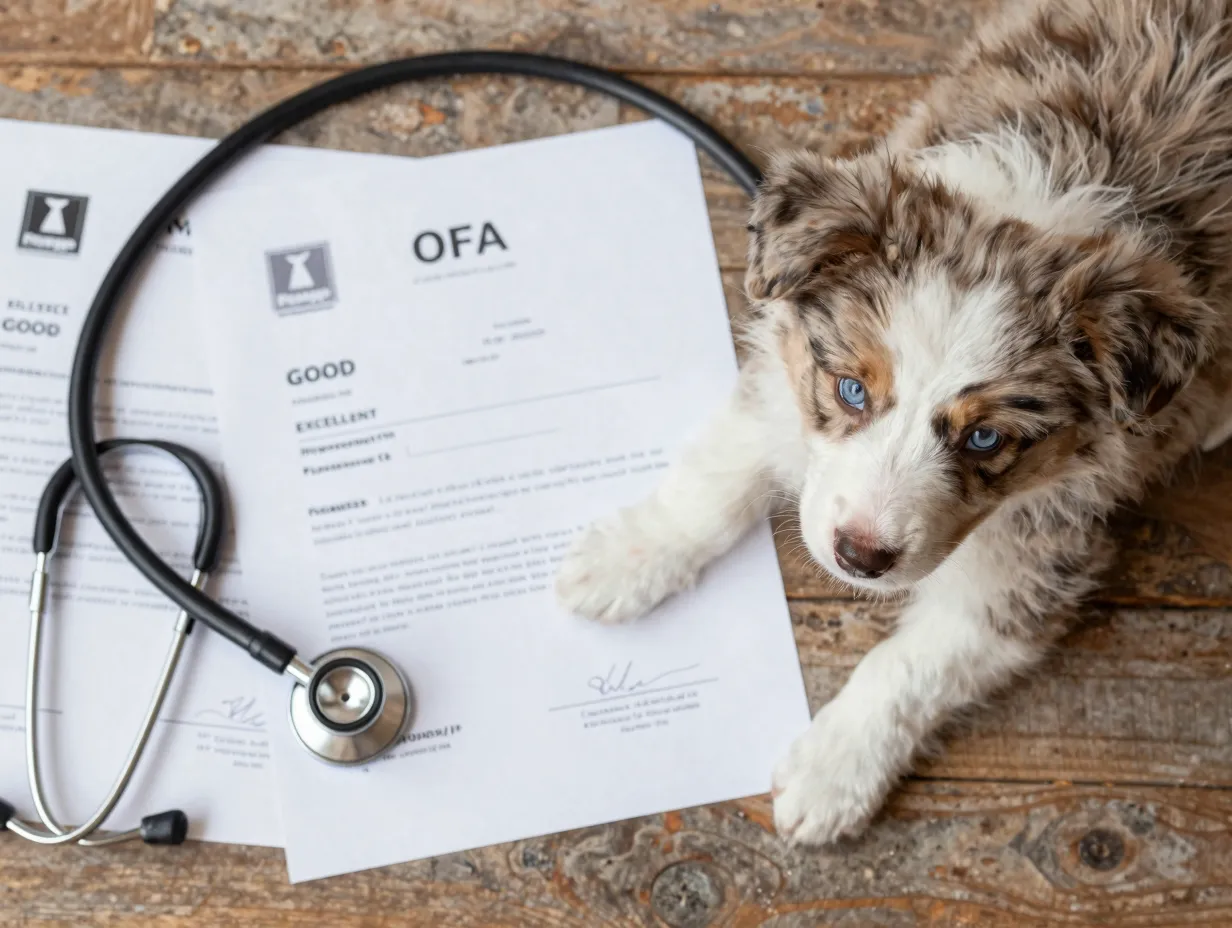
Hip and elbow dysplasia are painful, progressive joint conditions that can appear in Mini Aussies as young as one year old. Before you hand over a deposit, ask the breeder for OFA (Orthopedic Foundation for Animals) certification or comparable PennHip results for both the dam (mother) and the sire (father).
Responsible breeders should provide written documentation — not just a verbal assurance — that both parents have passed joint health evaluations. Ideally, you want to see records showing that grandparents are also clear of hip dysplasia [1][7].
What to look for:
- OFA certificates rated “Good” or “Excellent”
- PennHip distraction index scores
- Results publicly searchable on OFA.org
If a breeder cannot produce these documents, that is a serious red flag. Do not accept “the vet said they look fine” as a substitute for formal certification.
2. Have the Parents and Litter Been Examined for Hereditary Eye Defects?
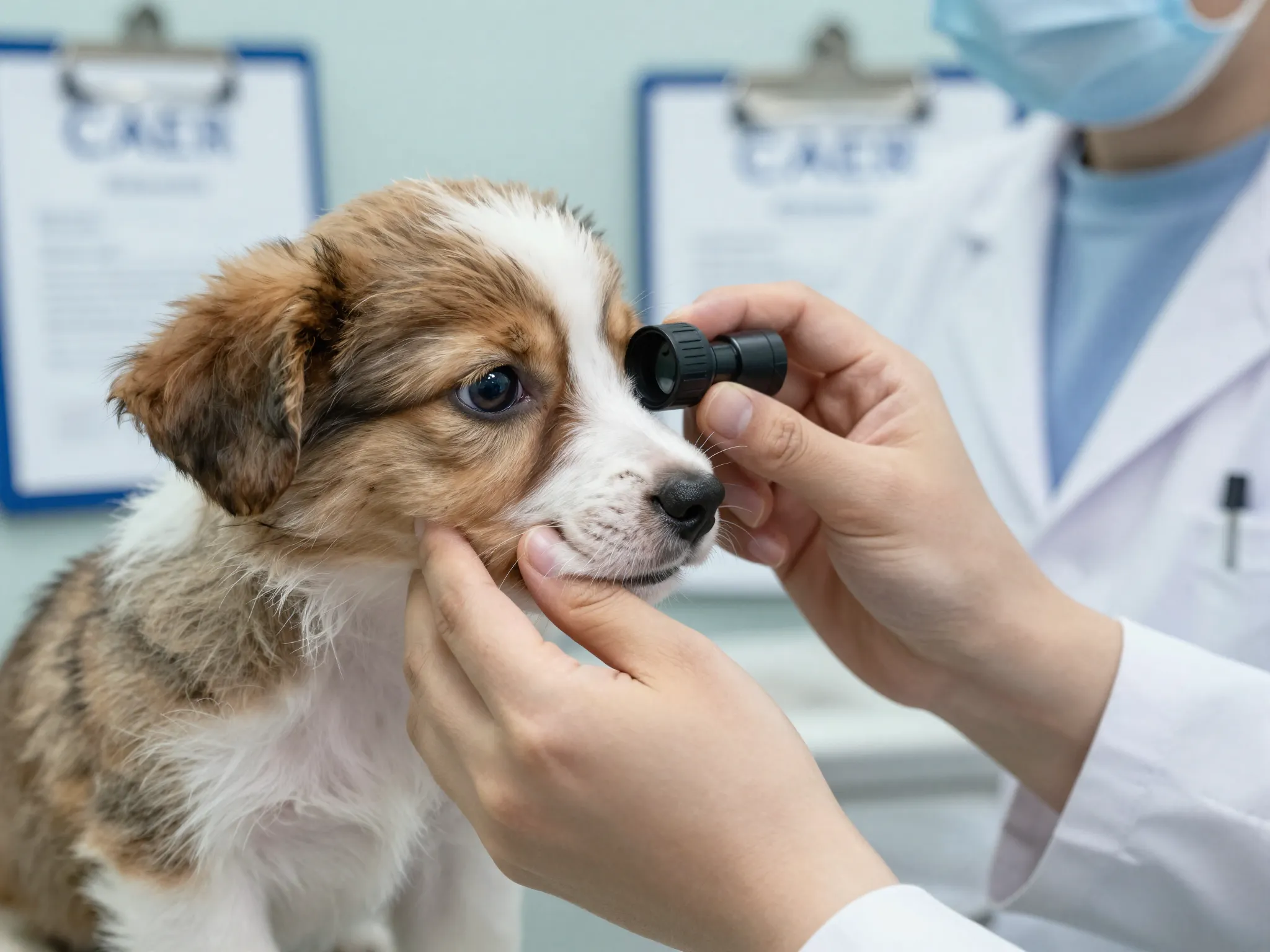
Eye problems are alarmingly common in Australian Shepherd lines. Conditions like iris colobomas, retinal colobomas, and juvenile cataracts can cause partial or total blindness — and many do not become obvious until the puppy is months old [1][4].
A board-certified veterinary ophthalmologist should have examined both parents and the entire litter. The ideal window for puppy eye exams is around 8 weeks of age, before the puppies go to their new homes [1].
Ask the breeder:
- Who performed the eye exams?
- Are the results on file and available to review?
- Were both parents examined within the past 12 months?
CAER (Companion Animal Eye Registry) certificates from OFA are the gold standard here. Any breeder serious about producing healthy Mini Aussies will have these on hand.
3. Can the Breeder Provide Documentation of Genetic Disease Testing?
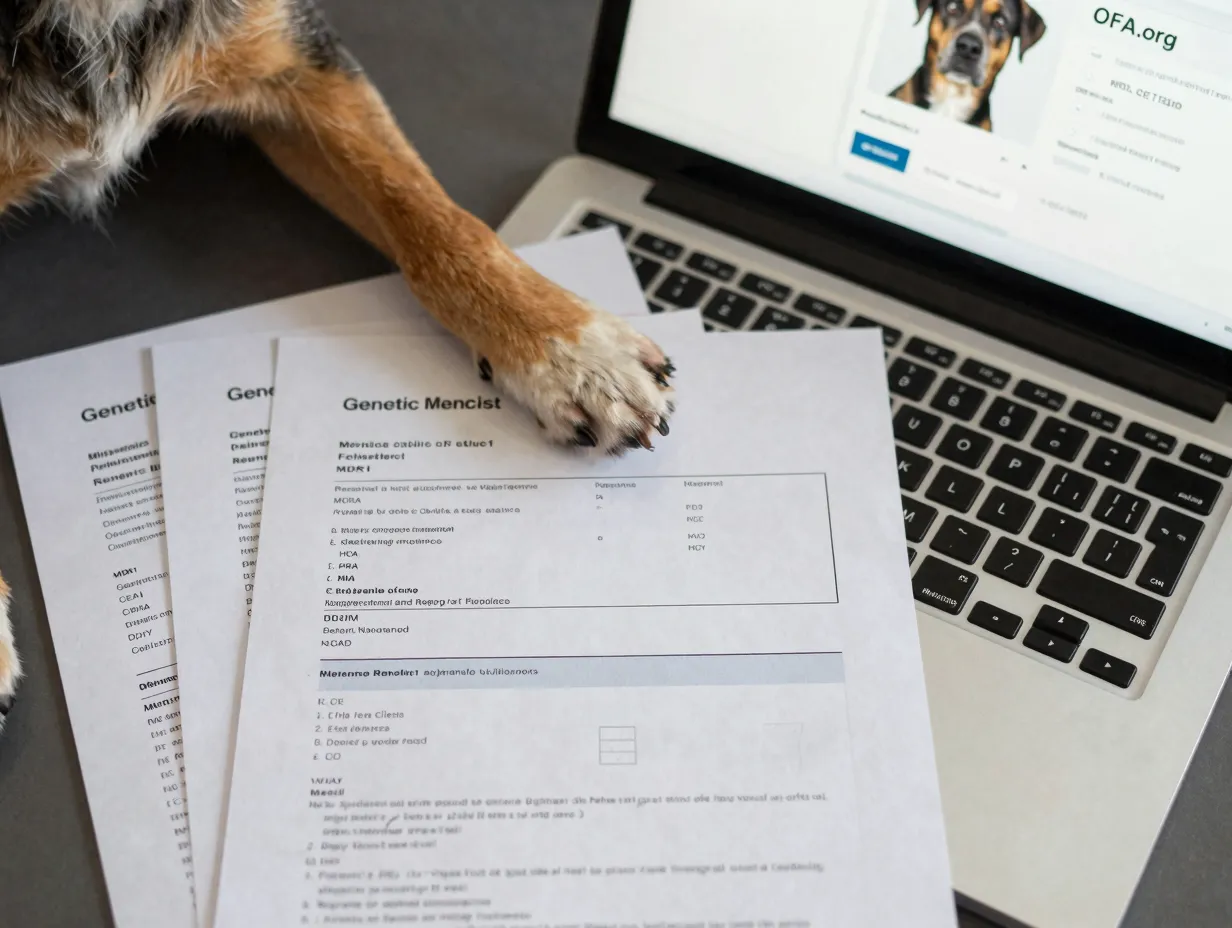
This is one of the most important of the 8 key questions to ask before you buy a Mini Aussie Shepherd for sale — and it is the one most buyers skip entirely.
Mini Aussies carry genetic risks for a long list of inherited conditions. The minimum recommended genetic panel for responsible breeding includes [2]:
| Genetic Test | What It Screens For |
|---|---|
| MDR1 | Drug sensitivity (can be fatal with common medications) |
| PRA | Progressive Retinal Atrophy (blindness) |
| CEA | Collie Eye Anomaly |
| HC | Hereditary Cataracts |
| CD | Cone Degeneration |
| HUU | Hyperuricosuria (bladder stones) |
| DM | Degenerative Myelopathy |
| CDDY | Chondrodystrophy (spinal disc disease) |
| NAD | Neuronal Ceroid Lipofuscinosis |
All results should be publicly available via OFA.org under the dog’s registered name. You can verify them yourself in minutes. If a breeder’s dogs are not listed, ask why — and be very cautious about the answer [2].
⚠️ MDR1 is especially critical. A dog with two copies of the MDR1 mutation can have a life-threatening reaction to common drugs including ivermectin, loperamide, and certain chemotherapy agents. Always confirm MDR1 status before bringing a Mini Aussie home.
4. Has the Breeder Discussed Other Potential Health Problems in the Breed?
A knowledgeable, ethical breeder does not just hand you a puppy and a receipt. They sit down with you and talk honestly about the health challenges that can affect Mini Aussies throughout their lives [6].
Conditions worth discussing include:
- Epilepsy — idiopathic epilepsy has a known hereditary component in Australian Shepherd lines
- Cancer — Aussies have higher-than-average rates of certain cancers, including hemangiosarcoma
- Allergies — both environmental and food allergies are common
- Autoimmune conditions — thyroid disease and immune-mediated disorders appear in the breed
If a breeder tells you their lines are “perfectly healthy” with no known issues, be skeptical. Every breed has health challenges. A breeder who acknowledges them and actively works to reduce their frequency through selective breeding is far more trustworthy than one who claims perfection [6].
5. Has the Puppy Been Well Socialized and Exposed to a Variety of New Experiences?
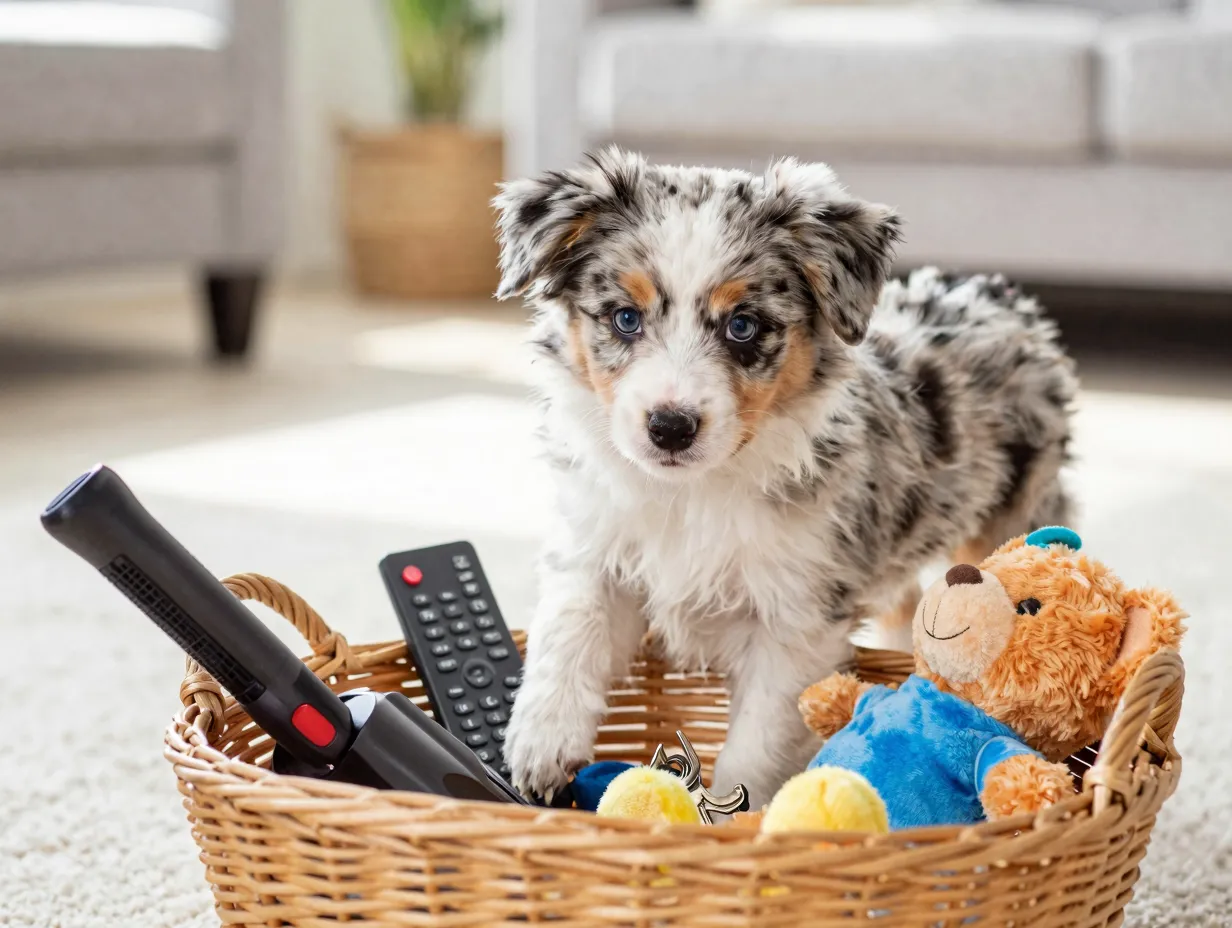
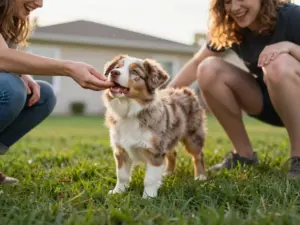
Socialization during the first 8–16 weeks of a puppy’s life shapes their personality for years to come. A Mini Aussie that has only ever seen the inside of a kennel will struggle with new people, sounds, environments, and animals.
Ask the breeder specifically what socialization steps they have taken. The puppy should be [1]:
- Outgoing and friendly toward strangers, including you during your visit
- Exposed to household sounds — vacuums, TVs, children, traffic
- Handled regularly by multiple people of different ages
- Kept with littermates until at least 8 weeks of age — early separation disrupts bite inhibition and social learning [1]
🐾 Pro tip: When you visit, watch how the puppy reacts to you. A well-socialized Mini Aussie puppy should approach with curiosity, not cower in the corner or bark defensively.
6. Does the Mother Have a Friendly, Confident Personality?
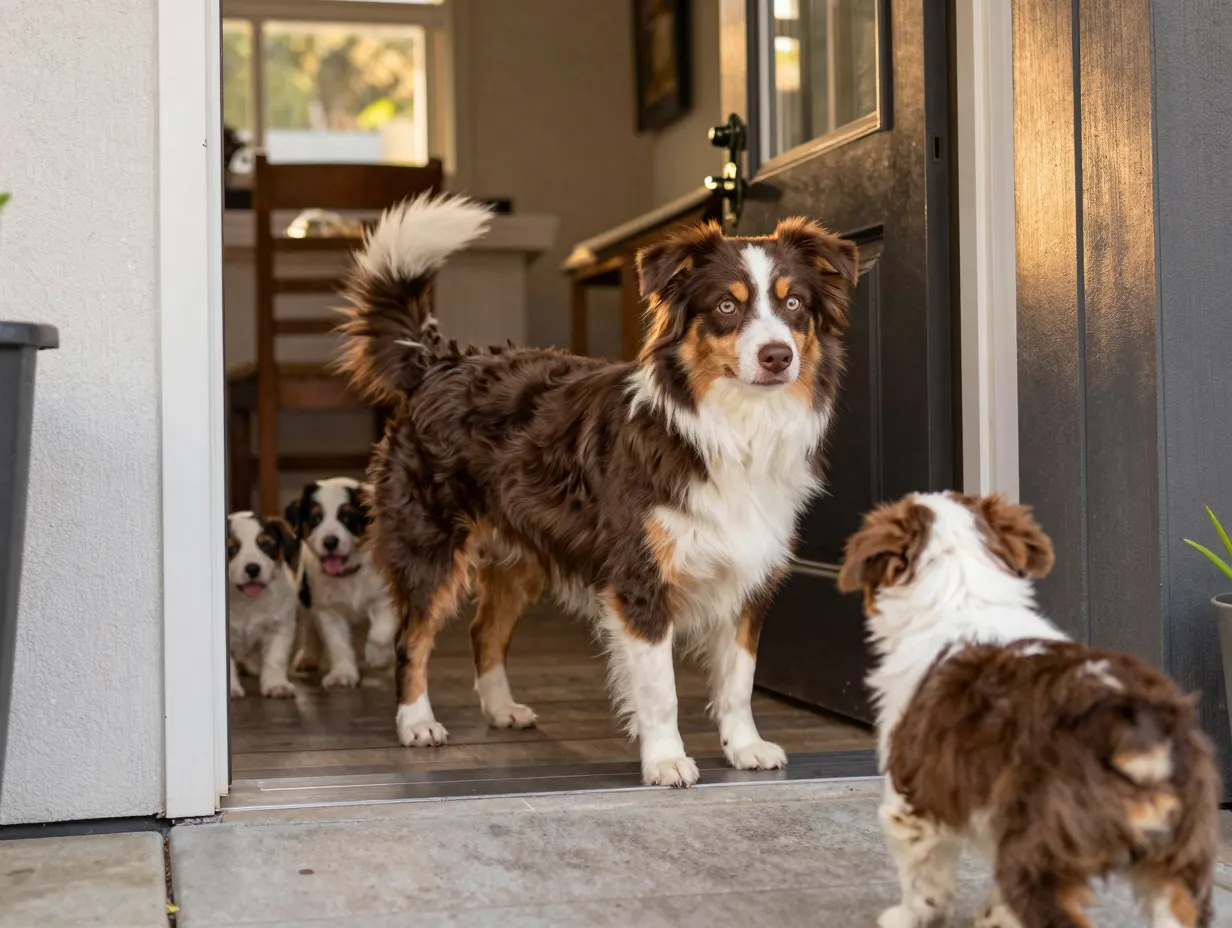
You can learn a tremendous amount about your future dog by spending time with the dam. Temperament has a strong genetic component, and the mother’s personality is one of the clearest predictors of how your puppy will behave as an adult [1].
During your visit, observe whether the dam:
- Approaches you calmly and without excessive fear or aggression
- Recovers quickly from startling sounds or sudden movements
- Shows confidence in her home environment
- Interacts warmly with the breeder and family members
If the mother is nervous, reactive, or aggressive, those traits are likely to appear in her offspring — regardless of how much training you invest. A confident, friendly dam is a green light. A fearful or snappy one is a warning sign worth taking seriously [1].
7. Has the Breeder Explained the High Activity Level and Exercise Requirements?
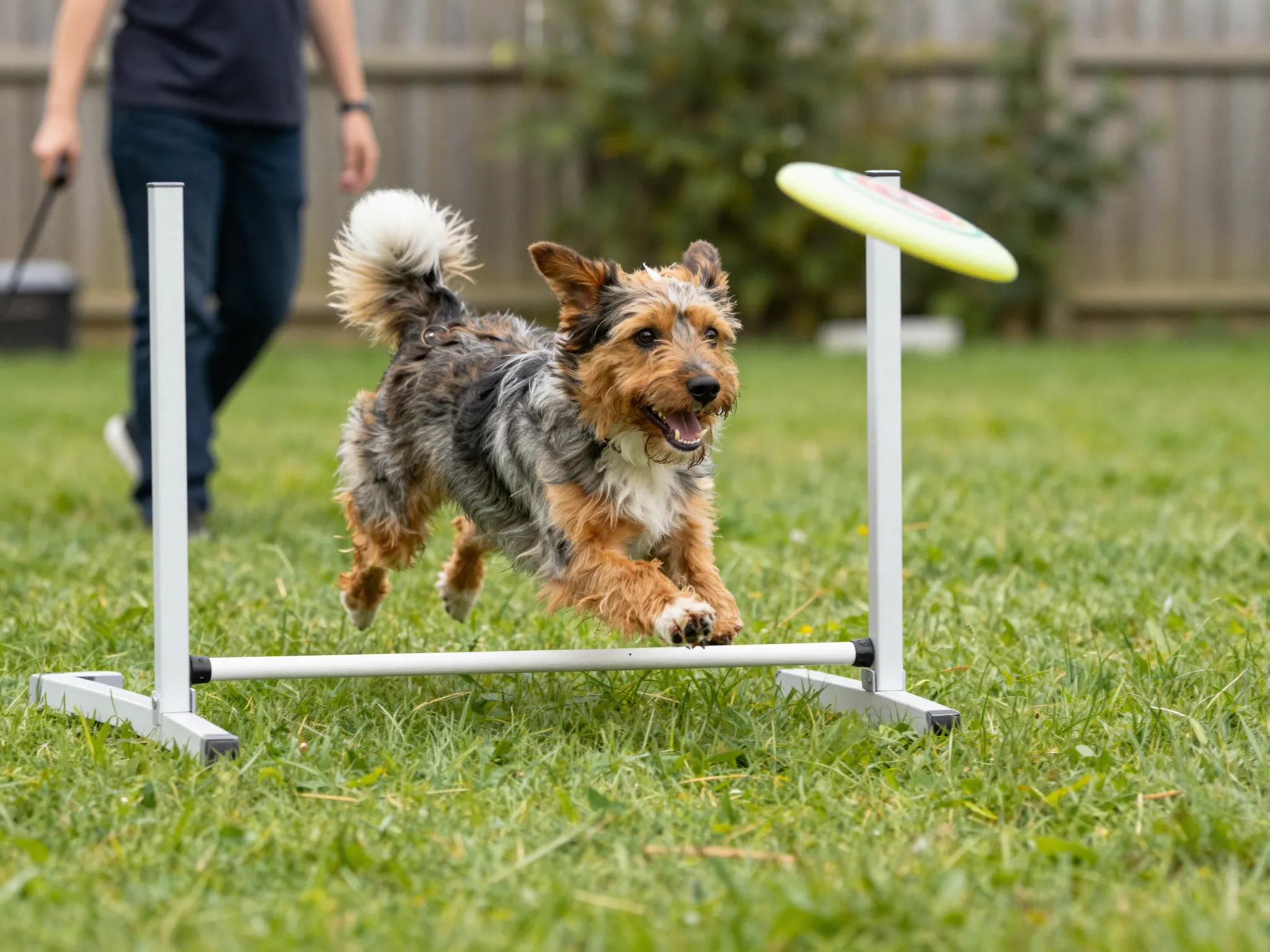
Mini Aussies are not apartment dogs who are happy with a short walk around the block. They are working dogs with working-dog energy levels. A responsible breeder will be upfront about what daily life with a Mini Aussie actually looks like — and it is not for everyone [1].
Realistic daily requirements for a healthy adult Mini Aussie:
- 60–90 minutes of vigorous physical exercise (running, fetch, agility, hiking)
- Mental stimulation through puzzle toys, obedience training, or herding activities
- Consistent human interaction — these dogs do not do well left alone for long hours
Without adequate outlets, Mini Aussies develop destructive behaviors: chewing furniture, digging, excessive barking, and anxiety-driven pacing [1]. A breeder who glosses over this is setting you up to fail.
💬 “An under-exercised Mini Aussie is an unhappy Mini Aussie — and an unhappy Mini Aussie will redecorate your home for you.”
Ask the breeder what kind of lifestyle they recommend for their puppies. Their answer will tell you a lot about how honest and thorough they are.
8. Has the Breeder Explained the Strong Herding Instinct and Its Behavioral Implications?
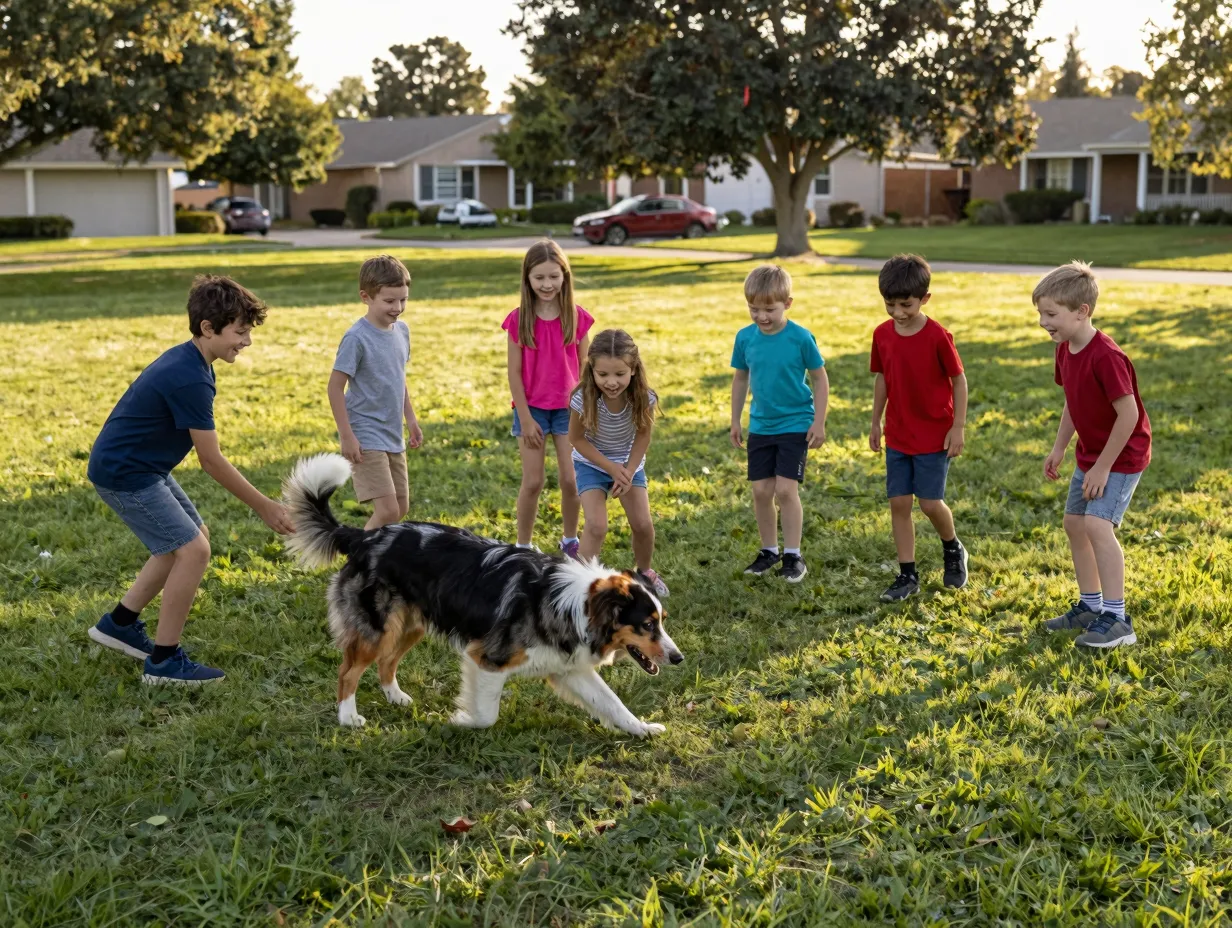
This is the question that surprises most first-time Mini Aussie buyers — and it is the final item in our 8 key questions to ask before you buy a Mini Aussie Shepherd for sale for a reason. The herding instinct is deeply embedded in these dogs, and it does not disappear just because you live in the suburbs.
Common herding behaviors in Mini Aussies include [1]:
- Heel nipping at adults, children, and other pets
- Pants leg biting when people walk past
- Chasing cars, bikes, and joggers — a serious safety risk
- Herding children by circling them and nudging them into groups
These behaviors are not signs of aggression — they are the dog doing exactly what its genetics tell it to do. But without proper training and management, they can be frustrating and even dangerous.
A responsible breeder will explain these tendencies clearly and discuss strategies for channeling the herding drive constructively — through agility, obedience sports, or structured herding activities. If a breeder tells you “oh, Mini Aussies don’t really herd,” walk away.
Bonus: What Documentation Should You Receive?
Beyond asking the right questions, you should leave the breeder’s home with a complete paperwork package [3]. Here is what responsible breeders provide:
Essential documents checklist:
- Veterinarian-issued health certificate (dated within 10 days of purchase)
- Vaccination records (with dates and product names)
- Deworming history
- OFA certifications for both parents
- Genetic test results (MDR1 and full panel)
- CAER eye exam certificates
- A 4–5 generation pedigree
- A written health guarantee or contract
If any of these items are missing, ask why before you finalize the purchase. A legitimate breeder will have all of them ready to go [3].
Red Flags to Watch For When Buying a Mini Aussie Shepherd
Not every seller advertising a Mini Aussie Shepherd for sale is operating ethically. Here are the warning signs that should make you pause:
🚩 Refuses to let you visit the facility or meet the parents
🚩 Cannot produce OFA or genetic testing documentation
🚩 Offers puppies younger than 8 weeks
🚩 Has multiple litters available at all times
🚩 Pressures you to decide quickly or pay a deposit before you visit
🚩 Does not ask you any questions about your lifestyle or home
🚩 Prices are dramatically lower than the market average
Ethical breeders are selective. They want to know where their puppies are going. If a breeder seems more interested in closing the sale than in finding the right home for their puppy, that tells you everything you need to know.
Quick Comparison: Responsible Breeder vs. Red-Flag Seller
| Factor | Responsible Breeder | Red-Flag Seller |
|---|---|---|
| Health testing | Full OFA + genetic panel | “Vet says they’re healthy” |
| Puppy age at sale | 8+ weeks | As young as 5–6 weeks |
| Documentation | Complete paperwork package | Minimal or none |
| Transparency | Discusses breed challenges openly | Claims no health issues |
| Socialization | Structured program | Kennel-only exposure |
| Questions for you | Interviews you thoroughly | No questions asked |
| Contract | Written health guarantee | Verbal only or none |
Conclusion: Use These Questions Every Time
Buying a Mini Aussie Shepherd is a 12–15 year commitment. The time you invest in asking the right questions before you sign a contract is the best investment you can make for both yourself and your future dog.
Here is your action plan for 2026:
Step 1: Research breeders through breed clubs and OFA’s public database before reaching out.
Step 2: Schedule an in-person visit — never buy sight unseen.
Step 3: Bring this list of 8 key questions to ask before you buy a Mini Aussie Shepherd for sale and work through each one.
Step 4: Verify all genetic and OFA results independently on OFA.org.
Step 5: Review all documentation before signing anything or paying in full.
Step 6: Trust your instincts — if something feels off, it probably is.
A Mini Aussie from a responsible breeder will cost more upfront. But the alternative — a dog with preventable health problems, behavioral challenges from poor socialization, or an MDR1 mutation that your vet does not know about — costs far more in the long run. Ask the hard questions. Demand the documentation. And when you find the right breeder, you will know it.
References
[1] Buyers Checklist – https://australianshepherds.org/finding-an-aussie/buyers-checklist/
[2] Choosing A Breeder – https://www.preciousgemminis.com/choosing-a-breeder.html
[3] 23 Questions You Should Ask A Breeder – https://www.petplace.com/article/dogs/pet-care/23-questions-you-should-ask-a-breeder
[4] Pets Do The Darndest Things – https://www.halfpintherders.com/post/pets-do-the-darndest-things
[6] Puppy Buyer Health Questions – https://www.ashgi.org/home-page/genetics-info/faq/puppy-buyer-health-questions
[7] Watch – https://www.youtube.com/watch?v=4ORmi8BNT0g