6 Things Every Beagle Dog Pup Owner Needs to Know
Picture this: a small, tricolor bundle of energy with floppy ears and an irresistible howl has just entered your home. Beagle puppies are among the most beloved companion dogs in the world, but their unique characteristics require specific knowledge and preparation from new owners. Understanding the 6 things every beagle dog pup owner needs to know can make the difference between a challenging experience and a rewarding lifelong partnership with your new furry family member.
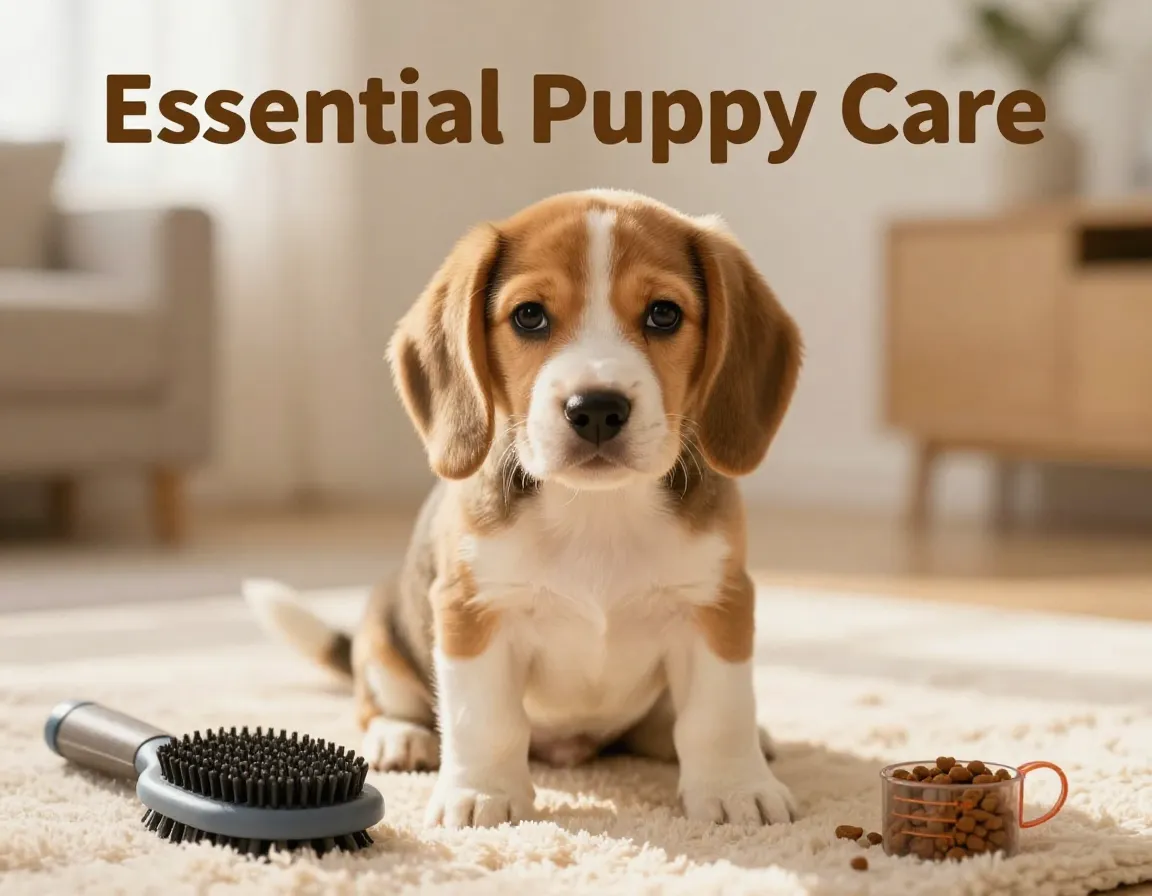
These compact hounds, originally bred for hunting, bring their own set of joys and challenges that differ significantly from other dog breeds. From their distinctive grooming needs to their scent-driven behavior, beagle puppies require specialized care approaches that honor their hunting heritage while adapting to modern family life.
Key Takeaways
- Grooming is intensive: Beagles require weekly ear cleaning, regular brushing 2-3 times per week, and monthly baths to maintain their double coat and prevent infections
- Training demands patience: Their strong scent drive makes beagles easily distracted, requiring consistent positive reinforcement and early leash training
- Exercise needs are significant: These energetic hounds need substantial daily activity and mental stimulation to prevent destructive behaviors
- Feeding requires structure: Beagles are prone to obesity and need measured meals at regular intervals rather than free-feeding
- Health monitoring is crucial: Regular veterinary care, dental hygiene, and nail maintenance are essential for long-term wellbeing
1. Essential Grooming and Health Care Requirements
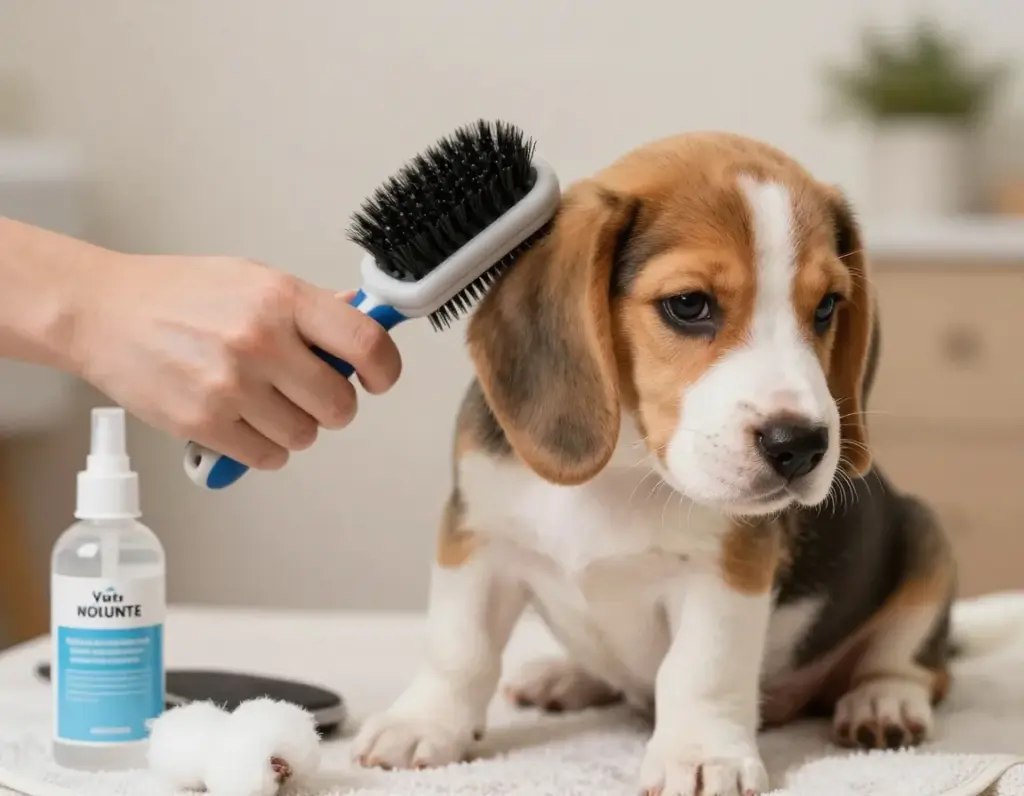
Beagle puppies have specific grooming needs that stem from their unique double coat structure and physical characteristics. Understanding these requirements is fundamental among the 6 things every beagle dog pup owner needs to know for maintaining optimal health.
Coat Care and Brushing 🐕
Beagles possess a double coat with a soft undercoat and weather-resistant outer layer that requires regular maintenance [2]. This coat structure means they shed moderately year-round, making consistent grooming essential.
Brushing Schedule:
- Frequency: 2-3 times weekly minimum
- Tools: Soft-bristle brush or rubber grooming mitt
- Purpose: Manage shedding and distribute natural oils [1][2]
The rubber grooming mitt works particularly well for beagle puppies as it’s gentle on their sensitive skin while effectively removing loose hair and debris.
Bathing Protocol
Proper bathing frequency is crucial for maintaining skin health without stripping natural protective oils. Beagle puppies should be bathed every 1-2 months, or every 4-6 weeks depending on activity level and outdoor exposure [1][3][6].
Bathing Best Practices:
- Use gentle, vet-recommended puppy shampoo
- Avoid over-bathing to preserve natural skin oils
- Thoroughly rinse to prevent residue buildup
- Dry completely, especially around ears
Critical Ear Care 👂
Weekly ear cleaning represents one of the most important grooming tasks for beagle owners. Their characteristic floppy ears create a warm, moist environment that makes them highly susceptible to infections [1][5].
“Ear cleaning is cited as one of the biggest grooming chores for Beagle owners” [5]
Ear Cleaning Steps:
- Use vet-approved ear cleaner only
- Apply solution to cotton ball or soft cloth
- Gently wipe visible areas of ear canal
- Never insert anything deep into the ear
- Monitor for signs of infection (odor, redness, discharge)
Dental Hygiene Foundation
Starting dental care early prevents future health complications and establishes positive grooming routines. Beagle puppies should have their teeth brushed 2-3 times weekly using dog-safe toothpaste [1].
Dental Care Components:
- Dog-specific toothpaste (never human toothpaste)
- Soft-bristled dog toothbrush or finger brush
- Dental chews and toys for tartar reduction [1]
- Regular veterinary dental checkups
Nail Maintenance
Regular nail trimming every 3-4 weeks prevents overgrowth, discomfort, and potential injury [1]. Puppy nail clippers work best for young beagles, transitioning to adult clippers as they grow.
Nail Trimming Tips:
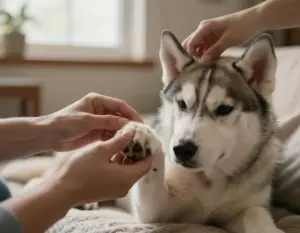
- Start handling paws early for desensitization
- Trim only the white tip, avoiding the pink quick
- Use styptic powder in case of minor cuts
- Reward with treats to create positive associations
2. Training and Exercise Fundamentals
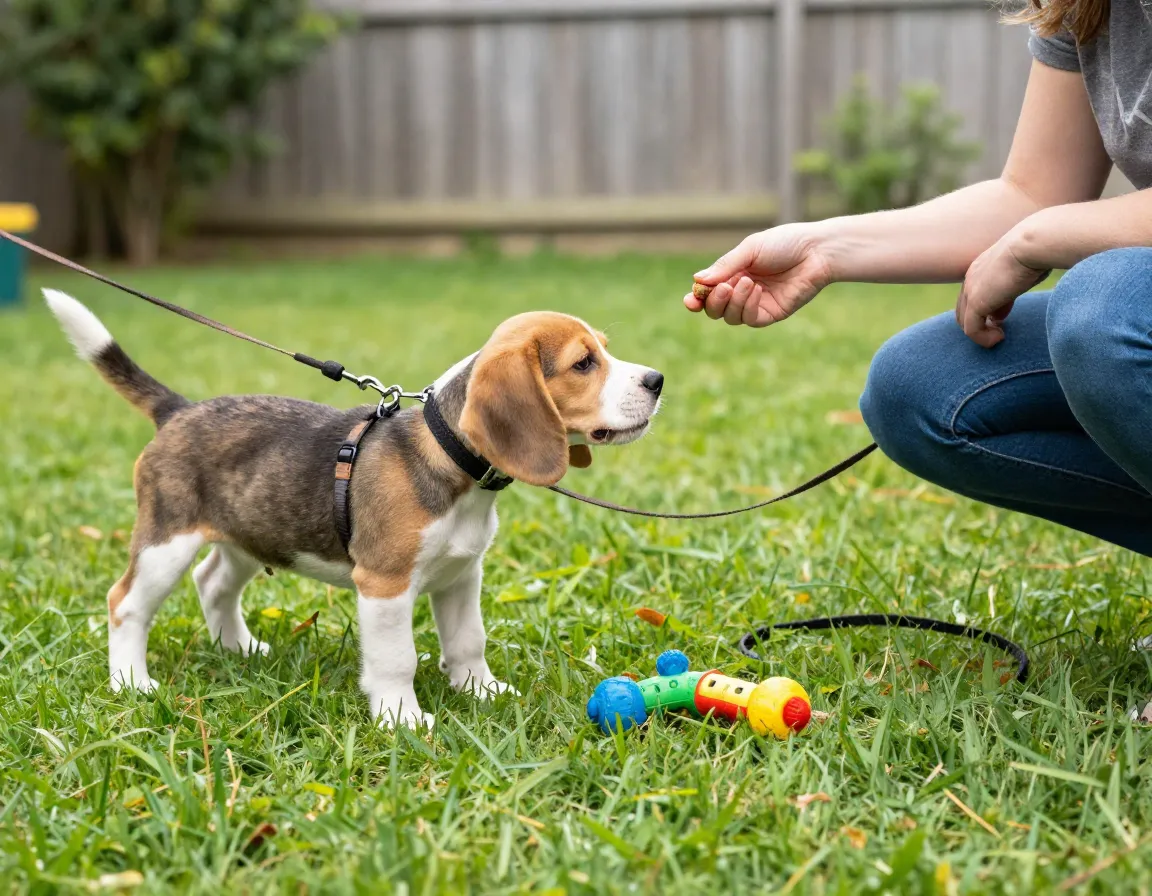
Beagle training requires understanding their hunting instincts and scent-driven nature. These characteristics significantly impact how they learn and respond to commands, making specialized approaches essential among the 6 things every beagle dog pup owner needs to know.
Understanding Beagle Behavior Patterns
Beagles are easily distracted by scents, which stems from their breeding as scent hounds [1]. This natural tendency means traditional training methods may need modification to accommodate their instinctual behaviors.
Key Behavioral Traits:
- Scent-driven focus: Will prioritize interesting smells over commands
- Pack mentality: Respond well to consistent leadership
- Food motivation: Highly treat-motivated for training
- Vocal nature: Prone to howling and barking
- Escape artists: May follow scents beyond boundaries
Positive Reinforcement Training Methods
Use positive reinforcement with treats and affection for teaching basic commands [1]. This approach works exceptionally well with beagles due to their food motivation and desire to please.
Essential Commands to Teach:
- “Sit” – Foundation for all other commands
- “Stay” – Critical for safety around scents
- “Come” – Essential recall despite distractions
- “Leave it” – Prevents eating inappropriate items
- “Heel” – Important for leash walking
Training Session Structure:
- Duration: 5-10 minutes for puppies
- Frequency: Multiple short sessions daily
- Environment: Start indoors with minimal distractions
- Rewards: High-value treats and enthusiastic praise
- Consistency: Same commands and expectations from all family members
Leash Training Specifics
Teach loose-leash walking early due to their strong sense of smell and tendency to wander [1]. Beagles will naturally want to follow interesting scents, making leash training particularly important for safety.
Leash Training Progression:
- Indoor collar/harness introduction
- Short indoor leash sessions
- Backyard supervised walks
- Neighborhood walks with distractions
- Advanced loose-leash walking
Mental Stimulation Requirements
Beagles need significant activities and supervision as they are prone to following their nose into trouble [5]. Mental stimulation is often more tiring than physical exercise for these intelligent hounds.
Mental Enrichment Ideas:
- Puzzle feeders and treat-dispensing toys
- Scent work games using hidden treats
- Rotation of toys to maintain novelty
- Training sessions as mental exercise
- Supervised exploration of new environments
Exercise Guidelines
Daily exercise requirements for beagle puppies should be age-appropriate while acknowledging their high energy levels.
Age-Based Exercise Schedule:
- 8-12 weeks: Short play sessions, 5 minutes per month of age
- 3-6 months: Structured walks plus free play
- 6+ months: Longer walks, hiking, running (with veterinary approval)
Exercise Safety Considerations:
- Avoid overexertion during hot weather
- Monitor for signs of fatigue
- Provide water during longer activities
- Gradually increase intensity and duration
3. Nutrition and Feeding Management
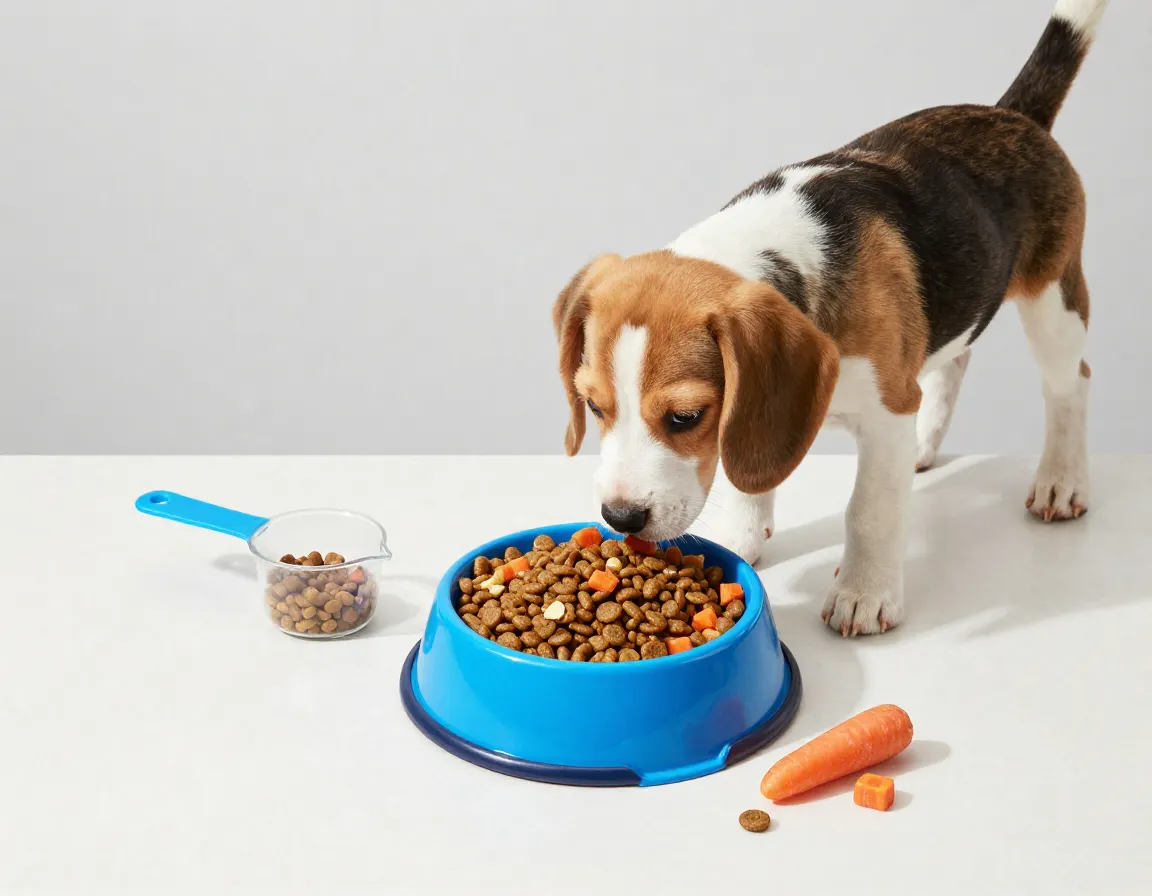
Proper nutrition management is critical for beagle puppies, as this breed has a strong predisposition to obesity and food-related behavioral issues. Understanding feeding protocols represents a crucial aspect of the 6 things every beagle dog pup owner needs to know.
Structured Feeding Schedules
Feed measured meals at regular intervals rather than allowing free-feeding, as beagles are prone to obesity [5]. Their natural tendency to overeat stems from their hunting background, where food availability was unpredictable.
Recommended Feeding Schedule:
- 8-12 weeks: 3-4 meals daily
- 3-6 months: 3 meals daily
- 6+ months: 2-3 meals daily
- Adult: 2 meals daily
Portion Control Guidelines:
- Use measuring cups for accuracy
- Follow puppy food manufacturer recommendations
- Adjust based on body condition and activity level
- Monitor weight gain weekly during puppyhood
Preventing Food-Related Issues
Beagles’ food motivation can lead to problematic behaviors if not properly managed. Their strong appetite requires proactive management strategies.
Common Food-Related Challenges:
- Gulping food too quickly – Use slow-feeder bowls
- Begging behaviors – Establish no-table-food rules
- Resource guarding – Train “wait” and “leave it” commands
- Scavenging – Supervise outdoor time and secure garbage
Nutritional Requirements for Growth
High-quality puppy food specifically formulated for medium-sized breeds provides optimal nutrition during critical growth periods.
Essential Nutritional Components:
- Protein: 22-28% for muscle development
- Fat: 8-17% for energy and coat health
- Calcium/Phosphorus: Balanced ratio for bone growth
- DHA: For brain and eye development
- Vitamins and minerals: For immune system support
Treat Guidelines and Training Rewards
Training treats should comprise no more than 10% of daily caloric intake to prevent nutritional imbalances and weight gain.
Healthy Treat Options:
- Small pieces of cooked chicken
- Freeze-dried liver treats
- Commercial training treats (low-calorie)
- Fresh vegetables (carrots, green beans)
- Small portions of fruits (apples, blueberries)
Treats to Avoid:
- Chocolate and xylitol-containing products
- Grapes and raisins
- Onions and garlic
- High-fat human foods
- Cooked bones that can splinter
4. Health Monitoring and Veterinary Care

Establishing comprehensive health monitoring routines ensures early detection of breed-specific health concerns. Regular veterinary care forms a cornerstone of the 6 things every beagle dog pup owner needs to know for long-term wellbeing.
Vaccination and Preventive Care Schedule
Puppy vaccination schedules protect against serious infectious diseases while building immunity during vulnerable early months.
Standard Vaccination Timeline:
- 6-8 weeks: First DHPP (Distemper, Hepatitis, Parvovirus, Parainfluenza)
- 10-12 weeks: Second DHPP, Bordetella
- 14-16 weeks: Third DHPP, Rabies
- Annual boosters: As recommended by veterinarian
Preventive Care Components:
- Heartworm prevention: Monthly medication year-round
- Flea and tick control: Based on regional risk factors
- Intestinal parasite screening: Fecal examinations
- Spay/neuter consultation: Timing discussion with veterinarian
Breed-Specific Health Considerations
Beagles have predispositions to certain health conditions that require monitoring throughout their lives.
Common Health Concerns:
- Hip dysplasia: Joint development abnormalities
- Epilepsy: Seizure disorders
- Hypothyroidism: Thyroid hormone deficiency
- Cherry eye: Third eyelid gland prolapse
- Intervertebral disc disease: Spinal disc problems
Early Warning Signs to Monitor:
- Changes in appetite or water consumption
- Lethargy or decreased activity levels
- Difficulty breathing or persistent coughing
- Limping or reluctance to move
- Changes in bathroom habits
Weight Management and Obesity Prevention
Obesity prevention is particularly crucial for beagles due to their food-driven nature and genetic predisposition to weight gain.
Weight Monitoring Protocol:
- Weekly weigh-ins during puppyhood
- Monthly weight checks for adult dogs
- Body condition scoring using veterinary guidelines
- Dietary adjustments based on body condition
Healthy Weight Indicators:
- Ribs easily felt but not visible
- Visible waist when viewed from above
- Abdominal tuck when viewed from side
- Active and energetic behavior
Emergency Preparedness
Recognizing emergency situations and having action plans can be life-saving for beagle puppies.
Emergency Situations Requiring Immediate Care:
- Bloat or gastric torsion: Distended abdomen, retching
- Heatstroke: Excessive panting, drooling, collapse
- Poisoning: Vomiting, diarrhea, seizures
- Trauma: Injuries from accidents or falls
- Respiratory distress: Difficulty breathing, blue gums
Emergency Preparedness Kit:
- Veterinary contact information
- After-hours emergency clinic details
- Basic first aid supplies
- Transportation plan for emergency situations
5. Socialization and Behavioral Development
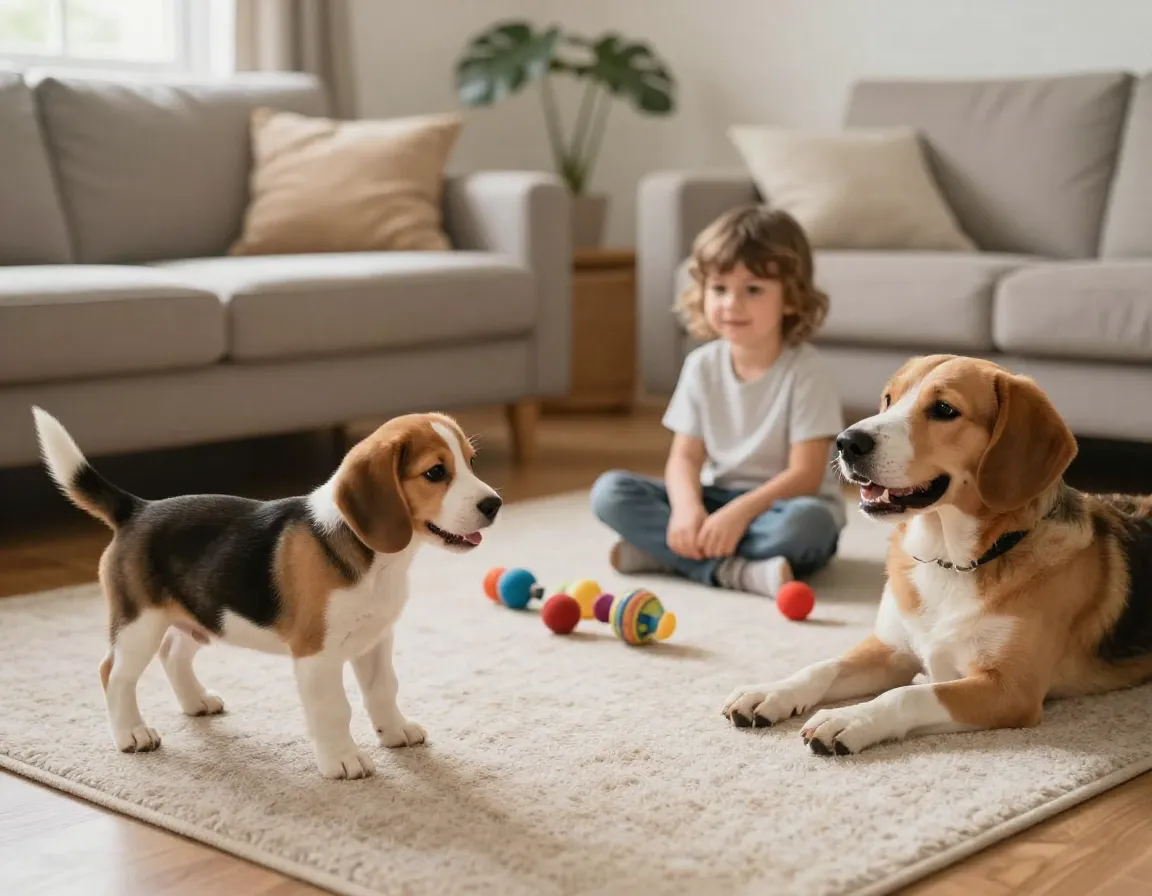
Early socialization significantly impacts a beagle’s lifelong behavior and adaptability. Proper socialization techniques are among the most important 6 things every beagle dog pup owner needs to know for raising a well-adjusted adult dog.
Critical Socialization Period
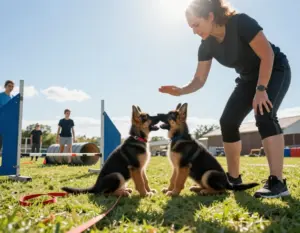
The first 16 weeks of life represent the critical socialization window when puppies are most receptive to new experiences and form lasting impressions about their environment.
Socialization Timeline:
- 3-7 weeks: Primary socialization with littermates
- 7-12 weeks: Human socialization and basic handling
- 8-16 weeks: Exposure to various environments and stimuli
- 4-6 months: Continued reinforcement and new experiences
Exposure to People and Animals
Controlled introductions to diverse people, animals, and situations help prevent fear-based behaviors and aggression later in life.
People Socialization Goals:
- Different ages: Children, adults, elderly individuals
- Various appearances: Different clothing, hats, uniforms
- Mobility aids: Wheelchairs, walkers, crutches
- Diverse ethnicities: Varied appearances and voices
- Activity levels: Calm and energetic interactions
Animal Socialization Considerations:
- Other dogs: Various sizes, ages, and play styles
- Cats: Supervised interactions if cohabiting
- Small animals: Appropriate boundaries due to hunting instincts
- Livestock: If rural environment exposure needed
Environmental Exposure
Gradual exposure to different environments builds confidence and reduces anxiety in new situations.
Environmental Socialization Checklist:
- Urban settings: Traffic, crowds, city sounds
- Rural environments: Farm animals, natural settings
- Indoor spaces: Different homes, stores, veterinary clinics
- Outdoor surfaces: Grass, concrete, gravel, sand
- Weather conditions: Rain, wind, different temperatures
Managing Beagle-Specific Behaviors
Understanding breed characteristics helps address behavioral tendencies before they become problematic.
Typical Beagle Behaviors to Address:
- Excessive vocalization: Howling and barking management
- Scent-driven wandering: Recall training emphasis
- Food guarding: Resource sharing exercises
- Separation anxiety: Gradual alone-time conditioning
- Jumping on people: Greeting behavior modification
Behavior Modification Strategies:
- Consistent boundaries from all family members
- Positive reinforcement for desired behaviors
- Redirection rather than punishment
- Environmental management to prevent problems
- Professional training if issues persist
6. Creating a Safe and Stimulating Environment
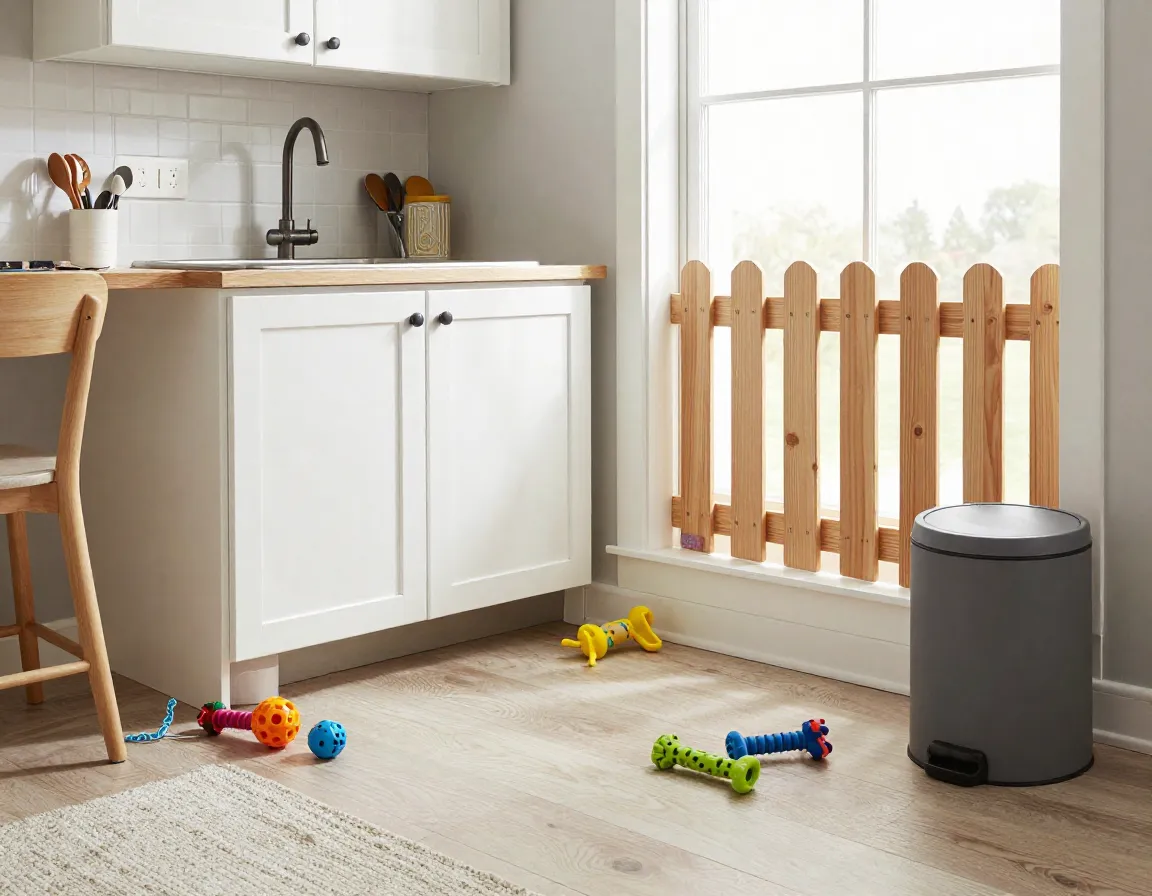
Environmental setup plays a crucial role in beagle puppy development and safety. Proper home preparation represents the final essential element among the 6 things every beagle dog pup owner needs to know for successful pet ownership.
Puppy-Proofing Your Home
Beagles’ curiosity and scenting abilities make thorough puppy-proofing essential for preventing accidents and destructive behaviors.
Indoor Safety Checklist:
- Electrical cords: Cover or elevate out of reach
- Toxic plants: Remove or relocate dangerous vegetation
- Small objects: Secure items that could be swallowed
- Garbage cans: Use secure lids or elevated placement
- Cleaning supplies: Store in locked cabinets
- Medications: Keep in secure, closed containers
Kitchen and Bathroom Precautions:
- Cabinet locks for cleaning supply storage
- Toilet lid locks to prevent drinking/drowning
- Trash can security to prevent scavenging
- Sharp objects stored safely away
- Food storage in sealed, elevated containers
Outdoor Space Considerations
Secure fencing is non-negotiable for beagle owners due to their tendency to follow scents regardless of boundaries.
Fencing Requirements:
- Minimum height: 5-6 feet to prevent jumping
- Ground barriers: Prevent digging under fences
- Gate security: Self-closing, secure latches
- Visual barriers: Reduce fence-line reactivity
- Regular inspection: Check for damage or escape routes
Garden and Yard Safety:
- Toxic plant removal: Azaleas, lilies, sago palms
- Chemical storage: Fertilizers, pesticides, antifreeze
- Tool security: Sharp gardening implements
- Water feature safety: Pools, ponds, water bowls
- Compost bin security: Prevent access to decomposing materials
Mental Stimulation Setup
Environmental enrichment prevents boredom-related destructive behaviors while satisfying natural instincts.
Indoor Enrichment Ideas:
- Puzzle feeders for mealtime mental exercise
- Rotating toy selection to maintain novelty
- Hide-and-seek games using treats or toys
- Scent work stations with approved scenting materials
- Comfortable resting areas in multiple rooms
Interactive Elements:
- Kong toys stuffed with appropriate treats
- Snuffle mats for foraging behaviors
- Treat-dispensing balls for active engagement
- Chew toy variety for dental health and entertainment
Sleep and Rest Area Setup
Proper rest areas support healthy sleep patterns and provide security for developing puppies.
Sleeping Area Requirements:
- Comfortable bedding appropriate for size
- Temperature control avoiding drafts or overheating
- Quiet location away from high-traffic areas
- Easy cleaning washable materials preferred
- Size appropriate room to stretch but cozy enough for security
Crate Training Considerations:
- Proper sizing: Large enough to stand and turn around
- Positive associations: Meals and treats in crate
- Gradual introduction: Short periods building to longer stays
- Never punishment: Crate should be positive space only
Conclusion
Successfully raising a beagle puppy requires dedication, patience, and understanding of their unique characteristics. The 6 things every beagle dog pup owner needs to know encompass comprehensive grooming routines, specialized training approaches, structured nutrition management, proactive health monitoring, thorough socialization, and thoughtful environmental preparation.
Key success factors include establishing consistent routines early, embracing their scent-driven nature rather than fighting it, and providing adequate mental and physical stimulation. Remember that beagles thrive with structure, positive reinforcement, and patient guidance that honors their hunting heritage while adapting to modern family life.
Immediate action steps for new beagle puppy owners include scheduling veterinary care, puppy-proofing the home environment, sourcing appropriate grooming supplies, and beginning basic training routines. Consider enrolling in puppy socialization classes and connecting with experienced beagle owners or breed-specific groups for ongoing support and advice.
The investment in proper early care and training pays dividends throughout your beagle’s 12-15 year lifespan. With proper preparation and commitment to these fundamental principles, beagle puppies develop into loyal, well-behaved companions that bring years of joy and adventure to their families. 🐾
References
[1] The Beagle Breed Health Nutrition Vaccines And Training The Complete Guide For Pet Parents – https://vetic.in/blog/breed/the-beagle-breed-health-nutrition-vaccines-and-training-the-complete-guide-for-pet-parents/
[2] Beagle As A Puppy – https://rubyloo.co/blogs/news/beagle-as-a-puppy
[3] Beagle Puppies Everything You Need To Know – https://www.rover.com/blog/beagle-puppies-everything-you-need-to-know/
[4] Beagle Puppy Care – https://www.beaglepro.com/beagle-puppy-care
[5] Beagle – https://www.petmd.com/dog/breeds/beagle
[6] Beagle Breed Guide – https://vetslovepets.com.au/blogs/dog/beagle-breed-guide
[7] Puppy Care – https://beagle-puppies.com/puppy-care/
[8] Beagles – https://www.geniusvets.com/pet-care/learn/dogs/breeds/beagles
[9] Breed Guide Beagle – https://petslovefresh.com/blogs/news/breed-guide-beagle