
British Cream Golden Retriever: 8 Breed Insights Before You Buy
If you’ve been scrolling through social media and fallen head over heels for a pale, almost white Golden Retriever, you’re not alone — and you’re likely looking at what’s marketed as a “British Cream Golden Retriever.” Before you hand over thousands of dollars to a breeder, there are critical facts every buyer needs to know. This guide on the British Cream Golden Retriever: 8 Breed Insights Before You Buy breaks down the truth behind the marketing, the health realities, and what it actually takes to find a quality dog — so you can make a smart, informed decision in 2026.

Key Takeaways
- 🐾 “British Cream” is a marketing label, not an official breed or color classification recognized by major kennel clubs.
- 🏥 Coat color does NOT determine health — cancer risk and lifespan are tied to genetics and breeding practices, not color.
- 💰 Premium pricing for “rare” cream dogs is misleading — cream-colored Golden Retrievers are not rare.
- ✅ Responsible breeders prioritize health testing, temperament, and structure over coat color.
- 🔍 Knowing the red flags of unethical breeders can save you heartbreak and money.
What Is a British Cream Golden Retriever, Really?
Before diving into the 8 breed insights, let’s set the record straight on terminology.
The phrase “British Cream Golden Retriever” — along with “English Cream,” “Platinum Golden Retriever,” and “Rare White Golden Retriever” — refers to Golden Retrievers with pale, cream-colored coats that are typically bred to European (often British) breed standards. However, there is only one Golden Retriever breed recognized by major kennel clubs worldwide. Terms like “British Cream” are marketing labels, not official designations [3].
💬 “There is no such thing as a separate ‘English Cream’ or ‘British Cream’ breed. These are Golden Retrievers — full stop.” — Golden Retriever Club of America [3]
The British Kennel Club (BKC) does prefer lighter, cream-colored coats in its breed standard, while the American Kennel Club (AKC) accepts a broader range from dark to light golden [1]. This difference in standards is where much of the confusion — and marketing opportunity — originates.
British Cream Golden Retriever: 8 Breed Insights Before You Buy
1. The Name Is a Marketing Term, Not a Breed Classification

The very first thing to understand is that “British Cream Golden Retriever” is not an official breed name. The AKC recognizes only three official color registrations for Golden Retrievers: light golden, golden, and dark golden. The word “cream” does not appear in AKC color classifications — ever [2].
Breeders and sellers use terms like:
- English Cream Golden Retriever
- British Cream Golden Retriever
- Platinum Golden Retriever
- Rare White Golden Retriever
- Exquisite Cream Golden Retriever
These labels are designed to create a sense of exclusivity and justify higher prices. When you see these terms used heavily in a breeder’s marketing, treat it as a signal to ask more questions — not fewer [3].
2. Cream-Colored Golden Retrievers Are NOT Rare

One of the most persistent myths is that these pale dogs are somehow scarce or hard to find. They are not rare. Cream coloring is simply a coat variation within the Golden Retriever gene pool, and it’s quite common in dogs bred to European standards [3].
Breeders who use words like “Platinum,” “Exquisite,” or “Rare White” in their marketing are using scarcity language to justify premium pricing — sometimes charging $3,000–$5,000 or more per puppy [3].
| Marketing Term | What It Actually Means |
|---|---|
| “Platinum Golden Retriever” | Golden Retriever with a pale cream coat |
| “Rare White Golden Retriever” | Not rare; common in European lines |
| “British Cream” | European-standard Golden Retriever |
| “Exquisite Cream” | A marketing phrase with no breed meaning |
Bottom line: Pay for health testing and good temperament, not for a color label.
3. The Health Advantage Claim Is Not Supported by Evidence

This is perhaps the most important insight in this entire guide. Many breeders marketing British Cream or English Cream Golden Retrievers claim their dogs are healthier, live longer, and have lower cancer rates than American Golden Retrievers. The Golden Retriever Club of America explicitly states there is no evidence to support these claims [3].
All Golden Retrievers — regardless of coat color — are prone to cancer. It’s one of the most heartbreaking realities of the breed. Breeders who claim their cream-colored dogs don’t develop cancer are making false and misleading claims [2].
💬 “Health outcomes are determined by genetic testing, responsible breeding practices, and careful selection — not by the color of a dog’s coat.” [3]
If a breeder is leading with color and health superiority claims together, that’s a serious red flag. 🚩
4. What Actually Determines a Golden Retriever’s Health
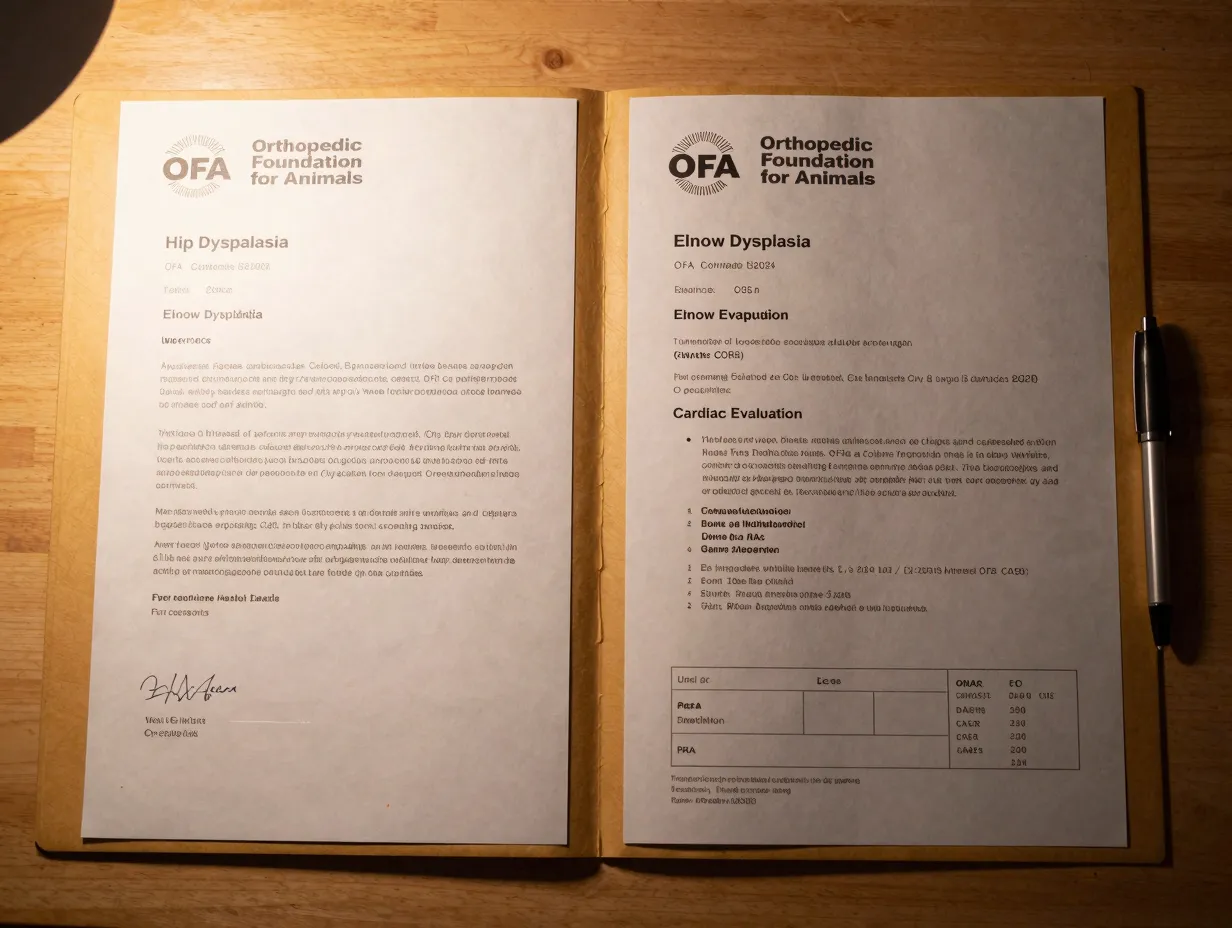
Since coat color doesn’t drive health outcomes, what does? Genetics, testing, and breeding practices are the real factors [3].
Here’s what responsible breeders test for:
Essential Health Clearances for Golden Retrievers:
- Hip and Elbow Dysplasia — OFA (Orthopedic Foundation for Animals) certification
- Heart Health — OFA cardiac evaluation
- Eye Health — OFA eye certification (CAER exam)
- Progressive Retinal Atrophy (PRA) — DNA test
- Ichthyosis — DNA test (common in Goldens)
- Neuronal Ceroid Lipofuscinosis (NCL) — DNA test
A reputable breeder — whether they breed cream, golden, or dark golden dogs — will have all of these clearances documented and available for you to verify. You can check OFA results at ofa.org using the dog’s registered name.
✅ Pro Tip: Always ask for OFA numbers and verify them independently before committing to a puppy.
5. Temperament: What to Genuinely Expect

Here’s some genuinely good news. British Cream Golden Retrievers — like all well-bred Golden Retrievers — are known for being patient, gentle, and highly tolerant, making them outstanding family dogs [4].
Key temperament traits include:
- Patience with children — Goldens are famously gentle with kids of all ages [4]
- High trainability — They’re eager to please and respond well to positive reinforcement
- Sociability — They tend to get along well with other pets and strangers
- Moderate energy levels — They need daily exercise but aren’t hyperactive
- Emotional sensitivity — They pick up on human emotions and thrive with calm, consistent handling
🐕 These traits apply across the breed regardless of coat color. A cream-colored Golden from a responsible breeder will have the same temperament potential as any other well-bred Golden.
One caveat: Temperament is also shaped by genetics. Ask breeders about the temperament of both parents — and meet them if possible.
6. Physical Differences Between European and American Lines

While they’re the same breed, Golden Retrievers bred to British/European standards do tend to have some physical differences compared to American-line dogs. These are the result of different breed standards, not separate breeds.
| Feature | British/European Line | American Line |
|---|---|---|
| Coat Color | Cream to light golden | Light to dark golden |
| Build | Broader, stockier | Leaner, more athletic |
| Head Shape | Broader skull, more pronounced stop | Slightly narrower |
| Coat Texture | Often thicker, denser | Can be wavier |
| Eye Color | Darker preferred | Varies |
These are general tendencies, not guarantees. Individual dogs vary widely, and many breeders mix lines, so you may see a blend of characteristics [1].
7. Red Flags to Watch for When Buying a British Cream Golden Retriever

This insight could save you thousands of dollars and enormous heartbreak. Knowing the British Cream Golden Retriever: 8 Breed Insights Before You Buy framework means being able to spot unethical breeders before you commit.
🚩 Red Flags in Breeder Marketing and Practices:
- Heavy emphasis on “rare” or “exclusive” color terminology
- Claims that cream dogs are healthier or cancer-free [2]
- No OFA health clearances provided or available
- Puppies available immediately with no waitlist
- Multiple litters available at the same time
- Unwillingness to let you meet the parent dogs
- No contract or health guarantee
- Pressure tactics or urgency (“only 2 puppies left!”)
- Price based primarily on coat color, not health testing
- No questions asked about your home, lifestyle, or experience
💬 “Responsible breeders prioritize health, temperament, and structure over color. Color should remain a low priority.” [2]
✅ Green Flags to Look For:
- Active involvement in breed clubs (GRCA, regional Golden clubs)
- OFA-certified health clearances for both parents
- Willingness to answer all questions thoroughly
- A waitlist (good breeders often have one)
- They ask YOU questions too
8. The True Cost of Owning a British Cream Golden Retriever

Understanding the financial picture is a key part of the British Cream Golden Retriever: 8 Breed Insights Before You Buy conversation. The purchase price is just the beginning.
Estimated First-Year Costs (2026):
| Expense | Estimated Cost (USD) |
|---|---|
| Puppy purchase price | $2,500 – $5,000+ |
| Initial vet visits & vaccines | $300 – $600 |
| Spay/neuter (if applicable) | $300 – $500 |
| Food (first year) | $600 – $1,000 |
| Crate, bed, supplies | $300 – $500 |
| Training classes | $200 – $400 |
| Pet insurance (annual) | $600 – $1,200 |
| Estimated First-Year Total | $4,800 – $9,200+ |
Beyond year one, annual costs typically run $1,500–$3,000 for food, routine vet care, grooming, and supplies. Golden Retrievers are also prone to conditions like hip dysplasia, allergies, and cancer — all of which can result in significant veterinary bills. Pet insurance is strongly recommended for this breed.
🐾 Don’t let a lower puppy price from a questionable breeder fool you — the long-term costs of health problems from poor breeding practices can far exceed the savings.
How to Find a Responsible Breeder in 2026
Now that you’ve worked through the British Cream Golden Retriever: 8 Breed Insights Before You Buy framework, here’s how to actually find a quality breeder:
Step-by-step approach:
- Start with the GRCA — The Golden Retriever Club of America maintains a breeder referral list at grca.org. These breeders have agreed to a code of ethics [3].
- Search regional Golden Retriever clubs — Many regions have local breed clubs with their own referral networks.
- Verify OFA clearances — Use ofa.org to independently confirm any health certifications a breeder claims.
- Visit in person — Whenever possible, visit the breeder’s facility, meet the parent dogs, and observe the puppies’ environment.
- Ask for references — Talk to previous puppy buyers about their experience.
- Read the contract carefully — A good breeder’s contract will include health guarantees and a return clause (they take their dogs back if you can’t keep them).
✅ Quick Reminder: A breeder who emphasizes coat color over health testing is not a breeder you want to work with — regardless of how beautiful the puppies look in photos.
Grooming and Care Essentials
British Cream Golden Retrievers typically have a thick, dense double coat that requires consistent grooming. Here’s what to expect:
- Brushing: 3–4 times per week minimum; daily during shedding seasons (spring and fall)
- Bathing: Every 4–6 weeks, or as needed
- Ear cleaning: Weekly, as Goldens are prone to ear infections
- Nail trimming: Every 3–4 weeks
- Professional grooming: Every 8–12 weeks is recommended
🛁 Invest in a high-quality slicker brush and an undercoat rake — your furniture and clothes will thank you.
Exercise needs: Golden Retrievers need at least 1–2 hours of exercise daily. This includes walks, fetch, swimming (they love water!), and mental stimulation like training sessions or puzzle toys.
Conclusion: Is a British Cream Golden Retriever Right for You?
After reviewing the British Cream Golden Retriever: 8 Breed Insights Before You Buy, here’s the honest summary: these are wonderful dogs — but the marketing around them is often misleading and sometimes predatory.
The key truths to carry forward:
- “British Cream” is a marketing term, not a breed designation
- Cream coloring does not make a dog healthier or longer-lived
- Health is determined by genetics, testing, and responsible breeding
- Premium pricing for color alone is not justified
- Responsible breeders prioritize health, temperament, and structure
Your actionable next steps:
- ✅ Research breeders through the GRCA breeder referral program
- ✅ Verify all health clearances independently via ofa.org
- ✅ Visit the breeder in person before committing
- ✅ Budget realistically for first-year and ongoing costs
- ✅ Consider pet insurance from day one
- ✅ Ask every question on your mind — a good breeder welcomes them
A well-bred Golden Retriever — cream, golden, or dark — is one of the most rewarding companions you can bring into your home. Go in with your eyes open, prioritize health and temperament over color, and you’ll be set up for a beautiful relationship with an incredible dog. 🐾
References
[1] Explore The History Of Cream Golden Retrievers – https://www.doodlepatchfarm.com/explore-the-history-of-cream-golden-retrievers/
[2] The Truth About English Cream Golden Retrievers – https://thecaninechasm.com/the-truth-about-english-cream-golden-retrievers/
[3] English Cream Golden Retrievers – https://grca.org/find-a-golden/more-topics-before-you-buy/english-cream-golden-retrievers/
[4] Ultimate Guide To English Cream Golden Retrievers – https://goldenmeadowsretrievers.com/ultimate-guide-to-english-cream-golden-retrievers/