Key Things To Know Before Bringing Home A Siberian Cat Kitten
A Siberian kitten does not finish growing until close to its fifth birthday. That single fact surprises more new owners than almost anything else about this breed, and it changes how you should shop for a carrier, a cat tree, and even a litter box. Siberians are not a plug-and-play kitten purchase. They are a multi-year commitment to a large, athletic, triple-coated cat that will still be developing muscle, bone, and coat density long after most breeds have settled into adulthood.
Disclosure: This post contains affiliate links. As an Amazon Associate, we earn from qualifying purchases, and at no extra cost to you.
This guide covers the 6 Key Things To Know Before Bringing Home A Siberian Cat Kitten, drawing on current veterinary guidance, breed-club recommendations, and allergy research updated through 2026. Whether a family is drawn in by the breed’s dog-like affection or its striking, lynx-like coat, the goal here is the same: walk into kitten ownership with realistic expectations instead of surprises.
Key Takeaways
* Siberian kittens grow slowly and do not reach full physical maturity until around age 5, so furniture, carriers, and litter boxes need to be sized for a future 12 to 20 pound adult.
* No cat, including the Siberian, is medically proven hypoallergenic; allergen levels (Fel d 1) vary widely between individual cats, so allergy sufferers should test their reaction before committing.
* Responsible breeders screen parent cats for hypertrophic cardiomyopathy (HCM) and polycystic kidney disease (PKD), and new owners should schedule a full veterinary exam within the kitten’s first week home.
* Ethical Siberian kittens typically go home at 12 to 13 weeks or later, not sooner, and pricing for health-tested, pedigree kittens generally runs $1,200 to $2,500 in the United States.
* Grooming, home setup, and allergen management are ongoing responsibilities, not one-time tasks, and they matter for the entire 11 to 18 year lifespan of the cat.
Understanding the 6 Key Things To Know Before Bringing Home A Siberian Cat Kitten Before You Commit
Siberians have earned a loyal following for good reason. They are playful, people-oriented, and often described as having a dog-like devotion to their families. But that charm can obscure the practical realities of the breed. Before signing a breeder contract or bringing a kitten home, it helps to look at the full picture: size and growth timeline, allergy considerations, health screening standards, adoption age, home preparation, and the long-term costs of coat care and veterinary monitoring.
The table below offers a quick snapshot before the detailed breakdown that follows.
| Consideration | What To Expect |
|---|---|
| Adult size | Males 12-20 lb, females 8-12 lb |
| Full maturity | Around 5 years old |
| Allergen status | Lower for some individuals, never guaranteed hypoallergenic |
| Ideal adoption age | 12-13 weeks or older |
| Typical breeder price | USD $1,200,$2,500 |
| Lifespan | 11-18 years |
With that overview in mind, here are the 6 Key Things To Know Before Bringing Home A Siberian Cat Kitten in detail.
1. Plan For A Large, Slow-Maturing, Triple-Coated Cat
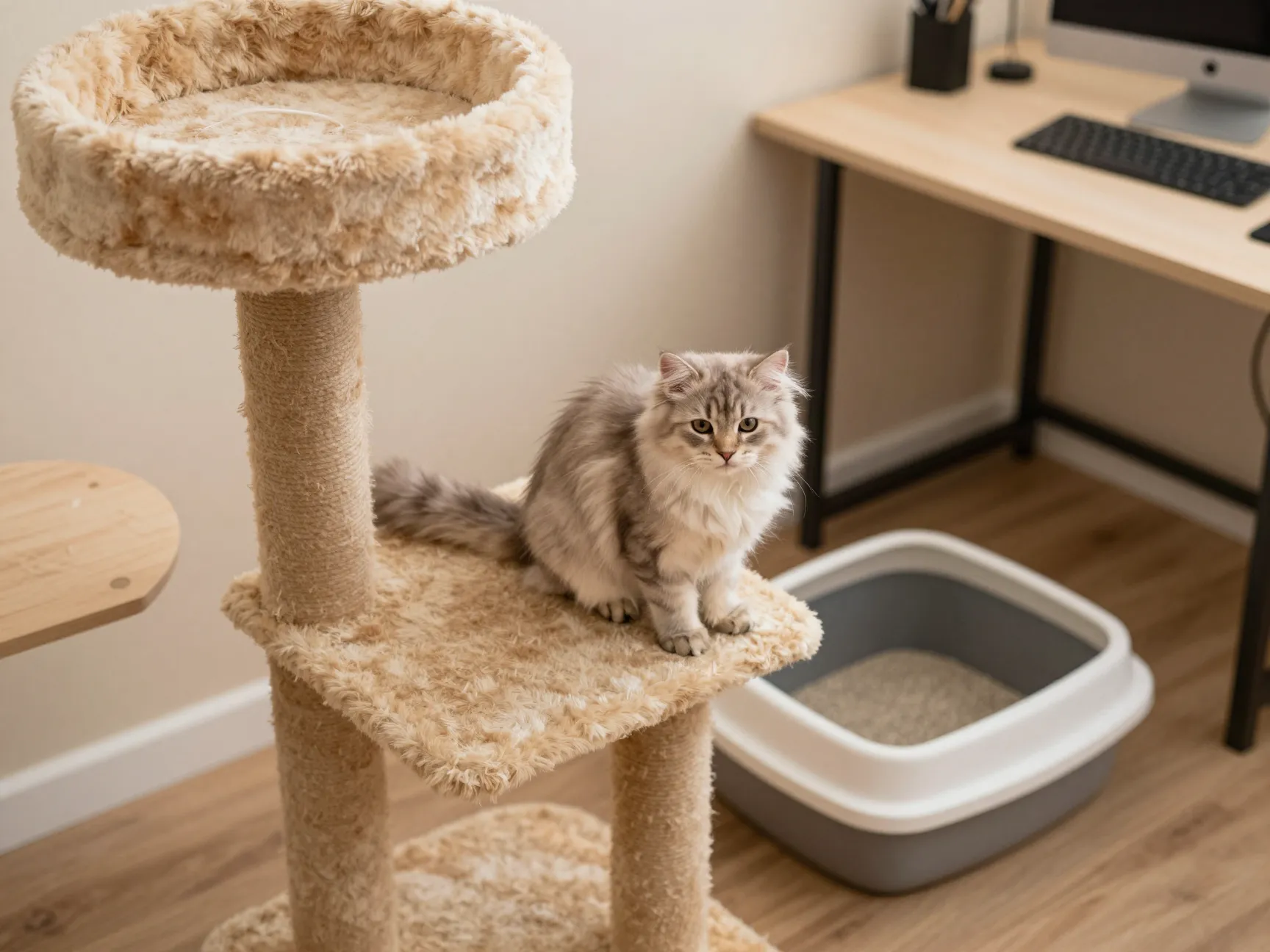
Siberian kittens are deceptively small when they first arrive. Adult males commonly weigh 12 to 20 pounds, and females typically settle between 8 and 12 pounds, but the breed is famous for taking its time getting there. Most Siberians do not reach full physical maturity until around 5 years of age, meaning the “kitten” phase of high energy and rapid growth stretches out far longer than it does in many other breeds.
This slow maturation has practical consequences for shopping decisions made early on. A cat tree, scratching post, or bed that comfortably fits a 4-pound kitten will be outgrown within months, and it needs to eventually support a cat that may weigh four or five times as much by adulthood. The same logic applies to carriers used for vet visits: a snug kitten carrier will not work for a 15 to 20 pound adult a few years later.
The breed’s signature triple coat, made up of a guard layer, an awn layer, and a dense undercoat, also develops gradually. Kittens have a simpler, softer coat that fills in over the first couple of years. Understanding this timeline early helps owners avoid both financial waste and the frustration of constantly re-buying equipment.
Practical takeaway: buy furniture and accessories rated for an adult-sized Siberian from the start, even if the kitten looks tiny sitting on it now.
2. Know That “Low-Allergen” Is Not The Same As Hypoallergenic
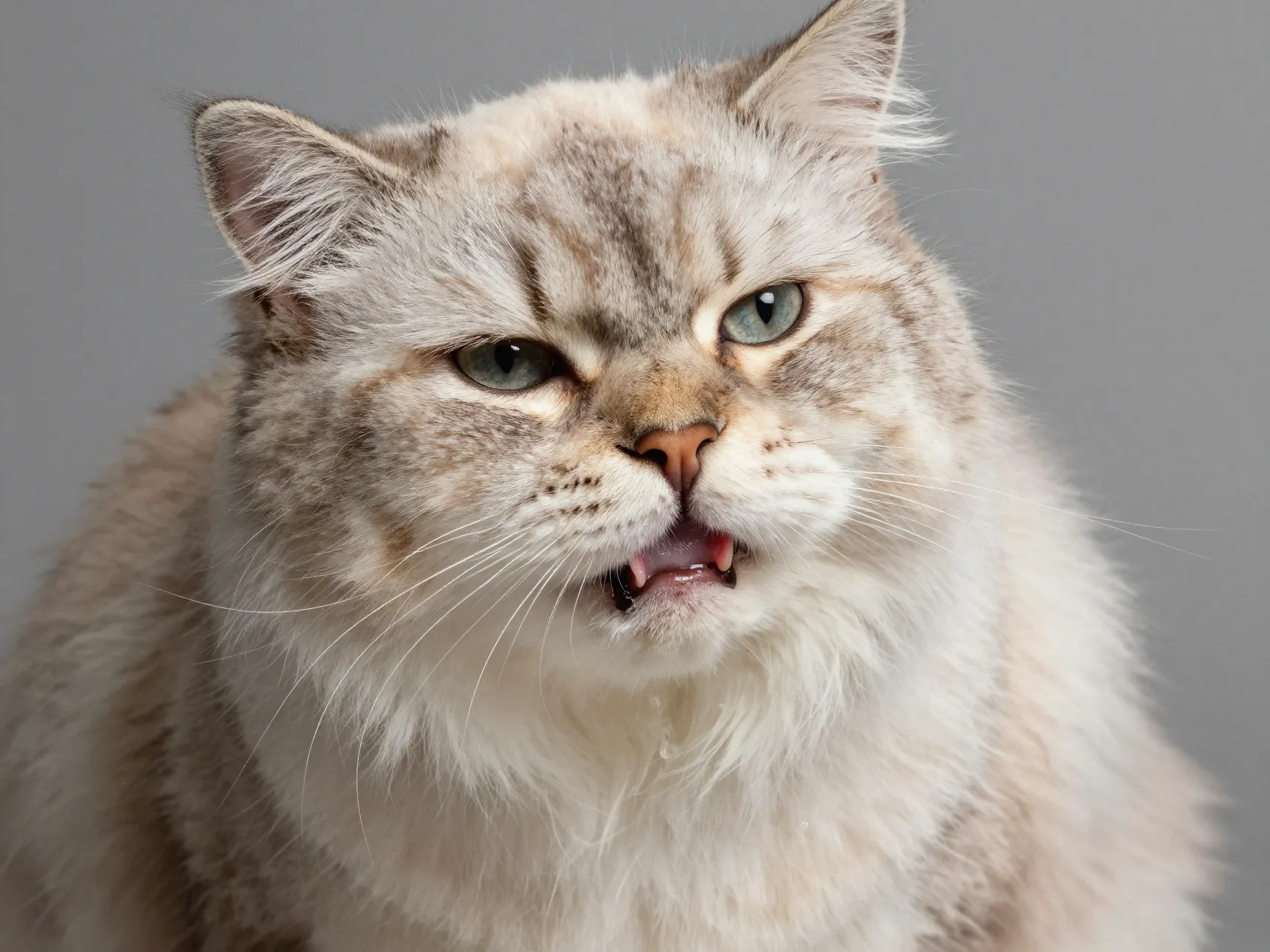
Siberians are often marketed as hypoallergenic, and this claim deserves a closer look. No major allergy or veterinary organization recognizes any cat breed, including the Siberian, as medically hypoallergenic. What does exist is variation in Fel d 1, the primary allergenic protein found in cat saliva and skin secretions.
Large-scale allergen studies involving hundreds of Siberian cats have found that individual Fel d 1 levels vary enormously. Some Siberians test very low, which may explain the breed’s reputation, but others test just as high as cats from other breeds. There is no reliable way to predict, from the breed label alone, whether a specific kitten will produce low or high allergen levels.
“There is no proven hypoallergenic cat,” is the consistent message from national allergy organizations, even as individual cats, Siberians included, show real variation in how much allergen they shed.
This distinction matters enormously for anyone with cat allergies who is drawn to the breed specifically for its supposed allergy-friendliness. A kitten’s parents testing low for Fel d 1 can improve the odds, but it is not a guarantee for every kitten in a litter.
Practical takeaway: treat “low-allergen” as a possibility, not a promise, and plan accordingly before adoption day.
3. Test Your Own Reaction And Build An Allergy-Management Routine
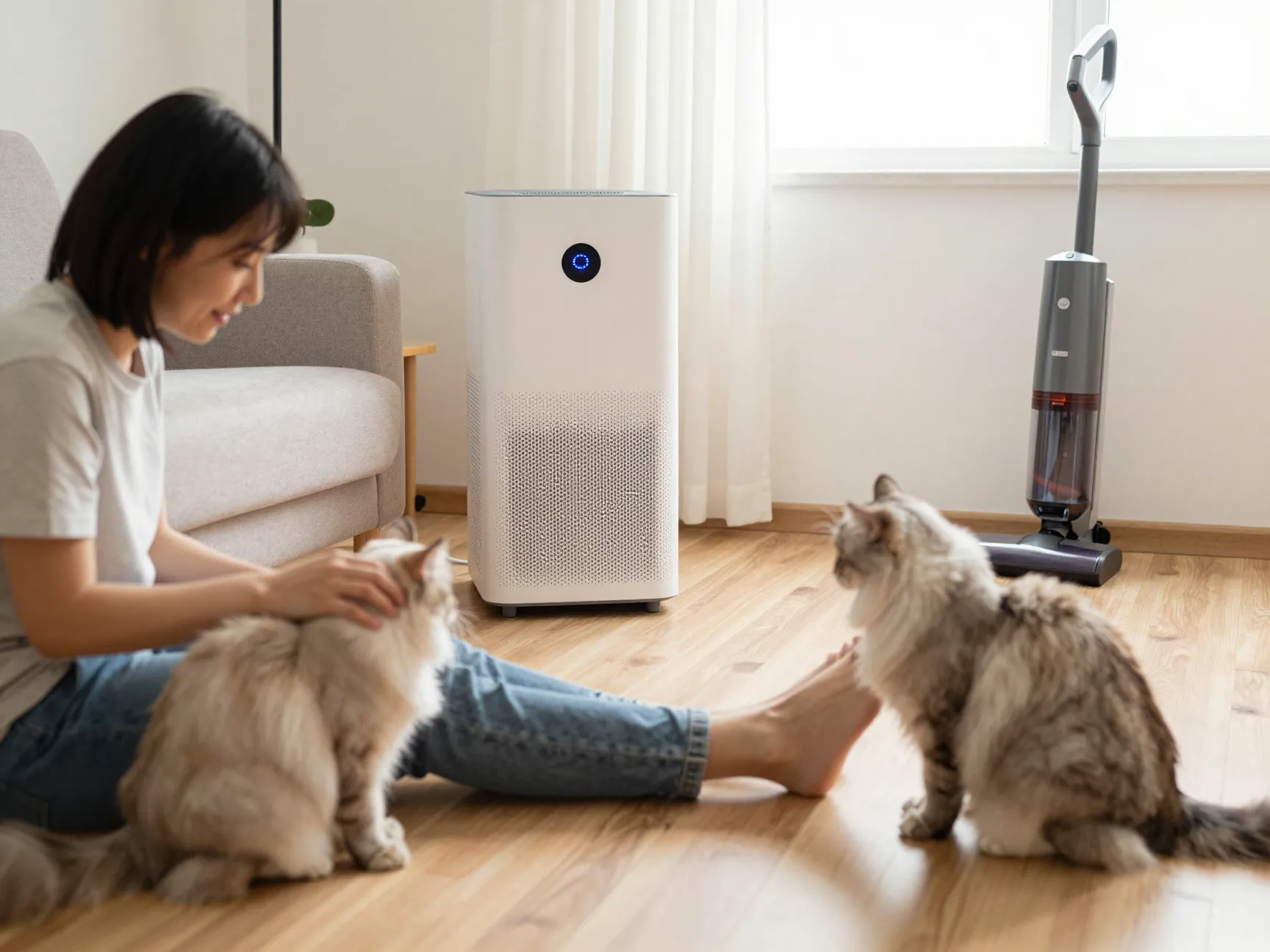
Given the unpredictability of allergen levels, current allergy guidance recommends a hands-on approach before committing to a Siberian kitten. Prospective owners, particularly those with moderate or severe cat allergies, should spend meaningful time, at least 30 to 60 minutes, around adult Siberians at a cattery or breeder’s home, ideally more than once. Monitoring symptoms over the following 24 to 48 hours gives a much clearer picture than a short visit alone.
Even with a lower-allergen individual cat, most allergy sufferers still need an ongoing management plan once the kitten is home. The most evidence-based strategies include:
* Keeping one bedroom strictly cat-free to guarantee an allergen-reduced sleeping space.
* Running HEPA air purifiers in main living areas where the cat spends time.
* Vacuuming carpets, rugs, and upholstery several times a week using a sealed HEPA-filter vacuum.
* Brushing the cat regularly and wiping its coat with a damp microfiber cloth or pet-safe wipe to reduce loose dander.
* Washing cat bedding and human bedding weekly in hot water.
* Choosing hard flooring over heavy carpet where possible, and minimizing thick drapes and clutter that trap dander.
* Washing hands after handling the cat and avoiding touching the face immediately afterward.
None of these steps eliminate allergen exposure entirely, but combined, they meaningfully reduce it for many households.
Practical takeaway: treat allergy testing and home management as part of the adoption process itself, not an afterthought.
4. Confirm Health Screening Of The Parents And Plan For Lifelong Cardiac Monitoring
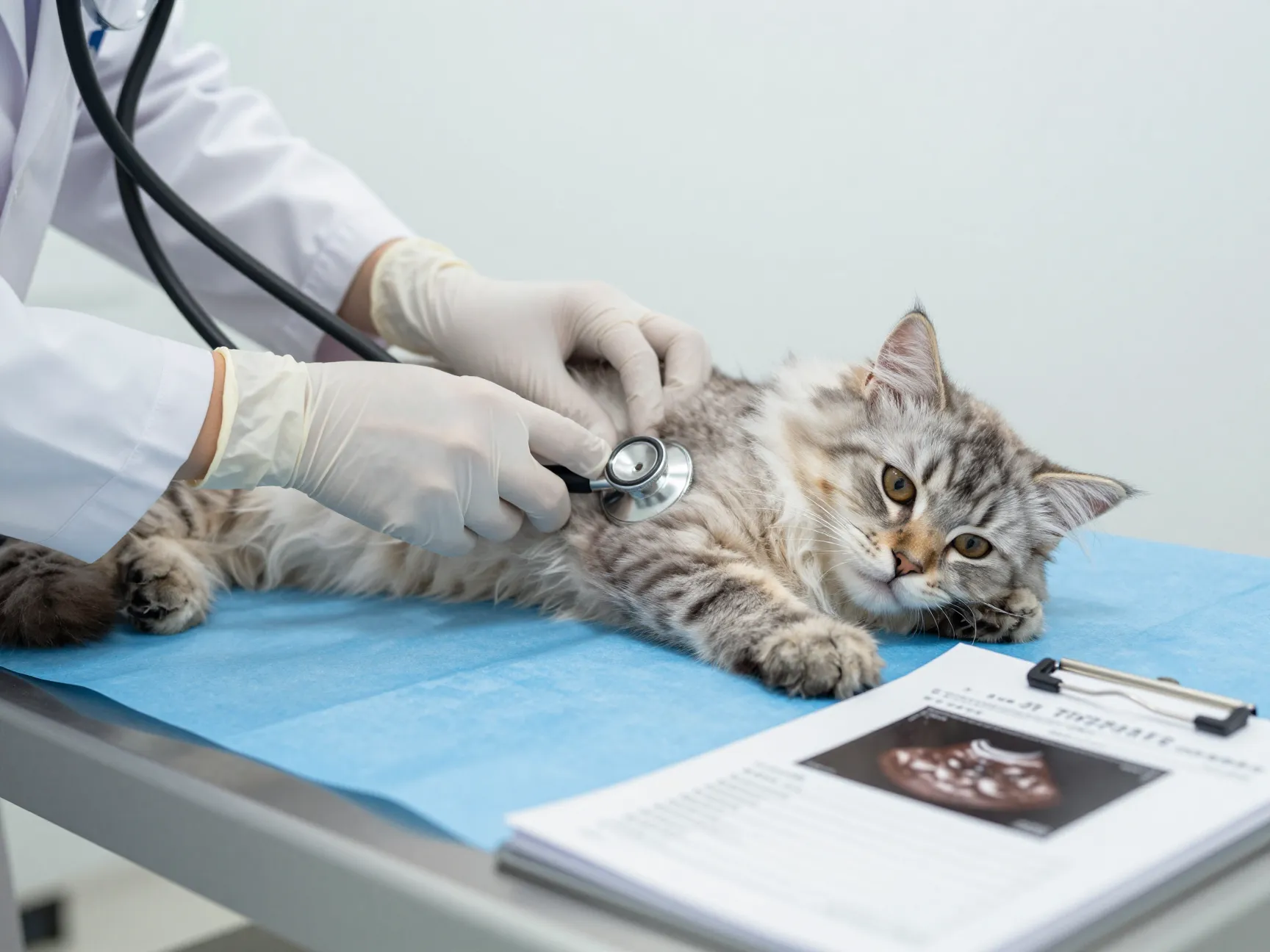
Siberians are a generally healthy breed, but like all pedigree cats, they carry inherited risks that responsible breeding aims to reduce. The single most emphasized concern in current breed health guidance is hypertrophic cardiomyopathy, or HCM, a thickening of the heart muscle that can develop silently and, in serious cases, shorten a cat’s life. Other concerns include polycystic kidney disease (PKD), certain hematologic conditions, and dental issues.
Because of this, reputable Siberian breeders are increasingly expected to perform periodic cardiac ultrasounds, known as echocardiograms, on breeding cats, along with genetic testing for PKD and related conditions. Many breed health programs now recommend re-screening breeding cats at 1, 3, and 5 years of age to catch conditions that may not appear until adulthood.
For new owners, this translates into two clear responsibilities. First, ask breeders for written documentation of parental health testing, including echo results and any genetic screening certificates, before agreeing to a purchase. Second, schedule a full veterinary wellness exam during the kitten’s first week at home. That visit should include:
- Heart and lung auscultation to listen for early murmurs or irregularities.
- Eye and ear examination for signs of infection or structural issues.
- Abdominal palpation to check organ development.
- Oral exam to assess teeth, gums, and bite.
- Confirmation of the vaccination schedule already started by the breeder.
Core vaccinations, typically the FVRCP series, are usually given every 3 to 4 weeks until the kitten reaches roughly 16 weeks of age, with rabies vaccination following local law and FeLV vaccination added only if the cat’s future lifestyle carries meaningful exposure risk, such as outdoor access.
Practical takeaway: a health-tested kitten and a prompt first vet visit are the foundation of long-term wellness, not optional extras.
5. Wait For The Right Adoption Age And Prepare A Kitten-Safe Home
Timing matters more with Siberians than with many other breeds because of their slower developmental pace. Current international breed-care guidelines state that Siberian kittens should generally stay with their mother and littermates until at least 12 to 13 weeks of age, sometimes longer. This extended period supports social development, immune maturity, and completion of early vaccination rounds. A breeder offering kittens significantly younger than this is widely regarded as a red flag, one that may correlate with higher behavioral and health risks down the line.
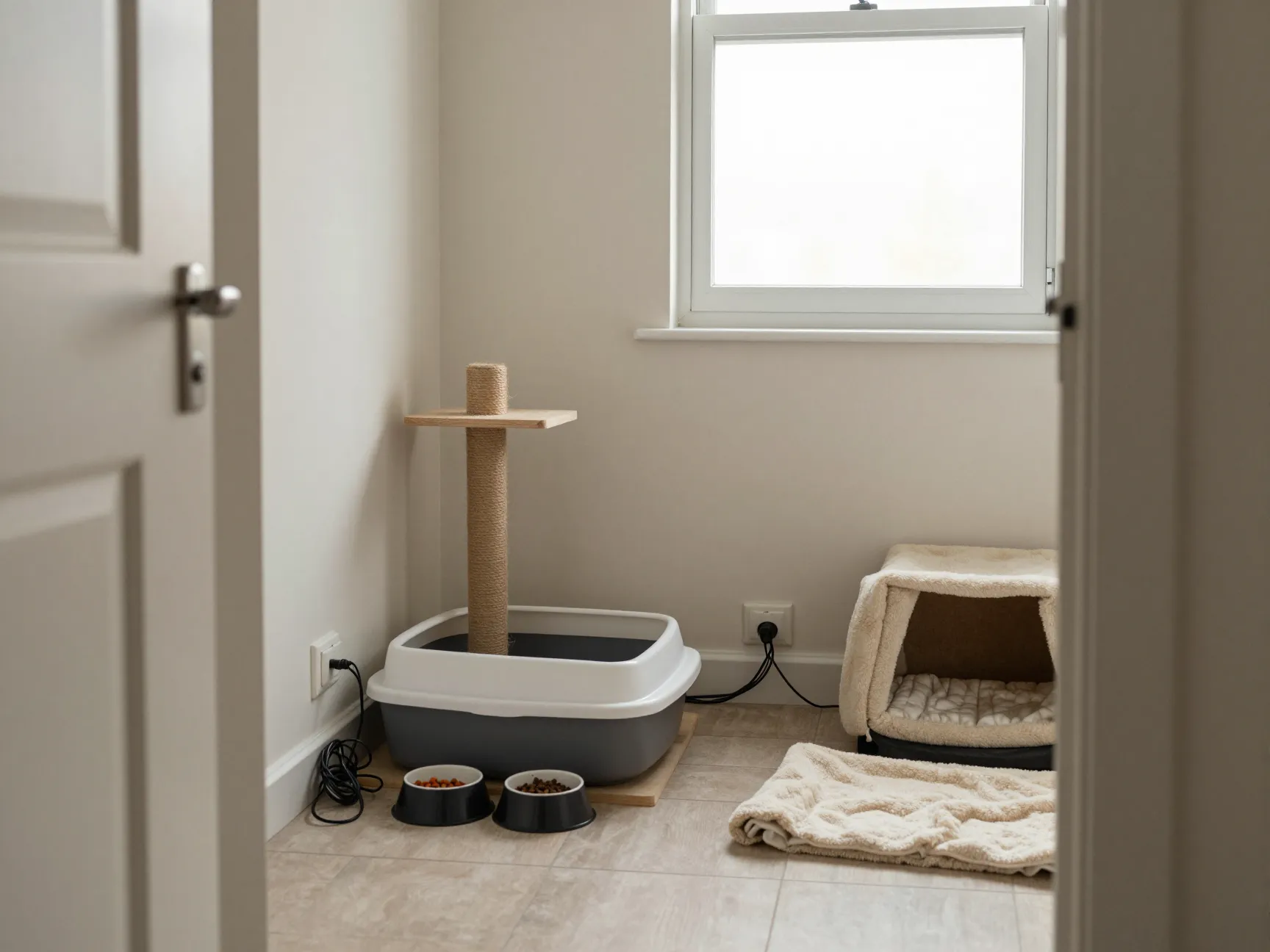
Once the kitten’s age is confirmed appropriate, home preparation becomes the next priority. Best practice calls for a single, quiet “starter room” during the first days at home. This room should include:
* Food and water bowls placed away from each other.
* A litter tray sized appropriately for a growing cat.
* A scratching post to redirect natural clawing behavior.
* A hiding spot, such as a covered bed or box, for security.
* A secure, comfortable sleeping area.
Before the kitten arrives, walk through the entire home to remove hazards: loose or chewable wires, toxic houseplants, unscreened open windows or balconies, dangling plastic bags, accessible cleaning chemicals, and uncovered fireplaces or chimney openings. It also helps to limit handling by young children during the first few days, giving the kitten time to decompress before a full introduction to the household.
Litter box choice deserves special attention given the breed’s eventual size. A large adult Siberian, potentially reaching 20 pounds, needs a litter box with roughly 60 liters of internal capacity and about 12 inches of vertical clearance, or interior dimensions around one and a half times the cat’s body length. Buying an adult-appropriate box early avoids a mid-growth upgrade. For litter type, avoid clumping clay litter for kittens under about 3 months old, since ingestion during normal grooming or exploration can cause intestinal blockage; a safer non-clumping litter is recommended for the earliest weeks.
Practical takeaway: patience on adoption timing and thoroughness on home setup both reduce stress and risk during the critical first weeks.
6. Budget For Grooming, Ongoing Costs, And A Long-Term Commitment
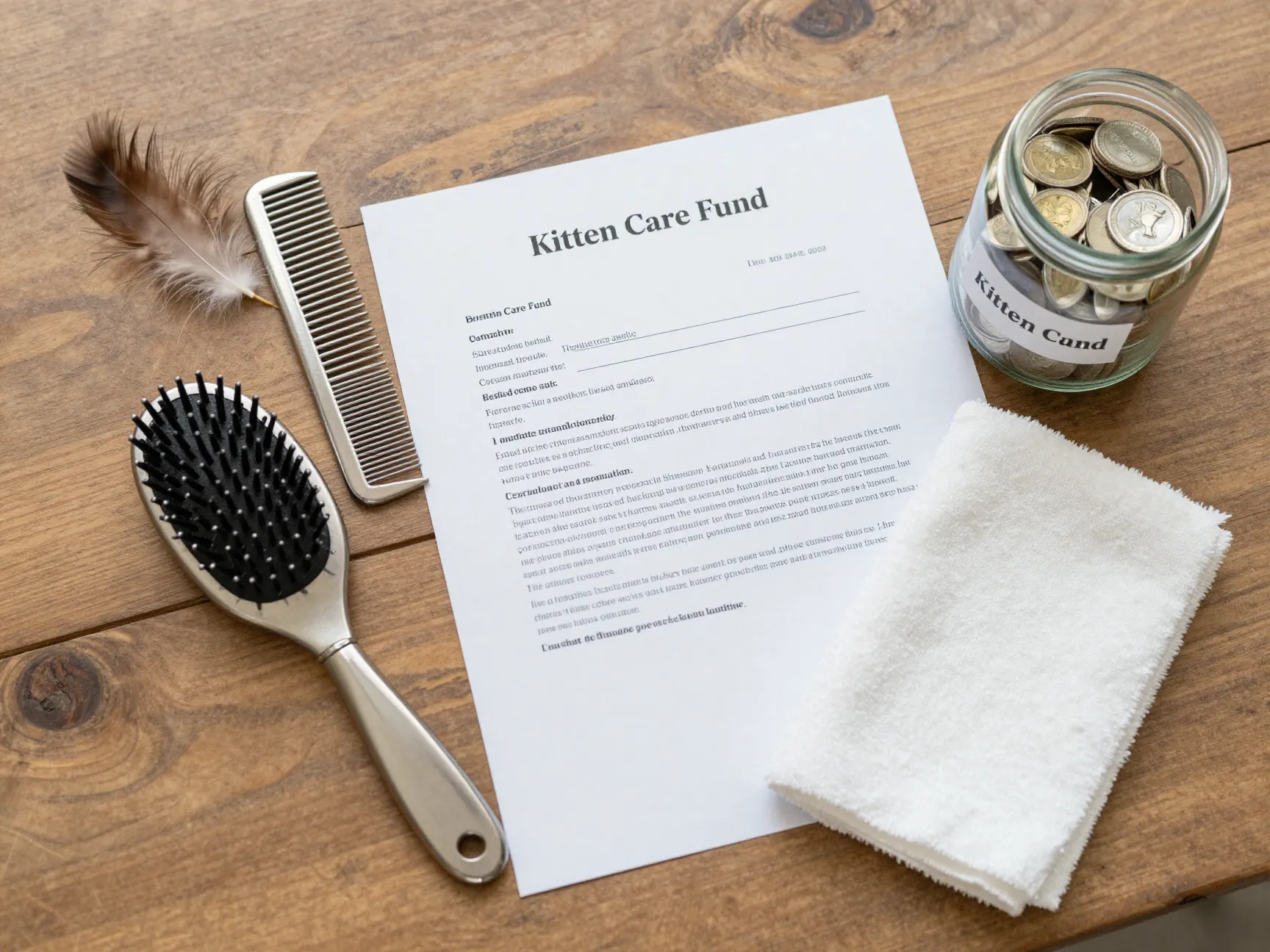
The Siberian’s celebrated triple coat is beautiful, but it is also a genuine time commitment. Coat care should start in kittenhood, even though the juvenile coat is simpler than the adult version, so the cat learns to accept brushing calmly before the coat becomes thicker and more demanding. Starting groom training early pays off for years.
Once the adult coat comes in, plan for at least one thorough combing session of 15 to 20 minutes per week. During the heavy shedding periods of spring and fall, that frequency needs to increase substantially. Breed experts often note that during peak shedding season, it is genuinely difficult to over-groom a Siberian; more frequent brushing simply keeps loose fur and dander from accumulating around the home.
Financially, prospective owners should budget realistically. Well-bred, health-screened Siberian kittens in the United States typically cost between $1,200 and $2,500, with price influenced by pedigree, coat color, and whether the parents have documented HCM screening and Fel d 1 allergen testing. Beyond the purchase price, ongoing costs include quality food suited to a large, athletic breed, routine veterinary care, grooming tools, and appropriately sized furniture and litter equipment as the cat grows.
Before finalizing any purchase, request:
* Written proof of parental health testing and vaccination records.
* A contract specifying spay or neuter expectations.
* Return or rehoming policies in case of unforeseen circumstances.
* Any allergy-trial arrangements, if allergy sensitivity is a concern for the household.
Siberians typically live 11 to 18 years, which means every decision made in the first weeks, from breeder selection to home setup, sets the tone for well over a decade of companionship.
Practical takeaway: grooming and budgeting are not side notes; they are core parts of responsible Siberian ownership from day one through senior years.
FAQs About the 6 Key Things To Know Before Bringing Home A Siberian Cat Kitten
Are Siberian cats truly hypoallergenic?
No. No cat breed is medically recognized as hypoallergenic. Some Siberians produce lower levels of the Fel d 1 allergen than average, but individual variation is wide, and there is no guarantee any specific kitten will be allergy-friendly.
At what age should a Siberian kitten leave the breeder?
Most current breed guidance recommends waiting until at least 12 to 13 weeks of age, later than many other breeds, due to the Siberian’s slower social and physical development.
How big do Siberian cats get, and when do they stop growing?
Adult males generally reach 12 to 20 pounds and females 8 to 12 pounds, with full physical maturity often not achieved until around 5 years of age.
What health tests should Siberian kitten parents have?
Look for documented cardiac screening for hypertrophic cardiomyopathy (HCM) via echocardiogram, along with genetic testing for polycystic kidney disease (PKD), ideally repeated at 1, 3, and 5 years of age for breeding cats.
How much grooming does a Siberian kitten need?
Start gentle brushing in kittenhood to build a positive habit. Adult Siberians typically need at least one 15 to 20 minute combing session weekly, with much more frequent brushing during spring and fall shedding seasons.
Conclusion
Bringing home a Siberian kitten is a rewarding decision, but it is not a casual one. Success depends on matching expectations to reality: this is a large, slow-maturing breed that will keep growing for years, an allergy-friendly reputation that requires personal testing rather than blind trust, and a health profile that benefits enormously from careful breeder vetting and prompt veterinary care.
Before moving forward, take these concrete next steps. Visit adult Siberians in person and monitor any allergic reaction over a day or two. Request full documentation of parental HCM and PKD screening, along with vaccination records, from any breeder under consideration. Prepare the home with appropriately sized furniture, a properly sized litter box, and a kitten-proofed starter room before the kitten arrives. Schedule a comprehensive veterinary exam within the first week home, and commit to a consistent grooming routine starting in kittenhood.
Approached with this level of preparation, the 6 Key Things To Know Before Bringing Home A Siberian Cat Kitten become less like obstacles and more like a roadmap, one that leads to a healthy, well-adjusted companion for well over a decade to come.