
9 Factors to Decide: Labrador Puppy vs Golden Retriever
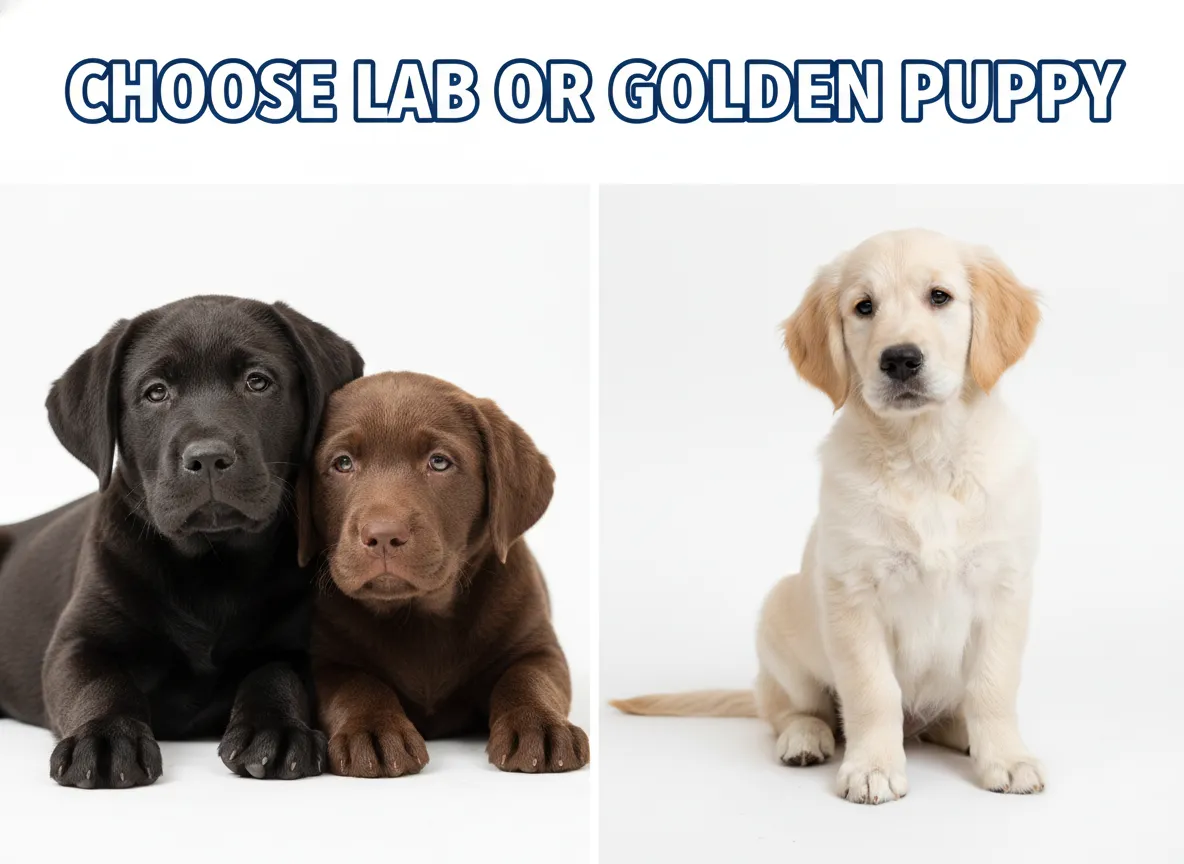
You’re standing at a crossroads that millions of dog lovers have faced before you — two tail-wagging, heart-melting bundles of joy, and only one spot on your couch. Choosing between a Labrador puppy and a Golden Retriever is one of the most common — and genuinely tricky — decisions a future dog owner can make in 2026. Both breeds are friendly, loyal, and absolutely adorable. But they are not the same dog. Understanding the 9 Factors to Decide: Labrador Puppy vs Golden Retriever can save you years of mismatched expectations and help you find the perfect four-legged companion for your lifestyle.
Disclosure: This post contains affiliate links. As an Amazon Associate, we earn from qualifying purchases, and at no extra cost to you.
Let’s break it all down — clearly, honestly, and with the detail you deserve.
Key Takeaways 🐾
- Both breeds are excellent family dogs, but they differ in energy level, coat care, and health risks.
- Labradors are slightly higher energy and more food-motivated; Golden Retrievers are calmer and more sensitive.
- Grooming demands differ significantly — Labs need far less coat maintenance than Goldens.
- Health risks vary by breed — Golden Retrievers have a notably higher cancer risk (~60% lifetime).
- Your lifestyle, activity level, and home environment should drive your final decision — not just appearance.
Understanding the Basics Before the 9 Factors to Decide: Labrador Puppy vs Golden Retriever
Before diving into the factors, here’s a quick snapshot of both breeds:
| Feature | Labrador Retriever | Golden Retriever |
|---|---|---|
| AKC Popularity Rank | #1 (since 1991) | #4 |
| Male Weight | 65–80 lbs | 65–75 lbs |
| Female Weight | 55–70 lbs | 55–65 lbs |
| Height | 21.5–24.5 inches | 21.5–24.5 inches |
| Coat Type | Short, dense, wiry | Long, soft, feathered |
| Coat Colors | Black, yellow, chocolate | Golden shades only |
| Energy Level | High | Moderate-High |
| Lifespan | 10–12 years | 10–12 years |
Sources: [1][6]
Both breeds are retrievers by heritage. Both were bred to work alongside hunters. And both have earned their place as America’s most beloved family dogs. But the differences — once you know where to look — are meaningful. [2]
The 9 Factors to Decide: Labrador Puppy vs Golden Retriever
1. Physical Appearance and Build

The first thing most people notice is how these dogs look — and while they may seem similar at first glance, a closer look reveals clear differences.
Labradors are stockier and more muscular. They have a broad, blocky head, a wide muzzle, and a compact, powerful body. Their most iconic feature? The thick “otter tail” — a sturdy tail that tapers toward the end and is almost never still. [5]
Golden Retrievers look more refined and elegant. They have a longer, narrower muzzle, a slightly more angular head, and a lean, athletic frame. Their long, feathery tail fans out beautifully behind them. [1]
💡 Quick tip: If you prefer a dog that looks rugged and athletic, lean toward a Lab. If you love that classic, flowing, storybook-dog look, the Golden is your match.
2. Coat Type and Grooming Needs

This factor alone can be a dealbreaker for many families — and it should be considered carefully.
Labradors have a short, dense, wiry double coat with a waterproof outer layer. They shed, but their coat is much easier to manage. A weekly brush and occasional bath is usually enough. [1]
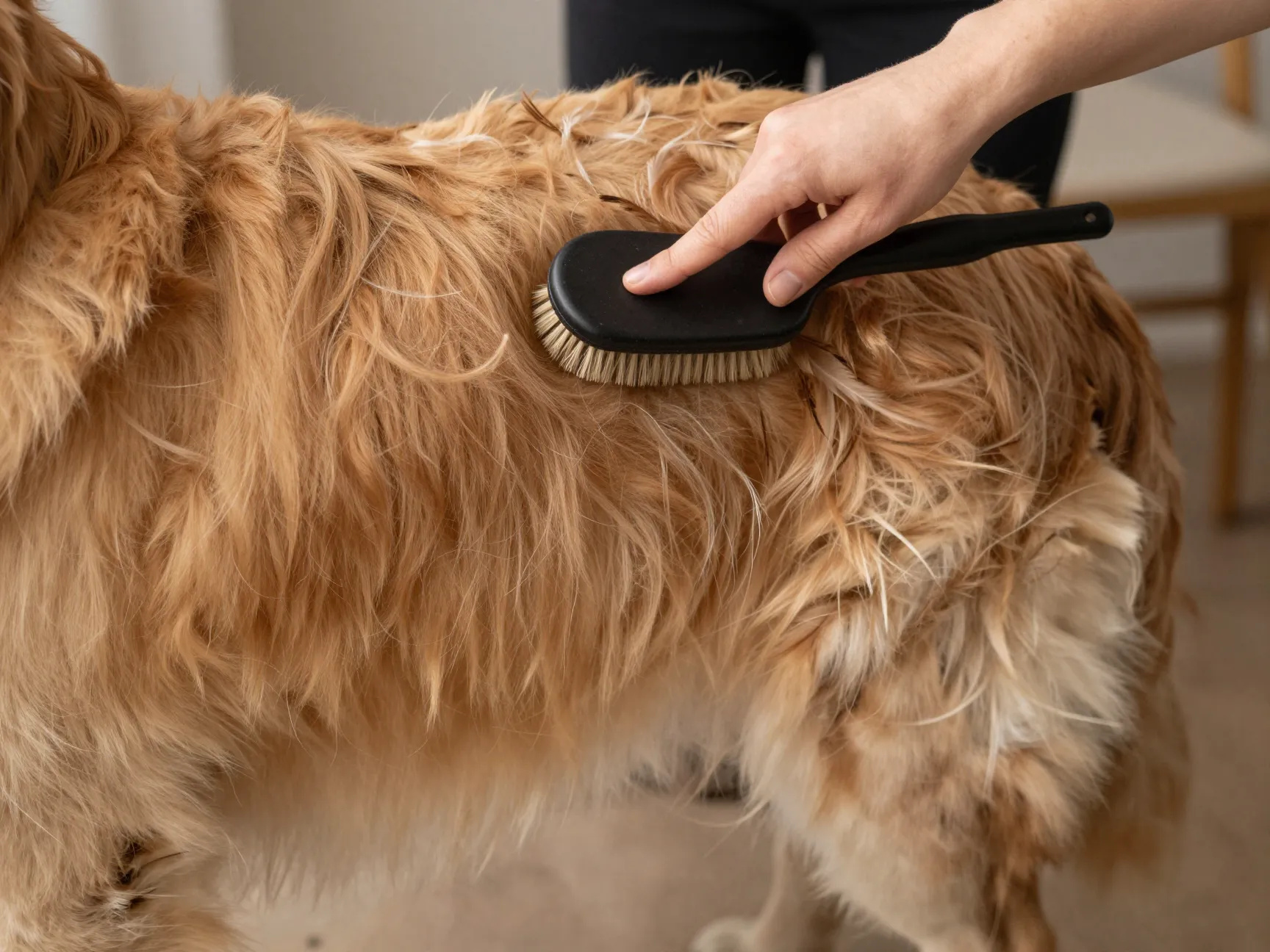
Golden Retrievers have a longer, softer coat with a water-resistant topcoat and a feathered undercoat along the legs and stomach. This beautiful coat requires brushing 3–4 times per week to prevent matting and tangling. [1]
| Grooming Task | Labrador | Golden Retriever |
|---|---|---|
| Brushing frequency | 1x per week | 3–4x per week |
| Professional grooming | Occasional | Every 6–8 weeks |
| Shedding level | Moderate | High |
| Bathing needs | Monthly | Every 2–3 weeks |
Bottom line: If grooming time is limited, a Labrador is the lower-maintenance choice. If you enjoy bonding through grooming, the Golden’s coat is a joy to care for.
3. Energy Level and Exercise Requirements
Both breeds are active dogs — but there is a difference in intensity.
Labradors are considered slightly higher energy. They need at least 1+ hour of vigorous exercise daily and can stay in “puppy mode” well into their adult years. They love to run, swim, fetch, and play hard. [1]
Golden Retrievers need approximately 1 hour of exercise per day and tend to settle down a bit more quickly than Labs. They enjoy outdoor activity but are also content with calmer play sessions. [1]
🏃 Active lifestyle households — hikers, runners, families with large yards — will thrive with either breed. However, if you want a dog that’s slightly easier to tire out, the Golden may edge ahead.
“A tired dog is a good dog — but Labs may require a little more effort to get there.”
4. Temperament and Personality

Both breeds are famously kind and friendly. Aggression is rare in properly bred specimens of either breed. [2] But their personalities have distinct flavors.
Labradors are boisterous, playful, and exuberant. They tend to stay puppy-like in their enthusiasm for longer. They’re outgoing with strangers and rarely shy. [2]
Golden Retrievers are calmer, more sensitive, and often described as “clingy” with their owners. They form deep emotional bonds and can be more attuned to human emotions. They’re gentle, patient, and tend to be slightly more reserved than Labs at first. [2]
Here’s a simple personality comparison:
- 🐕 Labrador: Energetic, goofy, social butterfly, loves everyone immediately
- 🐕 Golden Retriever: Warm, gentle, deeply loyal, emotionally intuitive
For families with young children, both are excellent. For individuals seeking a deeply bonded companion dog, the Golden may feel more emotionally connected.
5. Trainability and Learning Style

Both breeds are among the most trainable dogs in the world — but they learn differently.
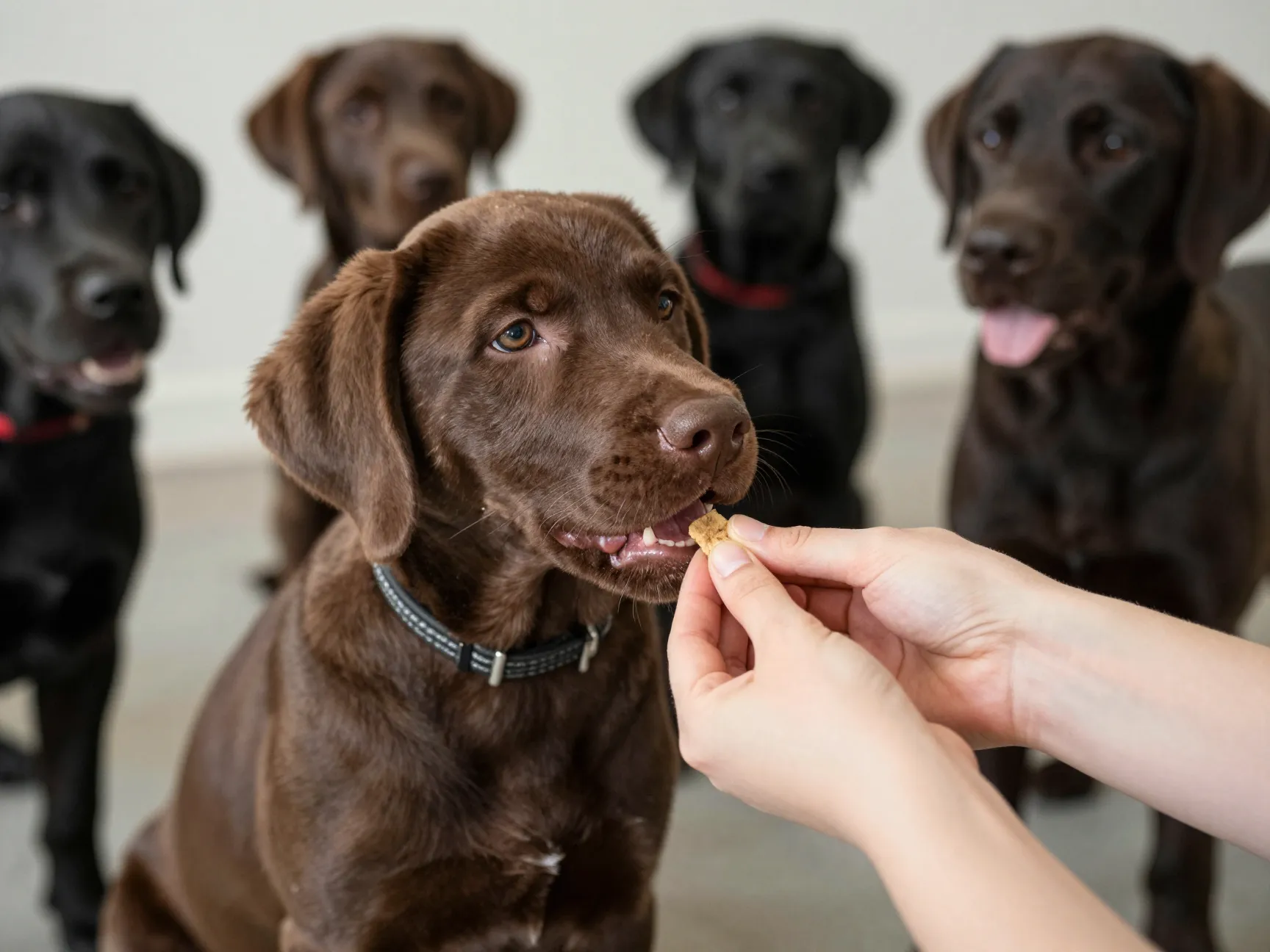
Labradors are highly food-motivated. They respond exceptionally well to reward-based training using treats. Their enthusiasm makes them fast learners, though their excitability can sometimes make focus a challenge in early training sessions. [3]
Golden Retrievers love repetition and praise. They thrive on positive reinforcement and are especially responsive to verbal encouragement and affection. They tend to be slightly more focused and patient during training sessions. [3]
| Training Factor | Labrador | Golden Retriever |
|---|---|---|
| Primary motivator | Food/treats | Praise and affection |
| Focus level | Moderate (easily distracted) | High |
| Best for | Obedience, service work | Therapy, emotional support |
| Learning speed | Very fast | Very fast |
Both breeds excel as service dogs, therapy dogs, and search-and-rescue animals. Your training style matters more than the breed — but knowing their motivators helps you start strong. [3]
6. Health Risks and Lifespan
This is one of the most important factors — and one that surprises many first-time owners.
Labradors are generally robust but are prone to:
- Obesity (they will eat everything, always)
- Hip and elbow dysplasia
- Hereditary myopathy (a muscle condition)
- Exercise-induced collapse in some lines [1]
Golden Retrievers face more serious health concerns, including:
- Cancer — nearly 60% of Golden Retrievers develop cancer during their lifetime [1]
- Seizures
- Elbow dysplasia
- Skin problems and allergies
⚠️ Important: The cancer statistic for Golden Retrievers is significant and worth discussing with your vet and breeder before committing. Reputable breeders screen for genetic health markers.
Both breeds share a similar lifespan of 10–12 years. Health screening from responsible breeders reduces risk considerably for both. [1]
7. Shedding and Allergen Considerations

Neither breed is hypoallergenic — let’s be clear about that upfront.
Labradors shed moderately year-round with heavier shedding twice a year during seasonal coat changes. Their short hair is less visible on furniture but can still trigger allergies.
Golden Retrievers shed heavily and consistently. Their longer hair is more visible on clothing, furniture, and floors. Regular brushing reduces loose hair, but you will find golden fur everywhere. [5]
🧹 Household tip: If you have allergy sufferers at home, consult an allergist before choosing either breed. If shedding is a major concern, the Labrador’s shorter coat is easier to manage.
8. Adaptability to Living Situations

Where you live matters — a lot.
Labradors are adaptable but do best with space. They can live in apartments if exercised sufficiently, but they thrive in homes with yards. Their boisterous energy can feel overwhelming in small spaces. [4]
Golden Retrievers are slightly more adaptable to quieter indoor environments, thanks to their calmer temperament. They still need daily exercise, but they tend to be more relaxed indoors between activity sessions. [4]
| Living Situation | Labrador | Golden Retriever |
|---|---|---|
| Large house with yard | ✅ Excellent | ✅ Excellent |
| Apartment (with exercise) | ⚠️ Possible | ✅ Better suited |
| Families with kids | ✅ Excellent | ✅ Excellent |
| Seniors or calm households | ⚠️ Challenging | ✅ Better suited |
| Active singles/couples | ✅ Excellent | ✅ Excellent |
9. Cost of Ownership
Both breeds are popular, which affects their price — and their ongoing costs differ too.
Initial purchase price:
- Labrador puppy from a reputable breeder: $800–$2,000
- Golden Retriever puppy from a reputable breeder: $1,000–$3,000
Ongoing annual costs to consider:
- 🦴 Food: Both breeds eat similar amounts (~$500–$800/year)
- 🛁 Grooming: Labs ~$200–$400/year; Goldens ~$600–$1,200/year (professional grooming)
- 🏥 Vet care: Goldens may have higher lifetime vet costs due to cancer risk
- 🎾 Training: $150–$500 for puppy classes (recommended for both)
💰 Long-term reality: Golden Retrievers tend to have higher lifetime ownership costs, primarily due to grooming and potential health expenses. Budget accordingly.
Comparing the Two Breeds: A Summary Table
| Factor | Labrador | Golden Retriever | Winner for… |
|---|---|---|---|
| Appearance | Stocky, muscular | Elegant, flowing | Personal preference |
| Grooming | Low maintenance | High maintenance | Labs (easier) |
| Energy | Very high | High | Goldens (calmer) |
| Temperament | Boisterous, social | Gentle, sensitive | Depends on lifestyle |
| Trainability | Food-motivated | Praise-motivated | Both excellent |
| Health risks | Obesity, dysplasia | Cancer, dysplasia | Labs (lower cancer risk) |
| Shedding | Moderate | Heavy | Labs (less hair) |
| Adaptability | Needs space | More flexible | Goldens (apartments) |
| Cost | Lower overall | Higher overall | Labs (more affordable) |
Which Breed Is Right for You? Final Thoughts on the 9 Factors to Decide: Labrador Puppy vs Golden Retriever
After walking through all 9 factors to decide: Labrador puppy vs Golden Retriever, here’s the honest truth: there is no universally “better” breed. Both are extraordinary dogs that have brought joy to millions of families. [2]
Choose a Labrador if you:
- Want a lower-maintenance coat
- Have a very active lifestyle and need a high-energy companion
- Prefer a boisterous, social, food-motivated dog
- Are budget-conscious about grooming and potential health costs
Choose a Golden Retriever if you:
- Want a calmer, more emotionally sensitive companion
- Live in a smaller space and need a more adaptable dog
- Enjoy grooming and bonding through coat care
- Are looking for a therapy, emotional support, or deeply bonded family dog
Conclusion: Making Your Decision with Confidence
Choosing between a Labrador puppy and a Golden Retriever is ultimately a deeply personal decision — and the good news is that you genuinely can’t go wrong with either. Both breeds rank among the most beloved, trainable, and family-friendly dogs in the world. [2][6]
What matters most is honest self-assessment. Ask yourself about your daily activity level, your home environment, your grooming patience, and your budget for long-term care. The 9 factors to decide: Labrador puppy vs Golden Retriever outlined in this article give you a clear, structured framework to make that call with confidence.
Your actionable next steps for 2026:
- ✅ Use the interactive breed selector above to get a personalized recommendation
- ✅ Visit reputable breeders for both breeds and spend time with puppies before deciding
- ✅ Ask breeders for health clearances — especially OFA hip certifications and cancer screening for Goldens
- ✅ Talk to your vet about breed-specific health risks and preventive care
- ✅ Consider adopting from a breed-specific rescue if a puppy isn’t a strict requirement
Whichever breed you choose, you’re about to welcome one of the most loyal, loving companions a person can have. That’s a decision worth celebrating. 🐾
References
[1] Labrador Vs Golden Retriever – https://a-z-animals.com/pets/dogs/dog-comparison/labrador-vs-golden-retriever/
[2] Golden Retriever Vs Labrador Retriever – https://www.akc.org/expert-advice/dog-breeds/golden-retriever-vs-labrador-retriever/
[3] Golden Retriever Vs Labrador Retriever Which Is Right For You Beautiful Puppies In Colorado – https://www.coloradosfinestsportingdogs.com/post/golden-retriever-vs-labrador-retriever-which-is-right-for-you-beautiful-puppies-in-colorado
[4] Labrador Vs Golden Retriever Comparison Guide – https://headsupfortails.com/blogs/dogs/labrador-vs-golden-retriever-comparison-guide
[5] Lab Vs Golden Key Facts – https://www.fitwarm.com/blogs/news/lab-vs-golden-key-facts
[6] Golden Retriever Vs Labrador Retriever – https://www.countryliving.com/life/kids-pets/a45642197/golden-retriever-vs-labrador-retriever/