6 Early Training Secrets Every Dog Puppy Rottweiler Owner Needs
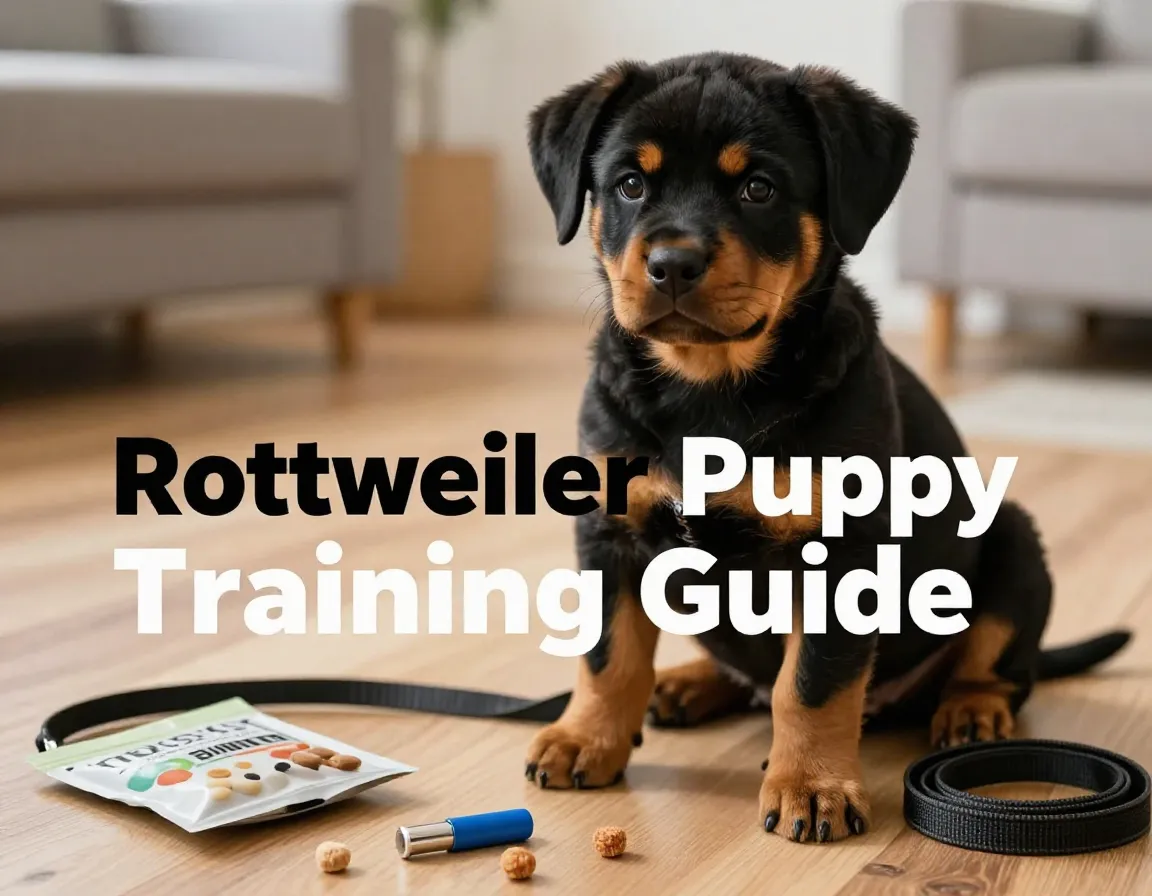
Picture this: a tiny Rottweiler puppy with oversized paws and innocent eyes transforms into a confident, well-behaved companion who turns heads for all the right reasons. The difference between a problematic adult Rottweiler and an exemplary one often comes down to what happens in those crucial first few months. The 6 early training secrets every dog puppy Rottweiler owner needs can make or break the relationship between owner and pet for years to come.
Disclosure: This post contains affiliate links. As an Amazon Associate, we earn from qualifying purchases, and at no extra cost to you.
Rottweilers are naturally intelligent, loyal, and protective dogs, but without proper early training, these same traits can become challenging behaviors. The window for optimal puppy development is surprisingly narrow, making early intervention absolutely critical. Smart owners who understand these fundamental training principles set themselves up for a lifetime of joy with their Rottweiler companion.
Key Takeaways
- Start socialization immediately – The critical period between 6-16 weeks shapes your Rottweiler’s temperament for life
- Keep training sessions short but frequent – 5-minute sessions work best for puppy attention spans
- Focus on essential commands first – Sit, down, stay, and recall form the foundation of all future training
- Establish potty training routines early – Consistency between 5-8 weeks prevents long-term house training issues
- Use positive reinforcement methods – Praise-based training builds trust and emotional safety with this sensitive breed
The Foundation: Understanding Your Rottweiler Puppy’s Unique Needs
Rottweiler puppies differ significantly from other breeds in their training requirements. These dogs were originally bred as working animals, which means they possess an innate drive to please their owners and excel at tasks. However, this same drive can lead to stubbornness if not properly channeled from an early age.
Intelligence Level: Rottweilers rank among the top 10 most intelligent dog breeds, which means they learn quickly but also get bored easily. This intelligence requires mental stimulation to prevent destructive behaviors [3].
Physical Development: Rottweiler puppies grow rapidly, often reaching 50-60 pounds by six months. Early training prevents problems when the dog becomes too large to physically manage.
Temperament Traits: Natural protectiveness and loyalty make early socialization essential to ensure these traits develop appropriately rather than becoming problematic guarding behaviors.
1. Master Early Socialization – The Most Critical Training Secret
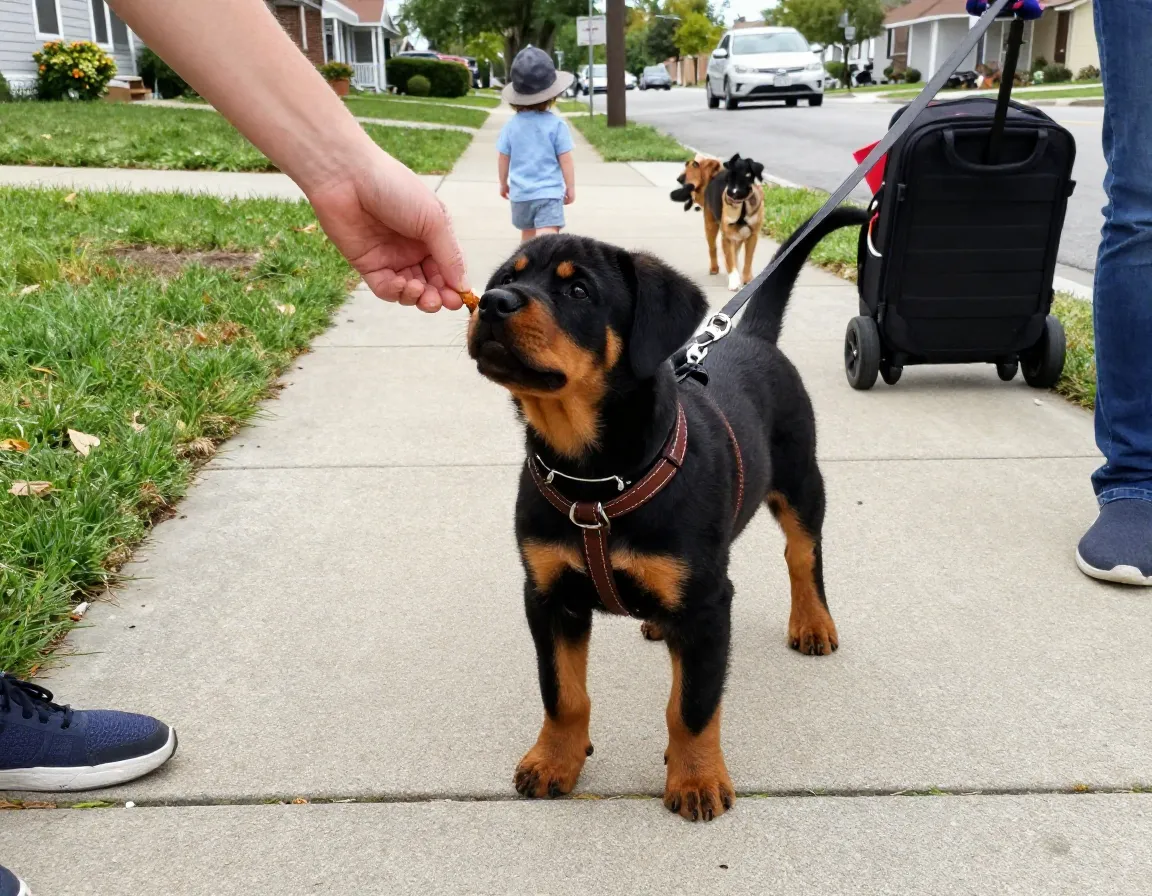
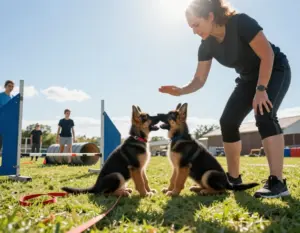
Early socialization forms the cornerstone of the 6 early training secrets every dog puppy Rottweiler owner needs to understand. The period between 6-16 weeks represents a critical window when puppies form lasting impressions about the world around them.
The Socialization Timeline
Weeks 3-5: Puppies should be handled daily by breeders to establish human contact comfort [2].
Weeks 6-7: Introduction of visitors becomes crucial, especially children making various noises and sounds [2].
Weeks 8-12: New owners must continue intensive socialization with different people, animals, environments, and experiences.
Weeks 12-16: Final critical period for preventing fear-based behaviors and aggression.
Practical Socialization Techniques
Controlled Exposure: Introduce new experiences gradually and positively. Start with quiet environments and slowly increase complexity.
Positive Associations: Always pair new experiences with treats, praise, or play to create positive memories.
Variety is Key: Expose puppies to different surfaces (grass, concrete, gravel), sounds (traffic, children playing, vacuum cleaners), and people (elderly, children, people wearing hats or uniforms).
“Proper socialization during the critical period prevents 90% of behavioral problems that develop in adult Rottweilers.” – Professional Dog Training Expert
Common Socialization Mistakes
❌ Overwhelming the puppy with too many new experiences at once
❌ Forcing interactions when the puppy shows fear or stress
❌ Limiting exposure to only family members and familiar environments
❌ Skipping socialization during illness or vaccination periods
✅ Instead: Create positive, controlled experiences that build confidence gradually.
2. Implement the 5-Minute Training Rule for Maximum Success
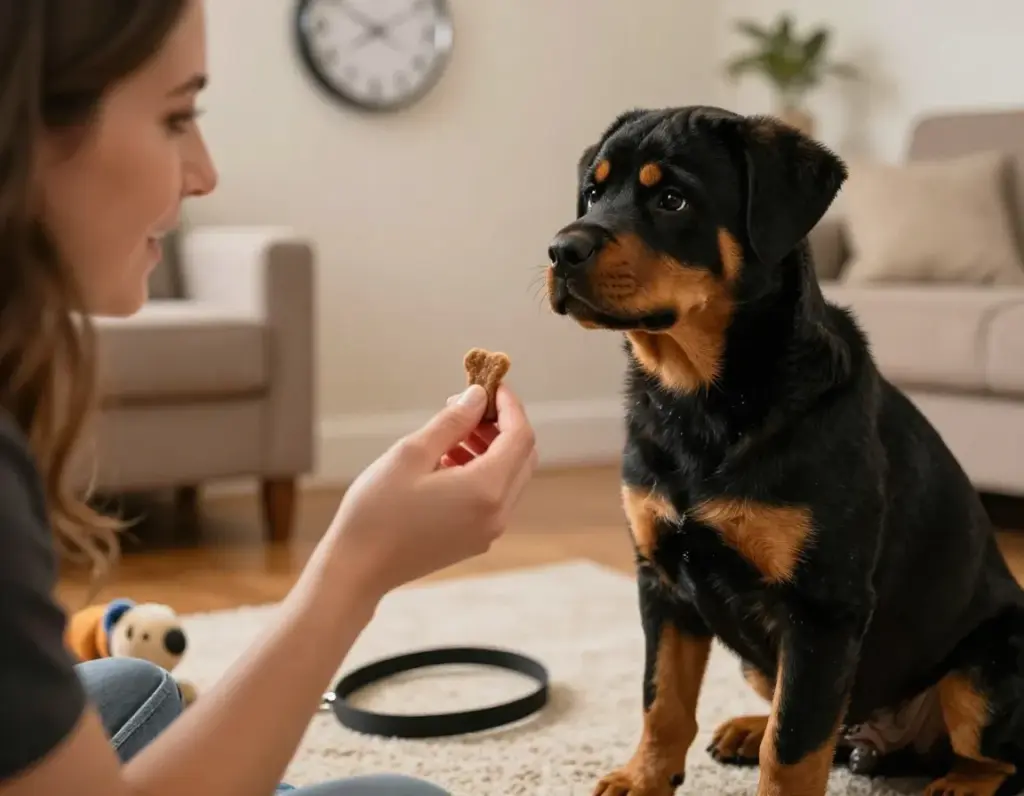
One of the most important aspects of the 6 early training secrets every dog puppy Rottweiler owner needs involves understanding puppy attention spans. Rottweiler puppies have incredibly short attention spans, making brief but frequent training sessions far more effective than longer, infrequent ones [2].
Why 5 Minutes Works
Brain Development: Puppy brains are still developing, limiting their ability to focus for extended periods.
Positive Associations: Short sessions end on a high note, making puppies eager for the next training session.
Retention: Multiple short sessions throughout the day improve memory retention compared to single long sessions.
Structuring Effective 5-Minute Sessions
| Time | Activity | Goal |
|---|---|---|
| 0-1 min | Attention getting | Focus on trainer |
| 1-3 min | Skill practice | Learn/reinforce command |
| 3-4 min | Success repetition | Build confidence |
| 4-5 min | Play reward | End positively |
Daily Training Schedule
Morning Session: Basic commands (sit, stay)
Midday Session: Leash walking practice
Afternoon Session: Socialization activities
Evening Session: Calm behaviors and settling
Signs to End Sessions Early
🚩 Puppy loses focus and stops responding to commands
🚩 Excessive panting or signs of stress
🚩 Jumping or hyperactive behavior that doesn’t settle
🚩 Looking away or trying to leave the training area
Remember: Quality over quantity always wins with puppy training.
3. Focus on Essential Commands That Build Lifelong Success
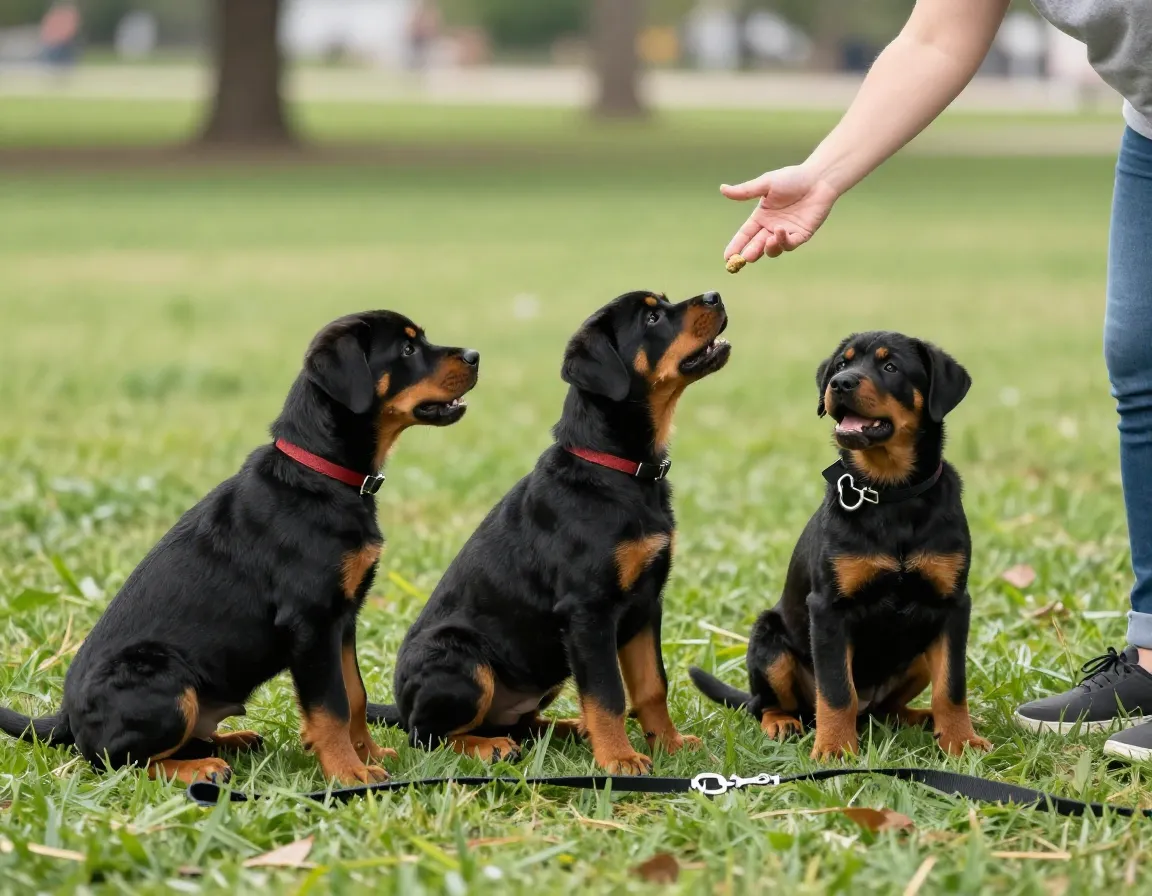
The third secret among the 6 early training secrets every dog puppy Rottweiler owner needs centers on teaching fundamental commands that serve as building blocks for all future training. These essential commands create the foundation for a well-behaved adult Rottweiler [2].
The Core Command Hierarchy
1. Sit: The gateway command that teaches impulse control and attention.
2. Down: Builds on sit and teaches submission and patience.
3. Stay: Develops impulse control and boundary respect.
4. Come (Recall): Critical for safety and off-leash reliability.
5. Off: Prevents jumping and establishes personal space boundaries.
Teaching Each Command Effectively
Teaching “Sit”
- Hold treat above puppy’s nose
- Slowly move treat back over their head
- As bottom touches ground, say “Sit” and give treat
- Practice 3-5 repetitions per session
Teaching “Down”
- Start from sit position
- Lower treat to ground between front paws
- Say “Down” as puppy lies down
- Reward immediately
Teaching “Stay”
- Begin with puppy in sit or down
- Hold hand up in “stop” gesture
- Take one step back
- Return and reward if puppy didn’t move
- Gradually increase distance and duration
Teaching “Come”
- Start in enclosed, safe area
- Get down to puppy’s level
- Use excited, happy voice
- Reward enthusiastically when puppy approaches
- Never call a puppy to come for something negative
Advanced Foundation Commands
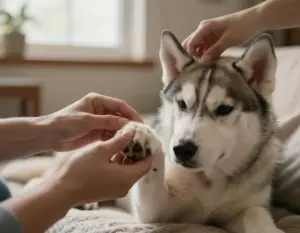
Shake a Paw: Builds cooperation and handling tolerance
Speak: Teaches controlled barking on command
Roll Over: Develops trust and submission
Training Tips for Success
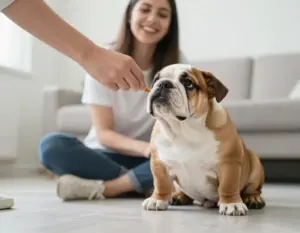
💡 Use high-value treats that your puppy absolutely loves
💡 Practice in different locations to ensure reliability
💡 Keep sessions positive – end on a successful repetition
💡 Be consistent with command words and hand signals
💡 Reward immediately – timing is crucial for learning
4. Establish Proper Leash Walking from Day One
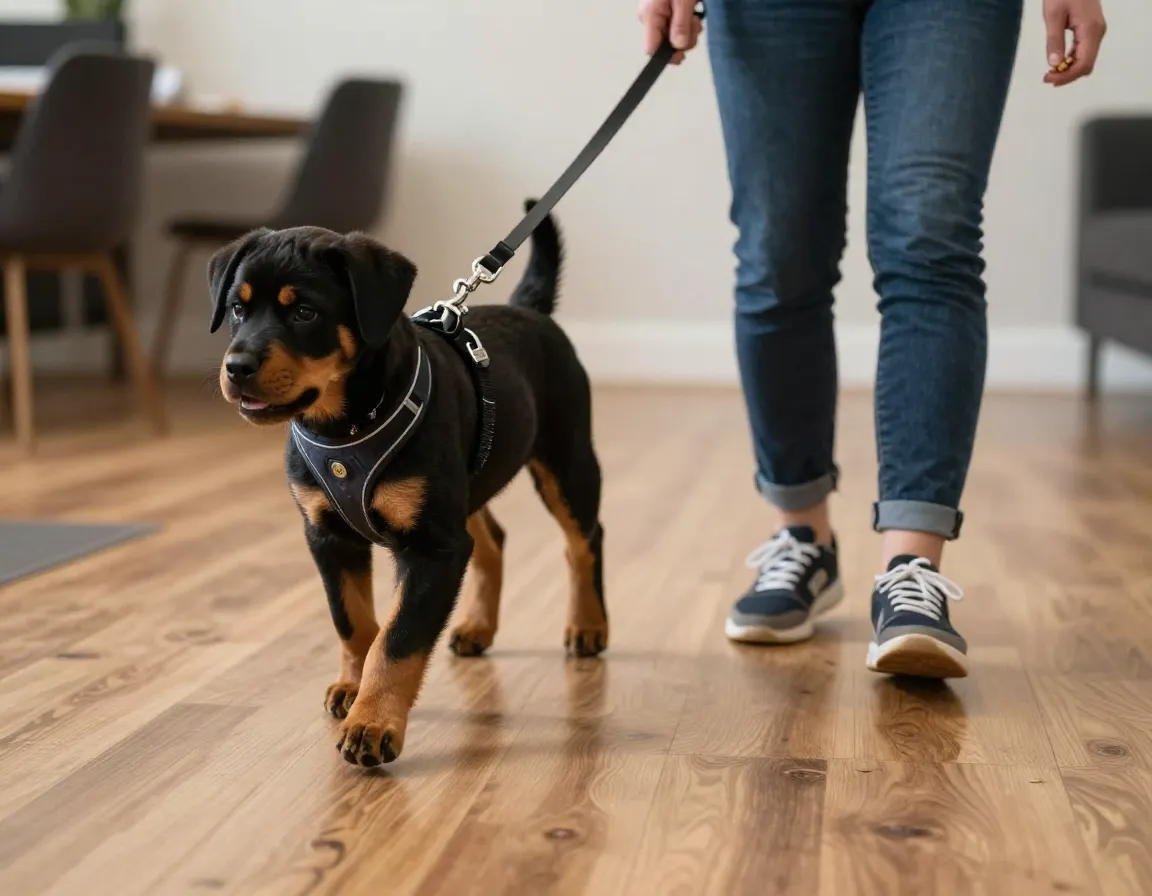
Loose lead walking represents a crucial element of the 6 early training secrets every dog puppy Rottweiler owner needs to master early. Adult Rottweilers can weigh 80-135 pounds, making leash pulling a serious safety concern that’s much easier to prevent than correct [1].
The Progressive Training Method
Stage 1: Indoor Proximity Training (Weeks 8-10)
- No leash required initially
- Reward puppy for staying close to your side
- Use treats to encourage walking beside you
- Practice direction changes and stops
- Build positive association with your presence
Stage 2: Harness Introduction (Week 10-12)
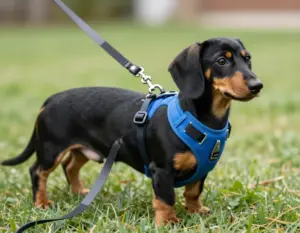
- Choose a well-fitted harness over a collar for growing puppies
- Allow puppy to wear harness for short periods indoors
- Continue proximity training while wearing harness
- Gradually increase wearing time
Stage 3: Leash Attachment (Week 12+)
- Attach leash to harness indoors first
- Let puppy drag leash under supervision
- Pick up leash and practice indoor walking
- Reward any moment of loose leash walking
Outdoor Walking Progression
Week 1: Very short distances (end of driveway)
Week 2: Around the block once
Week 3: Longer walks with training breaks
Week 4+: Regular walking routine established
Common Leash Walking Mistakes
❌ Allowing pulling because “they’re just a puppy”
❌ Using retractable leashes that teach pulling is rewarded
❌ Inconsistent rules between family members
❌ Punishment-based methods that create fear or anxiety
Tools for Success
Recommended Equipment:
- Front-clip harness for gentle steering
- 6-foot standard leash (not retractable)
- High-value training treats
- Waste bags for cleanup
- Stop and wait when puppy pulls ahead
- Change direction when leash gets tight
- Reward immediately for loose leash walking
- Use verbal cues like “with me” or “easy”
5. Perfect Potty Training with Proven Timing Methods
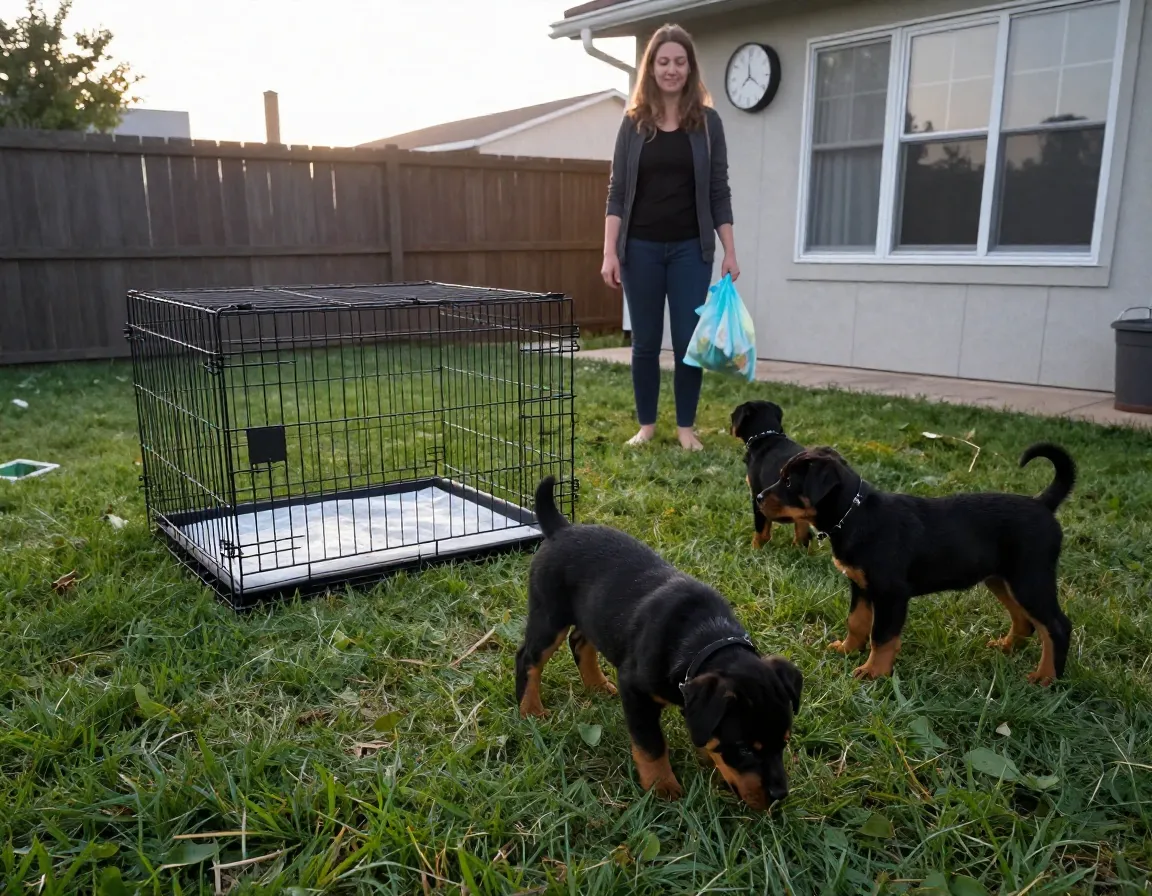
Potty training forms another essential component of the 6 early training secrets every dog puppy Rottweiler owner needs to implement consistently. Starting between 5-8 weeks old, proper house training prevents months of frustration and establishes important routines [2].
Understanding Puppy Bladder Development
5-8 weeks: Puppies can begin learning designated bathroom areas
8 weeks: Capable of sleeping 5-6 hours overnight in a crate
12 weeks: Can typically hold bladder for 3-4 hours during day
16 weeks: Most puppies achieve reliable daytime control
The Scheduled Success Method
Daily Potty Schedule
| Time | Activity | Notes |
|---|---|---|
| First thing morning | Immediate outside trip | Before food or play |
| After meals | 15-30 minutes post-eating | Digestion triggers elimination |
| After naps | Immediately upon waking | Bladder fills during sleep |
| After play sessions | High activity stimulates need | Watch for sniffing behavior |
| Before bedtime | Final opportunity | Reduces overnight accidents |
Crate Training Integration
Proper Crate Size: Large enough to stand and turn around, not large enough to eliminate in one corner
Positive Associations: Feed meals in crate, provide special toys, never use as punishment
Gradual Increase: Start with 1-2 hours, gradually extend as puppy matures
Overnight Success: Most 8-week-old Rottweiler puppies can sleep 5-6 hours without elimination [2]
Outdoor Bathroom Area Setup
Designated Spots: Choose specific areas for elimination and consistently use them
Surface Preferences: Puppies often prefer grass, but can learn other surfaces if needed
Weather Preparation: Have backup plans for extreme weather conditions
Cleanup Protocol: Remove waste immediately to maintain area appeal
Recognizing Elimination Signals
🔍 Sniffing the ground intensely in circles
🔍 Whining or restlessness especially near doors
🔍 Sudden stop during play to sniff around
🔍 Circling behavior in specific areas
🔍 Scratching at doors or looking toward exits
Accident Management
Never punish accidents – this creates fear and confusion
Clean thoroughly with enzymatic cleaners to remove odor
Increase supervision and adjust schedule if accidents increase
Reward successful outdoor elimination enthusiastically
6. Build Impulse Control and Mental Stimulation
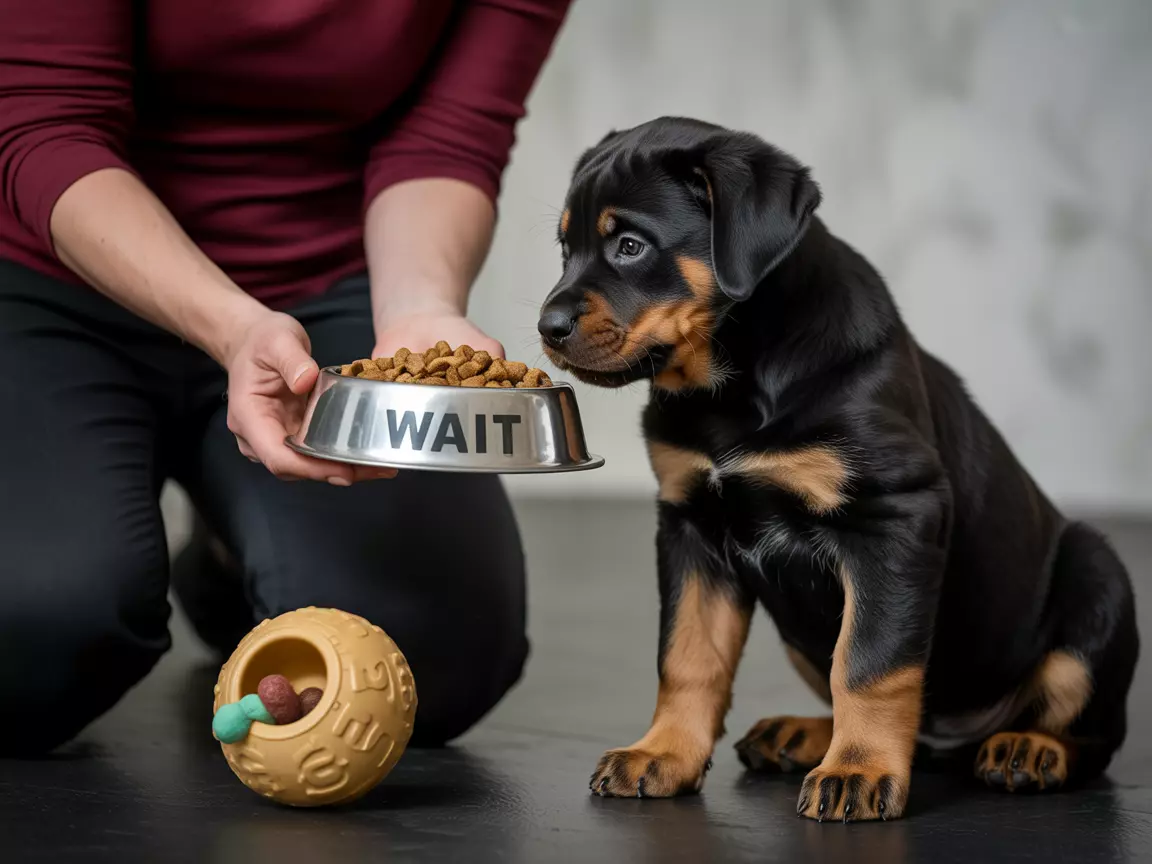
The final secret of the 6 early training secrets every dog puppy Rottweiler owner needs focuses on developing impulse control and providing adequate mental stimulation. Rottweilers are working dogs with high intelligence, making mental exercise as important as physical exercise [3][4].
Why Impulse Control Matters
Prevents Resource Guarding: Teaching patience around food and toys
Reduces Jumping: Controls excited greetings with people
Improves Safety: Ensures reliable response to commands in emergencies
Builds Confidence: Helps puppies think before reacting
Impulse Control Exercises
“Wait” for Meals
- Hold food bowl above puppy
- Wait for calm, sitting behavior
- Lower bowl slowly
- If puppy jumps up, raise bowl again
- Only place bowl down when puppy remains calm
“Leave It” Command
- Hold treat in closed fist
- Let puppy sniff and paw at hand
- Wait for puppy to stop trying and look at you
- Say “Yes!” and give different treat
- Gradually progress to treats on floor
Door Manners
- Approach door with puppy on leash
- If puppy pulls toward door, stop and wait
- Only open door when puppy is calm and sitting
- Practice with front door, car doors, and gates
Mental Stimulation Activities
Puzzle Toys: Rotate different types to maintain interest
- Kong toys stuffed with treats
- Snuffle mats for food searching
- Interactive puzzle feeders
- Hide-and-seek games with toys
Training Games: Make learning fun and engaging
- “Find it” games with hidden treats
- Basic agility obstacles (low jumps, tunnels)
- Trick training (spin, play dead, high-five)
- Name recognition for different toys
Environmental Enrichment: Provide varied experiences
- Different walking routes
- New surfaces to explore
- Supervised interaction with other dogs
- Car rides to new locations
Creating Structure and Boundaries
Consistent Rules: All family members must enforce same boundaries [4]
Clear Communication: Use consistent verbal cues and body language
Positive Reinforcement: Reward good choices immediately and enthusiastically
Emotional Safety: Avoid harsh corrections that damage trust [4]
Signs of Adequate Mental Stimulation
✅ Calm behavior during rest periods
✅ Eager participation in training sessions
✅ Reduced destructive behavior like chewing furniture
✅ Good appetite and healthy sleep patterns
✅ Confident exploration of new environments
Warning Signs of Under-Stimulation
⚠️ Excessive chewing of inappropriate items
⚠️ Hyperactivity that doesn’t settle with exercise
⚠️ Attention-seeking behaviors like excessive barking
⚠️ Destructive behavior when left alone
⚠️ Difficulty focusing during training sessions
Advanced Tips for Long-Term Success
Consistency Across All Family Members
Training success depends on everyone in the household following the same rules and using identical commands. Create a family training guide that includes:
- Command words everyone will use
- House rules about furniture, feeding, and play
- Reward systems and timing
- Correction methods that align with positive training
Preparing for Adolescence (4-18 months)
Rottweiler adolescence brings unique challenges that proper puppy training helps navigate:
Increased Independence: Well-trained puppies maintain better recall during teenage phases
Size Challenges: Early leash training prevents pulling problems when dogs reach full size
Protective Instincts: Proper socialization ensures appropriate guarding behavior
Energy Increases: Mental stimulation habits established early help manage adolescent energy
Professional Training Support
Consider professional help when:
- Puppy shows signs of aggression or excessive fear
- Family struggles with consistency
- Specific behavioral issues arise
- Advanced training goals require expertise
Conclusion
The 6 early training secrets every dog puppy Rottweiler owner needs provide the roadmap for raising a confident, well-behaved companion. From critical early socialization through impulse control development, each element builds upon the others to create a solid foundation for lifelong success.
Remember that consistency, patience, and positive reinforcement form the core of effective Rottweiler training. These intelligent, loyal dogs respond best to clear communication and emotional safety rather than harsh corrections or punishment-based methods [4].
Your Next Steps
- Start immediately – Don’t wait for problems to develop before beginning training
- Create a schedule – Establish consistent daily routines for feeding, potty breaks, and training
- Gather supplies – Invest in proper equipment including harness, leash, crate, and high-value treats
- Document progress – Keep a training journal to track successes and identify areas needing work
- Stay committed – Remember that early investment in training pays dividends for 10-12 years
The difference between a problematic adult Rottweiler and an exemplary one lies in these crucial early months. By implementing these six training secrets consistently and patiently, owners set themselves up for years of joy with their loyal, well-behaved Rottweiler companion.
Success in puppy training isn’t about perfection – it’s about building a strong foundation of trust, communication, and mutual respect that will serve both dog and owner throughout their journey together. Start today, stay consistent, and watch as your Rottweiler puppy grows into the confident, well-mannered dog you’ve always dreamed of having.
References
[1] Guide How To Train Rottweiler Puppy – https://zigzag.dog/en-us/blog/puppy-training/breed-specific/guide-how-to-train-rottweiler-puppy/
[2] How To Train A Rottweiler Training Your Rottie Puppy – https://www.akc.org/expert-advice/dog-breeds/how-to-train-a-rottweiler-training-your-rottie-puppy/
[3] How To Train A Rottweiler Tips For Raising A Well Behaved Loyal Companion – https://petnpet.us/blogs/news/how-to-train-a-rottweiler-tips-for-raising-a-well-behaved-loyal-companion
[4] The Training Of Rottweilers What Every Owner Needs To Know – https://www.thetrainingofdogs.com/post/the-training-of-rottweilers-what-every-owner-needs-to-know
[5] Training Rottweilers – https://www.bestmatedogtraining.co.nz/training-rottweilers
[6] Watch – https://www.youtube.com/watch?v=8XJ8He4TBzo