9 Things You Must Know Before Getting a British Fold Cat
Fewer than 50% of kittens born to a Scottish or British Fold parent will actually develop the iconic folded ears — yet millions of people fall in love with the look and rush into ownership without understanding what comes with it. If you are considering adding one of these round-faced, owl-eyed cats to your home, the 9 Things You Must Know Before Getting a British Fold Cat could genuinely save you heartache, money, and — most importantly — your future pet’s health.
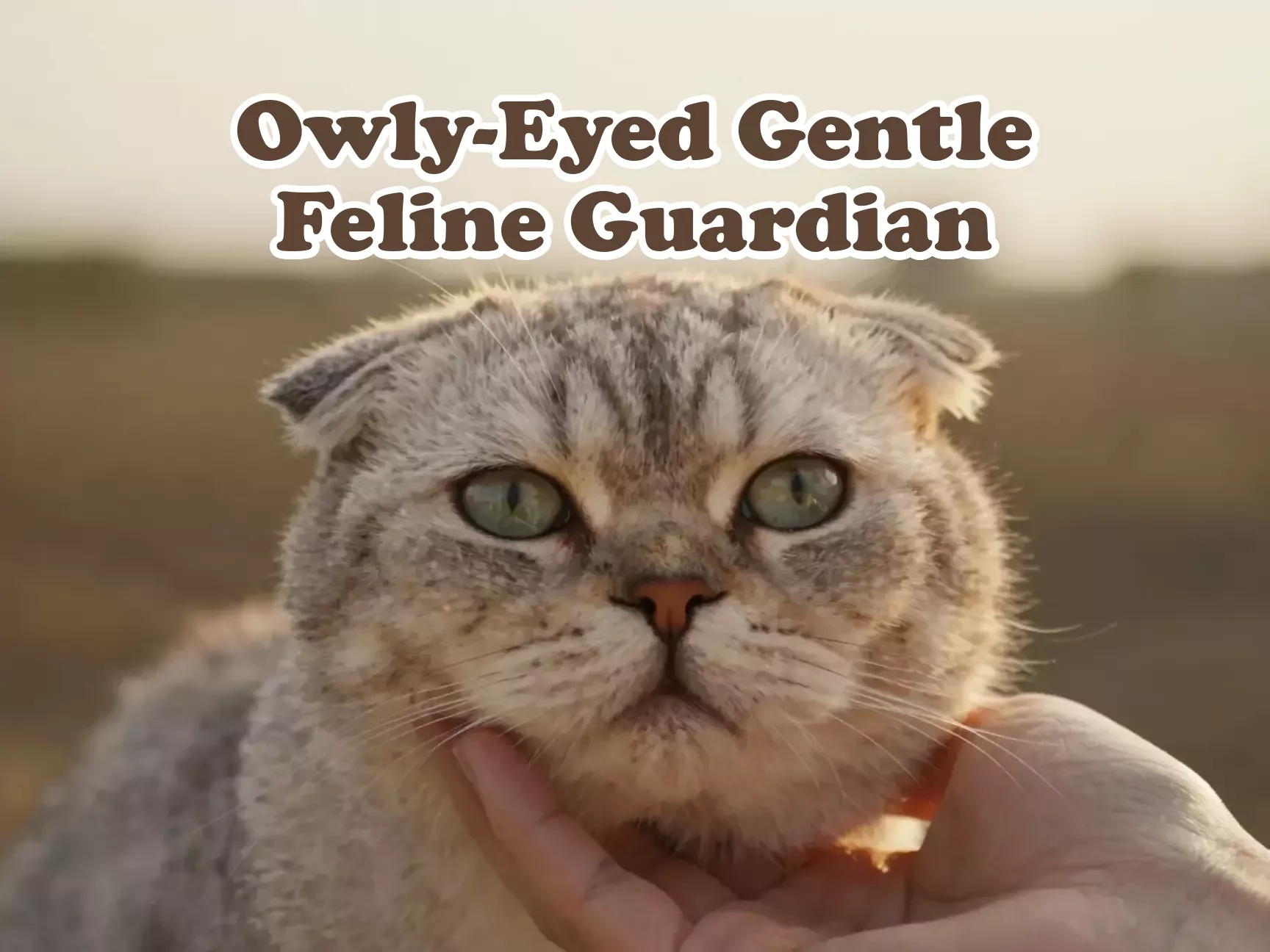
This guide cuts through the social-media hype and gives you the real picture: the genetics, the costs, the ethical questions, and the daily care realities. Whether you are a first-time cat owner or an experienced one, reading every point below before you commit is one of the best things you can do for yourself and your new companion.
Key Takeaways
- 🧬 The folded-ear gene is linked to a painful cartilage condition called osteochondrodysplasia — health screening is non-negotiable.
- 💷 Expect to pay £700–£1,500 for a responsibly bred kitten in the UK; suspiciously low prices are a red flag.
- 📅 Kittens should be at least 12–16 weeks old before leaving their mother and siblings.
- 🐾 Ethical breeders always pair a fold-eared cat with a straight-eared parent — never fold-to-fold.
- 🏥 Regular vet visits, gentle handling, and consistent grooming are lifelong commitments, not optional extras.
Understanding the Breed: What “British Fold” Actually Means
Before diving into the 9 Things You Must Know Before Getting a British Fold Cat, it helps to clear up a common naming confusion. The term “British Fold” is widely used to describe cats that combine British Shorthair or British Longhair genetics with the fold mutation more commonly associated with the Scottish Fold. In practice, many breeders and buyers use “British Fold” and “Scottish Fold” interchangeably, especially in the UK market. Both share the same folded-ear gene and the same health considerations.
The breed first appeared in Scotland in the 1960s when a barn cat named Susie was found to have naturally folded ears. Selective breeding followed, and today these cats are recognized for their stocky build, plush double coat, and extraordinarily round faces. Their calm, affectionate temperament has made them enormously popular — but popularity has also led to irresponsible breeding practices that prospective owners must be aware of.
“Owning a British Fold is a privilege that comes with a responsibility to understand the genetics behind those adorable ears.”
The 9 Things You Must Know Before Getting a British Fold Cat
1. The Folded Ears Come With a Serious Genetic Health Risk
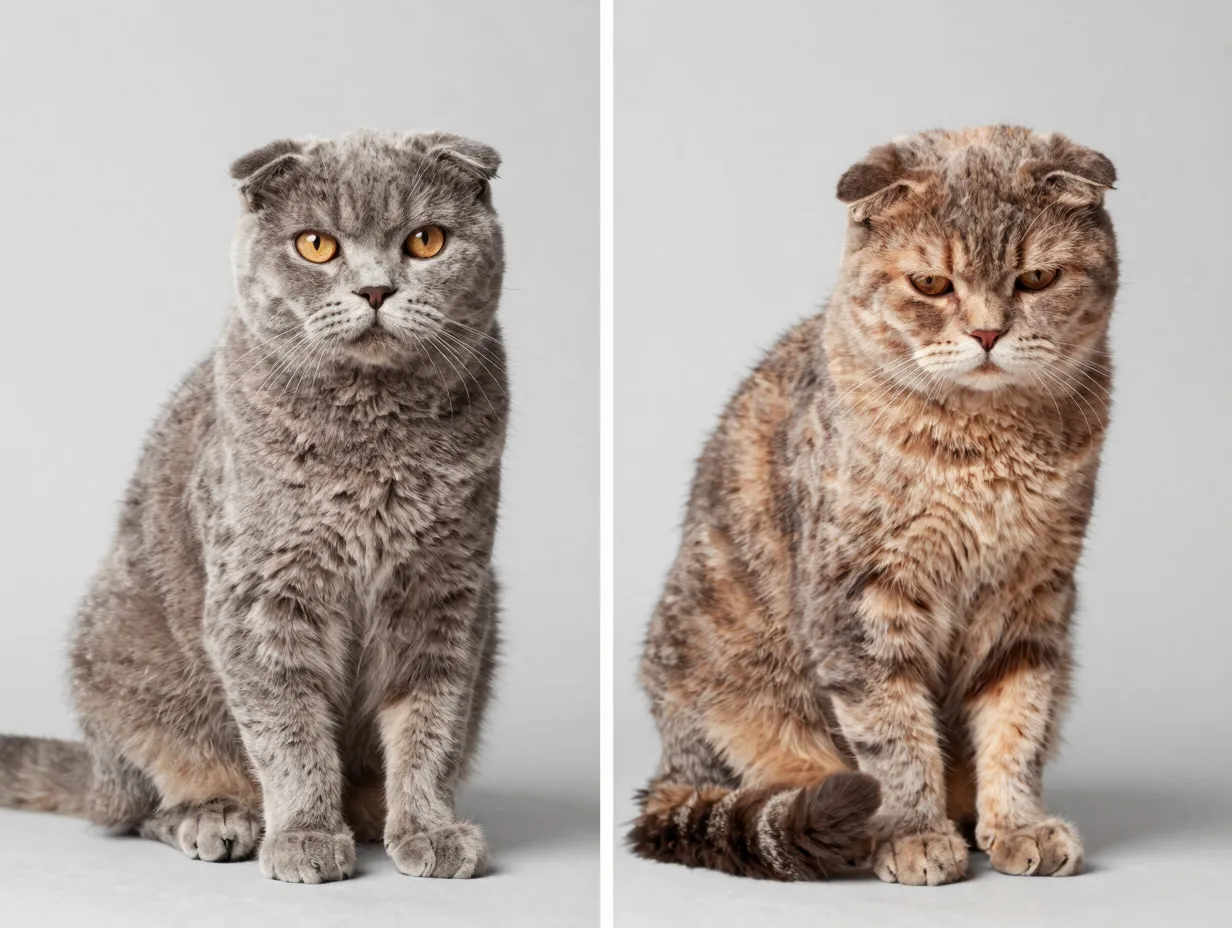
The single most important fact on this entire list: the gene that causes the ear to fold is the same gene that can cause osteochondrodysplasia, a disorder affecting cartilage and bone development throughout the entire body — not just the ears [1]. This condition can lead to painful arthritis, stiff joints, and reduced mobility, sometimes appearing as early as six months of age.
| Risk Level | Breeding Combination | Likelihood of Osteochondrodysplasia |
|---|---|---|
| High | Fold × Fold | Very high — avoid entirely |
| Moderate | Fold × Straight | Lower, but still possible |
| Low | Straight × Straight | No fold gene passed on |
Every cat carrying the fold gene carries at least some risk. This is not a scare tactic — it is verified science that should inform every purchasing decision you make [1].
2. Always Insist That One Parent Has Straight Ears
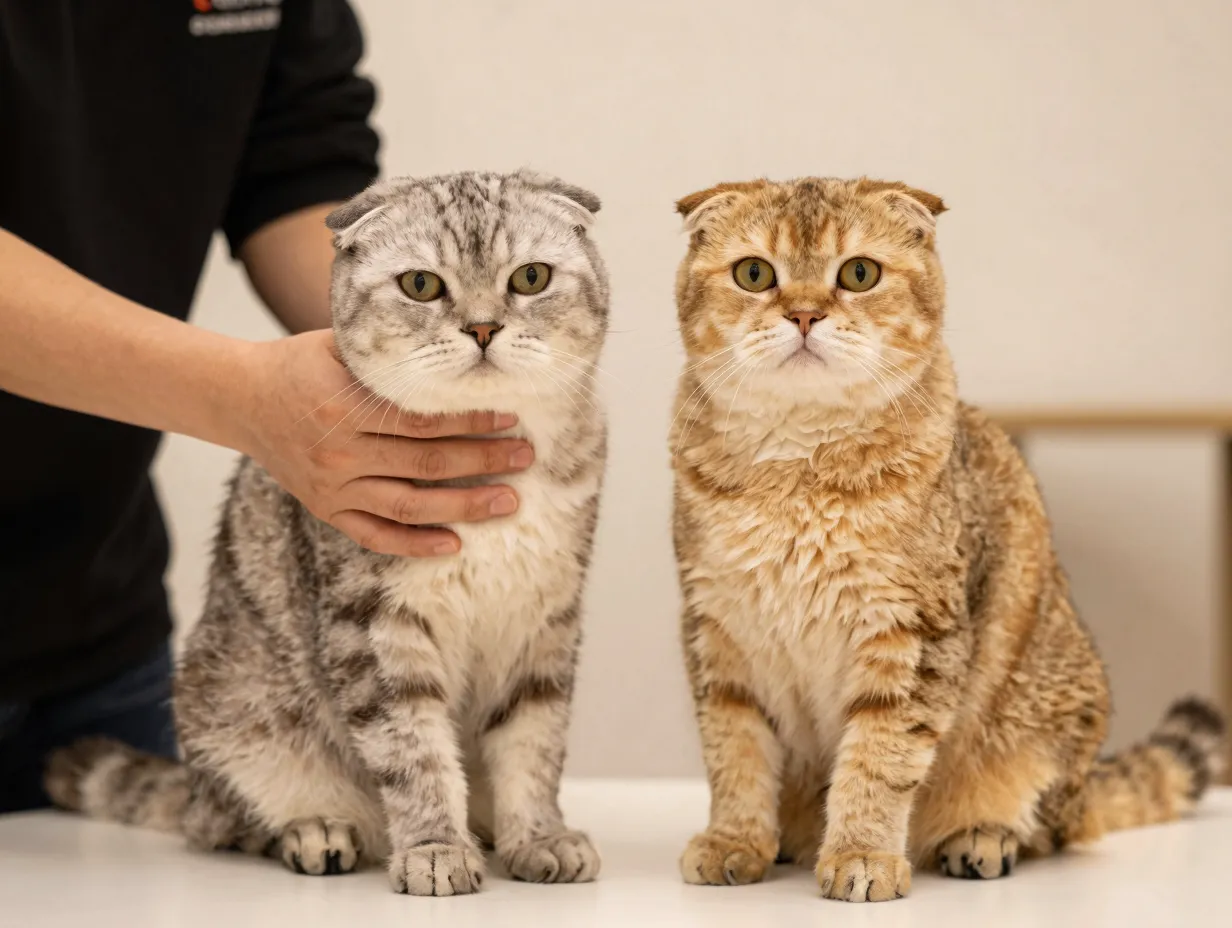
Directly connected to the genetic risk above, responsible and ethical breeders will never breed two folded-ear cats together [1]. When two fold-gene carriers are bred, the resulting kittens are far more likely to develop severe osteochondrodysplasia [2].
What to do:
- Ask the breeder directly: “What are the ear types of both parents?”
- Request to see photos or meet both parent cats if possible.
- Walk away from any breeder who cannot or will not answer this question clearly.
Reputable breeders always pair a fold-eared cat with a straight-eared parent, often a British Shorthair or American Shorthair [1][2]. This does not eliminate the risk entirely, but it reduces it significantly.
3. Kittens Are Born With Straight Ears — The Fold Develops Later
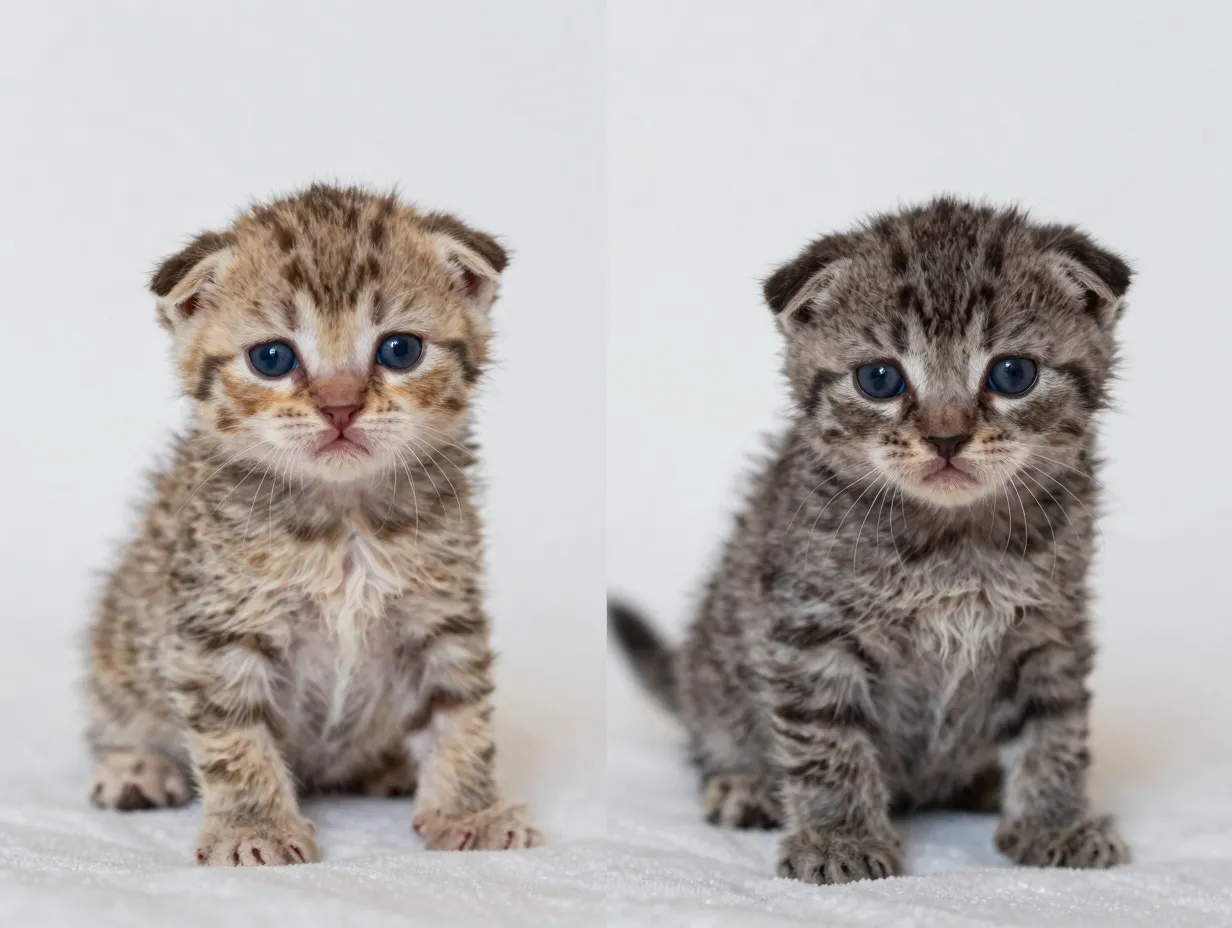
Here is a fact that surprises many first-time buyers: all British Fold kittens are born with straight ears [4]. The characteristic fold only begins to develop between 18 and 24 days after birth, and only in kittens that carry the fold gene. Roughly 50% of kittens in a litter will develop folded ears, while the other 50% will retain straight ears [4].
This matters for two reasons:
- You cannot identify a “fold” kitten at birth. Any breeder claiming to sell guaranteed fold kittens at just a few days old is either misinformed or dishonest.
- Straight-eared kittens from fold parents are equally valuable and make wonderful, healthy pets. Do not dismiss them.
4. Never Adopt a Kitten Younger Than 12–16 Weeks
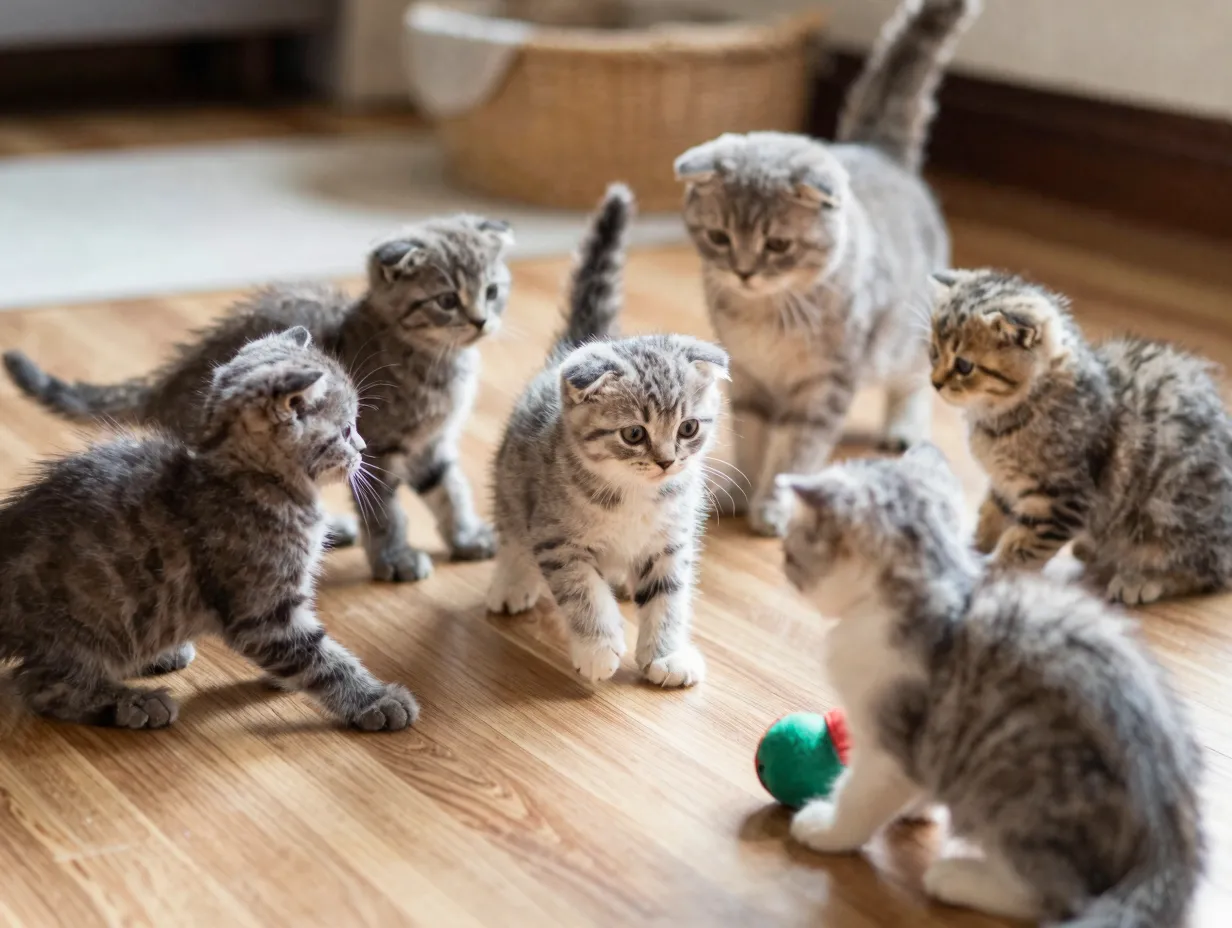
Reputable breeders will not release a kitten before it is at least 12 weeks old, and many recommend waiting until 14–16 weeks [2]. This waiting period is not arbitrary — it is essential for the kitten’s physical and emotional development.
During these early weeks, kittens learn critical social skills from their mother and littermates:
- 🐱 Bite inhibition and play boundaries
- 🐱 Litter box habits and hygiene
- 🐱 Confidence and resilience around new environments
- 🐱 Immune system strengthening through maternal antibodies
Kittens taken away too early are more likely to develop behavioral problems, anxiety, and health issues later in life [2]. If a seller is pushing you to collect a kitten at 6 or 8 weeks, treat it as a serious warning sign.
5. Expect to Pay £700–£1,500 for a Responsibly Bred Kitten
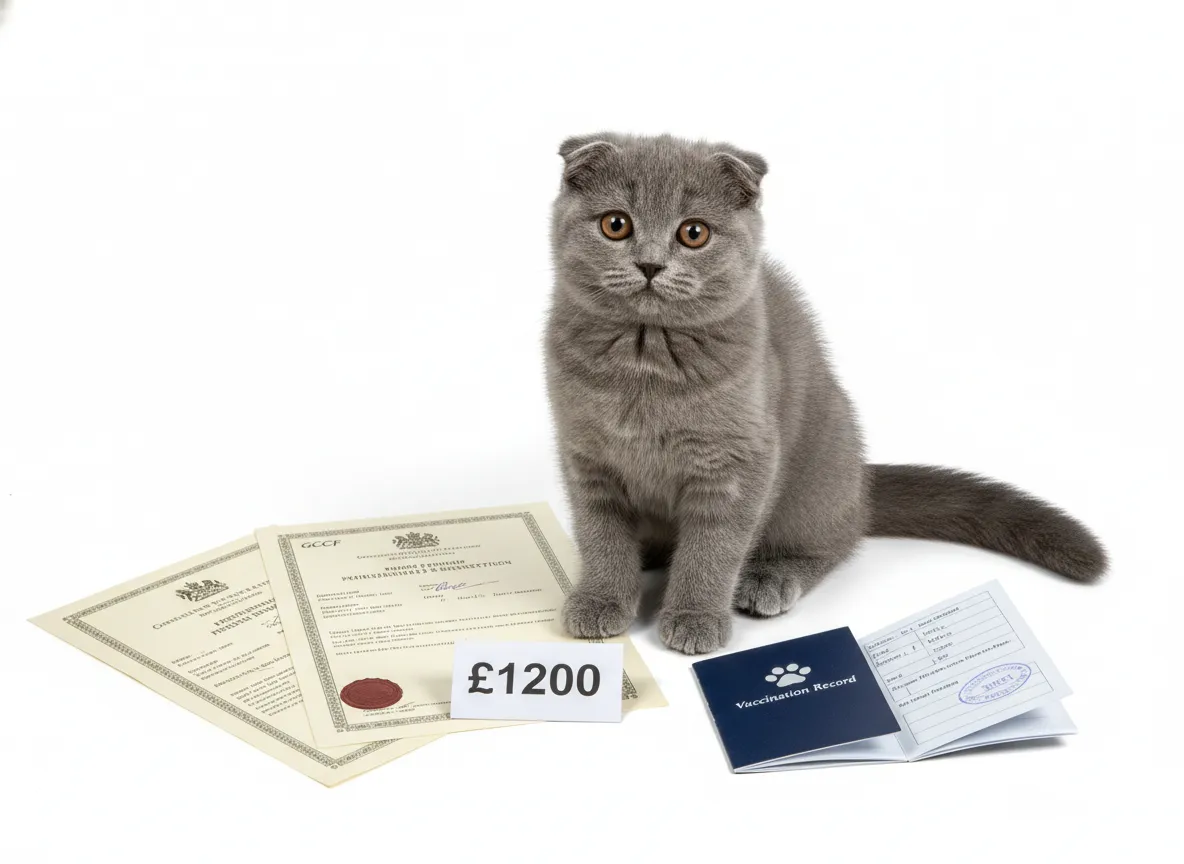
In the UK in 2026, a well-bred British Fold kitten from a reputable breeder typically costs between £700 and £1,500 [1]. The price varies based on:
- Pedigree and lineage
- Coat type (short-haired vs. long-haired)
- Markings and color
- Breeder reputation and location
⚠️ Pull Quote: “A kitten priced at £200 or £300 is almost never a bargain — it is a warning sign of irresponsible breeding or poor health screening.”
Unusually low prices often indicate that corners have been cut on health testing, vaccinations, socialization, or ethical breeding practices [1]. The upfront cost of a responsibly bred kitten is almost always far less than the long-term veterinary bills that come from buying a poorly bred one.
6. Responsible Breeders Spay or Neuter Kittens Before Adoption
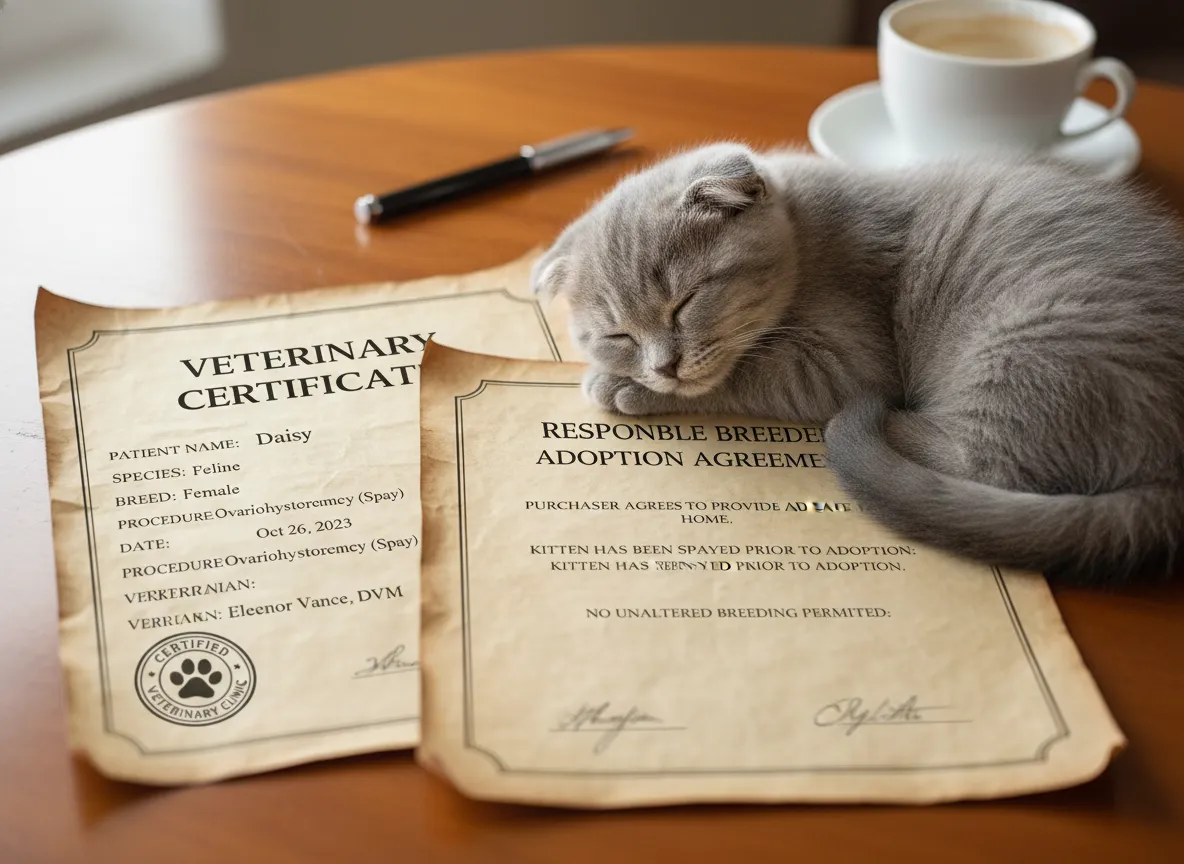
A hallmark of a truly responsible breeder is that they will spay or neuter kittens before they leave for their new homes [2]. This practice exists to prevent buyers from using their pet-quality kittens for backyard breeding, which perpetuates the cycle of health problems in the breed.
What this means for you as a buyer:
- Your kitten should arrive already neutered or spayed, or the breeder should have a firm contract requiring it before a certain age.
- If a breeder is happy to sell you an unneutered kitten with no conditions, ask why.
- Breeding rights, if offered, should come with significantly higher prices and stricter health-testing requirements.
This is one of the clearest ways to distinguish a responsible breeder from someone simply looking to make a quick profit.
7. Handle Their Tails and Joints With Extreme Gentleness
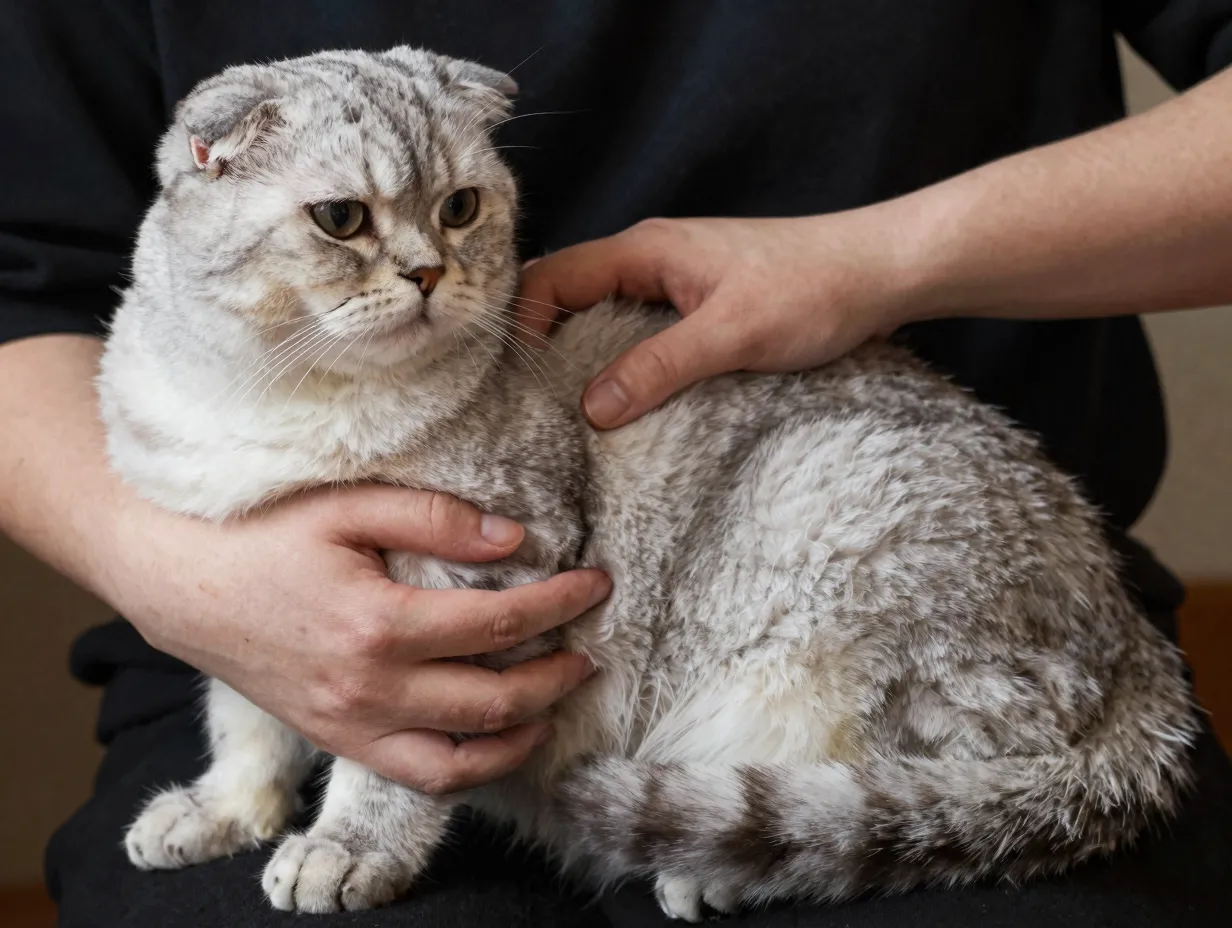
Because of the cartilage issues associated with the fold gene, British Fold cats require particularly gentle handling — especially around the tail [4]. Some cats in this breed develop stiff or inflexible tails, and rough handling or bending the tail can cause significant pain [4].
Practical tips for gentle handling:
- Never pull or bend the tail — support the whole body when lifting.
- Watch for signs of discomfort: flinching, hissing, or reluctance to be touched in certain areas.
- Teach children in your household how to handle the cat correctly before bringing it home.
- Schedule regular vet check-ups specifically to monitor joint health and mobility.
Pain in these cats can be subtle. They often do not vocalize distress the way dogs might. Learning to read your cat’s body language is an essential part of responsible ownership.
8. Grooming Is a Regular, Non-Negotiable Commitment
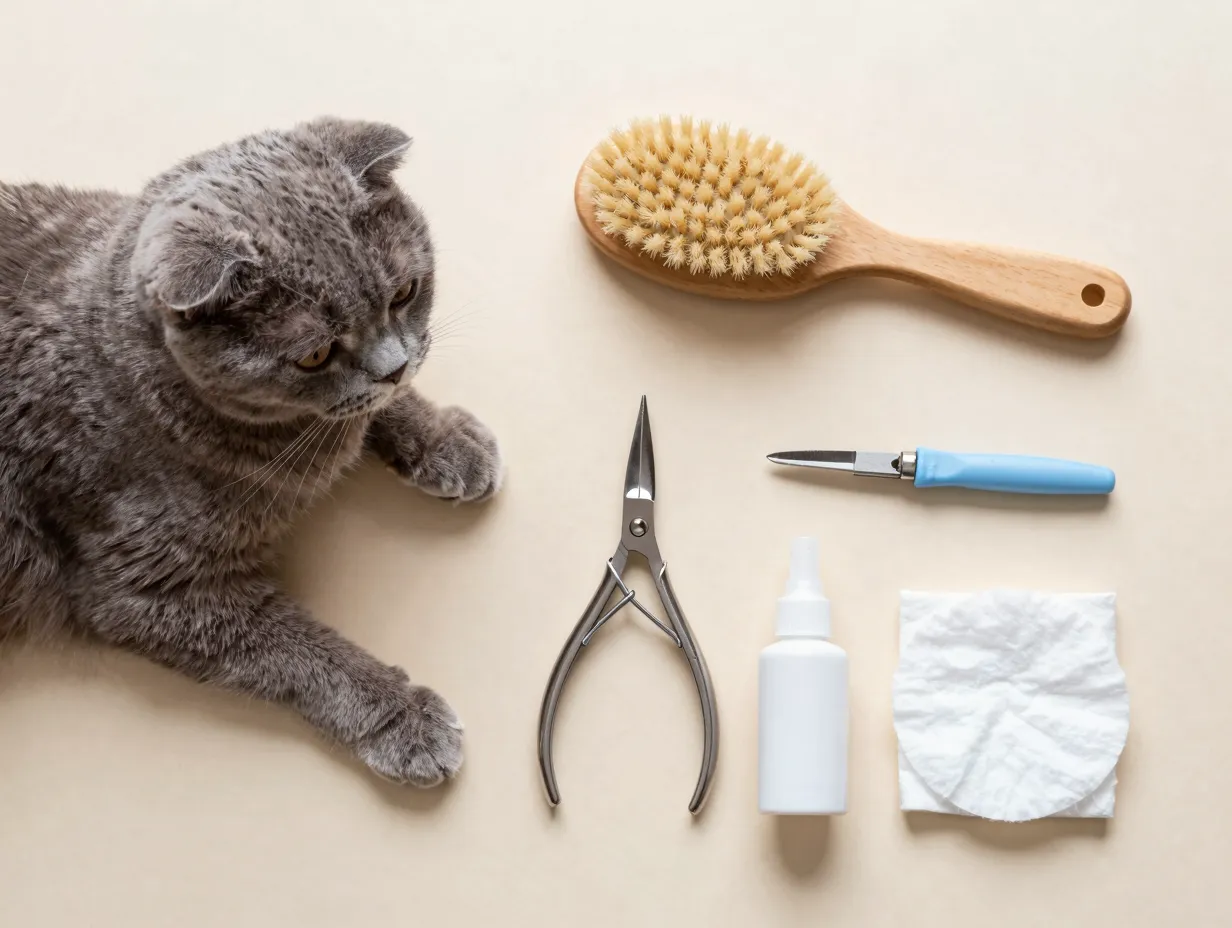
British Folds come in two coat varieties, and both require consistent grooming [1]:
| Coat Type | Grooming Frequency | Key Concerns |
|---|---|---|
| Short-haired | Weekly brushing | Shedding, loose hair buildup |
| Long-haired | 2–3 times per week | Matting, tangles, hairballs |
Beyond coat care, there are other grooming needs to stay on top of:
- 👂 Ear cleaning: The folded ear structure can trap moisture and debris more easily than upright ears, increasing the risk of ear infections. Check and gently clean ears weekly.
- 🦷 Dental hygiene: Brush teeth regularly or provide dental treats to prevent periodontal disease.
- 💅 Nail trimming: Every 2–3 weeks to prevent overgrowth and snagging.
- 👁️ Eye cleaning: Wipe away any discharge with a damp cloth.
Regular vet visits are equally important for preventative care and early detection of any joint or cartilage issues [3]. Do not skip annual check-ups even when your cat appears healthy.
9. Their Lifespan and Long-Term Costs Deserve Serious Planning
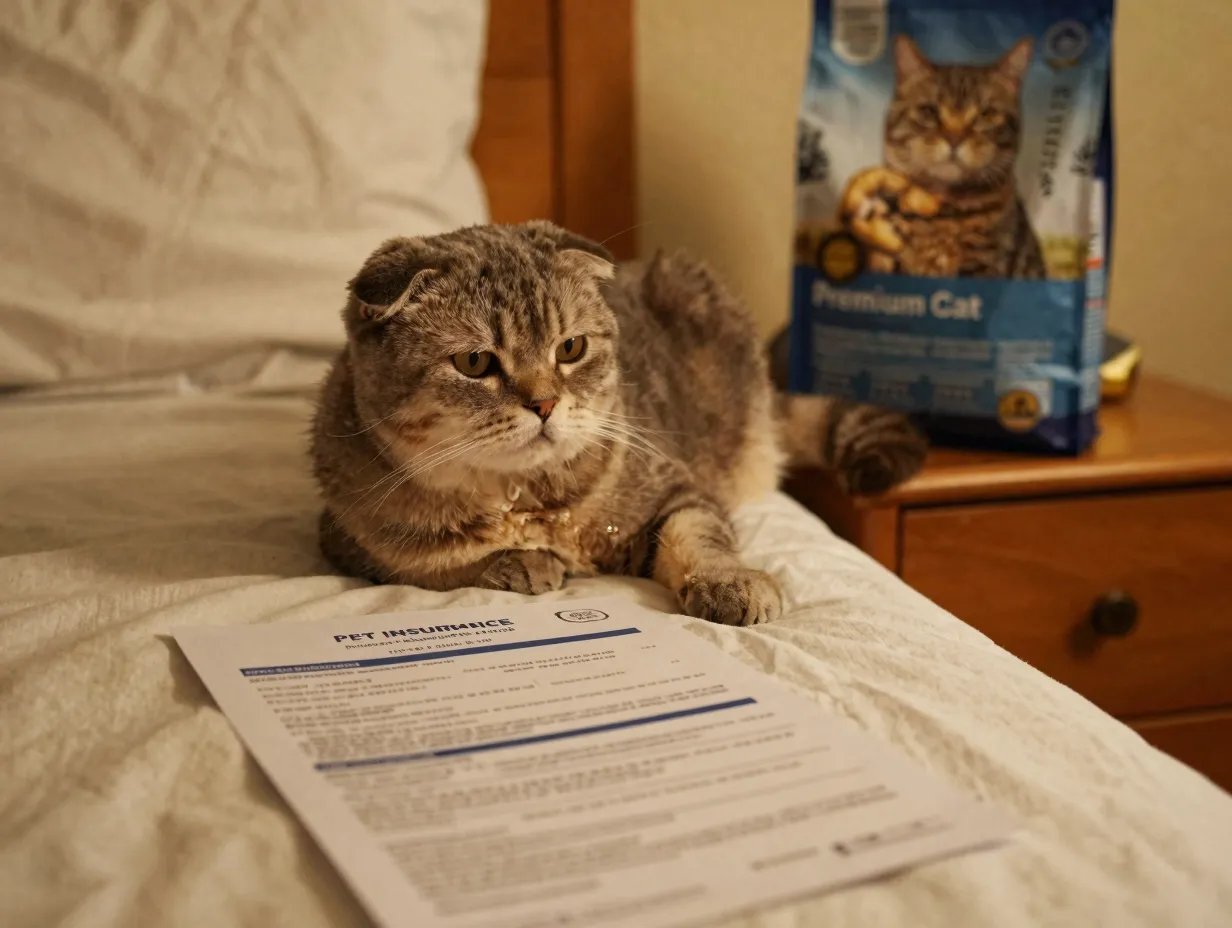
With proper care, a British Fold cat can live 9 to 15 years [1]. That is a significant long-term commitment — financially, emotionally, and practically. Before you bring one home, plan for the full lifecycle costs.
Estimated Annual Costs (UK, 2026):
| Expense | Estimated Annual Cost |
|---|---|
| Premium cat food | £400–£700 |
| Routine vet visits | £150–£300 |
| Pet insurance | £200–£600 |
| Grooming supplies | £50–£100 |
| Toys, bedding, accessories | £100–£200 |
| Total (approximate) | £900–£1,900+ |
Pet insurance is strongly recommended for this breed given the elevated risk of joint-related conditions [1][3]. Some insurers may apply exclusions for hereditary conditions, so read policies carefully before purchasing.
Beyond money, consider your lifestyle. British Folds are affectionate and social cats that do not thrive in isolation. If you travel frequently or work very long hours, consider whether a companion cat might help keep them company.
How to Find a Reputable British Fold Breeder
Knowing the 9 Things You Must Know Before Getting a British Fold Cat is only useful if you apply that knowledge when choosing where to buy. Here is a practical checklist:
✅ Ask for health test results for both parent cats (HCM screening, joint assessments).
✅ Visit the kitten in person before agreeing to buy — never buy sight unseen.
✅ Meet at least one parent to assess temperament and health.
✅ Check registration with a recognized body such as the GCCF (Governing Council of the Cat Fancy) in the UK.
✅ Request a written contract covering health guarantees and return policies.
✅ Ask about socialization — what experiences has the kitten had with people, sounds, and environments?
✅ Confirm the kitten’s age — it should be at least 12 weeks, ideally 14–16 weeks [2].
Avoid buying from pet shops, online marketplaces with no verifiable breeder information, or anyone who refuses to answer your questions openly. The extra effort of finding a responsible breeder pays dividends for the entire life of your cat [1][2].
Common Myths About British Fold Cats — Debunked
Myth 1: “Folded ears mean the cat can’t hear properly.”
False. The fold affects the outer ear structure only. Hearing ability is not impaired [4].
Myth 2: “If the cat isn’t limping, it isn’t in pain.”
Misleading. Cats are stoic animals. Joint discomfort from osteochondrodysplasia can be present long before visible symptoms appear [1].
Myth 3: “Breeding two folds together produces more fold kittens.”
Technically true — but it also dramatically increases the risk of severe health problems [1][2]. No responsible breeder does this.
Myth 4: “Straight-eared kittens from fold parents are inferior.”
Completely false. Straight-eared offspring are just as beautiful, just as affectionate, and often healthier [4].
Is a British Fold Cat Right for You? A Quick Self-Assessment
Ask yourself these questions honestly before proceeding:
- Can I afford £700–£1,500 upfront plus £900–£1,900 per year in ongoing costs?
- Am I prepared to commit to 9–15 years of care?
- Do I have the time and patience for regular grooming and vet appointments?
- Am I willing to learn about and monitor for signs of joint pain?
- Can I provide companionship and enrichment for a social, affectionate cat?
If you answered yes to all five, you are in a strong position to give a British Fold a wonderful life. If any gave you pause, it is worth reflecting before committing.
Conclusion: What to Do Next
The 9 Things You Must Know Before Getting a British Fold Cat are not meant to discourage you — they are meant to prepare you. These cats are genuinely wonderful companions: calm, affectionate, playful, and remarkably adaptable. But they come with specific needs and responsibilities that demand informed ownership.
Your actionable next steps:
- Research breeders registered with the GCCF or equivalent body in your country.
- Book a visit to meet the kittens and both parents in person.
- Prepare your home with appropriate bedding, litter trays, scratching posts, and enrichment toys.
- Register with a vet experienced in pedigree cats before your kitten arrives.
- Take out pet insurance from day one — ideally a lifetime policy that covers hereditary conditions.
- Educate everyone in your household about gentle handling, especially around the tail and joints.
A British Fold cat chosen responsibly, from an ethical breeder, and cared for with knowledge and love, can be one of the most rewarding pets you will ever own. Take the time to get it right from the start.
References
[1] Ten Things You Need To Know About The Scottish Fold Cat Before You Buy One – https://www.pets4homes.co.uk/pet-advice/ten-things-you-need-to-know-about-the-scottish-fold-cat-before-you-buy-one.html
[2] The Checklist – https://scottish-fold-kittens.info/the-checklist/
[3] Scottish Fold Cat Care Tips For New Owners 1 – https://purebredkitties.com/blogs/scottish-fold/scottish-fold-cat-care-tips-for-new-owners-1
[4] Scottish Fold Cats – https://www.rover.com/blog/scottish-fold-cats/
[5] British Scottish Kitten First Year – https://tdscattery.com/whisker-words-cattery-blog/british-scottish-kitten-first-year/
[6] The Complete Guide To Caring For A Scottish Fold Cat Health Diet Grooming And Personality Tips – https://lovepetcare.com/the-complete-guide-to-caring-for-a-scottish-fold-cat-health-diet-grooming-and-personality-tips/
[7] Scottish Fold Cats Facts And Care Guide – https://thecatsite.com/c/scottish-fold-cats-facts-and-care-guide/