9 Things to Know About the Norwegian Cat Breed Before You Adopt
Only about 1 in 5 first-time cat owners research their chosen breed thoroughly before bringing a new pet home — and that gap in preparation is one of the leading reasons cats end up surrendered to shelters within the first year. If you’re considering a Norwegian Forest Cat, that statistic should give you pause. These are not ordinary house cats. They are large, slow-maturing, deeply intelligent animals with specific needs that can surprise even experienced pet owners. Before you fall completely in love with those tufted ears and that waterfall of fur, there are 9 things to know about the Norwegian cat breed before you adopt that could make the difference between a lifelong bond and a difficult situation for both you and the cat.
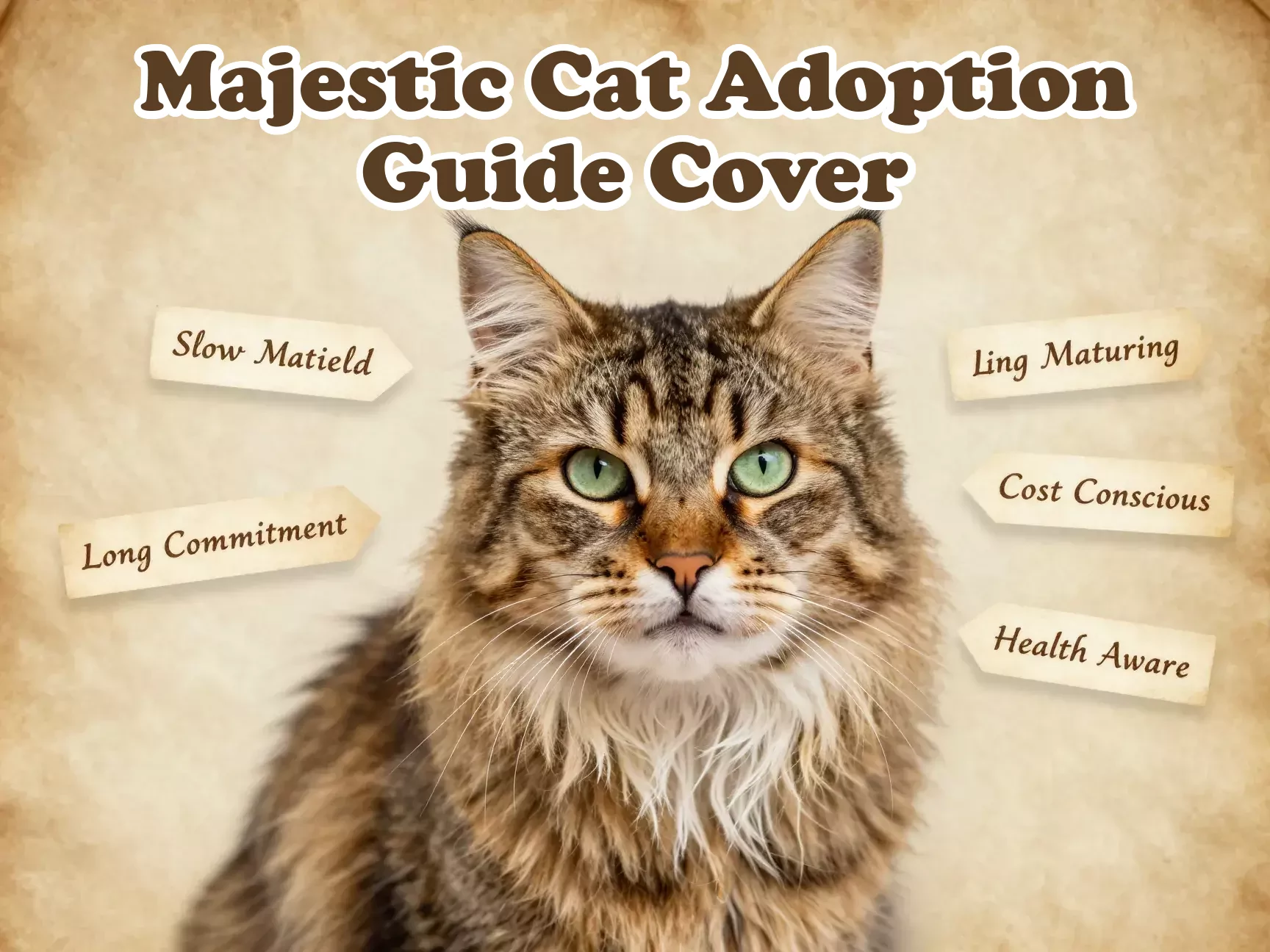
This guide covers everything from size and temperament to health risks and real costs — so you can make a confident, informed decision in 2026.
Key Takeaways
- 🐱 Norwegian Forest Cats are large, slow-maturing cats that can take up to 5 years to fully develop.
- 💰 Purchasing from a breeder starts at around $2,000, but rescue adoption is a more affordable option.
- 🏠 These cats need space, enrichment, and activity — they are not ideal for small apartments.
- ❤️ They thrive in calm households and do well with older children and other pets.
- 🩺 Hereditary health conditions exist, but reputable breeders test for them — always ask for documentation.
The Complete Guide: 9 Things to Know About the Norwegian Cat Breed Before You Adopt
1. They Are Significantly Larger Than Most Domestic Cats
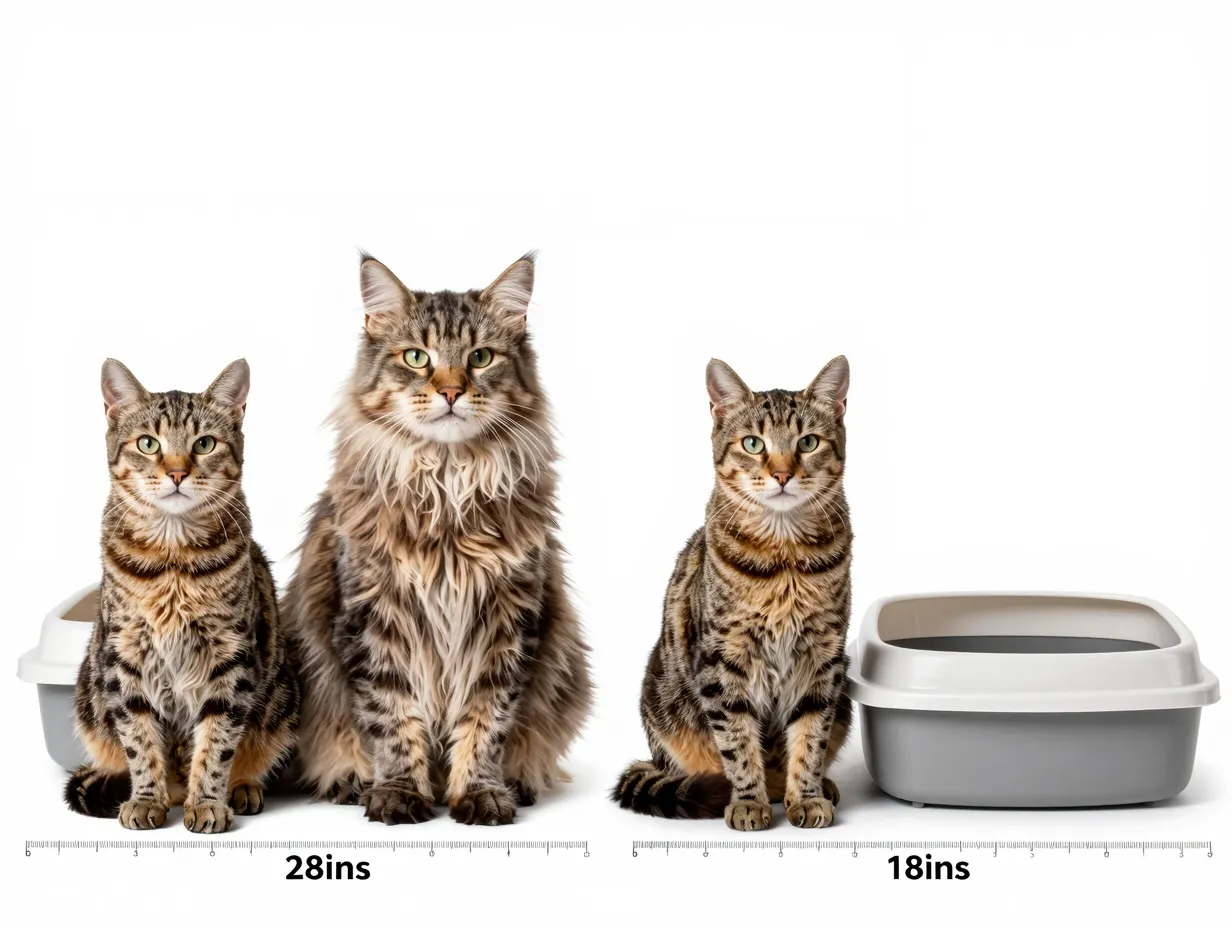
One of the first things that surprises new owners is just how big a Norwegian Forest Cat actually gets. These are not your average tabby. Adult Norwegian Forest Cats weigh between 12 and 22 pounds and stand 12 to 18 inches tall [4]. That puts them firmly in the “large breed” category alongside Maine Coons and Ragdolls.
What does that mean practically? It means:
- Standard cat furniture may not support them safely
- Litter boxes need to be larger than average
- Food portions and veterinary costs scale with their size
- They need more physical space to move comfortably
“A Norwegian Forest Cat isn’t just a fluffy cat — it’s a substantial animal that commands real estate in your home.”
If you live in a studio apartment or a small space with limited vertical territory, this breed may not be the right fit. They are built to climb, roam, and explore.
2. They Take Years to Fully Mature
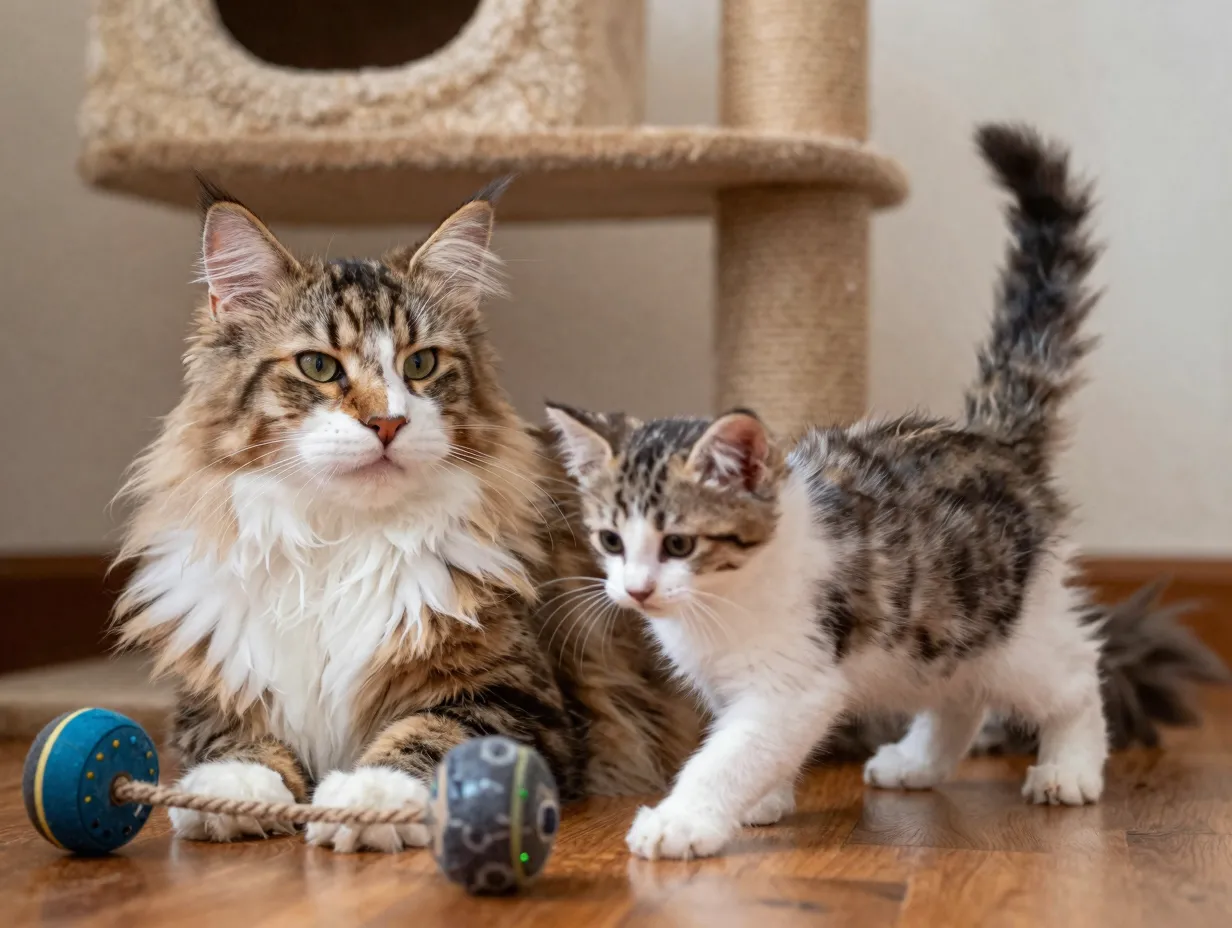
Most cat breeds reach full size by 12 to 18 months. Norwegian Forest Cats operate on an entirely different timeline. While they generally stop growing in height and length by 2 to 3 years of age, they are considered a slow-maturing breed that may not reach full physical and emotional maturity until up to 5 years old [1] [7].
This extended development period has real implications:
| Development Stage | Approximate Age |
|---|---|
| Stops growing in height/length | 2–3 years |
| Reaches full weight | 3–4 years |
| Full emotional maturity | Up to 5 years |
During those early years, expect kitten-level energy and curiosity in a cat that is rapidly growing into a large body. Budget for higher activity needs, more frequent vet check-ins, and a longer adjustment period if you’re introducing them to other pets or children.
3. You’re Making a 12 to 15 Year Commitment
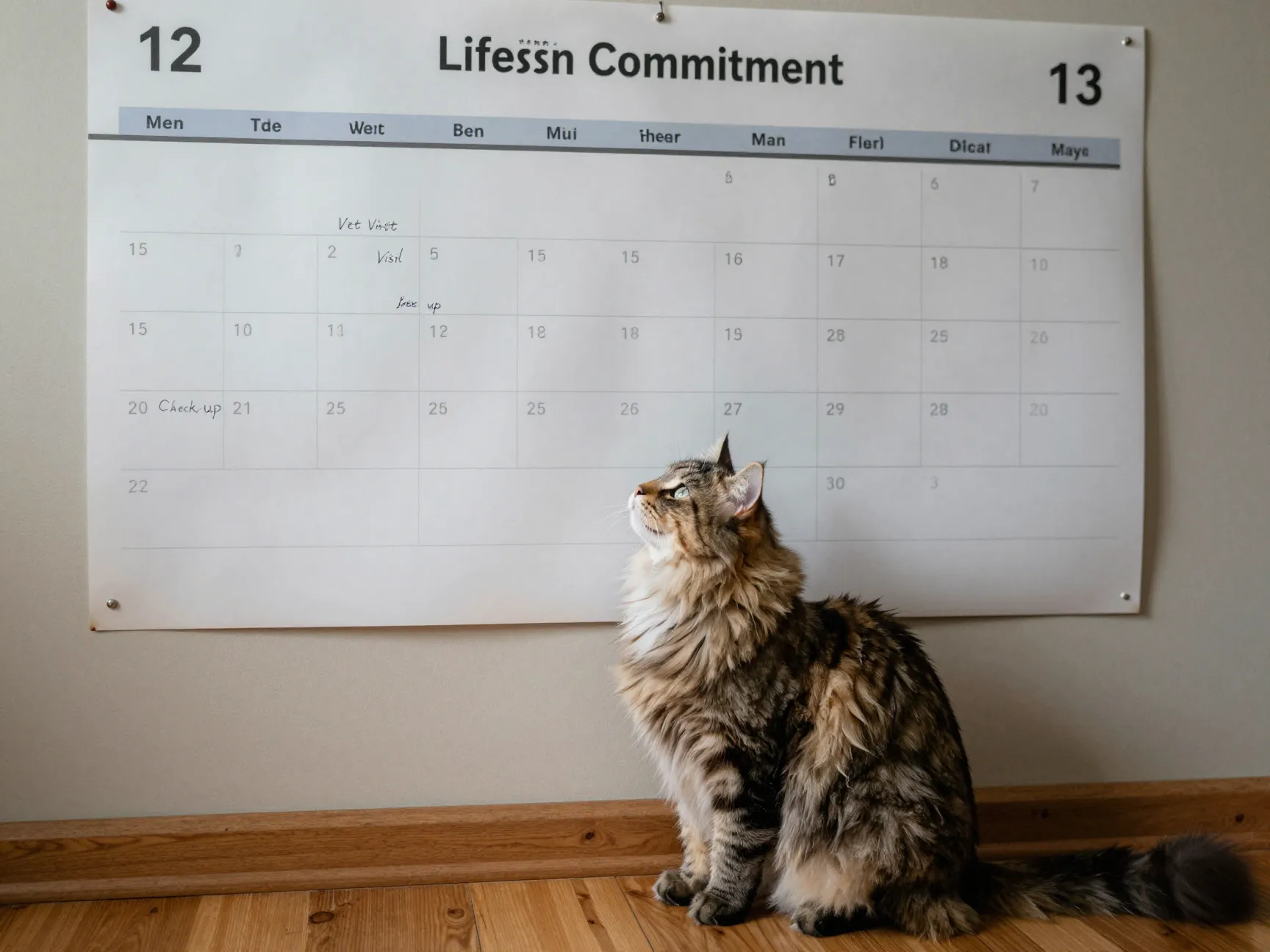
Adopting any cat is a long-term commitment, but with a Norwegian Forest Cat, that commitment stretches further than many people expect. The breed has a lifespan of 12 to 15 years [4], meaning a kitten you adopt today could still be with you well into the 2030s and beyond.
Before adoption, ask yourself honestly:
- Will your living situation accommodate a large cat for over a decade?
- Are you financially prepared for years of veterinary care?
- Do you have a care plan if your circumstances change?
This is not a decision to make impulsively. A Norwegian Forest Cat will need consistent care, enrichment, and companionship across its entire lifespan. They are not a short-term commitment — they are a family member.
4. Their Temperament Balances Independence With Affection
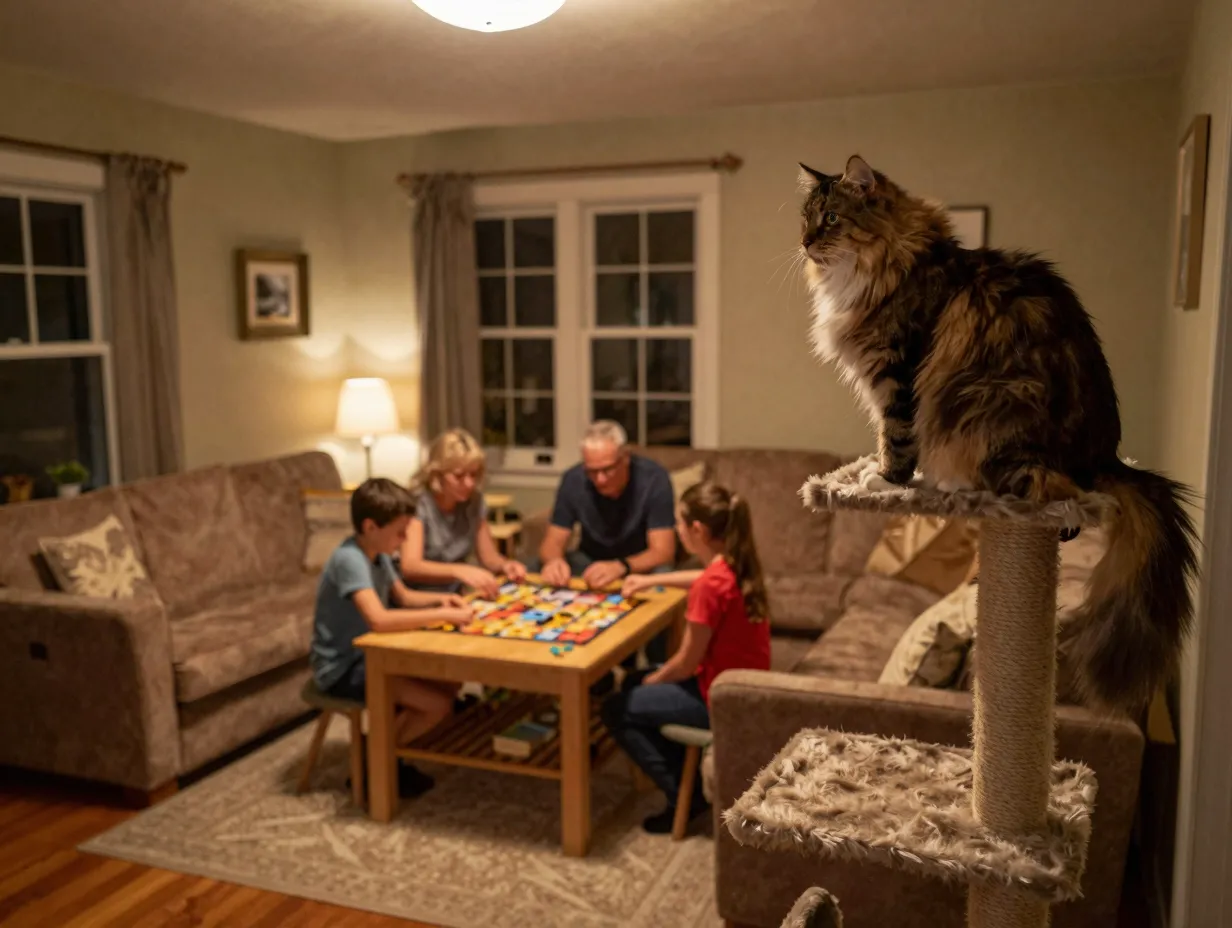
Norwegian Forest Cats have a personality that many owners describe as the “best of both worlds.” They are independent enough to entertain themselves during the day, but social enough to seek out human company when they want connection [2] [4]. They enjoy being part of family activities without being clingy or demanding constant attention.
Key temperament traits include:
- 🧠 Intelligent and curious — they explore every corner of your home
- 😌 Calm and patient — rarely aggressive or easily startled
- 🤝 Loyal but not needy — they’ll follow you around but won’t demand to be held
- 🎮 Playful well into adulthood — especially with interactive toys
One important nuance: while they handle alone time reasonably well, they are not suited to being left completely isolated for extended periods. If you work long hours and live alone, consider adopting a companion pet or investing heavily in enrichment tools to keep them mentally stimulated.
5. Their Coat Requires More Maintenance Than You Might Expect
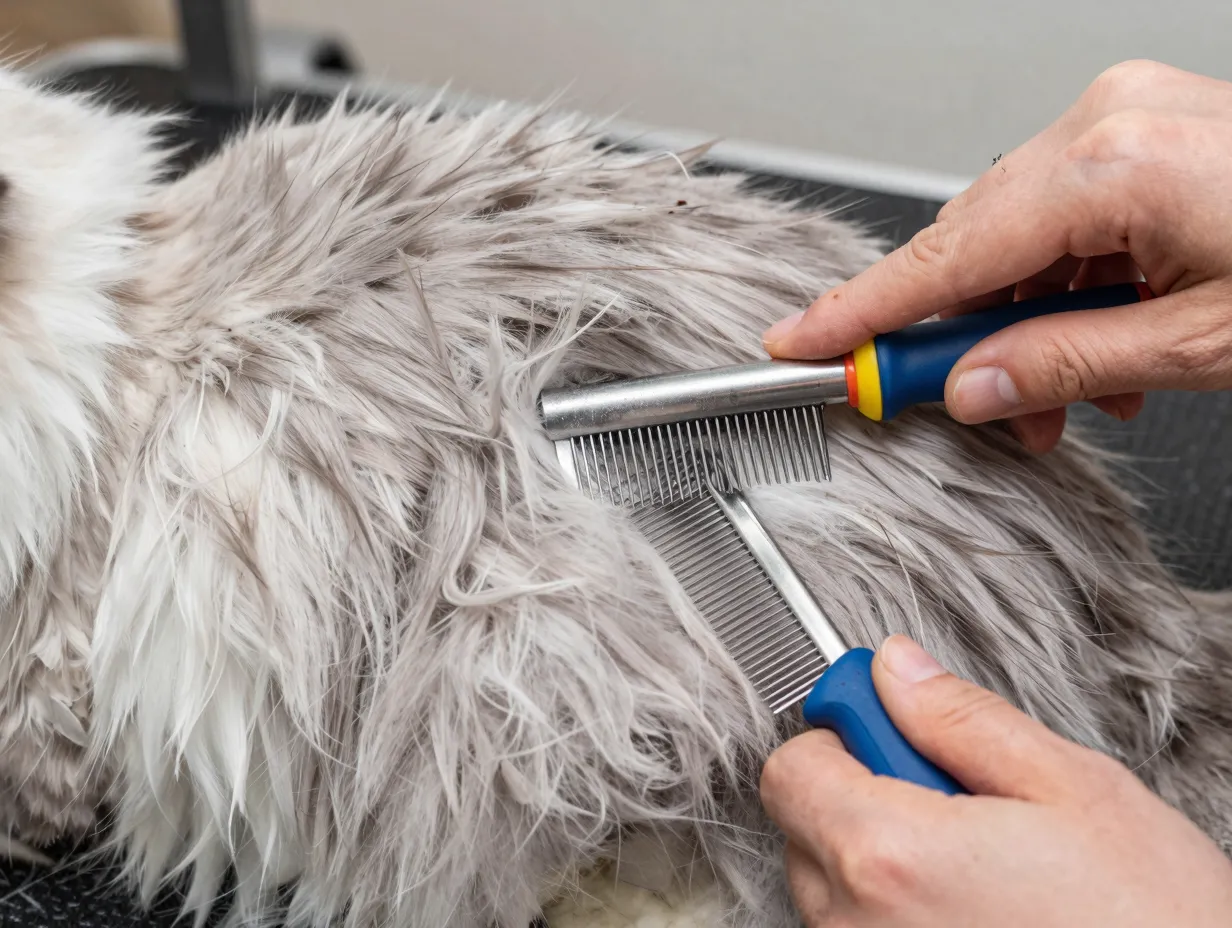
That gorgeous, flowing double coat is one of the breed’s most iconic features — and it comes with responsibility. Norwegian Forest Cats have a thick double coat with a water-repellent outer layer that was originally designed to withstand Scandinavian winters [1] [4]. While some sources describe their grooming needs as “fairly low-maintenance,” the reality is more nuanced.
What regular grooming actually looks like:
- Brushing 2–3 times per week during normal seasons
- Daily brushing during shedding seasons (spring and fall) to prevent matting
- Occasional bathing to maintain coat health
- Regular ear cleaning and nail trimming
The undercoat is dense and prone to tangling if neglected. Mats can form quickly, especially behind the ears and under the legs. Investing in a quality slicker brush and a metal comb is essential from day one.
💡 Pro tip: Start grooming routines early when your Norwegian Forest Cat is still a kitten. Cats introduced to brushing young are far more tolerant of it as adults.
More Essential Things to Know About the Norwegian Cat Breed Before You Adopt
6. The Real Cost May Surprise You

Norwegian Forest Cats are not a budget-friendly breed — at least not when purchased from a reputable breeder. Prices start at around $2,000, and many breeders require a non-refundable deposit of approximately $300 to reserve a kitten [5]. High-demand color patterns or show-quality cats can cost significantly more.
Cost breakdown to consider:
| Expense | Estimated Cost |
|---|---|
| Kitten from breeder | $2,000–$4,000+ |
| Initial vet visit & vaccinations | $150–$300 |
| Spay/neuter (if not included) | $200–$500 |
| Large cat tree/furniture | $150–$400 |
| Quality food (annual) | $600–$1,200 |
| Annual vet care | $300–$600 |
| Grooming tools | $50–$150 |
The more affordable alternative: Rescue adoption. Organizations like Norwegian Forest Cat rescue networks [3] often have adult cats available for a fraction of the cost. Adopting an adult cat also gives you a clearer picture of their personality and health status. Platforms like Adopt a Pet [7] can help you find Norwegian Forest Cats available for adoption in your area.
7. There Are Hereditary Health Conditions to Monitor

Every breed has its vulnerabilities, and Norwegian Forest Cats are no exception. Two hereditary conditions have been documented in the breed [2]:
- Hypertrophic Cardiomyopathy (HCM) — A heart condition that causes the heart muscle to thicken, reducing its ability to pump blood effectively. It is the most common heart disease in cats and has been identified in Norwegian Forest Cats.
- Glycogen Storage Disease Type IV (GSD IV) — A rare but serious metabolic disorder that affects the body’s ability to process glycogen. Kittens born with GSD IV typically do not survive past a few months.
The good news: Reputable breeders now routinely screen for both conditions [2]. When purchasing from a breeder, always ask for:
- Proof of HCM screening for both parents
- GSD IV genetic testing documentation
- Health guarantees in writing
If a breeder cannot provide this documentation, walk away. Responsible breeding practices exist specifically to reduce the risk of passing these conditions to future generations.
8. They Need Space, Enrichment, and Active Stimulation
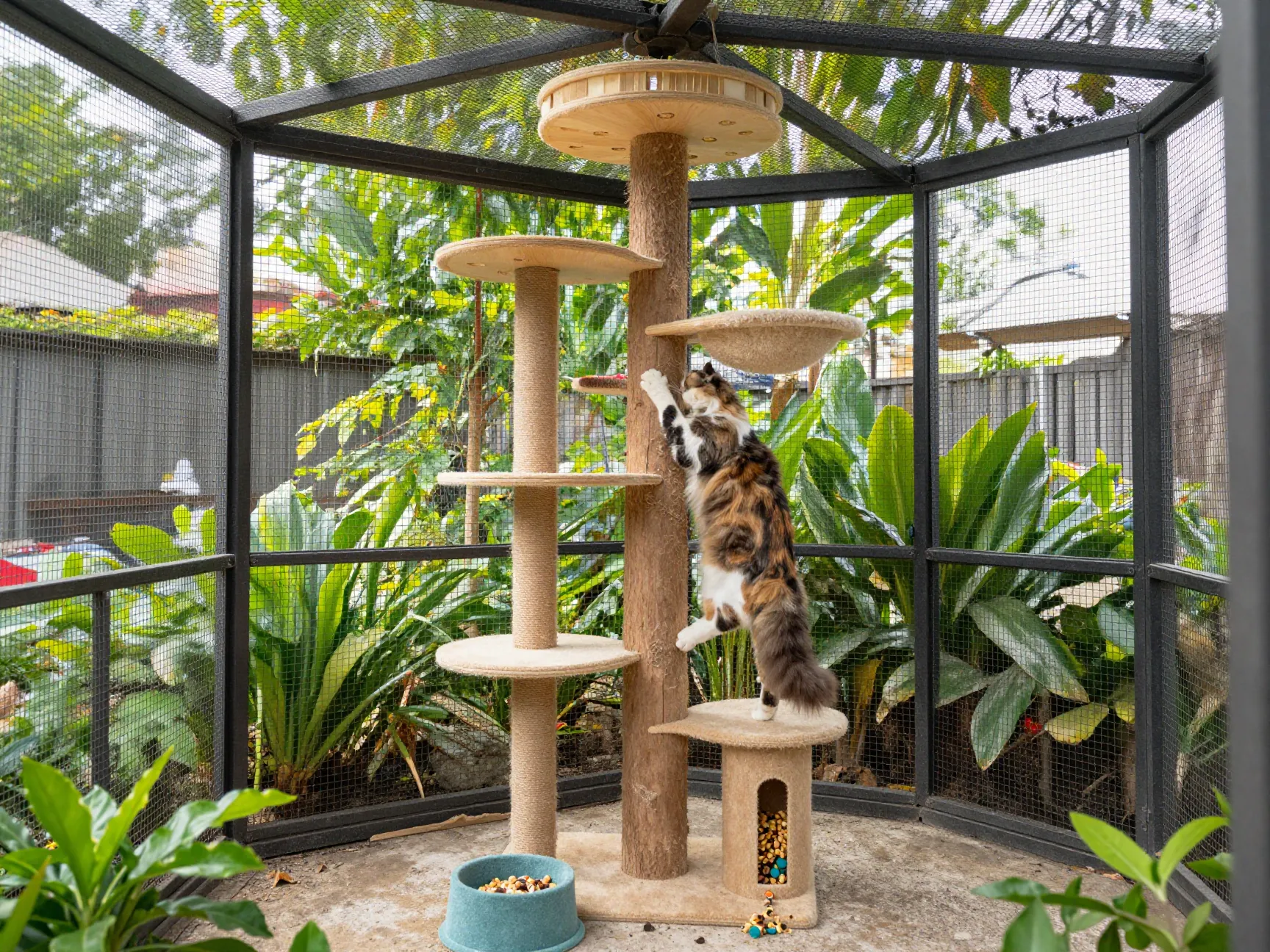
Norwegian Forest Cats are highly active and deeply curious animals [4]. Their ancestors were working cats in Norway — climbing trees, hunting, and navigating rugged terrain. That instinct doesn’t disappear in a domestic setting. It simply redirects — and if you don’t provide appropriate outlets, it can become destructive.
What adequate enrichment looks like:
- Tall, sturdy cat trees — at least 5 to 6 feet tall with multiple platforms
- Window perches with outdoor views to stimulate their hunting instincts
- Interactive puzzle feeders to engage their intelligence
- Daily play sessions with wand toys, laser pointers, or feather teasers
- Outdoor access (safely enclosed catio or supervised outdoor time) when possible
🏠 Apartment consideration: Norwegian Forest Cats are generally not recommended for apartments or small homes without significant vertical space and enrichment [4]. If you live in a smaller space, you’ll need to be especially intentional about creating climbing opportunities and providing daily interactive play.
9. They Thrive in the Right Household — But Not Every Household
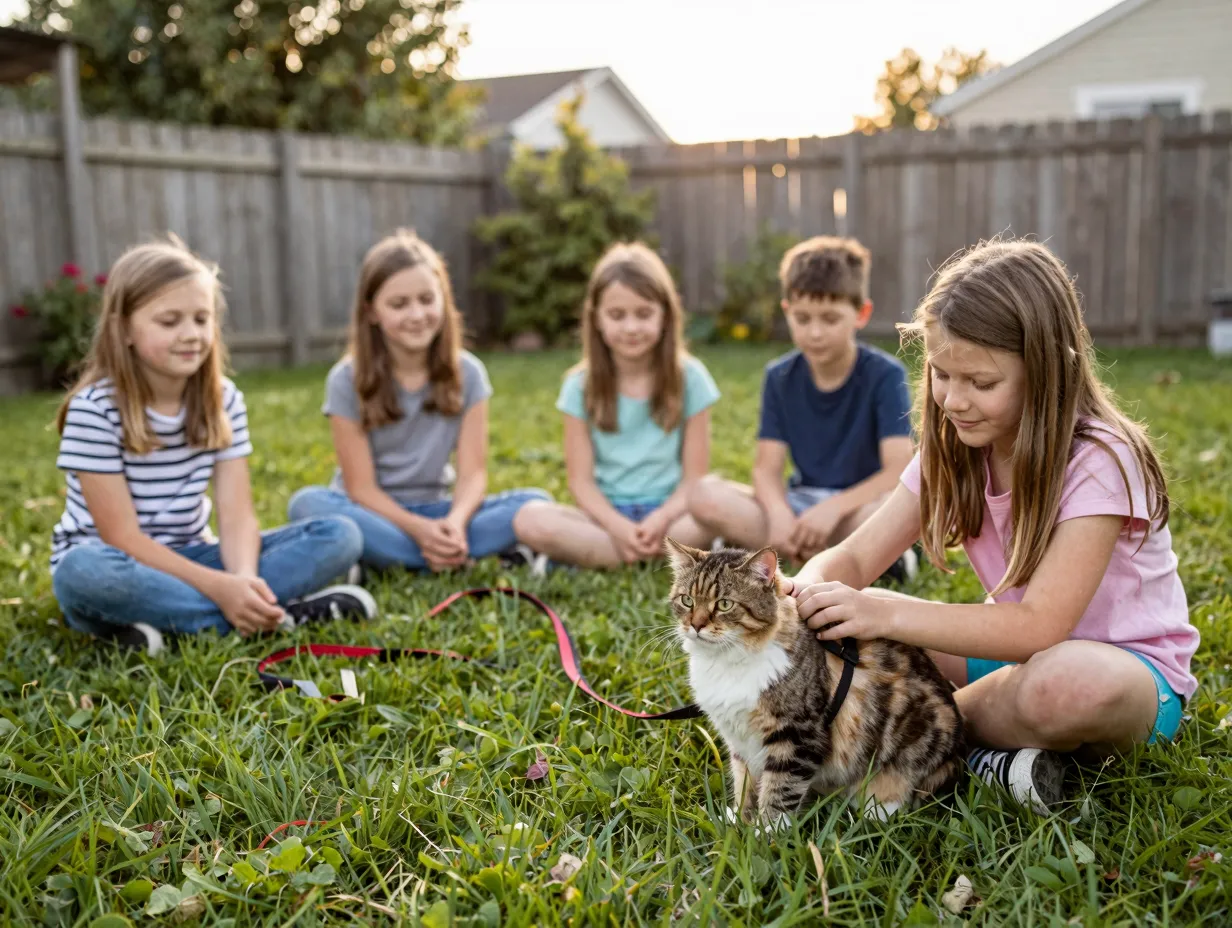
Understanding who this breed is truly suited for is perhaps the most important of all 9 things to know about the Norwegian cat breed before you adopt. Norwegian Forest Cats do best in calm, patient households [4]. They adapt well to most living situations but are not ideally suited for:
- Homes with very young, rambunctious children who may overwhelm them
- Households with frequent visitors or loud, unpredictable environments
- Owners who travel frequently and cannot arrange consistent care
Where they truly shine:
- 👨👩👧 Families with older children who understand how to interact respectfully with cats
- 🐕 Multi-pet households — they generally integrate well with other cats and cat-friendly dogs
- 🏡 Quieter homes where they can establish a routine and feel secure
They are also highly trainable thanks to their intelligence and eagerness to please [4]. Positive reinforcement using treats, praise, or petting works well for teaching commands, discouraging unwanted behaviors, and even leash training. This trainability makes them a joy to work with — as long as you approach it with patience and consistency.
Conclusion: Is a Norwegian Forest Cat Right for You?
After reviewing all 9 things to know about the Norwegian cat breed before you adopt, the picture becomes clear: this is an extraordinary breed — but one that requires genuine preparation and commitment.
Norwegian Forest Cats offer their owners something rare: a cat that is both magnificently independent and deeply connected to the people it loves. They are intelligent, beautiful, long-lived, and adaptable. But they are also large, slow-maturing, high-enrichment animals that come with real costs and specific household requirements.
Your actionable next steps:
- ✅ Assess your space — Do you have room for a large cat with vertical climbing needs?
- ✅ Review your budget — Can you commit to the upfront and ongoing costs of this breed?
- ✅ Evaluate your household — Is your home calm enough for this breed to thrive?
- ✅ Research rescue options — Check norwegianforestcat.rescueme.org [3] and Adopt a Pet [7] before going to a breeder.
- ✅ Find a reputable breeder — If purchasing, verify health testing documentation and visit in person.
- ✅ Prepare your home — Invest in quality cat trees, grooming tools, and enrichment before your cat arrives.
The Norwegian Forest Cat is not the right choice for everyone — but for the right owner, it is one of the most rewarding companions you can share your life with. Do the research now, and you’ll set both yourself and your cat up for a decade-plus of genuine happiness.
References
[1] Norwegian Forest – https://tica.org/breed/norwegian-forest/
[2] Norwegian Forest Cat – https://cfa.org/breed/norwegian-forest-cat/
[3] norwegianforestcat.rescueme – https://norwegianforestcat.rescueme.org
[4] Norwegian Forest – https://www.petfinder.com/cats-and-kittens/breeds/norwegian-forest/
[5] Kittens – https://www.mosspaws.com/kittens/
[6] Cat Norwegian Forest Cat Ga1 – https://www.chewy.com/g/cat-norwegian-forest-cat_ga1
[7] Norwegian Forest Cat – https://www.adoptapet.com/cat-breeds/norwegian-forest-cat
[8] zionforestcats – https://www.zionforestcats.com