9 Reasons Why the German Shepherd K9 Police is the Top Choice
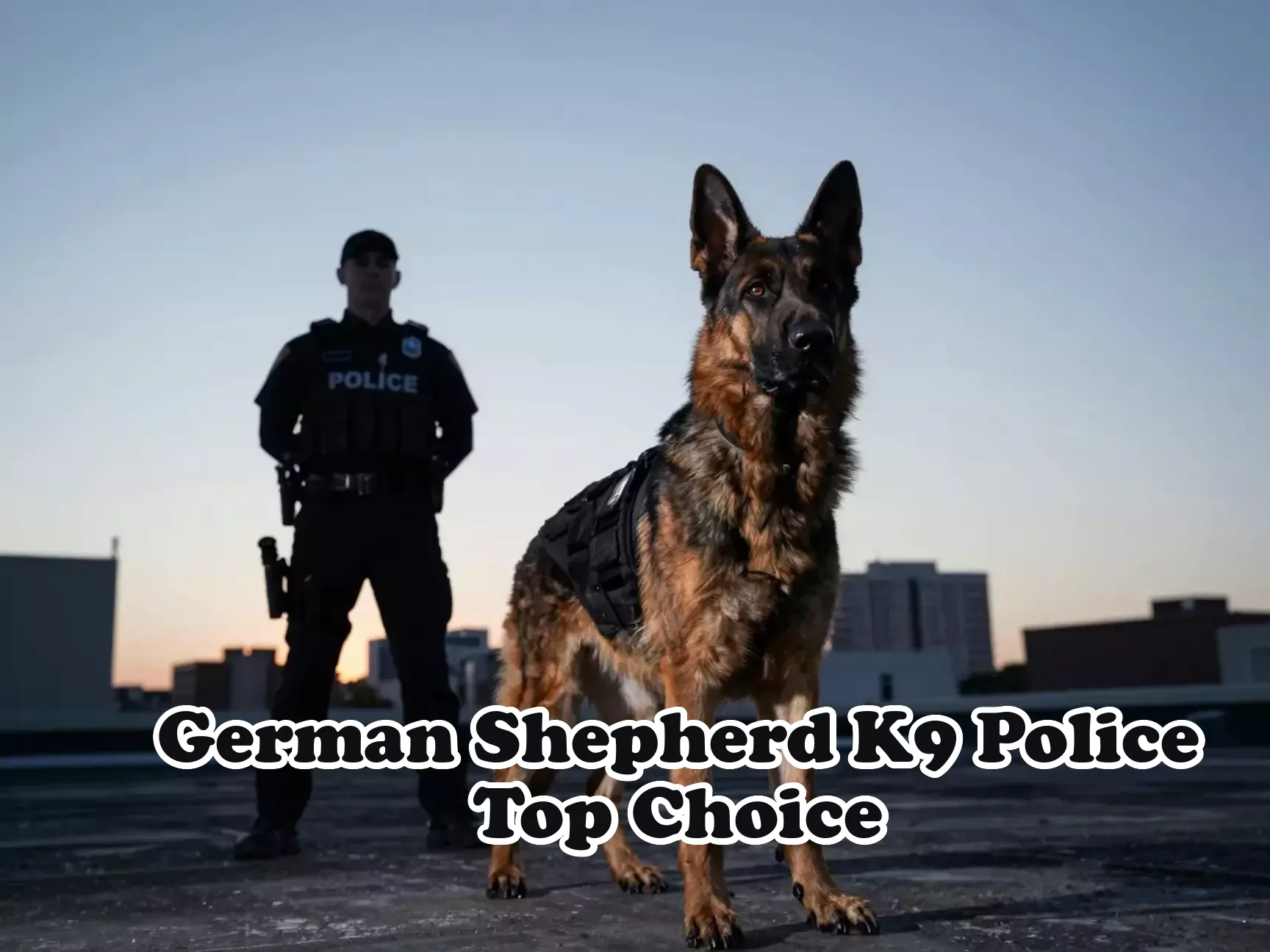
More than 8,000 German Shepherds currently serve in United States law enforcement agencies alone — a number that dwarfs the deployment of any other breed in police work [2]. That statistic is not an accident. When departments across the country evaluate which dog to trust with the most dangerous, high-stakes operations imaginable, they keep arriving at the same answer. This article breaks down the 9 Reasons Why the German Shepherd K9 Police is the Top Choice, drawing on real deployment data, historical service records, and the breed’s remarkable physical and mental attributes. Whether you are a law enforcement professional, a curious citizen, or a dog enthusiast, understanding why this breed dominates K9 units worldwide reveals something fascinating about the relationship between human need and canine capability.
Key Takeaways 🐾
- Over 8,000 German Shepherds serve in U.S. law enforcement, more than any other breed [2].
- The breed excels across multiple disciplines — from narcotics detection to search and rescue — making it uniquely versatile.
- German Shepherds have a century-long service record, dating back to World War I military operations [2].
- Their intelligence and trainability allow them to master complex commands faster than most working breeds.
- Departments continue to actively expand their German Shepherd K9 units in 2026, as seen with the Merced County Sheriff’s Office [1].
The 9 Reasons Why the German Shepherd K9 Police is the Top Choice
Let’s dig into each reason with the depth it deserves. Every point below is backed by real-world evidence from active K9 units and law enforcement training programs.
1. Unmatched Intelligence Among Working Breeds
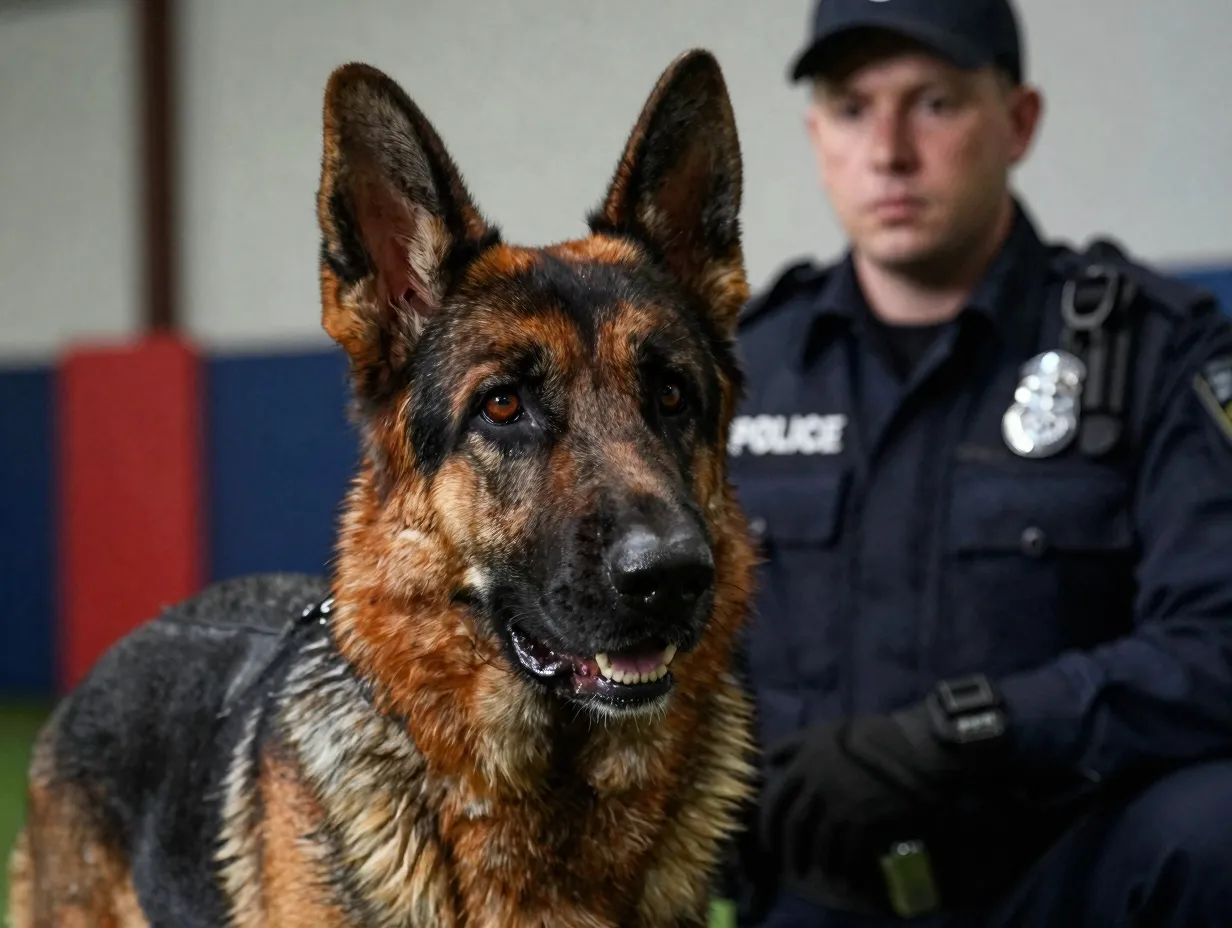
Intelligence is the foundation of every K9 operation. A dog that cannot learn quickly, adapt to new environments, or read situational cues is a liability rather than an asset in the field.
German Shepherds consistently rank among the top three most intelligent dog breeds globally. In law enforcement contexts, this translates to:
- Faster acquisition of complex commands
- Better situational awareness during operations
- The ability to distinguish between threats and non-threats
- Retention of training over long periods without constant reinforcement
“The German Shepherd’s cognitive ability allows it to perform tasks that would challenge even the most experienced handler to teach any other breed.” — Tactical Police K9 Training [2]
This level of intelligence is why departments invest heavily in German Shepherd K9 units. The return on that training investment is simply higher than with other breeds.
2. Exceptional Trainability That Saves Time and Resources
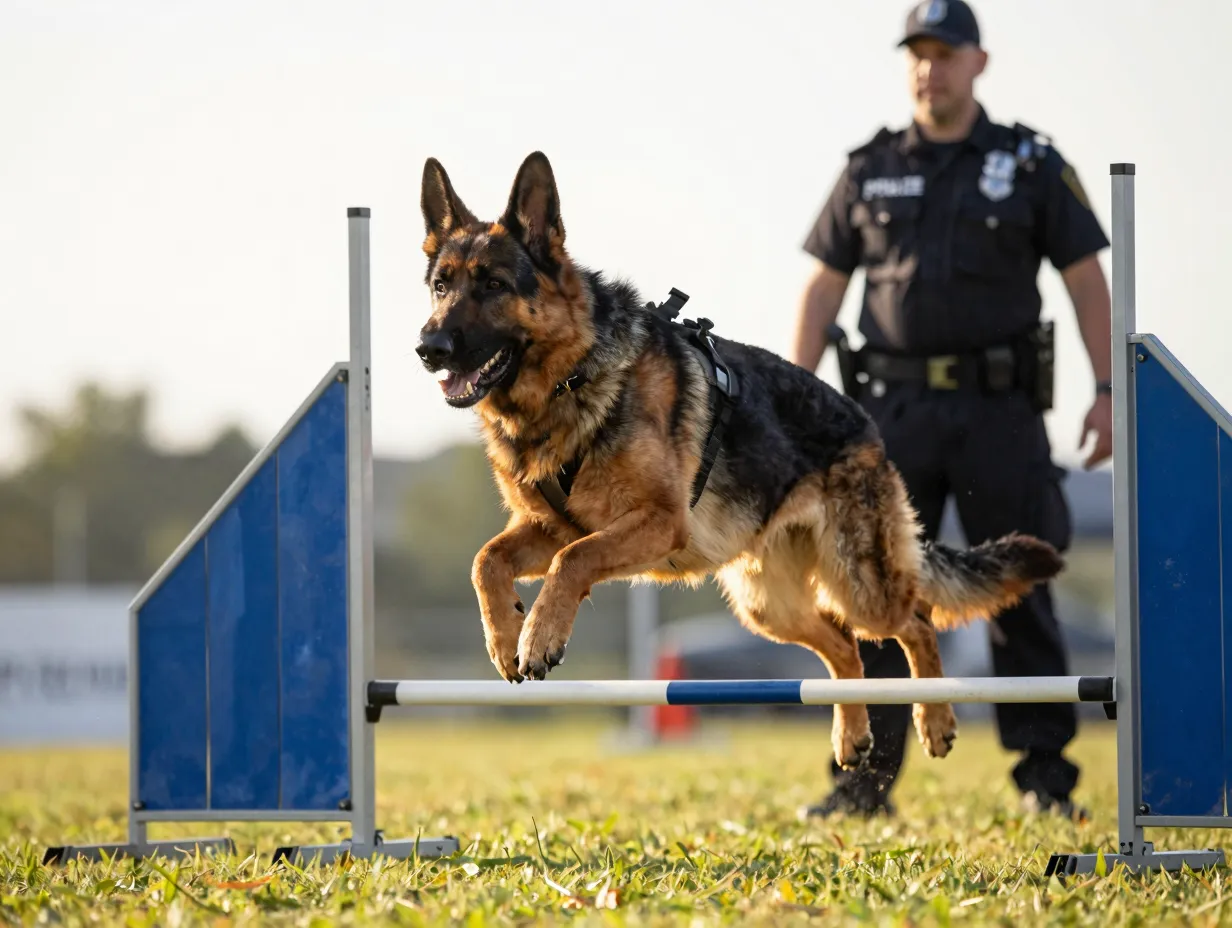
Closely related to intelligence, but distinct from it, trainability refers to how willingly and efficiently a dog accepts instruction. A highly intelligent dog that is stubborn or independent-minded can actually be harder to train than a moderately intelligent, eager-to-please dog.
German Shepherds hit the sweet spot: they are both highly intelligent and deeply motivated to work with their human handlers [2].
Training time comparison across common K9 breeds:
| Breed | Average Weeks to Basic Certification | Multi-Task Capability |
|---|---|---|
| German Shepherd | 16–20 weeks | High |
| Belgian Malinois | 18–22 weeks | High |
| Labrador Retriever | 20–26 weeks | Moderate |
| Dutch Shepherd | 18–22 weeks | Moderate–High |
| Bloodhound | 24–30 weeks | Low (specialist only) |
German Shepherds reach certification faster on average, and they can be cross-trained across multiple disciplines — a significant cost advantage for budget-conscious departments.
3. A Century of Proven Service in Military and Law Enforcement
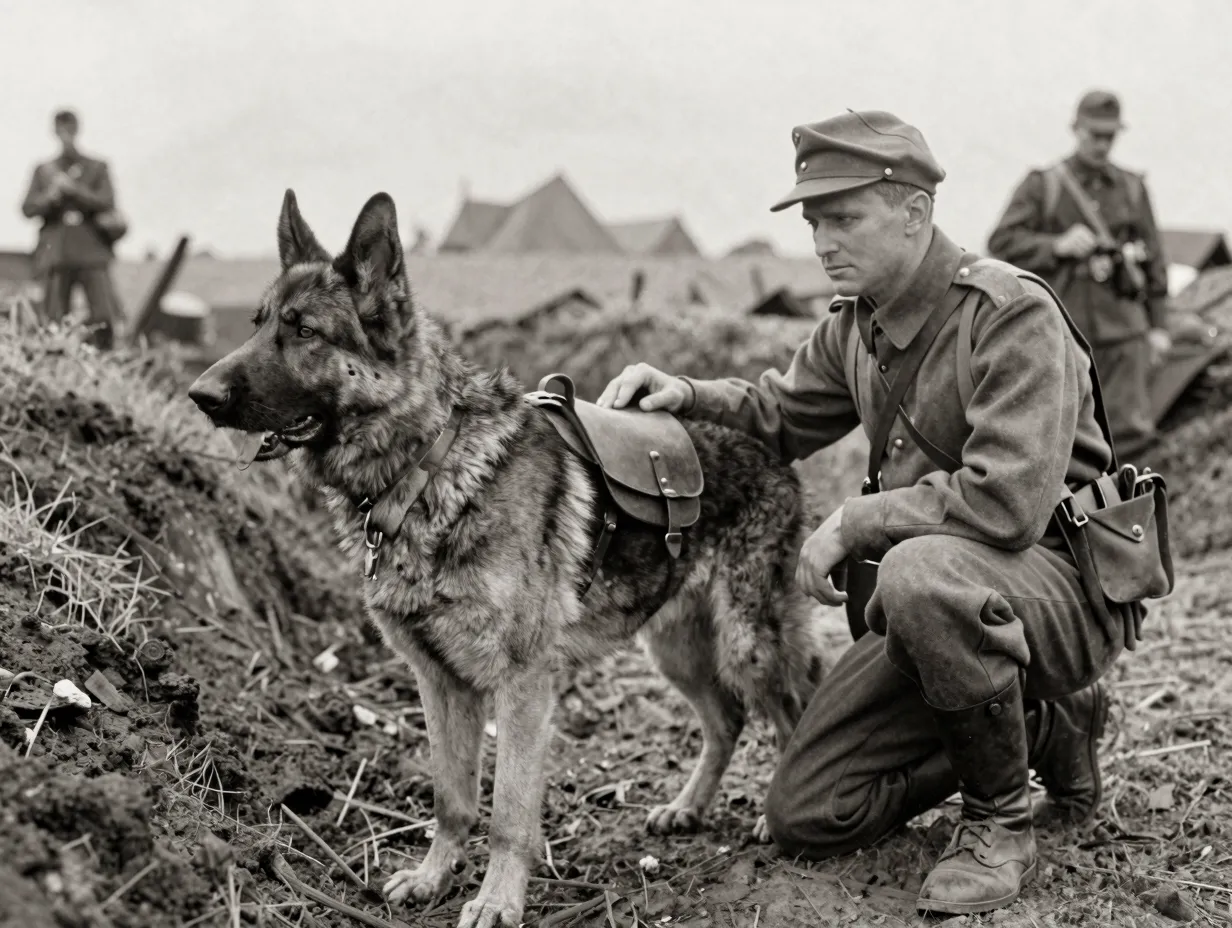
Some breeds are newcomers to police work. The German Shepherd is not. This breed has been serving alongside humans in uniform since World War I, making it one of the most battle-tested working dogs in history [2].
Key historical milestones include:
- World War I: Used by German military forces for messenger duties, sentry work, and casualty location
- World War II: Deployed for detection of unexploded ordnance and booby traps, saving countless lives [2]
- Post-war law enforcement: Rapidly adopted by police departments across Europe and North America
- Modern era: Now the backbone of K9 units in federal agencies including the FBI, DEA, and Border Patrol
This century-long track record is not just a historical footnote. It means the breed’s working characteristics have been refined and selected over generations specifically for the demands of law enforcement and military service. You cannot replicate that with a newer working breed.
4. Superior Scent Detection Capabilities
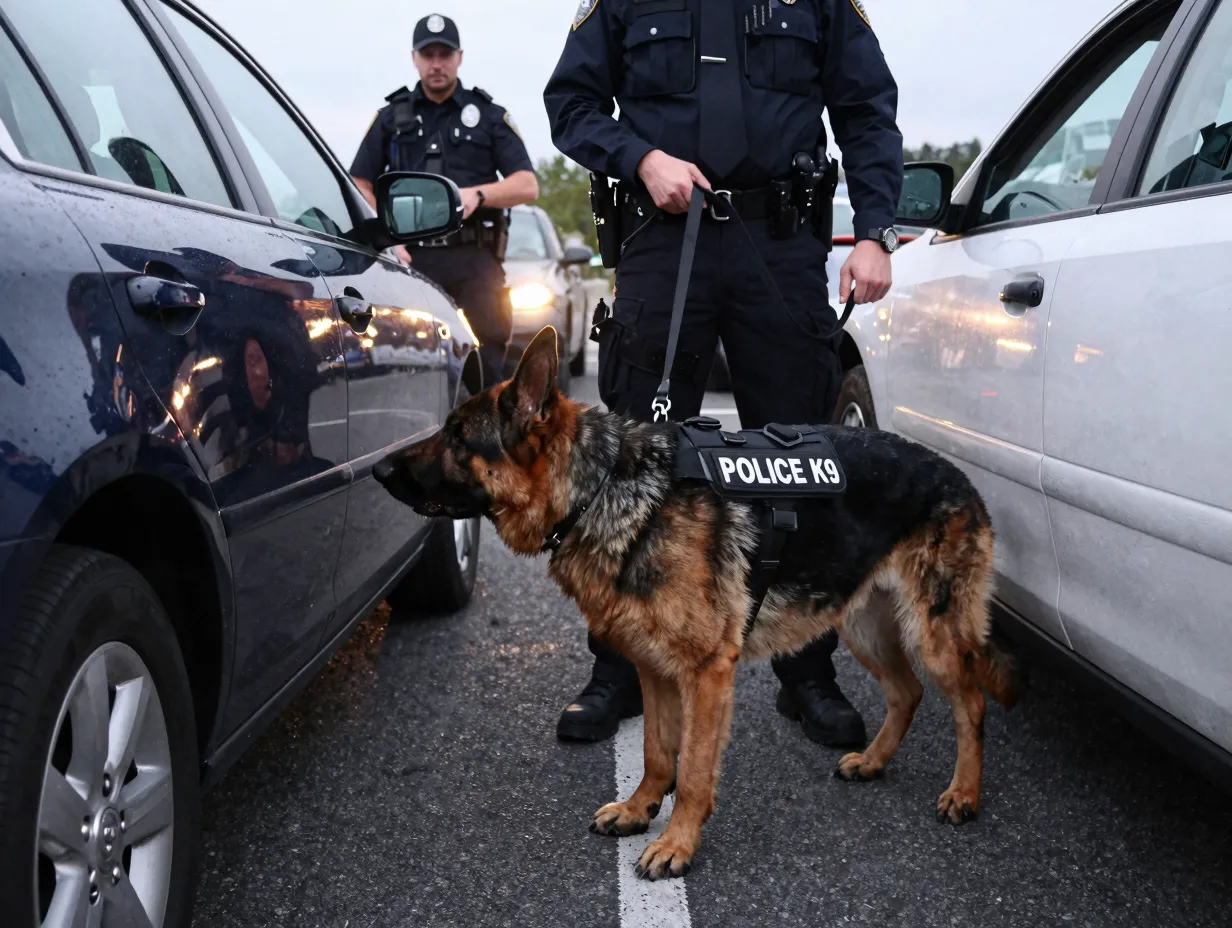
A German Shepherd’s nose contains approximately 225 million olfactory receptors — compared to roughly 5 million in humans. But raw receptor count is only part of the story. What makes German Shepherds exceptional for scent work is how their brains process and act on that information.
German Shepherd K9 units are regularly trained and deployed for [2]:
- Narcotics detection — identifying controlled substances hidden in vehicles, luggage, and buildings
- Explosives detection — locating IEDs, pipe bombs, and other devices in high-risk environments
- Cadaver detection — finding human remains both on land and in water
- Human search and rescue — tracking live subjects across varied terrain including forests, rubble, and urban environments
The versatility of their scent work is remarkable. A single German Shepherd can be cross-trained in multiple detection disciplines, giving departments more operational flexibility per dog.
5. Physical Endurance Built for Demanding Operations
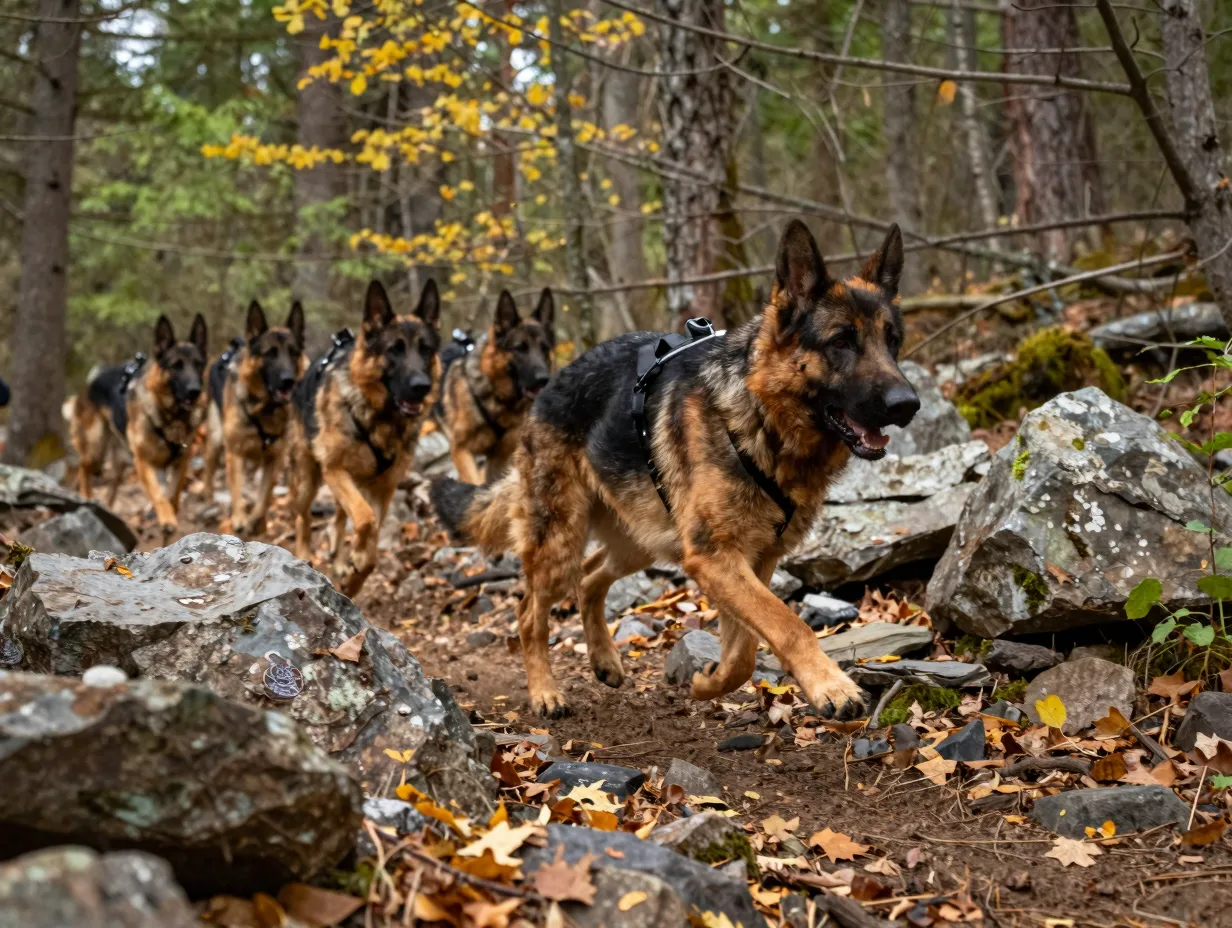
K9 police work is physically grueling. Dogs must chase suspects across uneven terrain, scale obstacles, work in extreme temperatures, and maintain alertness during long shifts. Not every breed can handle this sustained physical demand.
German Shepherds are built for endurance. Their physical profile includes:
- Weight: 50–90 lbs — large enough to be an effective deterrent, agile enough to maneuver in tight spaces
- Coat: Double-layered, providing insulation in cold climates and some protection against minor abrasions
- Musculature: Powerful hindquarters designed for explosive acceleration and sustained running
- Joint structure: Bred for working movement, though handlers must monitor for hip dysplasia as the breed ages
This combination of size, strength, and aerobic capacity makes the German Shepherd capable of operating effectively in conditions that would exhaust smaller breeds or physically overwhelm larger, less agile ones.
6. Loyalty and Handler Bonding That Enhances Operational Trust
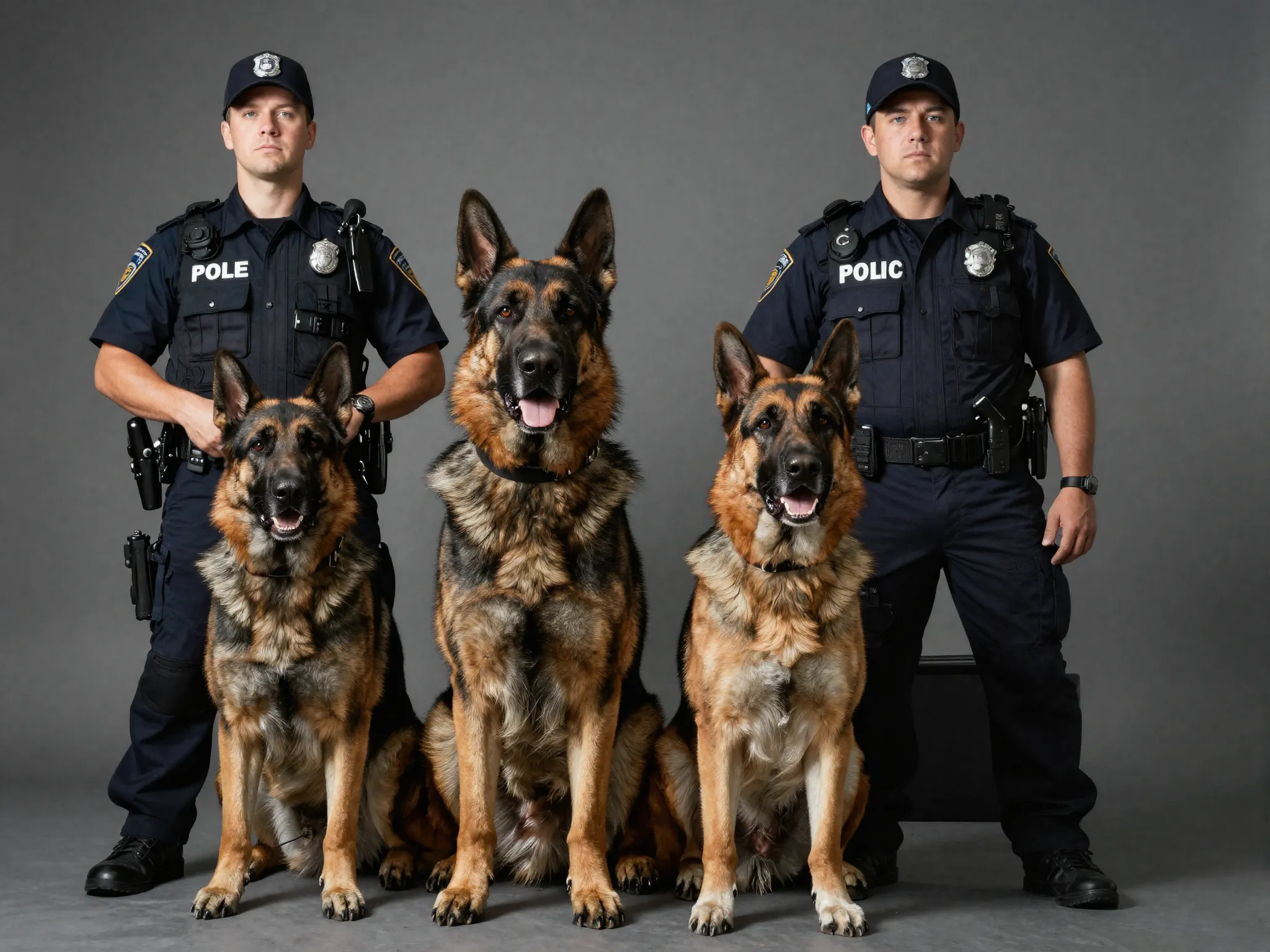
In high-pressure situations, the bond between a K9 and its handler is not just emotionally meaningful — it is operationally critical. A dog that does not fully trust its handler, or vice versa, will hesitate at exactly the wrong moment.
German Shepherds are renowned for forming deep, lasting bonds with their primary handlers [2]. This loyalty manifests in several practical ways:
- Protective instinct: German Shepherds will actively defend their handler under threat
- Responsiveness: A bonded German Shepherd responds to subtle handler cues — body language, tone shifts, micro-commands — that other breeds might miss
- Consistency: Their behavior remains predictable even under stress, which is essential for officer safety
- Emotional attunement: Handlers report that German Shepherds can sense anxiety or danger in their partners and adjust their own alertness accordingly
This loyalty is not blind obedience. It is an active, intelligent partnership — which is exactly what law enforcement demands.
7. Versatility Across Specialized K9 Roles
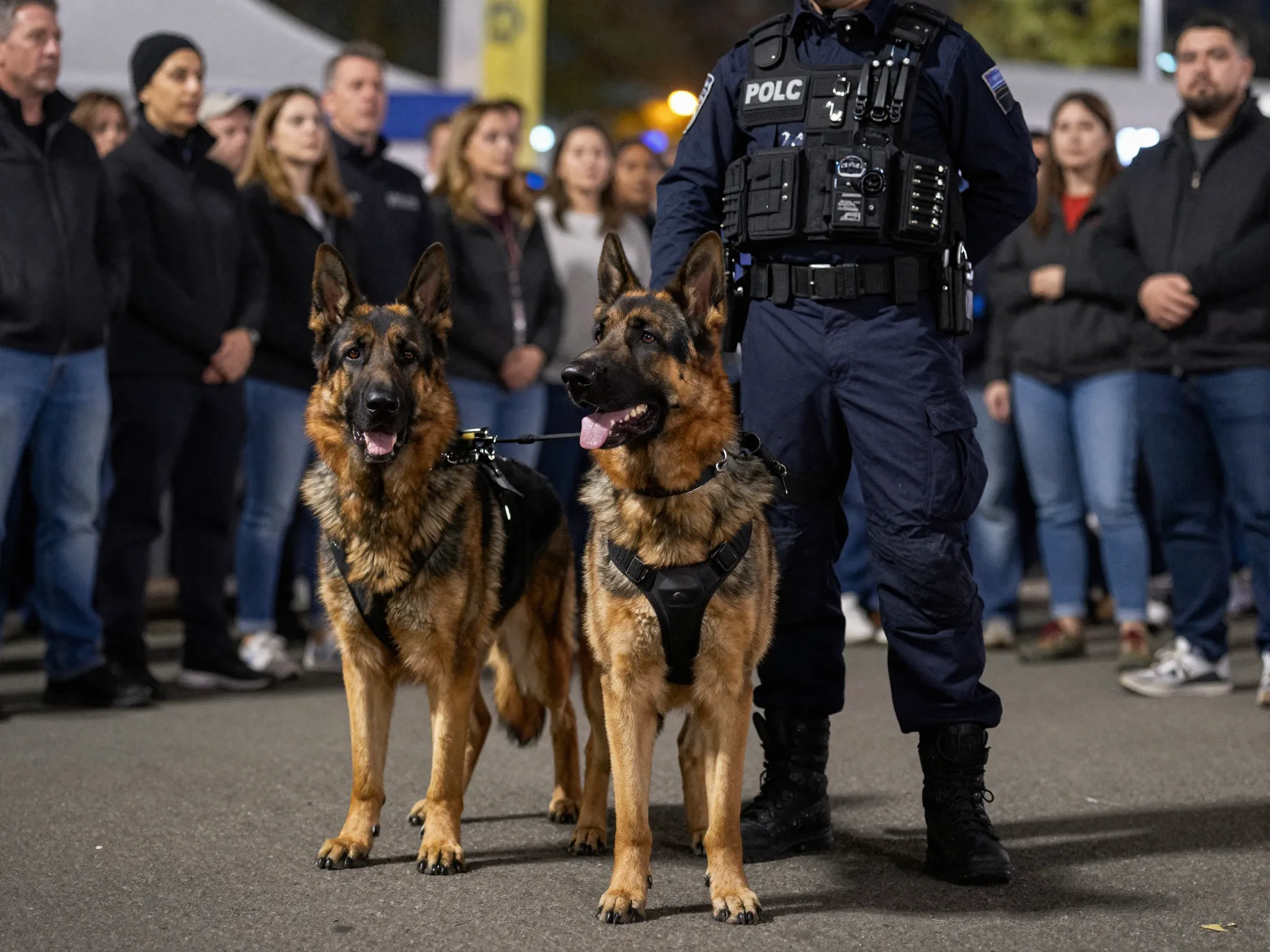
One of the strongest arguments in the 9 Reasons Why the German Shepherd K9 Police is the Top Choice discussion is pure versatility. Most working dog breeds excel in one or two specific roles. German Shepherds excel across many simultaneously.
Roles commonly filled by German Shepherd K9 units:
- Patrol and apprehension — tracking and subduing fleeing suspects
- Narcotics detection — active in airports, border crossings, and traffic stops
- Explosives/bomb detection — deployed at public events, government buildings, and crime scenes
- Search and rescue — both wilderness and urban disaster environments [2]
- Cadaver/human remains detection — critical for homicide investigations
- Crowd control support — presence alone deters escalation
- Officer protection — last line of defense in life-threatening situations
- Community relations — used in school visits and public outreach programs
No other breed covers this full spectrum with the same consistency. This versatility means a department investing in a German Shepherd K9 unit is getting multiple specialized capabilities in a single animal.
8. Active Expansion by Law Enforcement Agencies in 2026
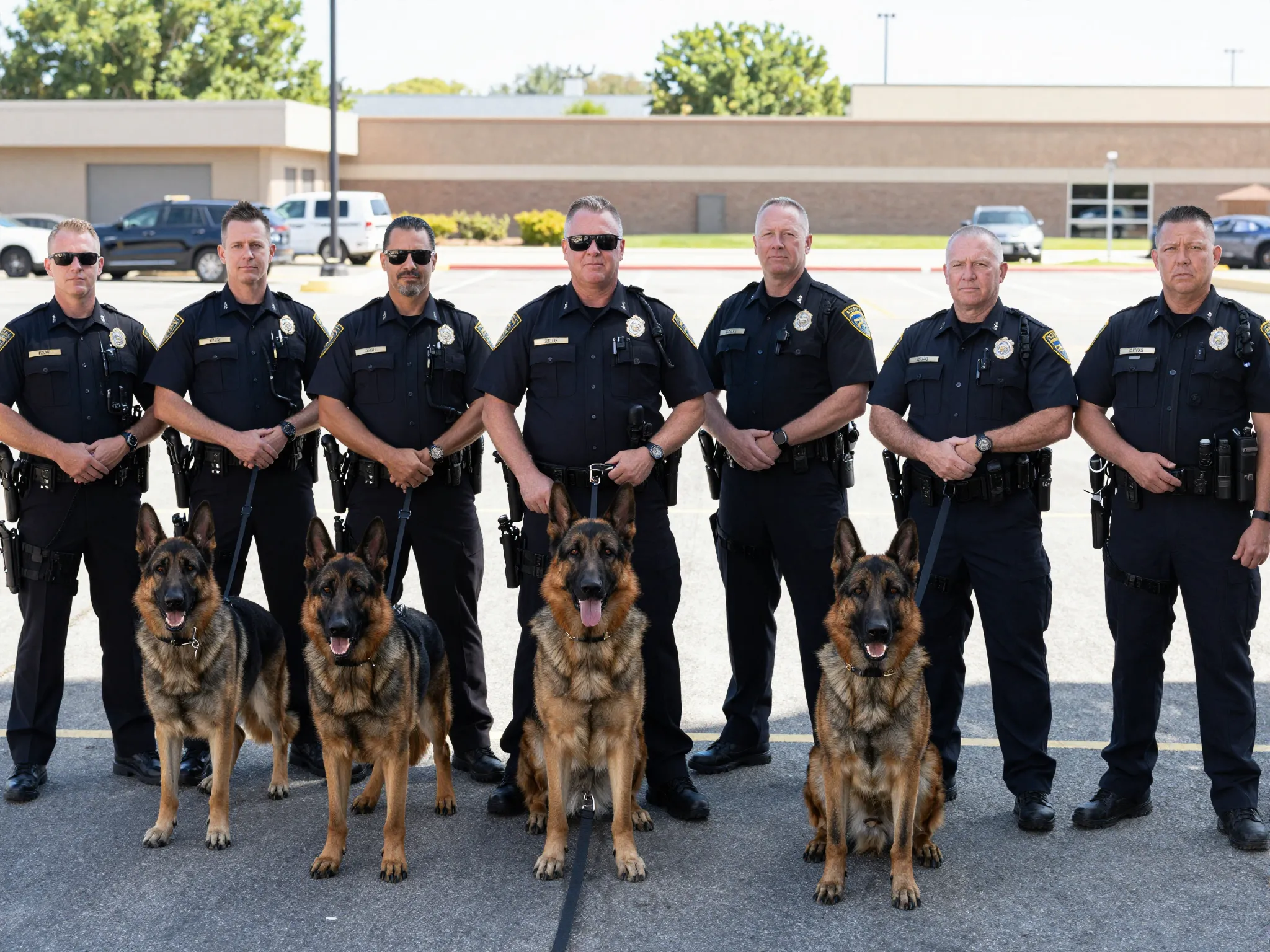
The proof of a breed’s value is not just historical — it is what agencies are doing right now. In 2026, departments across the United States continue to actively expand their German Shepherd K9 programs.
A clear recent example: The Merced County Sheriff’s Office added a two-year-old German Shepherd to its team, bringing their total K9 unit to nine dogs [1]. This kind of investment reflects deliberate, data-driven decision-making by law enforcement leadership. Agencies do not spend tens of thousands of dollars acquiring and training a K9 without strong confidence in the breed’s return on investment.
🐕 This expansion trend is consistent nationwide. Certification trials, like those hosted in Graham, Texas, bring together K9 units from multiple jurisdictions to maintain and verify the high standards expected of working police dogs [3]. The fact that German Shepherds dominate these certification events year after year is itself a testament to their position at the top of the K9 hierarchy.
Active agency investment in 2026 confirms what training data has shown for decades: the German Shepherd remains the gold standard for police K9 work.
9. Cost-Effectiveness Over the Working Lifespan
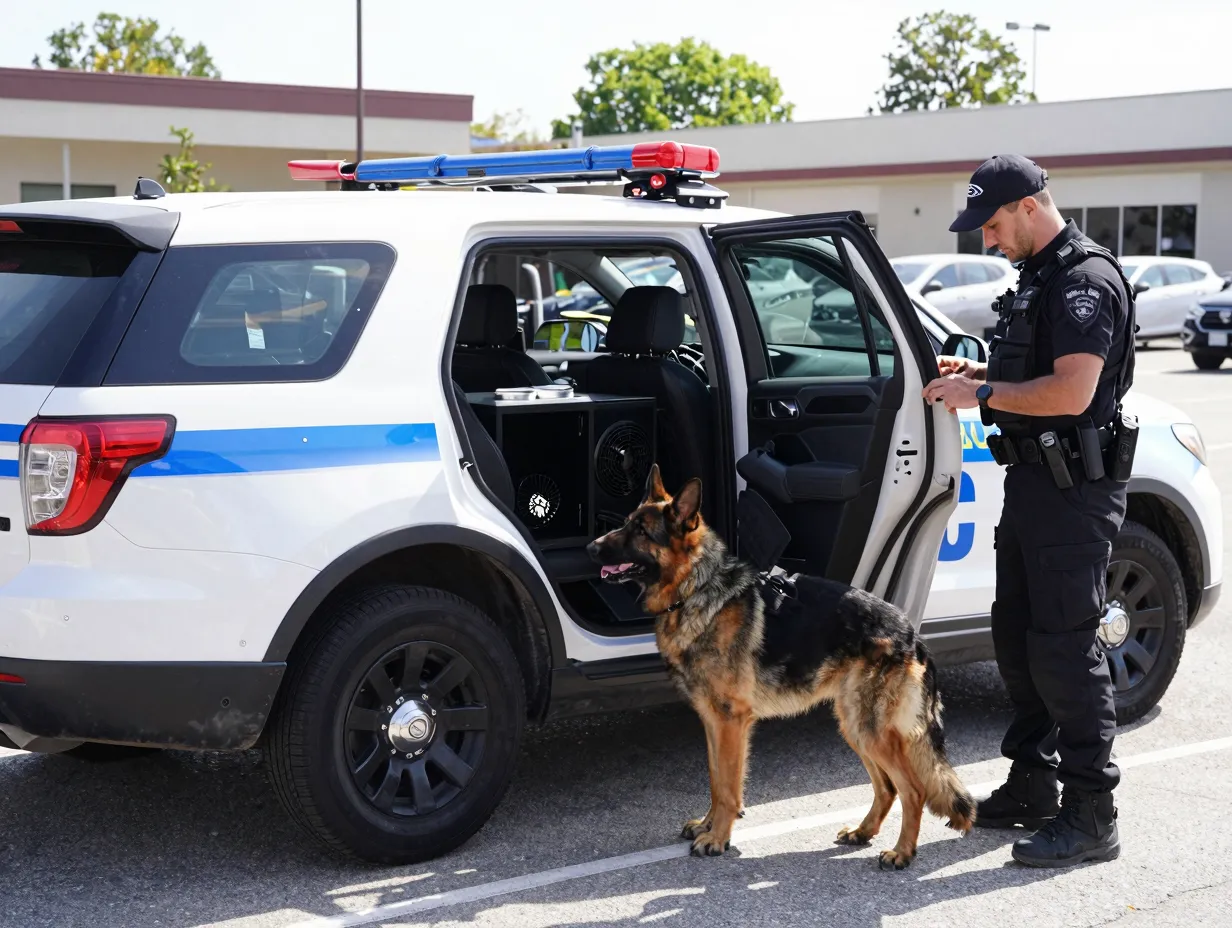
Law enforcement budgets are tight. Every dollar spent on a K9 program must be justified. When departments run the numbers, German Shepherds consistently deliver the best value per operational year among working dog breeds.
Here is why the economics favor German Shepherds:
- Multi-role capability reduces the need to purchase and maintain multiple specialized dogs
- Faster training timelines lower initial certification costs [2]
- Strong health and endurance means fewer early retirements due to physical breakdown
- Widely available breeding programs keep acquisition costs competitive compared to rarer working breeds
- Extensive training infrastructure exists specifically for German Shepherds, meaning more certified trainers, more established protocols, and more shared institutional knowledge
A typical German Shepherd K9 serves actively for 6–9 years before retirement. Over that lifespan, the per-operation cost of a well-trained German Shepherd is difficult for any other breed to match.
Why These 9 Reasons Why the German Shepherd K9 Police is the Top Choice Still Matter in 2026
It would be easy to assume that with advances in technology — drones, AI-powered surveillance, chemical sensors — the role of the K9 unit might diminish. The opposite has happened. Agencies are expanding their K9 programs, not shrinking them [1].
Technology has not replicated the German Shepherd’s ability to:
- Navigate complex, unpredictable physical environments
- Make nuanced scent distinctions in real-world conditions
- Form a trust-based operational partnership with a human handler
- Adapt in real time to rapidly changing situations
The German Shepherd does not just fill a role that technology cannot replace — it fills nine of them, simultaneously, reliably, and at a cost that makes fiscal sense for departments of every size.
What Sets German Shepherds Apart From Other K9 Breeds
Some departments do use Belgian Malinois, Dutch Shepherds, or Labrador Retrievers in specific roles. Each has genuine strengths. But no single breed combines the full package — intelligence, endurance, scent capability, trainability, loyalty, versatility, and proven track record — the way the German Shepherd does.
The numbers bear this out: with over 8,000 German Shepherds serving in U.S. law enforcement [2], the breed’s dominance is not a matter of tradition or preference. It is the result of decades of operational evidence.
Conclusion: The Case Is Clear
The 9 Reasons Why the German Shepherd K9 Police is the Top Choice are not abstract qualities — they are measurable, deployable advantages that save lives, solve crimes, and protect officers every single day. From a century of military service [2] to active 2026 deployments like the Merced County Sheriff’s Office expansion [1], the German Shepherd’s position at the top of law enforcement K9 programs is built on an unassailable foundation of performance.
Actionable next steps for different readers:
- 🏛️ Law enforcement administrators: If your department is evaluating K9 expansion, prioritize German Shepherd acquisition and ensure handlers have access to certified multi-discipline training programs.
- 🎓 Aspiring K9 handlers: Study the breed’s behavioral profile deeply. Understanding why German Shepherds respond the way they do will make you a more effective partner.
- 👥 Community members: Support local K9 unit funding initiatives. These programs deliver exceptional public safety value per dollar invested.
- 📚 Researchers and students: The German Shepherd K9 program is a rich area for study in animal cognition, human-animal partnerships, and law enforcement effectiveness.
The German Shepherd is not the top choice because it has always been the top choice. It is the top choice because it keeps earning that position — one operation, one certification, one life saved at a time.
References
[1] Merced County Sheriff’s Office Welcomes New K9 to the Force – https://abc30.com/post/merced-county-sheriffs-office-welcomes-new-k9-force/18820086/
[2] German Shepherd Police Dog – https://tacticalpolicek9training.com/german-shepherd-police-dog/
[3] Graham Hosting Police K9 Certification Trials Next Week – https://www.grahamleader.com/news/graham-hosting-police-k-9-certification-trials-next-week