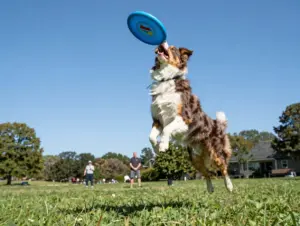
8 Things You Need to Know About the Australian Shepherd With Tail
Only about one in five Australian Shepherds is born with a naturally short tail — meaning the vast majority of this iconic herding breed actually carries a full, flowing tail that most people never get to see. If you’ve ever spotted an Aussie with a long, feathered tail wagging behind them and done a double-take, you’re not alone. The topic of the Australian Shepherd with tail is far more nuanced than most dog lovers realize, touching on genetics, breed standards, animal welfare debates, and even international law.
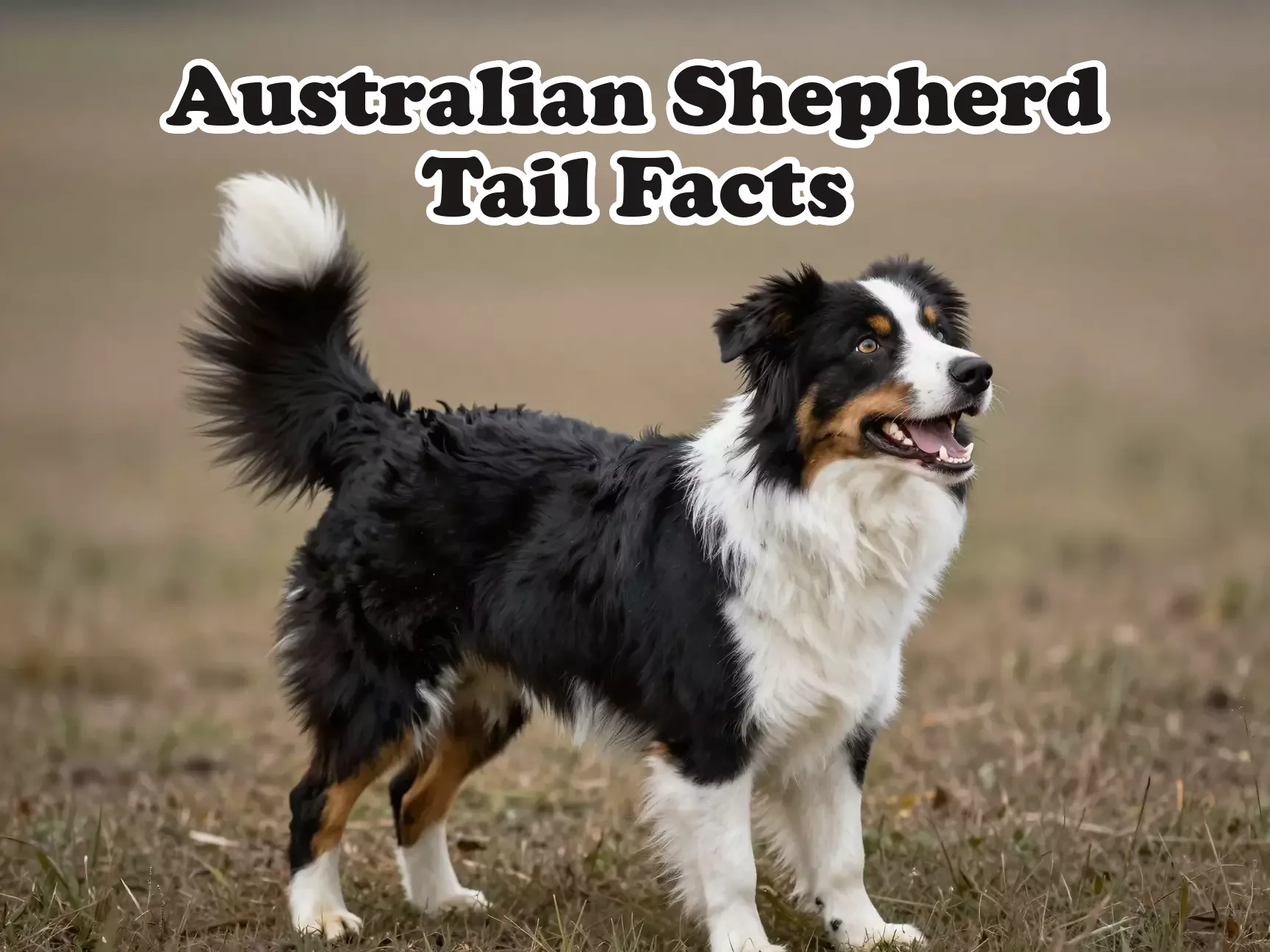
This guide covers the 8 things you need to know about the Australian Shepherd with tail — from the science behind natural bobtails to what a full-tailed Aussie means for breeders, owners, and show competitors in 2026. Whether you’re a prospective owner, a seasoned breeder, or simply an Aussie enthusiast, these facts will change how you look at this remarkable breed.
Key Takeaways
- 🐾 Approximately 20% of Australian Shepherds are born with a naturally bobbed tail, while the majority have full tails that are often docked shortly after birth.
- 📏 Breed standards from both the AKC and ASCA specify tails should not exceed four inches in length, whether docked or naturally bobbed.
- 🧬 The natural bobtail is a dominant genetic trait, but it comes with important breeding considerations.
- 🌍 Tail docking bans in many countries are reshaping what the “correct” Australian Shepherd tail looks like on a global scale.
- 🐕 Full-tailed Australian Shepherds are perfectly healthy, functional, and increasingly common as docking laws evolve worldwide.
8 Things You Need to Know About the Australian Shepherd With Tail: The Basics First
Before diving into the deeper details, it helps to understand the foundational facts about Australian Shepherd tails. Most people assume all Aussies are born without tails — but that’s a myth worth busting right away.
1. Most Australian Shepherds Are NOT Born Tailless
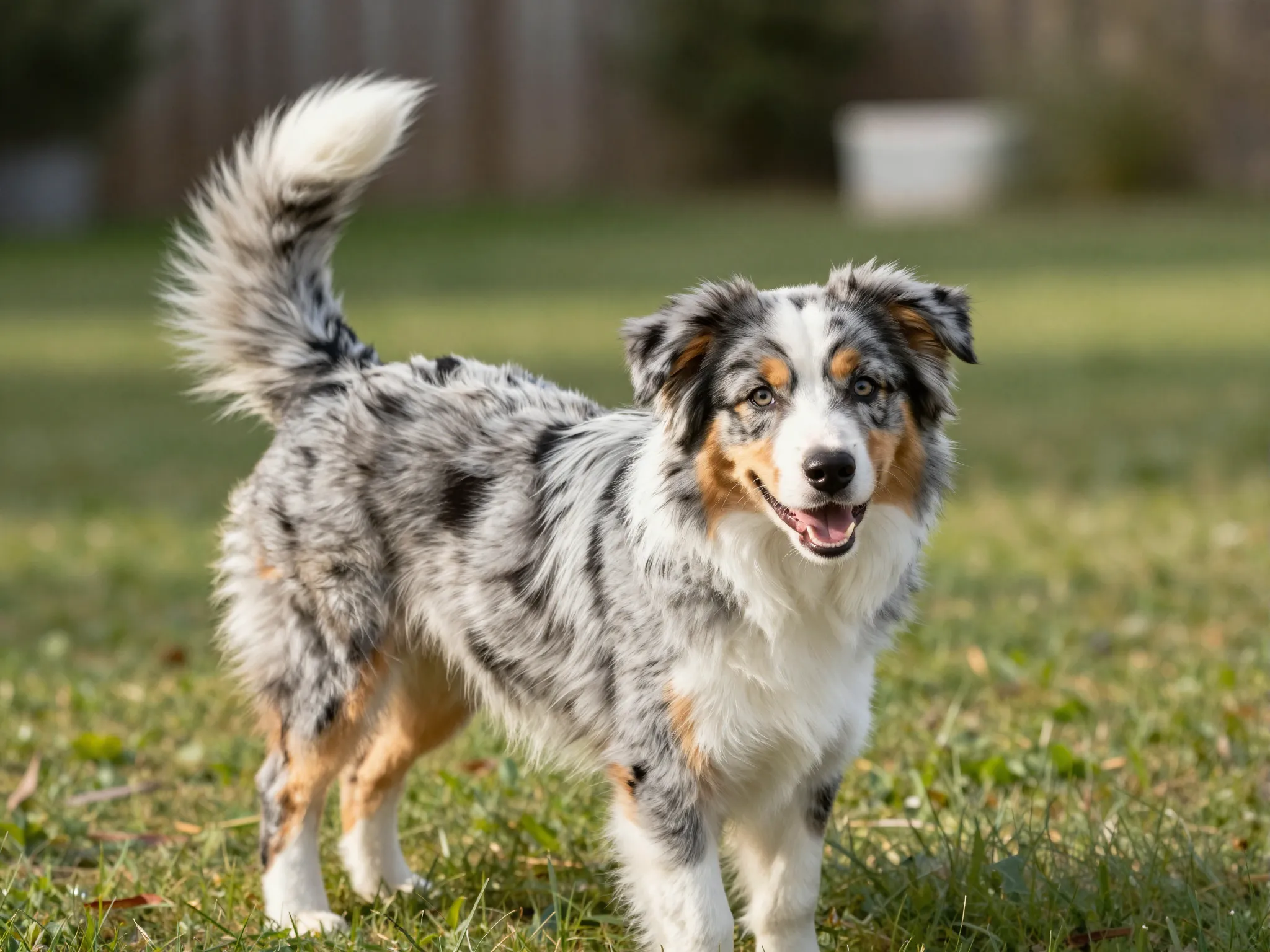
Here’s a fact that surprises many new owners: the majority of Australian Shepherds are born with full-length tails. According to the American Kennel Club, Australian Shepherds have roughly a 20% chance of being born with a naturally bobbed tail [2]. That means 80% of puppies in a typical litter have full tails at birth.
The short-tailed appearance most people associate with the breed is largely the result of tail docking — a procedure performed on puppies within the first few days of life. Historically, ranchers and herders docked tails to prevent injuries during livestock work and to keep the dog’s hindquarters clean [3]. Over time, the docked look became the breed’s signature appearance, even though it is not the dog’s natural state for most individuals.
💡 Pull Quote: “The iconic short-tailed Aussie look is, for most dogs, a human-made choice — not a natural one.”
2. The Natural Bobtail Is a Real Genetic Trait — But It’s Rarer Than You Think
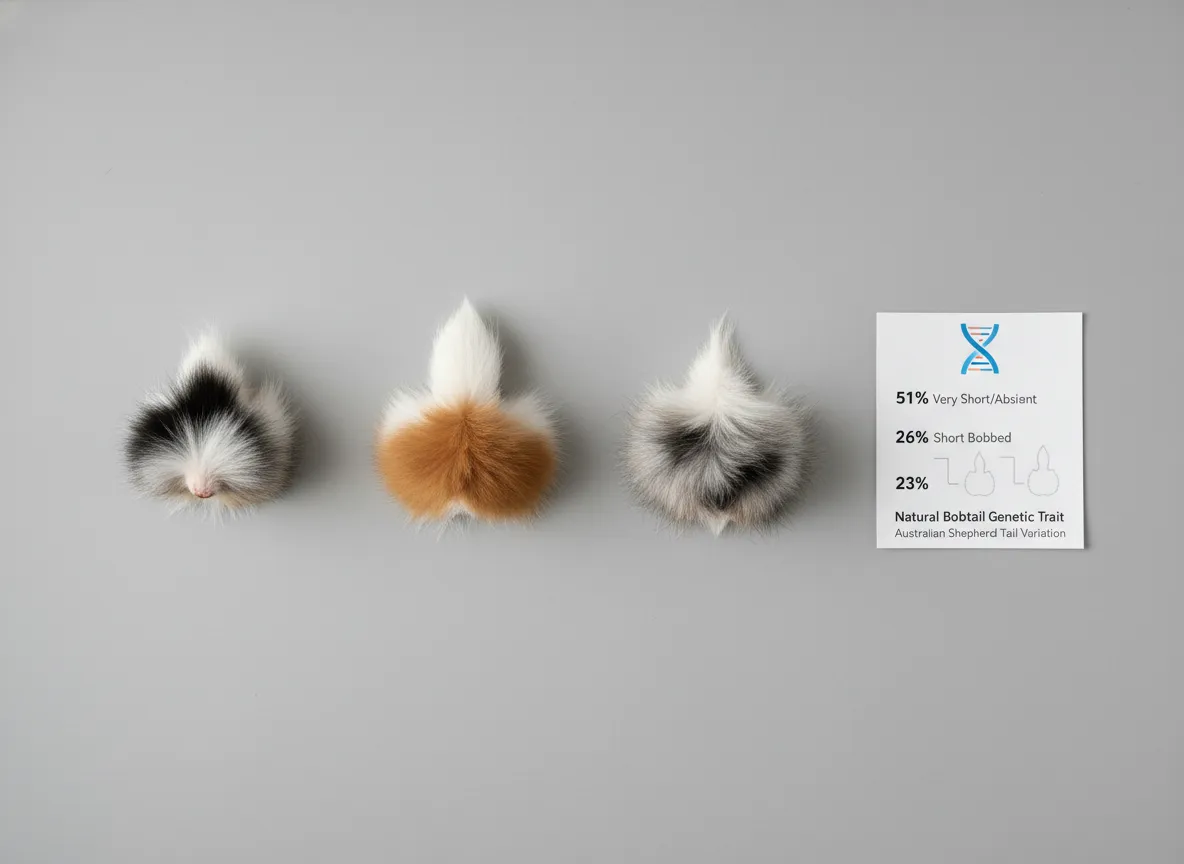
The natural bobtail (NBT) in Australian Shepherds is caused by a dominant genetic mutation. A dog only needs to inherit one copy of the NBT gene from one parent to be born with a shortened tail. However, inheriting two copies (homozygous) is considered lethal in embryonic development, which is why responsible breeders never breed two NBT dogs together.
A comprehensive ASHGI breed health survey found that 28% of dogs whose owners knew their tail length at birth were naturally bobbed [1]. However, this figure reflects survey bias — owners of NBT dogs may be more likely to know and report tail length. More conservative modern breeding data puts the figure closer to the 20% mark cited by the AKC [2].
Among those NBT dogs, tail length varies significantly:
| Tail Length Category | Percentage of NBT Dogs |
|---|---|
| Very short or absent | 51% |
| Short | 26% (in offspring of breeding dogs) |
| Moderate natural bob | ~23% |
This variation means that not every naturally bobbed Aussie looks the same — some have almost no tail at all, while others have a noticeable stub [1].
3. The Breed Standard Sets a Clear Maximum Tail Length
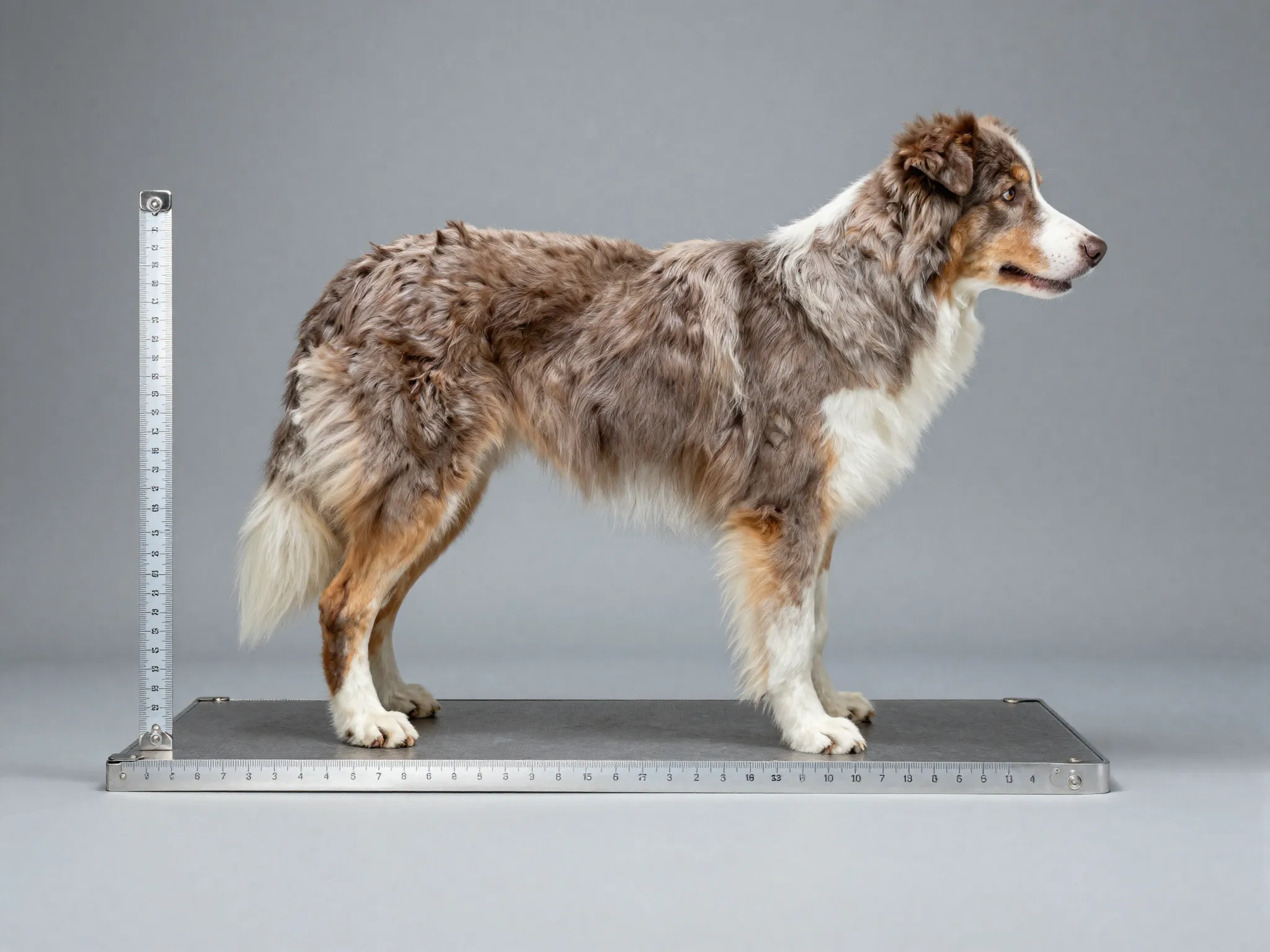
Both the Australian Shepherd Club of America (ASCA) and the American Kennel Club (AKC) are specific about what constitutes an acceptable tail in the show ring. The official breed standard states that the tail should be “straight, docked or naturally bobbed, not to exceed four inches in length” [1][5].
This four-inch maximum applies whether the tail is:
- ✅ Surgically docked shortly after birth
- ✅ Naturally bobbed through genetics
- ❌ A full-length tail (disqualifying in AKC/ASCA conformation shows)
For owners who don’t plan to show their dog, this standard is largely irrelevant. But for breeders and competitors, it’s a critical benchmark. An Australian Shepherd with a tail longer than four inches cannot compete in AKC or ASCA conformation events under current rules.
4. Tail Shape and Carriage Vary Widely Across the Breed
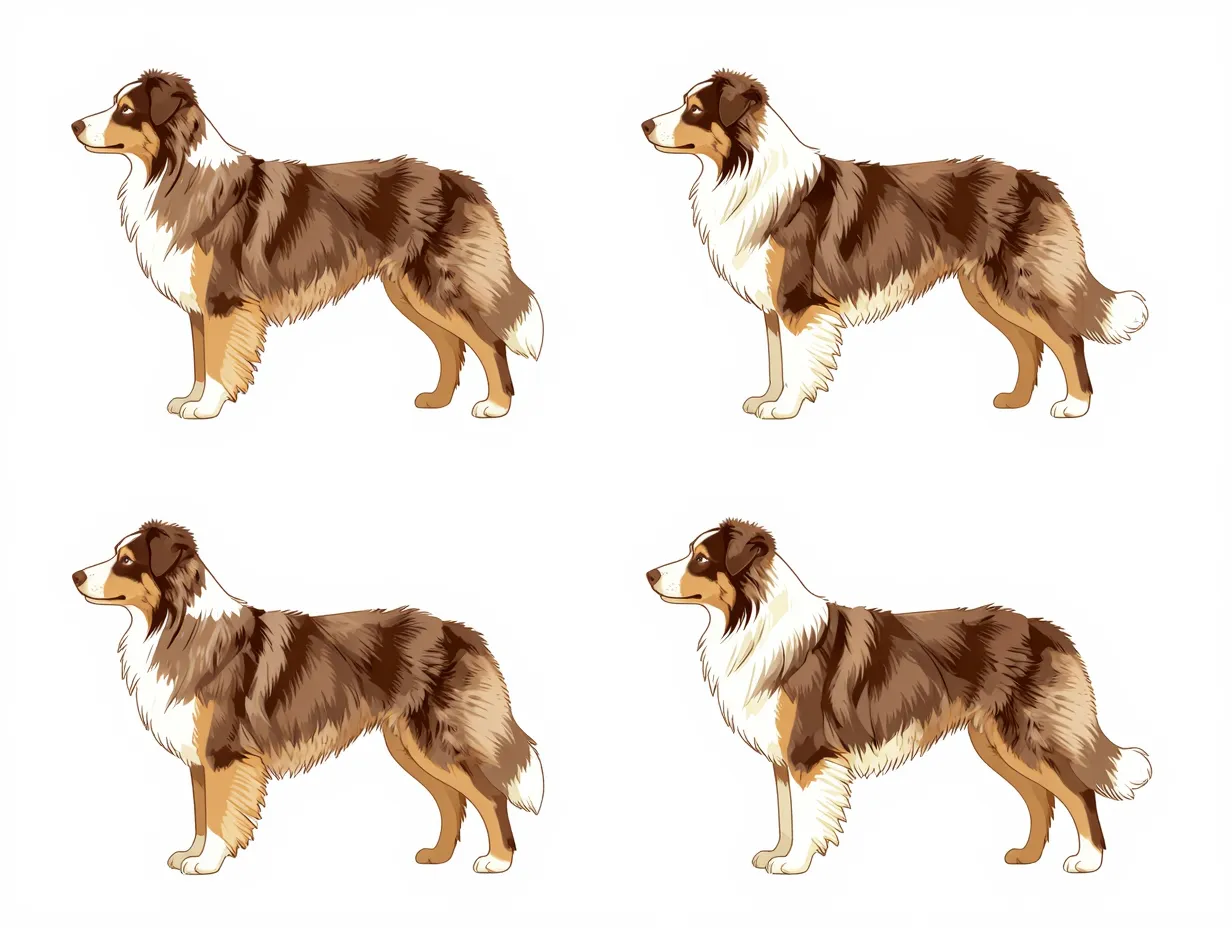
One of the most interesting findings from ASHGI’s research is just how much variation exists in Australian Shepherd tail shape and carriage — even among dogs with naturally short tails. This is something many owners of a full-tailed Australian Shepherd don’t realize until they start comparing their dog to others.
According to ASHGI survey data [1]:
Tail Shape Distribution:
- 58% of surveyed dogs had a slightly curved tail — the most common conformation
- A smaller percentage had straight tails
- 3% of dogs with known tail length had kinked tails, and a striking 89% of those kinked tails occurred on naturally bobbed tail dogs [1]
Tail Carriage Distribution:
- 32% carry tails slightly below the topline
- 24% carry tails slightly above the topline
- 21% carry tails level with the topline
- 21% carry tails low
Carrying the tail high over the back or dragging it very low are both considered outside breed norms, but moderate variation is common and normal [1].
5. Feathering on the Tail Is a Signature Breed Feature
One of the most visually striking things about an Australian Shepherd with a full tail is the feathering — the long, silky fur that grows along the tail’s length. This feathering is part of the breed’s double coat and is especially dramatic on dogs with full-length tails.
ASHGI survey data reveals a clear pattern in how feathering develops [1]:
- 61% of dogs displayed profuse feathering at the base that shortened toward the tip — this is the most typical pattern
- The remaining dogs showed more uniform feathering or minimal feathering
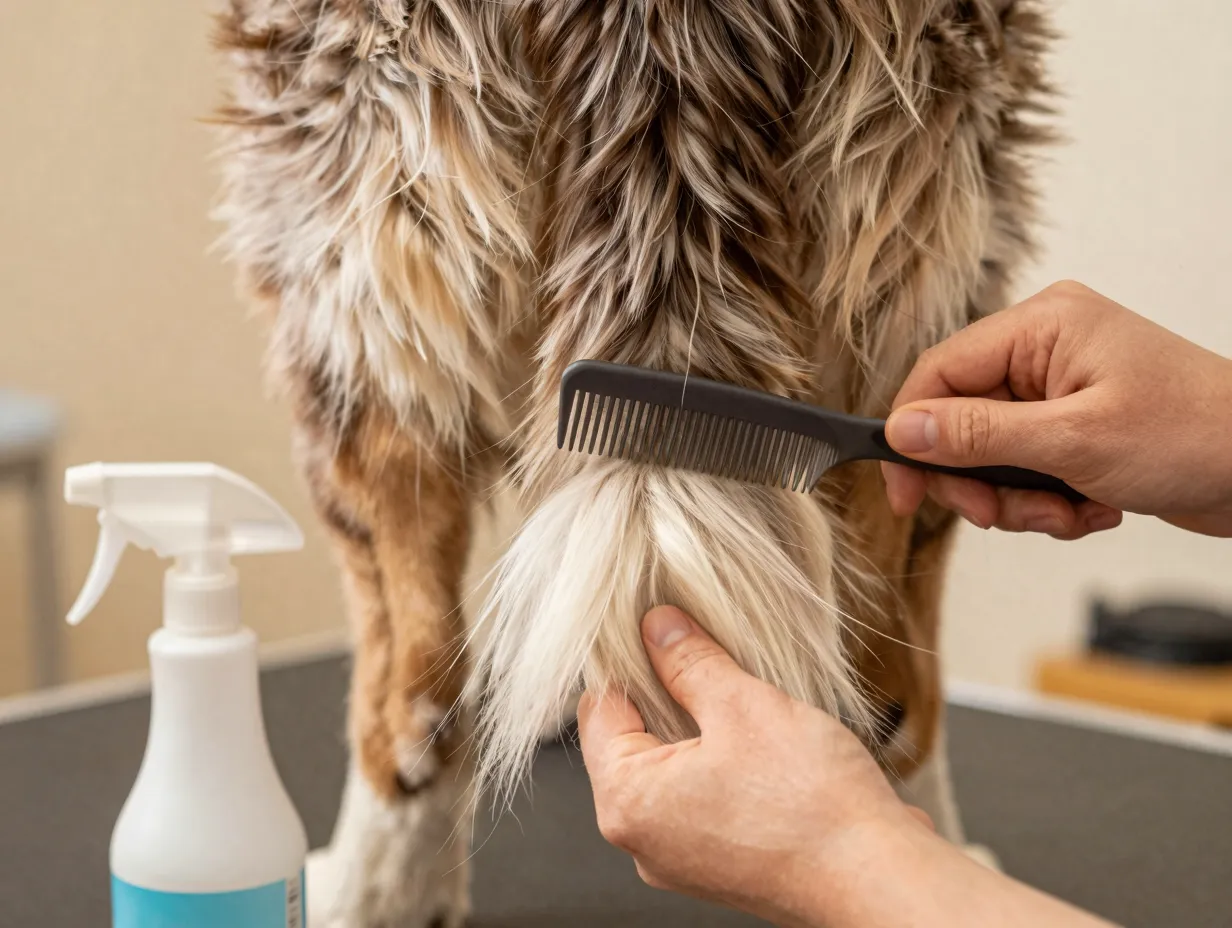
This “full at the base, tapered at the tip” pattern gives the Aussie’s tail a distinctive plume-like appearance that many owners find beautiful. If you’re considering an Australian Shepherd with a tail, expect to add regular brushing of the tail feathering to your grooming routine to prevent matting and tangles.
🐾 Pro Tip: Use a wide-tooth comb and detangling spray on the tail feathering 2-3 times per week to keep it tangle-free and healthy.
8 Things You Need to Know About the Australian Shepherd With Tail: The Bigger Picture
6. Tail Docking Is Increasingly Controversial — and Illegal in Many Places
This is where the conversation around the Australian Shepherd with tail becomes genuinely complex. Tail docking for cosmetic reasons is now illegal or heavily restricted in dozens of countries, including the United Kingdom, Australia, most of Europe, and parts of South America [4].
The procedure is considered a cosmetic alteration with no medical benefit to the dog [3]. Critics argue that:
- The tail is a key tool for canine communication
- Docking causes pain and stress in newborn puppies
- The “herding injury prevention” argument is largely obsolete for companion dogs
Supporters of docking argue that it:
- Maintains traditional breed appearance
- Prevents tail injuries in working dogs
- Is performed so early that puppies recover quickly
The debate is ongoing, and in 2026, it remains one of the most divisive topics in the dog breeding community. What’s clear is that as bans spread, more Australian Shepherds will be seen with full natural tails — making it increasingly important for the breed community to understand and embrace natural tail variation.
7. Docking Bans Are Creating a Standards Crisis for Breed Clubs
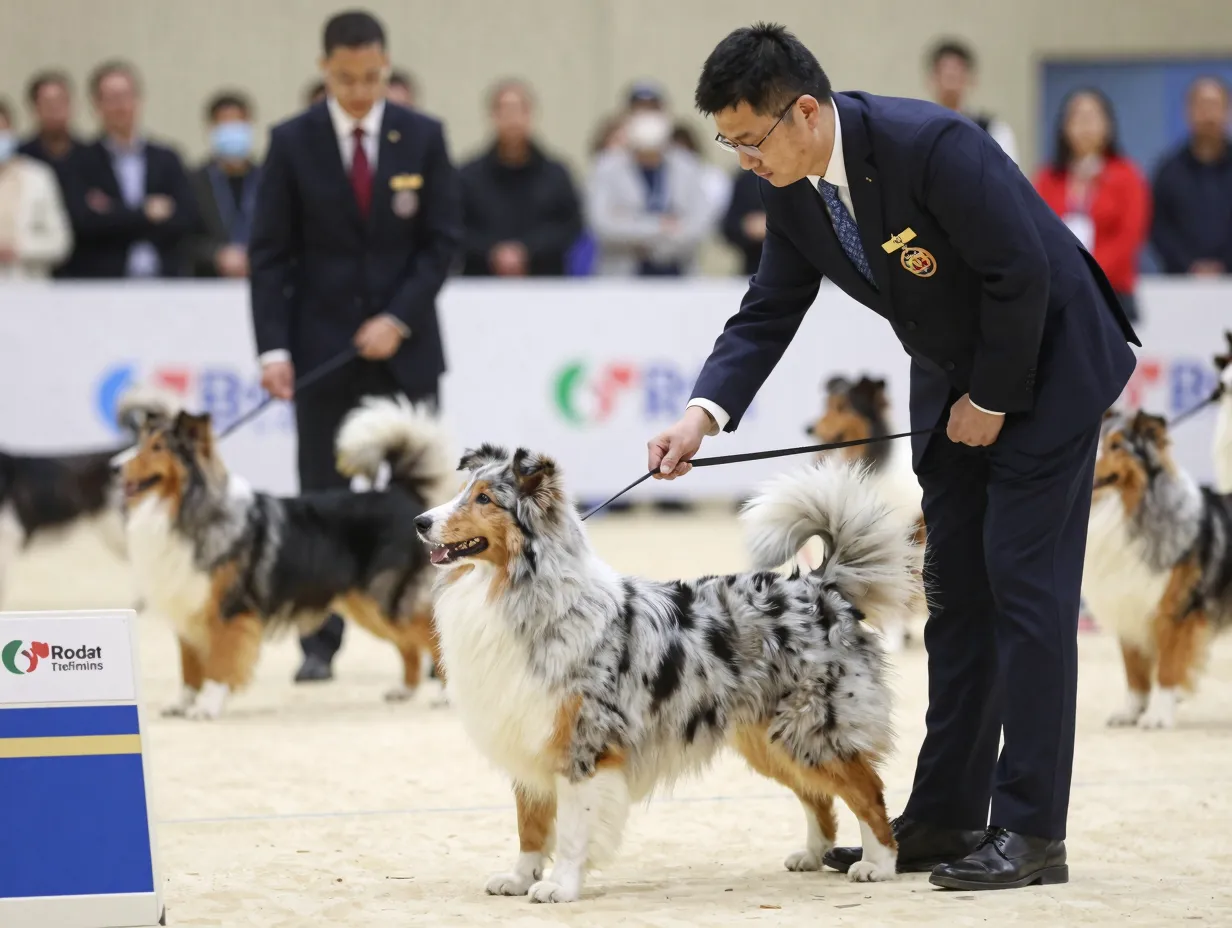
Here’s a challenge that many casual dog owners don’t think about: if the breed standard requires tails under four inches, what happens in countries where docking is banned?
ASHGI has highlighted this exact problem. As they note, breed clubs in countries with docking bans are left uncertain about what tail conformation should be considered “correct,” because no selective breeding for specific natural tail characteristics has been done during the docked era [1]. In other words, breeders have been docking tails for so long that no one has systematically selected for a particular natural tail type.
This creates several practical issues:
- Show dogs in ban countries may be penalized for having full tails that are genetically natural for their lines
- Breed standards may need revision to accommodate natural tail variation
- Judges and breeders must learn to evaluate full-tailed Aussies fairly
Some breed clubs are already working on updated standards. The ASHGI survey data showing 39% of breeding dogs produced at least one NBT puppy [1] suggests there is a genetic foundation to work with — but building a consistent natural tail standard will take generations of selective breeding.
8. Owning an Australian Shepherd With a Full Tail: What to Expect
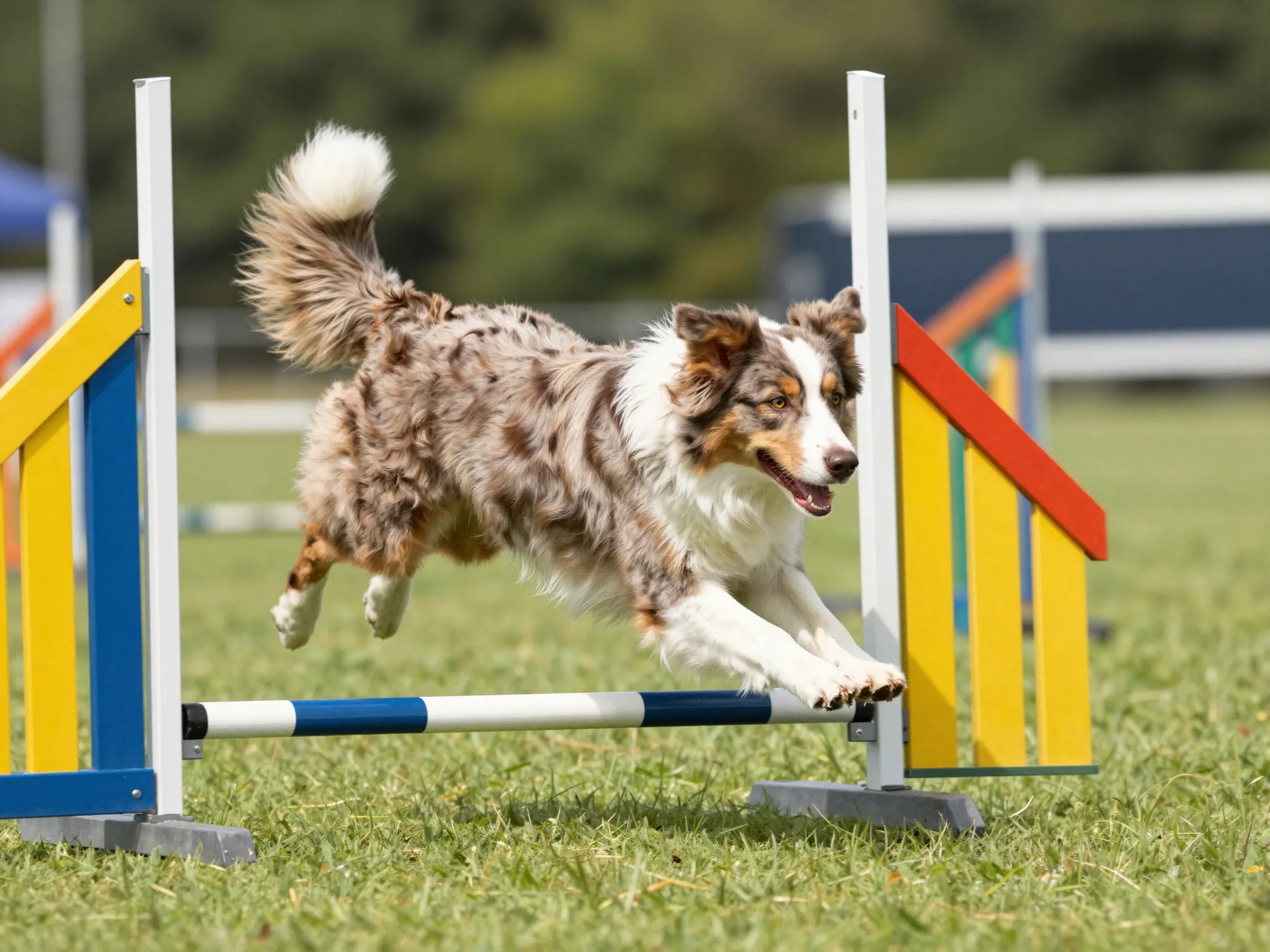
If you own or are considering an Australian Shepherd with a tail, here’s the practical reality of life with a full-tailed Aussie:
🏠 At Home:
The tail is an expressive, active appendage. Aussies are high-energy dogs, and that tail will wag — enthusiastically and constantly. Be aware of the classic “happy tail” syndrome, where dogs repeatedly bang their tail against hard surfaces, causing injury. Padding sharp furniture corners is a smart precaution.
✂️ Grooming:
Full-tailed Aussies require more grooming attention. The feathered tail can collect debris, burrs, and mats. Plan for:
- Regular brushing (2-3x per week minimum)
- Periodic trimming of the feathering
- Checking for debris after outdoor activities
🏆 Showing:
As noted, a full-tailed Australian Shepherd cannot compete in AKC or ASCA conformation classes under current US standards. However, full-tailed Aussies can compete in:
- Agility
- Obedience
- Rally
- Herding trials
🧬 Health:
A full natural tail has no negative health implications. In fact, some veterinary professionals argue that keeping the tail intact preserves nerve function and communication ability. The tail itself is simply a continuation of the spine and, when naturally developed, poses no health risk.
Frequently Asked Questions
Q: Can an Australian Shepherd with a full tail compete in dog shows?
A: Not in AKC or ASCA conformation events, where tails must not exceed four inches. However, full-tailed Aussies can compete in all performance events.
Q: Is it painful for puppies to have their tails docked?
A: This is debated, but most veterinary associations acknowledge that docking causes some degree of pain and stress. Many now recommend against the practice for non-medical reasons [4].
Q: Will my full-tailed Aussie’s tail affect their herding ability?
A: No. Tail length has no impact on herding instinct, intelligence, or working ability. Many full-tailed Aussies are excellent working and sport dogs.
Q: How do I know if my Aussie has a natural bobtail or was docked?
A: A DNA test can confirm the presence of the NBT gene. Visually, naturally bobbed tails often have a tapered, rounded end, while docked tails may appear more blunt.
Conclusion
Understanding the 8 things you need to know about the Australian Shepherd with tail gives you a much richer picture of this beloved breed. From the genetics of the natural bobtail to the global controversy over docking, the Aussie’s tail tells a story about history, culture, and evolving standards.
Here are your actionable next steps:
- If you’re buying a puppy: Ask the breeder whether tails are docked and why. Request information about the NBT status of the parents.
- If you already own a full-tailed Aussie: Embrace it. Invest in a good grooming routine and enjoy the expressive communication a full tail provides.
- If you’re a breeder: Stay informed about docking legislation in your region and consider participating in breed health surveys to help build data on natural tail variation.
- If you’re considering showing: Research performance events where full-tailed Aussies can compete and excel.
- For everyone: Advocate for evidence-based breed standards that reflect the natural diversity of this incredible dog.
The Australian Shepherd with a tail is not an anomaly — it’s the natural expression of a magnificent breed. The more we understand and appreciate that, the better we serve these dogs.
References
[1] Tails – https://www.ashgi.org/home-page/genetics-info/bones-joints/tails
[2] Fun Facts Australian Shepherd – https://www.akc.org/expert-advice/dog-breeds/fun-facts-australian-shepherd/
[3] Watch – https://www.youtube.com/watch?v=60DkQwymu-0
[4] Watch – https://www.youtube.com/watch?v=RZYy6Fm90m0
[5] Tales About No Tails – https://australianshepherds.org/wp-content/uploads/2021/04/Tales-about-No-Tails.pdf