8 Things to Know About the Labrador Retriever Mix Pitbull
If you have ever met a dog that seemed equal parts cuddle machine and athletic powerhouse, there is a good chance you were face-to-face with a Labrador Retriever mix Pitbull — one of the most lovable and misunderstood hybrid dogs alive today. In 2026, this crossbreed continues to win hearts across the country, yet many prospective owners still have big questions before bringing one home. That is exactly why understanding the 8 Things to Know About the Labrador Retriever Mix Pitbull is so important before you make your decision.
Key Takeaways 🐾
- The Labrador Retriever mix Pitbull (also called a Labrabull or Bullador) is a loyal, energetic, and highly social hybrid dog.
- These dogs weigh between 40–90 pounds and live 10–15 years on average.
- They are highly trainable and thrive with consistent, positive reinforcement.
- Mixed-breed genetics often make them healthier than many purebreds.
- Early socialization and exercise are the two biggest keys to raising a well-adjusted Labrabull.
What Is the Labrador Retriever Mix Pitbull?
Before diving into the full list of 8 Things to Know About the Labrador Retriever Mix Pitbull, let’s set the stage. This hybrid — often called a Labrabull, Bullador, or simply a Pitbull Lab mix — is the offspring of a purebred Labrador Retriever and a purebred American Pit Bull Terrier (or American Staffordshire Terrier). The result is a dog that blends the Lab’s famously friendly nature with the Pitbull’s strength, loyalty, and playful spirit [1].
Because this is a first-generation hybrid, there is no breed standard. Every Labrabull is a surprise package — and that is a big part of their charm. Let’s break down everything you need to know.
1. Origins and Breed Background
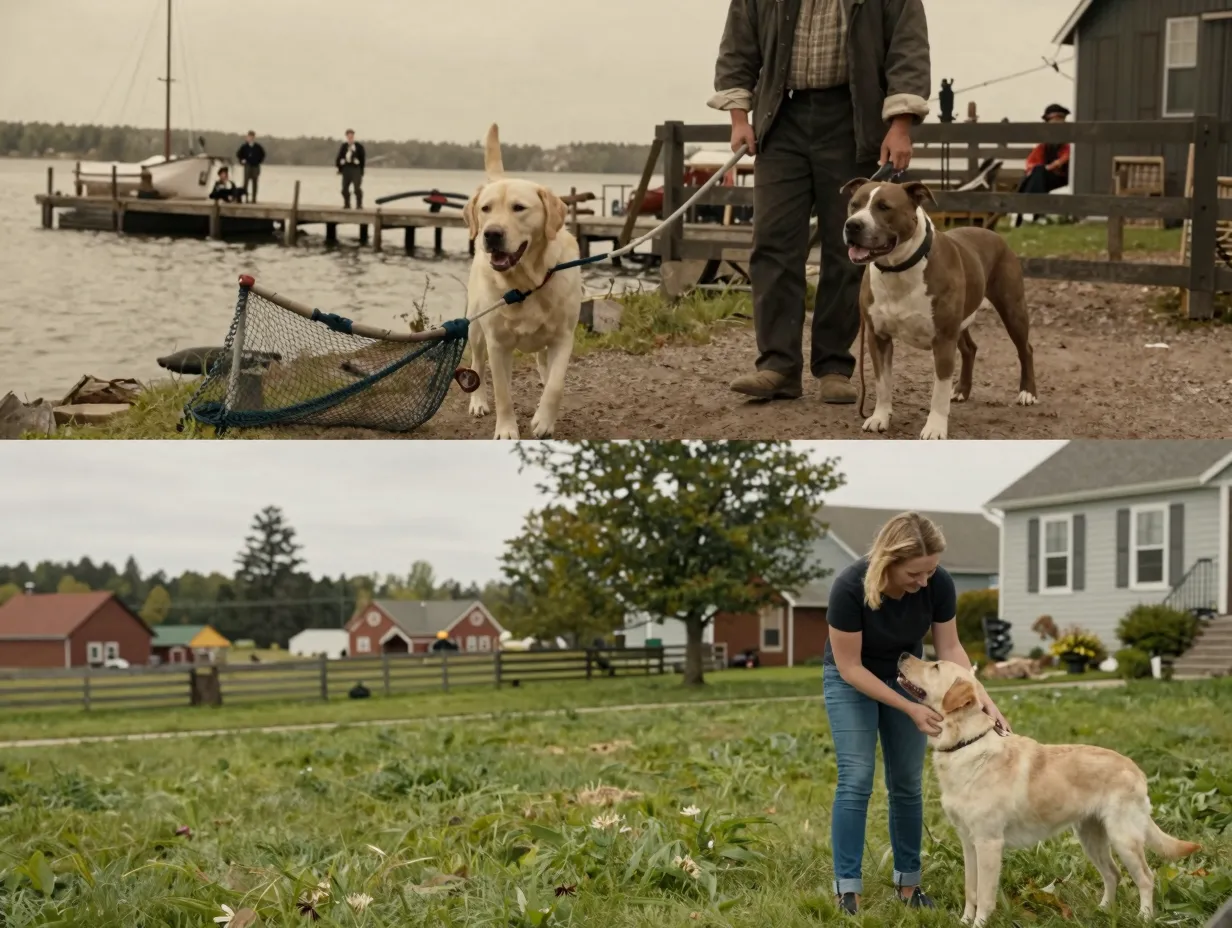
The Labrabull is not a new invention. Breeders and dog lovers have been crossing Labs and Pitbulls for decades, drawn to the idea of combining two of America’s most popular and people-loving breeds. While the Labrador Retriever has roots as a Canadian fishing and hunting companion, the American Pit Bull Terrier was originally bred in England for bull-baiting before becoming a beloved farm and family dog in the United States.
Neither parent breed was designed to be aggressive toward people. In fact, both were selectively bred to work closely alongside humans, which is a key reason why their offspring tend to be so people-oriented and affectionate [2].
💡 “The Labrabull combines two of the most human-loving breeds in the world — the result is a dog that genuinely wants to be your best friend.”
The hybrid is not recognized by the American Kennel Club (AKC), but it is recognized by several hybrid dog registries, including the Dog Registry of America (DRA) and the International Designer Canine Registry (IDCR).
2. Physical Appearance: What Does a Labrabull Look Like?

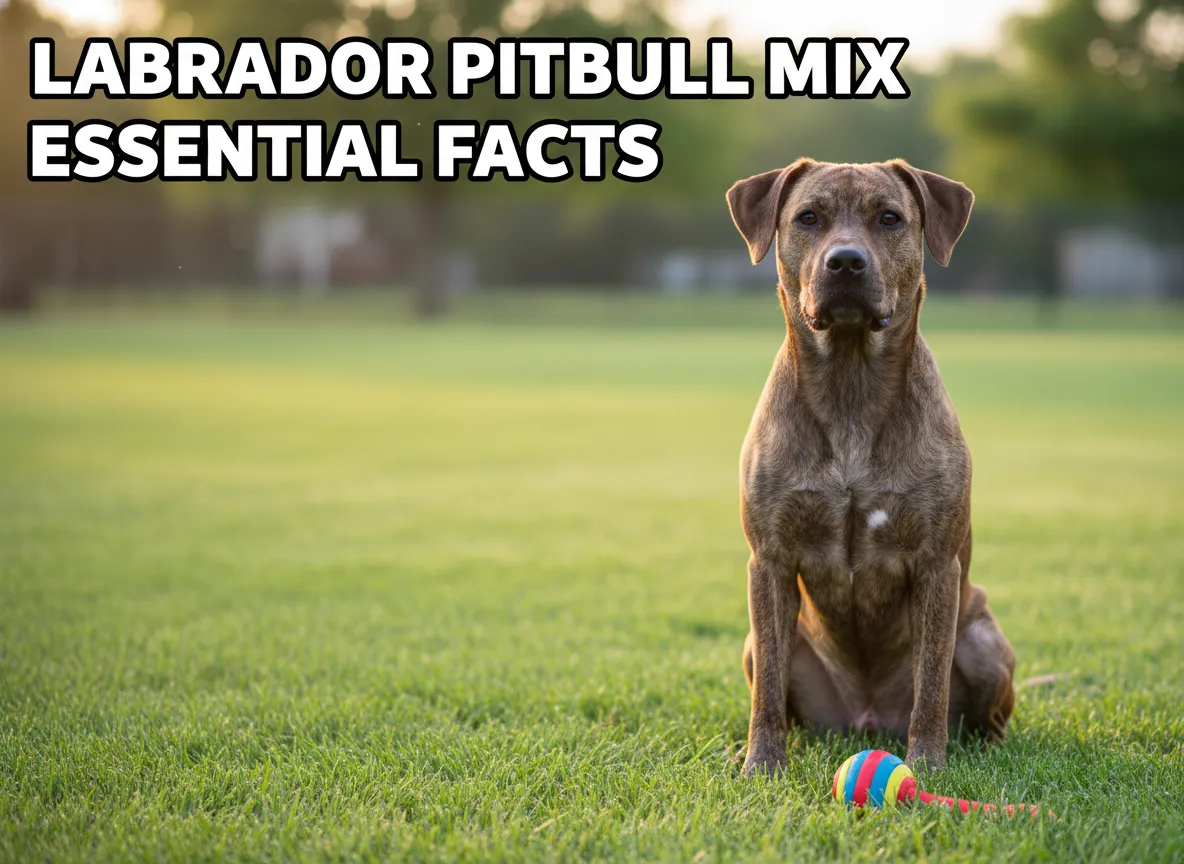
One of the most exciting — and unpredictable — aspects of the Labrador Retriever Pitbull mix is its appearance. Because it is a hybrid, these dogs can inherit any combination of traits from either parent, making each one visually unique [3].
Here is a general breakdown of what you can expect:
| Feature | Typical Range |
|---|---|
| Weight | 40–90 lbs (50–70 lbs most common) |
| Height | 18–25 inches at the shoulder |
| Coat | Short, dense, smooth to slightly coarse |
| Coat Colors | Black, brown, yellow, tan, brindle, or mixed |
| Build | Muscular, lean, broad chest |
| Ears | Usually floppy |
| Lifespan | 10–15 years |
Most Labrabulls have a broad, strong chest inherited from the Pitbull side, combined with the Lab’s more rectangular body shape. Their coats are typically short and low-maintenance, and they may display color patterns or markings not commonly seen in either parent breed [3]. Floppy ears are a common trait, giving them an endearingly soft look despite their muscular frame [4].
3. Personality and Temperament
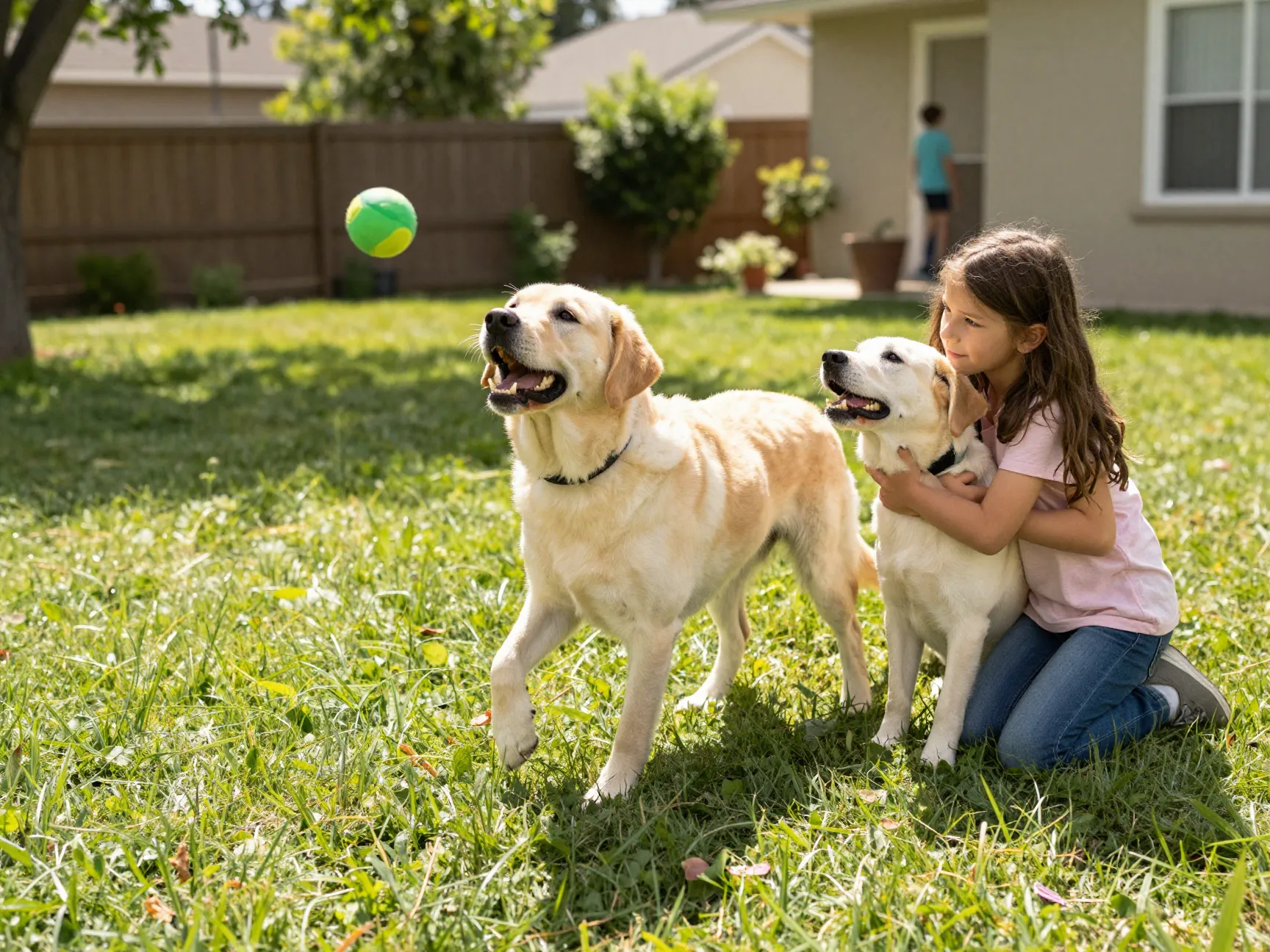
Ask any Labrabull owner and they will likely use the same words: loving, goofy, energetic, and loyal. This hybrid draws the best personality traits from both parent breeds, creating a dog that is genuinely enthusiastic about life — and about you [1].
Key personality traits include:
- Affectionate — These dogs love physical contact and are known to be big-time cuddlers.
- Social — They tend to get along well with people of all ages, including children.
- Playful — Expect a dog with a puppy-like energy that lasts well into adulthood.
- Loyal — Labrabulls form strong bonds with their families and can be protective (without being aggressive).
- Eager to please — This trait makes them highly responsive to training [1].
⚠️ Important note: Temperament is never guaranteed in any dog, hybrid or purebred. Early socialization plays a huge role in shaping behavior. A well-raised Labrabull that is exposed to different people, animals, and environments from puppyhood can be super friendly and sociable, learning to love everyone and everything [4].
4. Exercise and Activity Needs
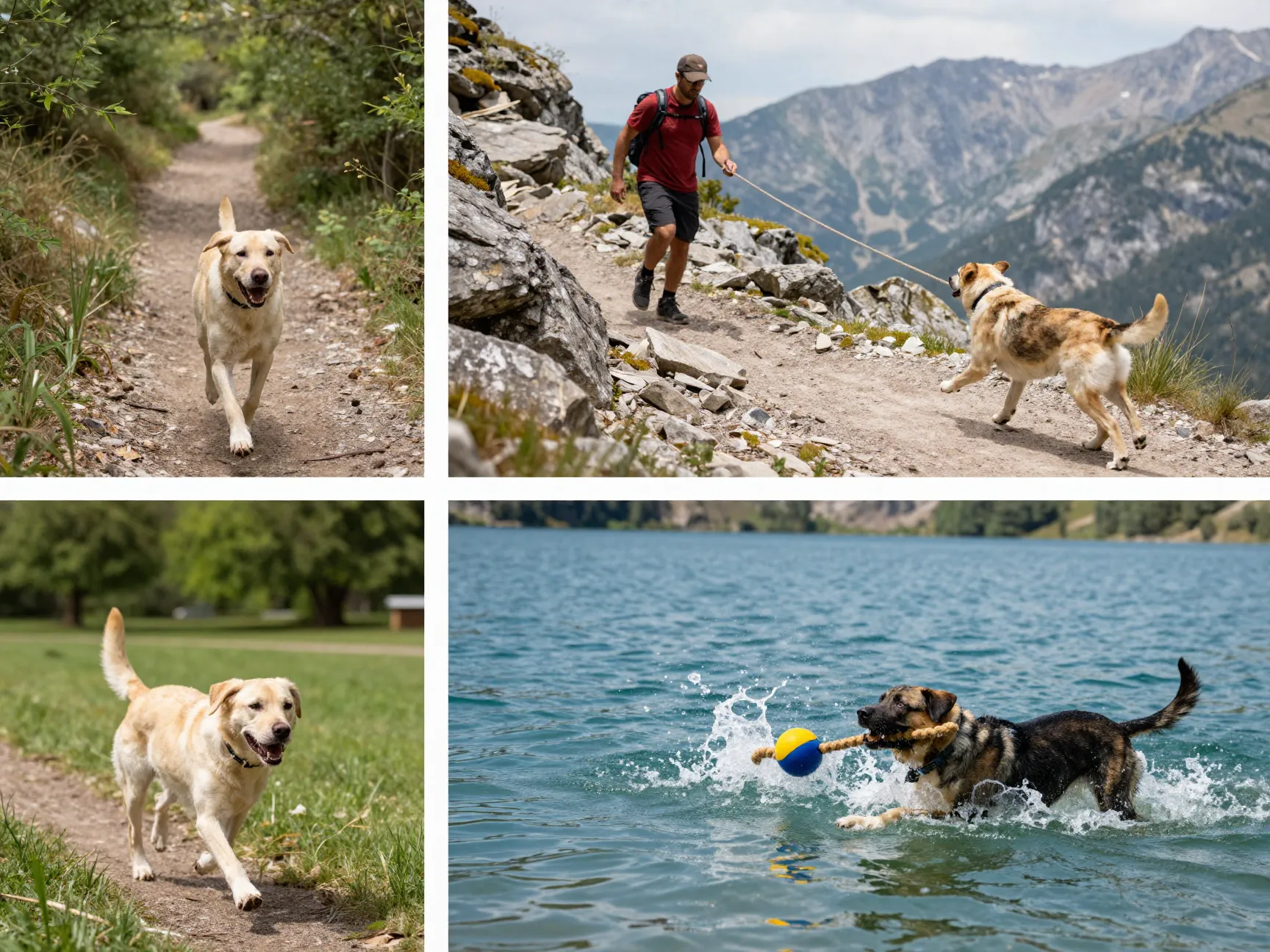
If there is one thing every Labrabull owner agrees on, it is this: these dogs need to move. Both the Labrador Retriever and the Pitbull are high-energy working breeds, and their offspring inherits that drive in full [2].
Daily Exercise Requirements
- 🏃 Minimum: 60 minutes of vigorous activity per day
- 🐕 Ideal: 90 minutes, split between walks, play, and off-leash time
- 🎾 Favorite activities: Fetch, swimming, hiking, agility training, and tug-of-war
A Labrabull that does not get enough exercise will find its own entertainment — and that usually means chewing furniture, digging, or barking excessively. These are not bad dogs; they are bored dogs.
💬 “Both parent breeds love people and are happiest when staying active — the Labrabull is no different.” [2]
Mental stimulation is just as important as physical exercise. Puzzle toys, obedience training sessions, and interactive games all help keep a Labrabull’s sharp mind engaged and out of trouble.
5. Trainability: One of the Easiest Large Breeds to Train
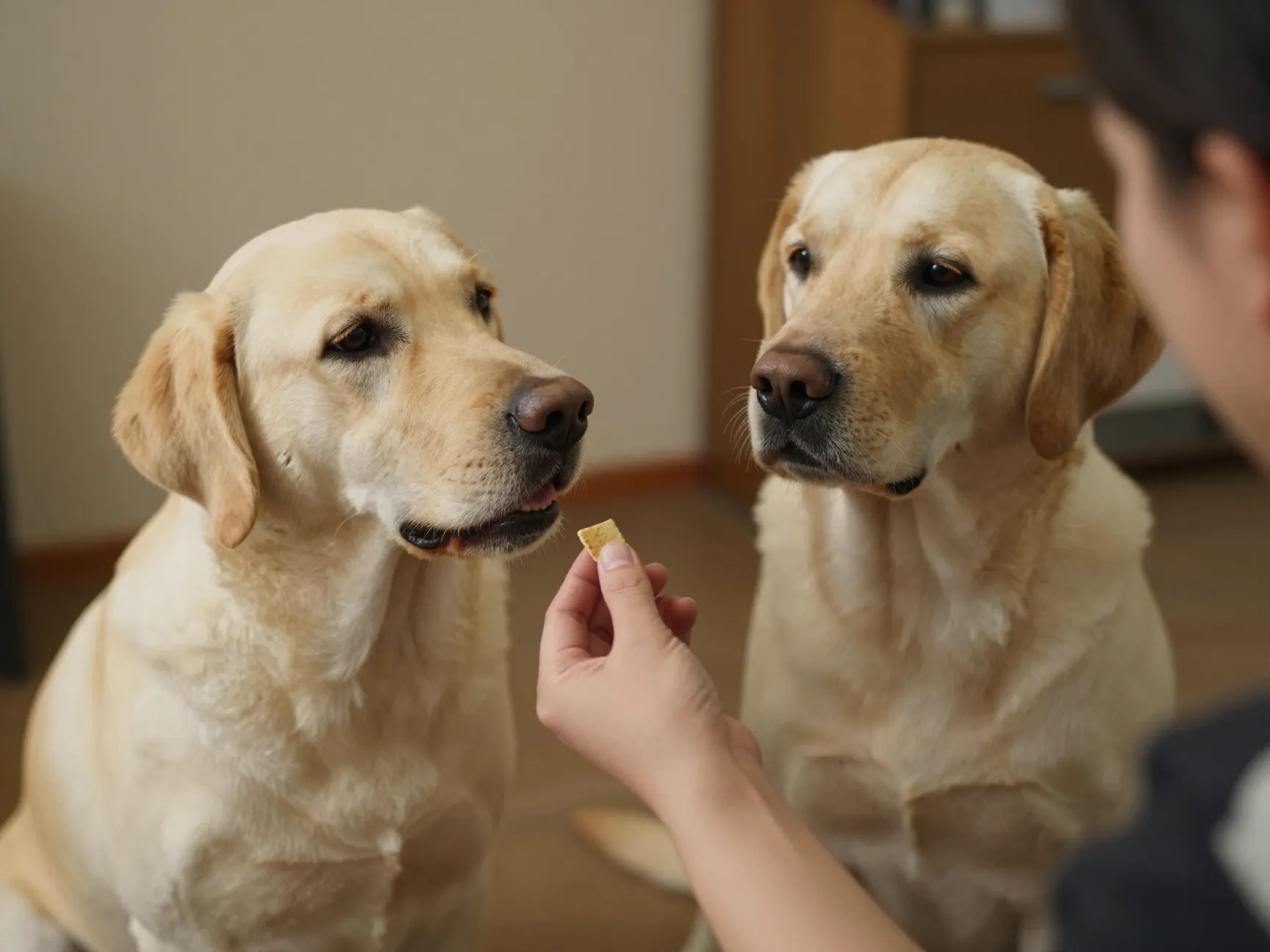
Here is some genuinely great news for first-time large-breed owners: the Labrador Retriever mix Pitbull is considered super easy to train [4]. Both parent breeds rank among the most trainable dogs in the world, and the Labrabull inherits that quality reliably.
Their combination of intelligence, eagerness to please, and food motivation makes them highly responsive to positive reinforcement training. They pick up basic commands quickly and can advance to more complex tricks and tasks with consistent practice.
Training Tips for Labrabulls
- Start early. Begin basic obedience training as soon as you bring your puppy home — ideally at 8 weeks old.
- Use positive reinforcement. Reward-based training (treats, praise, play) works far better than punishment-based methods.
- Be consistent. Use the same commands and rules every day. Mixed signals confuse dogs.
- Socialize broadly. Expose your Labrabull to different people, dogs, sounds, and environments from a young age.
- Keep sessions short. Ten to fifteen minutes of focused training is more effective than hour-long sessions that lose the dog’s attention.
These dogs make a great addition to families used to large breed dogs, and even those new to big dogs can succeed with the right approach [4].
6. Health and Lifespan

One of the most compelling reasons to consider a Labrabull is their generally robust health. Mixed-breed dogs often benefit from what geneticists call hybrid vigor — the tendency for crossbreeds to be healthier than their purebred counterparts because they draw from a larger, more diverse genetic pool [3].
Labrabulls typically live 10 to 15 years, which is a solid lifespan for a medium-to-large breed dog [1][2].
Potential Health Concerns to Watch For
While Labrabulls are generally healthy, they can still inherit conditions common to either parent breed:
| Condition | Associated Parent Breed |
|---|---|
| Hip and elbow dysplasia | Labrador Retriever |
| Obesity | Labrador Retriever |
| Hypothyroidism | Both breeds |
| Skin allergies | Pitbull |
| Heart disease | Pitbull |
| Bloat (GDV) | Both large breeds |
Regular veterinary checkups, a balanced diet, and consistent exercise go a long way toward keeping a Labrabull healthy throughout its life. Responsible breeders will also screen parent dogs for genetic conditions before breeding.
7. Grooming and Care Requirements
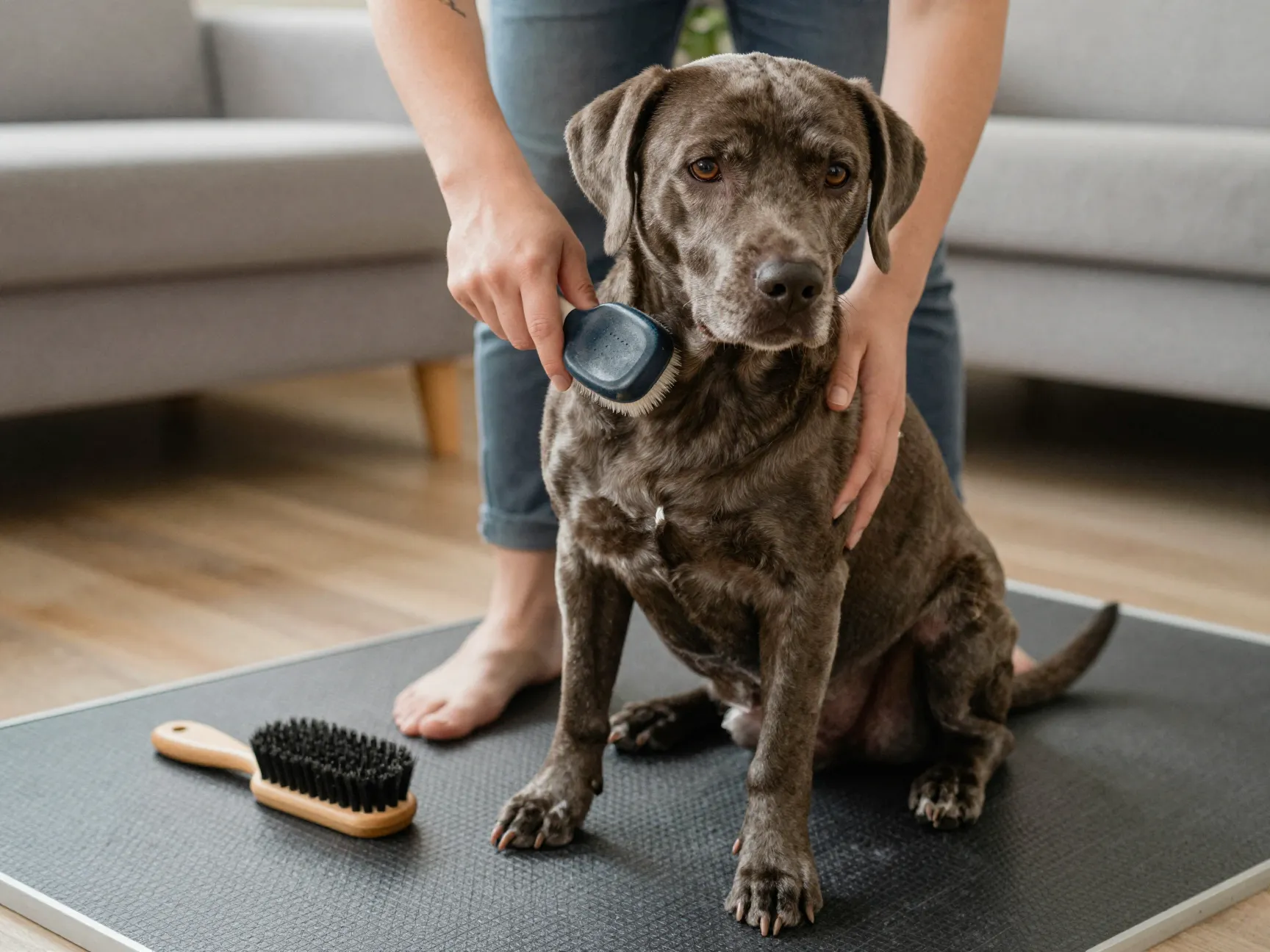
Good news for people who do not want to spend hours grooming their dog: the Labrabull is low-maintenance in the grooming department. Their short, dense coat does not mat or tangle, and it requires only basic upkeep to stay clean and healthy [3].
Basic Grooming Checklist ✅
- Brushing: Once or twice a week with a rubber curry brush or bristle brush to remove loose hair and distribute skin oils.
- Bathing: Every 4–6 weeks, or as needed. Over-bathing can strip natural oils from the skin.
- Nail trimming: Every 3–4 weeks to prevent overgrowth and discomfort.
- Ear cleaning: Weekly checks and gentle cleaning to prevent infections, especially important for dogs with floppy ears.
- Teeth brushing: At least 2–3 times per week to prevent dental disease.
Despite their short coat, Labrabulls are moderate shedders. Weekly brushing will keep loose hair under control and reduce the amount of fur on your furniture and clothes. Investing in a good lint roller is still a smart move.
8. Is the Labrabull Right for Your Family? Understanding the Full Picture
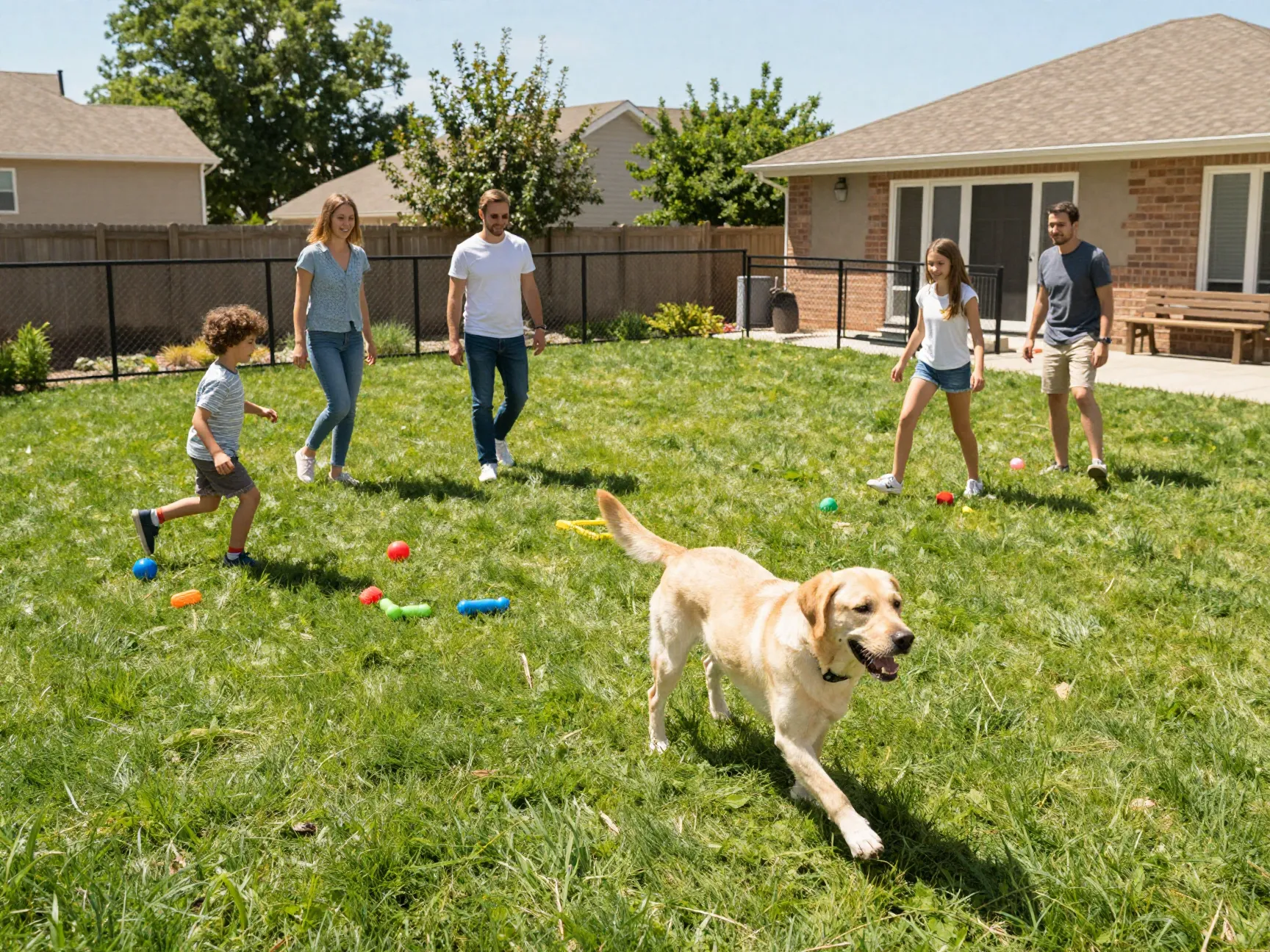
Now that we have covered all 8 Things to Know About the Labrador Retriever Mix Pitbull, the final and perhaps most important question is: is this the right dog for you?
The honest answer is that the Labrabull is a wonderful dog — but not for every household.
The Labrabull Is a Great Fit If You:
✅ Have an active lifestyle and enjoy outdoor activities
✅ Have experience with medium-to-large breed dogs
✅ Have time to commit to daily exercise and mental stimulation
✅ Are willing to invest in early socialization and obedience training
✅ Have a home with a yard or easy access to open spaces
✅ Want a loyal, affectionate family companion
The Labrabull May Not Be the Best Fit If You:
❌ Live in a small apartment with no outdoor access
❌ Work long hours and cannot provide adequate exercise
❌ Are a first-time dog owner without support or training resources
❌ Have very young children without supervision plans in place
❌ Live in a jurisdiction with breed-specific legislation (BSL) that may restrict Pitbull-type dogs
⚠️ Always check local laws before adopting a Pitbull mix. Some cities and counties in the U.S. and internationally have restrictions on Pitbull-type dogs, which can include Labrabulls depending on their appearance.
Where to Find a Labrabull
- Rescue organizations — Many Labrabulls end up in shelters due to owner surrenders. Check local shelters and breed-specific rescues.
- Reputable breeders — If purchasing from a breeder, ensure they provide health clearances for both parent dogs and allow you to visit the facility.
- Adoption events — Local adoption fairs often feature mixed-breed dogs, including Labrabulls.
Quick Reference: Labrabull at a Glance 📋
| Characteristic | Details |
|---|---|
| Other Names | Labrabull, Bullador, Pitbull Lab Mix |
| Size | Medium to Large |
| Weight | 40–90 lbs |
| Height | 18–25 inches |
| Lifespan | 10–15 years |
| Energy Level | High |
| Trainability | Very High |
| Grooming Needs | Low |
| Good with Kids | Yes (with socialization) |
| Good with Other Pets | Usually (with early exposure) |
| Apartment Friendly | Not ideal |
Conclusion: Your Next Steps With the Labrabull
The 8 Things to Know About the Labrador Retriever Mix Pitbull paint a clear picture: this is a breed that offers enormous rewards for the right owner. From their loyal, affectionate personalities and impressive trainability to their robust health and manageable grooming needs, Labrabulls tick a lot of boxes for active families and experienced dog owners.
Here are your actionable next steps if you are considering a Labrabull:
- Research local laws — Confirm that Pitbull-type dogs are not restricted in your area.
- Assess your lifestyle honestly — Use the quiz above to evaluate your readiness.
- Visit a shelter first — Many Labrabulls need loving homes and are waiting in rescues right now.
- Enroll in a puppy class — If you adopt a young Labrabull, sign up for a positive reinforcement training class immediately.
- Budget for care — Factor in food, vet visits, training, and supplies for a 10–15 year commitment.
The Labrabull is not just a dog — it is a lifestyle companion. Give one the love, exercise, and training it deserves, and you will have one of the most devoted, joyful dogs you have ever known.
References
[1] Pitbull Lab Mix – https://www.innovetpet.com/blogs/training/pitbull-lab-mix
[2] Lab Pit Mix – https://dogacademy.org/breeds/lab-pit-mix
[3] Things To Know About Labrabull – https://a-z-animals.com/animals/pit-bull/pit-bull-facts/things-to-know-about-labrabull/
[4] Watch – https://www.youtube.com/watch?v=Siv5euP5OIU