8 Things Nobody Tells You About Owning a Red Fox Lab Dog
If you’ve ever locked eyes with a fox red Labrador and thought, “Wait — is that dog part fox?” — you’re not alone. These strikingly beautiful dogs turn heads everywhere they go, and the questions never stop. But before you bring one home, there are some surprising truths that most breeders, pet blogs, and even veterinarians rarely mention upfront. This guide on the 8 things nobody tells you about owning a red fox lab dog will change the way you think about this rare and remarkable animal — and help you decide if one belongs in your life. 🐾
Key Takeaways
- 🦊 Red Fox Labs are not a separate breed — they are purebred Yellow Labradors with a rare recessive color gene.
- 🏆 Despite being purebred, they cannot win “Best In Show” at AKC competitions due to color classification rules.
- 💪 They come from working dog lines and need significant daily exercise — more than most people expect.
- 💰 Quality puppies typically cost $1,500–$2,500, so budget carefully and vet your breeder thoroughly.
- 🧬 Their coat color develops over weeks, not at birth — and their primary health risks are manageable with responsible breeding.
What Exactly Is a Red Fox Lab? A Quick Overview
Before diving into the 8 things nobody tells you about owning a red fox lab dog, it’s worth setting the record straight on what this dog actually is.
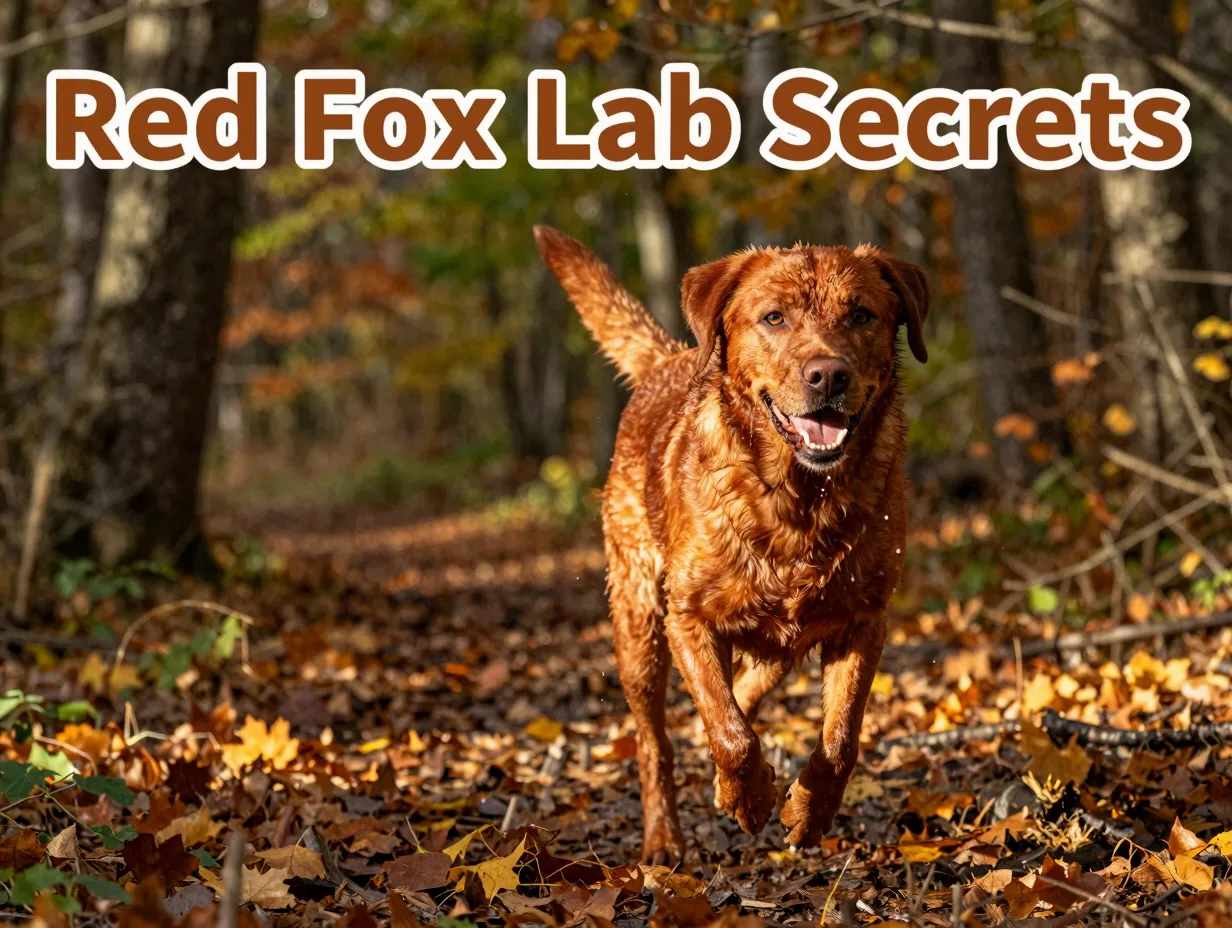
A Red Fox Lab — also called a “fox red Lab” — is simply a Yellow Labrador Retriever with a deep, rich reddish-brown coat. The color comes from a recessive gene that produces more pheomelanin (the pigment responsible for red and yellow tones) than a standard yellow Lab [2]. There is no separate breed registry, no distinct bloodline name, and no official “Red Fox Lab” classification recognized by major kennel clubs.
| Feature | Red Fox Lab | Standard Yellow Lab |
|---|---|---|
| Breed | Labrador Retriever | Labrador Retriever |
| AKC Classification | Yellow (with fault) | Yellow |
| Coat Color | Deep auburn/fox red | Pale cream to golden |
| Temperament | Identical | Identical |
| Health Profile | Identical | Identical |
| Average Size | 55–80 lbs | 55–80 lbs |
Now that the basics are clear, let’s get into what the pet industry rarely tells you. 👇
8 Things Nobody Tells You About Owning a Red Fox Lab Dog
1. They Are Not a Separate Breed — And That Matters More Than You Think

This is the biggest misconception in the fox red Lab world, and it has real consequences for buyers.
Red Fox Labs are 100% purebred Yellow Labradors [2]. The “fox red” label is a color description, not a breed name. Unscrupulous breeders sometimes market them as rare or exotic dogs and charge a premium based on the color alone — which is a red flag. 🚩
“If a breeder is selling a ‘Red Fox Lab’ as a unique breed or charging significantly more than a standard Lab, walk away. You’re paying for marketing, not genetics.”
What this means practically:
- Their temperament is identical to any other Yellow Lab — friendly, loyal, energetic, and eager to please.
- Their health risks are the same as all Labradors.
- Their training needs are the same.
- The color is simply a beautiful bonus — not a special feature that justifies a massive price hike.
2. The Fox Hybrid Myth Is Completely False — But It Persists Online
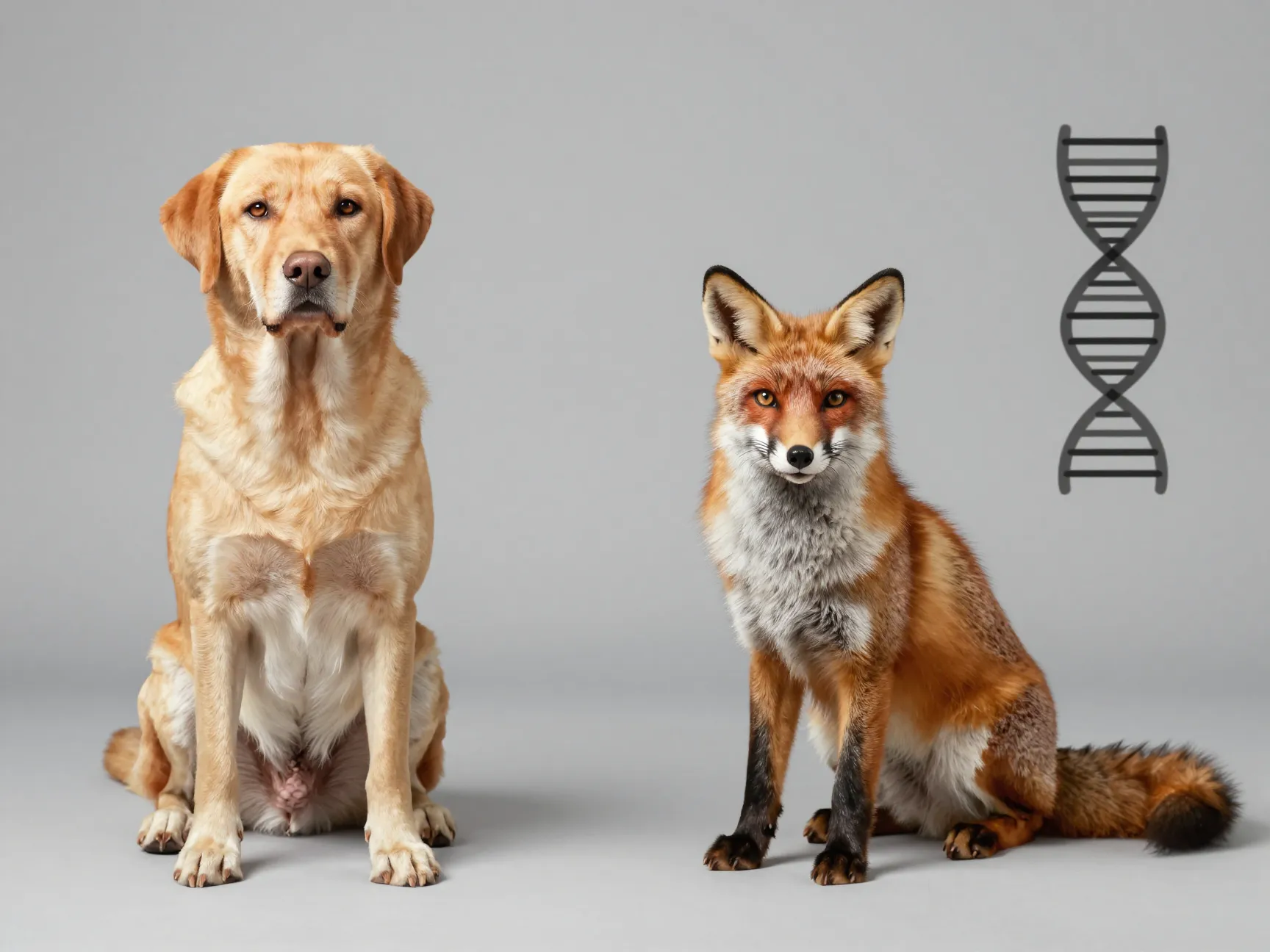
If you search for red fox Labs on social media or certain forums, you’ll still find people claiming these dogs are crossed with actual foxes. Let’s be clear: this is biologically impossible [3].
Foxes and dogs are entirely different species with incompatible genetics. A dog-fox hybrid cannot exist in nature or through breeding programs. The “fox” in “fox red Lab” refers only to the coat color, which resembles the rich auburn of a red fox.
Why does this myth matter? Because:
- It can cause unnecessary fear or hesitation among potential owners.
- It’s sometimes used by dishonest sellers to make the dog sound more “exotic.”
- It spreads misinformation that can affect how neighbors or communities perceive your dog.
When someone asks if your dog is part fox, now you’ll have the perfect answer. 😄
3. Their Coat Color Doesn’t Fully Develop Until 8 Weeks Old
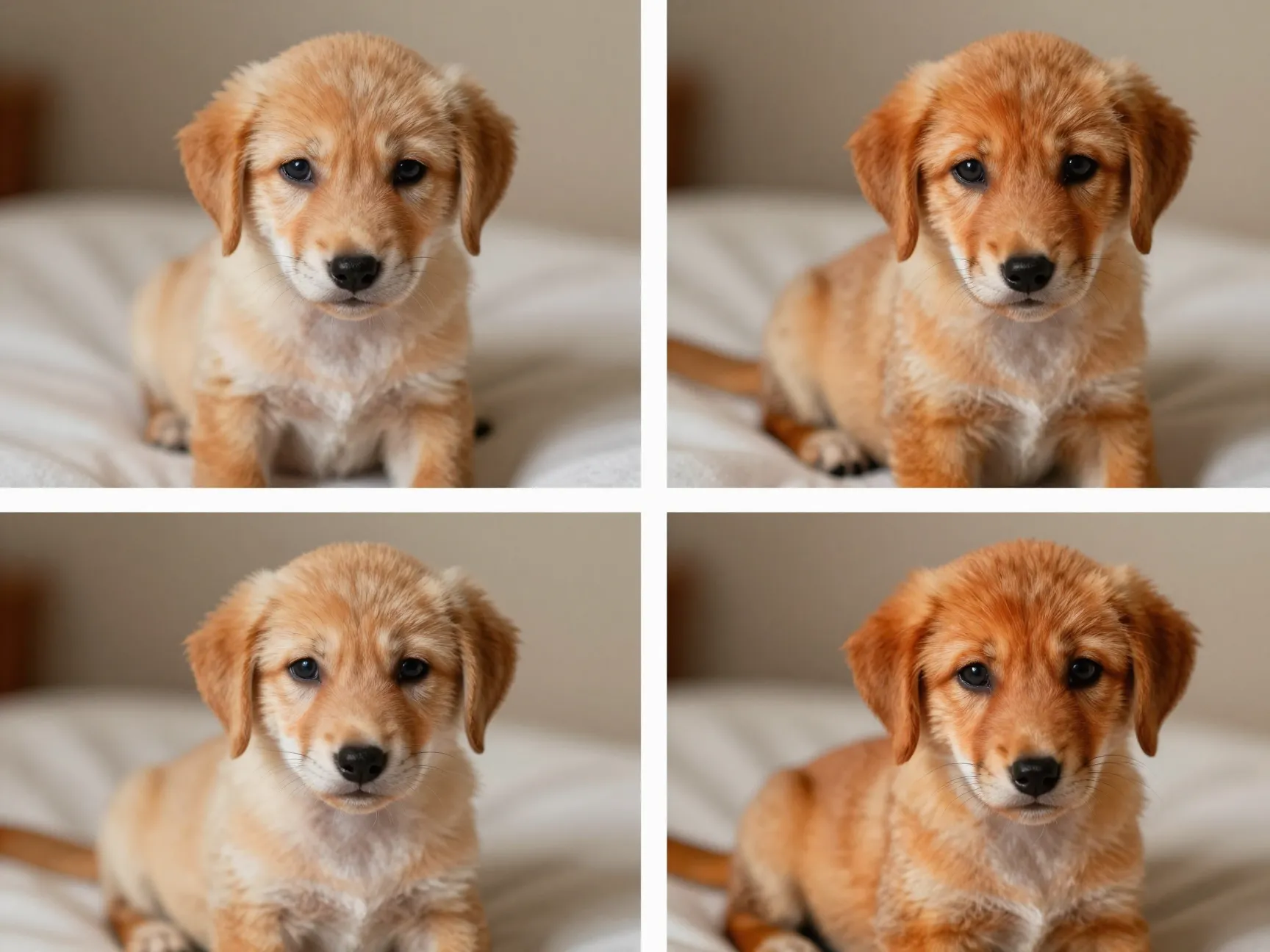
Here’s something that surprises almost every new fox red Lab owner: the puppies don’t look fox red at birth.
When Red Fox Lab puppies are born, they appear only slightly reddish — barely distinguishable from a pale yellow Lab pup. The deeper, richer “fox red” color begins to emerge around three weeks of age and reaches its full, vibrant shade by approximately eight weeks [2].
This has a few practical implications:
- Photos of newborn puppies can be misleading. A reputable breeder should show you updated photos at 6–8 weeks, not just birth photos.
- The final adult coat may shift slightly as the dog matures, sometimes deepening or lightening with age and seasonal changes.
- Coat color is not a health or quality indicator. A deeper red doesn’t mean a healthier or better-bred dog.
If you’re choosing a puppy based on coat color, wait until at least 6–8 weeks before making your decision.
4. The AKC Won’t Let Them Win Best In Show — Ever
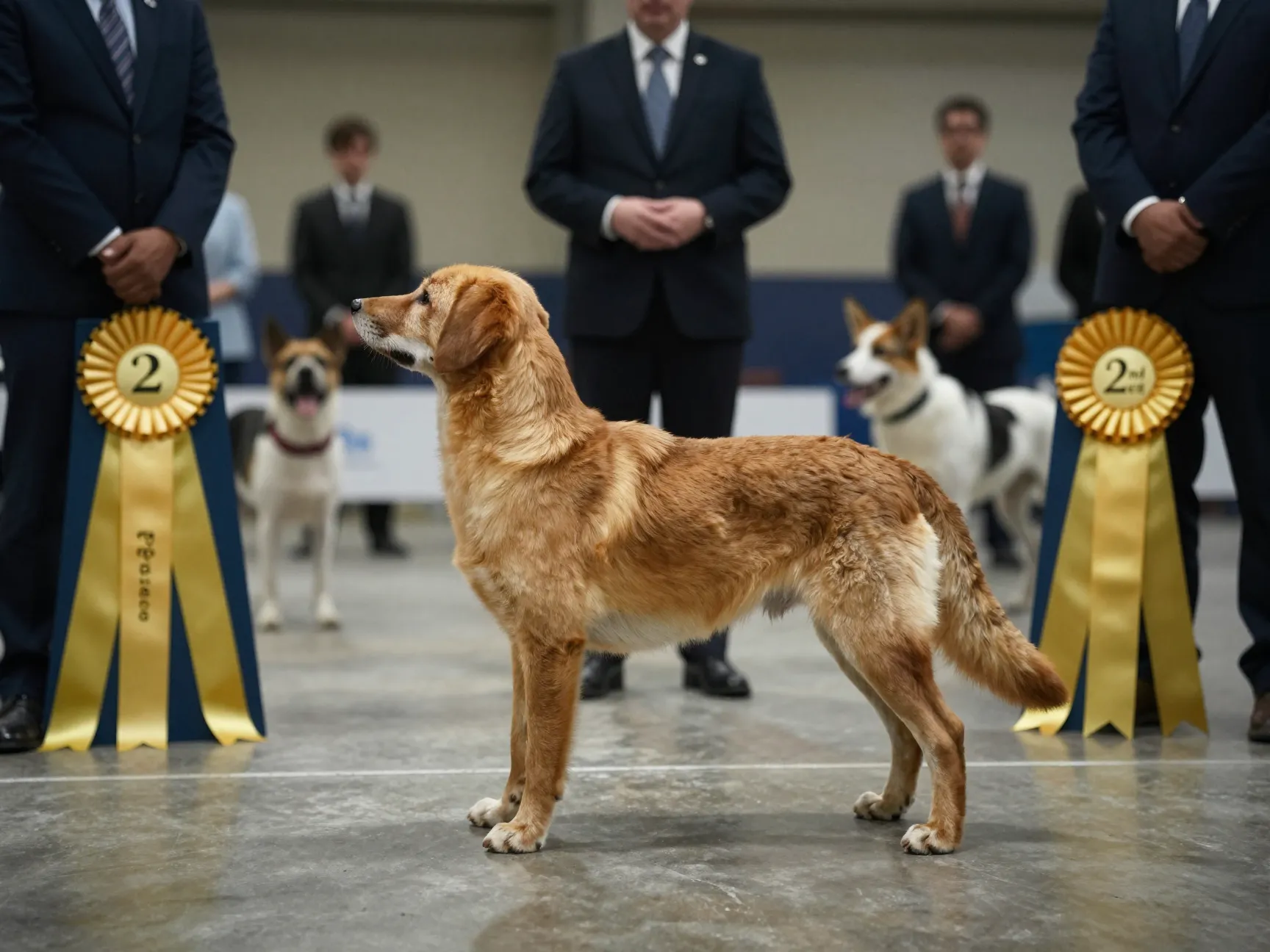
This one stings a little for fox red Lab enthusiasts. 🏆
Despite being fully purebred Labrador Retrievers, Red Fox Labs are classified by the American Kennel Club (AKC) as Yellow Labs with a color fault [2]. The AKC breed standard for Labradors specifies that the yellow coat should range from pale cream to fox red — but in practice, the extreme ends of that spectrum (very pale or very dark) are penalized in conformation shows.
This means:
- A fox red Lab can be registered with the AKC as a purebred Yellow Lab.
- It can compete in AKC events like obedience, agility, and field trials.
- But it cannot win “Best In Show” or top conformation honors due to its color being classified as an imperfection.
For most pet owners, this is completely irrelevant. But if you’re considering showing your dog competitively in conformation events, this is a critical detail to know before you invest time and money.
5. Their Working Dog Heritage Means Exercise Is Non-Negotiable
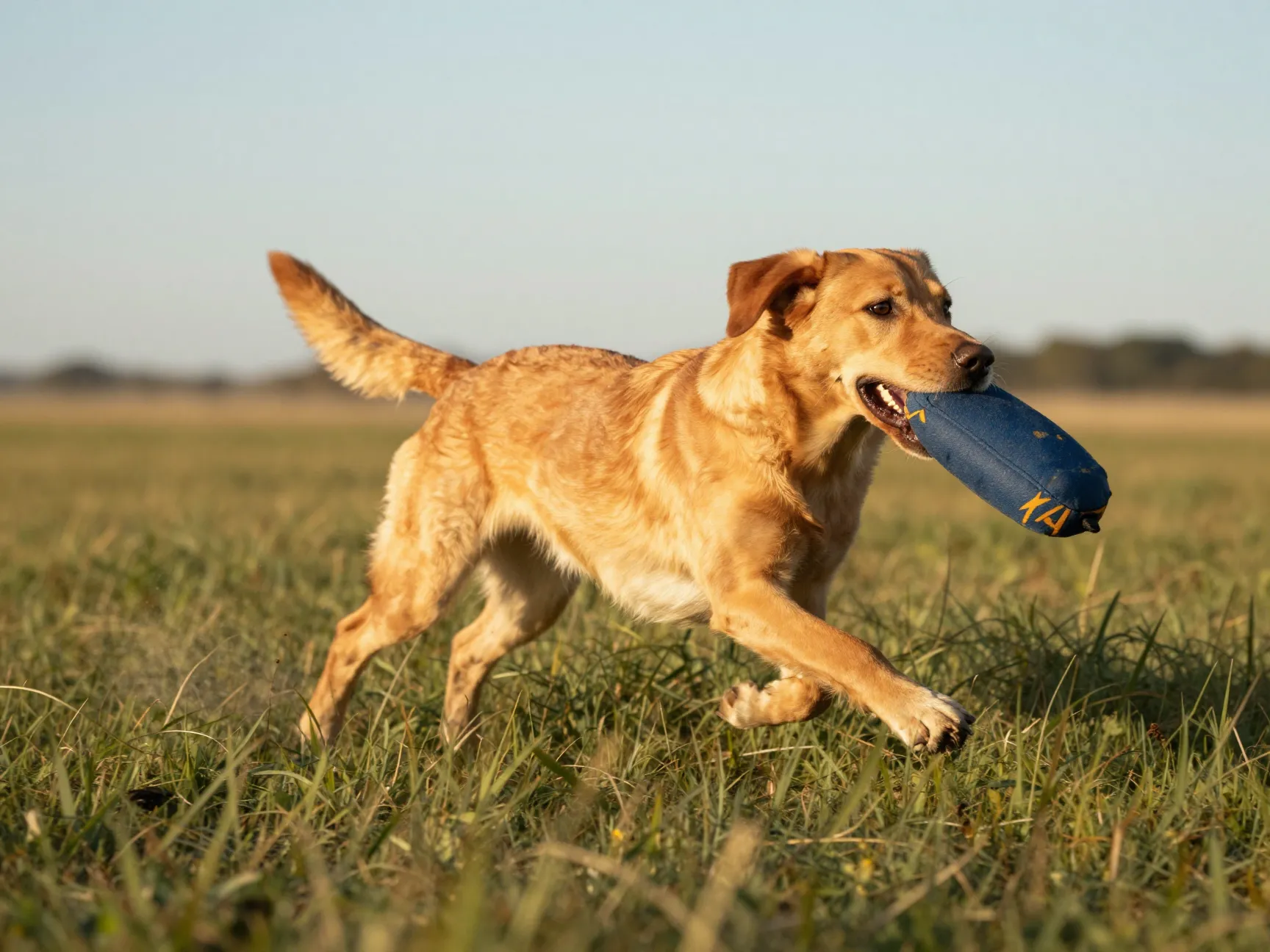
Red Fox Labs predominantly descend from working dog bloodlines — specifically field trial and hunting lines — rather than the show lines that produce the calmer, stockier yellow Labs you might see at a dog show [2].
This distinction is huge for daily life. A working-line Lab has:
- Higher energy levels than show-line Labs
- A stronger drive to retrieve and work
- A greater need for mental stimulation
- Less tolerance for a sedentary lifestyle
“A bored fox red Lab is a destructive fox red Lab. These dogs were bred to work all day — they need an outlet.”
Here’s a realistic daily exercise guide:
| Life Stage | Minimum Daily Exercise |
|---|---|
| Puppy (2–6 months) | 15–20 min (low-impact only) |
| Adolescent (6–18 months) | 45–60 min |
| Adult (1.5–7 years) | 60–90 min |
| Senior (7+ years) | 30–45 min (adjusted for health) |
Without adequate exercise, fox red Labs are prone to:
- Destructive chewing and digging
- Excessive barking
- Hyperactivity and difficulty focusing during training
- Anxiety-related behaviors
If you live in a small apartment with no yard and work 10-hour days, a fox red Lab may not be the right fit — no matter how gorgeous that coat is.
6. Their Quick-Drying Coat Is a Surprisingly Practical Advantage
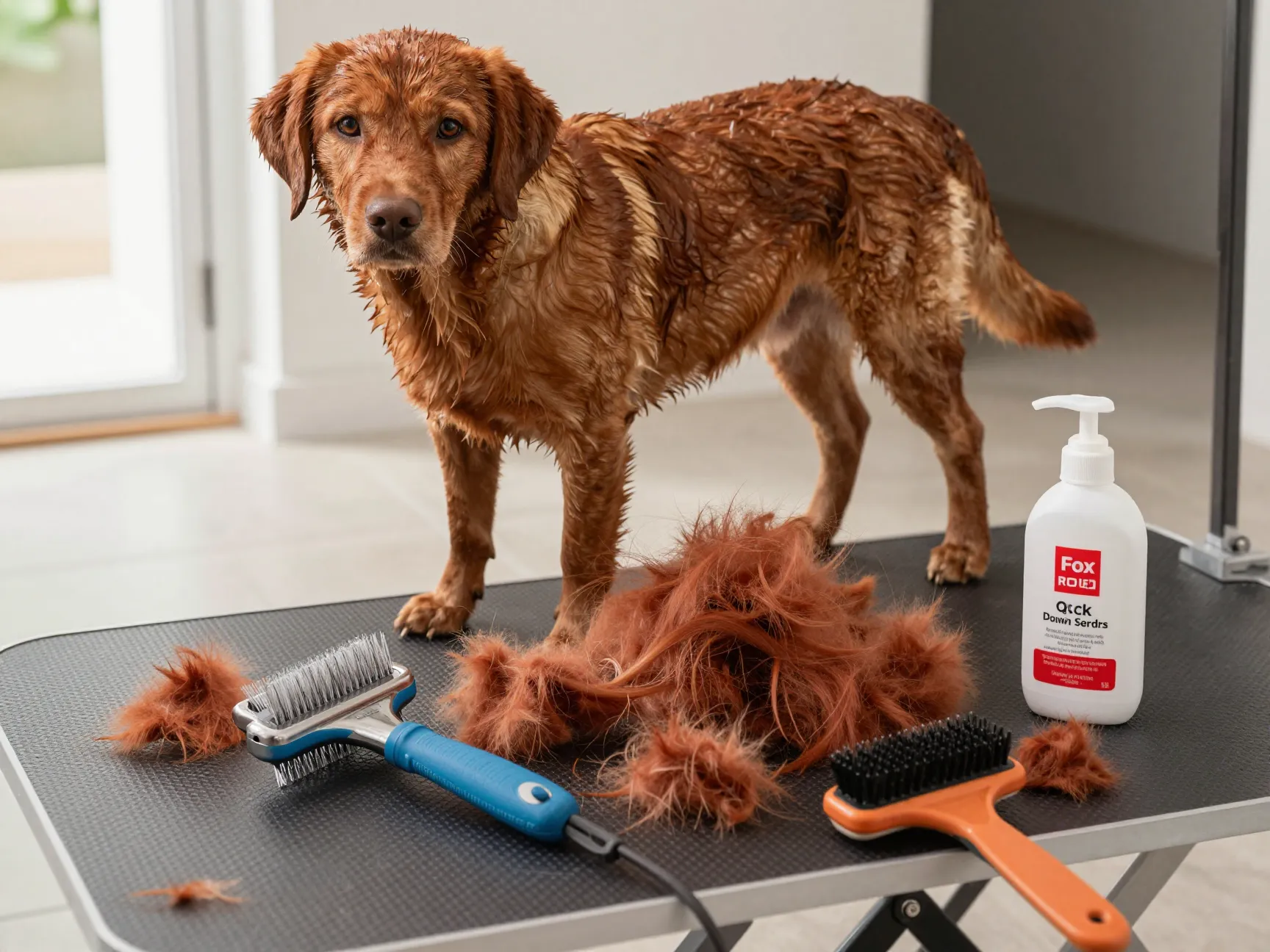
Here’s a positive surprise that most people don’t hear about until after they bring one home: the fox red Lab’s coat dries remarkably fast [1].
Labradors have a double coat with special natural oils that repel water and accelerate drying. For fox red Labs, this means:
- After a swim or a rainy walk, the coat dries within 20–30 minutes in most conditions.
- You’ll spend far less time toweling down your dog compared to many other breeds.
- The coat naturally resists mud and debris to a degree, making cleanup easier.
- This makes them excellent companions for outdoor adventures in wet climates — hiking, kayaking, beach trips, and more.
The trade-off? That double coat sheds — a lot. Twice a year during seasonal “blowing” of the coat, you’ll find fox red fur on absolutely everything. A good deshedding brush used 2–3 times per week is your best friend year-round.
Grooming essentials for fox red Labs:
- Slicker brush (weekly)
- Deshedding tool like a Furminator (2–3x/week during shedding season)
- Ear cleaning solution (weekly — Labs are prone to ear infections)
- Nail trimmer or grinder (monthly)
7. Health Risks Are Real — But Manageable With the Right Breeder
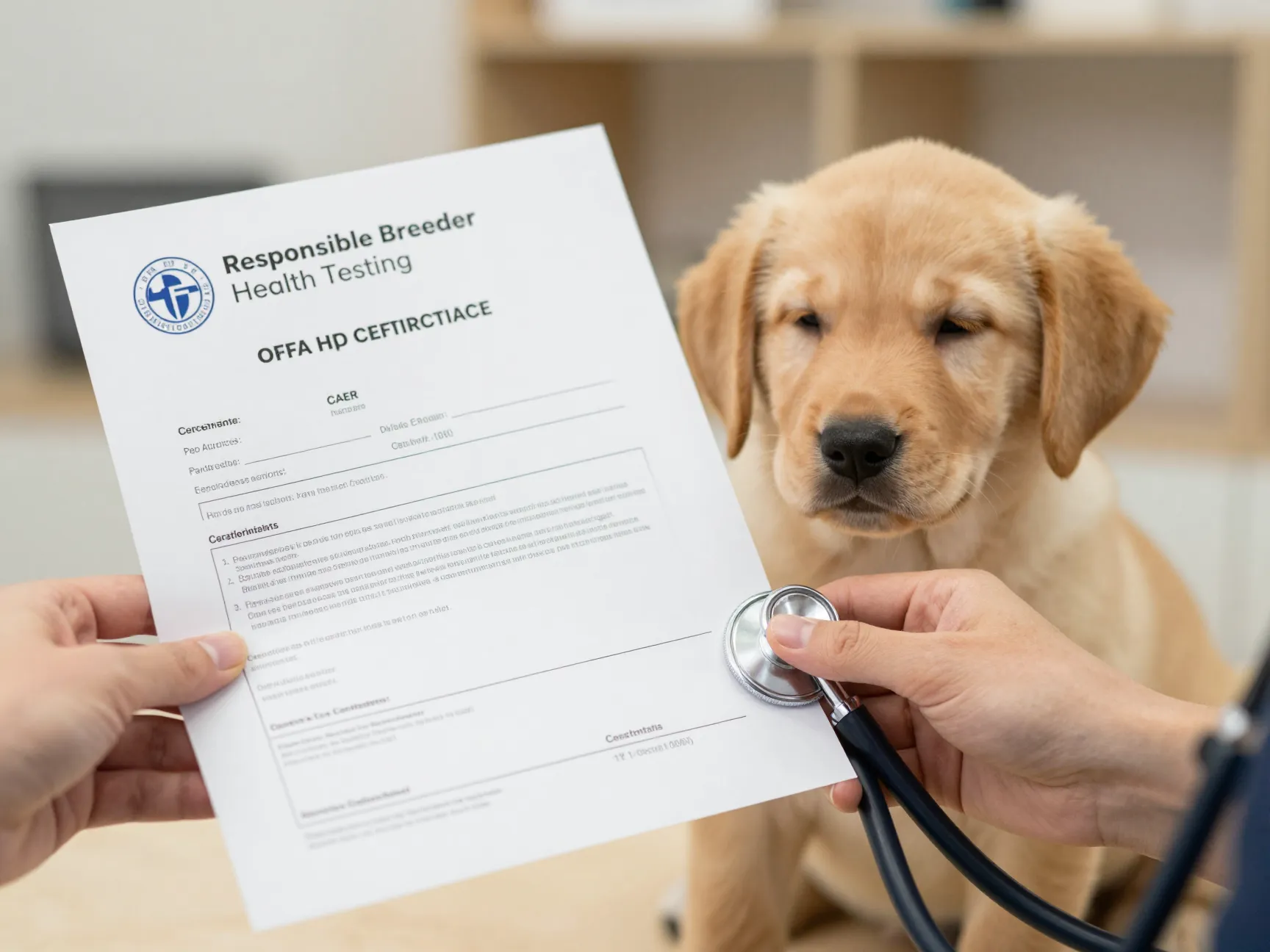
The primary health concerns for Red Fox Labs are the same as all Labradors, and two stand out above the rest:
Hip Dysplasia 🦴
This is a genetic condition where the hip joint doesn’t develop properly, leading to arthritis and mobility issues over time. It’s one of the most common health problems in large breeds, and Labradors are particularly susceptible [3].
Inherited Eye Conditions 👁️
Progressive Retinal Atrophy (PRA) and other hereditary eye disorders can lead to vision loss in Labs. Responsible breeders test for these conditions before breeding [3].
The good news: both conditions are largely preventable through responsible breeding practices. When choosing a puppy, always ask for:
- OFA (Orthopedic Foundation for Animals) hip and elbow certifications for both parents
- CAER (Companion Animal Eye Registry) eye clearances for both parents
- EIC (Exercise-Induced Collapse) testing — a genetic condition more common in working-line Labs
- A written health guarantee covering genetic conditions for at least 2 years
A breeder who can’t provide these documents is a breeder to avoid. Full stop.
8. The Price Tag Is Higher Than Most People Expect — And There’s a Reason Why
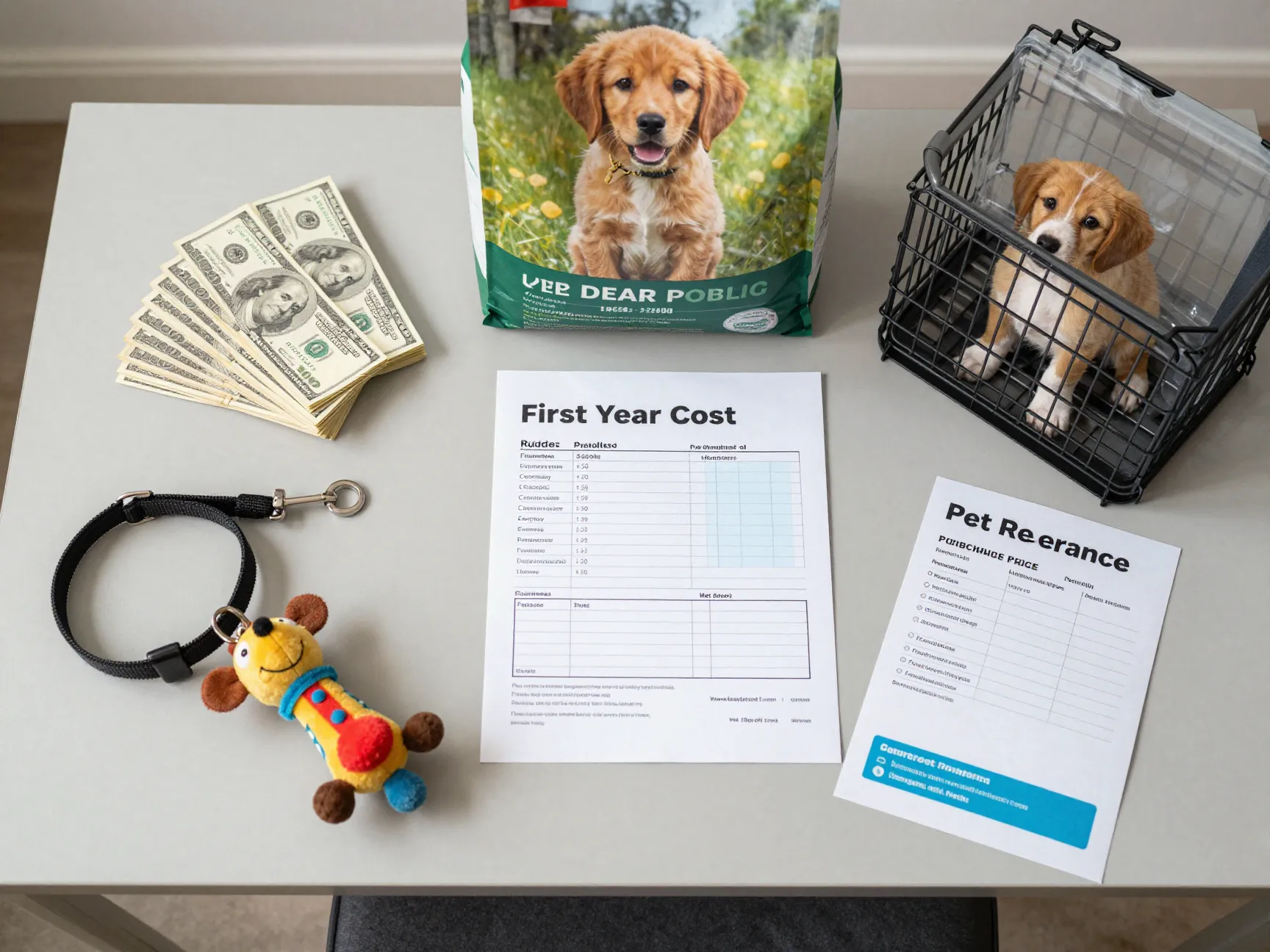
Let’s talk money. 💰
Red Fox Lab puppies from reputable breeders with full health testing, genetic clearances, and health guarantees typically cost between $1,500 and $2,500 [3]. Some highly sought-after lines from proven working or field trial stock can reach $3,000 or more.
You might find puppies advertised for $500–$800, but here’s what that price usually signals:
- No genetic health testing on the parents
- No health guarantee
- Potentially poor socialization practices
- Higher risk of expensive health problems down the road
True cost of ownership in Year 1 (approximate):
| Expense | Estimated Cost |
|---|---|
| Puppy purchase | $1,500–$2,500 |
| Initial vet visit + vaccines | $200–$400 |
| Spay/neuter (if applicable) | $300–$600 |
| Food (high-quality kibble) | $600–$900/year |
| Training classes | $150–$400 |
| Supplies (crate, leash, toys, bed) | $300–$500 |
| Pet insurance (recommended) | $400–$700/year |
| Year 1 Total | ~$3,450–$5,900+ |
The upfront investment in a well-bred puppy from a health-tested litter almost always saves money — and heartbreak — in the long run.
Bonus: Is a Red Fox Lab Right for You? Quick Self-Assessment
Before you commit, ask yourself these questions:
✅ Do you have 60–90 minutes daily for exercise?
✅ Are you prepared for heavy shedding year-round?
✅ Can you budget $3,500–$6,000 for Year 1 costs?
✅ Do you have space (yard preferred) for an active large-breed dog?
✅ Are you committed to early socialization and obedience training?
If you answered yes to all five — congratulations, a fox red Lab might be your perfect match. 🐕❤️
Conclusion: What the 8 Things Nobody Tells You About Owning a Red Fox Lab Dog Really Mean for You
The 8 things nobody tells you about owning a red fox lab dog paint a clear picture: this is a stunning, loyal, and deeply rewarding companion — but one that comes with real responsibilities that the glossy Instagram photos don’t show.
Here’s your action plan:
- Do your research — verify that any breeder you contact provides full OFA and eye health certifications for both parents.
- Budget honestly — plan for $3,500–$6,000 in Year 1 costs and keep an emergency fund for unexpected vet bills.
- Assess your lifestyle — be honest about your ability to provide 60–90 minutes of daily exercise. This dog needs it.
- Ignore the myths — your fox red Lab is a purebred Yellow Lab with a beautiful coat, not a fox hybrid or exotic breed.
- Start training early — enroll in a puppy obedience class within the first few weeks of bringing your dog home.
A well-matched fox red Lab owner will experience one of the most joyful, active, and affectionate bonds possible between a human and a dog. Go in with open eyes, and this dog will reward you for life. 🦊❤️
References
[1] Watch – https://www.youtube.com/watch?v=9NIGmM6ujio
[2] Red Fox Lab – https://a-z-animals.com/blog/red-fox-lab/
[3] Red Fox Lab Puppies Top 5 Things You Need To Know About This Breed – https://myredfoxlabs.com/red-fox-lab-puppies-top-5-things-you-need-to-know-about-this-breed/