8 Surprising Truths About the Mini Australian Sheep Dog Personality
Only 37% of first-time Mini Australian Shepherd owners report feeling fully prepared for what they actually got — according to breed community surveys. The gap between expectation and reality with this dog is striking. Most people adopt one thinking they’re getting a smaller, easier version of the standard Aussie. What they actually get is a compact powerhouse with an enormous personality, an opinion about everything, and zero interest in being a lap dog.
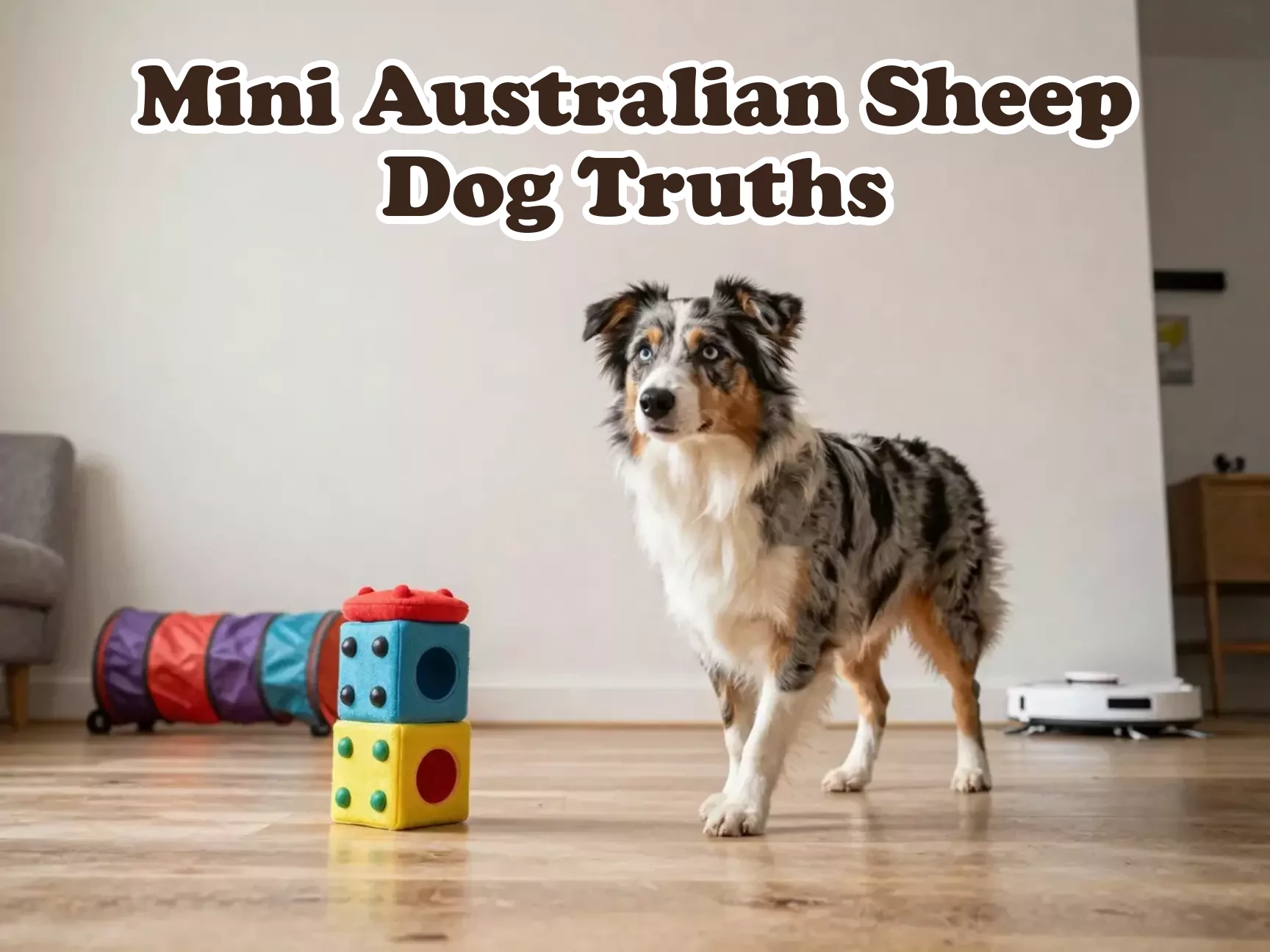
This article digs into the 8 surprising truths about the Mini Australian Sheep Dog personality that most breeders don’t put front and center. Whether you already own one or you’re seriously considering it, these insights will reshape how you understand — and live with — this remarkable breed. The 8 surprising truths about the Mini Australian Sheep Dog personality covered here come from real owner experiences, breed experts, and behavioral research. Knowing them now will save you a lot of confusion later.
Key Takeaways 🐾
- Size is deceiving — Mini Aussies carry the same intense energy and drive as their full-sized counterparts
- Mental stimulation matters as much as physical exercise — a bored Mini Aussie becomes a destructive Mini Aussie
- Loyalty runs deep — expect a shadow that follows you to every room, including the bathroom
- Early socialization is non-negotiable — without it, their natural reserve can turn into shyness or nipping
- Their intelligence cuts both ways — they can learn commands fast, but they can also outsmart you just as quickly
The 8 Surprising Truths About the Mini Australian Sheep Dog Personality You Need to Know
Let’s get into it. These aren’t the surface-level traits you’ll find on a breed overview page. These are the real, lived truths that define what it’s actually like to share your home with a Mini Aussie.
1. They Are “Velcro Dogs” — And That’s Not Always Cute
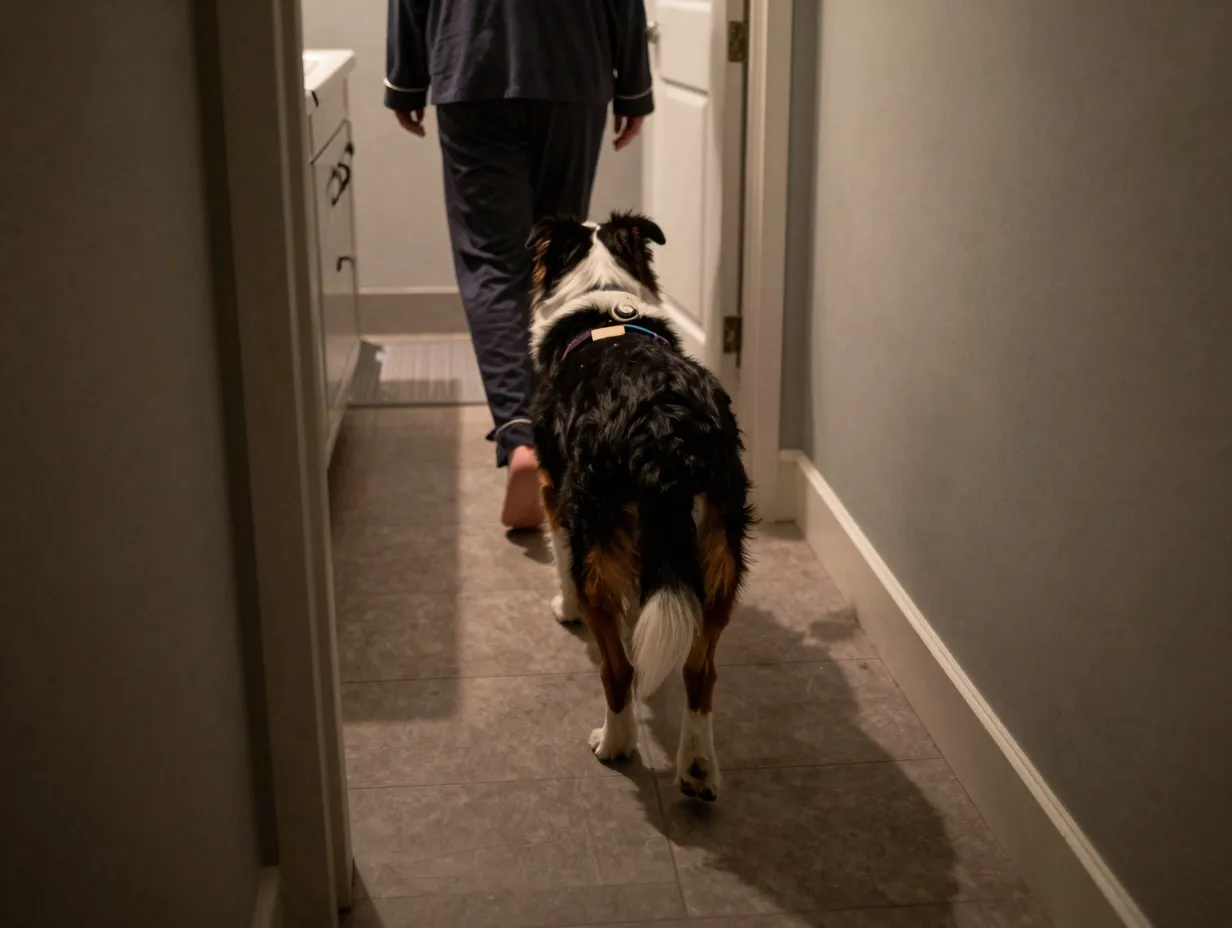
The Mini Australian Shepherd’s loyalty is legendary, but it comes with a behavioral pattern that surprises most new owners: they follow you everywhere. Not sometimes. Not when they feel like it. Everywhere.
💬 “They treat even mundane household chores as group events that require their constant presence.” [2]
From the shower to the laundry room to the bathroom at 2 a.m., your Mini Aussie will be there. This “Velcro dog” behavior stems from their deeply bonded working dog heritage. Historically, these dogs worked alongside their handlers all day. That instinct hasn’t gone anywhere just because they’re living in a suburban home now.
What this means for you:
- Separation anxiety is a real risk if not managed early
- Crate training from puppyhood helps build healthy independence
- Alone time should be introduced gradually and positively
- Mental enrichment toys can ease anxiety when you’re away
This isn’t a breed for people who want a dog that’s content to hang out solo. If you work long hours away from home without a plan in place, a Mini Aussie may struggle more than most breeds.
2. They Communicate in Ways That Go Far Beyond Barking
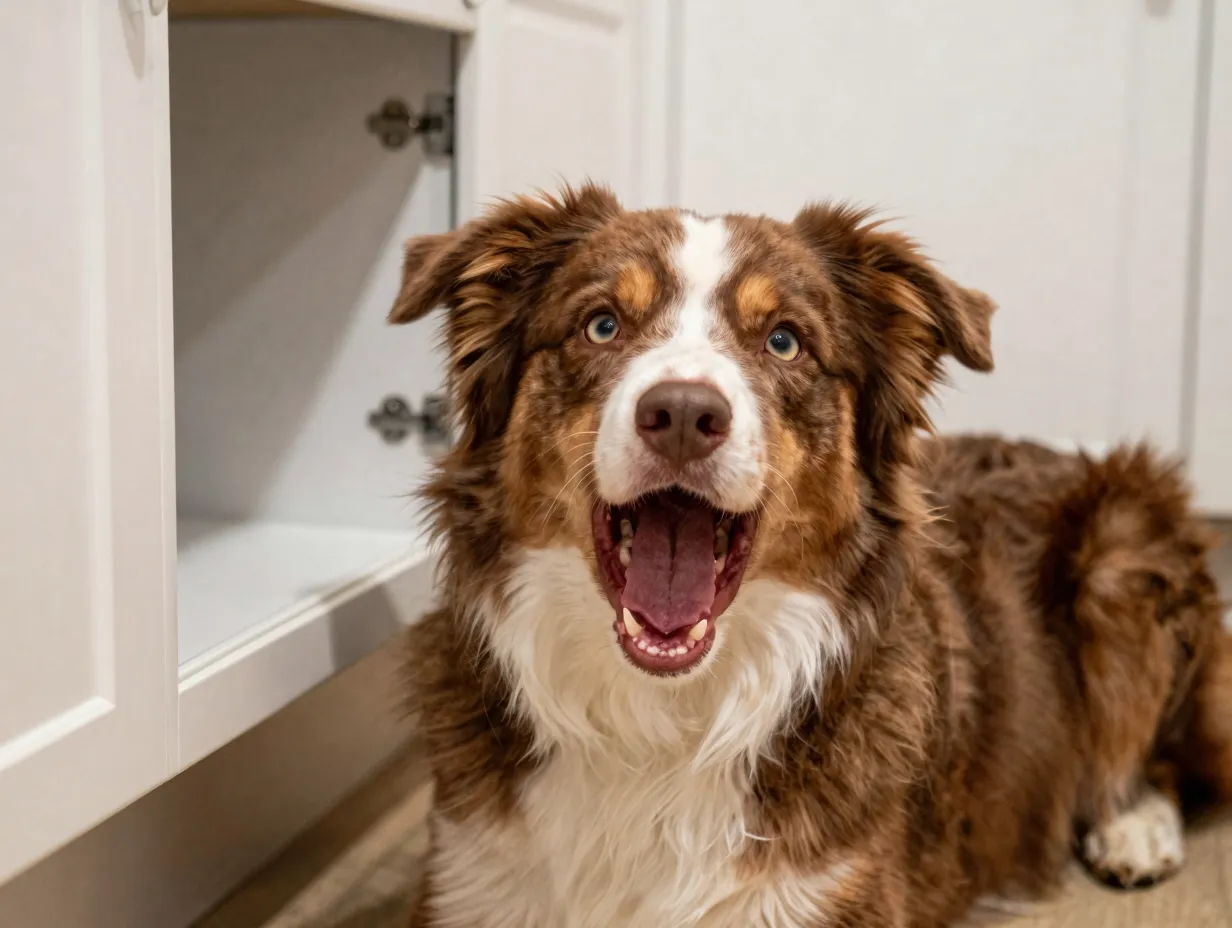
If you’ve ever wanted a dog that talks back, congratulations — you’ve found your match. Mini Aussies are remarkably vocal, but not always in the way you’d expect. Yes, they bark. But they also groan, chuff, whine, and deploy strategic eye contact to get what they want [1].
Many owners describe it as living with a furry toddler. Your dog will stare at the treat cupboard, then stare at you, then back at the cupboard. If you don’t respond, the groaning begins. It’s manipulative, it’s charming, and it works more often than most owners care to admit.
Common Mini Aussie vocalizations and what they mean:
| Vocalization | Typical Meaning |
|---|---|
| Groan/moan | “I’m bored” or “Pay attention to me” |
| Chuff (short huff) | Mild frustration or alerting |
| High whine | Excitement or anxiety |
| Sustained eye contact | “I want something specific” |
| Bark sequence | Alert, alarm, or play request |
This communication richness is one of the breed’s most endearing traits — but it can also be exhausting if you’re not prepared for a dog that has opinions and expresses them freely.
3. Their Intelligence Has a Rebellious Side
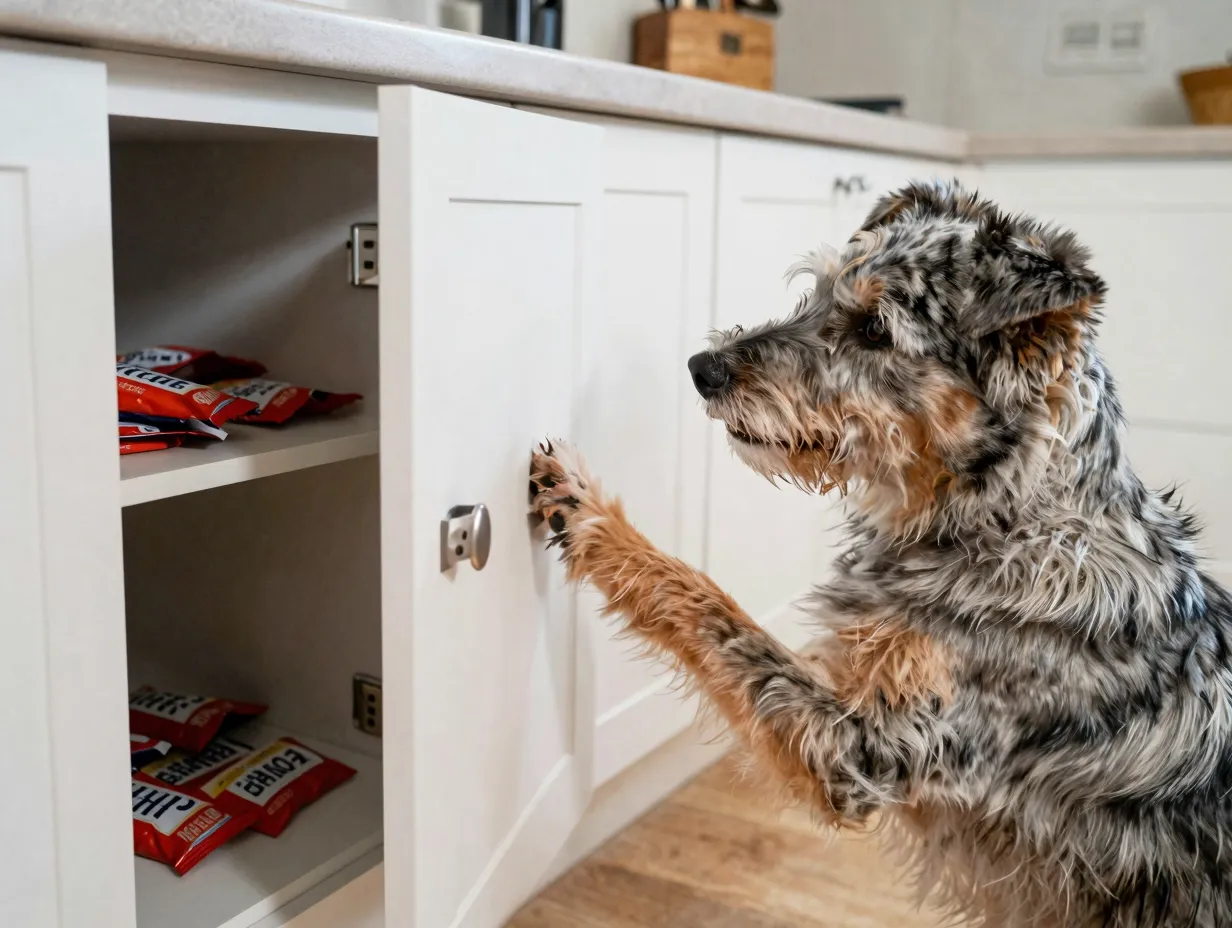
Mini Aussies are undeniably smart. They pick up commands quickly, excel in dog sports, and can solve problems that would stump many other breeds. But here’s the truth most training guides gloss over: that same intelligence makes them capable of outsmarting you [1].
Leave them unsupervised near a treat cupboard? They’ll figure out how to open it. Give them a rule they don’t agree with? They’ll find a workaround. This isn’t stubbornness in the traditional sense — it’s problem-solving applied to their own agenda.
The good news: When properly channeled, this intelligence is extraordinary. Mini Aussies thrive in:
- 🏆 Agility competitions
- 🧩 Puzzle toy challenges
- 🎯 Obedience and trick training
- 🐑 Herding trials (yes, even the minis)
- 🔍 Nose work and scent detection
The key insight: Training a Mini Aussie isn’t about dominating a stubborn dog. It’s about being more interesting and more consistent than whatever else they’re thinking about. Positive reinforcement, variety, and short sessions beat repetitive drills every time.
4. The “Submissive Smile” Will Confuse You (And Possibly Alarm Your Guests)
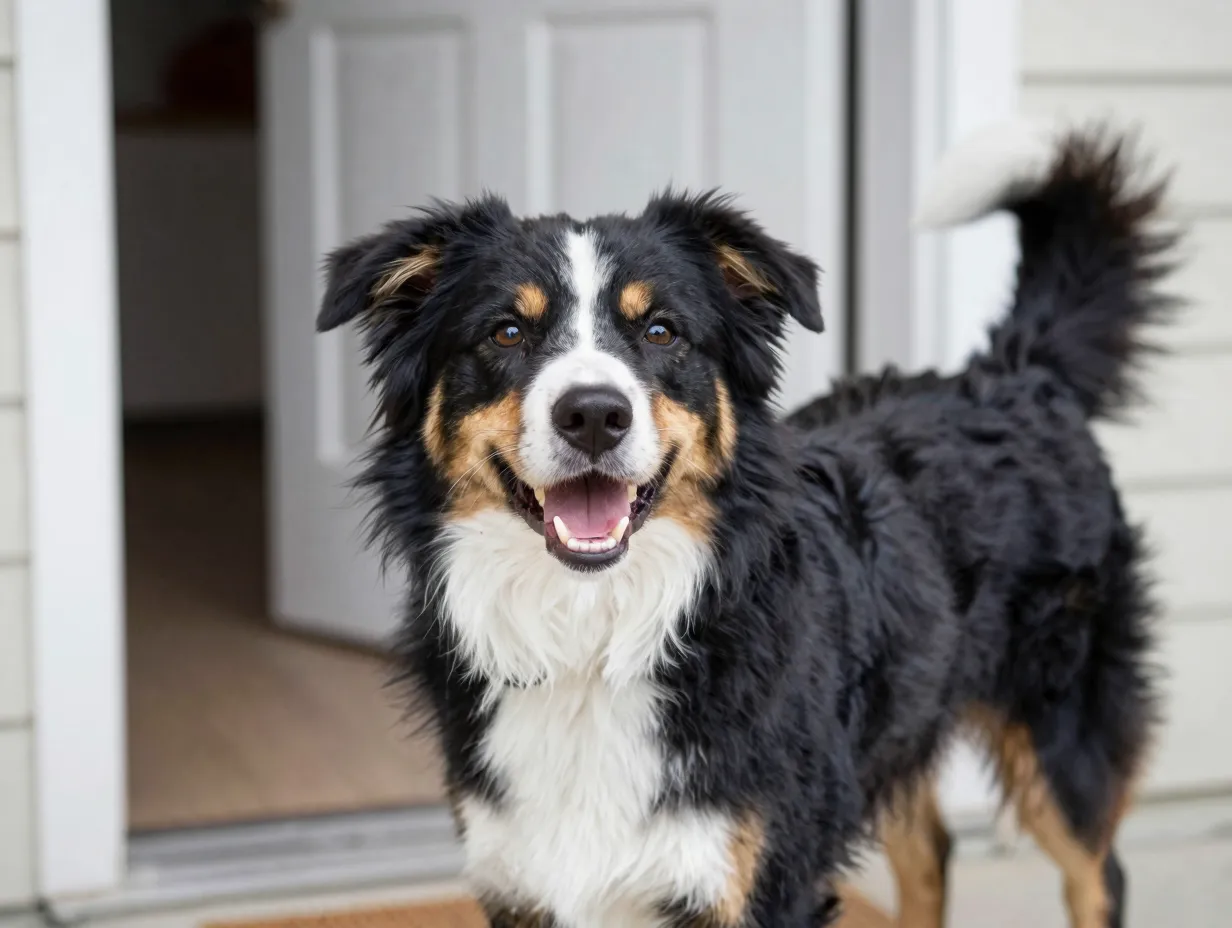
This one catches almost every new owner off guard. Mini Aussies sometimes grin — they pull their lips back to show their teeth in a wide, toothy expression when they’re excited or happy [1].
The problem? It looks exactly like a growl or a threat display to anyone who doesn’t know the breed.
💬 This expression is actually a submissive, affectionate gesture — the Mini Aussie version of a happy face.
How to tell the difference between a smile and a threat:
- Smile: Relaxed body, loose tail wag, soft eyes, wiggly posture
- Threat: Stiff body, raised hackles, hard direct stare, low growl
If your Mini Aussie greets you at the door with a toothy grin and a full-body wiggle, they’re delighted to see you. Don’t panic — and maybe warn your guests in advance so they don’t panic either.
5. Herding Instincts Don’t Respect Boundaries — Or Species
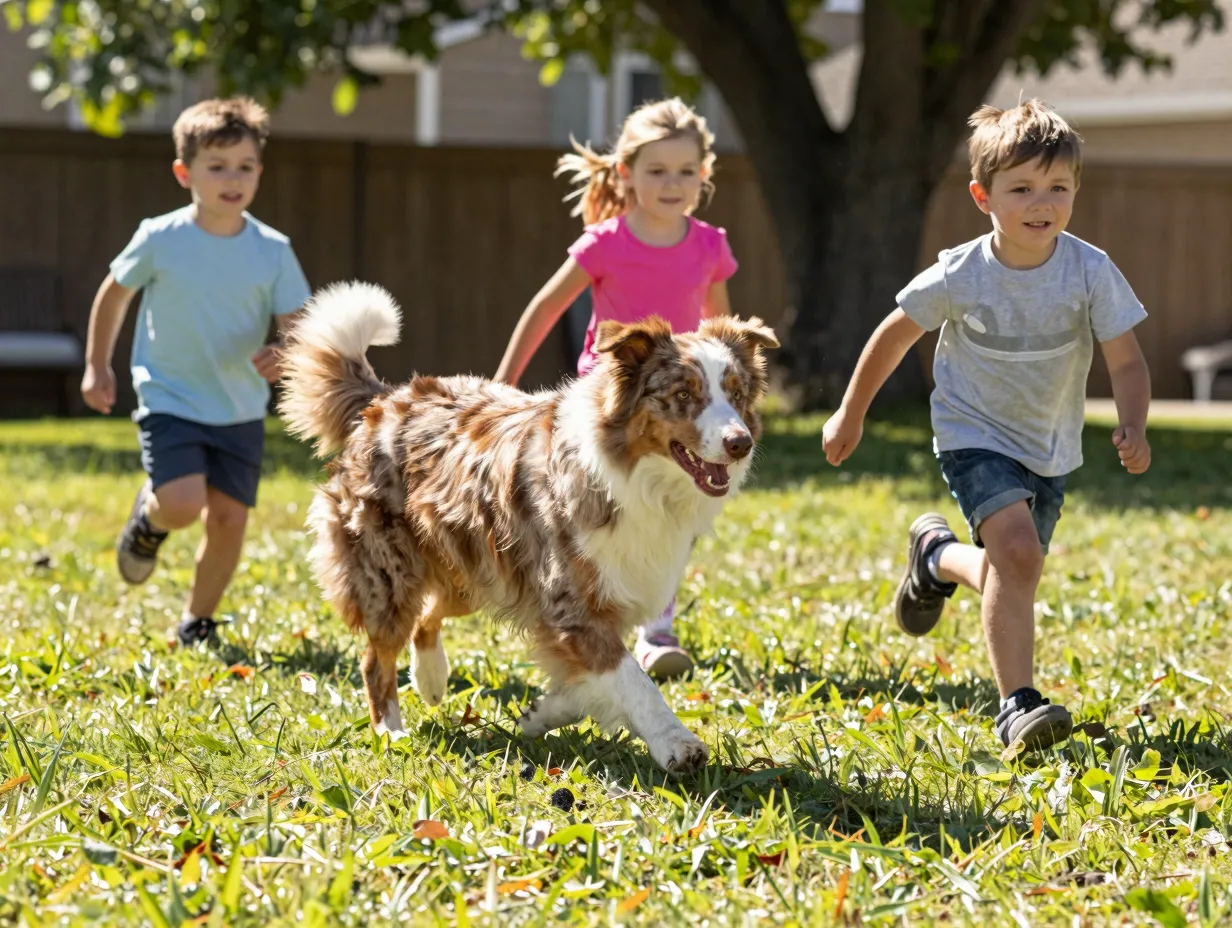
Here’s a truth that generates both laughs and genuine frustration in Mini Aussie households: these dogs will try to herd anything that moves [2].
Children? Absolutely. Other pets? Of course. Houseguests who move too quickly? Fair game. A Roomba vacuum cleaner making its way across the floor? That robot is getting herded.
This behavior is hardwired. It’s not aggression — it’s instinct. But it can become a problem, especially with young children who may be nipped at the heels (a classic herding technique) or knocked over.
Managing herding behavior:
- Redirect the energy into appropriate outlets — fetch, frisbee, agility
- Teach a solid “leave it” command early
- Supervise interactions with toddlers and small children
- Consider herding classes where the instinct can be expressed safely
- Never punish the behavior harshly — redirect and reward instead
The herding instinct is part of what makes this breed so alert and responsive. Work with it, not against it.
6. They Treat Strangers Like Security Assessments
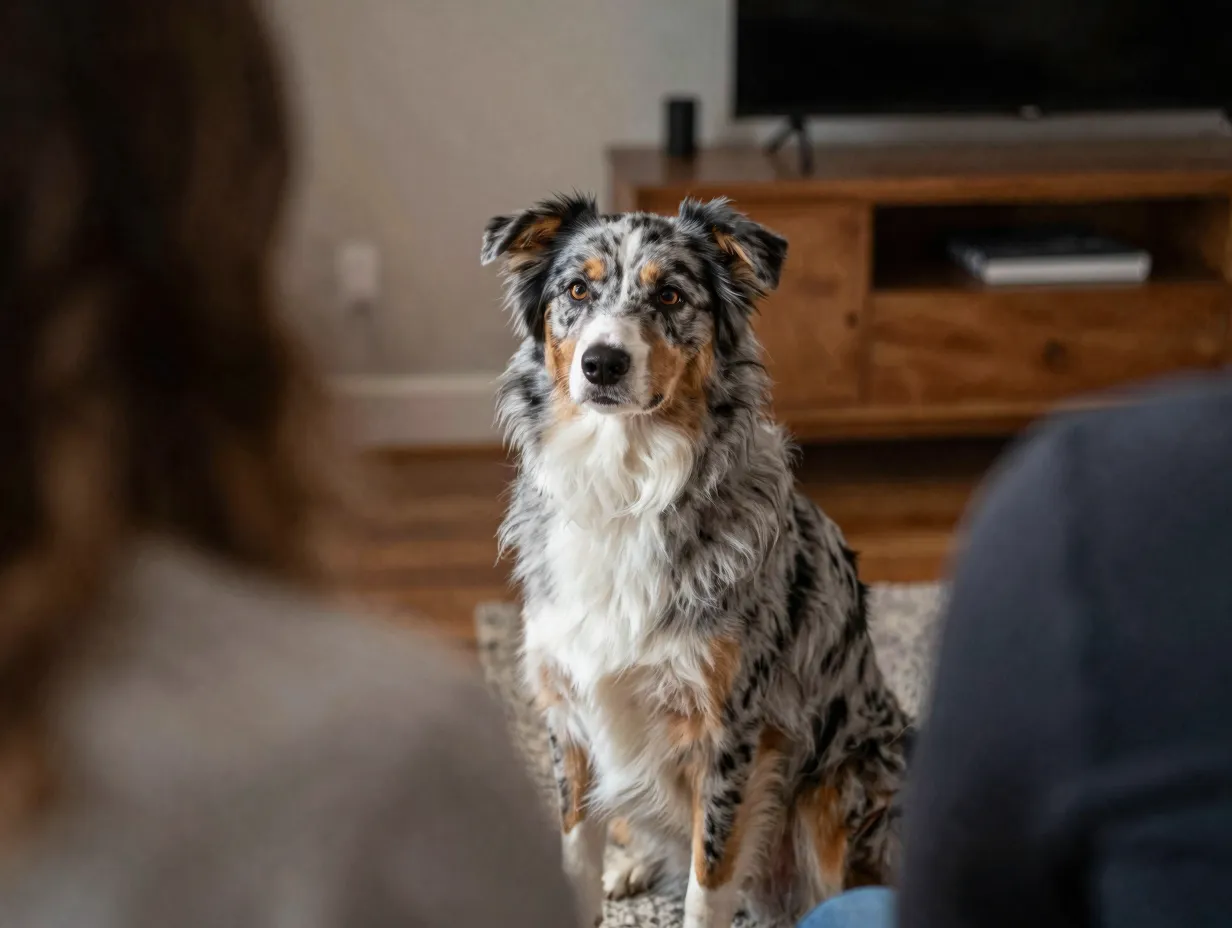
Don’t expect your Mini Aussie to run up to every new person with a wagging tail and an open heart. This breed is loyal to its inner circle and cautious about everyone else [2].
When a stranger enters the picture, the Mini Aussie goes into evaluation mode. They’ll observe quietly, circle at a distance, and make a judgment call about whether this new person deserves tolerance — let alone affection. It’s not rudeness. It’s discernment.
This trait is directly tied to their guardian dog heritage. They were bred to assess threats and protect their flock. That instinct translates into a reserved, watchful attitude toward unfamiliar people.
What this looks like in real life:
- Slow to warm up to new visitors
- May bark once or twice as an alert, then watch silently
- Will often ignore strangers rather than engage with them
- Becomes more relaxed once the owner signals the person is safe
- Rarely aggressive, but also rarely immediately friendly
This makes them excellent watchdogs. It also means socialization (covered in Truth #8) is critical to prevent this natural reserve from tipping into anxiety or reactivity.
7. Mental Stimulation Is Not Optional — It’s Survival
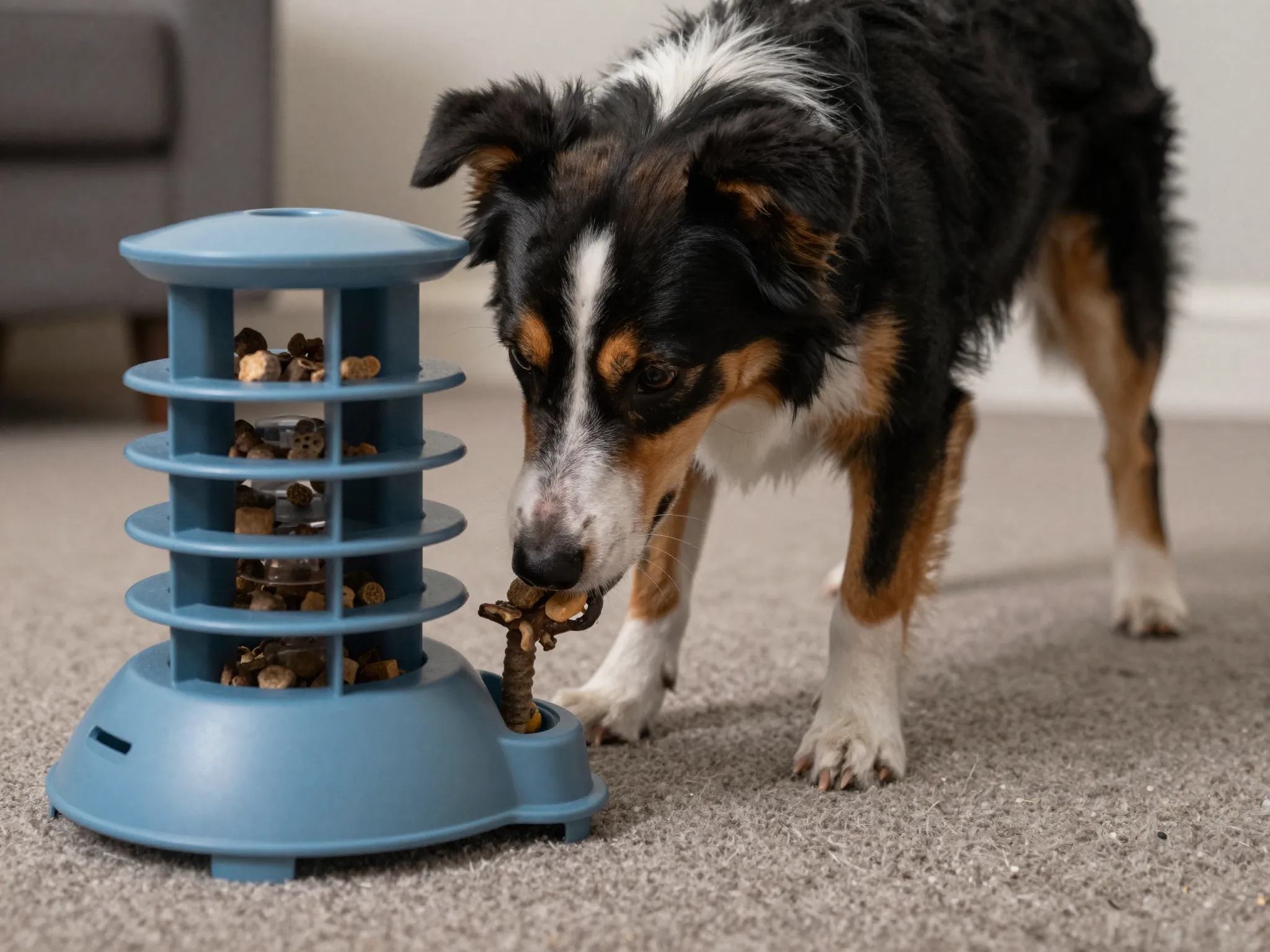
This is perhaps the most underestimated truth about the Mini Australian Sheep Dog personality: physical exercise alone is not enough [5].
A Mini Aussie that gets two walks a day but no mental engagement is like a gifted student stuck in a classroom with nothing to do. They will find something to do. And you probably won’t like what they choose.
Owners who provide only physical activity without mental challenges report behaviors including:
- Stripping wallpaper
- Chewing furniture legs
- Obsessive barking
- Digging holes in the yard
- Rearranging household items
💬 “Homes providing only physical activity without mental engagement produce dogs that are physically fit but mentally restless.” [5]
Mental enrichment ideas that actually work:
| Activity | Difficulty | Time Required |
|---|---|---|
| Snuffle mats | Easy | 10-15 min |
| Kong stuffed with frozen food | Easy | 20-30 min |
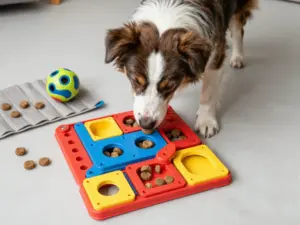
| Puzzle feeders | Medium | 15-20 min |
| Hide-and-seek with treats | Medium | 20 min |
| Learning new tricks | Medium-Hard | 10-15 min/session |
| Agility training | Hard | 30-60 min |
| Nose work classes | Hard | 45-60 min |
Aim for at least one dedicated mental enrichment session per day in addition to physical exercise. This is the single most impactful thing you can do to prevent destructive behavior.
8. Early Socialization Is Non-Negotiable — The Breed Default Is Reserved, Not Friendly
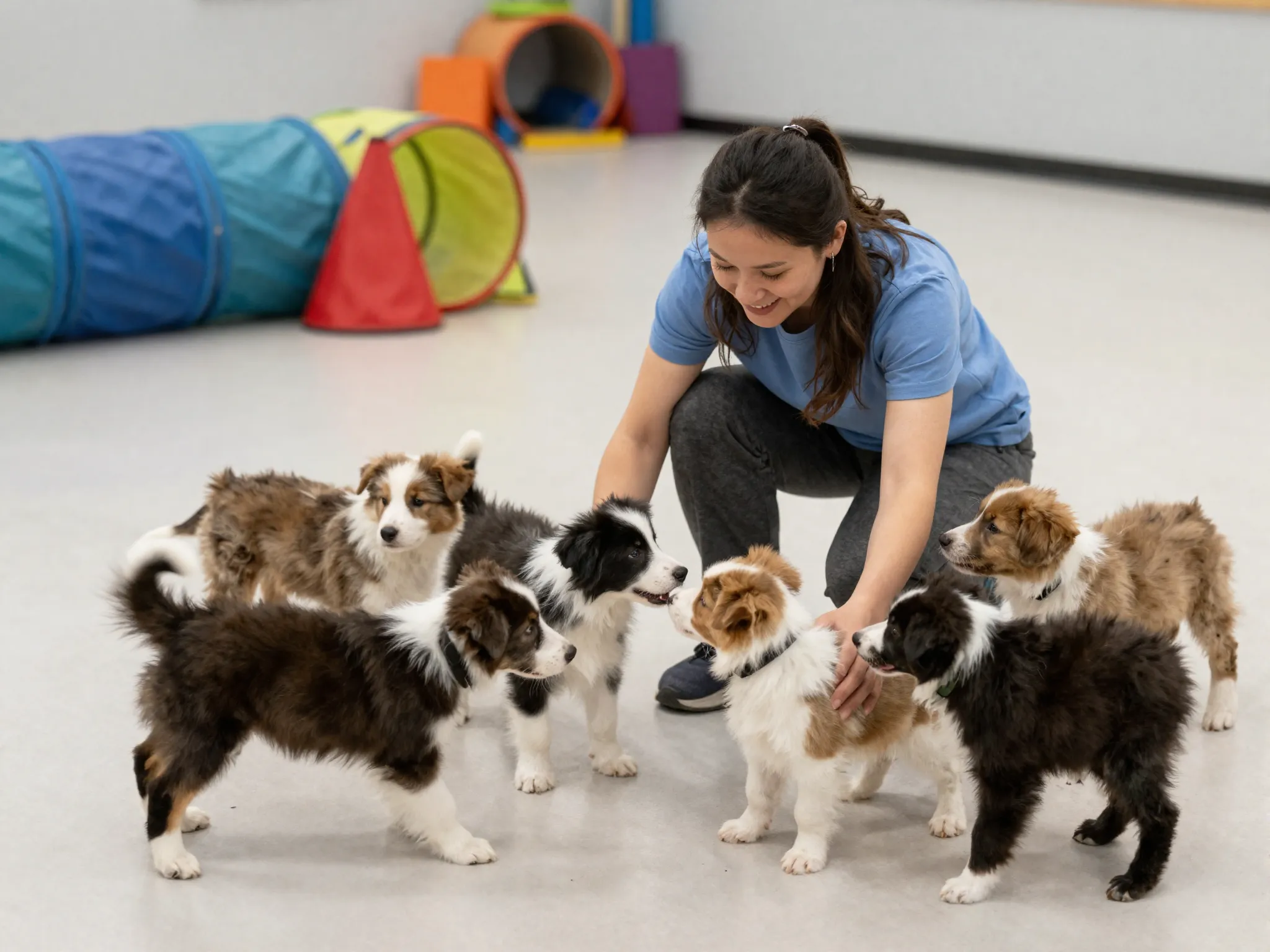
The final truth in the 8 surprising truths about the Mini Australian Sheep Dog personality is one that many breeders don’t emphasize enough: the breed standard produces reserved dogs, not social butterflies [6].
Left to their natural inclinations without deliberate socialization, Mini Aussies can become shy, suspicious, and prone to nipping when startled or overwhelmed. This isn’t a flaw — it’s the breed doing what it was designed to do. But in a modern domestic environment, that reserve needs to be shaped carefully.
The socialization window matters enormously:
- 3–12 weeks: Critical period for exposure to people, sounds, surfaces, and animals
- 3–6 months: Continue broadening experiences; introduce new environments
- 6–12 months: Reinforce positive associations; don’t skip this phase even if the puppy seems confident
- 12+ months: Ongoing socialization throughout life [6]
What good socialization looks like:
- Puppy classes with positive reinforcement trainers
- Controlled exposure to children, men, women, hats, uniforms
- Car rides, vet visits, pet-friendly stores
- Playdates with calm, vaccinated dogs
- Exposure to different sounds — traffic, thunder recordings, appliances
Skipping or rushing socialization is one of the most common mistakes Mini Aussie owners make — and one of the hardest to correct later. Start early, stay consistent, and make every new experience positive.
Bonus Truth: Smaller Size Does Not Mean Lower Energy
This deserves its own mention because it’s the misconception that drives the most rehoming situations. People adopt a Mini Aussie thinking the smaller frame means a calmer dog. It doesn’t [3].
Mini Aussies carry the same energy drive as standard Australian Shepherds. The miniaturization was about body size, not temperament. These dogs need substantial daily activity — most experts recommend a minimum of 60-90 minutes of active exercise per day, plus the mental enrichment discussed above.
If you’re looking for a low-energy companion, this is not your breed. If you’re an active person, a runner, a hiker, or someone who wants a dog to match your lifestyle — this might be the perfect match.
What Kind of Owner Thrives With a Mini Aussie?
Understanding the 8 surprising truths about the Mini Australian Sheep Dog personality makes it easier to assess whether this breed fits your life. Here’s an honest breakdown:
✅ Great fit if you:
- Are active and enjoy outdoor activities
- Work from home or have flexible hours
- Love training and mental engagement with your dog
- Have experience with herding breeds
- Want a deeply bonded, loyal companion
- Have older children who can handle an energetic dog
❌ Not a great fit if you:
- Work long hours away from home without a dog walker or daycare
- Prefer a low-maintenance, independent dog
- Have very young toddlers and no experience managing herding behavior
- Live in a small apartment with no outdoor access
- Can’t commit to daily exercise and enrichment
Conclusion: The Mini Aussie Is Worth Every Bit of the Effort
The 8 surprising truths about the Mini Australian Sheep Dog personality paint a clear picture: this is a breed that demands as much as it gives. The loyalty is extraordinary. The intelligence is genuinely impressive. The communication is almost uncanny. But none of those qualities come for free — they require an owner who shows up consistently, trains thoughtfully, and respects what this dog was bred to do.
Your actionable next steps:
- Audit your lifestyle honestly — does it match what this breed needs?
- Research reputable breeders or rescues who health-test and temperament-assess their dogs
- Book a puppy class before your dog even comes home — get on the waitlist now
- Build a daily enrichment routine that includes both physical and mental activity
- Connect with Mini Aussie owner communities online for real-world advice and support
The Mini Australian Sheep Dog is not for everyone. But for the right person, in the right home, with the right commitment — they are genuinely one of the most rewarding dogs you can share your life with. 🐾
References
[1] Mini Aussie Shepherd Everything You Need To Know – https://petpawz.com.au/blogs/blogs/mini-aussie-shepherd-everything-you-need-to-know
[2] Watch – https://www.youtube.com/watch?v=mliPDDqD5hc
[3] Watch – https://www.youtube.com/watch?v=NcrLJV4LGIQ
[4] 11 Most Interesting Australian Shepherd Facts – https://timberwolfpet.com/blogs/dog-facts/11-most-interesting-australian-shepherd-facts
[5] Raising An Australian Shepherd Temperament And Development – https://www.southtexasaussierescue.org/raising-an-australian-shepherd-temperament-and-development/
[6] Raising An Australian Shepherd Puppy – https://karenshanley.com/raising-an-australian-shepherd-puppy/
[7] 5 Fun Facts About Australian Shepherds – https://wagwalking.com/daily/5-fun-facts-about-australian-shepherds