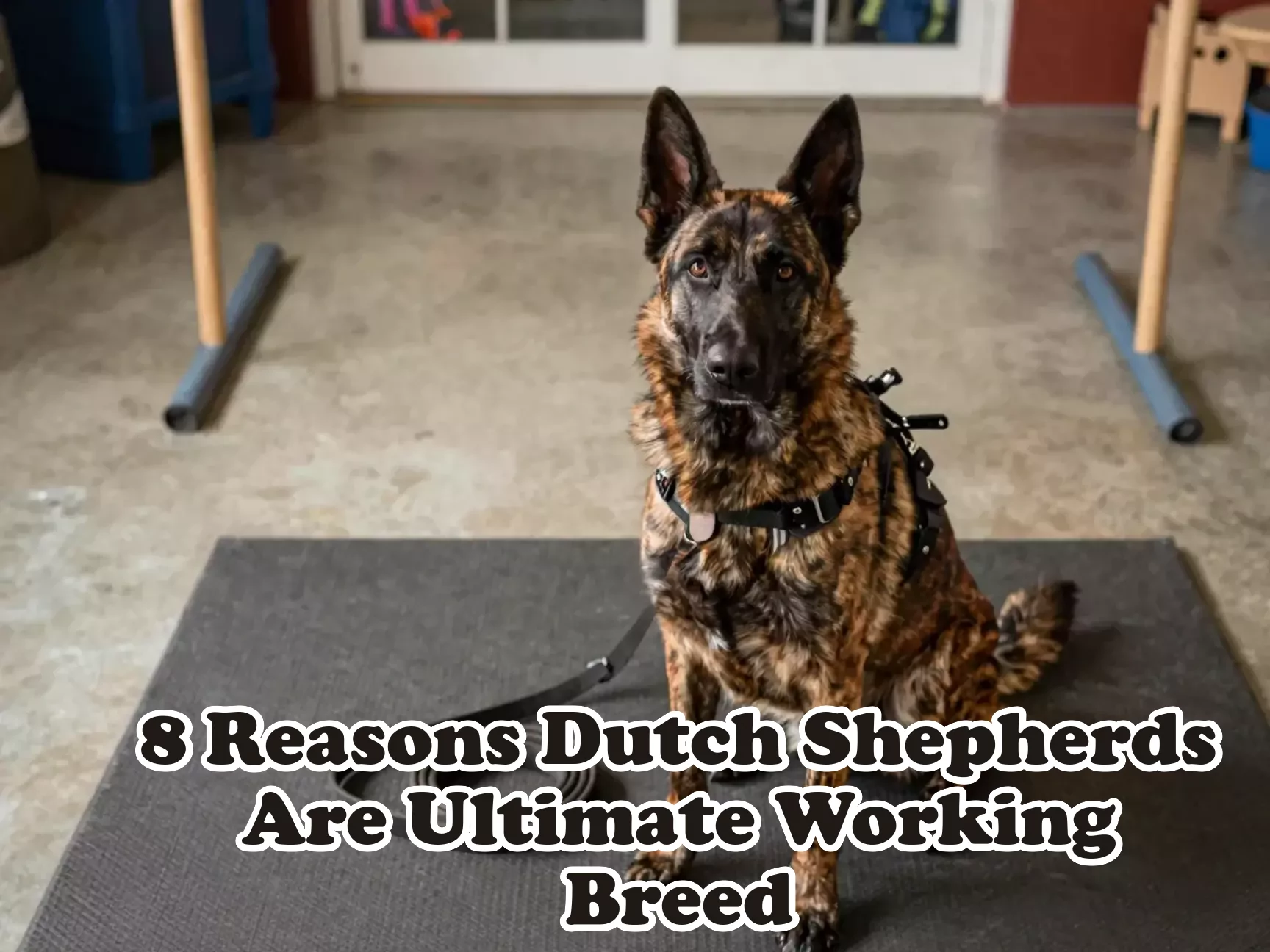
8 Reasons Why Dutch Shepherd Dogs Are the Ultimate Working Breed
Only about 1,500 FCI Dutch Shepherds exist worldwide — yet this rare breed consistently outperforms far more popular dogs in police work, military operations, search and rescue, and competitive dog sports [4]. That contrast alone tells you something important. When a breed is this scarce and still this sought-after by professional handlers, you know it has something special going on.
In 2026, working dog programs across the United States and Europe continue to turn to the Dutch Shepherd as their go-to choice. This article breaks down the 8 reasons why Dutch Shepherd dogs are the ultimate working breed — backed by breed research, handler experience, and official recognition from major kennel clubs. Whether you’re a professional handler, an active family, or simply a dog enthusiast, understanding what makes this breed exceptional will change how you look at working dogs forever.
Key Takeaways
- 🐾 Dutch Shepherds are among the rarest working breeds in the world, with only ~1,500 FCI-registered dogs globally [4]
- 🧠 Their cognitive ability and trainability set them apart from nearly every other herding or working breed
- 💼 They excel across multiple professional roles — from K9 police work to search and rescue to competitive sports [1][5]
- 🏡 Unlike many working breeds, Dutch Shepherds have a natural “off-switch,” making them excellent family dogs too [4]
- 🏆 The American Kennel Club officially recognizes them as lively, athletic, alert, and intelligent [8]
What Makes the Dutch Shepherd Truly Exceptional?
Before diving into the full list, it helps to understand the breed’s background. The Dutch Shepherd originated in the Netherlands as a versatile farm dog — herding livestock, guarding property, and pulling carts. Unlike breeds developed for a single task, the Dutch Shepherd was shaped by necessity to do everything well [5][7].
That multi-purpose origin is still visible today. The American Kennel Club describes the Dutch Shepherd as a lively, athletic, alert, and intelligent breed that has retained its natural herding instinct [8]. But “herding instinct” barely scratches the surface of what this dog can do.
Here are the 8 reasons why Dutch Shepherd dogs are the ultimate working breed.
8 Reasons Why Dutch Shepherd Dogs Are the Ultimate Working Breed — The Full Breakdown
1. Exceptional Intelligence and Cognitive Ability
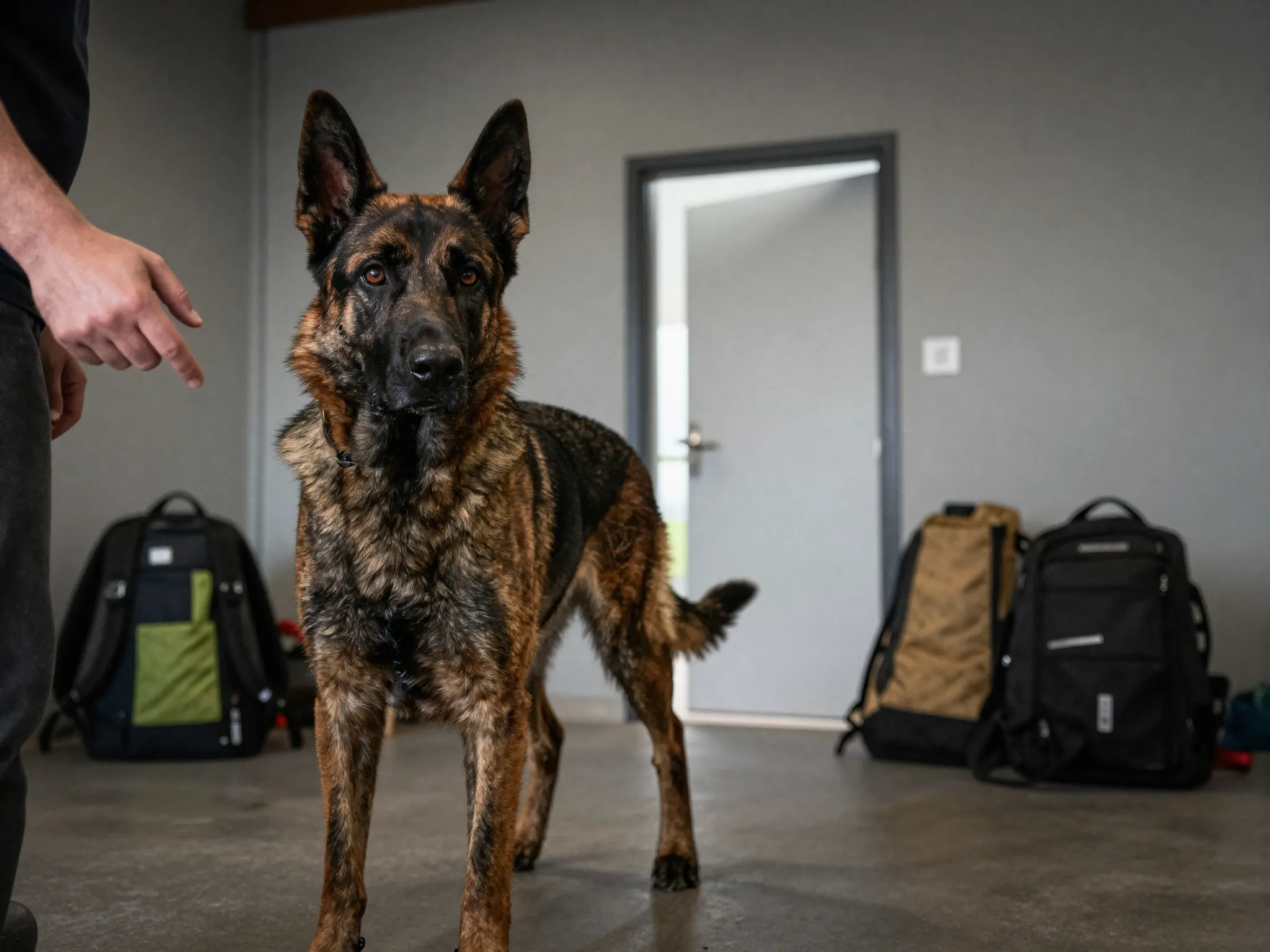
The Dutch Shepherd doesn’t just learn commands — it understands context. This is a meaningful distinction. Many breeds can memorize a sequence of cues through repetition. The Dutch Shepherd goes further, reading situational cues and adjusting its behavior accordingly [1].
💡 Pull Quote: “The Dutch Shepherd doesn’t just follow orders — it reads the room.”
Professional trainers consistently note that Dutch Shepherds can generalize learned behaviors to new environments faster than most breeds. They pick up new commands quickly, often requiring fewer repetitions than German Shepherds or Belgian Malinois to achieve the same level of reliability [4].
This cognitive depth makes them invaluable in roles where split-second judgment matters — such as suspect apprehension, search operations, or detecting specific scents in complex environments.
What this means for handlers:
- Faster initial training timelines
- Greater reliability in unpredictable real-world conditions
- Ability to work with nuanced, multi-step command chains
2. Rare Genetics Carefully Bred for Working Capacity
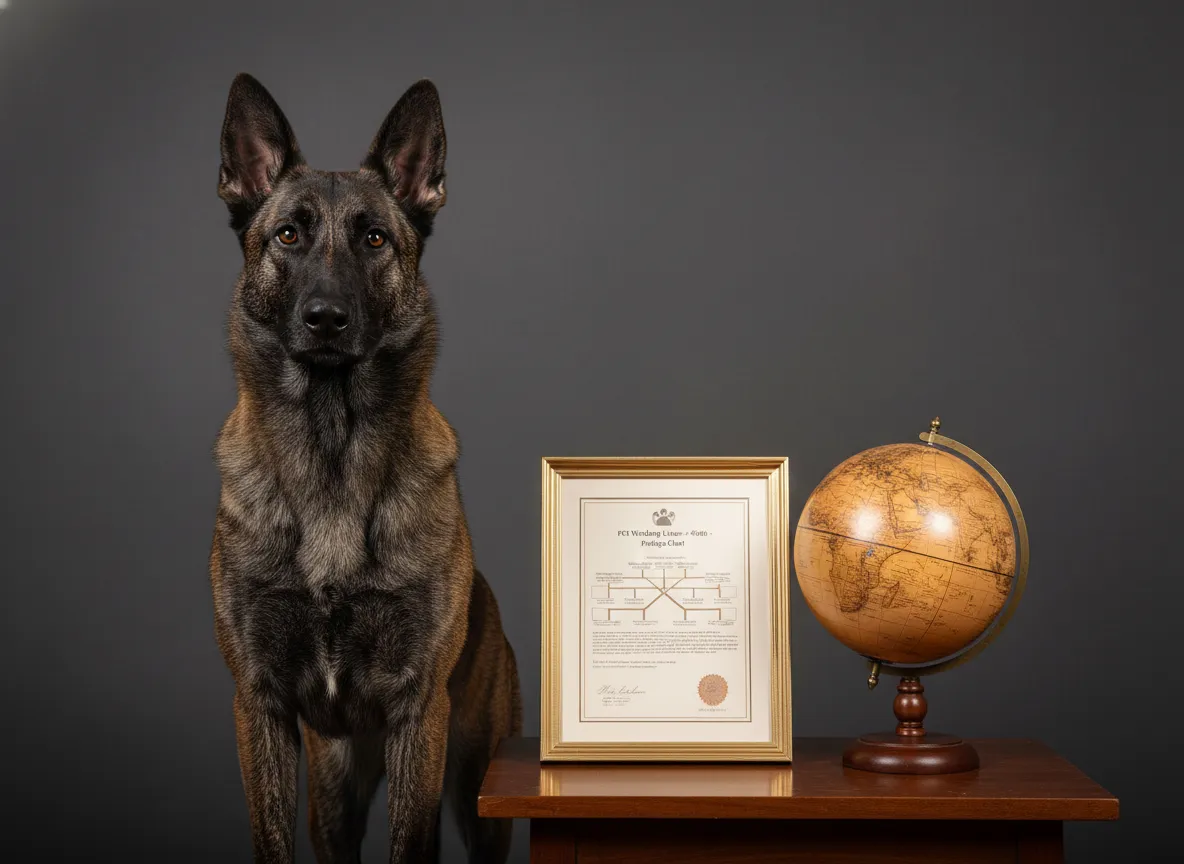
With only approximately 1,500 FCI Dutch Shepherds worldwide and around 1,000 in the United States, this is not a breed mass-produced for the pet market [4]. That rarity is not a flaw — it’s a feature.
Responsible breeders have maintained strict standards focused on working capacity, temperament stability, and physical soundness. Because the gene pool has not been diluted by decades of cosmetic breeding trends, the Dutch Shepherd has retained the functional traits that make it a superior working dog.
| Breed | Estimated Global Population | Primary Breeding Focus |
|---|---|---|
| German Shepherd | Millions | Show + Working |
| Belgian Malinois | Hundreds of thousands | Working + Show |
| Dutch Shepherd (FCI) | ~1,500 | Working capacity |
| Labrador Retriever | Tens of millions | Pet + Working |
This controlled breeding environment means that when you work with a Dutch Shepherd, you’re working with a dog whose ancestors were selected specifically for the traits you need on the job [4].
3. A Unique “Off-Switch” That Most Working Breeds Lack
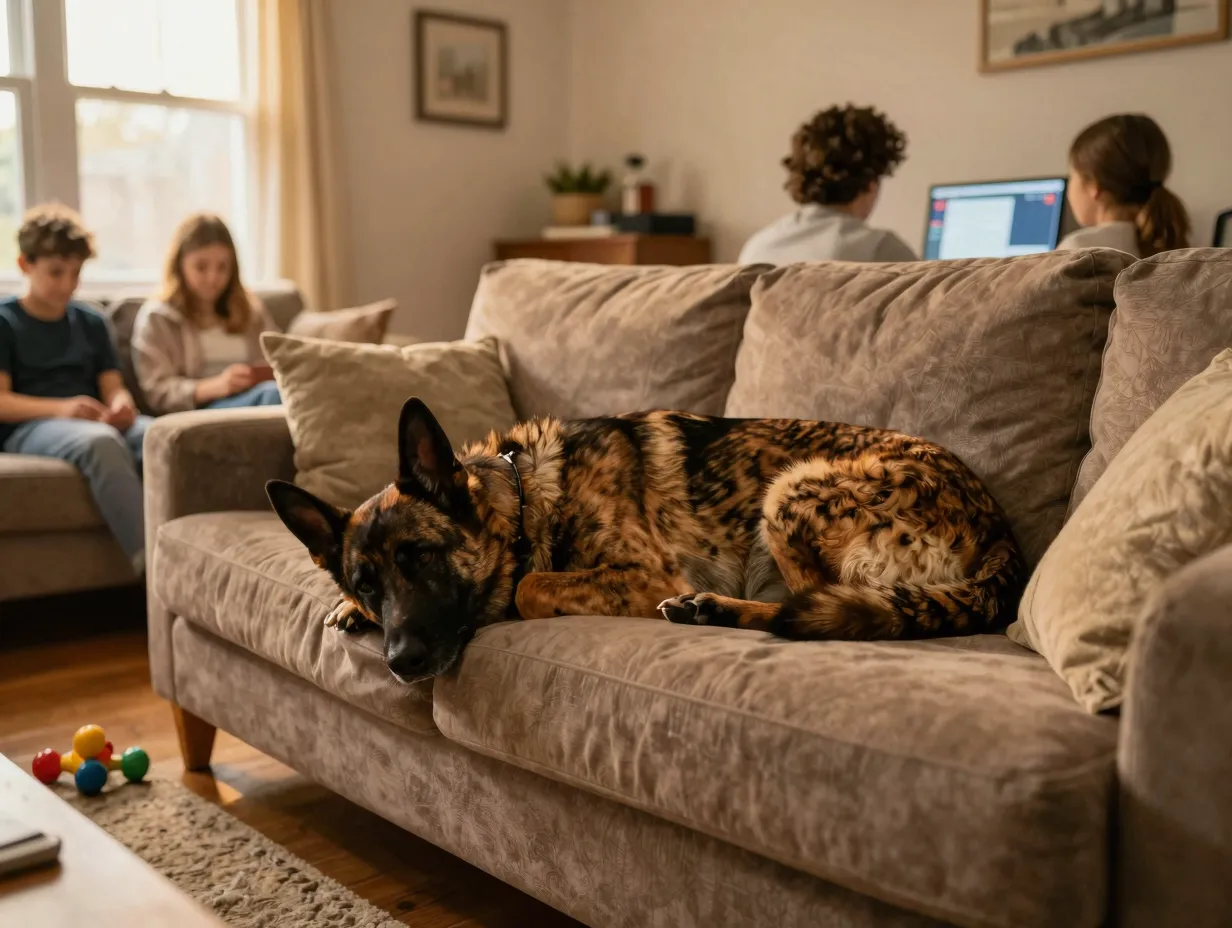
Here’s something that surprises many people: the Dutch Shepherd can go from full-intensity working mode to calm family companion — and do it naturally [4].
This trait is called an “off-switch,” and it is genuinely rare among high-drive working breeds. Belgian Malinois, for example, are notorious for being “on” almost constantly, which makes them difficult to manage in home environments. Dutch Shepherds naturally differentiate between work time, play time, and rest time [3][5].
Why this matters:
- Handlers can bring them home without constant management
- Families with children benefit from a dog that adjusts its energy level
- The dog experiences less stress from chronic over-arousal
🐶 Fun Fact: Dutch Shepherds have been described as knowing when it’s time to be a working dog and when it’s time to be a family dog — often without any cue from their handler [4].
This balance between drive and composure is one of the most underrated qualities in any working breed.
4. Unmatched Versatility Across Professional Roles
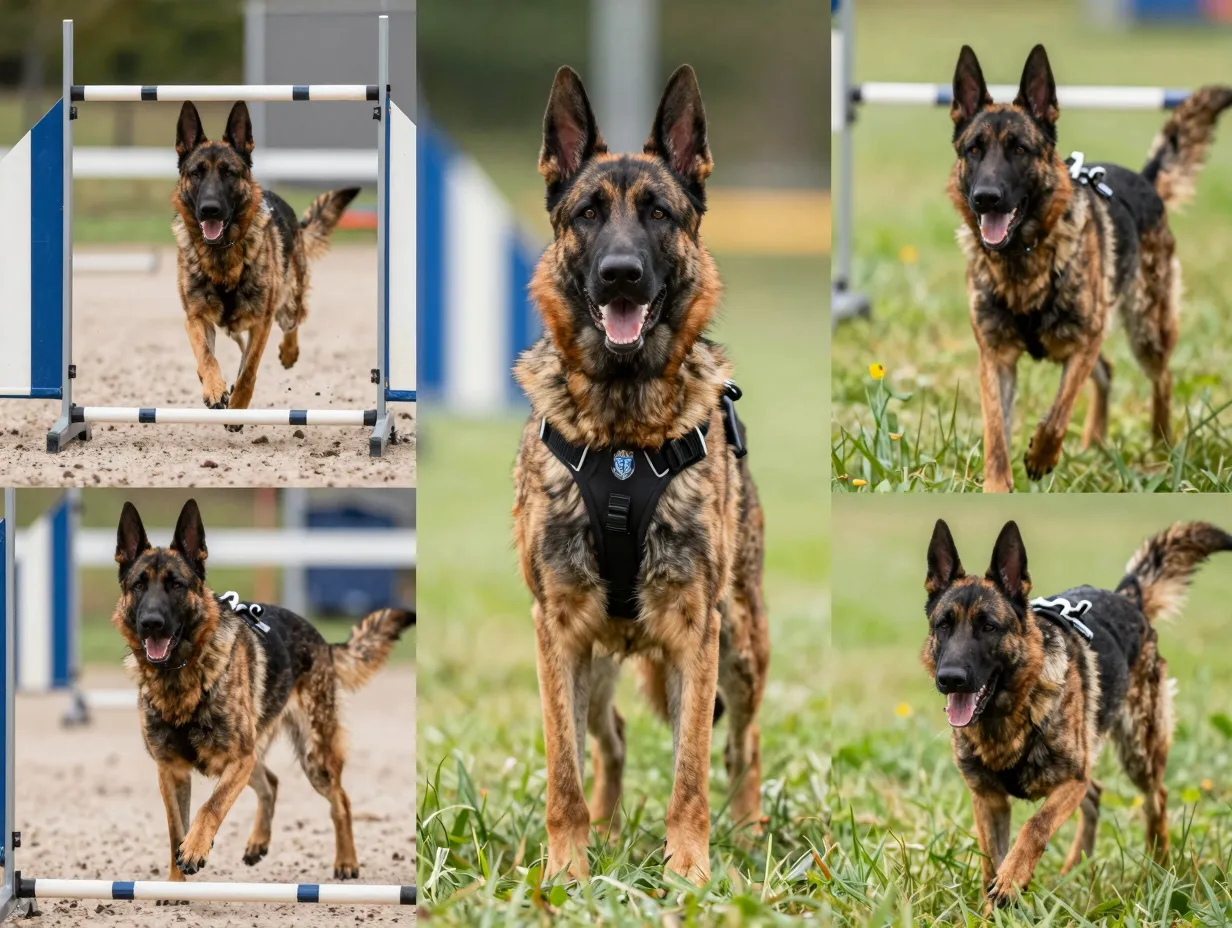
The 8 reasons why Dutch Shepherd dogs are the ultimate working breed would be incomplete without addressing their extraordinary range of professional applications. Few breeds can claim genuine excellence across this many disciplines [1][5]:
Professional and Competitive Roles:
- Police K9 (patrol, detection, apprehension)
- Military working dog operations
- Search and rescue (urban, wilderness, disaster)
- Guide and service dog work
- Competitive agility
- French Ring sport
- Flyball
- Schutzhund/IPO competition
- Herding trials
- Narcotics and explosives detection
This is not a breed that does one thing well. It’s a breed that does many things exceptionally well [1][7]. That versatility is what puts the Dutch Shepherd in a category of its own among working breeds.
5. Superior Endurance and Agility Built for Demanding Terrain
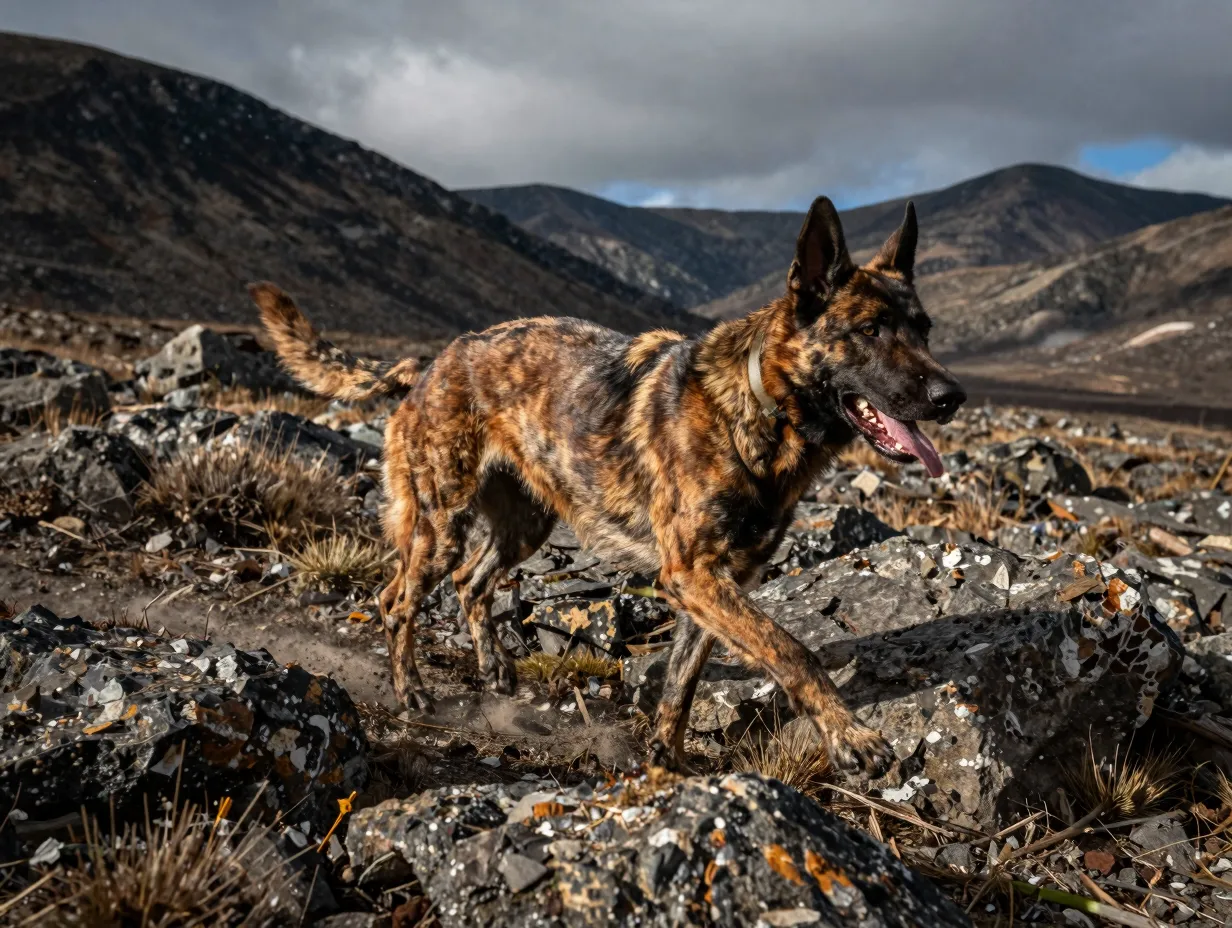
Dutch Shepherds are built for work — not just aesthetically, but physiologically. Their lean, muscular frame and efficient gait allow them to cover vast distances without tiring quickly [1].
In search and rescue operations, this matters enormously. A dog that fatigues after two hours is a liability in a multi-day wilderness search. Dutch Shepherds can sustain high-output physical work for extended periods while maintaining focus and scent discrimination — a combination that saves lives [1].
Physical attributes that support endurance:
- 🦴 Medium-sized frame (42–75 lbs) — agile without being too light or too heavy
- 💨 Efficient, ground-covering trot built for sustained movement
- 👃 Powerful olfactory capability for scent tracking over difficult terrain
- 💪 Strong hindquarters for climbing, jumping, and rapid direction changes
The AKC notes their athletic nature as a defining characteristic [8], and field handlers consistently report that Dutch Shepherds maintain focus and energy even in harsh conditions — extreme heat, cold, or rough terrain [1][7].
6. Deep Loyalty and Reliable Protective Instinct
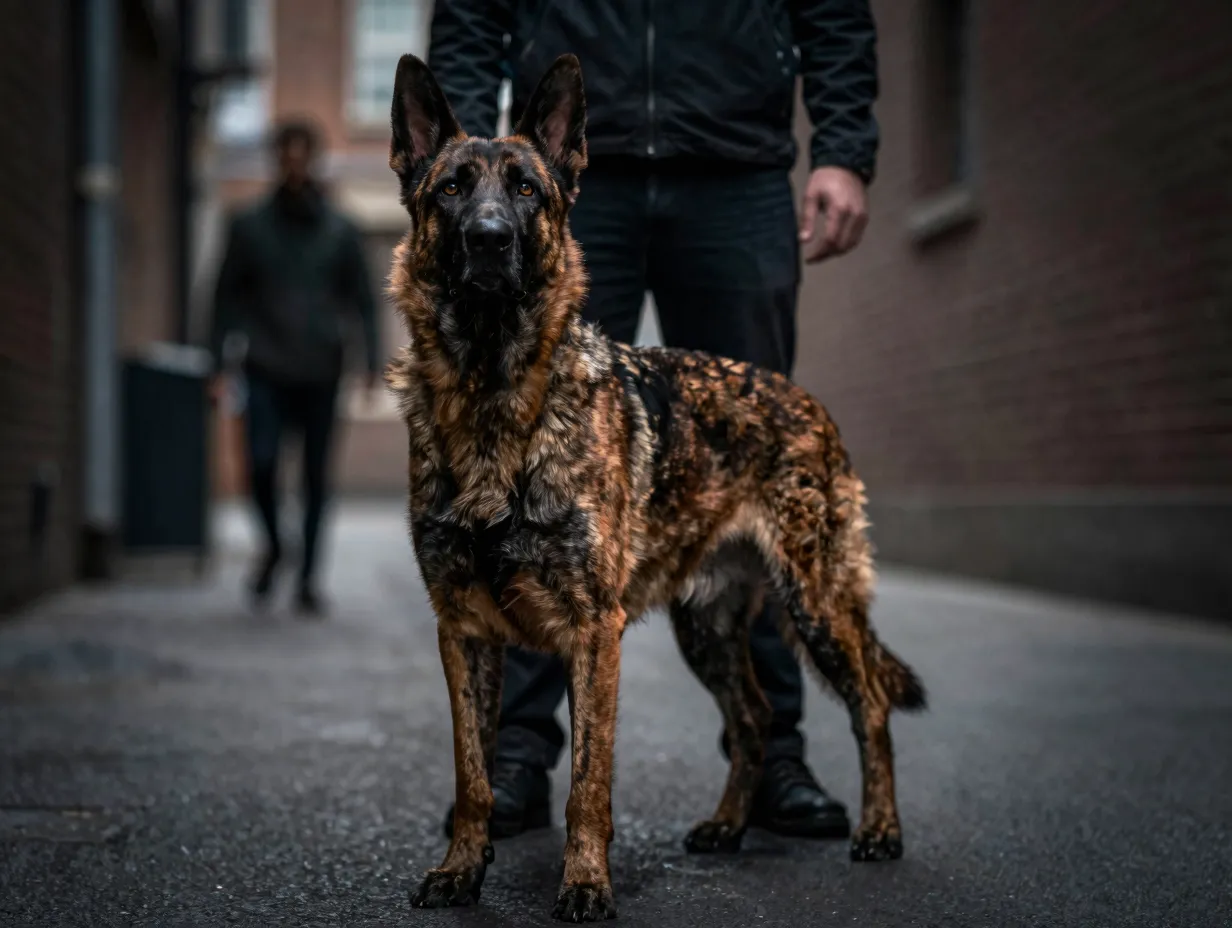
A working dog that doesn’t bond deeply with its handler is a tool. A Dutch Shepherd is a partner [1][3].
Dutch Shepherds form powerful, lasting bonds with their handlers and families. This loyalty isn’t just emotionally meaningful — it has direct operational value. A dog that is deeply bonded to its handler is more responsive, more motivated, and more reliable under pressure [1].
💡 Pull Quote: “The Dutch Shepherd’s loyalty isn’t just a personality trait — it’s a performance multiplier.”
Their protective instinct is natural and proportionate. They are alert and confident around strangers without being randomly aggressive — a critical balance for dogs that work in public environments [3][5]. When properly socialized, they are excellent with children and other animals, making them trustworthy in both professional and family settings [3].
Loyalty in practice:
- Stronger handler-dog communication through deep bonding
- Natural protective behavior that activates when genuinely needed
- Reduced likelihood of handler-directed aggression (a real concern in some high-drive breeds)
7. High Trainability and Genuine Eagerness to Please
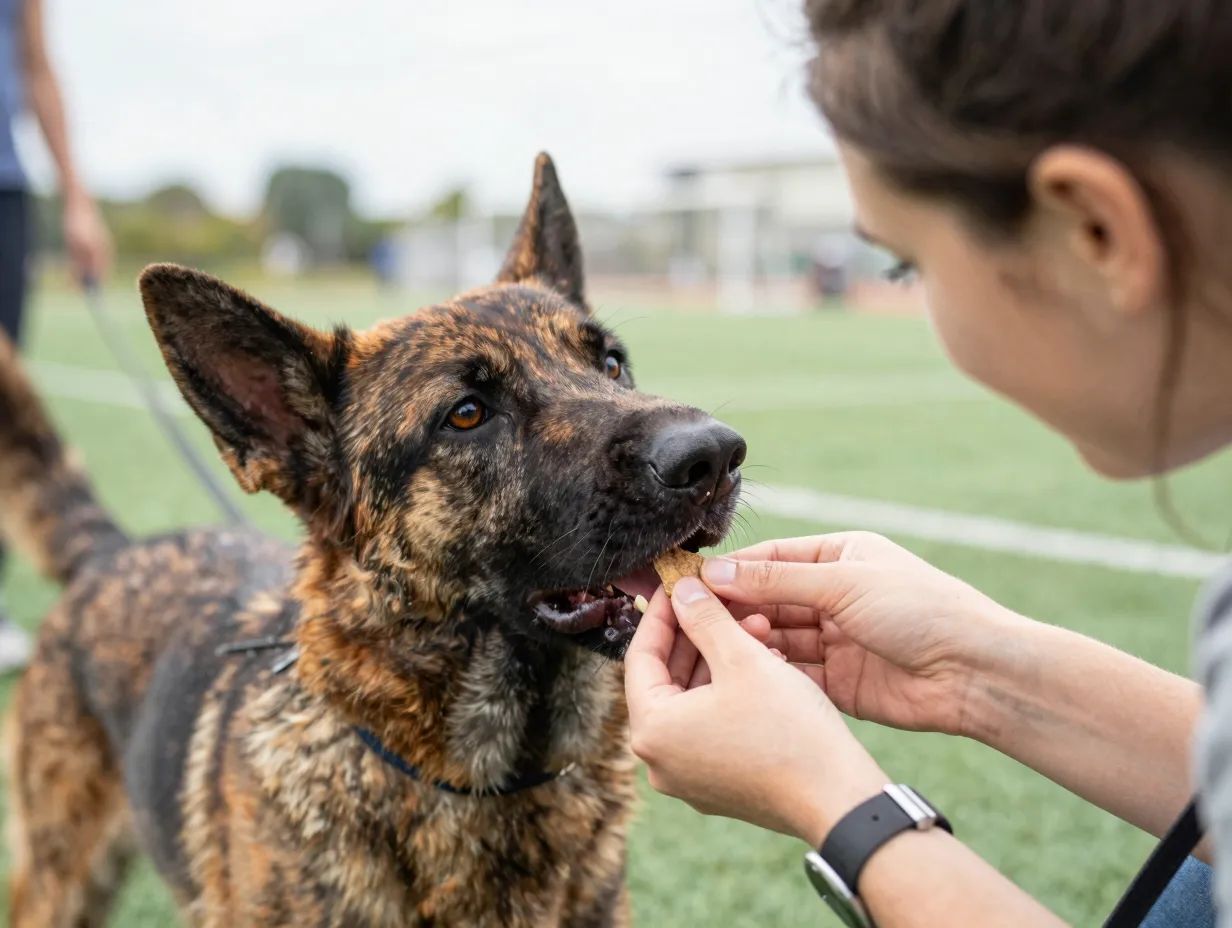
The FCI formally recognizes the Dutch Shepherd’s outstanding trainability — and this recognition is backed by real-world results [4][5].
Dutch Shepherds are not just smart; they want to work. Their eagerness to please is intrinsic, not manufactured through food motivation alone. This means training sessions are productive, corrections are received well, and the dog remains engaged even during repetitive drills [4].
Trainability comparison:
| Trait | Dutch Shepherd | German Shepherd | Belgian Malinois |
|---|---|---|---|
| Command acquisition speed | ⭐⭐⭐⭐⭐ | ⭐⭐⭐⭐ | ⭐⭐⭐⭐⭐ |
| Environmental generalization | ⭐⭐⭐⭐⭐ | ⭐⭐⭐⭐ | ⭐⭐⭐⭐ |
| Off-switch reliability | ⭐⭐⭐⭐⭐ | ⭐⭐⭐ | ⭐⭐ |
| Handler sensitivity | ⭐⭐⭐⭐⭐ | ⭐⭐⭐⭐ | ⭐⭐⭐ |
| Drive sustainability | ⭐⭐⭐⭐⭐ | ⭐⭐⭐⭐ | ⭐⭐⭐⭐⭐ |
Ratings are general estimates based on breed characteristics reported by handlers and trainers.
This combination of high drive and handler sensitivity is rare. It means the Dutch Shepherd responds to both positive reinforcement and clear corrections without shutting down or becoming over-aroused [4][5].
8. Seamless Adaptability Between Work and Family Life
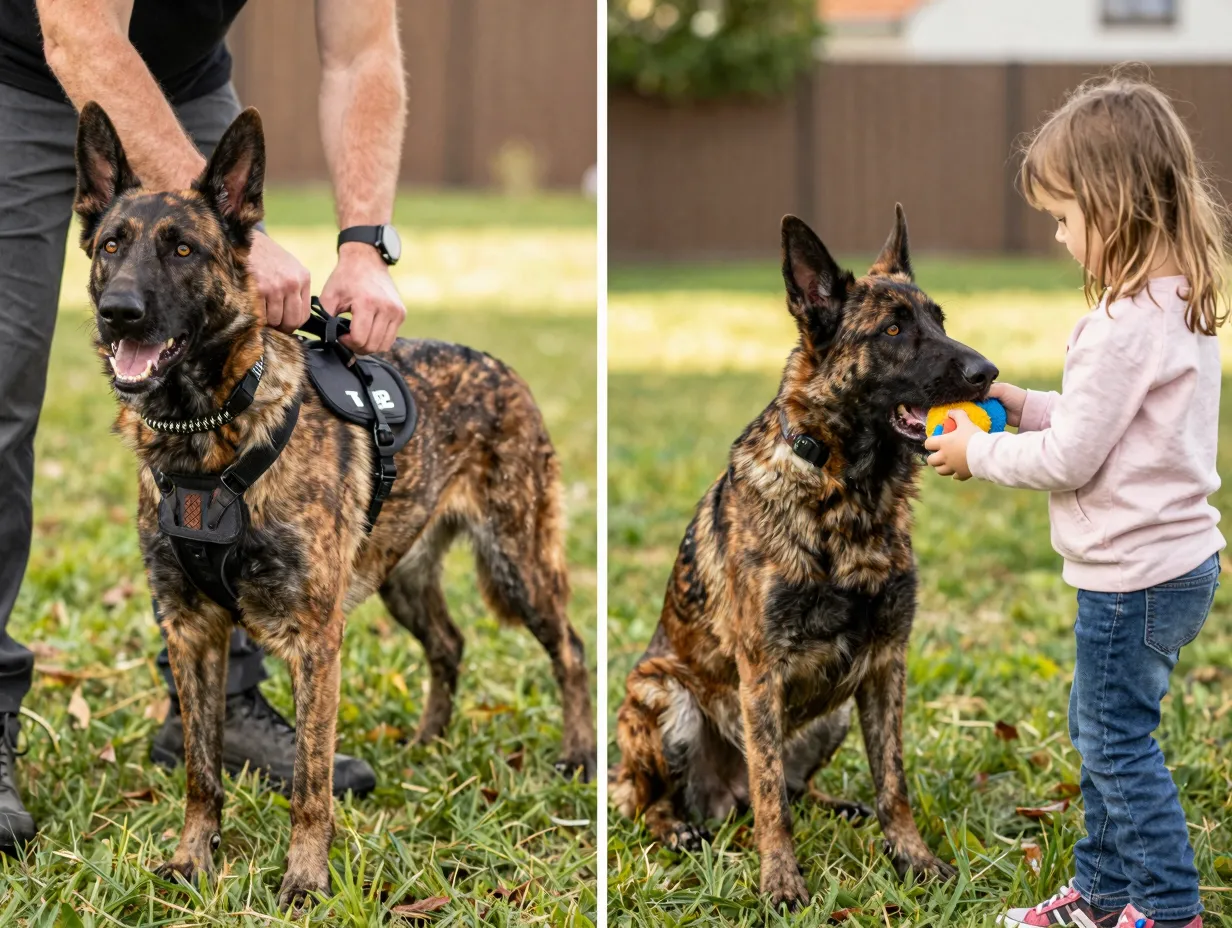
The final reason in our breakdown of the 8 reasons why Dutch Shepherd dogs are the ultimate working breed is perhaps the most practically important for most handlers and owners: adaptability.
Dutch Shepherds naturally adjust their energy and behavior based on context [3][5][7]. At work, they are intense, focused, and driven. At home, they can be calm, affectionate, and gentle — especially with children they’ve been raised alongside.
This adaptability is not something that needs to be trained in. It’s a breed-level trait that reflects the Dutch Shepherd’s historical role as a farm dog that worked hard during the day and settled with the family at night [5][7].
Adaptability in real life:
- Works 8-hour shifts with a police handler, then relaxes at home ✅
- Competes in agility on weekends, plays gently with kids on weekdays ✅
- Transitions between multiple handlers in a professional program ✅
- Adjusts to apartment or rural living when given adequate exercise ✅
🏡 Note: Dutch Shepherds do need significant daily exercise and mental stimulation. Their adaptability does not mean they are low-energy dogs — it means they can manage their energy intelligently [3][7].
Is the Dutch Shepherd Right for You?
The 8 reasons why Dutch Shepherd dogs are the ultimate working breed paint a clear picture — but it’s worth being honest about who this breed is best suited for.
Best fit for:
- Professional handlers (police, military, SAR)
- Active families with dog training experience
- Competitive dog sport enthusiasts
- Owners committed to daily exercise and mental enrichment
Challenging for:
- First-time dog owners with no training background
- Sedentary households or those with very limited outdoor access
- People seeking a low-maintenance companion
The Dutch Shepherd’s intelligence and drive are assets — but they require an outlet. A bored Dutch Shepherd will find its own entertainment, and that rarely ends well for furniture or fences [3][7].
Quick Reference: Dutch Shepherd at a Glance
| Characteristic | Detail |
|---|---|
| Origin | Netherlands |
| Size | Medium (42–75 lbs) |
| Coat types | Short, long, rough-haired |
| Primary color | Brindle (gold or silver) |
| AKC Group | Herding |
| Lifespan | 11–14 years |
| Global FCI population | ~1,500 [4] |
| Top roles | Police, military, SAR, sports, service |
| Trainability | Exceptional [4][8] |
| Family compatibility | High (with proper socialization) [3][5] |
Conclusion: Why the Dutch Shepherd Stands Above the Rest
The 8 reasons why Dutch Shepherd dogs are the ultimate working breed come down to one core truth: this is a dog that was built — genetically, historically, and temperamentally — to work alongside humans in the most demanding conditions imaginable.
From their rare, carefully preserved genetics to their extraordinary cognitive ability, from their natural off-switch to their unmatched versatility across professional roles, the Dutch Shepherd delivers at every level [1][4][5][8].
In 2026, as working dog programs become more specialized and demanding, the Dutch Shepherd’s combination of intelligence, drive, loyalty, endurance, and adaptability makes it not just a top-tier working breed — but arguably the ultimate working breed.
Actionable Next Steps:
- Research reputable breeders who prioritize FCI working standards and health testing [4]
- Connect with Dutch Shepherd breed clubs and handler communities for firsthand experience
- Assess your lifestyle honestly — this breed thrives with active, committed owners [3][7]
- Start training early — Dutch Shepherd puppies absorb structure and socialization rapidly [5]
- Explore dog sports like agility, French Ring, or Schutzhund if you want to channel their drive productively [1][5]
The Dutch Shepherd is not for everyone. But for those who are ready, there is no more capable, loyal, or rewarding working partner in the canine world.
References
[1] Why Dutch Shepherds are the Best Working Dogs – https://www.youtube.com/watch?v=aPJfGkoFie0
[2] Watch – https://www.youtube.com/watch?v=km0ItJtUU3k
[3] Facts About Dutch Shepherds – https://www.greenfieldpuppies.com/blog/facts-about-dutch-shepherds/
[4] The Trainability Of The FCI Dutch Shepherd A Rare And Exceptional Breed – https://www.ourshepherdsshepherds.com/post/the-trainability-of-the-fci-dutch-shepherd-a-rare-and-exceptional-breed
[5] Breed Spotlight Dutch Shepherd – https://www.gatorkennels.com/blog/breed-spotlight-dutch-shepherd-/
[6] Dutch Shepherd Video – https://www.youtube.com/shorts/feU34KAmIBk
[7] Why The Dutch Shepherd Is The Unsung Versatile Hero Of The Herding Group – https://mywoof.com/blogs/articles/why-the-dutch-shepherd-is-the-unsung-versatile-hero-of-the-herding-group-and-a-perfect-match-for-active-enrichment-loving-dogs
[8] Dutch Shepherd – https://www.akc.org/dog-breeds/dutch-shepherd/