8 Fascinating Facts About the Belgian Shepherd Tervuren You Probably Didn’t Know
Only one dog breed in history can claim it was both a brewery cart-puller and the first champion of an AKC herding competition — and that breed is the Belgian Shepherd Tervuren. These striking, mahogany-coated dogs carry a story far richer than most people realize. If you’ve ever crossed paths with one, you already know they’re impossible to ignore. But the 8 fascinating facts about the Belgian Shepherd Tervuren you probably didn’t know go well beyond their stunning looks. From their humble village origins to their mischievous personalities, this breed continues to surprise even the most seasoned dog enthusiasts. In 2026, as interest in intelligent working breeds grows, it’s the perfect time to dig into what makes the Tervuren truly one of a kind.
Key Takeaways 🐾
- The Belgian Tervuren was named after a real village in Belgium and traces its roots to a single breeding pair owned by a brewer.
- Foundation dogs “Tom” and “Poes” were working dogs before they became the ancestors of the entire breed.
- The AKC only separated the Belgian Shepherd varieties into distinct breeds in 1959 — they’re still one breed in many countries.
- A Belgian Tervuren was the first recorded champion of the AKC Herding Championship.
- Despite their serious work ethic, Tervurens are known for a surprisingly mischievous sense of humor.
The Origins Story: Where These 8 Fascinating Facts About the Belgian Shepherd Tervuren You Probably Didn’t Know Begin
Before we get into each individual fact, it helps to understand the broader canvas. The Belgian Shepherd Tervuren is one of four Belgian Shepherd varieties — alongside the Malinois, the Groenendael, and the Laekenois. All four share a common heritage as versatile farm and working dogs developed in Belgium during the late 1800s [4]. What sets the Tervuren apart is its distinctive long, fawn-to-mahogany double coat with a black overlay, combined with an almost uncanny level of intelligence and drive.
These dogs were not bred as show pieces. They were built for purpose — and every fascinating fact below reflects that working heritage.
8 Fascinating Facts About the Belgian Shepherd Tervuren You Probably Didn’t Know
1. The Breed Was Named After a Real Belgian Village
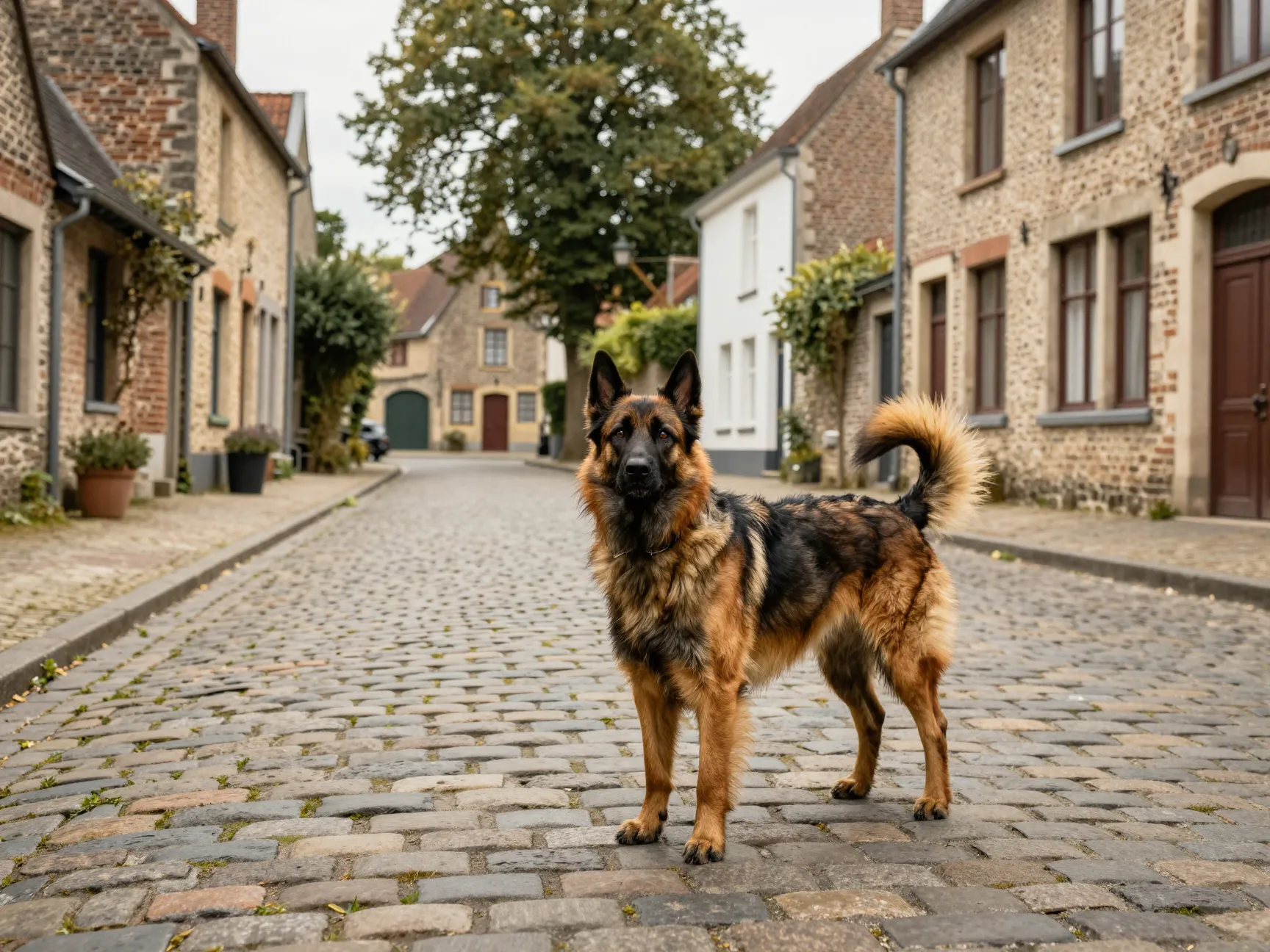
The name “Tervuren” isn’t a marketing invention or a fanciful label. It refers to an actual village in the Flemish Brabant province of Belgium. The breed’s connection to this place is deeply personal: a man named M.F. Corbeel, a resident of Tervuren, owned the two dogs that are considered the foundation of the entire breed [1].
Those two dogs — “Tom” and “Poes” — were bred together by Corbeel, and their offspring became the genetic foundation from which all modern Belgian Tervurens descend. Without that small village and one man’s decision to breed his two dogs, this breed might never have existed in its current form.
💡 Pull Quote: “The entire Belgian Tervuren breed traces back to two dogs owned by one man in one Belgian village — a remarkably specific origin story for any breed.”
This kind of traceable, localized origin is rare in dog breeding history. Most breeds evolved across regions over centuries. The Tervuren’s story has a named place, named dogs, and a named owner — making it one of the most precisely documented breed origins in the world.
2. The Foundation Dogs Worked at a Brewery
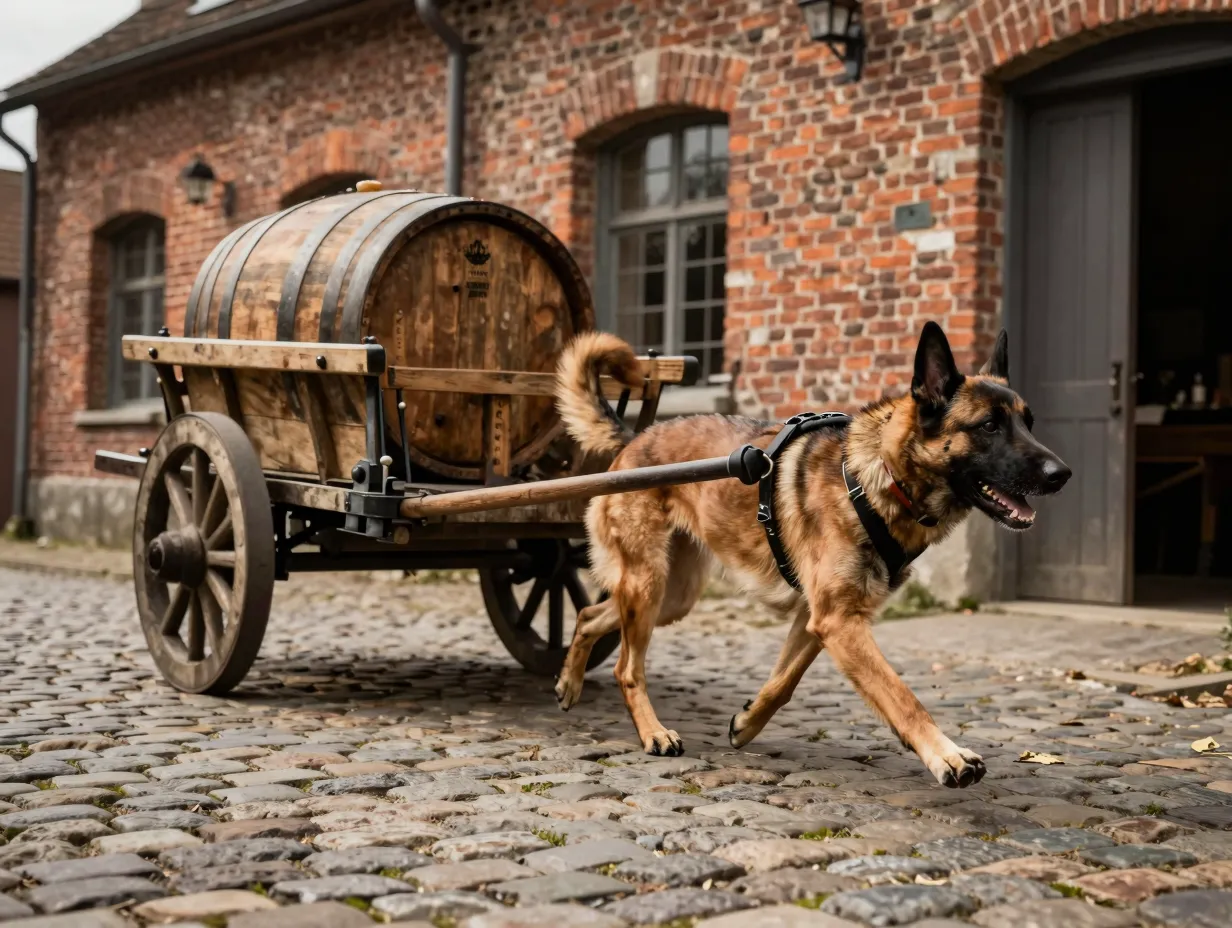
Here’s where the story gets genuinely surprising. Before M.F. Corbeel decided to breed Tom and Poes, his dog “Tom” was a working dog in the most literal sense [1].
During the day, Tom pulled Corbeel’s beer cart — a common use for strong, trainable dogs in 19th-century Belgium. At night, that same dog switched roles entirely and guarded the brewery. This wasn’t a pet with a side hustle. Tom was a full-time working animal performing two distinct jobs every single day.
What this tells us about the breed:
- 🏋️ Physical endurance: Pulling a loaded beer cart requires significant strength and stamina.
- 🧠 Mental adaptability: Switching from a daytime labor role to a nighttime guard role requires a dog that can read context and adjust behavior.
- 🔒 Protective instincts: Guard work is instinctive — it can’t be fully trained into a dog that doesn’t have it naturally.
All three of these traits remain defining characteristics of the Belgian Tervuren today. When you see a modern Tervuren excelling at Schutzhund, agility, or search-and-rescue, you’re watching the direct descendant of a brewery dog doing what its ancestors were literally bred to do [1].
3. They Were Originally Bred for Herding AND Guarding — Simultaneously
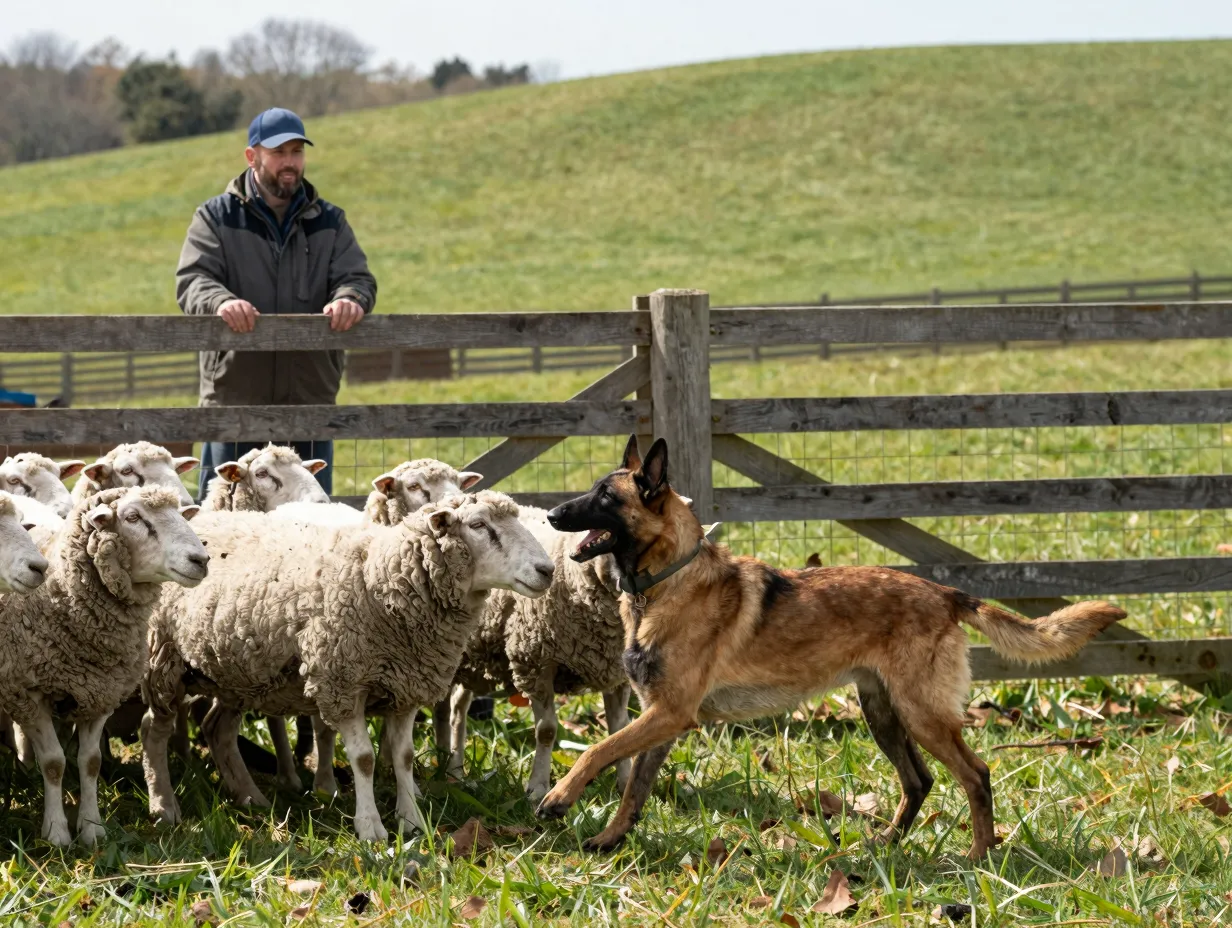
Most working breeds are specialists. Border Collies herd. Rottweilers guard. German Shepherds police. The Belgian Tervuren was developed to do both at the same time, which is a much harder task than it sounds [4].
In the late 1800s, Belgian farmers needed dogs that could:
| Task | Requirement |
|---|---|
| Herd sheep and cattle | High energy, responsiveness, agility |
| Guard animals from predators | Alertness, courage, territorial instinct |
| Guard property and family | Protectiveness, loyalty, discernment |
| Work long hours in variable weather | Physical endurance, thick weather-resistant coat |
A dog that herds needs to be responsive and controlled. A dog that guards needs to be assertive and independent. Combining both traits in a single animal requires careful, selective breeding over many generations. The Tervuren’s breeders achieved exactly that [4].
This dual-purpose heritage explains why Tervurens can seem almost paradoxical to new owners: they’re simultaneously obedient and independent, gentle and assertive, playful and intensely serious.
4. The AKC Didn’t Recognize Them as a Separate Breed Until 1959
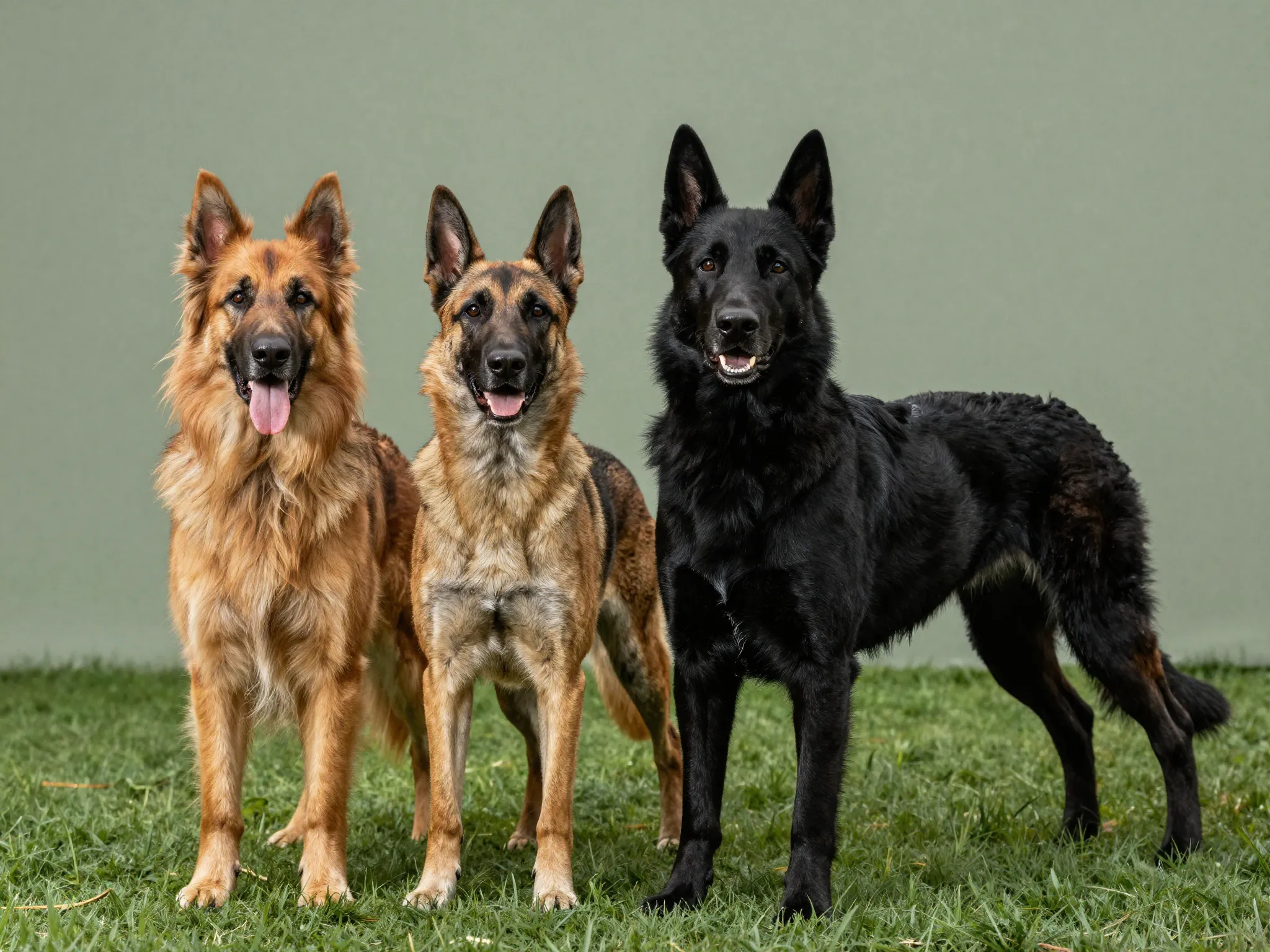
For most of the 20th century, the American Kennel Club treated the Belgian Malinois, the Groenendael (Belgian Sheepdog), and the Tervuren as varieties of the same breed — because in Belgium and most of Europe, that’s exactly what they are [1].
It wasn’t until 1959 that the AKC made the decision to separate them into three distinct breeds:
- Belgian Malinois — short fawn coat with black mask
- Belgian Sheepdog (Groenendael) — solid black long coat
- Belgian Tervuren — long fawn-to-mahogany coat with black overlay
This separation has significant implications for breeders and owners in the United States. A dog that would be registered as a “Belgian Shepherd” in Belgium might be classified as a Tervuren, Malinois, or Groenendael in the U.S., depending on its coat type and color.
⚠️ Important Note for Owners: If you’re researching health data, breed standards, or genetic studies, always check whether the source uses the AKC classification system or the international (FCI) classification. The data pools are different.
This distinction also means that the Tervuren’s gene pool in the U.S. has been more isolated than in Europe, which has implications for genetic diversity and health screening [1].
5. A Belgian Tervuren Won the Very First AKC Herding Championship
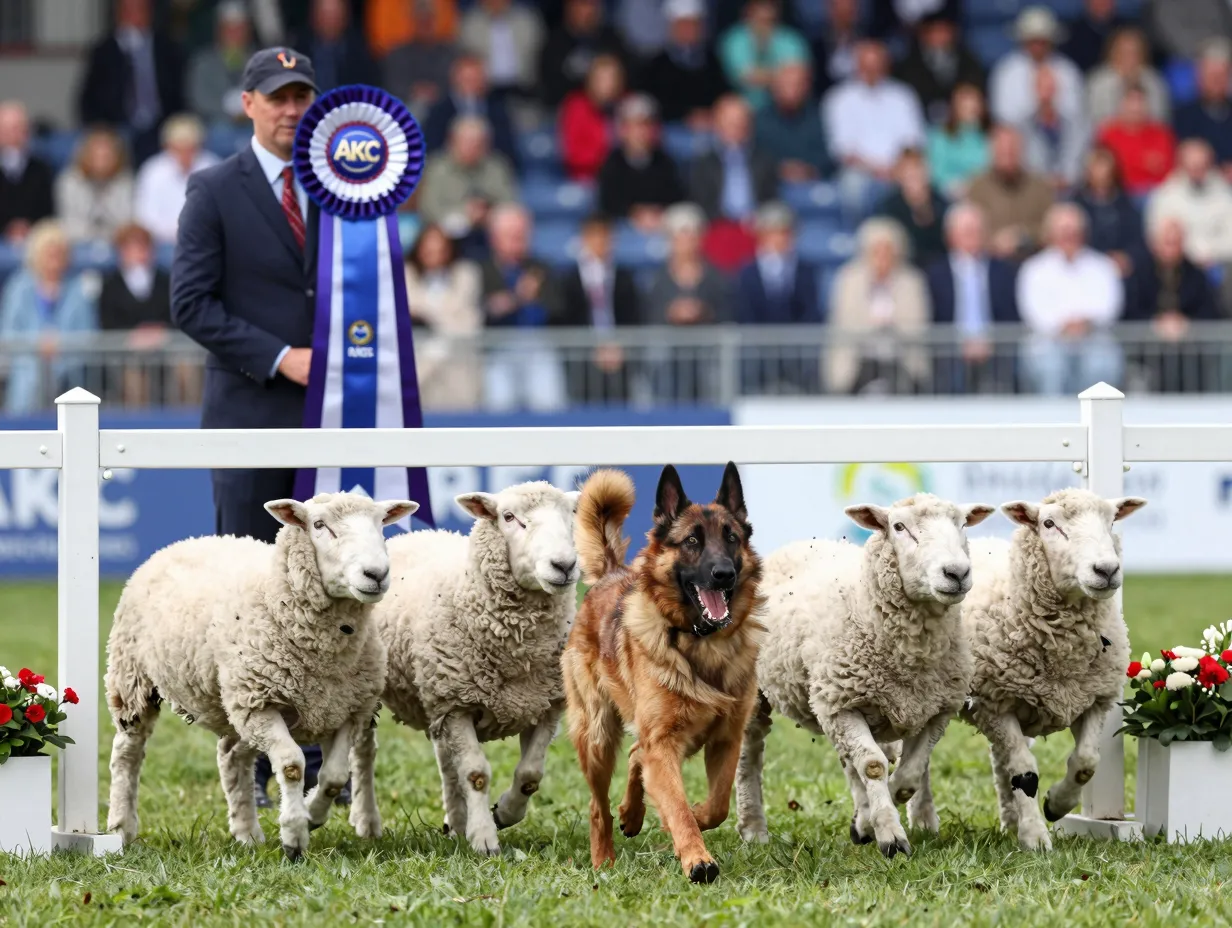
This is the fact that stops most people mid-conversation. When the American Kennel Club launched its official Herding Championship, the first dog to claim that title was a Belgian Tervuren [1].
Not a Border Collie. Not an Australian Shepherd. Not a German Shepherd. A Tervuren.
This matters for a few reasons:
- It demonstrates that the breed’s herding instinct is not just historical — it’s competitive-level strong.
- It shows that Tervurens can outperform breeds that are more commonly associated with herding excellence in the public imagination.
- It validates the original breeding goals of those 19th-century Belgian farmers who wanted a dog that could genuinely manage livestock.
In 2026, Belgian Tervurens continue to compete at the highest levels of herding, obedience, agility, and protection sports. That first championship wasn’t a fluke — it was a preview.
6. They Have a Mischievous Sense of Humor
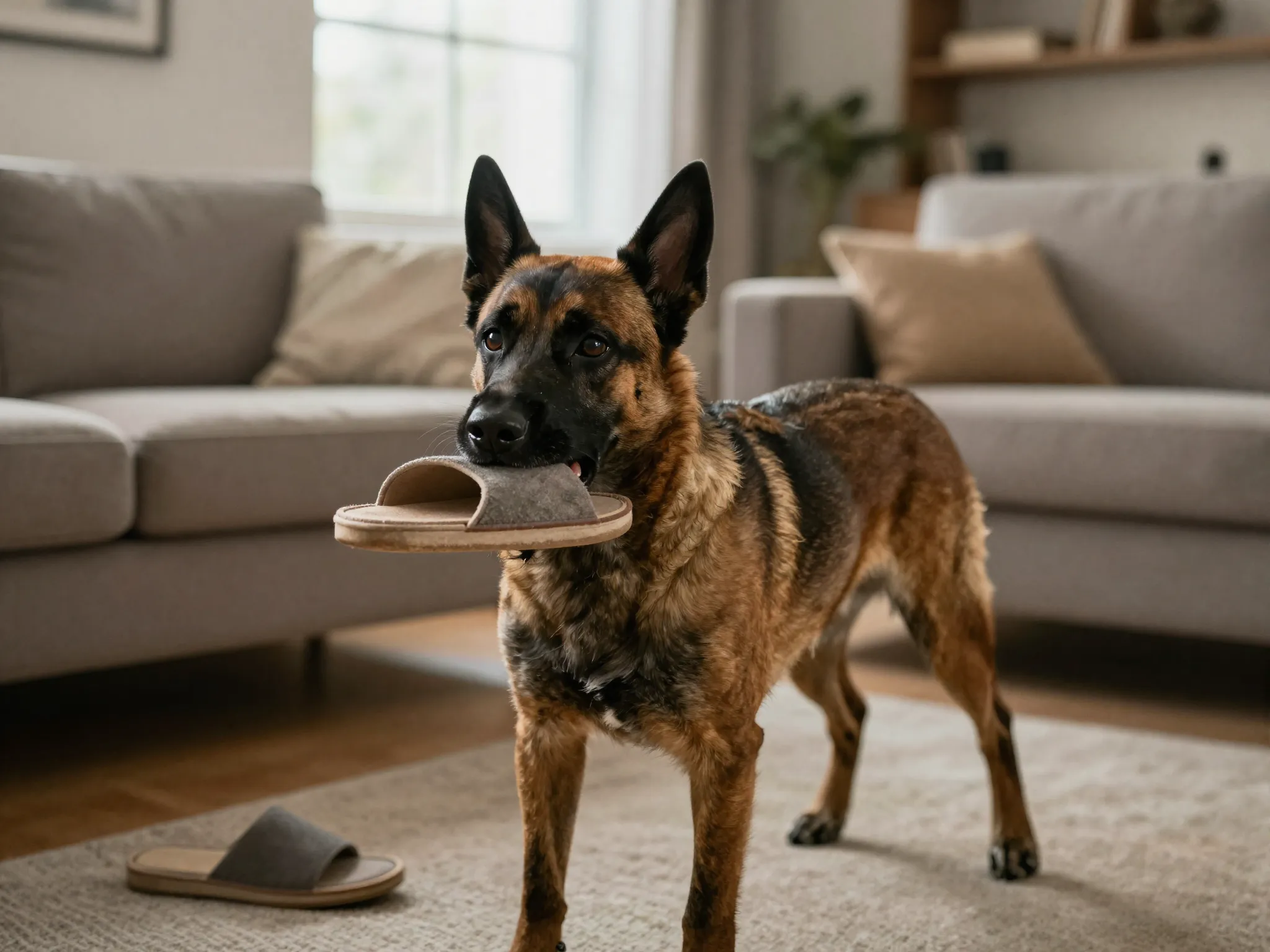
This one surprises people who only know the Tervuren by reputation. These dogs are often described as intense, focused, and serious — and they are all of those things. But they also have a well-documented mischievous streak that experienced owners describe as a sense of humor [1].
Tervurens are smart enough to figure out what you want — and then decide whether they feel like doing it right now. They’ll solve puzzles, find workarounds, and occasionally do the exact opposite of what you’ve asked just to see what happens. This isn’t stubbornness in the traditional sense. It’s more like intellectual testing.
Signs of Tervuren mischief include:
- Stealing objects and parading them around rather than chewing them.
- Herding children, other pets, or unsuspecting guests at family gatherings.
- Finding creative solutions to gates, latches, and barriers.
- Responding to commands with theatrical slowness when they’re bored.
💬 Pull Quote: “A Tervuren that’s outsmarting you isn’t being disobedient — it’s being exactly what it was bred to be: a problem-solver with a mind of its own.”
This personality trait is one reason experienced dog owners often recommend the Tervuren only for people who have owned working breeds before. A bored or under-stimulated Tervuren will find its own entertainment — and you may not enjoy the results [6].
7. Their Physical Build Is Precisely Athletic — Not Just “Medium-Sized”
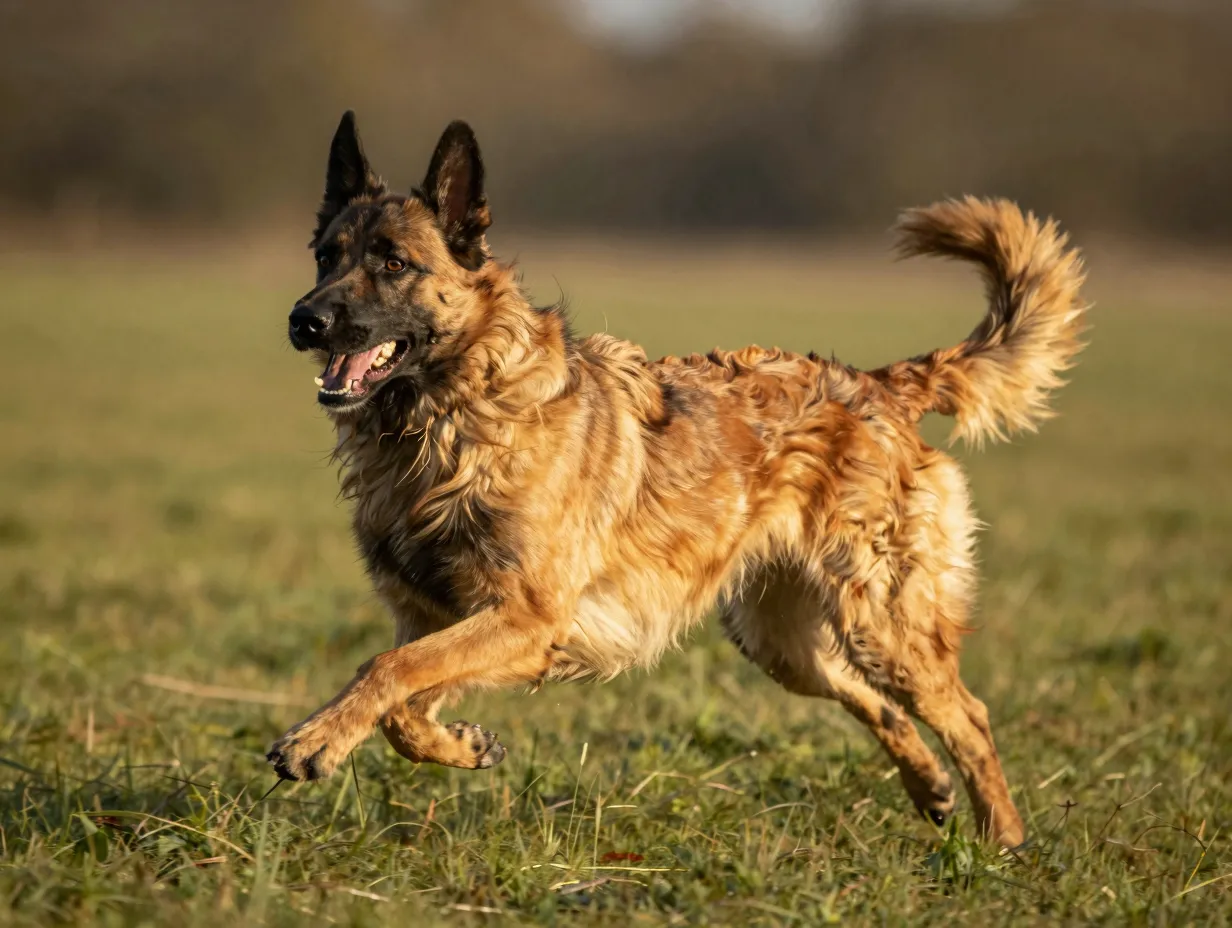
When people hear “medium-sized dog,” they often picture something unremarkable. The Tervuren’s measurements tell a different story [5].
Official Size Standards:
| Measurement | Males | Females |
|---|---|---|
| Weight | 55–70 lbs | Less than males |
| Height at shoulder | 23–26.5 inches | 21–24.5 inches |
| Build | Square, athletic | Slightly lighter |
These numbers place the Tervuren in a very specific athletic category — large enough to have real physical power, light enough to be explosively fast. This is the same general size profile as many elite working dogs used in police and military applications.
The double coat — a dense undercoat beneath a longer, straight outer coat — serves a functional purpose beyond aesthetics. It provides insulation in cold weather and some protection against brush and debris during fieldwork [2]. The coat requires regular grooming, particularly during the twice-yearly heavy shedding seasons.
Key physical traits at a glance:
- 🐕 Coat: Long, fawn to russet mahogany with black overlay
- 👀 Eyes: Almond-shaped, brown, with an alert, questioning expression
- 👂 Ears: Triangular, erect, highly mobile and expressive
- 🏃 Movement: Smooth, ground-covering trot with effortless endurance
The combination of size, coat, and movement gives the Tervuren a visual elegance that has attracted artists as well as athletes [1].
8. A Famous Painter Featured a Belgian Tervuren in One of His Most Celebrated Works
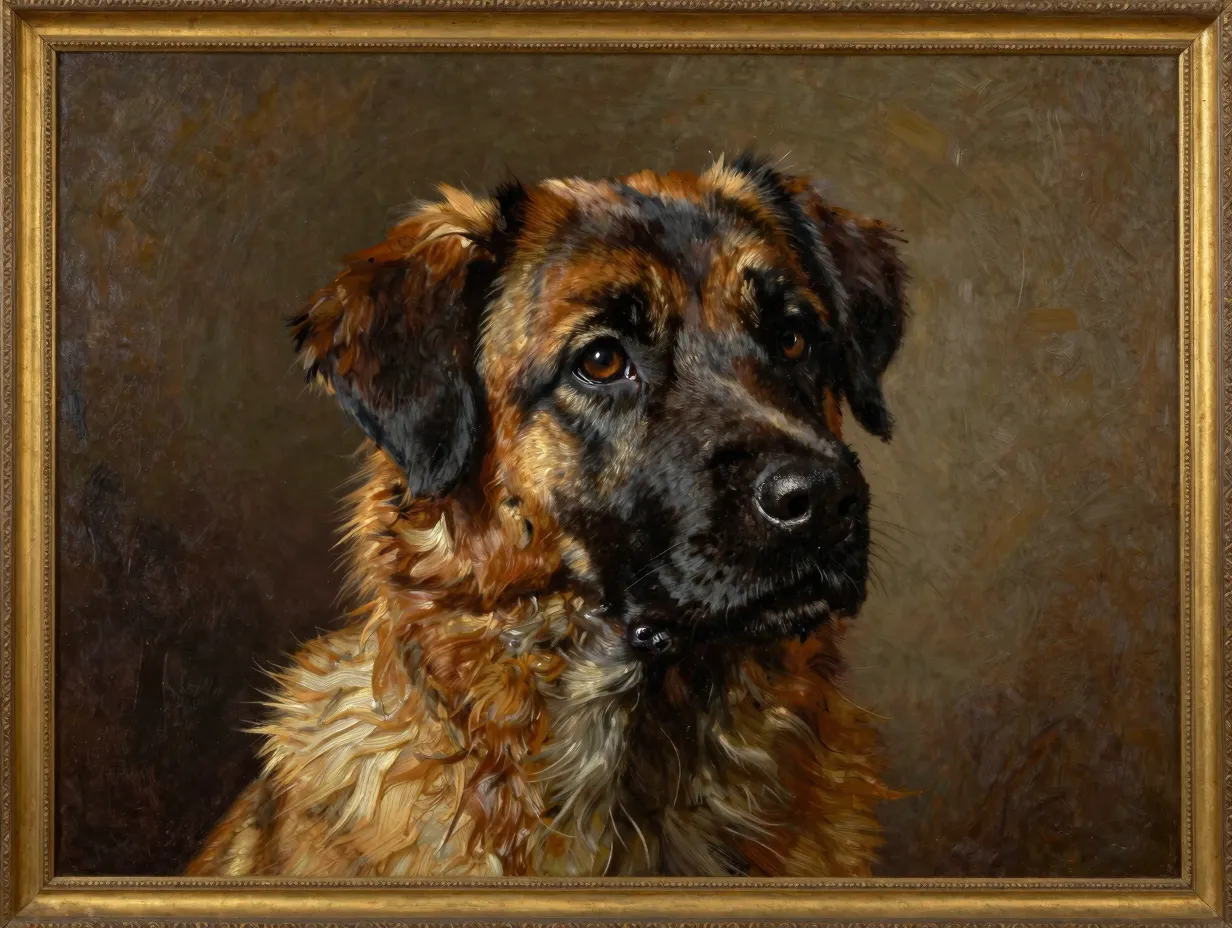
The eighth of these fascinating facts about the Belgian Shepherd Tervuren moves into art history. Alexandre Clarys, a renowned Belgian animal painter of the early 20th century, featured a Belgian Tervuren in one of his most celebrated paintings [1].
Clarys was known for his ability to capture animals with photographic realism — a skill that was particularly prized before photography became widespread. Choosing a Tervuren as a subject wasn’t accidental. These dogs have a natural presence and visual drama that translates powerfully into visual art.
The fact that a serious fine artist chose to immortalize this breed tells us something important: the Belgian Tervuren wasn’t just a farm tool. It was already recognized as something visually and temperamentally exceptional — worthy of artistic documentation.
🎨 Did You Know? The tradition of featuring working dogs in fine art dates back centuries, but having a specific breed linked to a specific named artist gives the Tervuren a cultural footprint that most breeds simply don’t have.
This artistic legacy adds another dimension to the breed’s identity. The Tervuren isn’t just a working dog or a sport dog — it’s a dog that has captured human imagination across multiple domains: agriculture, sport, military work, and the arts.
How These Facts Connect: Understanding the Tervuren’s Full Identity
Stepping back from the individual facts, a clear picture emerges. The Belgian Shepherd Tervuren is a breed shaped by:
- Specific geography — a single Belgian village
- Specific working demands — herding, guarding, carting
- Specific human decisions — Corbeel’s breeding choices, the AKC’s 1959 classification
- Specific competitive achievements — the first AKC Herding Championship
- Specific cultural recognition — fine art documentation
Every characteristic that makes the Tervuren challenging or rewarding to own — the intelligence, the drive, the mischief, the physical capability — traces directly back to these origins.
Is the Belgian Tervuren right for you? Consider these factors:
| Factor | Tervuren Requirement |
|---|---|
| Exercise | Minimum 1–2 hours of vigorous activity daily |
| Mental stimulation | Daily training, puzzles, or sport participation |
| Grooming | Weekly brushing, more during shedding seasons |
| Owner experience | Recommended for experienced working breed owners |
| Living space | Adaptable, but thrives with outdoor access |
| Socialization | Critical from puppyhood — early and ongoing |
Conclusion: What to Do With These 8 Fascinating Facts About the Belgian Shepherd Tervuren You Probably Didn’t Know
The Belgian Shepherd Tervuren is not a breed you can understand from a single angle. It’s a brewery dog and a herding champion. It’s an artist’s subject and a military working dog. It’s intensely focused and genuinely funny. That complexity is exactly what makes it one of the most rewarding breeds for the right owner — and one of the most challenging for the wrong one.
Here are your actionable next steps:
- If you’re considering adding a Tervuren to your family — research breed-specific rescues and reputable breeders who health-test their dogs. The AKC’s breeder marketplace and the American Belgian Tervuren Club are good starting points.
- If you already own a Tervuren — channel that mischievous intelligence into structured sport. Herding trials, agility, obedience competitions, and Schutzhund are all excellent outlets.
- If you’re simply fascinated by the breed — visit a herding trial or a dog sport event in 2026 where Tervurens compete. Watching one work in person is an experience that photographs simply can’t replicate.
- Share what you’ve learned — these 8 fascinating facts about the Belgian Shepherd Tervuren deserve a wider audience. Most people who see a Tervuren have no idea they’re looking at the descendant of a brewery cart-puller who won the first AKC Herding Championship.
The Tervuren’s story is still being written — one championship, one working title, and one mischievous stolen sock at a time. 🐾
References
[1] Fun Facts Belgian Tervuren – https://www.akc.org/expert-advice/lifestyle/fun-facts-belgian-tervuren/
[2] Belgian Shepherd Tervueren – https://www.purina.co.uk/find-a-pet/dog-breeds/belgian-shepherd-tervueren
[4] Blog Entry 134 – http://dogterritory.blog.fc2.com/blog-entry-134.html
[5] Watch – https://www.youtube.com/watch?v=tGjdmCX7GJw
[6] Belgian Tervuren – https://wagwalking.com/breed/belgian-tervuren