7 Training Challenges of Your New Husky Puppy Dog: Expert Guide to Success
Bringing home a fluffy Siberian Husky puppy is like welcoming a beautiful, intelligent, and wonderfully stubborn tornado into your life. These arctic athletes captivate hearts with their striking blue eyes and wolf-like appearance, but beneath that adorable exterior lies a complex personality that presents unique training obstacles. Understanding the 7 training challenges of your new husky puppy dog before they become overwhelming behavioral issues can mean the difference between a harmonious household and daily frustration.
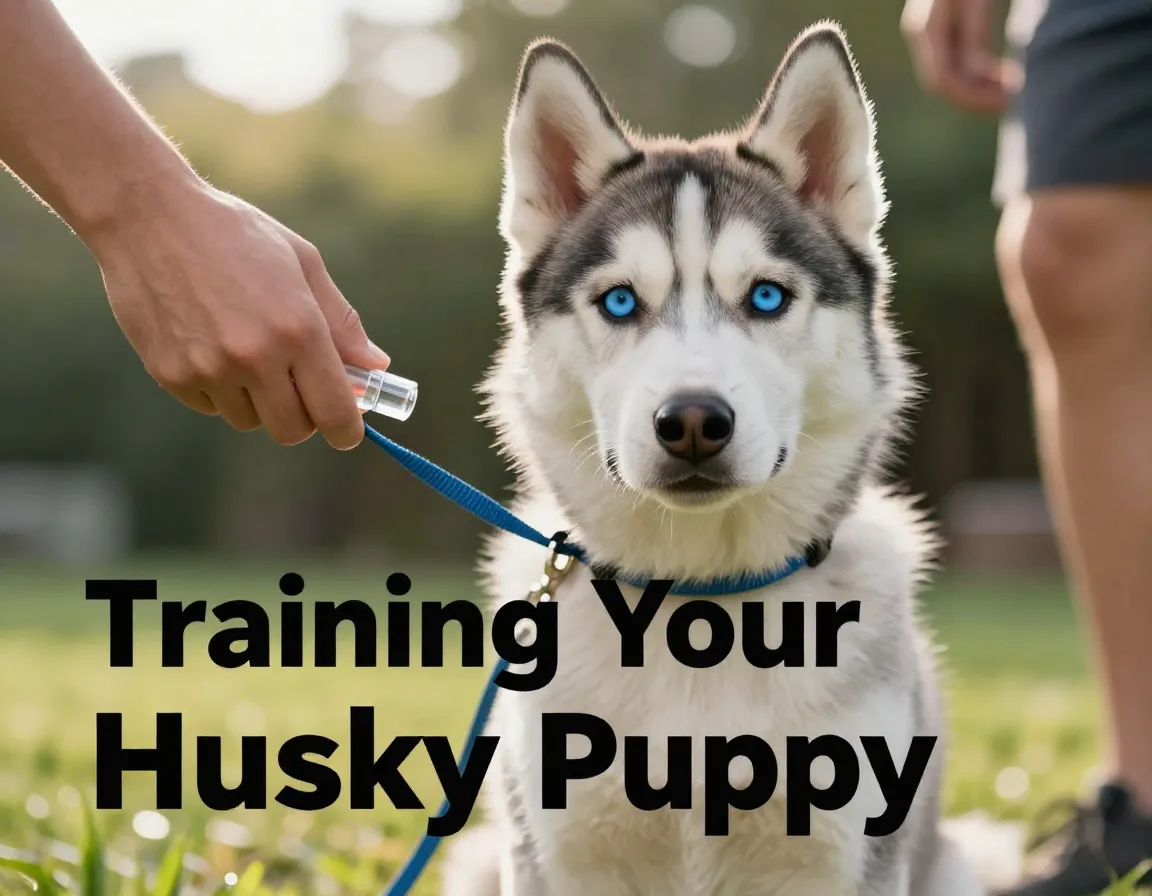
Huskies aren’t just any ordinary dog breed—they’re working animals bred for endurance, independence, and decision-making in harsh conditions. These traits that made them exceptional sled dogs can create significant hurdles for modern pet owners. From their notorious escape artist abilities to their selective hearing when it comes to recall commands, husky puppies require specialized training approaches that acknowledge their unique psychological makeup.
Key Takeaways
- Huskies are naturally independent thinkers who question commands rather than blindly following them, requiring patience and compelling motivation during training sessions
- High energy and mental stimulation needs demand at least 2 hours of daily exercise plus puzzle toys and engaging activities to prevent destructive behaviors
- Strong prey drive and escape tendencies make off-leash training extremely challenging and require secure containment solutions
- Consistency is absolutely critical as huskies don’t understand “sometimes” and inconsistent rules will confuse and slow their progress
- Early socialization and professional guidance can help address these breed-specific challenges before they become ingrained behavioral problems
Understanding the Unique Nature of Husky Training Challenges
Before diving into specific training obstacles, it’s essential to understand why huskies present such distinct challenges compared to other breeds. These dogs were developed in Siberia to work independently, make split-second decisions, and survive in extreme conditions. Unlike breeds developed to please humans unconditionally, huskies were bred to think for themselves.
This independent nature means traditional training methods that work well with Golden Retrievers or Labrador Retrievers often fall short with huskies. They need training approaches that respect their intelligence while establishing clear boundaries and expectations.
1. Stubborn Independence and Selective Hearing
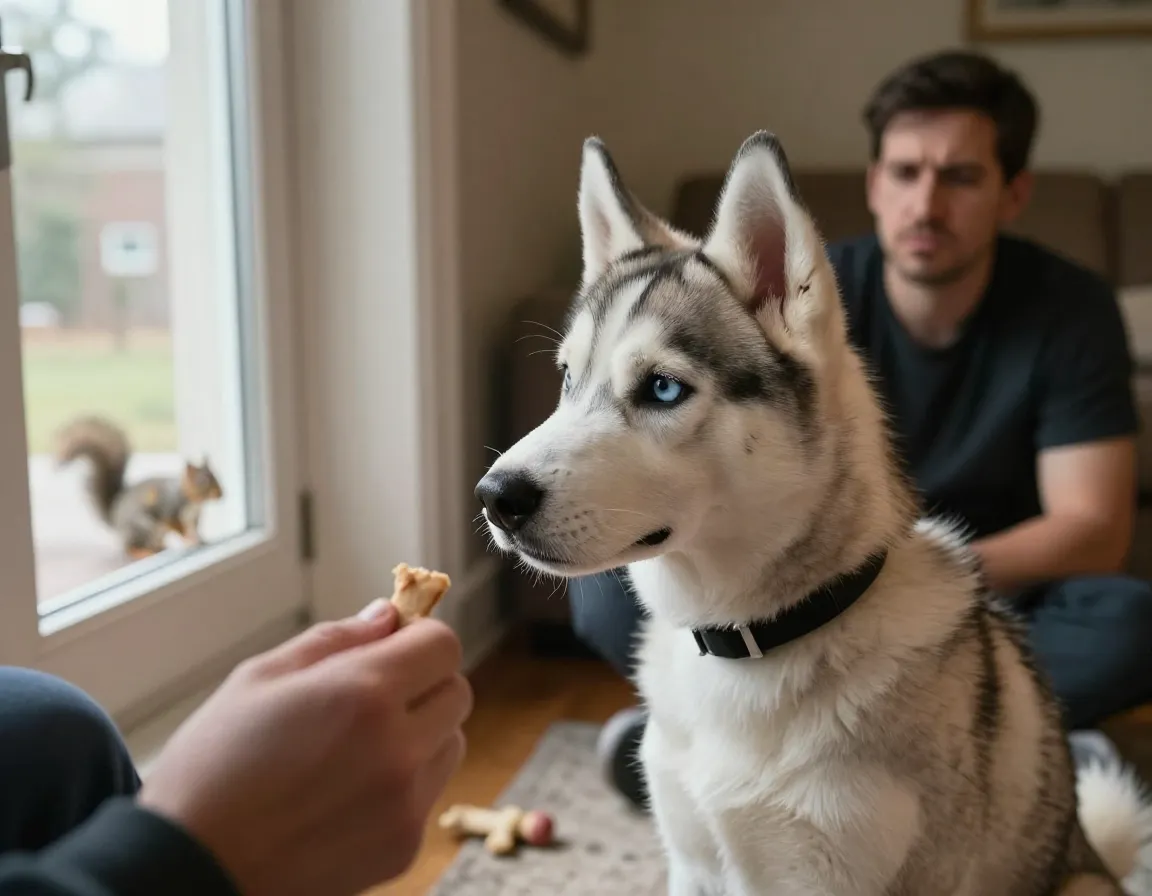
The first and perhaps most frustrating of the 7 training challenges of your new husky puppy dog is their legendary stubbornness and selective hearing. Huskies don’t blindly follow commands—they evaluate whether the request makes sense to them and whether the reward is worth their effort [1][3].
Why Huskies Question Commands
Unlike breeds bred for immediate obedience, huskies were developed to make independent decisions while pulling sleds across frozen tundra. If a musher commanded them to cross thin ice, their survival depended on refusing that command. This decision-making ability remains deeply ingrained in modern huskies.
Common manifestations include:
- Ignoring basic commands like “sit” or “stay” when distracted
- Responding to commands only when treats are visible
- Appearing to “forget” previously learned behaviors
- Giving you a look that clearly says “make me”
Training Solutions for Independence
Motivation-based training works best with huskies. Instead of demanding compliance, make following commands the most appealing option:
- Use high-value treats that your husky finds irresistible
- Keep training sessions short and engaging (5-10 minutes)
- Vary rewards between treats, praise, and play
- Practice commands in different environments to ensure reliability
- Never repeat commands multiple times—this teaches selective hearing
“Huskies don’t understand ‘sometimes.’ Consistency is everything when training these intelligent, independent dogs.” [8]
2. Overwhelming Energy Requirements and Exercise Needs
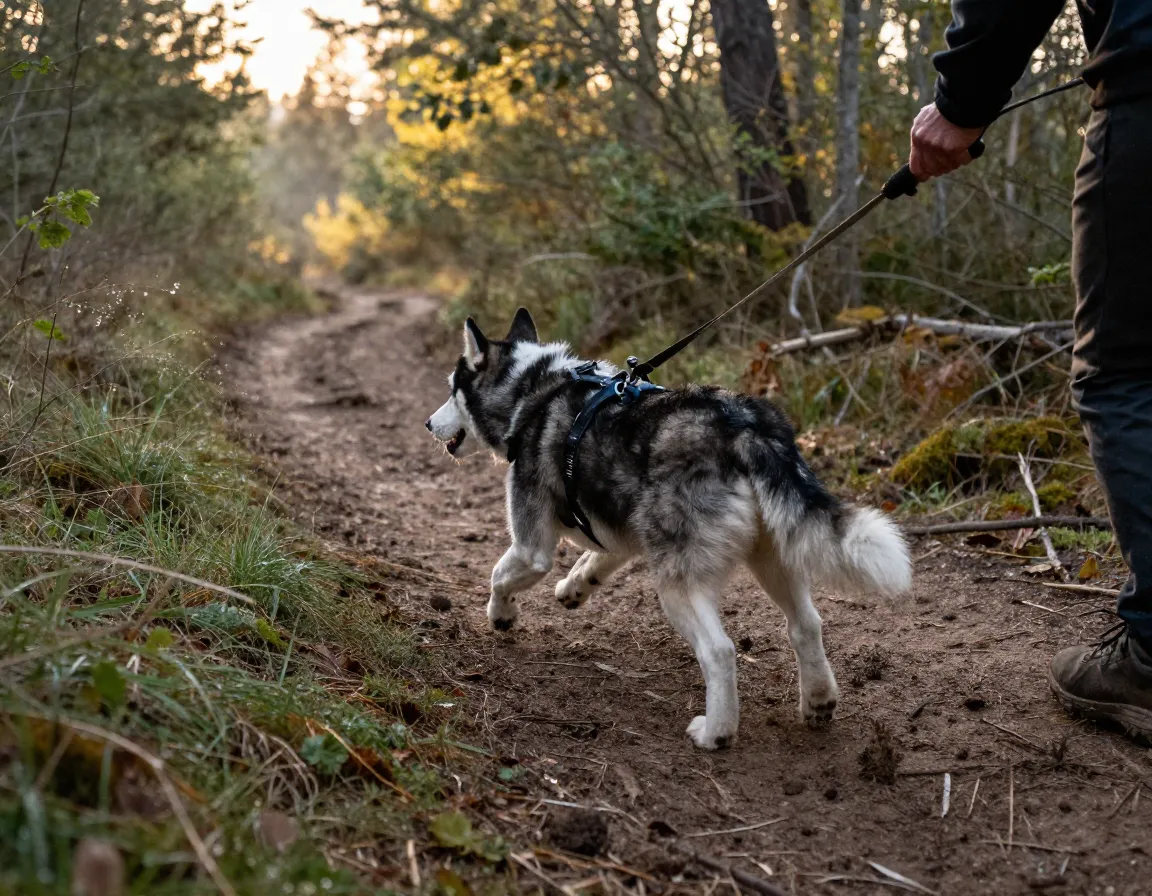
The second major challenge involves meeting the intense energy requirements that define husky puppies. These dogs require a minimum of 2 hours of daily exercise, and without adequate physical activity, they become bored, anxious, and destructive [1][4].
The Exercise Equation
Husky puppies aren’t satisfied with a casual walk around the block. Their exercise needs include:
| Activity Type | Daily Requirement | Purpose |
|---|---|---|
| Physical Exercise | 2+ hours | Burn energy, maintain health |
| Mental Stimulation | 30-60 minutes | Prevent boredom, engage intelligence |
| Training Sessions | 15-30 minutes | Build obedience, strengthen bond |
| Free Play | Variable | Natural behavior expression |
Consequences of Insufficient Exercise
Under-exercised huskies exhibit problematic behaviors that make training nearly impossible:
- Destructive chewing of furniture, shoes, and household items
- Excessive digging in yards and gardens
- Hyperactivity that prevents focus during training
- Anxiety-related behaviors like pacing and whining
- Attention-seeking through negative behaviors
Exercise Solutions for Husky Puppies
Age-appropriate activities are crucial since puppy joints are still developing:
- Puppy socialization classes combine exercise with training
- Interactive play sessions with puzzle toys and treat dispensers
- Short hiking adventures on varied terrain
- Swimming (excellent low-impact exercise)
- Agility training once basic commands are established
3. Irresistible Prey Drive Disrupting Training Focus
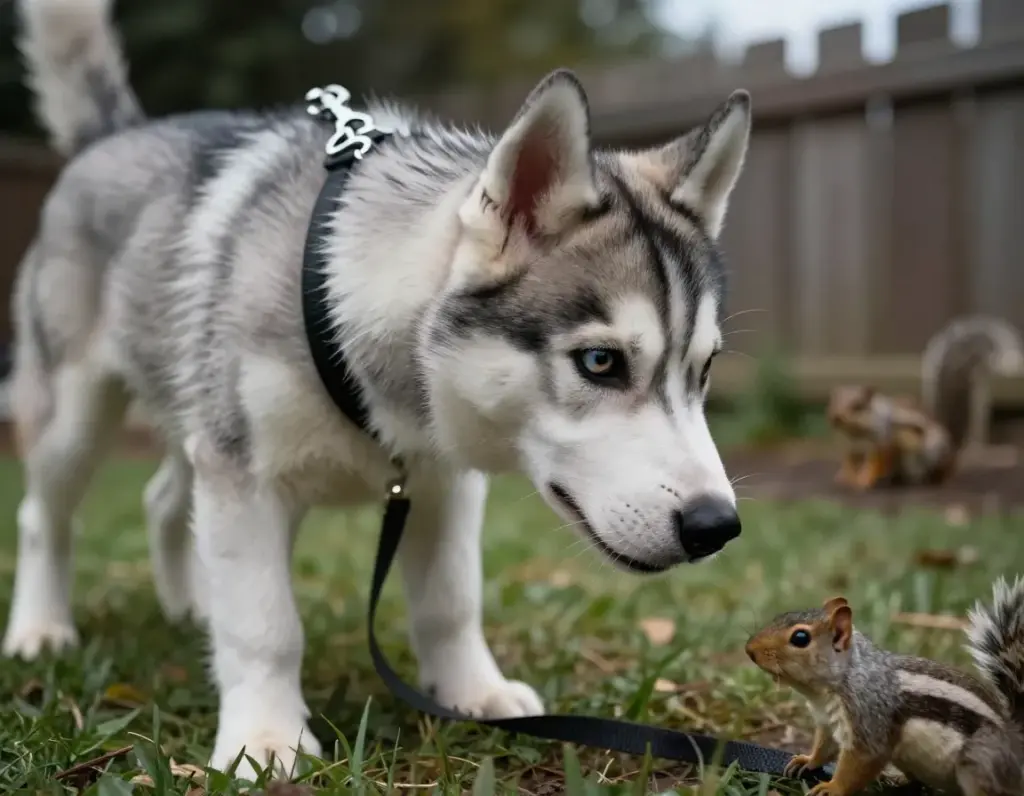
The third challenge in our exploration of 7 training challenges of your new husky puppy dog centers on their powerful prey drive. Cats, squirrels, birds, and small animals trigger an almost irresistible hunting instinct that can completely override training and recall commands [1].
Understanding Prey Drive in Huskies
This instinct served huskies well in their native environment, where supplementing their diet with small game could mean survival. Modern husky puppies retain this drive, which manifests as:
- Intense focus on moving objects
- Sudden bolting toward potential prey
- Complete deafness to commands when prey is spotted
- Persistent tracking behaviors
- Frustration when prevented from chasing
Training Around Prey Drive
Rather than trying to eliminate this natural instinct, successful training works with and around it:
Controlled exposure training:
- Start with stationary distractions at a distance
- Reward attention and focus on you instead of the distraction
- Gradually decrease distance as focus improves
- Practice emergency recall commands with high-value rewards
- Use long training leashes for safety during practice
Management strategies:
- Secure fencing is non-negotiable for husky owners
- Leash training becomes critically important
- Environmental awareness helps avoid trigger situations
- Redirect training teaches alternative behaviors
4. Natural Pulling Instincts Making Leash Training Difficult
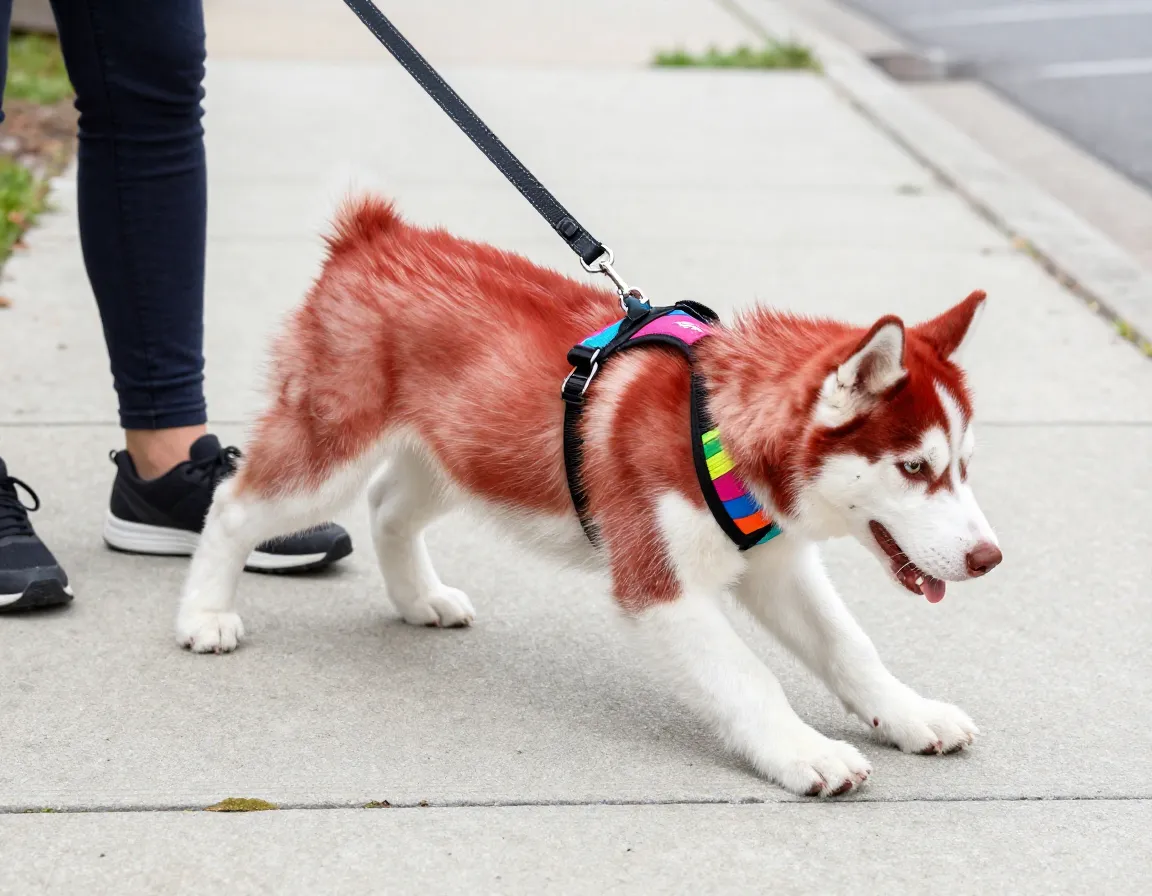
Leash training represents one of the most persistent training challenges for husky owners. As natural sled dogs, huskies are genetically programmed to pull, and they approach every walk as an opportunity to demonstrate their pulling power [1][3].
Why Huskies Pull Instinctively
The pulling behavior isn’t defiance—it’s centuries of selective breeding for this exact trait. Huskies feel most comfortable and natural when pulling against resistance. This creates several training complications:
- Shoulder and back strain for owners
- Dangerous situations when huskies pull toward traffic or hazards
- Reduced enjoyment of walks for both dog and owner
- Reinforcement of pulling through inadvertent rewards
Effective Leash Training Techniques
Equipment solutions can provide immediate improvement:
- Front-clip harnesses redirect pulling force
- Head halters give better control without choking
- No-pull harnesses with back attachment points
- Proper leash length (6 feet maximum for training)
Training methodology:
- Stop-and-go technique: Stop immediately when pulling begins
- Change direction: Turn around when your husky pulls ahead
- Reward loose leash: Treats and praise for walking beside you
- Practice in low-distraction environments first
- Gradual exposure to more challenging walking conditions
Alternative Exercise Options
Since pulling is natural for huskies, consider channeling this instinct positively:
- Canicross (running with your dog)
- Bikejoring (biking with your dog pulling)
- Sledding or skijoring in winter climates
- Weight pulling sports and competitions
5. Escape Artist Tendencies and Containment Issues
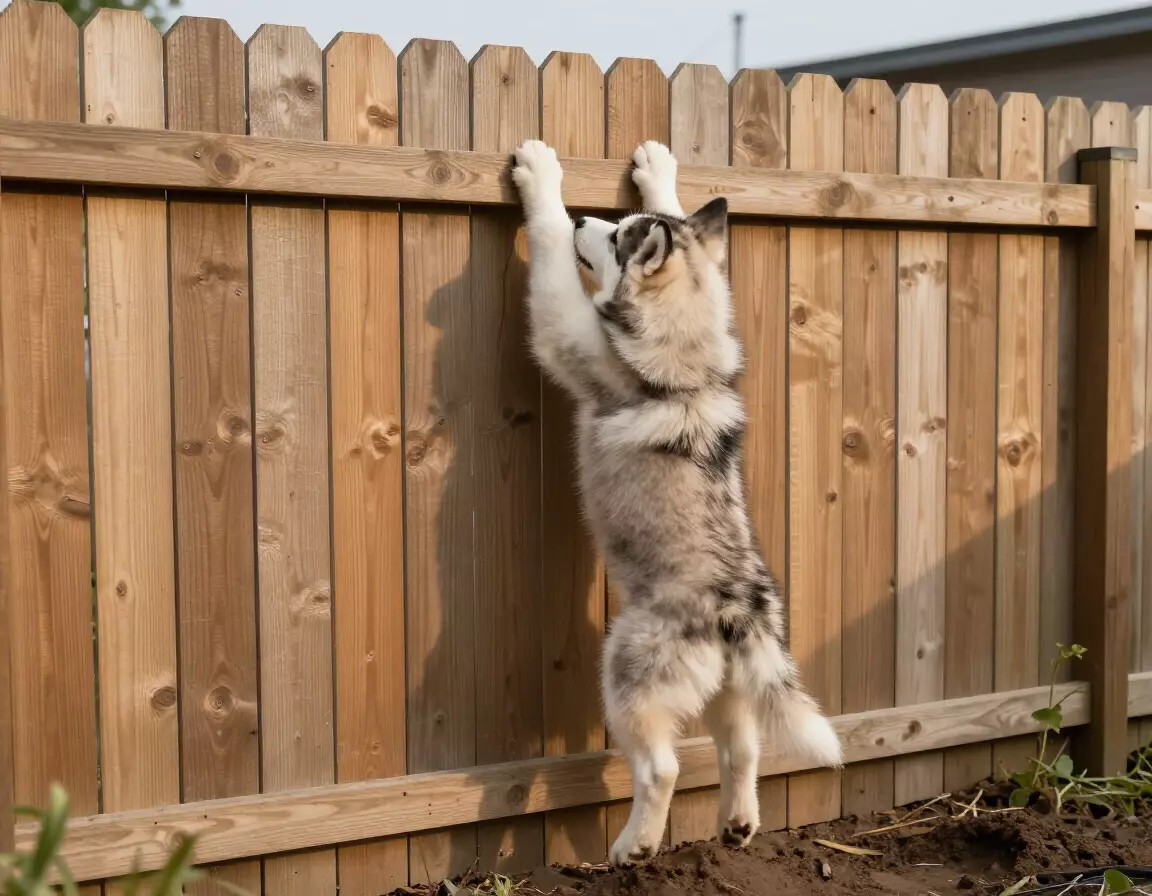
Perhaps no challenge is more notorious among the 7 training challenges of your new husky puppy dog than their escape artist abilities. Huskies are legendary for their creativity in finding freedom, whether through climbing fences, digging elaborate tunnel systems, or simply waiting for the perfect opportunity to bolt through an open door [1].
The Psychology of Escape
Huskies don’t escape out of spite or unhappiness—it’s often driven by:
- Curiosity about the world beyond their boundaries
- Boredom from insufficient mental stimulation
- Prey drive triggered by interesting scents or sounds
- Social motivation to find other dogs or people
- Genetic wanderlust inherited from their nomadic ancestors
Common Escape Methods
Understanding how huskies escape helps in prevention:
🔓 Digging: Huskies can excavate impressive tunnels under fences
🧗 Climbing: Many huskies can scale 6-foot fences with ease
🚪 Door dashing: Lightning-fast exits through open doors
🔍 Gap finding: Squeezing through surprisingly small openings
⏰ Patience: Waiting for the perfect opportunity to escape
Escape-Proof Solutions
Physical containment improvements:
- Fence height: Minimum 6 feet, preferably 8 feet
- Underground barriers: Chicken wire or concrete footings
- Fence angle: Inward-angled top sections
- Gate security: Spring-loaded latches and double gates
- Visual barriers: Solid fencing to reduce external stimulation
Training and management:
- Door training: Teaching “wait” before going through doorways
- Recall practice: Emergency recall commands with irresistible rewards
- Supervision: Never leaving huskies unattended in unsecured areas
- Mental enrichment: Reducing escape motivation through engagement
6. Unreliable Recall and Off-Leash Safety Concerns
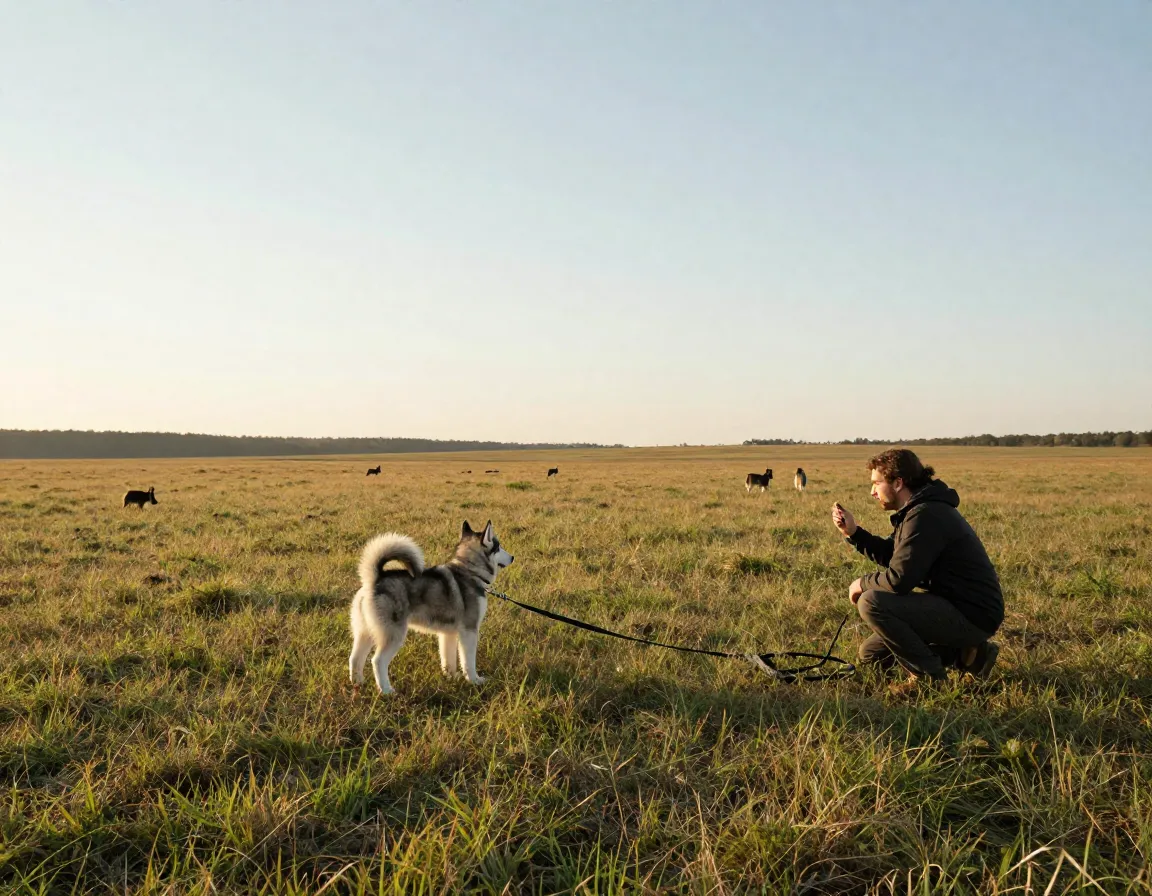
The sixth challenge addresses one of the most dangerous aspects of husky ownership: their notoriously unreliable recall when off-leash. The combination of prey drive, curiosity, and independence makes most huskies unsafe off-leash in unsecured areas [1].
Why Recall Fails with Huskies
Several factors contribute to recall difficulties:
- Prey drive override: Small animals trigger chase instincts stronger than training
- Selective attention: Huskies prioritize interesting scents and sights over commands
- Distance independence: Unlike some breeds, huskies don’t feel compelled to stay near their owners
- Reward competition: Environmental stimuli often seem more rewarding than treats or praise
Building Better Recall
While perfect off-leash reliability may never be achievable, improved recall can be developed:
Foundation training:
- Start indoors with minimal distractions
- Use irresistible rewards (special treats, favorite toys)
- Practice short distances initially
- Always reward successful recalls, never punish coming to you
- Gradually increase distance and distractions
Advanced techniques:
- Long-line training provides safety while practicing
- Multiple family members can practice recall together
- Emergency recall commands reserved for true emergencies
- Consistent practice in various environments and situations
Safe Alternatives to Off-Leash Freedom
Secure exercise options:
- Fenced dog parks with double-gate entry systems
- Private fenced yards with escape-proof modifications
- Long training leashes (30-50 feet) for supervised exploration
- Dog sports that provide structured off-leash time
7. Mental Stimulation Requirements and Boredom Prevention
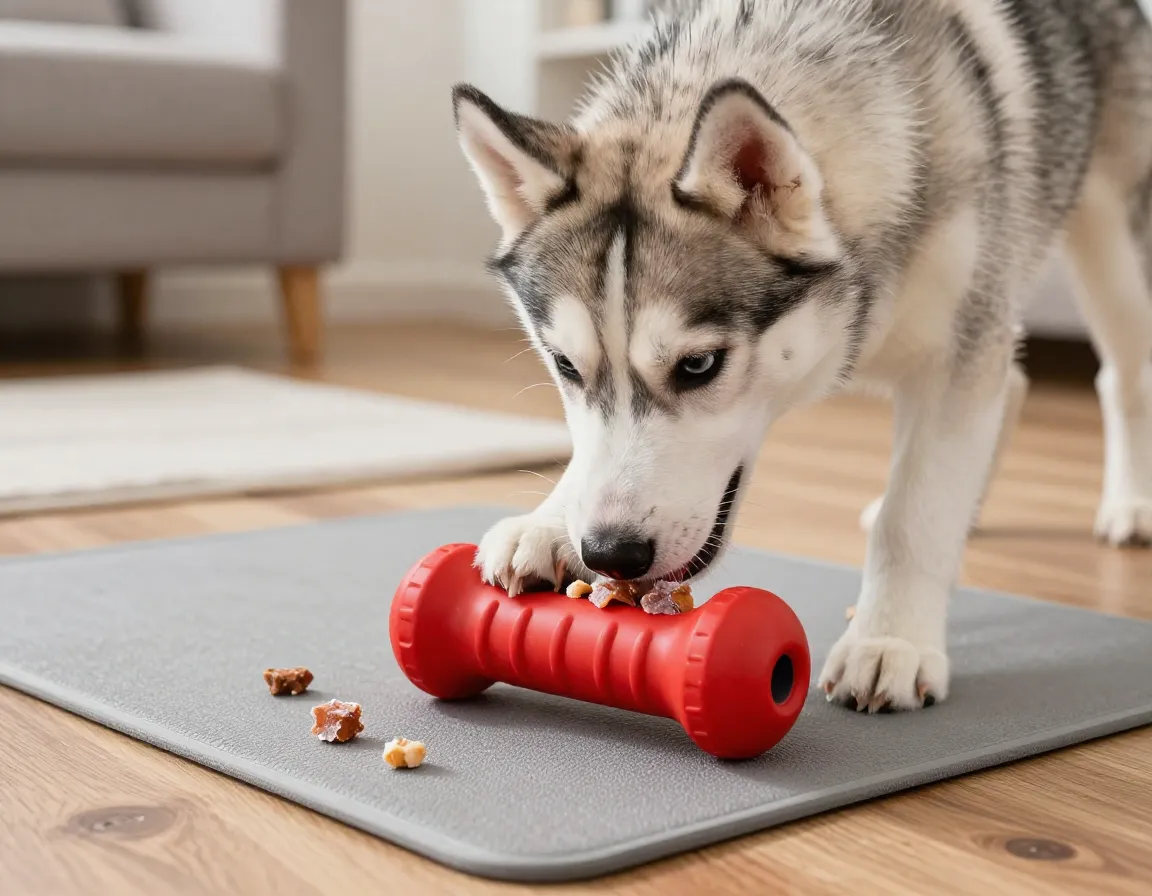
The final challenge in our comprehensive guide to 7 training challenges of your new husky puppy dog involves meeting their substantial mental stimulation needs. Huskies require significant intellectual engagement, and lack of mental stimulation causes behavioral problems that make training nearly impossible [1][4][5].
The Intelligent Husky Mind
Huskies were bred to make complex decisions while navigating dangerous terrain and changing weather conditions. This intelligence requires constant engagement:
- Problem-solving opportunities to keep their minds active
- Novel experiences to prevent boredom
- Learning challenges that match their intellectual capacity
- Interactive play that engages their thinking abilities
Signs of Mental Understimulation
Behavioral indicators that your husky needs more mental engagement:
- 🧠 Destructive behavior targeting specific items
- 🔄 Repetitive behaviors like excessive licking or pacing
- 📢 Attention-seeking through negative behaviors
- 😤 Hyperactivity that doesn’t improve with physical exercise
- 🎯 Training regression or inability to focus during sessions
Mental Enrichment Solutions
Puzzle toys and interactive feeders:
- Kong toys stuffed with frozen treats
- Puzzle feeders that require problem-solving for meals
- Hide-and-seek games with treats throughout the house
- Rotating toy selection to maintain novelty
Training and learning activities:
- Trick training beyond basic obedience commands
- Agility courses that combine physical and mental challenges
- Scent work games that engage their natural tracking abilities
- New environments for training sessions and exploration
Daily mental stimulation schedule:
- Morning: Interactive feeding puzzle
- Midday: Training session with new commands
- Afternoon: Scent games or hide-and-seek
- Evening: Puzzle toys during quiet time
Creating a Comprehensive Training Plan
Successfully addressing the 7 training challenges of your new husky puppy dog requires a holistic approach that acknowledges their unique needs while establishing clear expectations and boundaries.
Training Timeline and Expectations
8-12 weeks: Focus on socialization and basic house training
3-4 months: Introduce basic commands and leash training
4-6 months: Strengthen recall and impulse control
6-12 months: Advanced training and specialized activities
12+ months: Ongoing maintenance and skill refinement
Professional Support Options
Consider professional help when challenges become overwhelming:
- Certified dog trainers with husky experience
- Puppy socialization classes for early development
- Behavioral consultants for serious issues
- Husky-specific training groups and communities
Consistency and Family Training
Everyone in the household must understand and implement the same training approaches:
- Consistent commands and expectations
- Unified reward systems and consequences
- Regular family training meetings to discuss progress
- Patience and persistence through challenging periods
Conclusion
The 7 training challenges of your new husky puppy dog may seem overwhelming, but understanding these obstacles is the first step toward successful training and a harmonious relationship with your arctic companion. Remember that these challenges stem from traits that made huskies exceptional working dogs—independence, intelligence, high energy, and strong instincts.
Success with husky training requires patience, consistency, and respect for their unique nature. Rather than fighting against their natural tendencies, the most effective approaches work with their instincts while establishing clear boundaries and expectations. Every husky is an individual, and what works for one may need modification for another.
Your next steps should include:
- Assessing your current training challenges and prioritizing the most pressing issues
- Implementing consistent daily routines that address exercise, mental stimulation, and training
- Securing your environment to prevent escape and ensure safety
- Connecting with husky-experienced trainers or local husky communities for ongoing support
- Celebrating small victories and maintaining patience during setbacks
Remember that training a husky puppy is a marathon, not a sprint. The effort invested in addressing these challenges early will pay dividends in the form of a well-behaved, happy, and mentally satisfied adult husky who can be a wonderful family companion for years to come.
With dedication, understanding, and the right approach, the challenges that make huskies difficult can also make them incredibly rewarding pets. Their intelligence, loyalty, and unique personality traits that create training obstacles can also create an exceptionally strong bond with owners who take the time to understand and work with their nature.
References
[1] Training A Siberian Husky Challenges And Proven Tips – https://petcityhouston.com/2025/08/27/training-a-siberian-husky-challenges-and-proven-tips/
[2] Guide How To Train A Husky Puppy – https://zigzag.dog/en-us/blog/puppy-training/breed-specific/guide-how-to-train-a-husky-puppy/
[3] Training Huskies – https://www.bestmatedogtraining.co.nz/training-huskies
[4] Siberian Husky Training Guide Recommended Cues Timelines And More – https://a-z-animals.com/blog/siberian-husky-training-guide-recommended-cues-timelines-and-more/
[5] Top 5 Siberian Husky Training Tips – https://www.offleashk9training.com/top-5-siberian-husky-training-tips/
[6] Training A Siberian Husky Dogtips And Techniques For A Happy And Well Behaved Companion – https://www.petplay.com/blogs/tips/training-a-siberian-husky-dogtips-and-techniques-for-a-happy-and-well-behaved-companion
[7] Watch – https://www.youtube.com/watch?v=1gzqsZWbixI
[8] Training Tips – https://www.siberianhuskyrescue.org/training-tips/