7 Loyal Protectors: The True Nature Of Doberman Pinscher Dogs
When most people think of Doberman Pinscher dogs, images of fierce guard dogs and intimidating protectors often come to mind. However, the reality behind these magnificent canines tells a completely different story—one of unwavering loyalty, gentle family companionship, and noble character. The true nature of 7 Loyal Protectors: The True Nature Of Doberman Pinscher Dogs reveals a breed that has been misunderstood for decades, shaped more by Hollywood stereotypes than actual breed characteristics.
Key Takeaways
- Doberman Pinschers rank surprisingly low on aggression scales compared to many popular family breeds, including Cocker Spaniels and Dalmatians
- Modern breeding practices focus on calm, even-tempered dogs rather than aggressive guard animals
- These dogs require consistent training and mental stimulation to thrive as family companions
- Dobermans were originally bred as personal protection dogs in Germany, combining intelligence with loyalty
- Proper socialization and responsible breeding are crucial factors in developing well-balanced Doberman temperaments
Understanding the Heritage Behind These Loyal Protectors
The foundation of 7 Loyal Protectors: The True Nature Of Doberman Pinscher Dogs begins with understanding their remarkable heritage. Originally developed in Germany during the late 19th century, Doberman Pinschers were created through careful cross-breeding that included Rottweilers, German Pinschers, German Pointers, and Beaucerons [1]. This strategic breeding program was designed to produce the ultimate personal protection companion—intelligent, loyal, and capable.
🏛️ German Engineering at Its Finest
The breed’s creator, Louis Dobermann, was a tax collector who needed a reliable companion for his dangerous work. He envisioned a dog that would be:
- Fearlessly protective when necessary
- Completely loyal to their family
- Intelligent enough to distinguish real threats
- Athletic and strong for physical demands
Physical Specifications That Define Excellence
Modern Doberman Pinschers maintain impressive physical standards that reflect their working heritage:
| Gender | Height | Weight | Lifespan |
|---|---|---|---|
| Males | 26-28 inches | 60-100 pounds | 10-13 years |
| Females | 24-26 inches | 60-90 pounds | 10-13 years |
These specifications ensure that Dobermans possess the size and strength necessary for protection work while remaining manageable family companions [1].
The Seven Key Characteristics That Define True Doberman Nature
According to official breed club standards, the 7 Loyal Protectors: The True Nature Of Doberman Pinscher Dogs can be understood through seven essential characteristics that define breed excellence [2]:
1. Balanced Movement and Athletic Grace
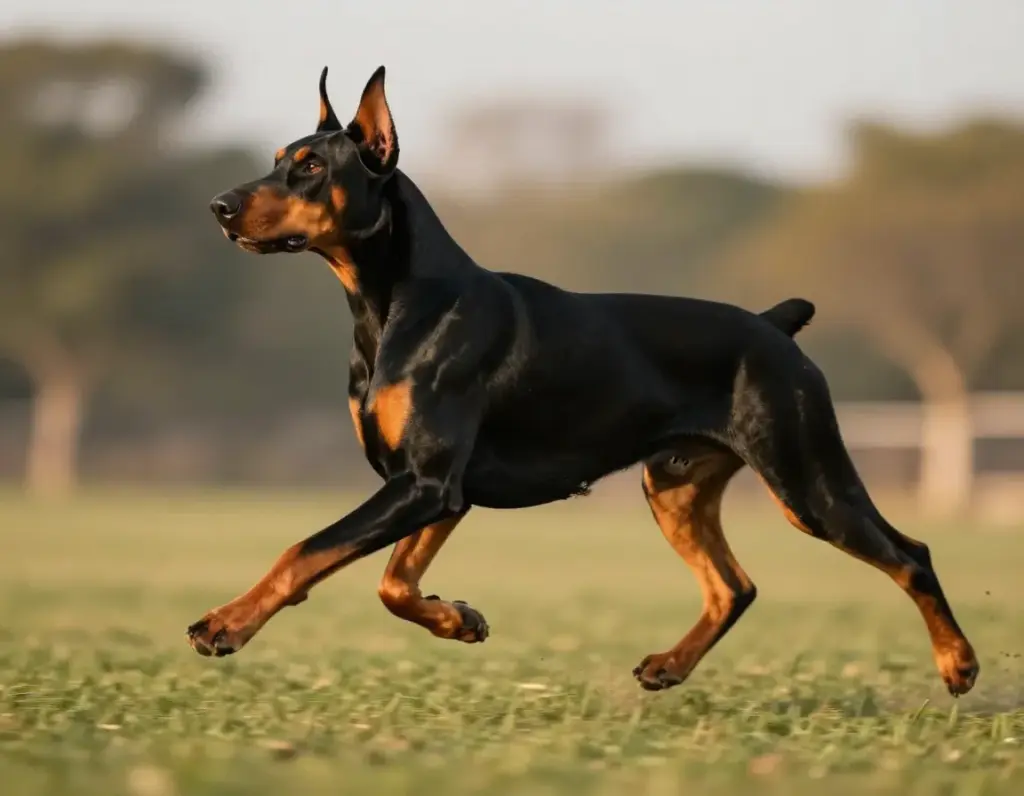
Doberman Pinschers exhibit fluid, powerful movement that demonstrates their athletic capabilities. This characteristic reflects their working heritage and ensures they can perform protection duties when necessary. Their gait should be effortless and ground-covering, showing the stamina needed for extended periods of activity.
2. Heavy Bone Structure with Excellent Muscling
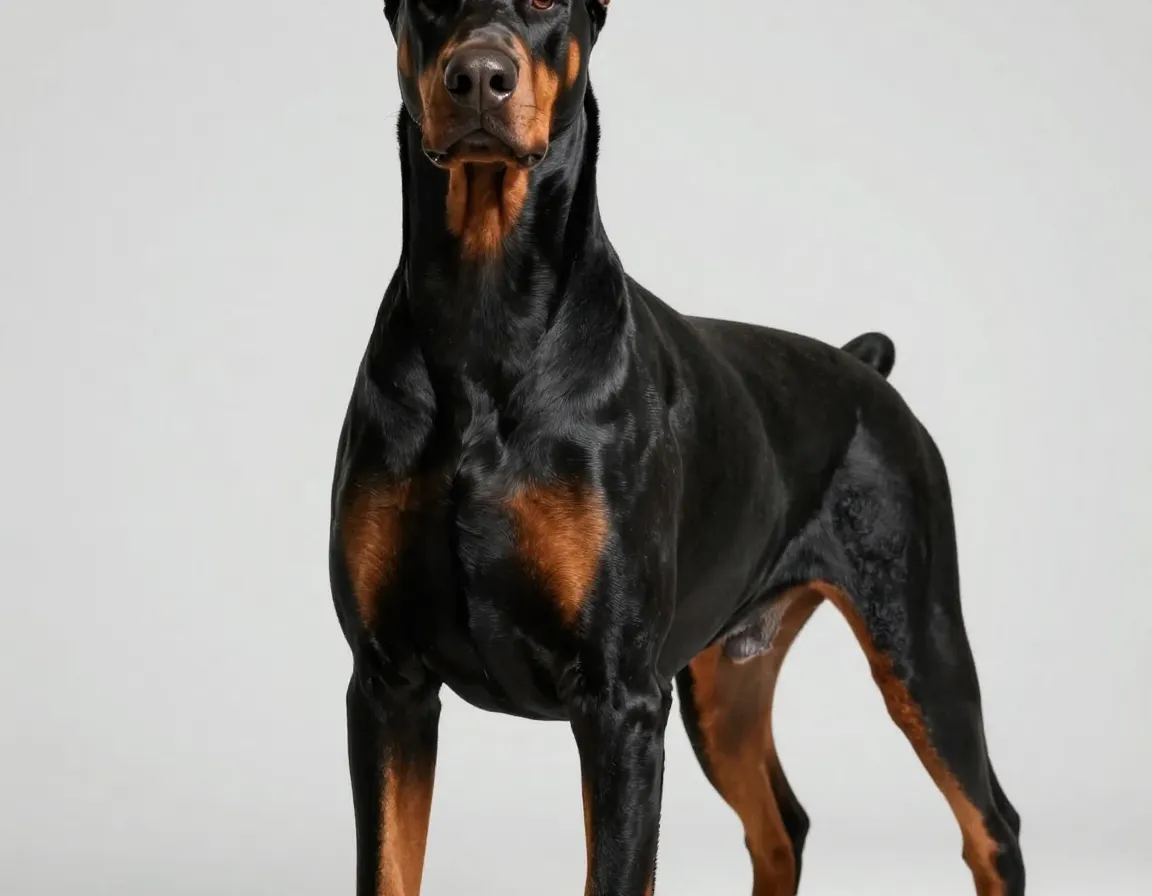
The breed’s substantial bone structure provides the foundation for their protective capabilities. Well-developed muscling throughout their frame ensures they possess the physical strength required for their traditional roles while maintaining an elegant appearance that distinguishes them from bulkier guard dog breeds.
3. Square, Medium-Size Build
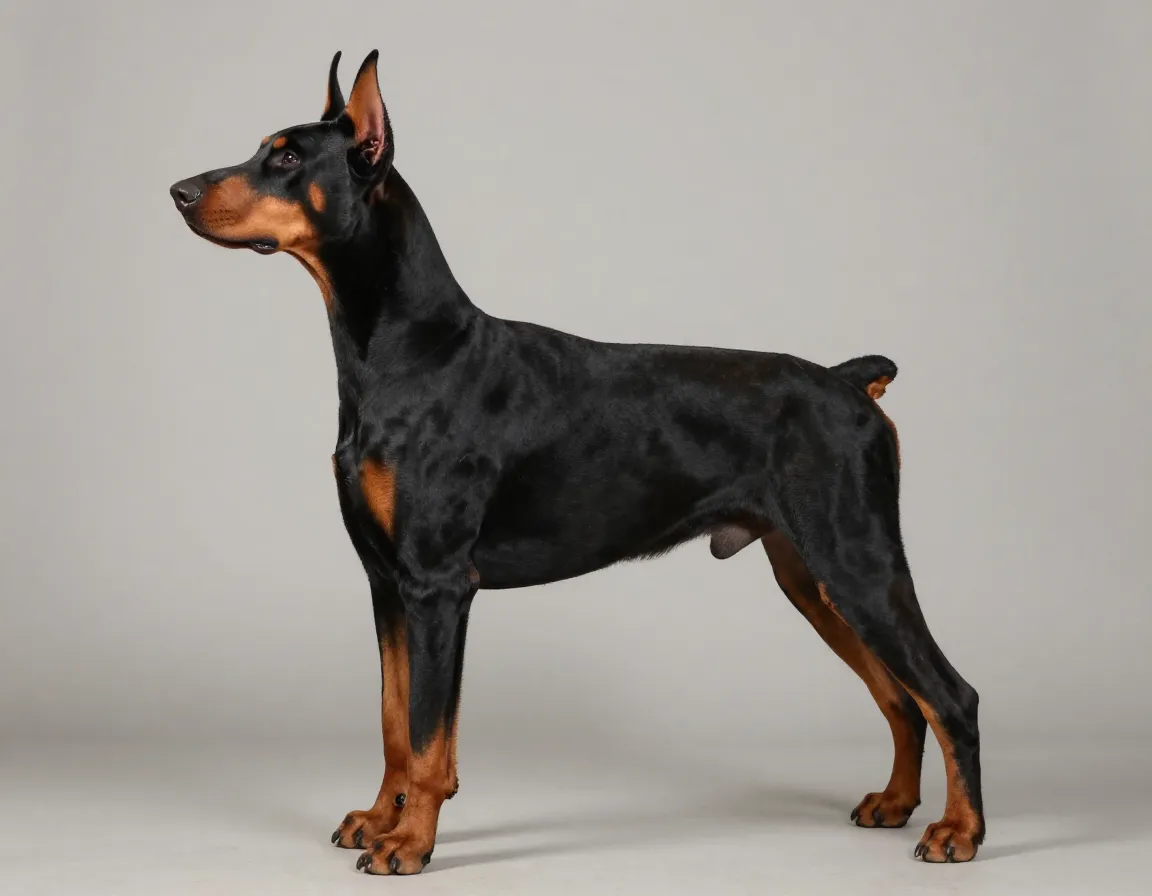
The ideal Doberman presents a perfectly balanced, square silhouette when viewed from the side. This proportion creates the optimal combination of agility and power, allowing these dogs to move quickly when protecting their families while maintaining the strength needed for physical confrontations.
4. Level Topline and Proper Structure
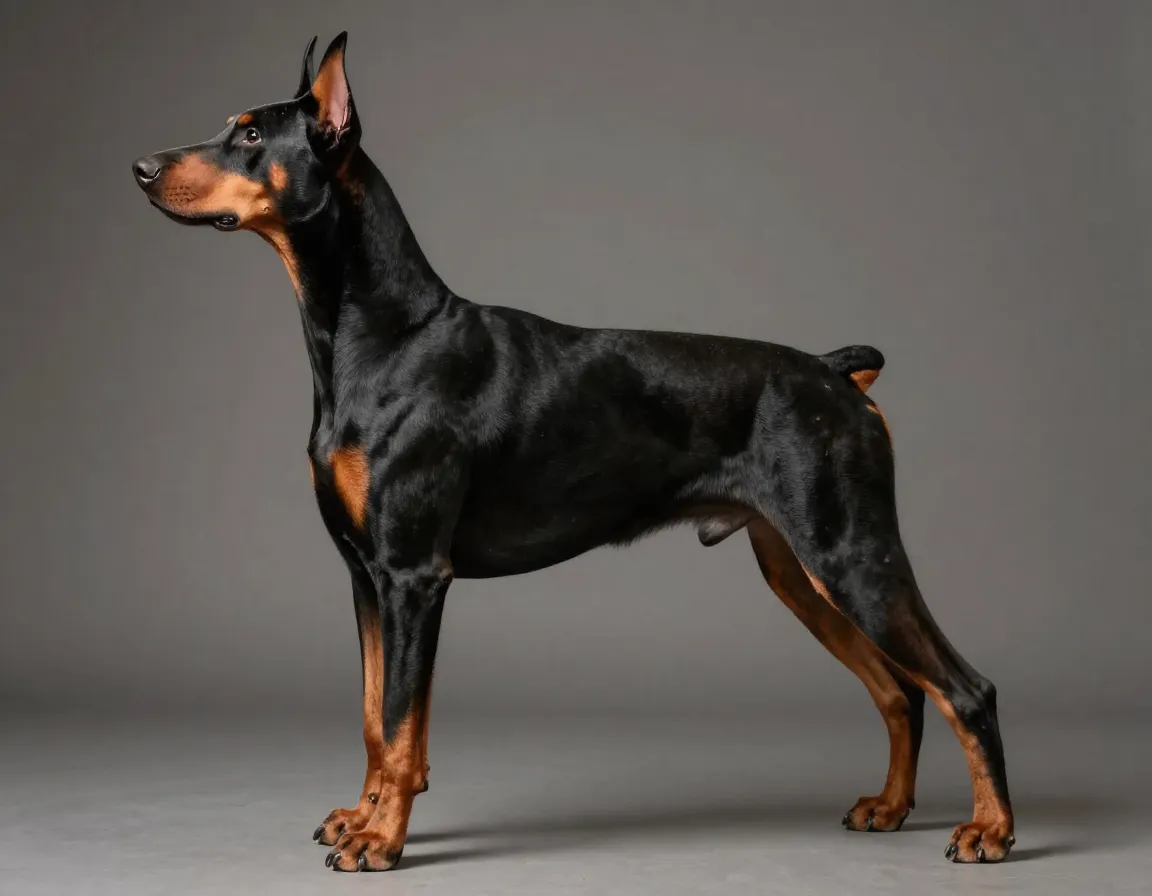
A strong, level topline indicates proper structural development and ensures the dog can perform athletic activities without strain. This characteristic is essential for dogs that may need to jump, run, or engage in protection work throughout their lives.
5. Distinctive Wedge-Shaped Head
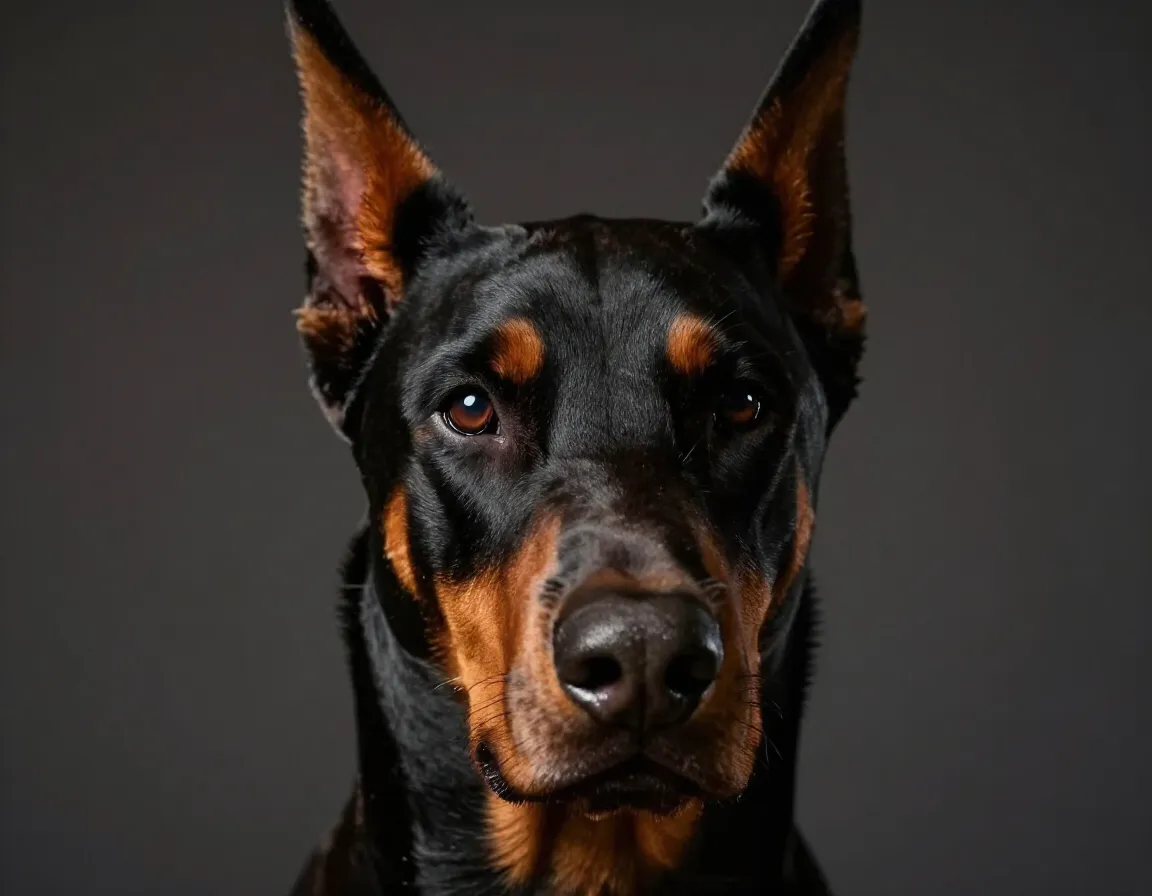
The breed’s noble, wedge-shaped head creates their distinctive expression and houses the intelligence that makes them such effective companions. This head shape, combined with their alert ears and intelligent eyes, gives Dobermans their characteristic look of focused attention.
6. Noble and Alert Expression

Perhaps no characteristic better defines the true nature of Doberman Pinscher dogs than their expression. Described as noble, fearless, and alert, their facial expression should convey intelligence, confidence, and unwavering loyalty to their families.
7. Ideal Temperament: The Heart of the Breed
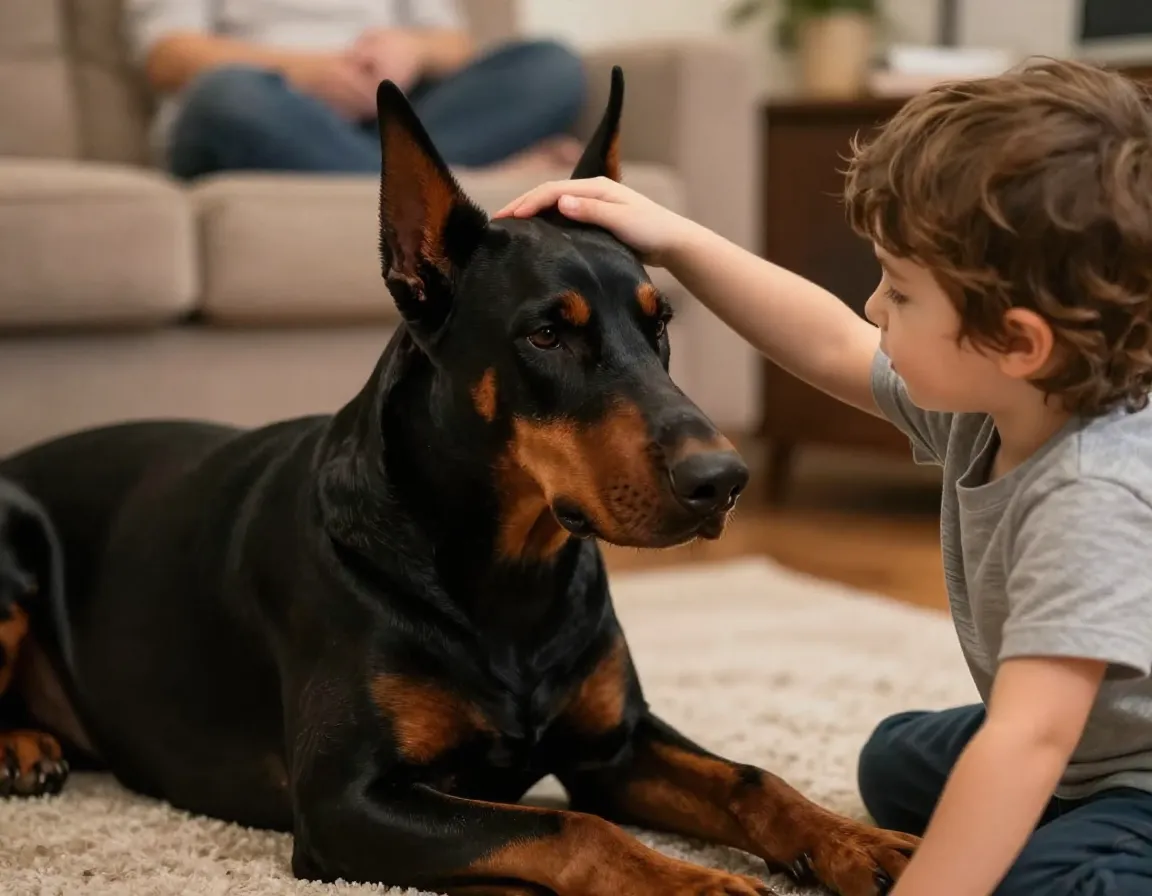
The most important characteristic defining these loyal protectors is their temperament. Official breed standards describe the ideal Doberman as:
- Noble in bearing and character
- Fearless when facing genuine threats
- Alert to their surroundings at all times
- Loyal beyond question to their families
- Obedient and eager to please
- Watchful without being anxious or aggressive
- Energetic and ready for activity
- Determined in their protective duties
Debunking Aggression Myths: The Real Temperament Data
One of the most significant misconceptions about 7 Loyal Protectors: The True Nature Of Doberman Pinscher Dogs involves their supposed aggressive nature. Scientific research reveals surprising truths that contradict popular stereotypes.
📊 Actual Aggression Statistics
Research data shows that Doberman Pinschers rank remarkably low on aggression toward humans compared to many breeds commonly considered “family-friendly.” In fact, studies indicate that Dobermans are significantly less aggressive than:
- Cocker Spaniels
- Dalmatians
- Great Danes
- Several terrier breeds
- Some herding breeds
This data comes from comprehensive behavioral studies that measured aggression toward strangers, family members, and other dogs [4].
Modern Breeding Philosophy
Contemporary responsible breeders practice selective breeding specifically for calm, even-tempered dogs rather than aggressive guard animals. This shift in breeding philosophy has created modern Dobermans that are:
“Devoted family companions with natural protective instincts rather than aggressive guard dogs. The goal is a dog that can distinguish between normal situations and genuine threats.” [3]
American breeding lines particularly emphasize calm temperaments, often producing dogs that are more suitable for family life than some European lines that maintain stronger working drives [3][4].
Training and Socialization: Unlocking Their True Potential
The loyal protector nature of Doberman Pinschers shines brightest when they receive proper training and socialization. These intelligent dogs possess a strong desire to please their families, making them highly responsive to consistent training programs.
🎯 Training Advantages
Doberman Pinschers respond exceptionally well to obedience training due to several breed characteristics:
- High intelligence that allows quick learning
- Strong desire to please their owners
- Natural focus and attention during training sessions
- Physical capability to perform complex tasks
- Emotional bond with their handlers that motivates cooperation
Professional Training Recommendations
While Dobermans are highly trainable, their dominance and territorial instincts require professional guidance to ensure proper development [3]. Professional trainers can help owners:
- Establish clear leadership without harsh methods
- Channel protective instincts appropriately
- Develop reliable recall and control commands
- Practice real-world scenarios safely
- Build confidence in various situations
Socialization Requirements
Early and ongoing socialization is crucial for developing well-balanced Doberman temperaments. Proper socialization should include:
- Exposure to various people of different ages and appearances
- Positive interactions with other dogs and animals
- Experience with different environments and situations
- Handling exercises for grooming and veterinary care
- Noise desensitization for urban living
Exercise and Mental Stimulation: Fueling Their Protective Nature
Understanding the exercise requirements of these loyal protectors is essential for maintaining their physical and mental health. Doberman Pinschers possess high energy levels that require daily outlets to prevent behavioral problems.
💪 Daily Exercise Requirements
Doberman Pinschers require substantial daily exercise including:
- 60-90 minutes of physical activity daily
- Daily walks of at least 30-45 minutes
- Running or jogging opportunities several times per week
- Interactive play sessions with family members
- Swimming or hiking when possible
Mental Stimulation Needs
Beyond physical exercise, these intelligent dogs require mental challenges to remain satisfied:
- Puzzle toys and food-dispensing games
- Training sessions that teach new skills
- Scent work and tracking activities
- Agility or obedience competitions
- Job-like activities that engage their working instincts
“A tired Doberman is a good Doberman. These dogs need both physical exercise and mental challenges to express their true loyal, protective nature in positive ways.” [3]
The Modern Family Doberman: Loyal Protectors in 2026
Today’s Doberman Pinschers represent the culmination of decades of careful breeding focused on creating ideal family companions. The true nature of these loyal protectors in 2026 reflects a breed that has evolved far beyond its early working origins.
🏠 Family Integration
Modern Dobermans excel as family members when they receive:
- Consistent daily routines that provide structure
- Clear boundaries established through positive training
- Regular socialization with family friends and neighbors
- Appropriate outlets for their energy and intelligence
- Strong bonds with all family members
Protective Instincts vs. Family Life
Well-bred Dobermans can distinguish between normal daily activities and genuine threats. Their protective nature manifests as:
- Alertness to unusual sounds or situations
- Positioning themselves between family and strangers
- Calm assessment of new people and situations
- Controlled responses rather than immediate aggression
- Loyalty and devotion to family members
Living Situation Considerations
These loyal protectors adapt well to various living situations when their needs are met:
| Living Situation | Suitability | Requirements |
|---|---|---|
| Apartments | Good with exercise | Daily walks + mental stimulation |
| Suburban homes | Excellent | Secure yard + regular exercise |
| Rural properties | Excellent | Space to roam + job activities |
| Urban environments | Good | Socialization + noise training |
Health Considerations for Long-Term Companionship
Maintaining the health of these loyal protectors ensures they can serve as devoted family companions throughout their 10-13 year lifespan [1]. Understanding breed-specific health considerations helps owners provide optimal care.
🏥 Common Health Concerns
Responsible ownership of Doberman Pinschers includes awareness of potential health issues:
- Dilated cardiomyopathy (heart condition)
- Von Willebrand’s disease (bleeding disorder)
- Hip dysplasia in some lines
- Hypothyroidism
- Bloat (gastric dilatation-volvulus)
Preventive Health Measures
Maintaining optimal health requires:
- Regular veterinary checkups every 6-12 months
- Cardiac screenings starting at age 2-3 years
- Appropriate nutrition for large, active breeds
- Weight management to reduce joint stress
- Dental care and regular grooming
Choosing Healthy Breeding Lines
Selecting a well-bred Doberman from health-tested parents significantly impacts long-term health outcomes. Responsible breeders provide:
- Health clearances for breeding dogs
- Genetic testing results
- Pedigree information showing longevity
- References from previous puppy buyers
- Lifetime support for puppy owners
Conclusion: Embracing the True Nature of These Loyal Protectors
The 7 Loyal Protectors: The True Nature Of Doberman Pinscher Dogs reveals a breed that has been fundamentally misunderstood by popular culture. These magnificent dogs represent the perfect combination of intelligence, loyalty, and protective instinct wrapped in an elegant, athletic package. Far from the aggressive stereotypes perpetuated by movies and media, well-bred Dobermans from responsible breeding programs are devoted family companions with natural protective abilities.
Modern Doberman Pinschers excel when they receive proper training, adequate exercise, and consistent socialization. Their low aggression rates compared to many popular breeds, combined with their exceptional trainability and desire to please, make them outstanding choices for families seeking a loyal, protective companion.
Next Steps for Potential Doberman Owners
- Research reputable breeders who health test and focus on temperament
- Prepare for substantial exercise and training commitments
- Budget for professional training and ongoing socialization
- Connect with local Doberman communities for support and advice
- Consider fostering or volunteering with Doberman rescue organizations to gain experience
The true nature of these loyal protectors shines brightest in homes where their intelligence is challenged, their energy is channeled positively, and their devotion is appreciated. For families ready to embrace the commitment, Doberman Pinschers offer unmatched loyalty, protection, and companionship that creates bonds lasting a lifetime.
References
[1] Doberman Pinscher – https://www.dogfoodadvisor.com/breeds/doberman-pinscher/
[2] 7 Key Characteristics – https://dpca.org/judges-education/7-key-characteristics/
[3] Doberman Pinscher – https://vcahospitals.com/know-your-pet/doberman-pinscher
[4] Dobermann – https://en.wikipedia.org/wiki/Dobermann