
7 Beagle Dog Breed Quirks Every Owner Should Know
Beagles may look like the perfect family dog with their soulful eyes and compact size, but these charming hounds come with a unique set of behaviors that can surprise even experienced dog owners. Understanding the 7 Beagle dog breed quirks every owner should know is essential for creating a harmonious household and ensuring both pet and owner happiness in 2026.

Originally bred as pack hunting dogs in England, Beagles possess deeply ingrained instincts that influence their daily behavior. These traits, while sometimes challenging, are part of what makes this breed so special and beloved by millions of families worldwide.
Key Takeaways
- Scent drives everything – Beagles prioritize their nose over their ears, making training require extra patience and understanding
- Social creatures need inclusion – These pack animals thrive when actively involved in family life and can develop behavioral issues when isolated
- High energy requires commitment – Short walks won’t satisfy their exercise needs; they need substantial daily activity
- Vocal communication is natural – Baying and howling are normal behaviors that reflect their hunting heritage
- Emotional sensitivity runs deep – Changes in routine can significantly impact their well-being and behavior
Understanding Beagle Behavior: What Makes Them Unique
Before diving into the specific quirks, it’s important to understand that Beagles were selectively bred for centuries to work in packs while tracking scents across challenging terrain. This heritage shapes virtually every aspect of their personality and behavior patterns that modern owners encounter.
The 7 Beagle dog breed quirks every owner should know stem directly from these working origins. Unlike many companion breeds developed primarily for human interaction, Beagles retained strong hunting instincts that can sometimes conflict with household expectations.
1. Scent-Driven Decision Making Over Obedience

The Challenge: Beagles appear “selectively deaf” when following interesting scents
One of the most frustrating aspects of Beagle ownership is their tendency to completely ignore commands when their nose detects something compelling. This isn’t disobedience or stubbornness in the traditional sense – it’s neurological wiring.
Research from the University of Lincoln’s Canine Behaviour Group shows that scent hounds like Beagles display significantly higher exploratory persistence than many other breeds.[1] Their brains are literally designed to prioritize olfactory processing over auditory input, meaning that compelling smell can override years of training.
What This Means for Owners:
- Recall training requires extra patience and consistent reinforcement
- Leash walking becomes essential in unfenced areas
- Food puzzles and scent games can provide mental stimulation while working with their natural instincts
- Training sessions should incorporate scent-based rewards alongside traditional treats
Management Strategies:
| Challenge | Solution |
|---|---|
| Ignoring commands during walks | Use high-value treats and practice recall in controlled environments |
| Getting distracted during training | Keep sessions short (5-10 minutes) and use varied rewards |
| Wandering off-leash | Invest in secure fencing and always use leashes in open areas |
The key is working with their scent drive rather than against it. Beagles can be stubborn, especially when they catch a scent, but early obedience training is effective since they have been taking orders from humans for centuries.[2]
2. Exceptional Social Needs and Pack Mentality
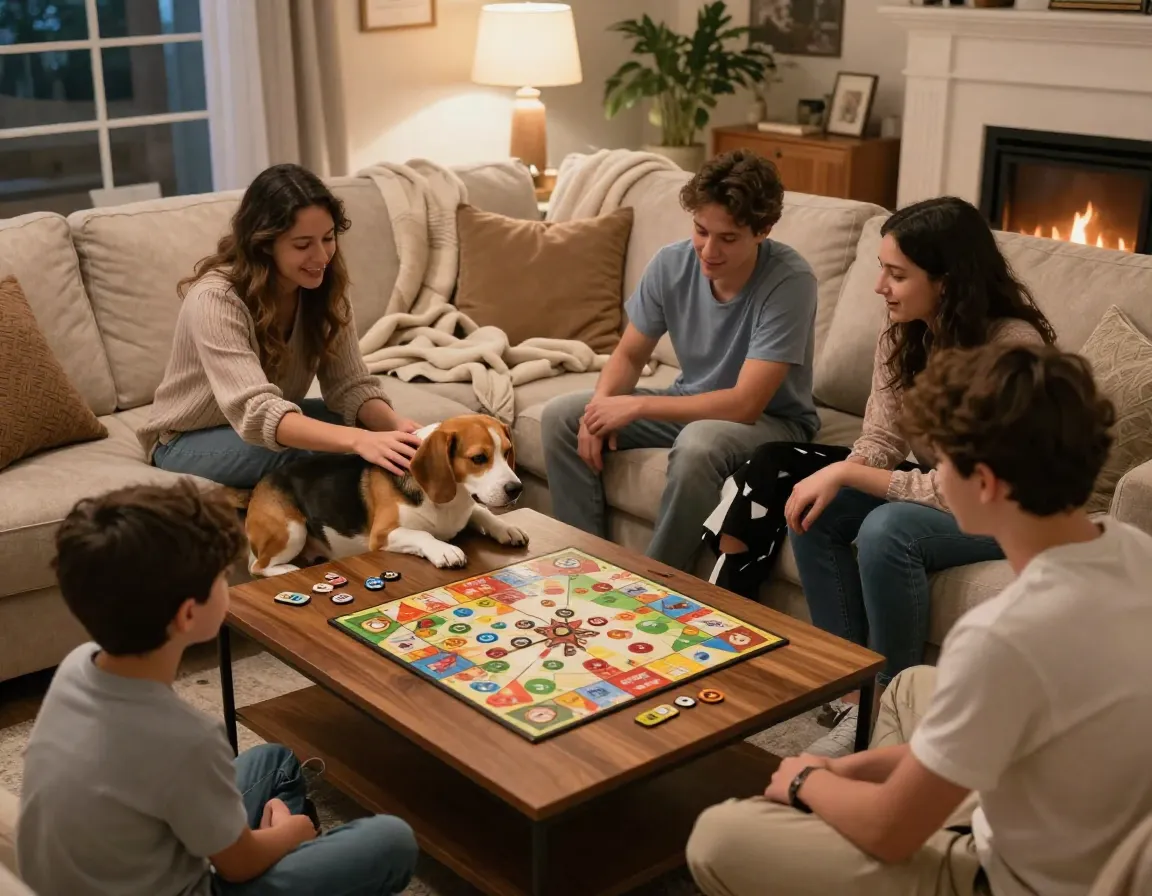
The Reality: Beagles don’t thrive as “background dogs”
Unlike some breeds that are content to exist quietly in the household, Beagles require active inclusion in family life.[1] Their pack hunting heritage means they expect to be part of the group’s daily activities and decision-making processes.
When excluded from social interaction, Beagles may vocalize excessively, pace, or engage in destructive behaviors.[1] This isn’t spite – it’s genuine distress from being separated from their “pack.”
Signs Your Beagle Needs More Social Interaction:
- Excessive vocalization when left alone
- Destructive behavior targeting items with family scents
- Following family members from room to room
- Anxiety when household routines change
- Attention-seeking behaviors like jumping or pawing
Meeting Their Social Needs:
Daily Requirements:
- Include them in family activities whenever possible
- Provide companionship during meals (they can sit nearby while family eats)
- Create opportunities for positive interaction throughout the day
- Consider doggy daycare or dog walking services for working families
Long-term Considerations:
Many Beagle owners find that having two dogs helps meet their social needs, as they can provide companionship for each other when humans are busy.
3. High Vocalization Levels and Communication Patterns

The Truth: Beagles are naturally vocal dogs with specific communication styles
Beagles use baying and howling rather than sharp barking, reflecting their pack-hunting heritage.[1] This vocalization serves multiple purposes in their natural behavior – from alerting the pack to prey location to maintaining contact during hunts.
Understanding Beagle Vocalizations:
Baying: Deep, melodious howling typically triggered by:
- Interesting scents
- Excitement about activities
- Calling to family members
- Response to sirens or music
Whining: Higher-pitched sounds indicating:
- Anxiety or stress
- Need for attention
- Desire to go outside
- Anticipation of meals or walks
Barking: Sharp, alert sounds for:
- Strangers approaching
- Unusual noises
- Protective instincts
Managing Vocal Behavior:
While Beagles can learn when vocalization is acceptable, completely eliminating this behavior goes against their nature.[1] Instead, focus on:
- Teaching “quiet” commands with positive reinforcement
- Identifying triggers and managing the environment
- Providing adequate exercise to reduce excess energy
- Creating designated “talking times” when vocalization is encouraged
💡 Pro Tip: Many successful Beagle owners schedule specific times for “conversation” with their dogs, allowing natural vocalization while establishing boundaries for quiet times.
4. Surprisingly High Emotional Sensitivity

The Insight: Pack-oriented breeds show heightened emotional awareness
Pack-oriented breeds like Beagles demonstrate higher emotional sensitivity to changes in routine, which can lead to increased anxiety or clinginess in households with irregular schedules or frequent travel.[1] This sensitivity often surprises owners who expect a sturdy hunting breed to be emotionally resilient.
Common Emotional Triggers:
- Schedule changes (work hours, meal times, walk schedules)
- Family stress or tension in the household
- New environments or temporary relocations
- Separation from family members
- Changes in household composition (new pets, family members leaving)
Supporting Emotional Well-being:
Routine Maintenance:
- Keep feeding, walking, and bedtime schedules consistent
- Prepare for changes gradually when possible
- Maintain familiar items (beds, toys) during transitions
Stress Reduction:
- Create calm, predictable environments
- Use positive reinforcement training methods
- Provide safe spaces where they can retreat when overwhelmed
- Consider calming aids during particularly stressful periods
5. Tireless Endurance and High Energy Requirements

The Reality: Short walks rarely satisfy their physical needs
Beagles possess a low center of gravity and strong forequarters that enable them to traverse dense undergrowth while tracking scents.[1] This physical design, combined with their working heritage, means they require substantial daily exercise that goes far beyond a quick trip around the block.
Insufficient daily activity can translate into restlessness, destructive behavior, and attention-seeking actions.[1] Many behavioral problems in Beagles stem from unmet exercise needs rather than training issues.
Daily Exercise Requirements:
Minimum Standards:
- 60-90 minutes of active exercise daily
- Mental stimulation through scent games and puzzle toys
- Varied activities to prevent boredom
- Social interaction with other dogs when possible
Exercise Ideas:
| Activity Type | Duration | Benefits |
|---|---|---|
| Brisk walks | 30-45 minutes | Cardiovascular health, scent exploration |
| Fetch games | 15-20 minutes | High-intensity exercise, bonding |
| Hiking | 1-2 hours | Natural environment, varied terrain |
| Dog park visits | 30-60 minutes | Social interaction, off-leash running |
| Scent work/tracking | 20-30 minutes | Mental stimulation, natural behavior |
Signs of Insufficient Exercise:
- Destructive behavior (chewing, digging)
- Excessive vocalization
- Restlessness or pacing
- Attention-seeking behaviors
- Difficulty settling in the evening
6. Advanced Problem-Solving Skills and Escape Artistry
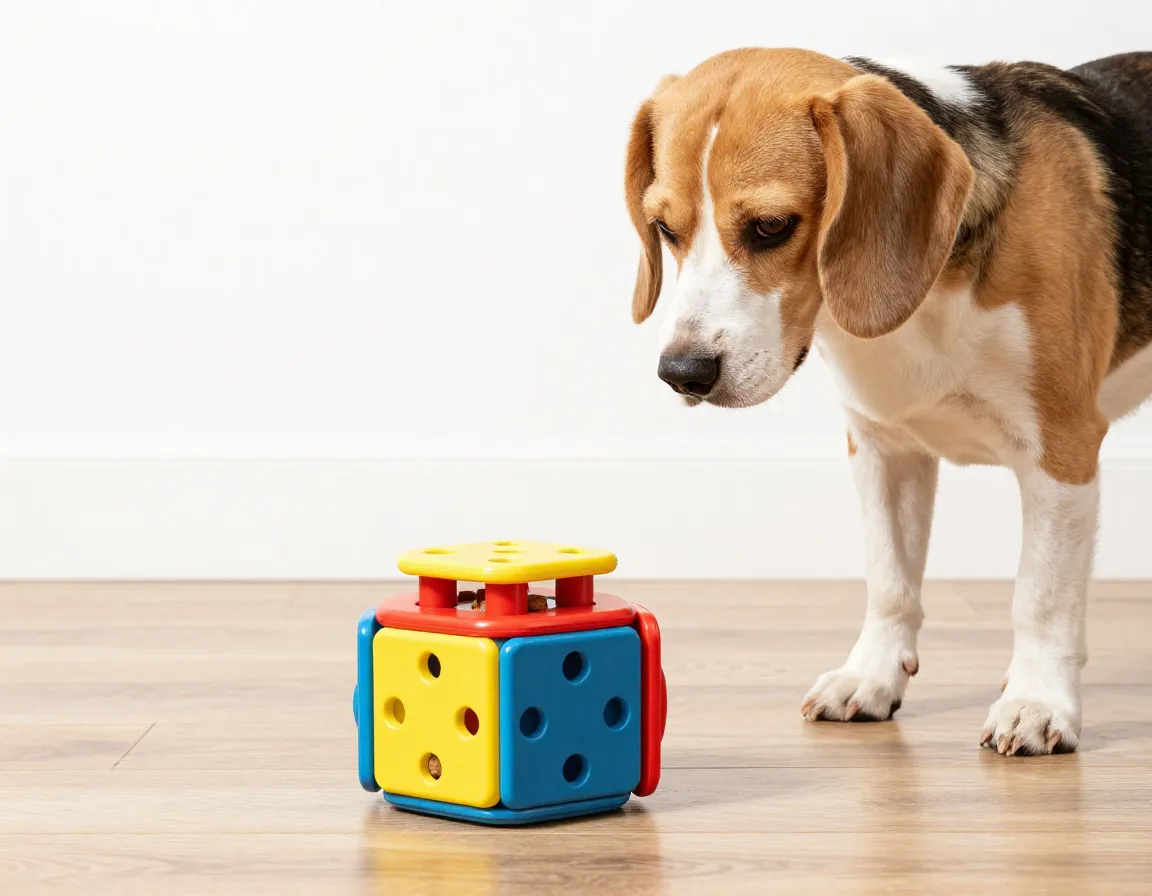
The Surprise: Beagles are capable escape artists and problem solvers
Beagles are capable of learning to open gates and doors, locate hidden food, and navigate complex environments – behaviors refined through generations of selective breeding.[1] This intelligence, while impressive, can present significant household challenges if environmental controls are insufficient.
Common Problem-Solving Behaviors:
Food-Related:
- Opening cabinets and containers
- Locating hidden treats
- Counter-surfing despite height disadvantages
- Manipulating puzzle feeders and treat dispensers
Escape-Related:
- Learning to open door latches
- Digging under fences
- Finding weak points in barriers
- Coordinating with other pets for escapes
Environmental Navigation:
- Creating efficient routes through the house
- Remembering locations of interesting items
- Adapting to new layouts quickly
- Problem-solving around obstacles
Managing Their Intelligence:
Positive Channeling:
- Provide complex puzzle toys and food dispensers
- Teach new tricks and commands regularly
- Create scavenger hunts and hide-and-seek games
- Use their intelligence for training rather than mischief
Environmental Management:
- Install childproof latches on cabinets
- Secure garbage cans and food storage
- Check fence integrity regularly
- Remove tempting items from accessible areas
🔒 Security Tip: Many Beagle owners find that treating their home security like “child-proofing” helps prevent escape attempts and food theft.
7. Unique Physical Characteristics That Affect Daily Life

The Details: Floppy ears and double coats require specific care considerations
Beyond behavioral quirks, Beagles have physical characteristics that directly impact daily care routines and household management.
Ear Care Requirements:
The large, floppy ears that make Beagles so endearing also serve a biological function – they help trap and funnel scent particles toward the nose, enhancing tracking ability.[1] However, this design creates care challenges:
Increased Infection Risk:
- Reduced airflow can increase infection risk, particularly in humid climates[1]
- Weekly cleaning with veterinarian-approved solutions
- Regular inspection for signs of irritation or odor
- Professional grooming every 6-8 weeks
Shedding Management:
Beagles have double coats designed for winter warmth, resulting in significant shedding, particularly in spring.[2] This affects:
Household Maintenance:
- Daily brushing during shedding seasons
- Regular vacuuming of furniture and floors
- Air purifier systems for family members with allergies
- Professional grooming tools for effective coat management
Seasonal Considerations:
- Spring shedding can last 4-6 weeks
- Fall coat preparation requires increased brushing
- Year-round maintenance prevents matting and reduces household hair
Preparing for Success: Implementing the 7 Beagle Dog Breed Quirks Every Owner Should Know
Understanding these quirks is just the beginning. Successful Beagle ownership requires adapting household routines, training methods, and expectations to work with these natural behaviors rather than against them.
Training Adaptations:
Scent-Positive Methods:
- Incorporate food rewards and scent games into training
- Use shorter, more frequent training sessions
- Practice commands in various environments with different distractions
- Celebrate small victories and maintain patience
Social Integration:
- Include training in family activities
- Practice commands with multiple family members
- Socialize with other dogs and people regularly
- Create positive associations with alone time
Household Modifications:
Physical Environment:
- Secure fencing with underground barriers
- Childproof latches on food storage
- Comfortable spaces in main living areas
- Easy-to-clean surfaces for shedding management
Daily Routines:
- Consistent meal and exercise schedules
- Designated quiet times and active periods
- Regular grooming and health check routines
- Family activities that include the dog
Building Long-Term Success with Your Beagle
The 7 Beagle dog breed quirks every owner should know represent opportunities for deeper bonding and understanding rather than obstacles to overcome. Beagles may adopt behaviors – both positive and negative – from other dogs in their environment, with calm, well-trained companions positively influencing settling behaviors.[1]
Creating Positive Influences:
- Consistent family leadership helps establish security
- Regular routines reduce anxiety and behavioral issues
- Positive reinforcement builds trust and cooperation
- Environmental enrichment satisfies natural instincts appropriately
Professional Support:
Consider working with professionals who understand hound breeds:
- Certified dog trainers experienced with scent hounds
- Veterinary behaviorists for complex issues
- Professional groomers familiar with double-coat care
- Dog walkers or daycare providers who understand Beagle needs
Conclusion
The 7 Beagle dog breed quirks every owner should know reflect centuries of selective breeding for specific working traits. Rather than viewing these characteristics as problems to solve, successful Beagle owners learn to appreciate and work with their dog’s natural instincts.
From scent-driven decision making to exceptional social needs, high vocalization levels to surprising emotional sensitivity, these quirks make Beagles unique and rewarding companions. Their tireless energy, problem-solving abilities, and specific physical care needs require dedicated ownership but offer incredible rewards in return.
Take Action Today:
- Assess your current routine – Does it meet your Beagle’s social and exercise needs?
- Evaluate your training approach – Are you working with or against their natural instincts?
- Check your environment – Is your home secure and enriching for a clever, active dog?
- Plan for long-term success – Consider professional support and ongoing education about the breed
Understanding these quirks transforms potential frustrations into opportunities for deeper connection. Beagles reward patient, informed owners with unwavering loyalty, endless entertainment, and the joy that comes from truly understanding your canine companion’s unique personality and needs.
By embracing the 7 Beagle dog breed quirks every owner should know, families can build lasting, harmonious relationships with these remarkable hounds while honoring their rich heritage as one of the world’s most beloved working breeds.
References
[1] Beagle Dog Breed Guide Australia – https://petcareshed.com.au/blogs/pet-supplies/beagle-dog-breed-guide-australia
[2] Beagle Breed Guide – https://bark.co/blogs/breeds/beagle-breed-guide