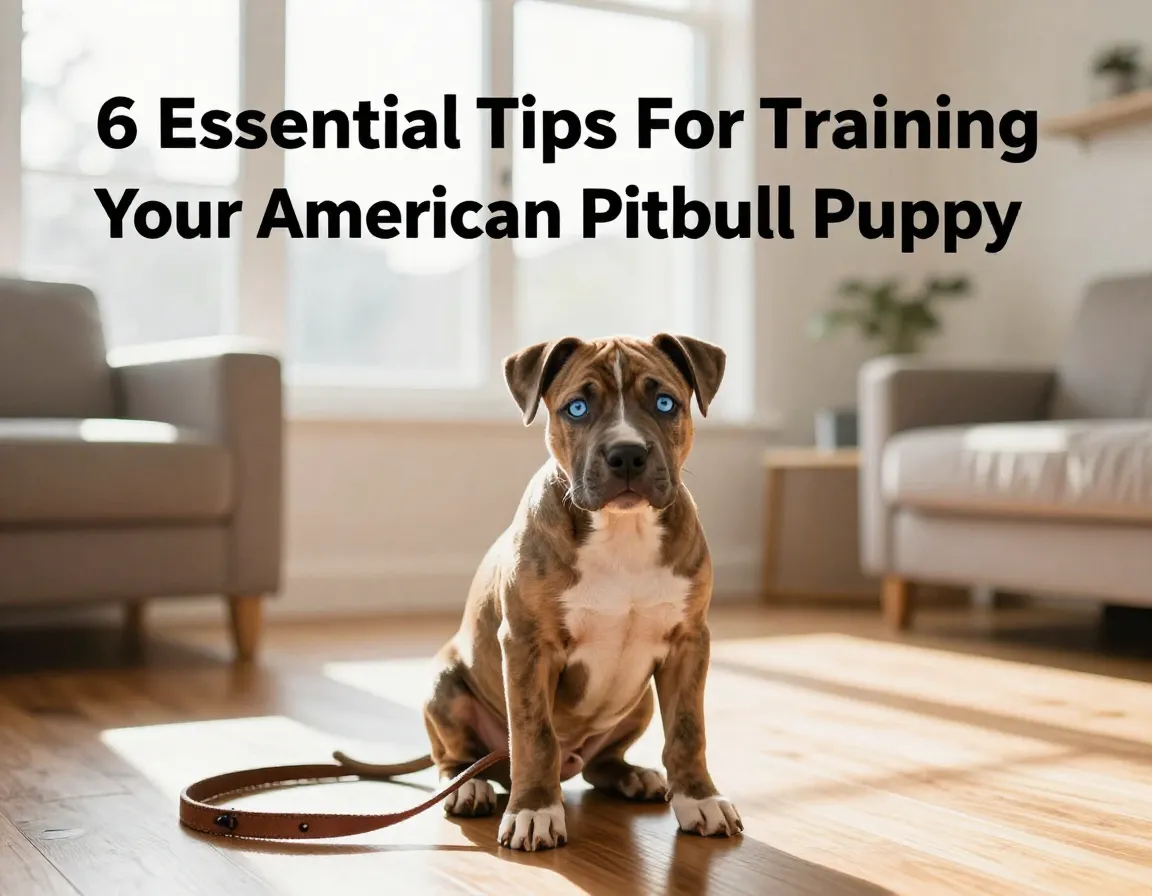
6 Essential Tips For Training Your American Pitbull Dog Puppy
Picture this: a bouncy, energetic American Pitbull puppy bounds into your home, tail wagging with unbridled enthusiasm. While their adorable antics might melt your heart, without proper training, that same energy can quickly transform into destructive behavior. Training your American Pitbull puppy isn’t just about teaching tricks—it’s about building a foundation for a well-behaved, confident, and socially balanced adult dog. These 6 Essential Tips For Training Your American Pitbull Dog Puppy will set both you and your furry companion up for lifelong success.
Key Takeaways
- Start socialization immediately during the critical 3-14 week window while allowing a two-week home adjustment period first
- Use positive reinforcement exclusively with treats and praise while avoiding punishment-based methods that create fear
- Focus on essential commands early: sit, stay, down, “leave it,” recall, and loose-leash walking for safety and control
- Maintain consistency across all family members using the same commands and reward systems
- Keep training sessions short and frequent to match your puppy’s attention span while practicing in various environments
Understanding Your American Pitbull Puppy’s Training Needs
American Pitbull puppies are intelligent, eager-to-please dogs with high energy levels and strong working instincts. These characteristics make them excellent candidates for training, but they also require specific approaches to channel their enthusiasm productively. Understanding your puppy’s breed-specific traits is crucial before diving into the 6 Essential Tips For Training Your American Pitbull Dog Puppy.
Breed Characteristics That Impact Training
Energy and Exercise Requirements 🏃♂️
Adult American Pitbulls need at least one hour of exercise daily, split between walks and play sessions [1]. Puppies have even more energy to burn, making regular physical activity essential for successful training outcomes.
Intelligence and Eagerness to Please
These dogs are naturally intelligent and want to make their owners happy, which makes them highly trainable when approached correctly [6].
Strong Jaw and Chewing Instincts
Pitbull puppies have powerful jaws and natural chewing instincts that must be properly directed toward appropriate toys and activities.
The Foundation Phase: Setting Your Puppy Up for Success
1. Master the Critical Socialization Window
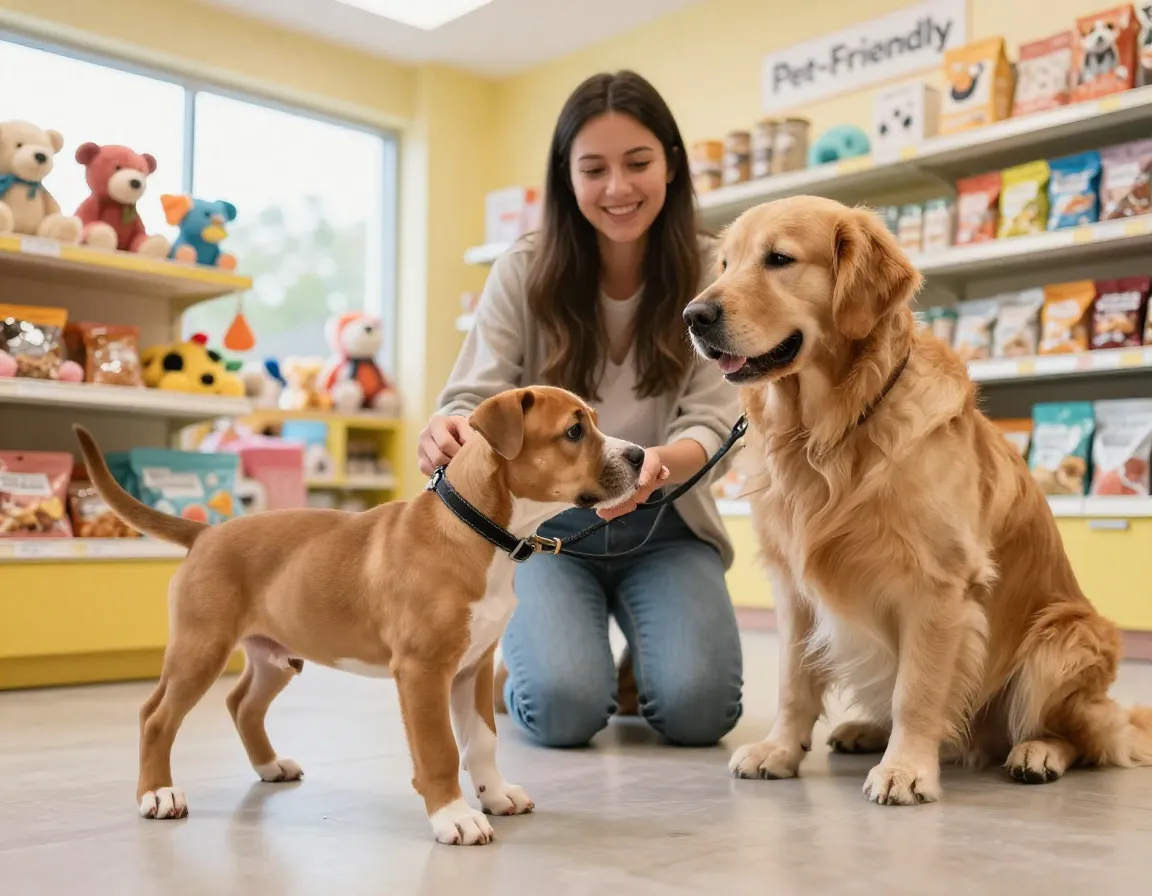
The first essential tip among our 6 Essential Tips For Training Your American Pitbull Dog Puppy focuses on socialization timing. The critical socialization period spans from week three to week 12-14, during which puppies must experience diverse social interactions to become tolerant, calm, and outgoing adults [1].
However, timing is everything. Give your puppy two weeks to adjust to your home environment before starting major socialization activities [2]. This adjustment period allows your puppy to feel secure in their new surroundings before introducing external stimuli.
Socialization Checklist for American Pitbull Puppies
Week 1-2 (Home Adjustment):
- Focus on bonding with immediate family
- Establish basic routines (feeding, sleeping, potty breaks)
- Introduce household sounds and environments
- Begin gentle handling exercises
Week 3-14 (Active Socialization):
- People exposure: Different ages, ethnicities, clothing styles
- Animal interactions: Well-vaccinated, friendly dogs and other pets
- Environmental experiences: Various surfaces, sounds, and locations
- Handling practice: Paws, ears, mouth, and grooming activities
Important Safety Note: Never punish fear responses during socialization. If your puppy shows signs of fear, remove them to a quiet area and allow them to decompress [1].
Creating Positive Social Experiences
Controlled Introductions
- Start with calm, well-behaved adult dogs
- Keep initial meetings short (5-10 minutes)
- Always supervise interactions
- End on a positive note before overstimulation occurs
Diverse Human Interactions
- Invite friends and family to meet your puppy
- Visit pet-friendly stores and outdoor areas
- Attend puppy socialization classes
- Practice meeting strangers on walks
2. Implement Positive Reinforcement Training Methods
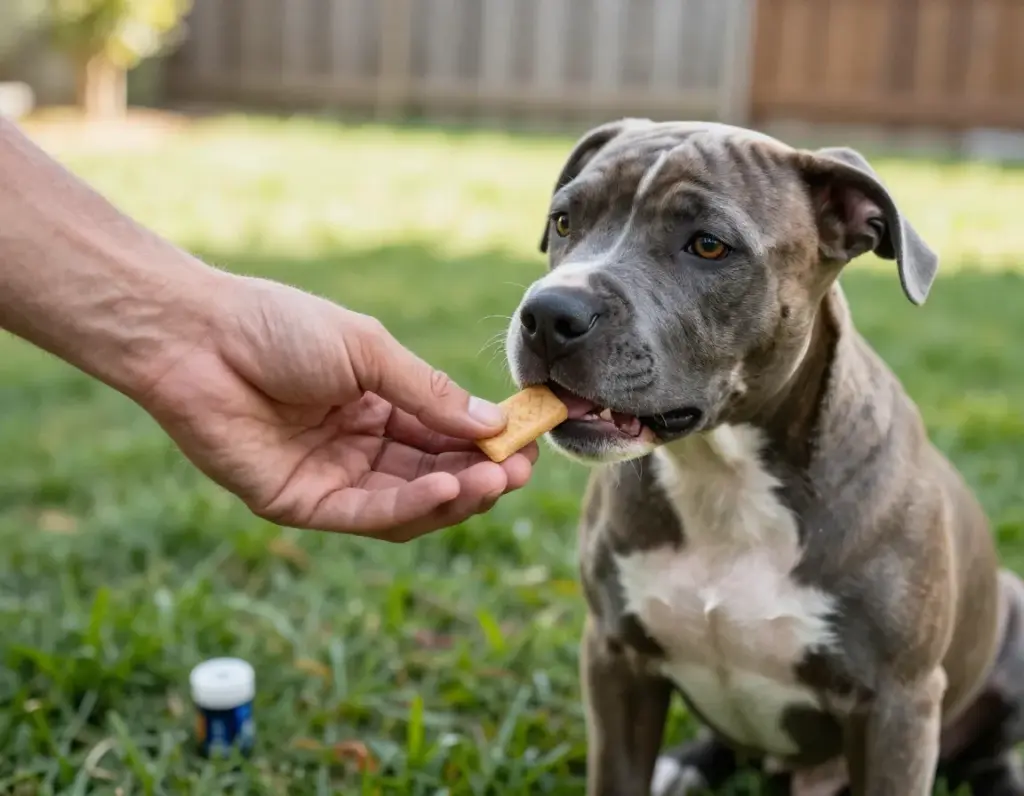
The second crucial element in our 6 Essential Tips For Training Your American Pitbull Dog Puppy centers on using positive reinforcement exclusively. This approach rewards good behavior with treats and praise while avoiding punishment, which can create fear and anxiety [3][6].
Why Positive Reinforcement Works Best
Scientific Backing
Research consistently shows that positive reinforcement creates stronger, more reliable behavioral patterns than punishment-based methods. Dogs trained with positive reinforcement show:
- Higher confidence levels
- Stronger human-dog bonds
- Better problem-solving abilities
- Reduced anxiety and fear responses
Setting Up Your Reward System
High-Value Treats 🍖
- Small, soft treats that can be consumed quickly
- Reserve special treats exclusively for training
- Use treats your puppy finds irresistible
- Keep portions tiny to avoid overfeeding
Praise and Affection
- Enthusiastic verbal praise (“Good boy/girl!”)
- Physical affection (petting, gentle scratching)
- Play sessions as rewards
- Positive tone of voice
Timing is Critical
- Reward immediately after the desired behavior
- Use a marker word like “Yes!” or a clicker
- Be consistent with your timing
- Practice your own timing before training sessions
Common Positive Reinforcement Mistakes to Avoid
❌ Delayed rewards (more than 3 seconds after behavior)
❌ Inconsistent reward criteria (sometimes rewarding partial compliance)
❌ Using punishment alongside positive reinforcement
❌ Forgetting to fade treats gradually as behaviors become established
Core Training Commands: Building Your Puppy’s Foundation
3. Focus on Essential Safety and Obedience Commands
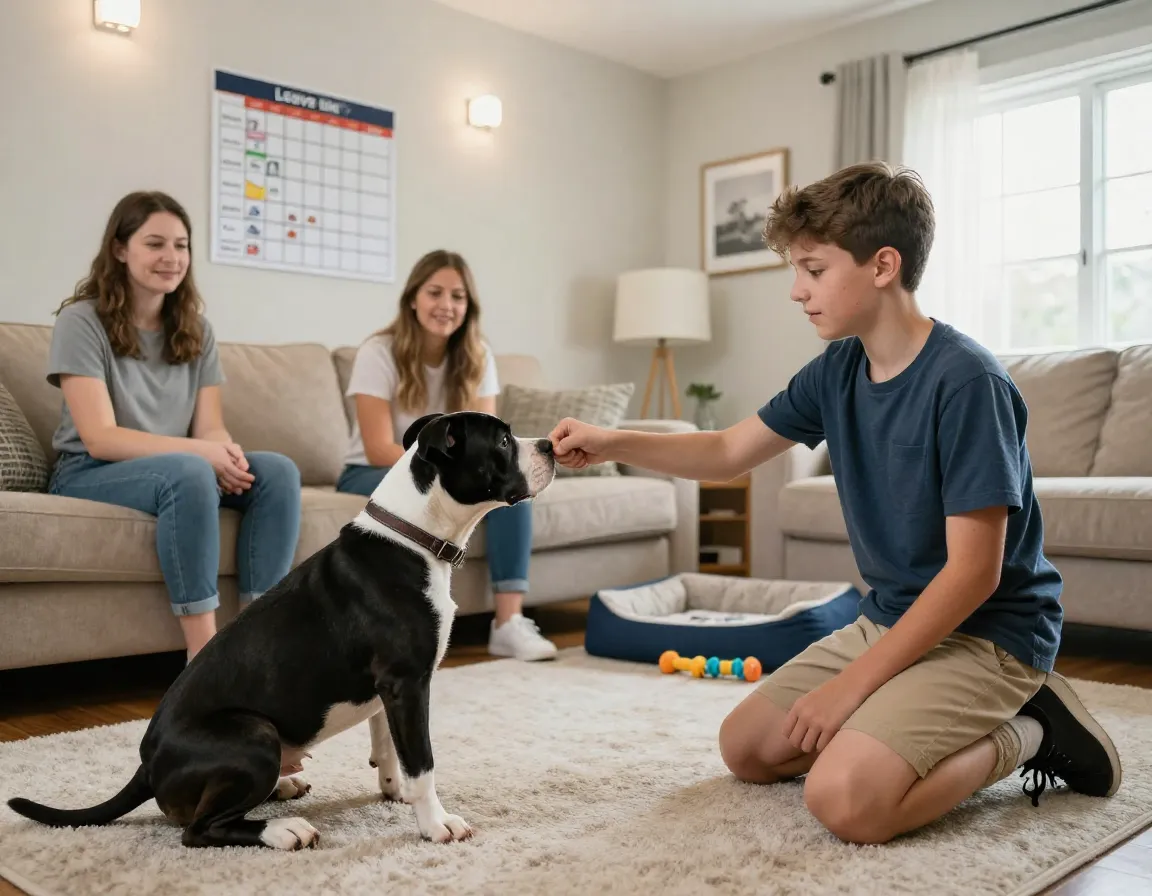
The third pillar of our 6 Essential Tips For Training Your American Pitbull Dog Puppy involves teaching fundamental commands that ensure safety and establish clear communication. Focus on these basic obedience commands early: sit, stay, down, release, “leave it,” “take it,” recall, and loose-leash walking [1][4].
Priority Command Training Schedule
Week 1-2: Foundation Commands
“Sit” Command
- Hold treat close to puppy’s nose
- Slowly lift treat over their head
- Say “Sit” as their bottom touches the ground
- Immediately reward and praise
- Practice 5-10 repetitions, 3 times daily
“Stay” Command
- Start with puppy in sit position
- Hold hand up in “stop” gesture
- Say “Stay” and take one small step back
- Wait 2-3 seconds, then return and reward
- Gradually increase distance and duration
Week 3-4: Safety Commands
“Leave It” Command (Critical for Safety)
- Hold treat in closed fist near puppy’s nose
- Say “Leave it” when they try to get the treat
- Wait for them to stop trying and look at you
- Reward with a different treat from your other hand
- Practice with various objects and situations
“Come” (Recall) Command
- Start in a small, enclosed area
- Get down to puppy’s level
- Say “Come” in an excited, happy voice
- Reward enthusiastically when they approach
- Never call your puppy to come for something negative
Advanced Command Integration
Week 5-8: Complex Behaviors
Loose-Leash Walking
- Start indoors with short sessions
- Reward when leash has slack
- Stop moving when puppy pulls
- Resume walking when they return to your side
- Practice direction changes and stops
“Down” and “Release” Commands
- Build on the “sit” foundation
- Use lure method with treats
- Add duration before releasing
- Practice in various locations
4. Maintain Consistency Across All Family Members
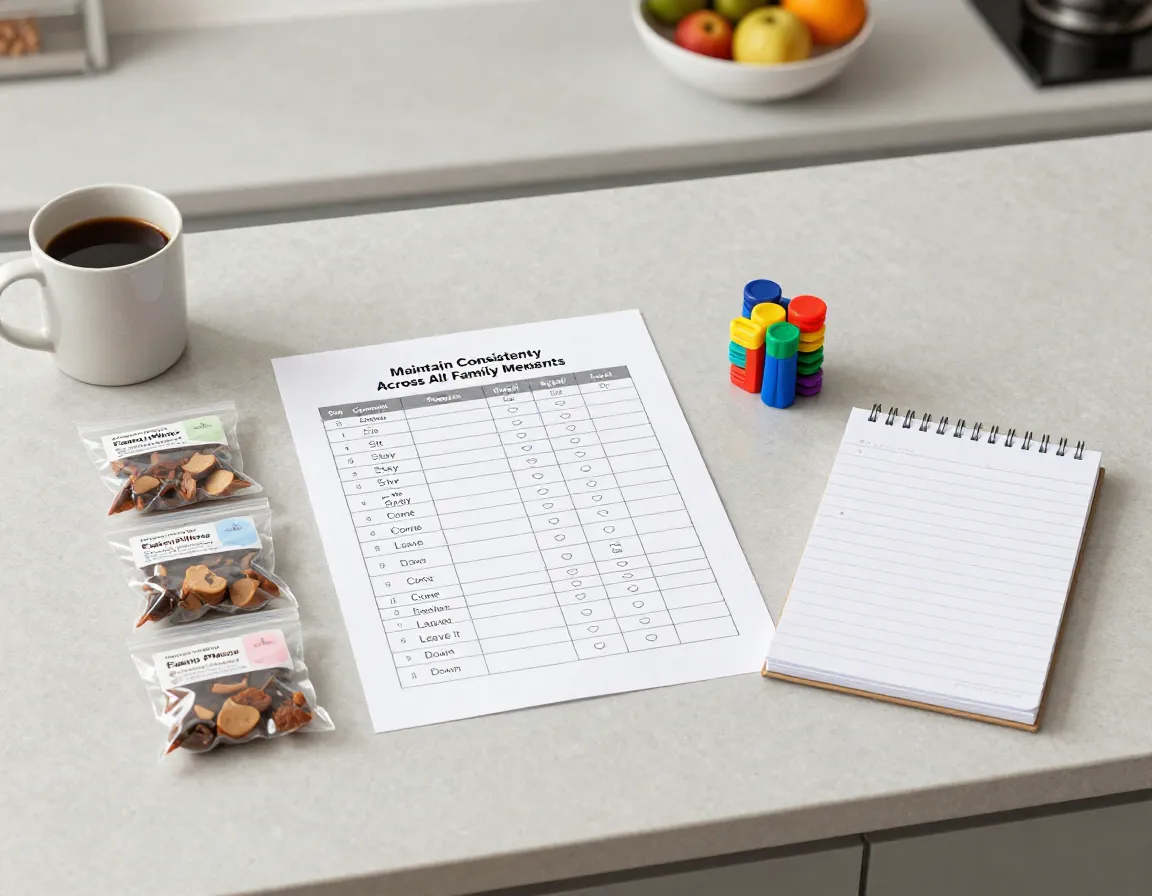
The fourth essential element in our 6 Essential Tips For Training Your American Pitbull Dog Puppy emphasizes the critical importance of consistency. Everyone in the household must use the same commands and rewards for good behavior [6].
Creating a Family Training Plan
Unified Command Structure
| Command | Purpose | Hand Signal | Reward Level |
|---|---|---|---|
| Sit | Basic position | Closed fist up | Medium treat |
| Stay | Impulse control | Open palm | High praise |
| Come | Recall/safety | Pat thigh | High-value treat |
| Leave it | Safety/impulse | Point away | Immediate reward |
| Down | Relaxation | Point down | Medium treat |
Family Training Meetings
- Hold weekly 15-minute training discussions
- Review what’s working and what needs adjustment
- Practice commands together so everyone uses identical techniques
- Assign specific training responsibilities to each family member
Common Consistency Challenges
Mixed Messages
When family members use different words for the same command, puppies become confused. Establish clear rules:
- One word per command (not “sit,” “sit down,” and “park it”)
- Same hand signals for everyone
- Identical reward timing and criteria
Enforcement Variations
Some family members might be more lenient than others. Create clear guidelines:
- Written rules posted in common areas
- Consistent consequences for unwanted behaviors
- Regular check-ins to ensure everyone follows the plan
Advanced Training Strategies for Long-Term Success
5. Optimize Training Sessions for Maximum Effectiveness
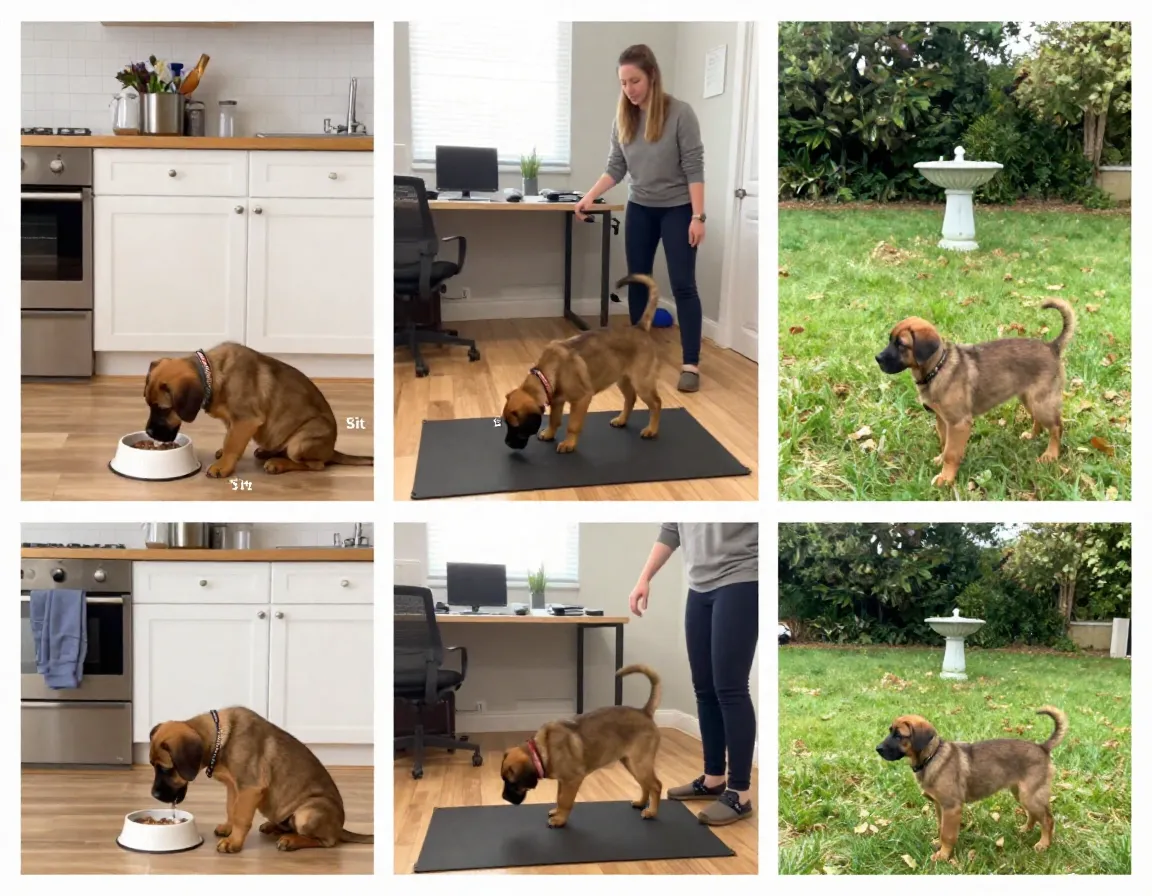
The fifth component of our 6 Essential Tips For Training Your American Pitbull Dog Puppy focuses on session structure and frequency. Keep training sessions short and frequent, as brief sessions maintain attention span better than lengthy ones. Practice commands in different environments to reinforce learning [6][7].
Ideal Training Session Structure
Session Length by Age
- 8-10 weeks: 3-5 minutes per session
- 11-14 weeks: 5-8 minutes per session
- 15-20 weeks: 8-12 minutes per session
- 21+ weeks: 10-15 minutes per session
Daily Training Schedule
🌅 Morning Session (5-10 minutes)
- Focus on high-energy commands
- Practice recall and basic positions
- Use breakfast as training rewards
🌞 Midday Session (3-5 minutes)
- Quick reinforcement of yesterday’s lessons
- Low-key commands like “stay” and “down”
- Mental stimulation activities
🌙 Evening Session (5-10 minutes)
- Review all commands learned
- Practice in different room locations
- End with calm, settling behaviors
Environmental Generalization Training
Progressive Location Training
- Home base: Master commands indoors first
- Backyard: Practice in familiar outdoor space
- Neighborhood: Short walks with command practice
- Public spaces: Pet stores, parks, training facilities
Distraction Level Management
- Start with minimal distractions
- Gradually add environmental challenges
- Maintain high success rates (80%+ compliance)
- Reduce distractions if success rate drops
6. Address Behavioral Issues Proactively
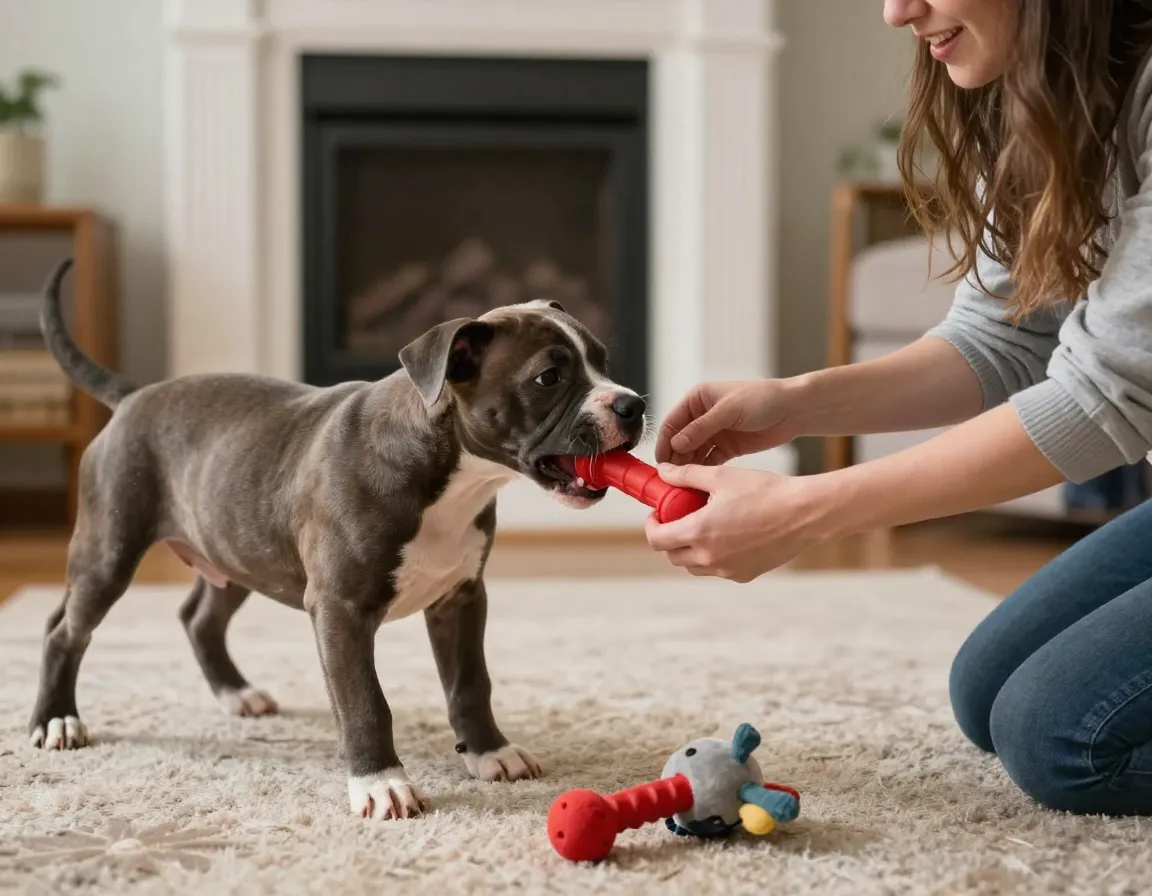
The final essential tip in our 6 Essential Tips For Training Your American Pitbull Dog Puppy involves proactive behavior management. Address common puppy behaviors like biting, jumping, and impulse control issues before they become ingrained habits.
Bite Inhibition Training
Immediate Response Protocol
When puppies bite during play:
- Stop all interaction immediately
- Redirect to appropriate chew toy
- Give 30-60 second timeout (ignore puppy completely)
- Avoid roughhousing that encourages biting
- Resume play only when calm [1]
Teaching Soft Mouth
- Allow gentle mouthing initially
- Say “Ouch!” and stop play for harder bites
- Gradually reduce acceptable pressure
- Reward gentle interactions with treats and praise
Impulse Control Integration
Daily Routine Impulse Control
Integrate impulse control throughout daily activities by having your dog wait before:
- Leaving their crate
- Eating meals
- Walking through doors
- Getting attention or petting
Always reward calm, patient behaviors [1].
“Wait” Command Training
- Hold food bowl above puppy
- Say “Wait” when they try to jump for it
- Lower bowl only when all four paws are on ground
- Release with “Okay” command
- Practice with doors, toys, and attention
Exercise for Behavior Management
Physical Exercise Requirements
American Pitbull puppies need substantial daily exercise to prevent destructive behaviors:
- Morning walk: 15-20 minutes
- Play sessions: 2-3 times daily, 10-15 minutes each
- Mental stimulation: Puzzle toys, training games
- Evening activity: Gentle play or short walk
Exercise as Training Tool
Use regular physical and mental stimulation to:
- Channel energy positively
- Reduce stubborn behavior [6]
- Improve focus during training sessions
- Strengthen the human-dog bond
Troubleshooting Common Training Challenges
Dealing with Stubborn Behavior
When Your Puppy Won’t Listen
- Ensure they’re not overstimulated or tired
- Check if treats are high-value enough
- Reduce distractions in training environment
- Break commands into smaller steps
- Increase exercise before training sessions
Managing High Energy Levels
Productive Energy Outlets
- Interactive puzzle toys
- Agility training (age-appropriate)
- Swimming (if available)
- Fetch and tug-of-war games
- Socialization playdates
Addressing Fear Responses
Supporting Fearful Puppies
- Never force interactions that cause fear
- Create positive associations with scary stimuli
- Use counter-conditioning techniques
- Consult professional trainers for severe cases
- Maintain patience and consistency
Building Long-Term Training Success
Creating Lifelong Learning Habits
Continued Education
Training doesn’t end when puppyhood does. Successful American Pitbull owners:
- Attend advanced training classes
- Practice commands regularly throughout the dog’s life
- Introduce new challenges and activities
- Maintain consistent rules and expectations
Professional Support Resources
- Certified dog trainers specializing in bully breeds
- Puppy socialization classes
- Advanced obedience courses
- Behavioral consultation services
Measuring Training Progress
Weekly Assessment Checklist
✅ Commands learned and retention rate
✅ Socialization experiences completed
✅ Behavioral improvements observed
✅ Areas needing additional focus
✅ Family consistency evaluation
Conclusion
Successfully implementing these 6 Essential Tips For Training Your American Pitbull Dog Puppy creates the foundation for a well-behaved, confident, and socially balanced adult dog. Remember that consistency, patience, and positive reinforcement are your most powerful training tools. The critical socialization window, combined with structured training sessions and proactive behavior management, will help your American Pitbull puppy develop into the loyal, well-mannered companion you envision.
Your Next Steps:
- Start immediately with socialization after your puppy’s two-week adjustment period
- Establish consistent commands and reward systems with all family members
- Schedule daily training sessions of appropriate length for your puppy’s age
- Focus on safety commands like “leave it” and recall as top priorities
- Seek professional help if you encounter persistent behavioral challenges
The investment you make in training during puppyhood pays dividends throughout your dog’s entire life. With dedication to these proven methods, your American Pitbull puppy will grow into a well-trained, confident adult dog that brings joy and pride to your family for years to come.
References
[1] How To Train A Pit Bull – https://www.dogster.com/dog-training/how-to-train-a-pit-bull
[2] Training Pitbull Puppy – https://www.sparkpaws.com/blogs/community/training-pitbull-puppy
[3] How To Train A Pit Bull Puppy – https://blackpawdogtraining.com/how-to-train-a-pit-bull-puppy/
[4] Training Pit Bull – https://a-z-animals.com/blog/training-pit-bull/
[6] How To Train A Pitbull Puppy – https://shop.bullymax.com/blogs/news/how-to-train-a-pitbull-puppy
[7] Train A Pitbull Puppy To Listen – https://wagwalking.com/training/train-a-pitbull-puppy-to-listen