The Ultimate Guide to Cats and Sweaters: 8 Dos and Don’ts
Picture this: It’s a chilly winter morning in 2026, and you spot your beloved feline shivering by the window. Your first instinct might be to bundle them up in an adorable sweater, but wait! Before you transform your cat into a fashion statement, there’s crucial information you need to know. The Ultimate Guide to Cats and Sweaters: 8 Dos and Don’ts will help you navigate the complex world of feline fashion while prioritizing your pet’s safety, comfort, and well-being.
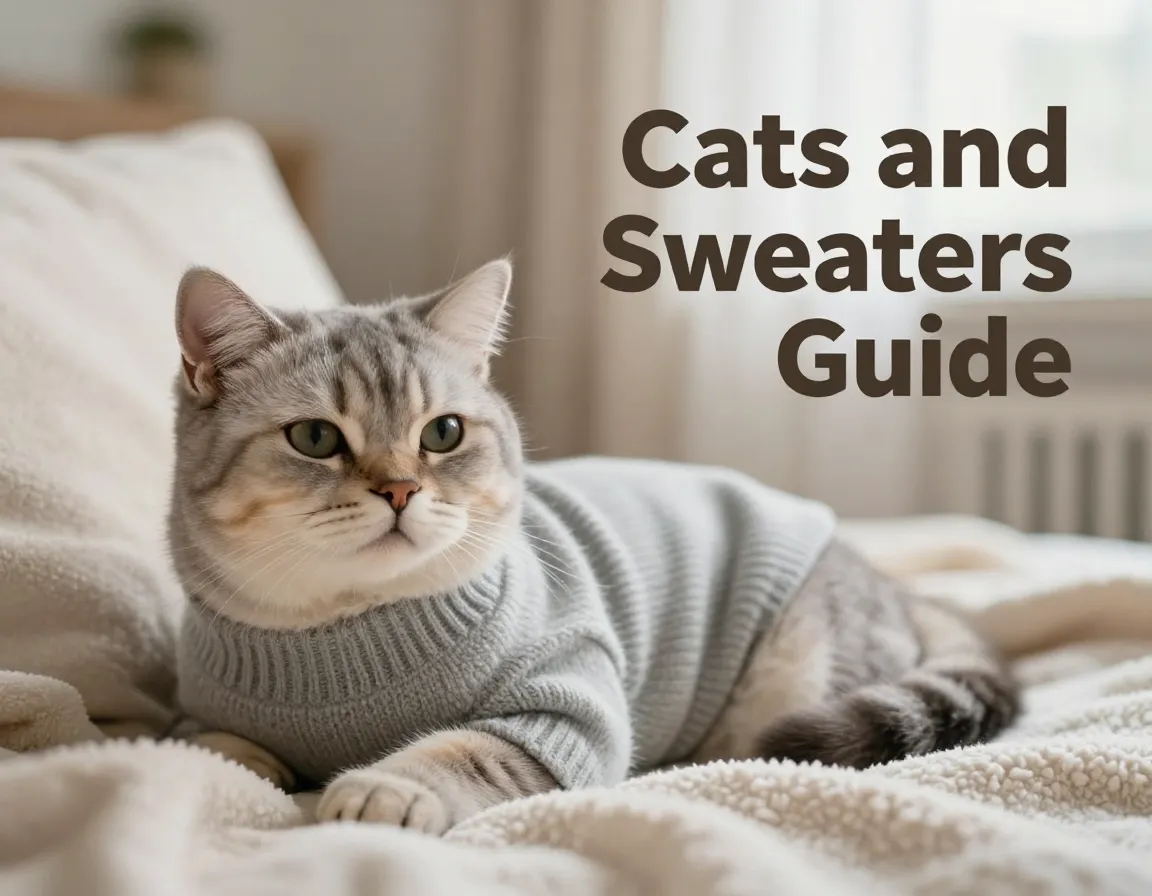
As a devoted cat parent, I’ve learned that dressing our furry friends isn’t as simple as picking the cutest outfit. The decision to put a sweater on your cat requires careful consideration of their individual needs, breed characteristics, and health status. This comprehensive guide will walk you through the essential dos and don’ts, ensuring your cat stays warm, safe, and comfortable throughout the colder months.
Key Takeaways
- Proper fit is essential – A sweater should allow two fingers to fit between the fabric and your cat’s chest for optimal comfort and safety
- Safety first – Avoid sweaters with loose decorations, buttons, or small parts that pose choking hazards
- Not all cats need sweaters – Most healthy cats with full coats don’t require extra warmth and may actually overheat
- Material matters – Choose natural fibers like cotton and soft fleece while avoiding rough wool or synthetic fabrics that create static
- Gradual introduction is key – Allow your cat to acclimate slowly to wearing sweaters through positive reinforcement and patience
Understanding When Cats Actually Need Sweaters
Before diving into The Ultimate Guide to Cats and Sweaters: 8 Dos and Don’ts, it’s crucial to understand that most cats don’t actually need sweaters. Most healthy adult cats with full, thick fur coats do not need sweaters and may overheat [3]. Their natural coat provides excellent insulation, and adding extra layers can interfere with their body’s natural temperature regulation.
However, certain cats genuinely benefit from extra warmth. Hairless breeds like Sphynx and cats with certain health conditions genuinely benefit from extra warmth [1]. Senior cats, very young kittens, cats recovering from illness, and those with certain medical conditions may also require additional warmth during colder months.
Signs Your Cat Might Need a Sweater
🐱 Hairless or very short-haired breeds
🐱 Senior cats with decreased circulation
🐱 Cats recovering from surgery or illness
🐱 Very young kittens under 12 weeks
🐱 Cats with certain medical conditions affecting temperature regulation
The 8 Essential Dos and Don’ts: Your Complete Guide
1. DO: Ensure Proper Fit Above All Else
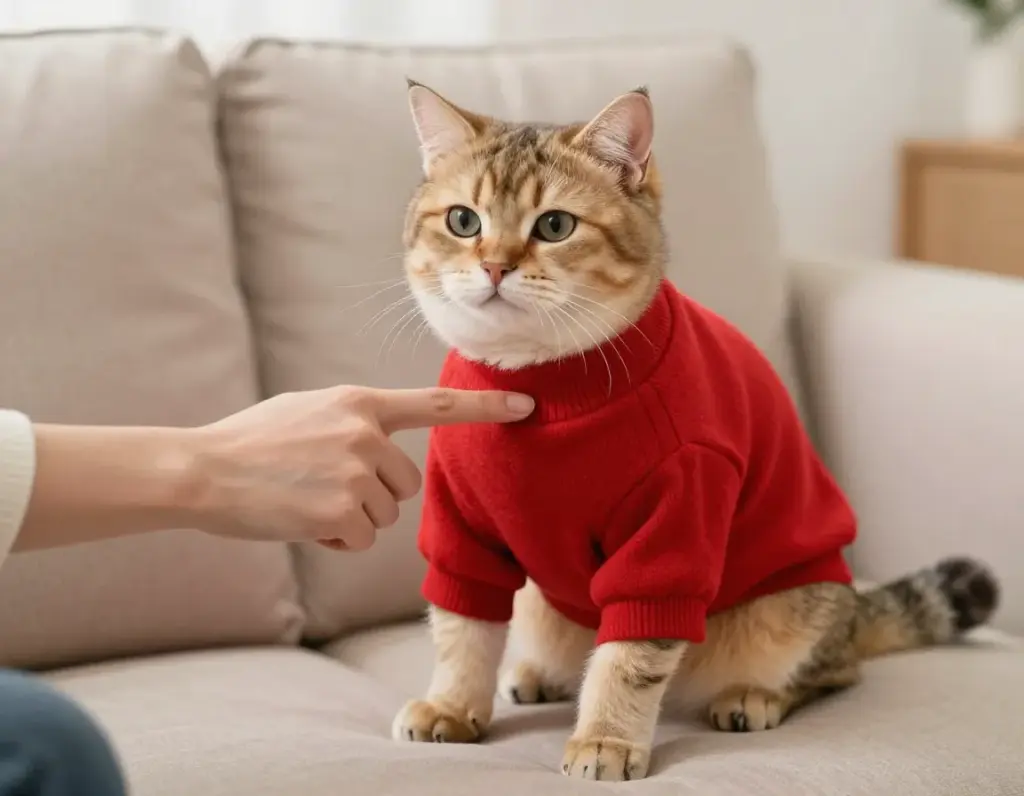
The most critical aspect of cat sweaters is achieving the perfect fit. A sweater should be snug but never tight, with approximately two fingers fitting between the sweater and your cat’s chest [1][4]. This measurement ensures your cat can breathe comfortably, move freely, and won’t experience restricted circulation.
When measuring your cat for a sweater, focus on these key areas:
- Chest circumference (around the widest part)
- Neck circumference (where a collar would sit)
- Back length (from base of neck to base of tail)
A properly fitted sweater should allow your cat to walk, stretch, and lie down naturally without restriction. If you notice any pulling, bunching, or signs of discomfort, the sweater is likely too tight or poorly designed for your cat’s body shape.
2. DON’T: Choose Sweaters with Dangerous Decorations
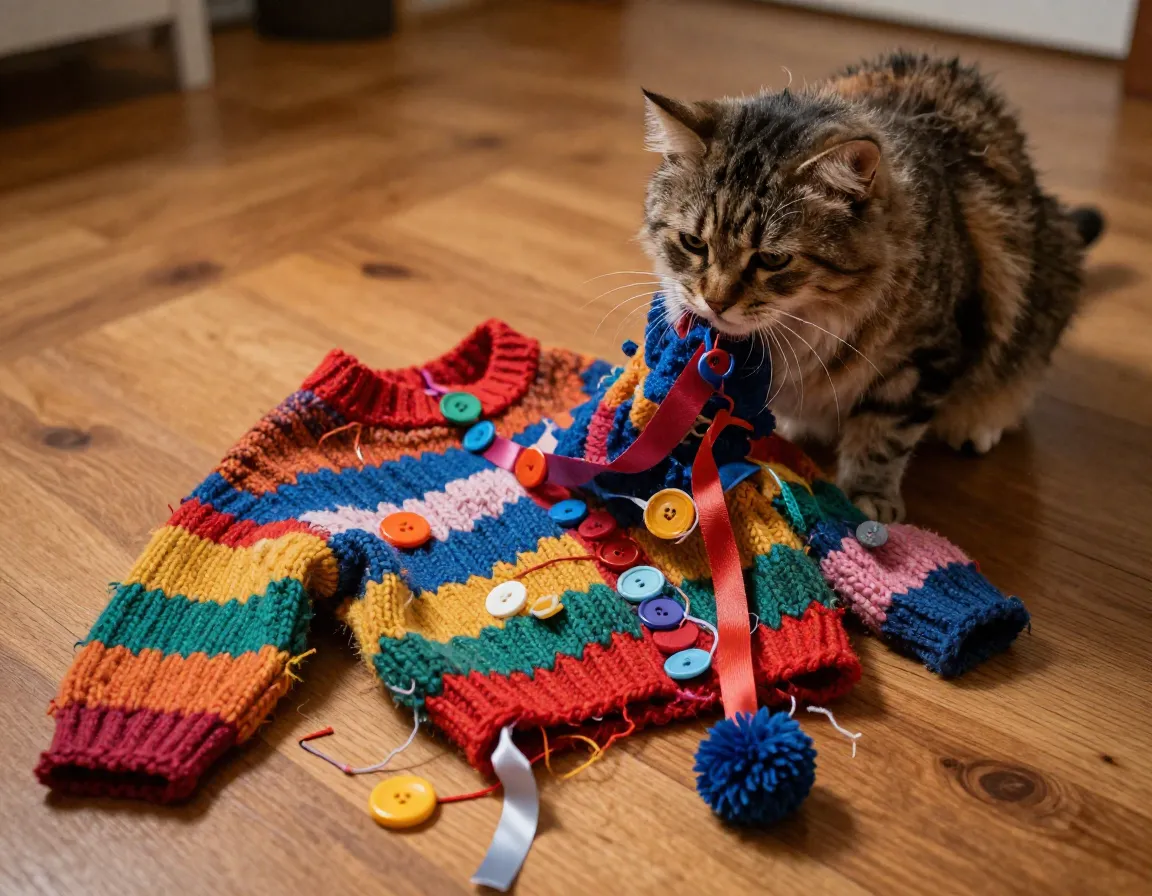
Safety should always be your top priority when selecting cat clothing. Sweaters must have no loose threads, buttons, beads, pom-poms, bells, or small decorations that pose choking or ingestion risks [1][2][3]. Cats are naturally curious and may try to bite, lick, or swallow small decorative elements.
Avoid these dangerous features:
- Buttons or snaps
- Loose ribbons or bows
- Small beads or sequins
- Dangling strings or tassels
- Bells or charms
- Loose knitting that can unravel
Instead, opt for simple, well-constructed sweaters with secure seams and minimal embellishments. If decorations are present, ensure they’re firmly attached and large enough that they can’t be swallowed.
3. DO: Choose Safe, Comfortable Materials
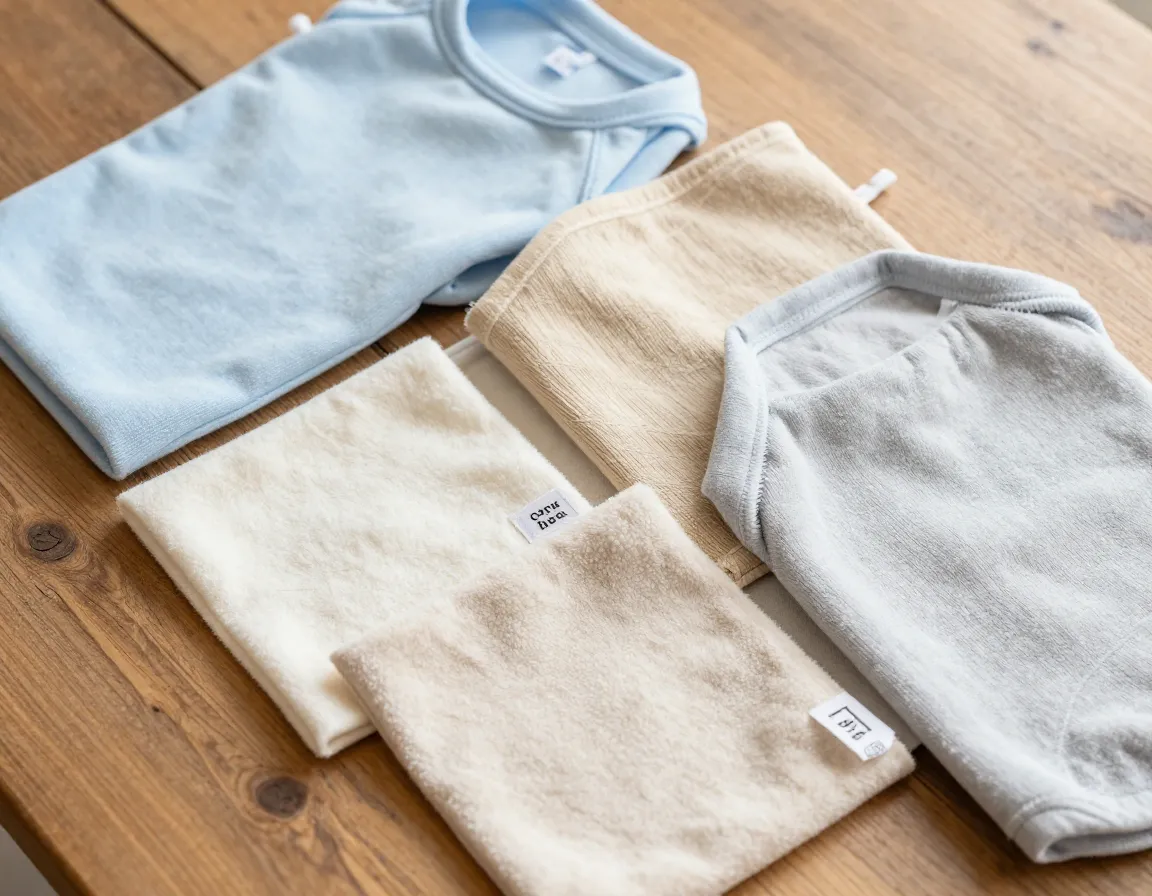
The fabric choice significantly impacts your cat’s comfort and safety. Natural fibers like cotton, soft fleece, and gentle acrylic blends are safer than synthetic materials that generate static electricity [1]. These materials allow for better breathability and reduce the risk of skin irritation.
Recommended materials include:
- 100% cotton – Breathable and hypoallergenic
- Soft fleece – Warm yet lightweight
- Bamboo blends – Naturally antimicrobial
- Gentle acrylic – Easy to wash and maintain
Look for OEKO-TEX® certification to confirm absence of toxic dyes [4]. This certification ensures the fabric has been tested for harmful substances and meets strict safety standards for textiles.
4. DON’T: Use Problematic Fabrics
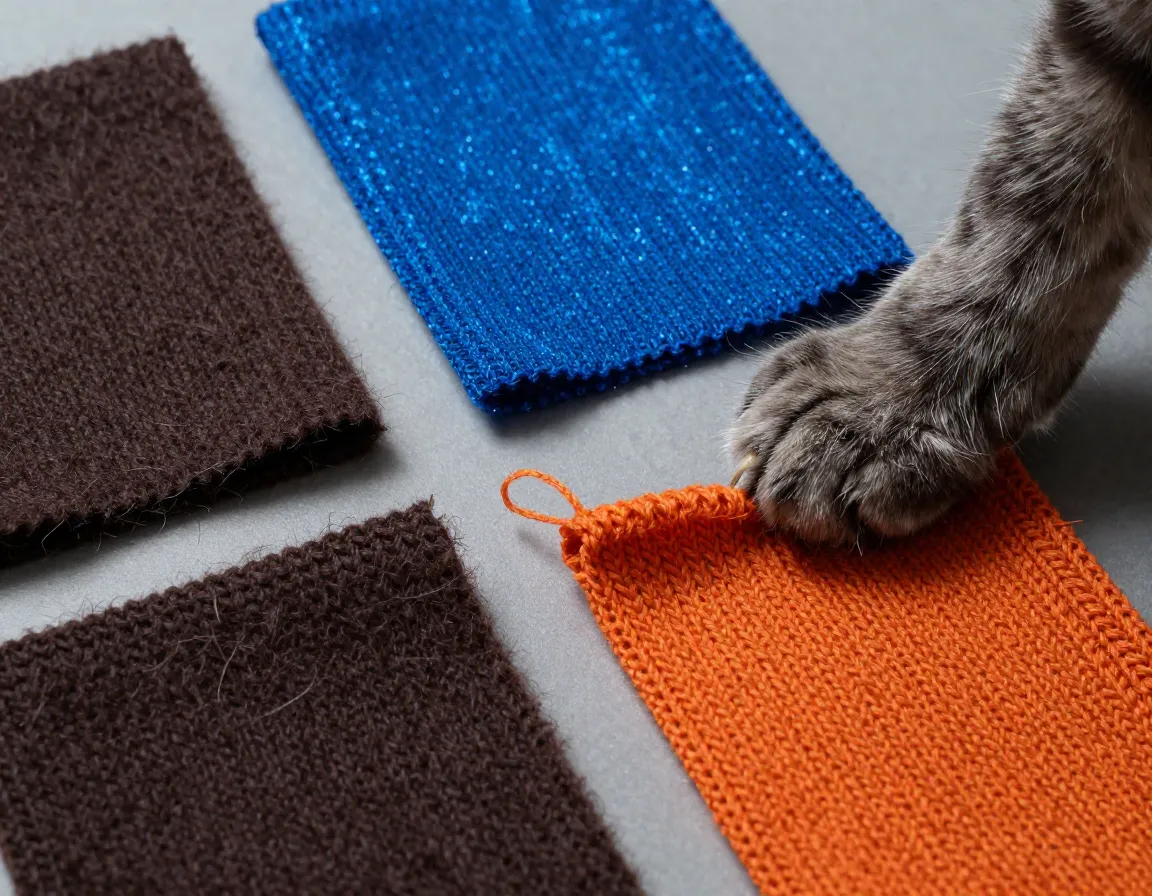
Just as important as choosing the right materials is avoiding the wrong ones. Stay away from rough wool, heavily treated fabrics, strong dyes, excessively shedding materials, delicate lace, and loosely knitted items [3]. These materials can cause skin irritation, allergic reactions, or pose safety hazards.
Materials to avoid:
- Rough or scratchy wool – Can irritate sensitive skin
- Synthetic fabrics that create static – Uncomfortable and can attract debris
- Heavily dyed materials – May contain harmful chemicals
- Loosely knitted items – Claws can get caught easily
- Materials that shed excessively – Can be ingested during grooming
5. DO: Introduce Sweaters Gradually
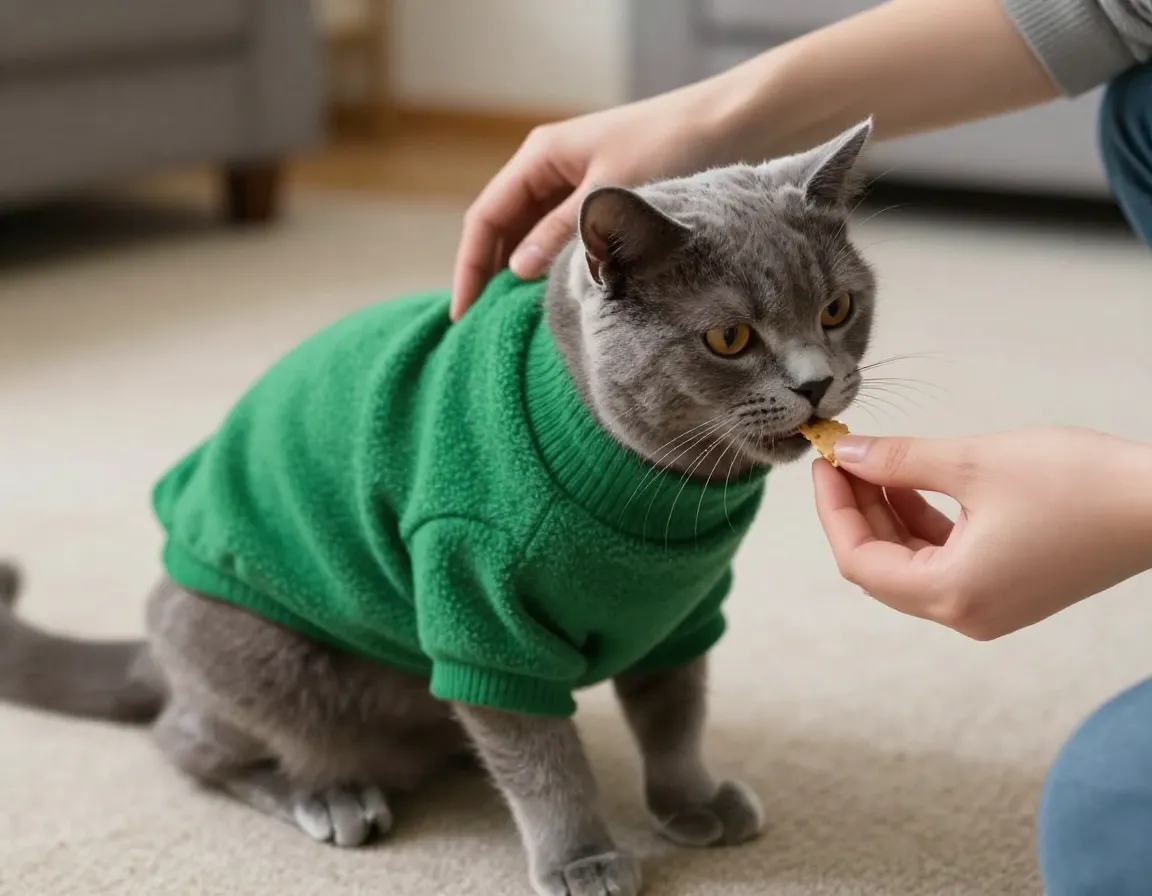
Successful sweater wearing requires patience and proper introduction techniques. Let the sweater sit in your cat’s favorite spot for 1-2 days to familiarize the scent, then drape it briefly with treats [1]. This gradual acclimatization process helps reduce stress and increases the likelihood of acceptance.
Follow this step-by-step introduction process:
| Day | Activity | Duration |
|---|---|---|
| 1-2 | Place sweater in cat’s favorite spot | Leave overnight |
| 3 | Drape sweater over cat briefly | 30 seconds |
| 4-5 | Put sweater on for short periods | 2-5 minutes |
| 6-7 | Gradually increase wearing time | 10-15 minutes |
| 8+ | Normal wearing schedule | As needed |
Always pair each step with positive reinforcement like treats, praise, or playtime to create positive associations with the sweater.
6. DON’T: Leave Your Cat Unattended in a Sweater
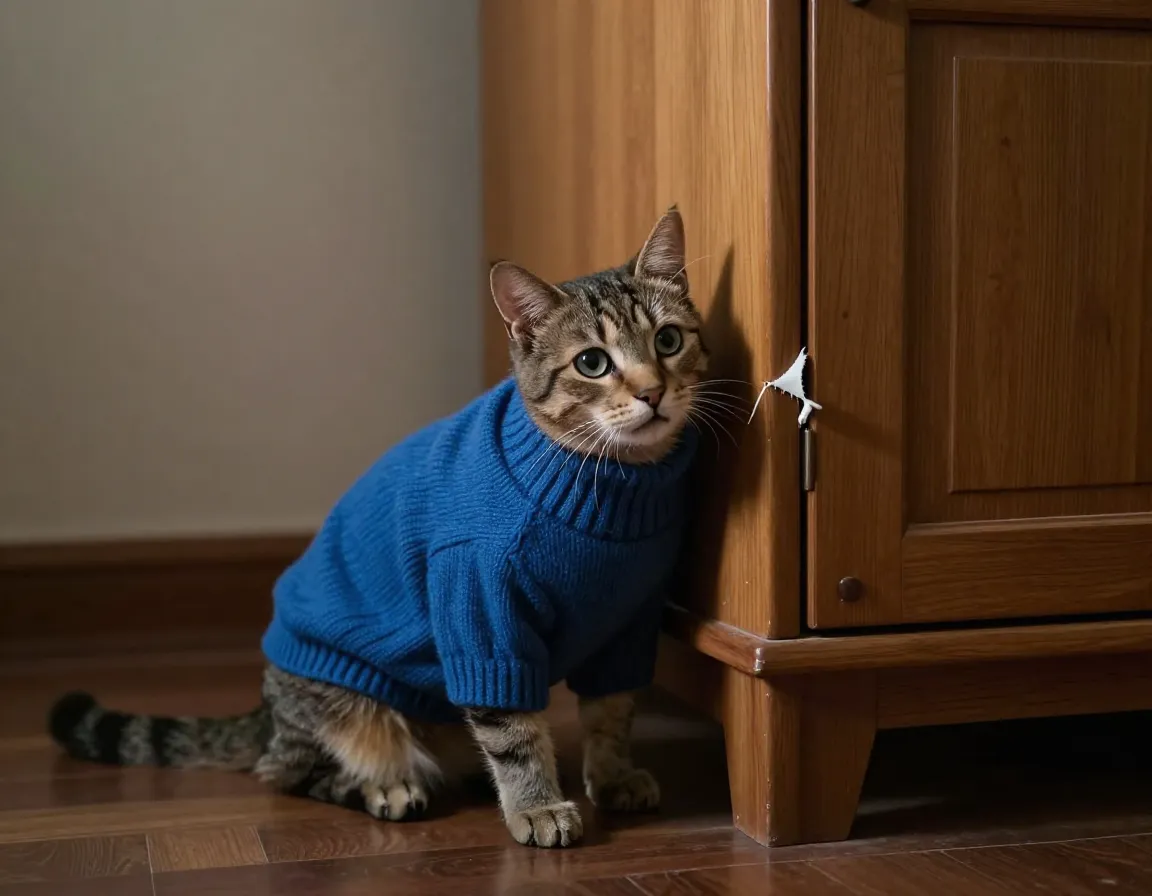
One of the most important safety rules is supervision. Do not leave a cat unsupervised in a sweater, especially overnight, due to snagging risks [1][4]. Sweaters can catch on furniture, toys, or other objects, potentially causing injury or panic.
Risks of unsupervised sweater wearing:
- Snagging on furniture or objects
- Overheating during sleep
- Inability to groom properly
- Increased stress or anxiety
- Potential for fabric ingestion
Always remove the sweater before leaving your cat alone for extended periods or at bedtime. Your cat’s safety is more important than keeping them warm when you can’t monitor them.
7. DO: Limit Wearing Time and Monitor for Distress
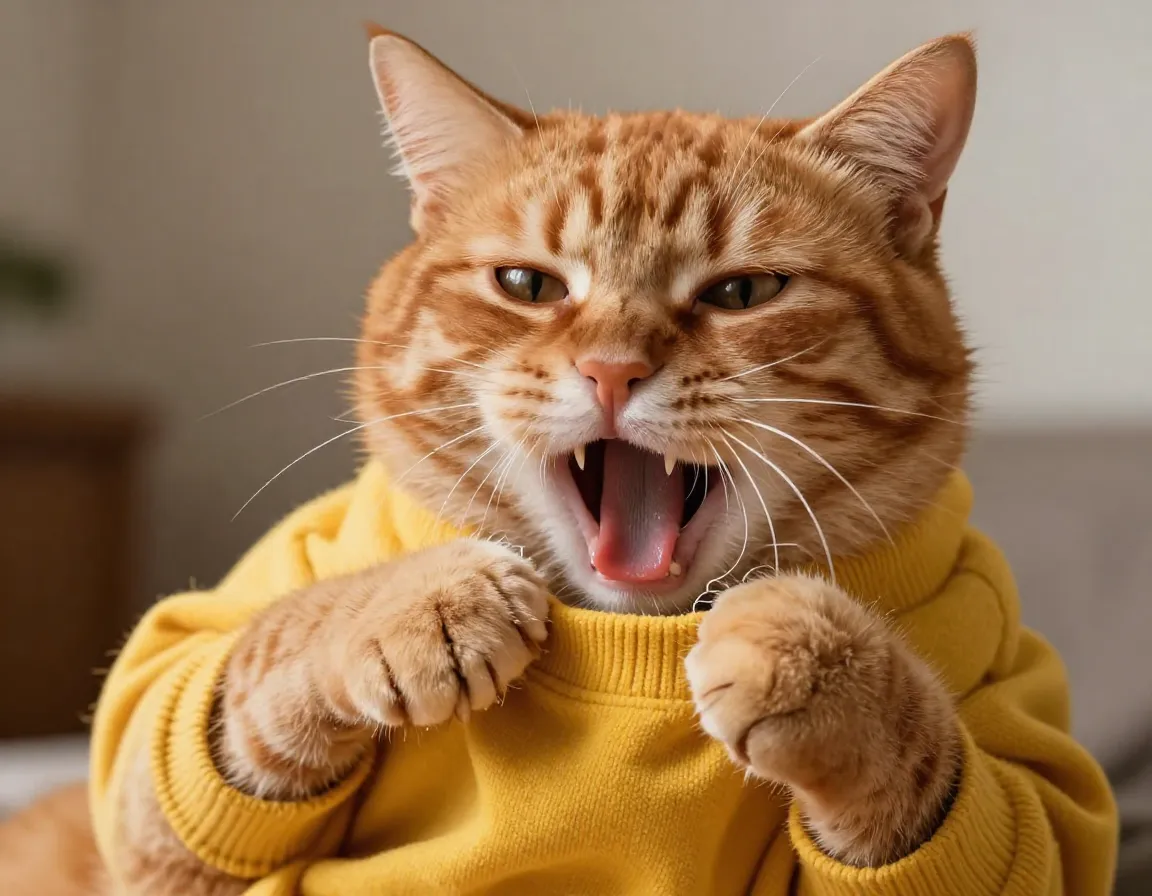
Even with a perfect fit and safe materials, it’s essential to limit how long your cat wears a sweater. A few hours at a time is ideal to allow skin to breathe and permit grooming [1]. Cats need regular access to their fur for grooming, which is crucial for their physical and mental well-being.
Watch for these signs of distress:
- Excessive panting or drooling
- Hiding or seeking cool surfaces
- Aggressive scratching at the sweater
- Lethargy or unusual behavior
- Excessive vocalization
- Attempts to remove the sweater
Remove immediately if signs appear including panting, hiding, or excessive grooming [4]. These behaviors indicate your cat is uncomfortable or overheating and needs immediate relief.
8. DON’T: Force Sweaters on Unwilling Cats
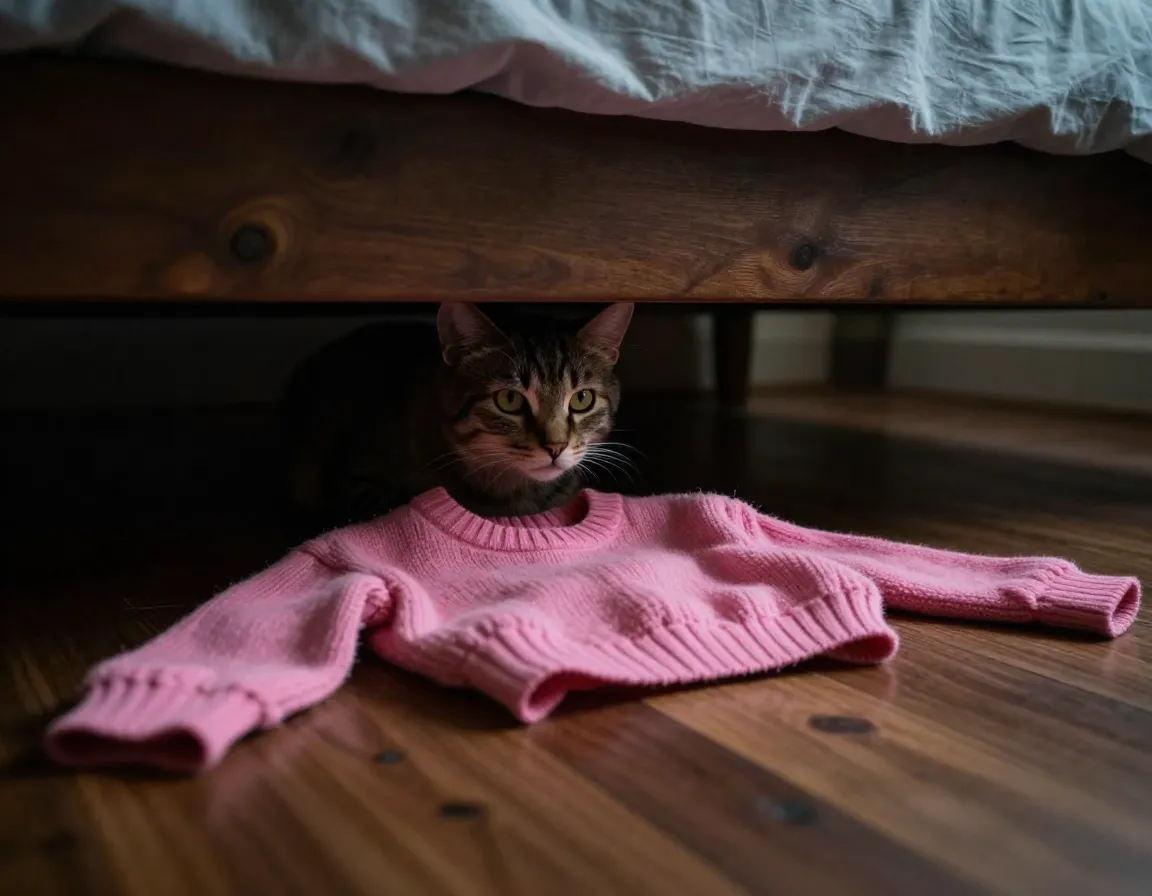
Perhaps the most important principle in this guide is respecting your cat’s individual preferences. If a cat shows distress after proper introduction, do not force it; alternative warming methods exist [1][5]. Some cats will never be comfortable wearing clothing, regardless of how patient and gradual your introduction process is.
Alternative warming methods include:
- Heated pet beds – Provide warmth without clothing
- Warm blankets – Can be used as needed
- Indoor temperature control – Keep your home adequately heated
- Cozy hiding spots – Create warm retreats with blankets
- Increased caloric intake – Help cats generate internal heat
“Respecting your cat’s comfort level is more important than any fashion statement. A stressed cat is not a healthy cat, regardless of how adorable they might look in a sweater.”
Choosing the Right Sweater: A Detailed Buying Guide
When shopping for cat sweaters in 2026, the market offers more options than ever before. However, not all sweaters are created equal. Here’s what to look for when making your selection:
Size and Fit Considerations
Proper sizing goes beyond simple small, medium, or large categories. Look for brands that provide detailed measurement charts and consider your cat’s unique body shape. Some cats are longer and leaner, while others are more compact and round.
Key measurements to take:
- Neck circumference – Measure where a collar sits comfortably
- Chest girth – Around the widest part of the ribcage
- Back length – From base of neck to where the tail begins
- Belly circumference – Around the widest part of the belly
Construction Quality
Examine the sweater’s construction carefully. Look for reinforced seams, secure stitching, and quality finishing. Poor construction can lead to unraveling, which poses safety risks and reduces the garment’s lifespan.
Quality indicators include:
- Double-stitched seams
- Finished edges that won’t fray
- Secure attachment points for any necessary closures
- Even knitting or weaving without holes or loose areas
Closure Systems
The way a sweater fastens can significantly impact both safety and ease of use. Velcro closures are often safer than buttons or snaps because they’re less likely to be chewed off and swallowed. However, ensure the Velcro isn’t too rough against your cat’s skin.
Closure options ranked by safety:
- Velcro strips – Easy to use, secure, removable
- Elastic bands – No small parts, but ensure proper fit
- Snap closures – Convenient but monitor for loosening
- Buttons – Avoid due to choking hazard
Special Considerations for Different Cat Breeds
The Ultimate Guide to Cats and Sweaters: 8 Dos and Don’ts must account for the unique needs of different cat breeds. What works for a Sphynx cat may not be appropriate for a Maine Coon, and understanding these differences is crucial for making informed decisions.
Hairless Breeds (Sphynx, Peterbald, Donskoy)
These cats have the greatest need for sweaters due to their lack of natural insulation. Their skin is directly exposed to temperature changes, making them more susceptible to both cold and heat. When choosing sweaters for hairless breeds:
- Opt for softer, non-irritating fabrics
- Ensure the sweater covers enough body area for warmth
- Monitor for overheating more carefully
- Consider UV protection for outdoor exposure
Long-Haired Breeds (Persian, Maine Coon, Ragdoll)
Long-haired cats typically have excellent natural insulation and rarely need sweaters. Adding extra layers can actually cause overheating and interfere with their natural temperature regulation. If a sweater is necessary due to health conditions:
- Choose lightweight, breathable materials
- Ensure the sweater doesn’t mat their fur
- Limit wearing time even more strictly
- Monitor for signs of overheating
Short-Haired Breeds (Siamese, Russian Blue, Abyssinian)
These cats fall somewhere in the middle and may benefit from sweaters in particularly cold conditions or if they have health issues affecting temperature regulation.
Senior Cats Across All Breeds
Older cats often have decreased circulation and may struggle with temperature regulation regardless of their breed. Senior cats may benefit from lightweight sweaters during colder months, but require careful monitoring for comfort and mobility.
Seasonal Considerations and Weather Factors
Understanding when and why to use cat sweaters involves more than just temperature readings. The decision should factor in humidity, wind chill, your cat’s activity level, and the specific environment they’ll be in.
Winter Weather Guidelines
During winter months, even indoor cats may benefit from extra warmth if your home is drafty or if heating costs force you to keep temperatures lower. Indoor temperatures below 65°F (18°C) may warrant sweater consideration for sensitive cats.
Winter sweater guidelines:
- Monitor indoor temperature and humidity
- Pay attention to drafty areas where your cat spends time
- Consider your cat’s age and health status
- Adjust wearing time based on activity level
Transitional Seasons
Spring and fall can present unique challenges with fluctuating temperatures. A sweater that’s comfortable in the morning might cause overheating by afternoon. During these seasons, be prepared to add or remove sweaters as temperatures change throughout the day.
Summer Considerations
In most cases, sweaters are unnecessary and potentially dangerous during summer months. However, some hairless breeds may need lightweight protection from air conditioning or for brief outdoor excursions.
Health and Safety Monitoring
Responsible sweater use requires ongoing attention to your cat’s health and behavior. Regular monitoring ensures that the sweater continues to be beneficial rather than problematic.
Daily Health Checks
When your cat wears a sweater regularly, incorporate these checks into your daily routine:
Physical examination:
- Check for any redness or irritation on the skin
- Ensure the sweater hasn’t shifted or become too tight
- Look for any signs of chafing or pressure points
- Verify that your cat can move freely and comfortably
Behavioral observation:
- Monitor eating and drinking habits
- Watch for changes in activity level
- Note any differences in grooming behavior
- Observe social interactions and play patterns
When to Consult Your Veterinarian
Certain situations warrant professional veterinary advice before using sweaters:
- Cats with skin conditions or allergies
- Recent surgery or medical procedures
- Chronic health conditions affecting temperature regulation
- Behavioral changes after introducing sweaters
- Any signs of skin irritation or distress
Your veterinarian can provide personalized advice based on your cat’s specific health needs and help you determine whether sweaters are appropriate for your pet’s situation.
Maintenance and Care of Cat Sweaters
Proper care of cat sweaters ensures they remain safe, comfortable, and hygienic for your pet. Regular cleaning and maintenance also extend the life of the garment and prevent the buildup of bacteria or allergens.
Washing Guidelines
Cat sweaters require more frequent washing than human clothing due to their proximity to your pet’s skin and the accumulation of fur, dander, and natural oils.
Washing frequency:
- After every 2-3 wears for regular use
- Immediately after any accidents or spills
- Weekly during peak wearing season
- Before storing for extended periods
Washing instructions:
- Use gentle, fragrance-free detergents
- Wash in cool water to prevent shrinkage
- Avoid fabric softeners that may irritate skin
- Air dry to maintain shape and prevent damage
Storage and Organization
Proper storage prevents damage and keeps sweaters ready for use:
- Clean thoroughly before storing
- Store in breathable containers or bags
- Use cedar blocks or lavender sachets for natural pest deterrence
- Avoid plastic bags that can trap moisture
- Check periodically for signs of pest damage or deterioration
Alternative Warming Solutions
While this guide focuses on The Ultimate Guide to Cats and Sweaters: 8 Dos and Don’ts, it’s important to acknowledge that sweaters aren’t the only solution for keeping cats warm. Many cats prefer alternative warming methods that don’t involve wearing clothing.
Environmental Modifications
Creating a warmer environment often eliminates the need for sweaters:
- Heated pet beds – Provide consistent, controllable warmth
- Thermal blankets – Offer warmth without restriction
- Draft elimination – Seal windows and doors to prevent cold air infiltration
- Sunny spot creation – Position cat furniture near windows for natural solar heating
- Room heating – Use space heaters safely in areas where cats spend time
Behavioral Enrichment for Warmth
Encouraging natural warming behaviors can help cats stay comfortable:
- Provide multiple cozy hiding spots
- Offer various textures and materials for nesting
- Create elevated resting areas away from cold floors
- Encourage active play to generate body heat
- Maintain consistent feeding schedules to support metabolism
Conclusion
Navigating The Ultimate Guide to Cats and Sweaters: 8 Dos and Don’ts requires balancing your cat’s comfort, safety, and individual needs. While sweaters can be beneficial for certain cats in specific situations, they’re not a universal solution and should never be forced on unwilling pets.
The key to successful sweater use lies in careful selection, proper fitting, gradual introduction, and ongoing monitoring. Remember that your cat’s comfort and well-being should always take precedence over fashion or convenience. By following these eight essential dos and don’ts, you can make informed decisions about whether sweaters are right for your feline companion.
Your next steps should include:
- Assess your cat’s individual needs based on breed, age, health, and living environment
- Consult with your veterinarian if you have questions about your cat’s temperature regulation needs
- Research and select appropriate sweaters if you determine they would be beneficial
- Plan a gradual introduction process that respects your cat’s comfort level
- Establish monitoring and care routines to ensure ongoing safety and comfort
Remember, the goal is to keep your cat comfortable and healthy throughout the changing seasons. Whether that involves sweaters, environmental modifications, or simply ensuring your home is adequately heated, the choice should always be based on what’s best for your individual pet. By prioritizing safety, comfort, and respect for your cat’s preferences, you can make the right decision for your furry family member.
References
[1] Cat Sweater Guide – https://heapet.com/blogs/community/cat-sweater-guide
[2] %f0%9f%90%be Vet Approved Guide Do Cats Need Sweaters Insights For 2025 %f0%9f%90%b1 – https://askavet.com/blogs/news/%F0%9F%90%BE-vet-approved-guide-do-cats-need-sweaters-insights-for-2025-%F0%9F%90%B1
[3] Best Cat Sweater Materials – https://heapet.com/blogs/community/best-cat-sweater-materials
[4] Cat Sweater – https://catlovers.alibaba.com/buyingguides/cat-sweater
[5] How To Get A Cat To Wear A Sweater – https://www.catster.com/lifestyle/how-to-get-a-cat-to-wear-a-sweater/