The Rare Belgian Shepherd Malinois Black: 9 Facts About This Stunning Coat
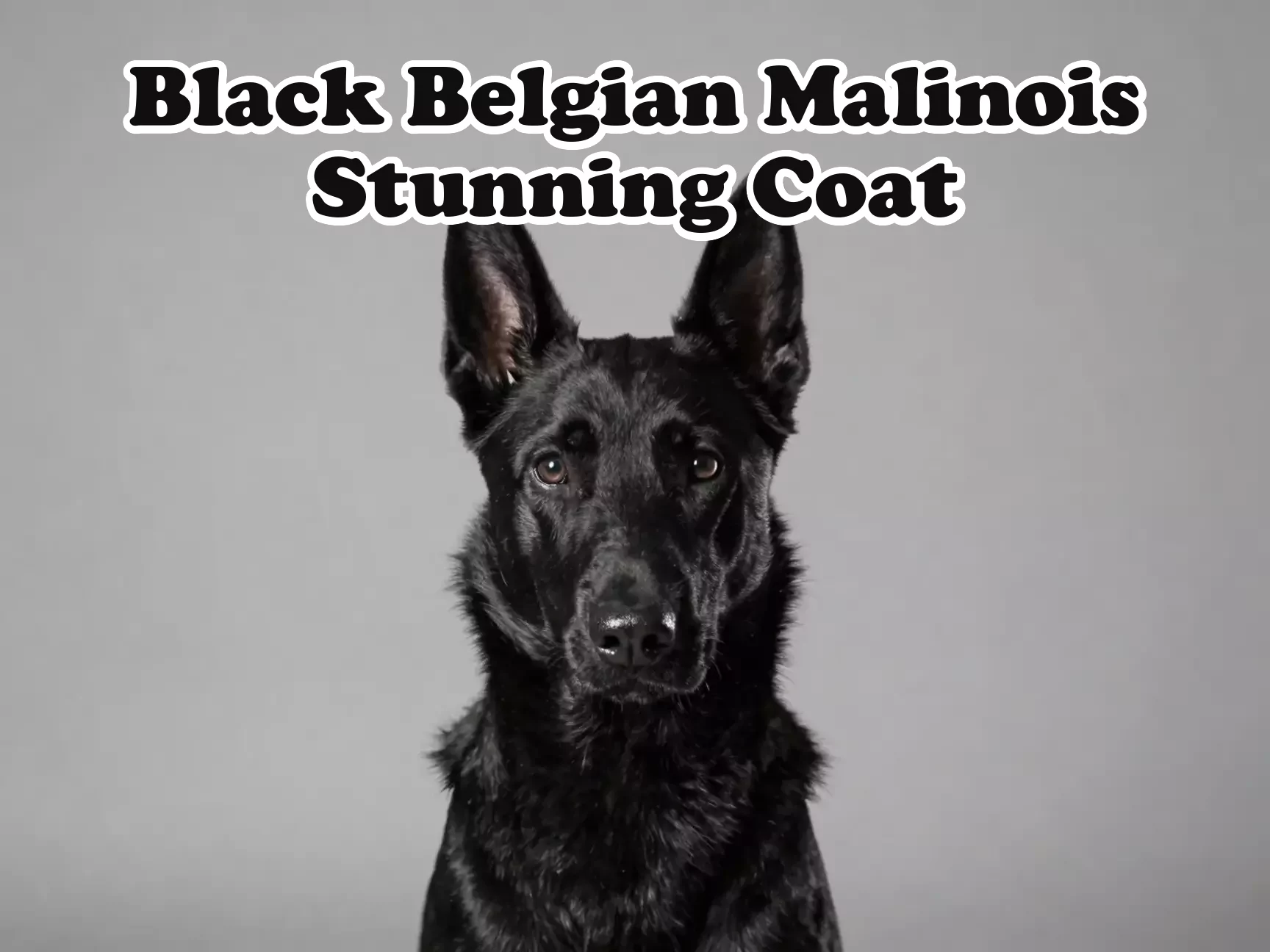
Less than 1% of Belgian Malinois born each year display a fully black coat — a striking anomaly in a breed whose official standard demands fawn and mahogany. That single statistic captures everything fascinating about the rare Belgian Shepherd Malinois black: it exists at the crossroads of genetics, breed politics, and raw canine beauty. In this article, we dig into The Rare Belgian Shepherd Malinois Black: 9 Facts About This Stunning Coat to give you a complete, honest picture of what makes these dogs so unusual — and why they matter.
Key Takeaways 🐾
- Black is not an accepted color in the AKC Belgian Malinois breed standard — it is officially classified as a fault [5].
- Solid black Malinois are extremely rare and usually result from recessive genetic combinations, not deliberate breeding [2].
- Black sable Malinois are slightly more common than fully solid black dogs [2].
- These dogs are sometimes confused with the Belgian Shepherd Groenendael, a separate variety where black is the standard color [2].
- Despite their non-standard coat, black Malinois share the same elite working ability, intelligence, and loyalty as their fawn counterparts [1].
Why the Black Coat Exists: Understanding the Basics
Before we count down the nine facts, it helps to understand the foundation. The Belgian Malinois is one of four varieties of the Belgian Shepherd — the others being the Groenendael, Tervuren, and Laekenois [4]. All four share the same working heritage, but they differ in coat type and color. The Malinois is defined by its short, fawn-to-mahogany coat with a black overlay and a signature black mask [3].
So where does black come in? Coat color in dogs is controlled by multiple gene pairs. When two recessive alleles align in just the right way, a puppy can be born with a coat that falls far outside what the breed standard expects. This is the genetic story behind The Rare Belgian Shepherd Malinois Black: 9 Facts About This Stunning Coat — and it starts with biology, not a breeder’s choice.
The 9 Facts About This Stunning Coat
1. Black Is Not an Accepted Standard Color
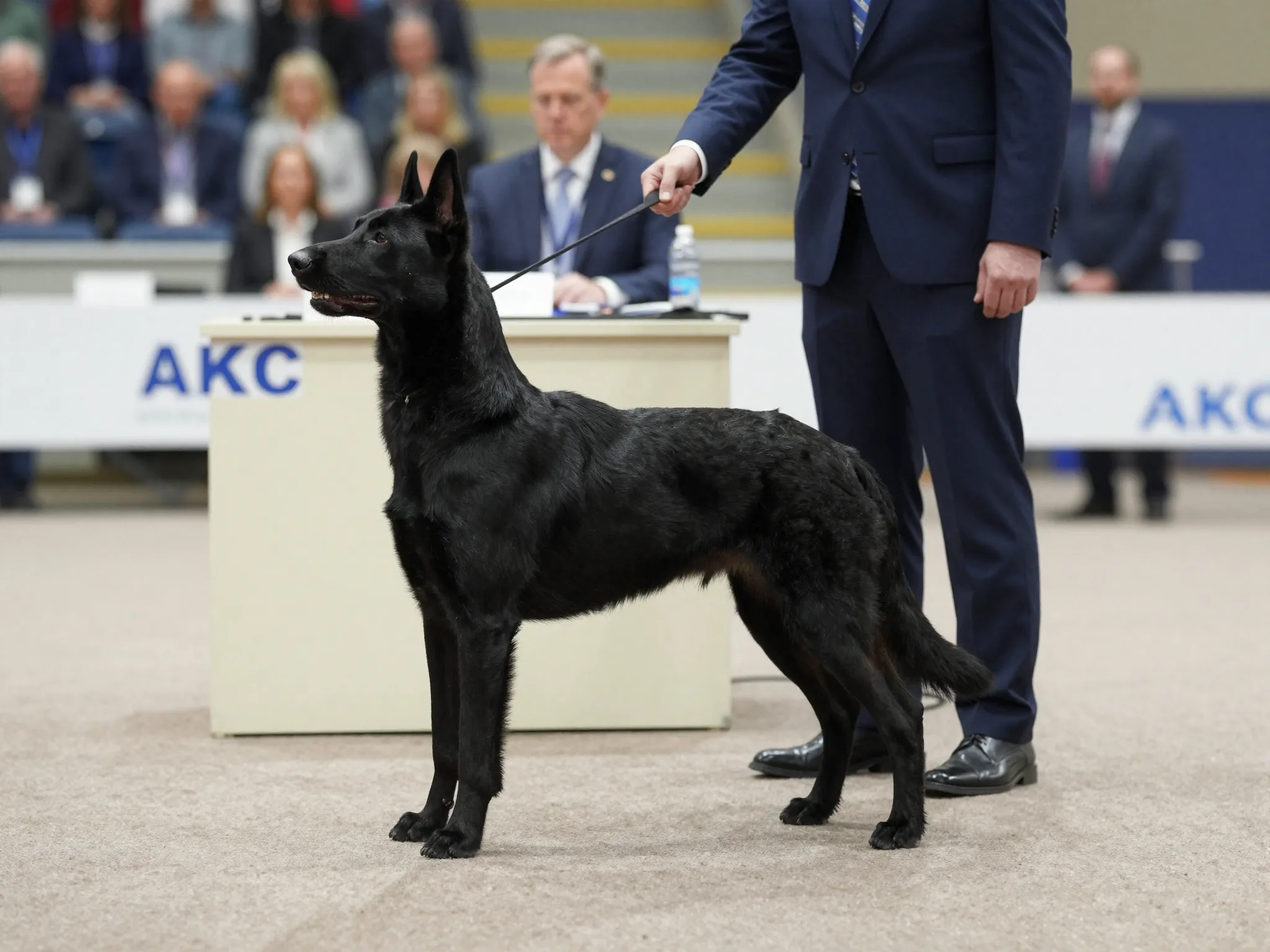
The American Kennel Club is unambiguous: the accepted colors for the Belgian Malinois are fawn and mahogany, with a black overlay and black mask [5]. Black as a base coat color is not part of that standard. In fact, international kennel clubs go further — they formally classify a fully black coat as a fault in competition [2].
This matters for anyone considering showing a black Malinois. No matter how physically perfect the dog is in every other way, a solid black coat will disqualify it from conformation events under most major kennel club rules. For working roles and companion life, however, the color is irrelevant.
💡 Pull Quote: “A black coat on a Malinois is genetically possible but officially unwelcome in the show ring — which makes these dogs rare in two ways at once.”
2. Solid Black Malinois Result from Specific Genetic Combinations

Black Belgian Malinois do not appear because a breeder planned for them. They emerge when specific recessive genes combine in a puppy’s DNA — a relatively rare event in a breed where most dogs carry dominant fawn or mahogany genes [1]. Responsible breeders who follow breed standards actively work to avoid producing all-black puppies, which makes solid black Malinois even rarer than they would be in a breed where black is encouraged [2].
Think of it like a genetic lottery. Two fawn parents can carry hidden recessive genes. If both pass those recessive alleles to the same puppy, the result is a black coat. The odds are low, the outcome is unplanned, and the puppy is often a surprise even to experienced breeders.
3. Black Sable Is More Common Than Solid Black
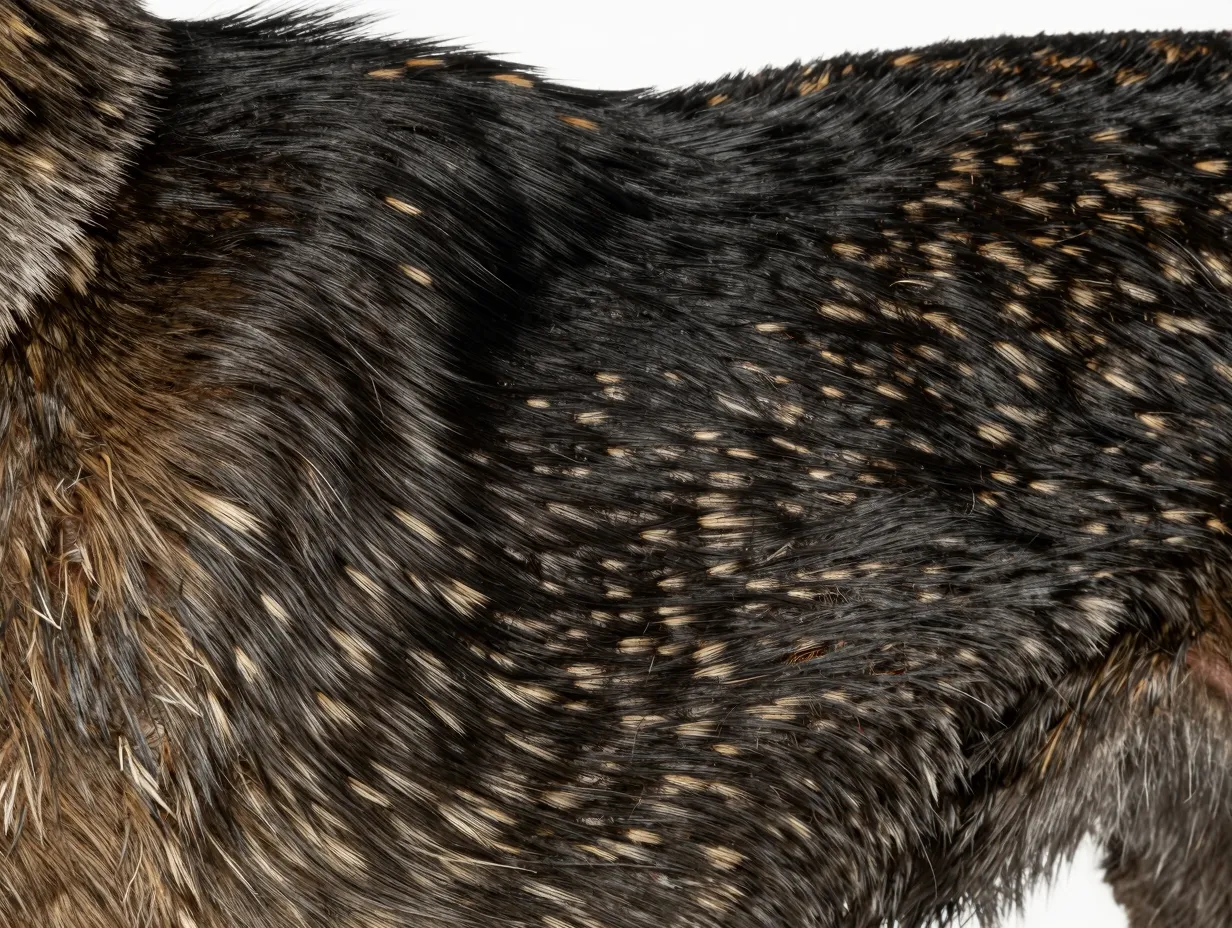
Not all “black” Malinois are the same. There is an important distinction between solid black and black sable:
| Coat Type | Description | Rarity |
|---|---|---|
| Solid Black | Uniform black throughout, including undercoat | Very rare |
| Black Sable | Predominantly black outer coat with lighter (often fawn or grey) undercoat | Uncommon but less rare |
| Standard Fawn | Fawn to mahogany with black overlay and black mask | Common |
Black sable Malinois feature a mostly black appearance at first glance, but a closer look reveals lighter coloring beneath the surface coat [2]. This variation is still non-standard, but it occurs more frequently than a fully solid black dog. If you see a “black Malinois” in a photo or in person, there is a good chance it is actually black sable rather than true solid black.
4. The Breed’s History Explains Why Black Was Never Standard
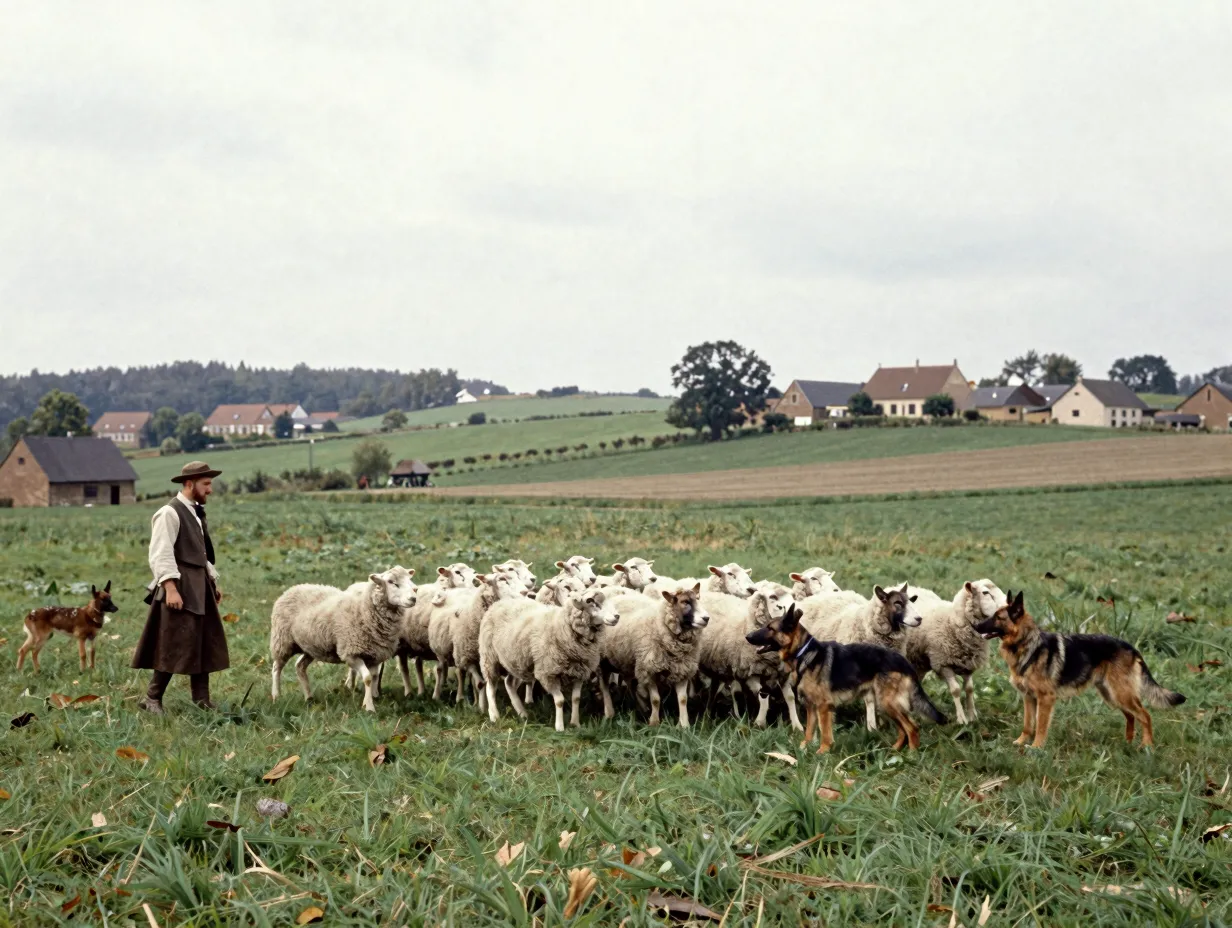
The Belgian Malinois originated in Belgium in the late 19th century, bred specifically for herding livestock. The breed takes its name from the city of Mechelen — called Malines in French — where early breeding efforts were concentrated [2]. Breeders at the time selected for working ability first, but they also established physical standards that reflected the dogs most commonly found in the region.
Fawn and mahogany coats with black masks were the norm among working dogs in that area. Black-coated dogs were not part of the founding population in significant numbers, so the standard was written to reflect what existed — not to exclude black coats as a deliberate policy. Over time, that standard became fixed, and black remained outside it.
5. The Standard Black Mask Is Not the Same as a Black Coat
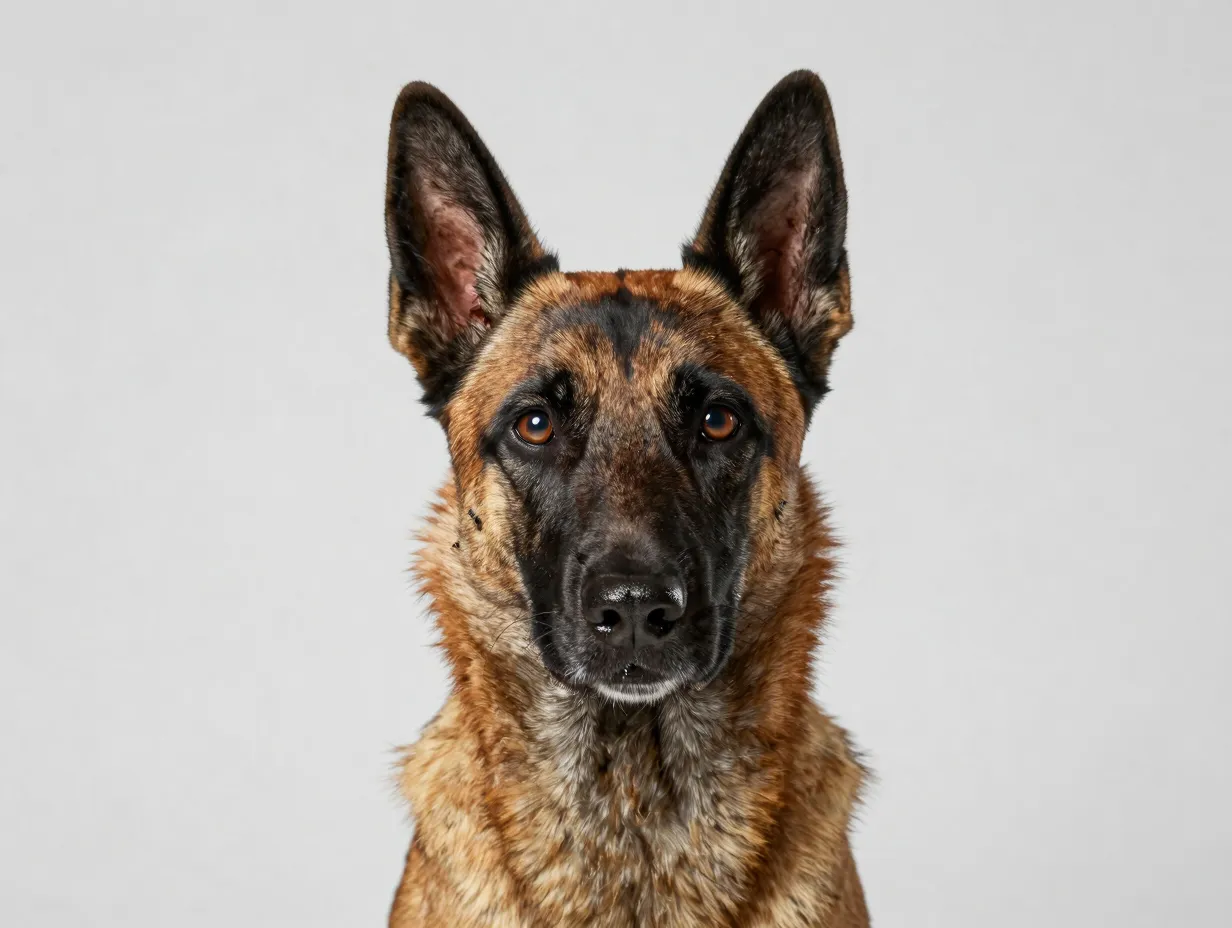
This is one of the most common points of confusion for new Malinois enthusiasts. Every standard Belgian Malinois has a black mask — this is a required breed marking, not optional [3]. The black mask covers:
- The muzzle
- The corners of the lips
- The eyelids
- The ears (which are typically black)
A dog with a rich fawn coat and a dramatic black mask can look striking and even appear “mostly black” in certain lighting. But this is entirely different from a dog whose entire coat — including the body — is black. The mask is a breed requirement; a full black body coat is a breed fault [5].
6. Black Malinois Are Frequently Confused with the Groenendael
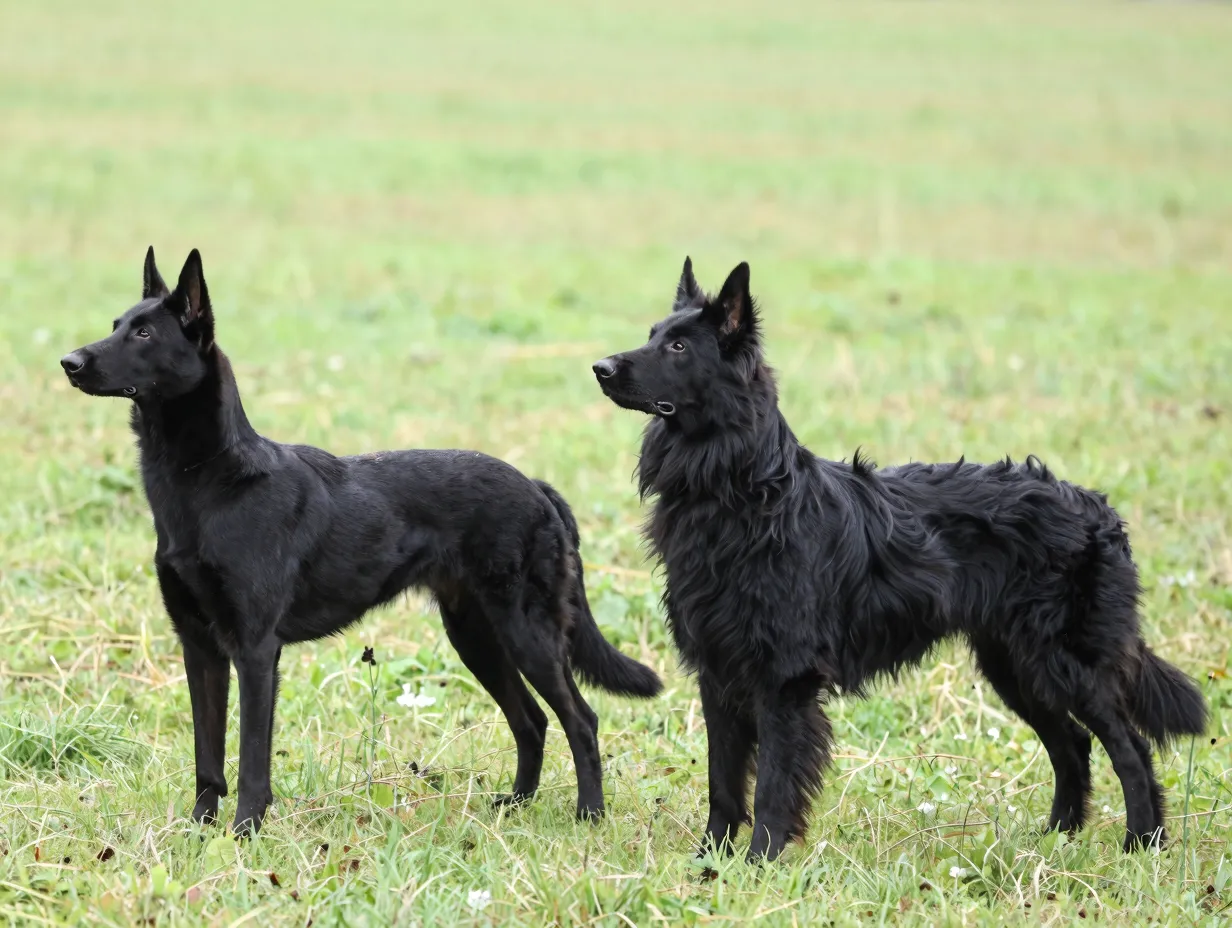
If you have ever seen a large, all-black Belgian Shepherd with a longer, flowing coat and thought it was a rare black Malinois, you may have been looking at a Belgian Shepherd Groenendael [2]. Here is how to tell them apart:
🐕 Belgian Malinois (black variant)
- Short, dense coat
- Muscular, athletic build
- Black coat is non-standard / rare
🐕 Belgian Shepherd Groenendael
- Long, flowing black coat
- Black is the standard and only accepted color
- Separate variety from the Malinois
The Groenendael is recognized as a distinct variety of the Belgian Shepherd [4]. Its black coat is not rare at all — it is the only color the breed comes in. Confusing the two is understandable given their shared heritage, but the coat length alone is usually enough to tell them apart at a glance.
7. Their Working Ability Is Identical to Standard-Colored Malinois

Here is something that surprises many people: coat color has zero effect on a Belgian Malinois’s working ability. A solid black Malinois carries the same genetics for intelligence, drive, loyalty, and physical capability as any fawn or mahogany dog from the same bloodline [1].
Belgian Malinois — regardless of coat color — are among the world’s elite working dogs. In 2026, they continue to serve in:
- 🚔 Law enforcement — detection work, patrol, apprehension
- 🔍 Search and rescue — locating missing persons in disaster zones
- 🎖️ Military operations — special forces units worldwide
- ♿ Service and therapy roles — mobility assistance, PTSD support
The black coat is purely cosmetic. A black Malinois that comes from strong working lines will perform at exactly the same level as its fawn counterpart [1]. This is why some working-dog trainers and handlers actually prefer black Malinois — they get the same elite performance without the show-ring premium price.
8. Responsible Breeders Actively Avoid Producing Black Puppies

This fact surprises many dog lovers. If black Malinois are so striking and sought after, why do responsible breeders try to avoid producing them?
The answer comes down to breed stewardship [2]. Responsible breeders work to preserve and improve the breed according to established standards. Deliberately producing non-standard colors — even beautiful ones — is seen as moving away from the breed’s intended type. It can also:
- Attract buyers who prioritize rare color over temperament and health
- Encourage unethical breeders to exploit the “rare color” market
- Dilute the genetic consistency that makes the breed predictable and reliable
This is why solid black Malinois are most often the result of accidental genetic combinations rather than intentional breeding programs [2]. When a black puppy appears in a litter, a responsible breeder will typically place it as a working dog or companion — not use it for further breeding to produce more black dogs.
⚠️ Buyer Beware: If a breeder advertises “rare black Belgian Malinois” at a premium price specifically for the color, that is a red flag. Reputable breeders do not charge extra for non-standard colors — they may actually price these dogs lower since they cannot be shown.
9. The Physical Build of a Black Malinois Matches the Breed Standard
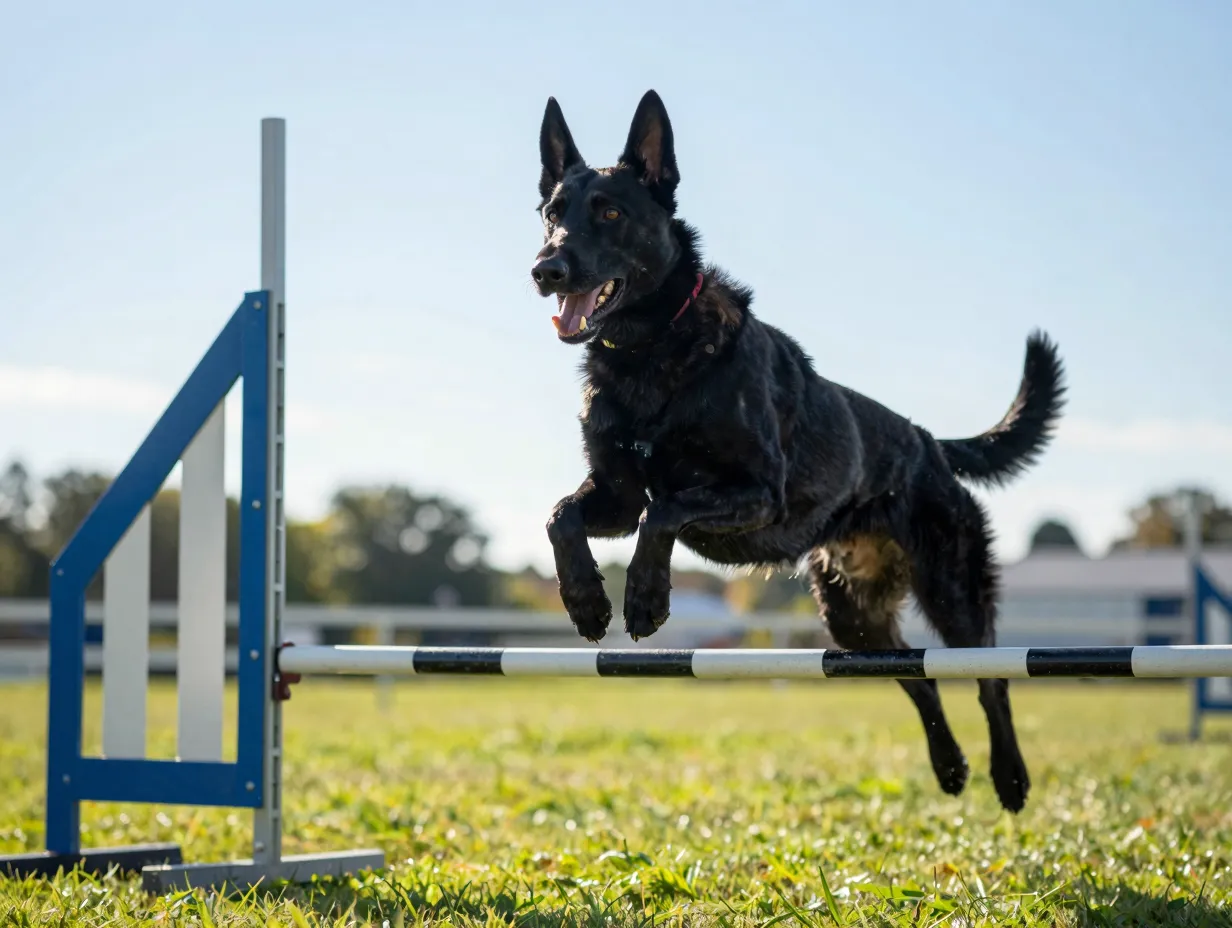
Despite the non-standard coat color, a black Belgian Malinois should otherwise conform to the breed’s physical standard in every way [1]. This includes:
| Physical Trait | Standard Measurement |
|---|---|
| Size | Medium to large |
| Weight (male) | 60–80 lbs |
| Weight (female) | 40–60 lbs |
| Height (male) | 24–26 inches at shoulder |
| Height (female) | 22–24 inches at shoulder |
| Build | Muscular, athletic, well-proportioned |
| Coat texture | Short, dense, straight |
The athletic, muscular build that makes the Malinois ideal for agility and demanding work is present in black-coated dogs just as it is in standard-colored ones [1]. A black Malinois that comes from quality breeding lines will have the same square, balanced proportions, strong hindquarters, and alert expression that define the breed.
Living with a Black Belgian Malinois: What to Expect
Understanding The Rare Belgian Shepherd Malinois Black: 9 Facts About This Stunning Coat is only the beginning. If you are considering bringing one of these dogs into your life, here is an honest overview of what ownership looks like.
Energy and Exercise Needs
Belgian Malinois — black or otherwise — are not dogs for casual owners. They need at least 2 hours of vigorous exercise per day and thrive when given a job to do. Without sufficient mental and physical stimulation, they can become destructive, anxious, or difficult to manage.
Training Requirements
These dogs are exceptionally intelligent, which is both an asset and a challenge. They learn quickly, but they also develop bad habits quickly if training is inconsistent. Early socialization and obedience training are non-negotiable.
Grooming the Black Coat
Interestingly, the black coat can show dust and light-colored debris more visibly than a fawn coat. On the positive side, the short, dense coat is relatively low-maintenance:
- Brush weekly to remove loose hair
- Bathe every 6–8 weeks or as needed
- Check ears weekly for debris and moisture
- Trim nails every 3–4 weeks
Health Considerations
Black Malinois share the same health profile as standard-colored dogs. Common concerns include:
- Hip and elbow dysplasia
- Progressive retinal atrophy
- Thyroid issues
Always request health clearances from both parents when purchasing from a breeder.
Is a Black Belgian Malinois Right for You?
The honest answer is that most people are not the right fit for a Belgian Malinois — regardless of coat color. These are working dogs bred for demanding jobs. They need experienced handlers, consistent training, and a lifestyle that matches their energy.
That said, if you have the experience, time, and commitment, a black Malinois offers everything a standard-colored dog does — plus a coat that turns heads everywhere you go.
Ask yourself these questions before pursuing one:
- Do I have at least 2 hours per day for exercise and training?
- Have I owned high-drive working breeds before?
- Can I commit to professional training or sport work?
- Am I prepared for a dog that will challenge me mentally every day?
If you answered yes to all four, a black Belgian Malinois could be an extraordinary companion.
Conclusion: The Black Coat Is Rare — But the Dog Is Remarkable
The Rare Belgian Shepherd Malinois Black: 9 Facts About This Stunning Coat tells a story that goes beyond aesthetics. These dogs are genetically unusual, officially non-standard, and frequently misunderstood — yet they possess every quality that has made the Belgian Malinois one of the most respected working breeds on the planet.
The black coat does not make them better or worse than their fawn counterparts. It makes them different in appearance only. Underneath that striking ebony fur is the same fierce intelligence, unwavering loyalty, and extraordinary drive that has earned the Malinois its place alongside elite military and law enforcement units worldwide [1][2].
Actionable Next Steps 🐾
- Research reputable breeders who prioritize health and temperament over coat color
- Connect with Belgian Malinois breed clubs in your country for breeder referrals
- Consider adopting from a Malinois-specific rescue — black dogs sometimes end up there when owners underestimate their needs
- Start training early — enroll in puppy classes before your dog even comes home
- Visit working dog events to see Malinois in action and connect with experienced handlers
The black Belgian Malinois is rare. But with the right owner, it is also remarkable.
References
[1] Rare Black Belgian Malinois – https://chocolatelabdenver.com/blogs/dog-breeds/rare-black-belgian-malinois
[2] Black Belgian Malinois – https://rockykanaka.com/black-belgian-malinois/
[3] Belgian Malinois – https://showsightmagazine.com/dog-breeds/belgian-malinois/
[4] Belgian Shepherd – https://en.wikipedia.org/wiki/Belgian_Shepherd
[5] Fun Facts Belgian Malinois – https://www.akc.org/expert-advice/lifestyle/fun-facts-belgian-malinois/
[6] Watch – https://www.youtube.com/watch?v=tRxkYaQYOmQ