Pet and House Sitting: 7 Insider Tips to Find the Best Service
Imagine returning from your dream vacation to find your beloved pet stressed, your plants wilted, and your home security compromised—all because you chose the wrong pet and house sitting service. With the global pet-sitting market projected to reach $5.14 billion by 2030 and growing at an impressive 11.6% annually, finding quality care has never been more critical or competitive [2]. Whether you’re planning a weekend getaway or an extended business trip, discovering the right Pet and House Sitting: 7 Insider Tips to Find the Best Service can mean the difference between peace of mind and vacation anxiety.
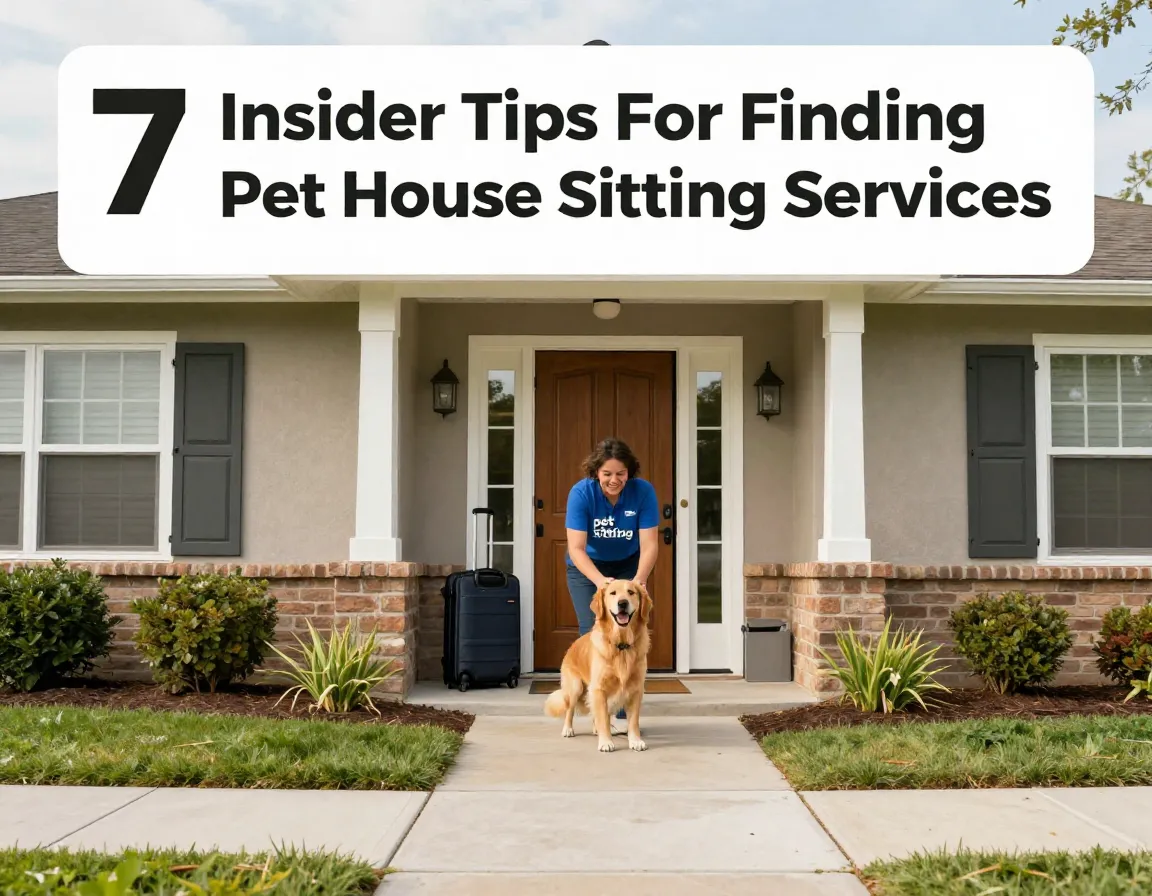
The pet care industry has evolved dramatically, with dog-sitting accounting for 83% of the market and drop-in care dominating at 57.25% of all revenue [1][3]. As pet owners increasingly prioritize wellness-focused services and technology integration, knowing how to navigate this expanding marketplace becomes essential for every responsible pet parent.
Key Takeaways
- Thorough vetting is crucial: Check references, insurance, and background verification before trusting anyone with your pets and home
- Technology integration matters: Modern services should offer online booking, real-time updates, and secure payment processing
- Specialized care commands premium pricing: Services focusing on medication administration, behavior monitoring, and wellness routines provide superior value
- Local market research pays off: Understanding your area’s competitive landscape helps identify quality providers and fair pricing
- Clear communication prevents problems: Detailed instructions, emergency protocols, and regular check-ins ensure smooth service delivery
Understanding the Modern Pet and House Sitting Landscape
The pet sitting industry has transformed from informal neighborhood arrangements to professional, technology-driven services. North America dominates with 37-41.72% of the global market share, reflecting the region’s strong pet ownership culture and disposable income [1][2]. This growth stems from post-pandemic return-to-office trends, with 11% annual growth expected through 2030 as more pet owners seek reliable care solutions [1].
Today’s pet owners demand more than basic feeding and walking. They’re seeking wellness-focused services that include medication routines, hydration monitoring, enrichment activities, and detailed behavior tracking [4]. This shift toward comprehensive care has elevated professional standards across the industry.
The market’s evolution has also introduced significant technological integration. Modern pet sitting services now feature online booking platforms, scheduling systems, and digital payment options as standard offerings [4]. These technological advances have streamlined the booking process while providing pet owners with greater transparency and control over their pet’s care.
Market Dynamics and Consumer Preferences
Drop-in care’s dominance at 57.25% of revenue reflects pet owners’ preference for keeping animals in familiar environments [3]. This trend particularly benefits cats and anxious dogs who experience less stress when remaining in their home territory. The preference for in-home care has driven innovation in service delivery, with providers offering everything from basic visits to comprehensive house management.
The industry’s growth has attracted both individual entrepreneurs and franchise operations. With 162,814 pet care and doggy daycare businesses operating in the U.S. as of 2023, competition has intensified while service quality has generally improved [3]. This competitive landscape benefits consumers through better pricing, enhanced services, and more professional standards.
1. Verify Credentials and Insurance Coverage

Professional pet and house sitting services should carry comprehensive insurance coverage protecting both your property and pets. Bonding and liability insurance represents the minimum standard, but premium services often include additional coverage for property damage, pet medical emergencies, and theft protection.
Request to see current insurance certificates and verify coverage limits. Legitimate businesses readily provide this documentation and often display insurance information prominently on their websites. Professional associations like Pet Sitters International (PSI) or the National Association of Professional Pet Sitters (NAPPS) offer additional credibility markers.
Background checks have become standard practice for reputable services. Many companies now conduct criminal background screenings, reference verification, and even drug testing for their staff members. Don’t hesitate to ask about these screening processes—transparency indicates professionalism.
Essential Credential Checklist
| Credential Type | What to Look For | Why It Matters |
|---|---|---|
| Business License | Current local business registration | Legal operation verification |
| Insurance | General liability ($1M+), bonding | Financial protection |
| Background Checks | Criminal history screening | Safety assurance |
| Professional Certifications | Pet first aid, CPR training | Emergency preparedness |
| Association Membership | PSI, NAPPS, or local groups | Industry standards compliance |
🔍 Pro Tip: Ask for references from recent clients and actually contact them. A quality service provider will gladly share testimonials and contact information from satisfied customers.
2. Evaluate Technology Integration and Communication Systems
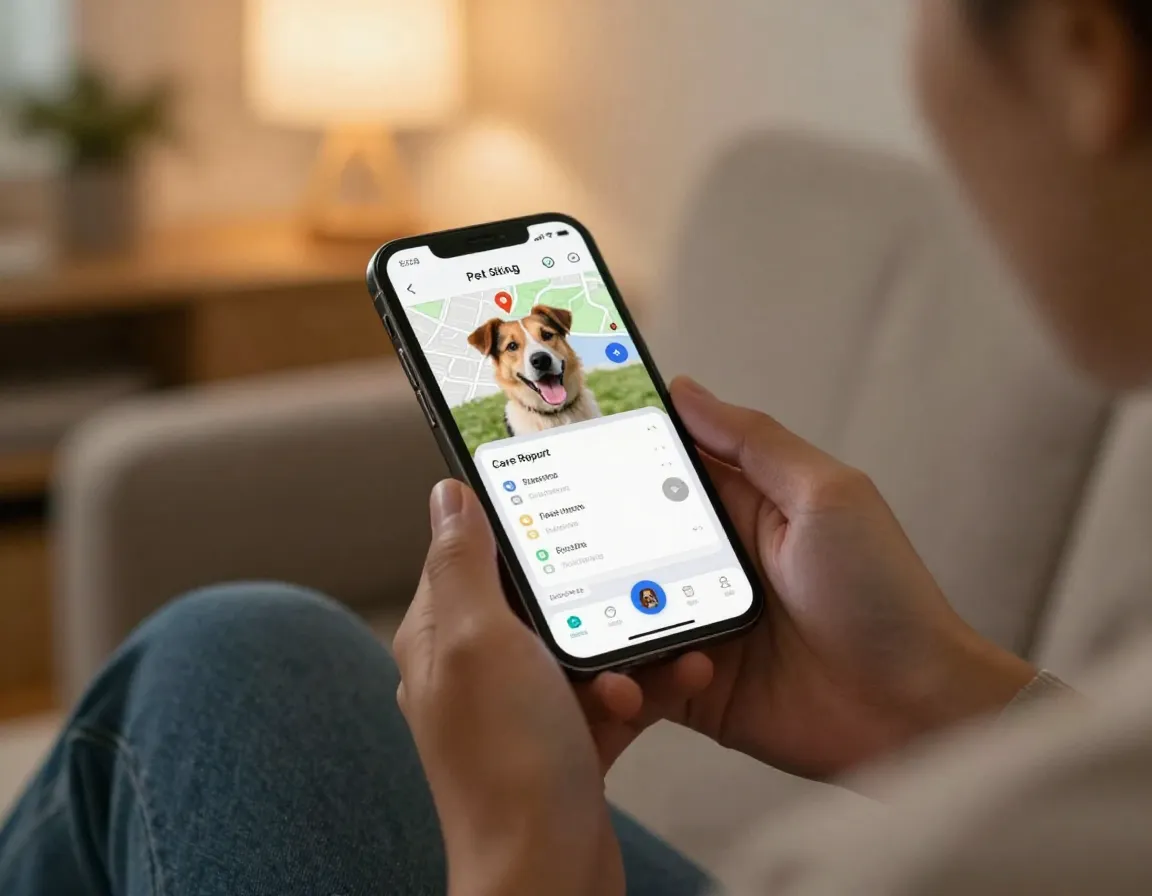
Modern pet sitting services leverage technology to enhance communication and service delivery. Real-time updates, photo sharing, and GPS tracking have become expected features rather than premium add-ons. These technological capabilities provide peace of mind while demonstrating the service provider’s commitment to transparency.
Look for services offering dedicated mobile apps or client portals where you can access updates, photos, and detailed care reports. The best platforms include features like medication tracking, feeding schedules, and behavioral observations. This documentation proves invaluable for monitoring your pet’s well-being and identifying any concerning changes.
Secure payment processing through established platforms protects your financial information while providing transaction records. Avoid services requiring cash payments or using unsecured payment methods. Professional operations invest in secure, convenient payment systems that protect both parties.
Communication Features to Prioritize
Effective communication systems should include scheduled check-ins, emergency contact protocols, and detailed reporting capabilities. The frequency and format of updates should align with your preferences and your pet’s needs. Some pet owners prefer daily photo updates, while others want detailed written reports covering feeding, exercise, and behavior.
Emergency communication protocols deserve special attention. Ensure the service provider has clear procedures for contacting you during emergencies, along with backup contacts and veterinary information. The best services maintain 24/7 emergency contact capabilities and have established relationships with local veterinary clinics.
Video calling capabilities have gained popularity, allowing pet owners to “check in” virtually during longer trips. While not essential, this feature can provide additional comfort for both pets and owners, particularly during initial service trials.
3. Assess Specialized Care Capabilities
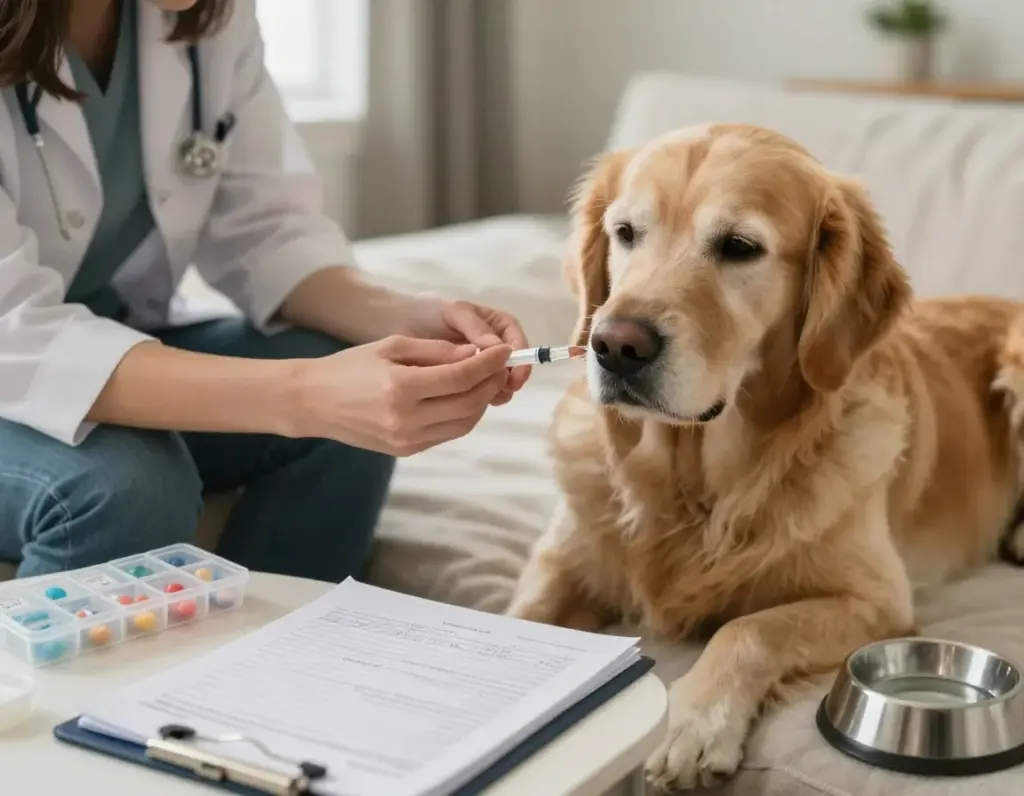
Pet and House Sitting: 7 Insider Tips to Find the Best Service must include evaluating providers’ ability to handle specialized care requirements. Modern pet owners increasingly seek services capable of managing medication administration, dietary restrictions, and behavioral support. These specialized capabilities often distinguish professional services from casual pet sitters.
Medication management requires specific training and documentation protocols. Professional services should maintain detailed medication logs, dosage tracking, and administration schedules. They should also understand potential side effects and know when to contact veterinarians or pet owners about concerning symptoms.
Behavioral expertise becomes crucial for pets with anxiety, aggression, or specific training requirements. Experienced sitters can maintain training routines, recognize stress signals, and implement calming strategies. This expertise prevents regression in training and reduces stress-related health issues.
Specialized Service Categories
Senior pet care represents a growing market segment requiring additional attention to mobility issues, medication schedules, and comfort needs. Services specializing in senior pet care often charge premium rates but provide invaluable expertise for aging animals.
Multi-pet households present unique challenges requiring experience with pet dynamics, feeding protocols, and individual attention needs. Not all sitters can effectively manage multiple pets, making this specialization particularly valuable for larger pet families.
Exotic pet care demands specific knowledge about species-appropriate care, environmental requirements, and emergency protocols. Services offering exotic pet care typically require additional training and certification, reflecting the specialized nature of this market segment.
“The best pet sitters don’t just feed and walk your pets—they maintain their routines, monitor their health, and provide the individual attention each animal needs to thrive in your absence.” – Industry Professional
4. Research Local Market Rates and Service Packages

Understanding local market pricing helps identify both quality services and potential red flags. Premium services typically charge 20-30% above market average but provide additional value through specialized care, enhanced communication, or comprehensive house sitting services [6]. Extremely low pricing often indicates inexperience, lack of insurance, or corner-cutting that could compromise care quality.
Service package structures vary significantly across providers. Some offer all-inclusive packages covering pet care, house sitting, plant watering, and mail collection, while others charge separately for each service. Understanding these pricing models helps compare total costs accurately.
Seasonal pricing fluctuations affect availability and rates, particularly during holidays and summer vacation periods. Booking early often secures better rates and ensures availability during peak periods. Many services offer loyalty discounts for repeat customers or extended booking periods.
Pricing Structure Analysis
| Service Type | Average Rate Range | Included Services |
|---|---|---|
| Drop-in Visits | $25-45 per visit | Feeding, exercise, basic care |
| Overnight Sitting | $75-150 per night | 24-hour care, house security |
| Extended Stays | $60-120 per day | Comprehensive care, house management |
| Holiday Periods | +25-50% premium | Peak season rates |
| Specialized Care | +$10-25 per service | Medications, special needs |
💰 Cost-Saving Strategy: Book recurring services or extended periods to negotiate better rates. Many providers offer significant discounts for weekly or monthly commitments.
5. Conduct Thorough Meet-and-Greet Sessions

In-person consultations provide irreplaceable insights into service quality and pet compatibility. Professional sitters should arrive punctually, ask detailed questions, and demonstrate genuine interest in your pets’ specific needs. This initial meeting reveals communication styles, professionalism levels, and potential red flags.
During meet-and-greets, observe how potential sitters interact with your pets. Quality providers take time to establish rapport, respect pet boundaries, and ask about behavioral quirks or preferences. They should also demonstrate basic pet handling skills and show comfort with your specific pet types.
Detailed information gathering distinguishes professional services from casual arrangements. Expect questions about feeding schedules, exercise requirements, medical conditions, emergency contacts, and household routines. Comprehensive intake processes indicate thorough service delivery.
Meet-and-Greet Evaluation Criteria
Professional presentation includes arriving on time, bringing necessary materials (contracts, insurance documentation, reference lists), and conducting structured interviews. The best providers use standardized intake forms ensuring consistent information collection across all clients.
Pet behavior assessment should include observing how your pets respond to the potential sitter. While initial nervousness is normal, extreme stress reactions or aggressive behavior may indicate incompatibility. Professional sitters understand pet body language and can assess comfort levels accurately.
House tour protocols demonstrate attention to detail and security consciousness. Quality providers should ask about alarm systems, emergency shut-offs, plant care requirements, and house-specific protocols. They should also note potential safety hazards and discuss prevention strategies.
6. Implement Trial Periods and Gradual Introduction

Short trial periods minimize risks while allowing both pets and owners to evaluate service quality. Start with brief visits or single overnight stays before committing to extended arrangements. This approach identifies potential issues while building trust gradually.
Gradual introduction schedules work particularly well for anxious pets or first-time service users. Begin with 30-minute visits while you’re home, allowing pets to acclimate to new caregivers in familiar environments. Progress to short absences, then longer periods as comfort levels increase.
Documentation during trials provides valuable feedback for service improvement. Request detailed reports, photos, and behavioral observations during initial services. This information helps refine care instructions and identifies areas needing additional attention.
Trial Period Best Practices
Structured evaluation criteria should include punctuality, communication quality, pet comfort levels, and attention to instructions. Create simple checklists covering essential care elements, allowing objective assessment of service delivery.
Feedback sessions after trial periods help establish ongoing service expectations. Discuss what worked well, areas for improvement, and any adjustments needed for future visits. Professional providers welcome constructive feedback and use it to enhance service quality.
Emergency preparedness testing during trials ensures proper protocol understanding. Consider scheduling trials during periods when you’re locally available but unreachable, testing the sitter’s decision-making and communication abilities.
7. Establish Clear Contracts and Emergency Protocols

Comprehensive service agreements protect both parties while establishing clear expectations. Professional contracts should cover service schedules, pricing, cancellation policies, emergency procedures, and liability limitations. Avoid services operating without written agreements—this indicates unprofessional business practices.
Emergency protocol documentation requires detailed veterinary information, emergency contact hierarchies, and decision-making authority levels. Specify which situations require immediate veterinary care versus owner consultation. Clear protocols prevent delays during genuine emergencies.
House-specific instructions should cover security systems, utility locations, plant care, mail handling, and neighbor contact information. Detailed written instructions prevent misunderstandings and ensure consistent care delivery across different service periods.
Contract Essential Elements
Service scope definitions should clearly outline included and excluded services. Specify feeding schedules, exercise requirements, medication administration, and house sitting responsibilities. Detailed scope statements prevent disputes and ensure service expectations alignment.
Cancellation and modification policies protect both parties from unexpected changes. Professional services typically require 24-48 hour notice for cancellations, with graduated refund policies based on notice timing. Understanding these policies prevents financial disputes.
Liability and insurance clauses should clearly define coverage limits and responsibility boundaries. While insurance provides protection, understanding coverage limitations helps set appropriate expectations and identify additional precautions needed.
“Clear contracts and emergency protocols aren’t just legal protection—they’re the foundation of trust that allows pet owners to truly relax while away from home.” – Pet Care Industry Expert
Emergency Contact Hierarchy
| Priority Level | Contact Type | Response Time | Authority Level |
|---|---|---|---|
| Level 1 | Primary owner | Immediate | Full authority |
| Level 2 | Secondary contact | Within 2 hours | Emergency decisions |
| Level 3 | Local emergency contact | Within 4 hours | Limited authority |
| Level 4 | Veterinarian | As needed | Medical decisions |
| Level 5 | Backup sitter | Last resort | Continuation of care |
Maximizing Value from Your Pet and House Sitting Service
Long-term relationships with quality service providers offer significant advantages beyond convenience. Established sitters understand your pets’ personalities, preferences, and routines, providing consistent, personalized care that reduces stress for both pets and owners. These relationships often result in priority booking, loyalty discounts, and enhanced service flexibility.
Service customization improves over time as providers learn your specific requirements. Detailed feedback loops help refine care protocols, communication preferences, and special attention areas. The best services maintain comprehensive client profiles documenting preferences, pet behaviors, and service history.
Seasonal planning ensures availability during peak periods while potentially securing better rates. Many quality providers offer advance booking discounts for holiday periods or extended trips. Early planning also allows for backup arrangements if primary providers become unavailable.
Building Successful Long-Term Partnerships
Regular service evaluation maintains quality standards while identifying improvement opportunities. Annual reviews covering service satisfaction, pricing competitiveness, and changing needs help maintain optimal service relationships. Don’t hesitate to discuss concerns or request service modifications.
Referral networks often develop around quality service providers. Trusted sitters frequently recommend reliable colleagues for periods when they’re unavailable, creating extended networks of vetted professionals. These networks provide valuable backup options and service continuity.
Technology adoption continues evolving within the industry. Stay informed about new communication tools, scheduling platforms, and service enhancements your provider implements. Embracing technological improvements often enhances service quality and convenience.
Conclusion
Finding the right pet and house sitting service requires careful evaluation of credentials, technology integration, specialized capabilities, and communication protocols. The Pet and House Sitting: 7 Insider Tips to Find the Best Service outlined above provide a comprehensive framework for making informed decisions that protect both your pets and property.
As the pet sitting industry continues its rapid growth, with projections reaching $5.14 billion by 2030, competition will drive continued improvements in service quality and technological integration [2]. Pet owners who understand how to evaluate and select quality providers will benefit from this expanding marketplace while ensuring their beloved companions receive exceptional care.
Take action today by researching local providers, checking credentials, and scheduling meet-and-greet sessions with promising candidates. Start with trial periods to evaluate service quality before committing to longer arrangements. Remember that investing time in finding the right service provider pays dividends in peace of mind and pet well-being for years to come.
The key to success lies in thorough preparation, clear communication, and building relationships with trustworthy professionals who genuinely care about your pets’ welfare. With these insider tips, you’re equipped to navigate the pet sitting marketplace confidently and find services that exceed your expectations.
References
[1] Pet Sitting Statistics – https://www.dogster.com/statistics/pet-sitting-statistics
[2] Pet Sitting Market – https://www.grandviewresearch.com/industry-analysis/pet-sitting-market
[3] Pet Sitting Statistics – https://articles.hepper.com/pet-sitting-statistics/
[4] 2026 Pet Industry Trends – https://meowfranchising.com/2026-pet-industry-trends/
[5] Top Pet Industry Trends – https://www.gingrapp.com/blog/top-pet-industry-trends
[6] ibisworld – https://www.ibisworld.com/united-states/industry/pet-sitting-services/6366/
[7] Start A Pet Sitting Business 2026 – https://www.petsit.com/start-a-pet-sitting-business-2026
[8] Pet Industry Economics Rebalances In 2026 As Ownership Changes – https://www.petfoodindustry.com/business-strategy/article/15801043/pet-industry-economics-rebalances-in-2026-as-ownership-changes