
English Labrador vs American Lab: 8 Key Differences Explained
If you’ve ever stood in a breeder’s yard wondering why two dogs called “Labrador Retrievers” look and act so differently, you’re not alone. The debate around English Labrador vs American Lab: 8 Key Differences Explained is one of the most searched topics among dog lovers in 2026 — and for good reason. These two types share the same breed name and AKC registration, yet they diverge in body shape, temperament, energy level, and purpose in ways that can make a huge difference to your daily life. Choosing the wrong type for your lifestyle isn’t just inconvenient — it can be stressful for both you and your dog. Let’s break it all down clearly.
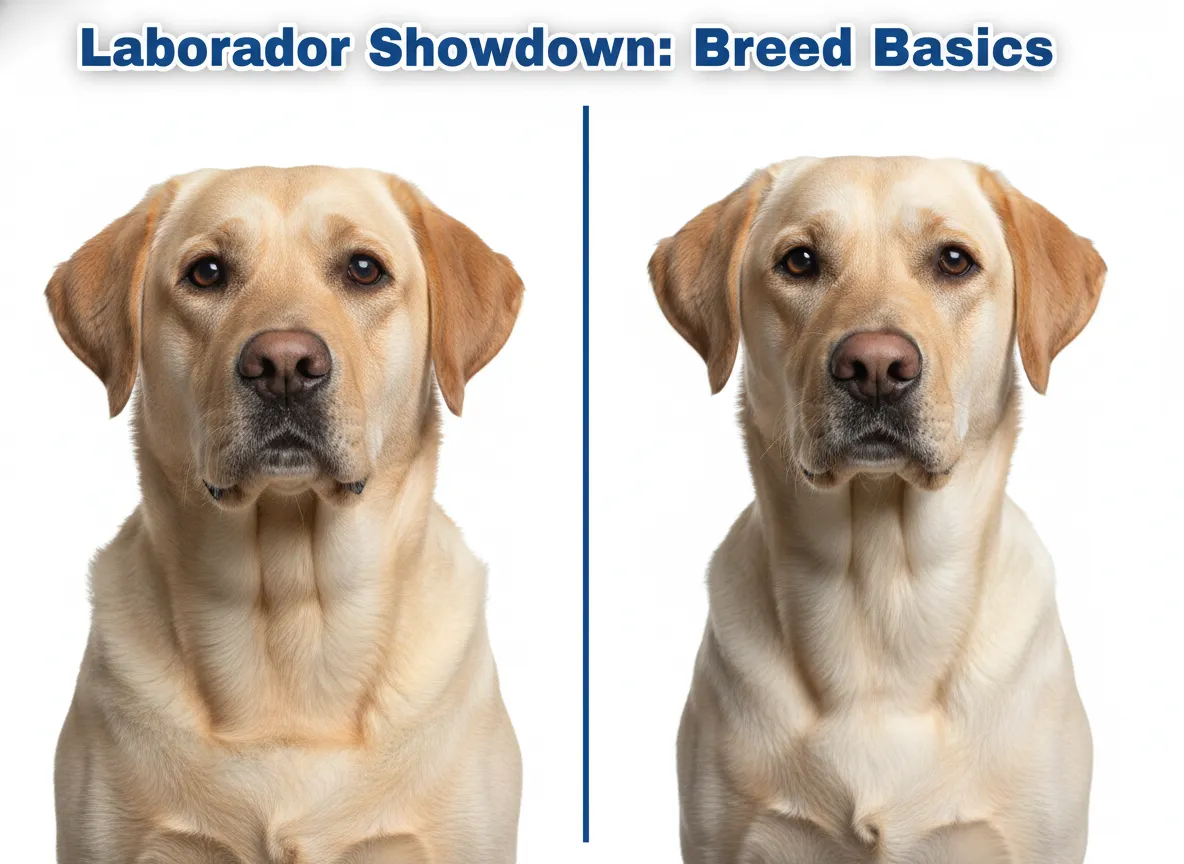
Key Takeaways 🐾
- English Labs are stockier, calmer, and better suited for families, first-time owners, and relaxed lifestyles.
- American Labs are leaner, taller, and significantly more energetic — ideal for hunters, athletes, and active households.
- Both types are the same breed officially, but selective breeding has created clear physical and behavioral differences.
- Neither type is “better” — the right choice depends entirely on your lifestyle and experience level.
- Health risks, training needs, and exercise requirements differ meaningfully between the two types.
What Is the Difference Between an English and American Labrador?
Before diving into the eight key differences, it helps to understand where these two types came from. Both are purebred Labrador Retrievers — there is no separate AKC registration for “English” or “American” Labs. The distinction comes from breeding purpose. English Labs (also called “show Labs” or “bench Labs”) were bred to conform closely to breed show standards. American Labs (also called “field Labs” or “working Labs”) were bred for hunting, retrieving, and fieldwork [5][6].
Over decades of selective breeding, these different goals produced two dogs that look and behave quite differently — even though they share the same breed certificate.
💡 Pull Quote: “The same breed name, two very different dogs. Knowing which type fits your lifestyle could be the most important decision you make before bringing a Lab home.”
English Labrador vs American Lab: 8 Key Differences Explained
1. Body Size and Build
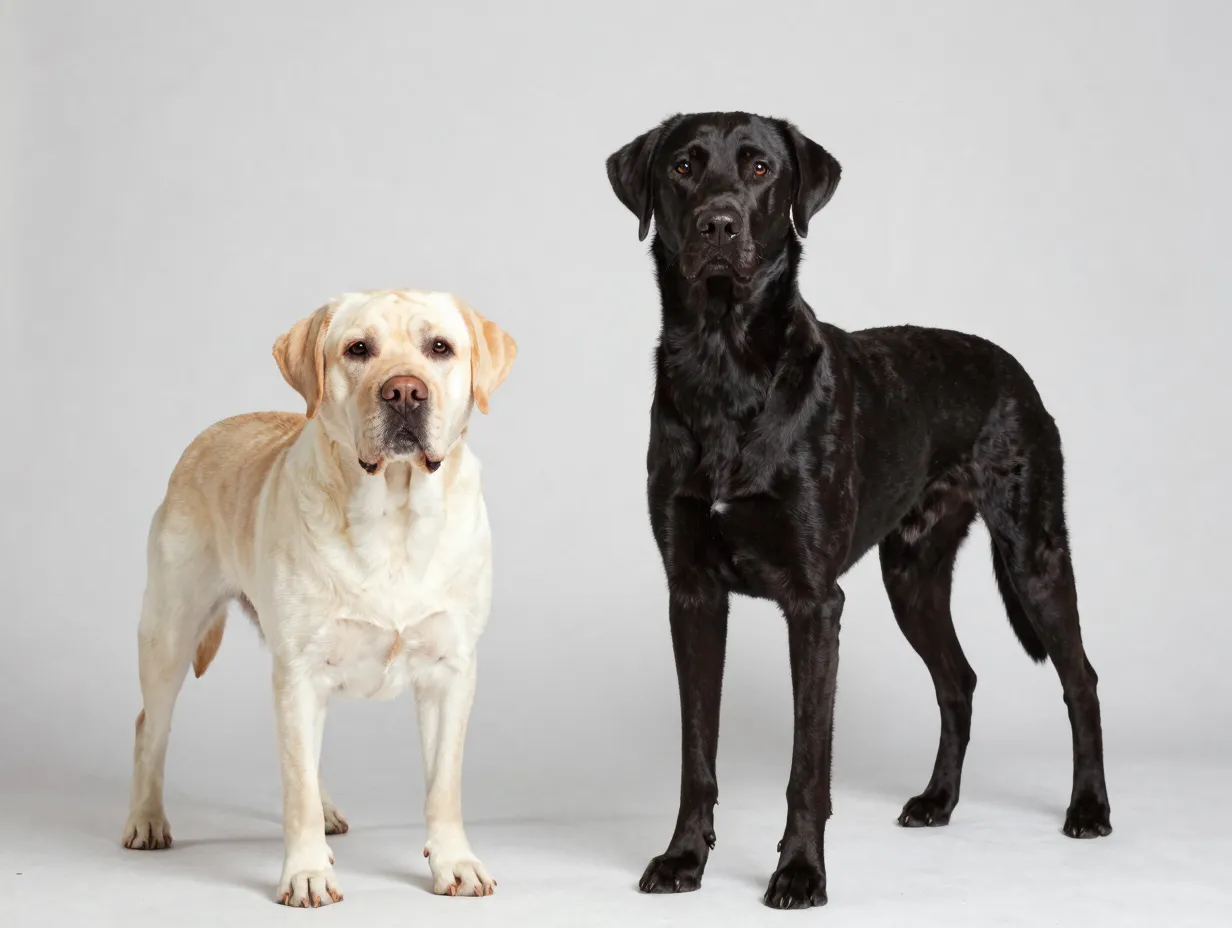
One of the first things you’ll notice is the overall body structure. English Labs are stockier and more muscular, typically weighing between 60–85 pounds. They have a broad, barrel-chested frame that gives them a powerful, compact look. American Labs, by contrast, are leaner and more athletic, usually weighing 55–80 pounds despite often being taller [2][6].
| Feature | English Lab | American Lab |
|---|---|---|
| Weight | 60–85 lbs | 55–80 lbs |
| Frame | Stocky, muscular | Lean, athletic |
| Chest | Deep and wide | Narrower |
| Overall look | Compact powerhouse | Streamlined runner |
The English Lab’s heavier build makes it look more “bulldoggy,” while the American Lab resembles a long-distance runner built for endurance and speed.
2. Height and Leg Structure
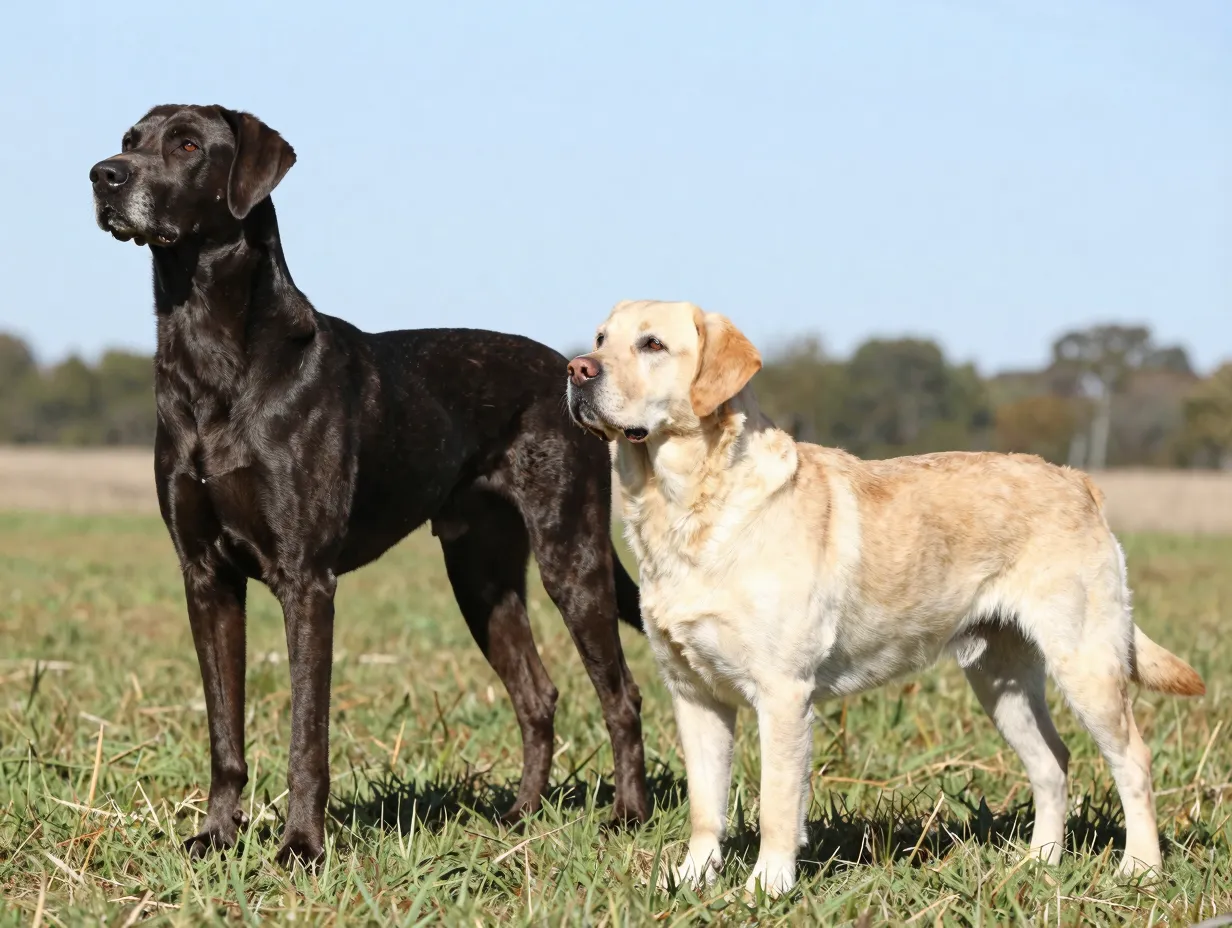
Height is another clear separator. English Labs stand 21.5–22.5 inches at the withers. American Labs can reach 21.5–24.5 inches, making them noticeably taller on average [5][2]. Much of this height difference comes from leg length. American Labs have longer legs relative to their body, which contributes to their athletic, agile appearance. English Labs have shorter legs that reinforce their low-to-the-ground, sturdy silhouette [1][4].
This difference matters practically. A taller, longer-legged American Lab can cover ground faster and jump higher — perfect for field retrieving. An English Lab’s shorter stature makes it more stable and easier to handle in close quarters.
3. Head Shape and Facial Features
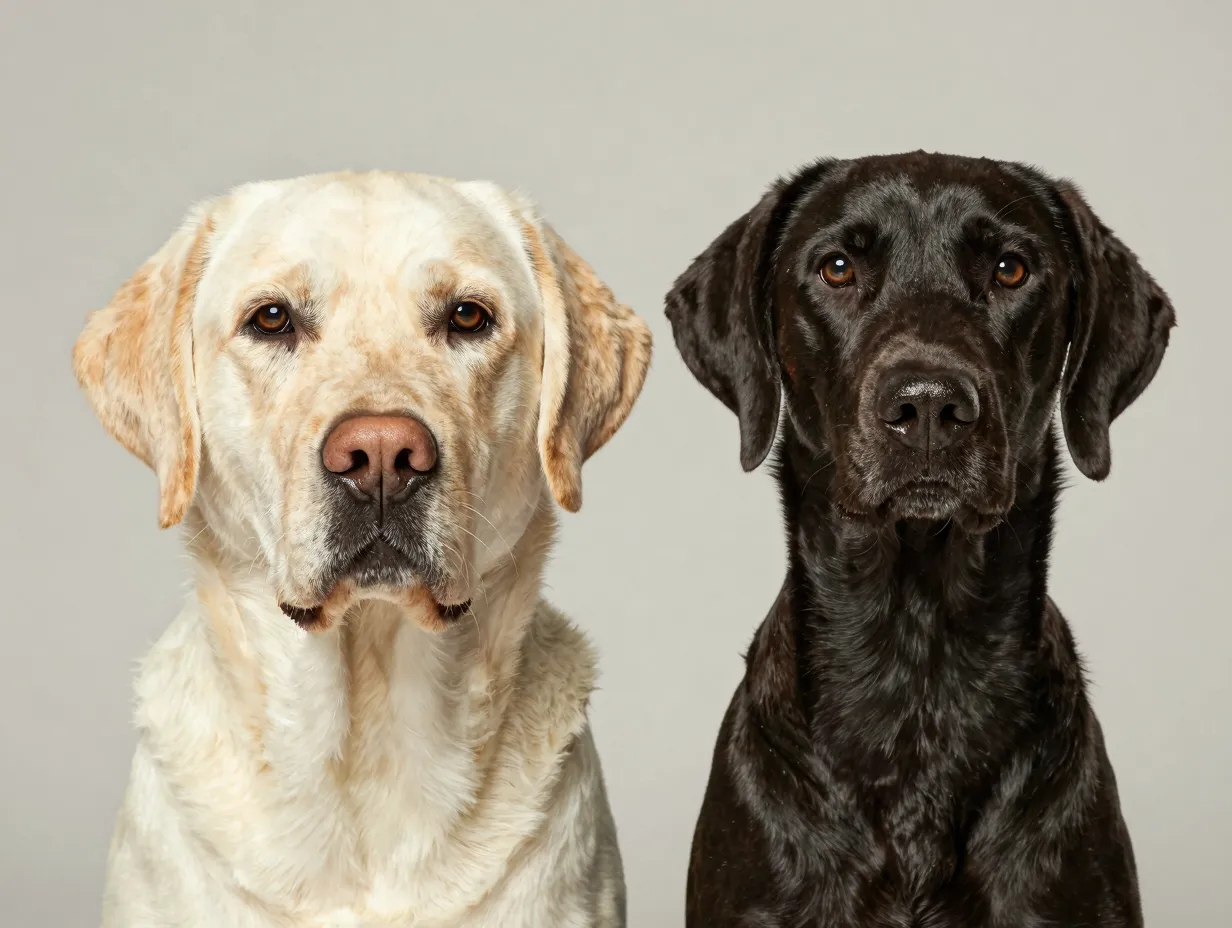
Ask any experienced Lab owner how to spot the difference at a glance, and they’ll point to the head. English Labs have a distinctly broad, blocky head with a short, wide muzzle and a pronounced stop (the angle between the forehead and nose). Their eyes tend to be wider-set, giving them a gentle, teddy-bear expression [7][1].
American Labs have a sleeker, narrower face with a longer muzzle and a less pronounced stop. Their overall facial structure looks more refined and fox-like compared to the English Lab’s rounded, blocky look [7].
🐶 Pro Tip: If you see a Lab with a wide, square head that looks almost like a cartoon dog, it’s almost certainly an English Lab. A narrower, more pointed face points to American field breeding.
4. Tail Characteristics
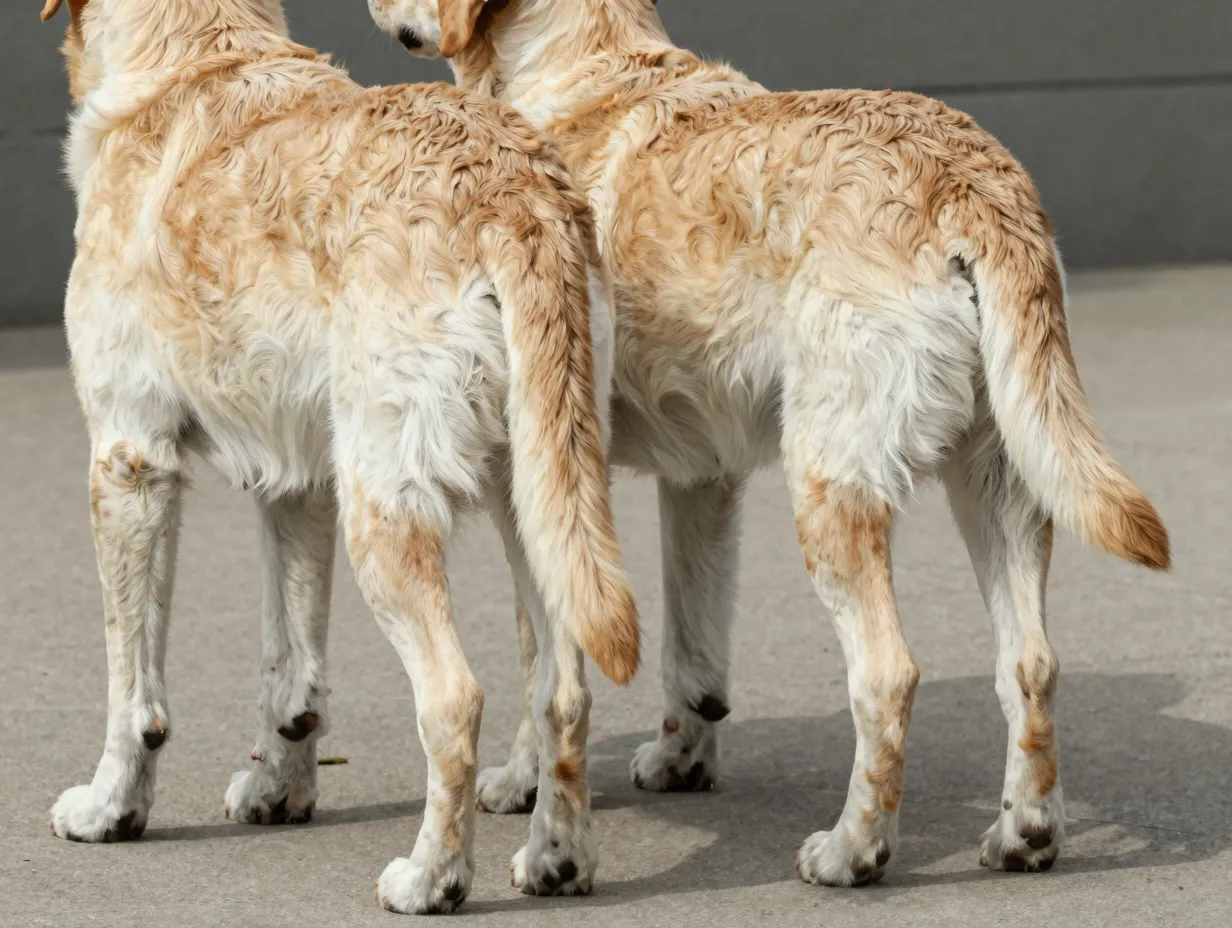
Even the tail tells a story. English Labs carry a thick, straight, otter-like tail — one of the hallmark features described in the original breed standard. This tail is wide at the base and tapers gradually, sitting roughly level with the back [5][1].
American Labs tend to have thinner tails that may curve slightly upward, sometimes described as a “whip tail.” While still functional for swimming and balance, the American Lab’s tail lacks the thick, rounded otter quality that judges look for in show rings [5][1].
5. Coat Thickness and Texture
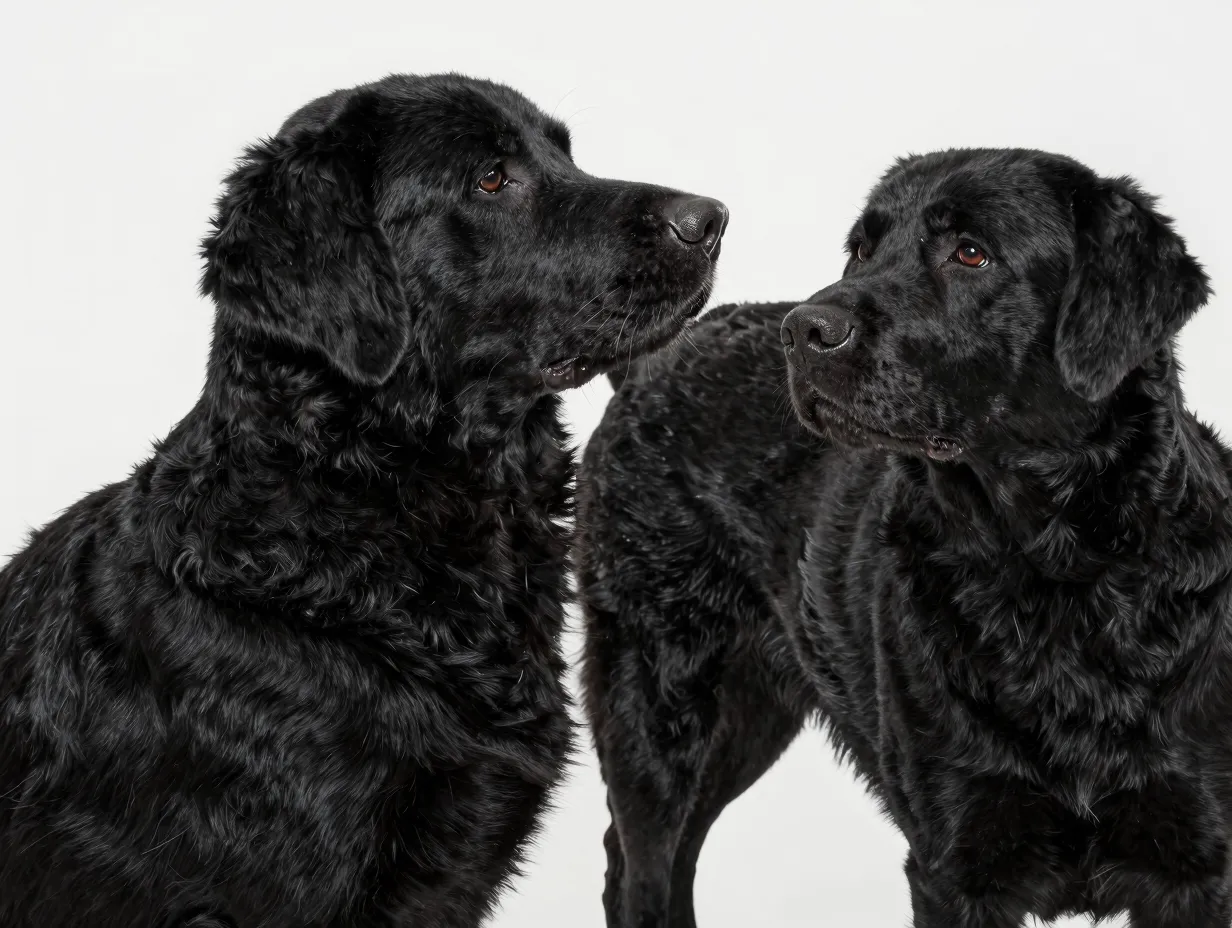
Both types come in the classic three colors — black, yellow, and chocolate — but there are subtle coat differences worth knowing. English Labs typically carry a thicker, denser double coat that is highly water-resistant and provides excellent insulation. This coat is a key feature in breed show standards [7].
Some American Labs bred specifically for fieldwork may have a slightly thinner coat that dries faster after water retrieves — a practical adaptation for working dogs who spend long days in wet conditions [7]. In both cases, shedding is significant (especially seasonally), so regular brushing is a must regardless of which type you choose.
6. Energy Level and Temperament

This is where the differences become most important for everyday life. Energy level is the single biggest factor most owners notice after bringing their Lab home.
- 🟡 English Labs are calm, gentle, and easygoing. They enjoy activity but are equally happy relaxing on the couch. They adapt well to quieter households and are less likely to develop destructive behaviors from under-stimulation [2][7].
- 🔴 American Labs are high-energy, driven, and always ready to go. They need constant mental and physical stimulation. Without it, they can become anxious, destructive, or difficult to manage [2][7].
💡 Pull Quote: “An under-exercised American Lab is a destructive Lab. These dogs were bred to work all day — and they expect to.”
English Labs are often described as “always happy, never frantic.” American Labs are more like elite athletes — brilliant and capable, but demanding [3].
7. Training Difficulty and Intelligence
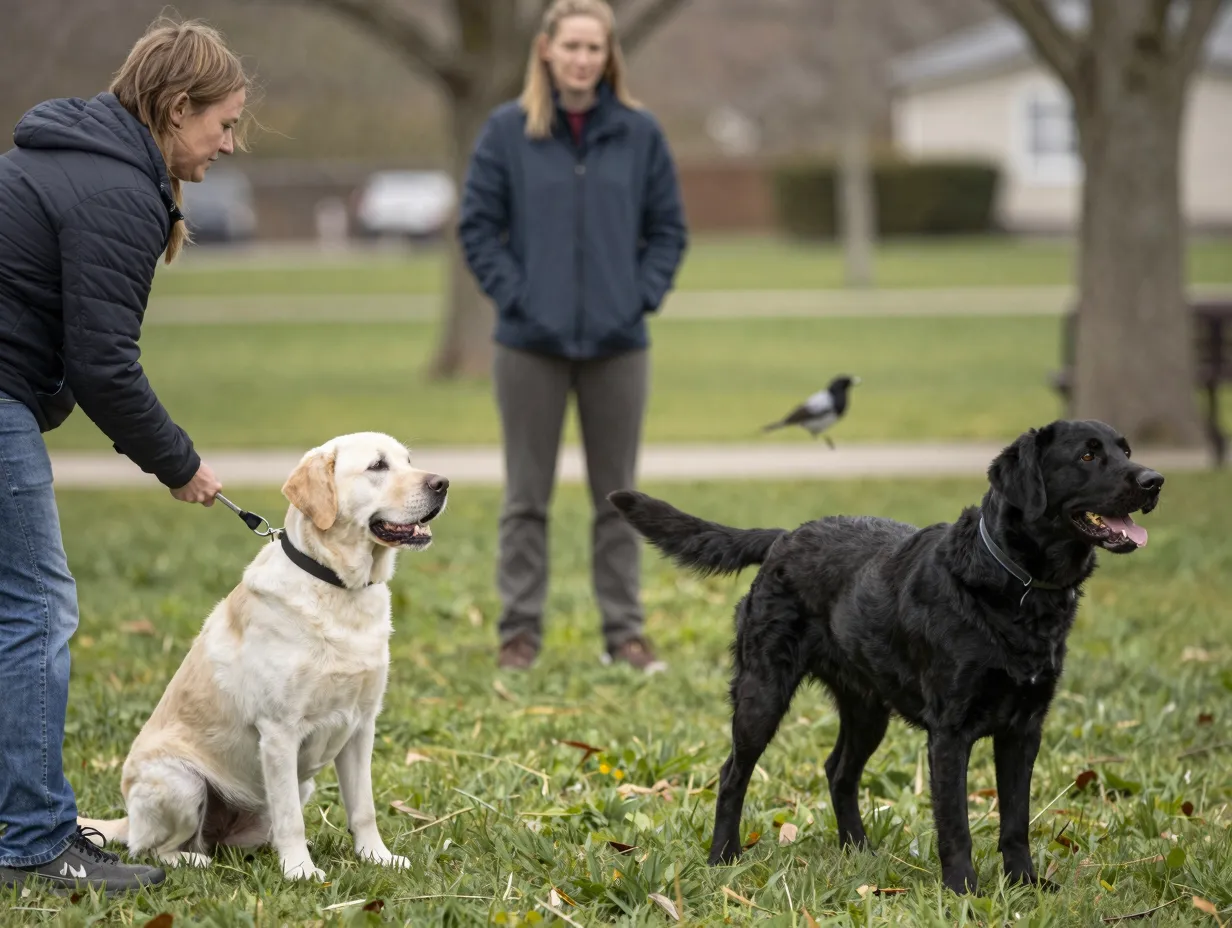
Both types are highly intelligent — Labs consistently rank among the smartest dog breeds. But training difficulty differs based on energy and drive.
English Labs tend to be easier to train, especially for first-time owners. Their calmer temperament means they focus better during training sessions and are less likely to get distracted or overstimulated [2]. They respond well to positive reinforcement and pick up commands quickly.
American Labs are equally smart — sometimes smarter in a working context — but their high drive and energy make them harder to manage during training. They require experienced handlers who can channel that energy productively [2]. In the right hands, an American Lab can be trained to an extraordinary level for hunting, agility, or service work.
| Training Factor | English Lab | American Lab |
|---|---|---|
| Focus during sessions | High | Moderate (easily distracted) |
| Best for | First-time owners | Experienced handlers |
| Drive to work | Moderate | Very high |
| Response to commands | Quick | Quick (when engaged) |
| Ideal training style | Positive reinforcement | Structured + high-energy sessions |
8. Health Considerations and Lifespan
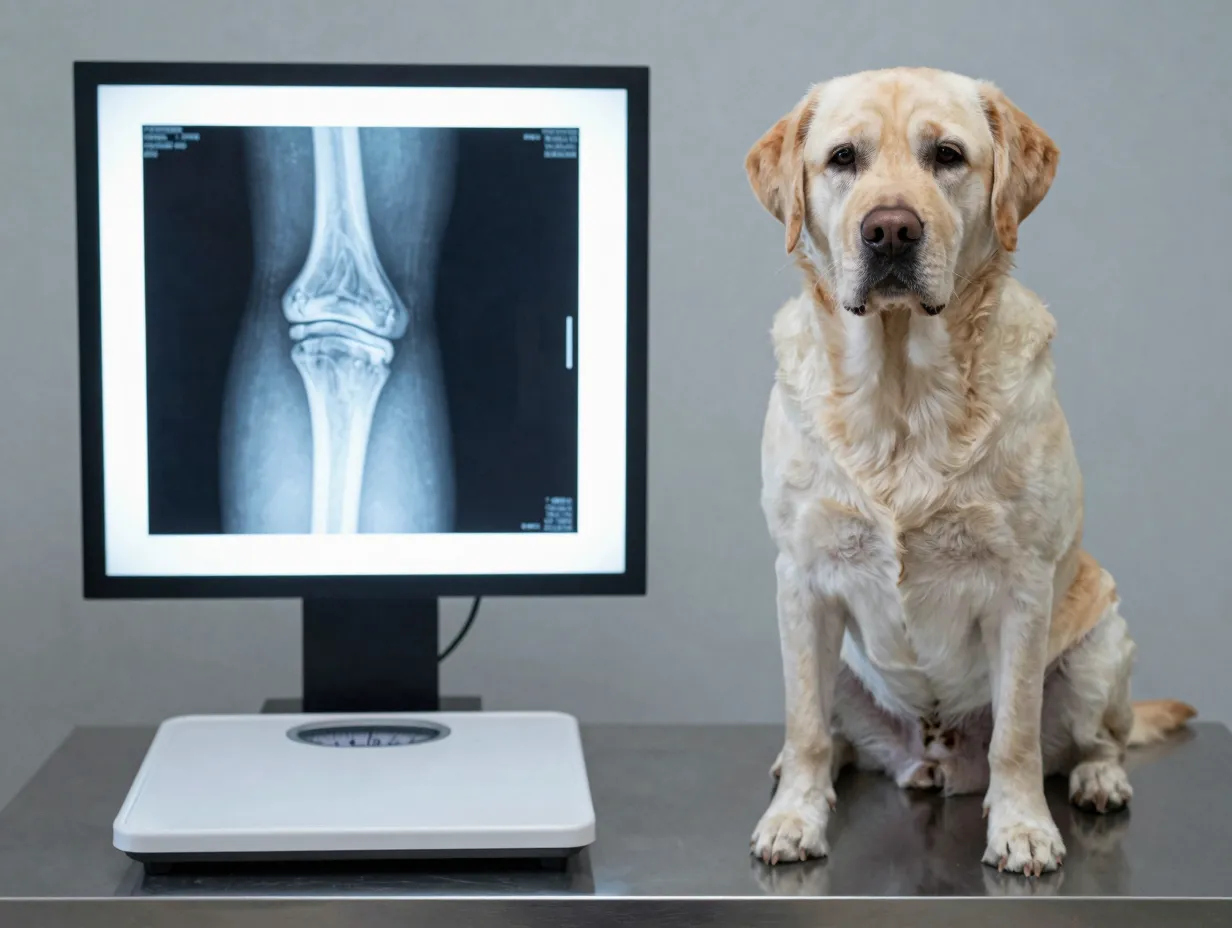
Both types share common Lab health concerns like obesity, joint issues, and ear infections. However, there are some notable differences in risk profiles.
American Labs show higher rates of certain conditions likely linked to their intense selective breeding for fieldwork [3]:
- Hip dysplasia — a malformation of the hip joint that causes pain and mobility issues
- Elbow dysplasia — similar joint malformation affecting the front legs
- Eye dysplasia — abnormal eye development that can affect vision
- Exercise-Induced Collapse (EIC) — a genetic condition where intense exercise causes sudden muscle weakness or collapse [3]
English Labs, due to their calmer lifestyle and show-focused breeding, may be at slightly lower risk for EIC and overexertion injuries, though they are still prone to joint issues and obesity if not properly managed [3].
Both types generally live 10–12 years, with proper care, diet, and regular veterinary checkups playing the biggest role in longevity.
⚠️ Health Tip: Always ask breeders for OFA (Orthopedic Foundation for Animals) health clearances for hips, elbows, and eyes — regardless of which type you choose.
Which Type Is Right for You? 🏡
Now that we’ve covered all eight differences, here’s a quick decision guide:
Choose an English Lab if you:
- Are a first-time dog owner
- Have young children or elderly family members at home
- Prefer a calmer, more relaxed companion
- Live in an apartment or smaller home
- Want a dog that’s easier to train and manage
Choose an American Lab if you:
- Are an experienced dog owner or handler
- Hunt, hike, or live an active outdoor lifestyle
- Have a large yard or access to open space
- Want a high-performance working or sport dog
- Can commit to rigorous daily exercise and mental stimulation
Exercise Needs: More Similar Than You Think
Despite their temperament differences, both types benefit from approximately 60 minutes of daily exercise [2]. The key difference is intensity. A brisk walk and some backyard play may satisfy an English Lab. An American Lab will need vigorous running, swimming, fetch sessions, or structured fieldwork to truly burn off its energy [2].
Mental stimulation matters just as much as physical exercise for both types. Puzzle toys, obedience training, scent work, and interactive play all help keep Labs mentally sharp and behaviorally balanced.
Breeding Purpose: Show Ring vs. Field
Understanding why each type was developed helps explain everything else on this list. English Labs were selectively bred to meet the Kennel Club and AKC breed standard — prioritizing conformation, temperament, and appearance [5][6]. This is why they have that classic blocky look and gentle disposition.
American Labs were bred by hunters and field trial competitors who cared about one thing above all else: performance. Speed, drive, stamina, and the ability to retrieve under tough conditions were the selection criteria [5][6]. Appearance was secondary. Over generations, this produced a fundamentally different animal — same breed on paper, different dog in practice.
Conclusion: Making the Right Choice in 2026
Understanding the English Labrador vs American Lab: 8 Key Differences Explained isn’t just an academic exercise — it’s the foundation of a happy, healthy relationship with your dog. Both types are wonderful, loyal, and loving. But they suit very different lifestyles.
Here are your actionable next steps:
- Honestly assess your lifestyle — How active are you? Do you hunt or hike regularly? Do you have young children?
- Visit breeders of both types — Spend time with adult dogs, not just puppies, to get a true sense of temperament.
- Ask about health clearances — OFA certifications for hips, elbows, and eyes are non-negotiable.
- Talk to current owners — Join Lab owner communities online to hear real-world experiences from both camps.
- Consider adoption — Many Labs of both types end up in rescue organizations, often because owners chose the wrong type for their lifestyle.
The right Lab for you is the one that matches your energy, your home, and your experience level. Do your research, be honest with yourself, and you’ll have a loyal companion for the next decade and beyond. 🐾
References
[1] English Vs American Labrador – https://www.thelabradorsite.com/english-vs-american-labrador/
[2] An English Labrador Vs American Labrador – https://www.smokymtnlabrador.com/blog/an-english-labrador-vs-american-labrador
[3] American Labradors Vs English Labradors – https://rosewoodretrievers.wordpress.com/articles/american-labradors-vs-english-labradors/
[4] The Difference Between The English Labrador And The American Labrador – https://www.fieldstonekennels.com/post/the-difference-between-the-english-labrador-and-the-american-labrador
[5] English Lab Vs American Lab – https://fieldandstream.com/stories/dogs/hunting-dogs/english-lab-vs-american-lab
[6] American Vs English Labs – https://mooseandmarylabs.com/blog/american-vs-english-labs/
[7] English Vs American Labs Key Differences Explained – https://polarwhitelabs.com/english-vs-american-labs-key-differences-explained/