Surprisingly Cute Shark Drawing Tutorials For All Ages
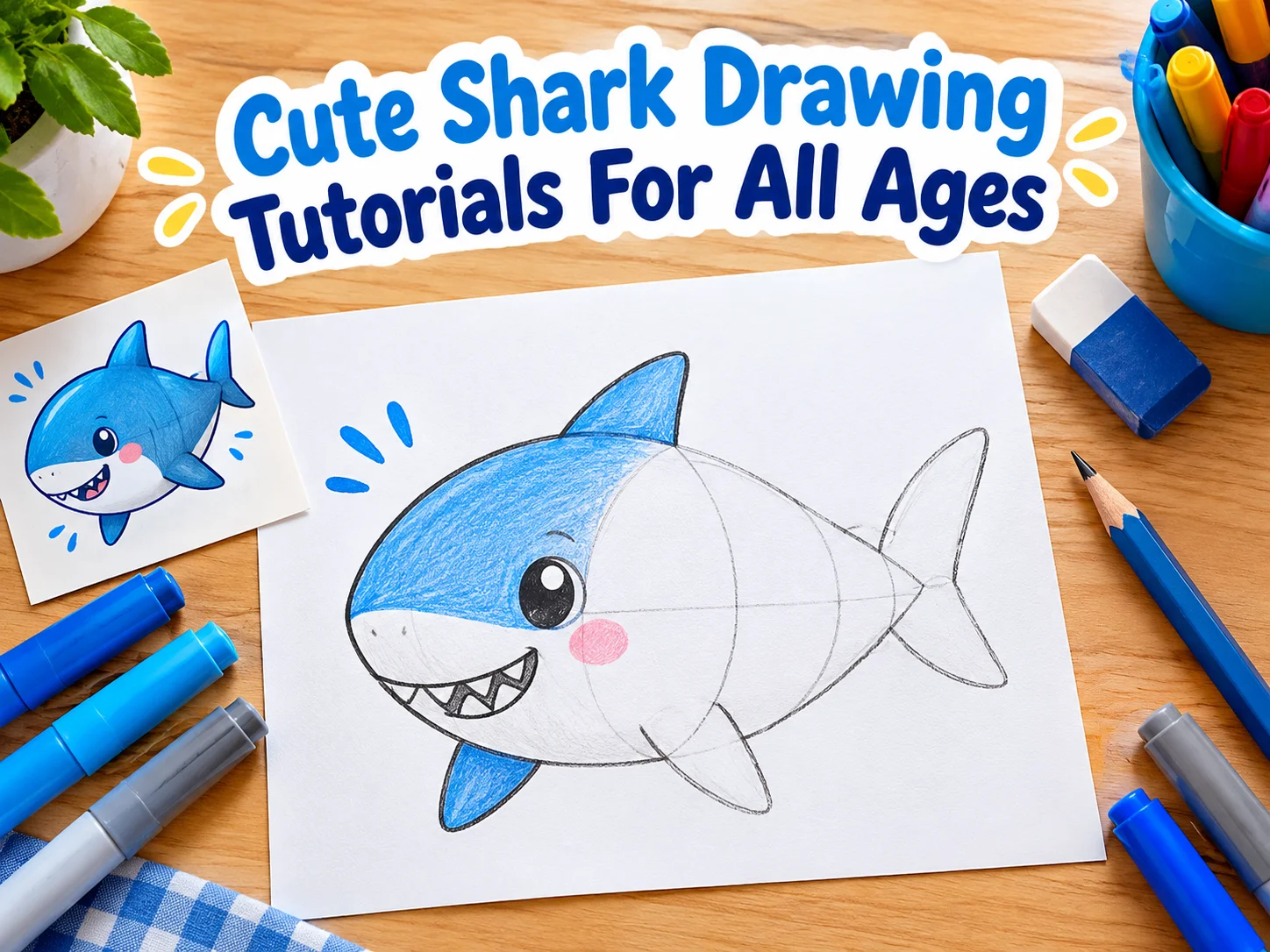
A shark with blush on its cheeks and a smiling, triangle-toothed grin sounds like a contradiction. Yet across children’s art blogs and family YouTube channels, that exact image is one of the most searched drawing lessons online right now. The ocean’s most feared predator has quietly become one of the most popular “cute” drawing subjects for beginners of every age.
Disclosure: This post contains affiliate links. As an Amazon Associate, we earn from qualifying purchases, and at no extra cost to you.
This shift is not an accident. Educators and illustrators have discovered that sharks are built from simple geometric shapes, which makes them ideal teaching tools for anyone learning to draw, whether that person is five years old or fifty. This guide rounds up 6 Surprisingly Cute Shark Drawing Tutorials For All Ages, pulled from trusted art-education sources, so parents, teachers, and casual hobbyists can pick the lesson that fits their skill level and time budget.
Each tutorial on this list was chosen because it balances two things that do not always go together: being genuinely easy to follow and producing a result that actually looks adorable rather than intimidating. Below, every option is broken down step by step, with notes on who it suits best and what makes it stand out.
Key Takeaways
- Sharks can be drawn using basic shapes like circles, triangles, and ovals, which is why they work so well as a beginner-friendly subject for learners of any age.
- Several of the 6 Surprisingly Cute Shark Drawing Tutorials For All Ages featured here come from established art-education sources that update their lessons regularly through 2026, keeping instructions current and reliable.
- Small design choices, such as adding a blush mark, a highlight in the eye, or a slanted eyebrow, can shift a shark’s expression from fierce to friendly or back again.
- Video-based tutorials tend to suit younger children and visual learners, while written step-by-step guides with numbered instructions work well for teens and adults who prefer to work at their own pace.
- Age recommendations vary widely, with some lessons designed for children as young as three and others structured as general beginner guides suitable for teens and adults.
Why Cute Shark Drawing Tutorials Work for All Ages
Most people assume that drawing animals realistically requires years of practice. Sharks break that assumption because their bodies are naturally made of streamlined shapes. A torpedo-like body, a triangular dorsal fin, and a curved tail are not complicated forms to render. That structural simplicity is exactly why art educators keep returning to sharks when designing lessons meant to work across a wide age range.
Monterey Bay Aquarium, a respected marine science institution, built its own shark drawing guide around this principle. The lesson teaches readers to construct a shark from circles, triangles, and ovals, which means a six-year-old and a sixty-year-old can follow the same instructions and end up with a recognizable shark. This shapes-first method removes the intimidation factor that often stops beginners from even picking up a pencil.
There is also a psychological angle worth noting. Sharks are traditionally framed as scary, which creates a natural teaching opportunity. When a tutorial transforms that fear into something soft and smiling, it signals to nervous beginners that drawing does not have to be perfect or realistic to be satisfying. This is part of why so many tutorial titles now include words like “cute,” “cozy,” and “easy” rather than “accurate” or “detailed.”
Finally, cute shark tutorials scale well across generations because they separate the thinking from the doing. A parent can read the numbered steps aloud while a child draws, or an adult beginner can pause a video at each stage without feeling rushed. That flexibility is the common thread running through all 6 Surprisingly Cute Shark Drawing Tutorials For All Ages featured in this article.
The 6 Surprisingly Cute Shark Drawing Tutorials For All Ages
Each entry below includes what makes the lesson distinct, who it suits best, and a quick look at the drawing style it produces. These were selected specifically because they balance accessibility with genuinely charming results, proving that sharks do not have to look menacing to be fun to draw.
1. Monterey Bay Aquarium’s Shape-Based Shark Guide
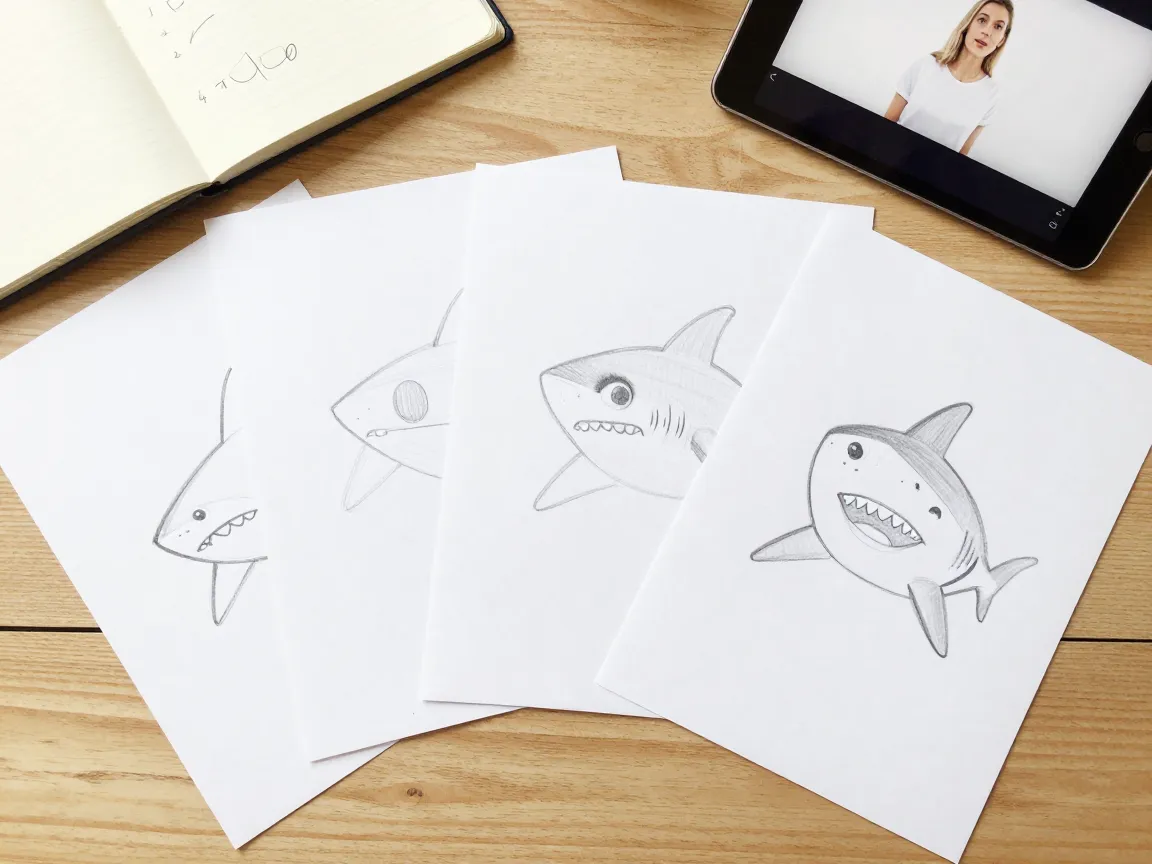
Monterey Bay Aquarium’s “How to draw a shark” guide takes a scientific institution’s approach to art education. Instead of jumping straight into fins and teeth, the lesson starts with basic geometry: a circle for the head area, a long oval for the body, and triangles for the fins and tail. This method is published and regularly refreshed, which keeps the instructions aligned with current classroom needs.
What makes this tutorial stand out is its credibility. Because it comes from a marine science organization rather than a general art site, it tends to include small factual touches about shark anatomy that casual tutorials skip. Teachers looking to combine an art activity with a short science lesson often favor this version because it quietly reinforces real shark body structure while kids focus on shapes.
This option works especially well for classroom settings or homeschool lesson plans where an educational angle adds extra value to the drawing activity.
2. Rainbow Printables’ Step-By-Step Shark With Trivia
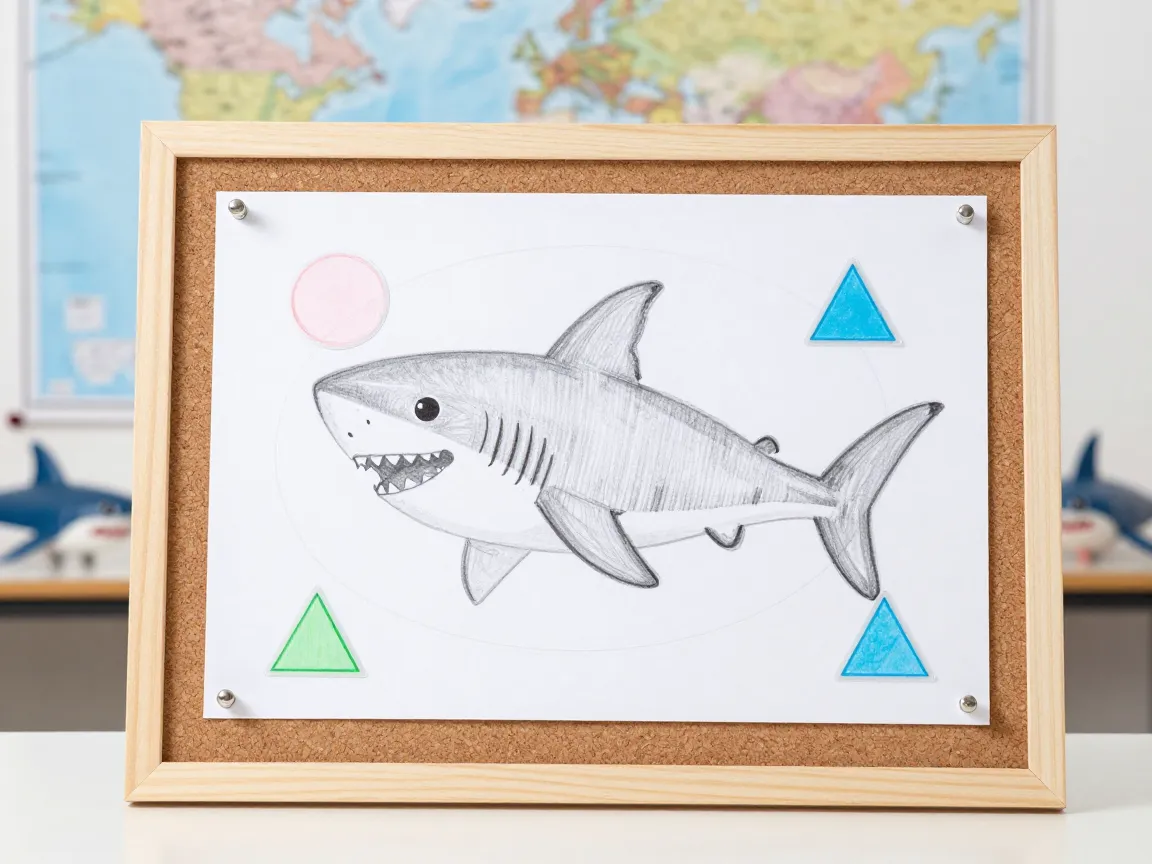
Rainbow Printables offers a tutorial that goes a step further by pairing the drawing lesson with fun shark trivia for kids. The guide uses at least nine numbered steps, each focused on a specific feature: a rounded snout, flower-petal-shaped tail fins, expressive eyes complete with tiny highlights, and a gentle smirking mouth.
The color guidance in this lesson is intentionally flexible, encouraging kids to experiment rather than stick to realistic gray and white. This open-ended approach makes the final drawing feel personal, which tends to keep young artists more engaged than a strict “shade it this exact color” instruction would.
Because the steps are clearly numbered and the trivia adds a layer of fun facts, this tutorial works nicely as a combined reading-and-drawing activity. It suits elementary-aged children well, but the clear structure also makes it approachable for older beginners who like having trivia breaks between drawing steps.
3. Art For Kids Hub’s Cute Hammerhead and Cozy Shark Lessons
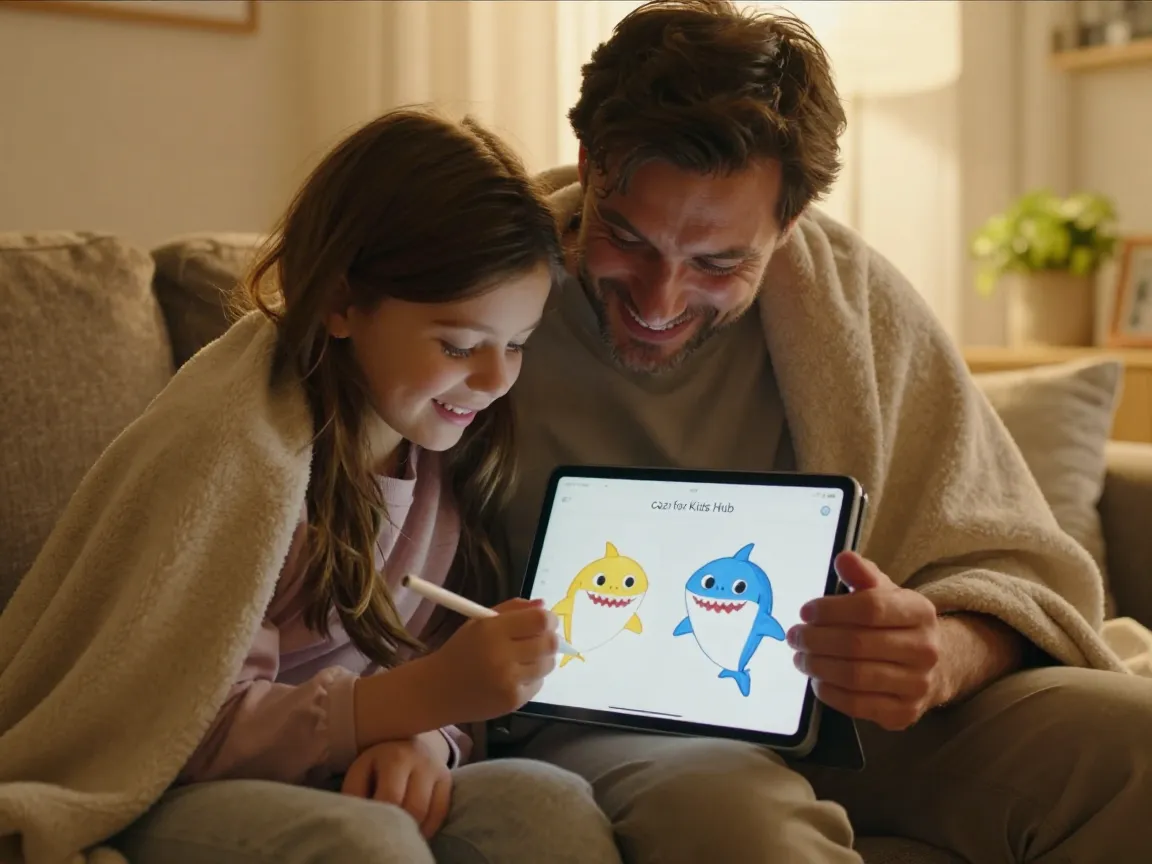
Art For Kids Hub has built an entire library around family-friendly drawing lessons, and its shark collection includes standout entries like “How To Draw A Cute Hammerhead Shark” and a particularly charming “cozy shark” episode. In the cozy shark video, the host draws alongside his daughter Hadley, creating a genuinely warm, follow-along format rather than a sterile instructional tone.
This channel’s strength lies in its pacing. Each step is simple enough for a young child to copy in real time, yet the host’s casual narration keeps older viewers, including adults drawing with their kids, entertained rather than bored. The hammerhead lesson in particular stands out because hammerhead sharks are visually distinctive, and seeing that unusual head shape simplified into a cute, rounded design is a satisfying payoff for viewers of any age.
Because the format is built around parent-and-child participation, this is one of the strongest choices for a shared family art session rather than solo practice.
4. EasyDrawingGuides’ Easy Shark for Kids
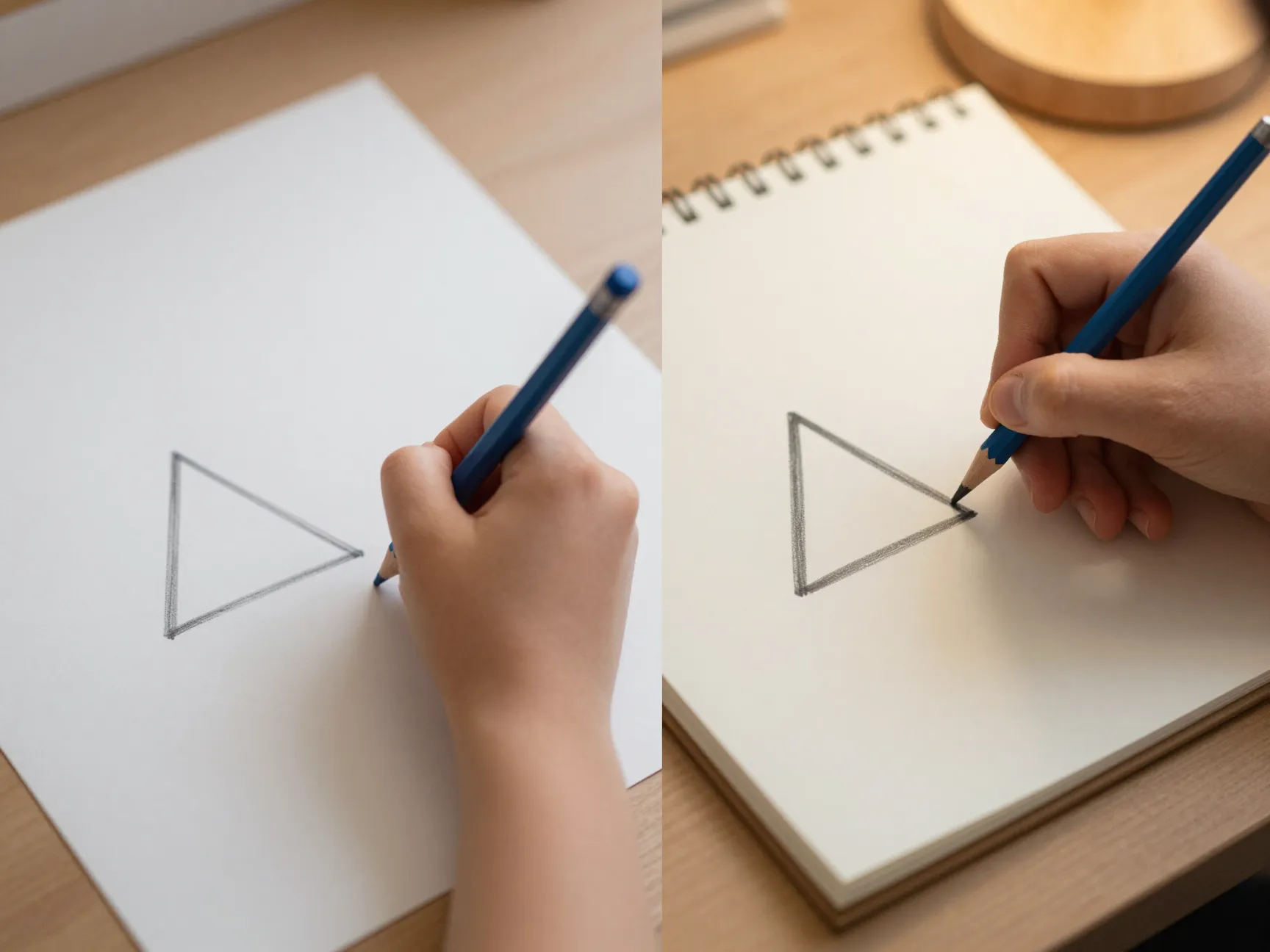
EasyDrawingGuides built its “How to Draw an Easy Shark for Kids” tutorial around a sequence of curved lines and gentle points, starting with the back of the shark before moving to the full outline. This back-first approach is slightly different from most tutorials, which usually start with the head or the eye.
The appeal here is structure. Every step is clearly broken down, which suits visual learners who want to see exactly where each line should go before they commit pencil to paper. While the title specifically mentions kids, the clean step breakdown also works for older beginners who prefer a methodical, no-guesswork approach rather than a loosely sketched demonstration.
This tutorial is a solid pick for anyone who has tried freehand sketching before and found it frustrating. The curved-line method removes a lot of the guesswork that trips up new artists.
5. EasyDrawingGuides’ Cute Shark With Nine Steps
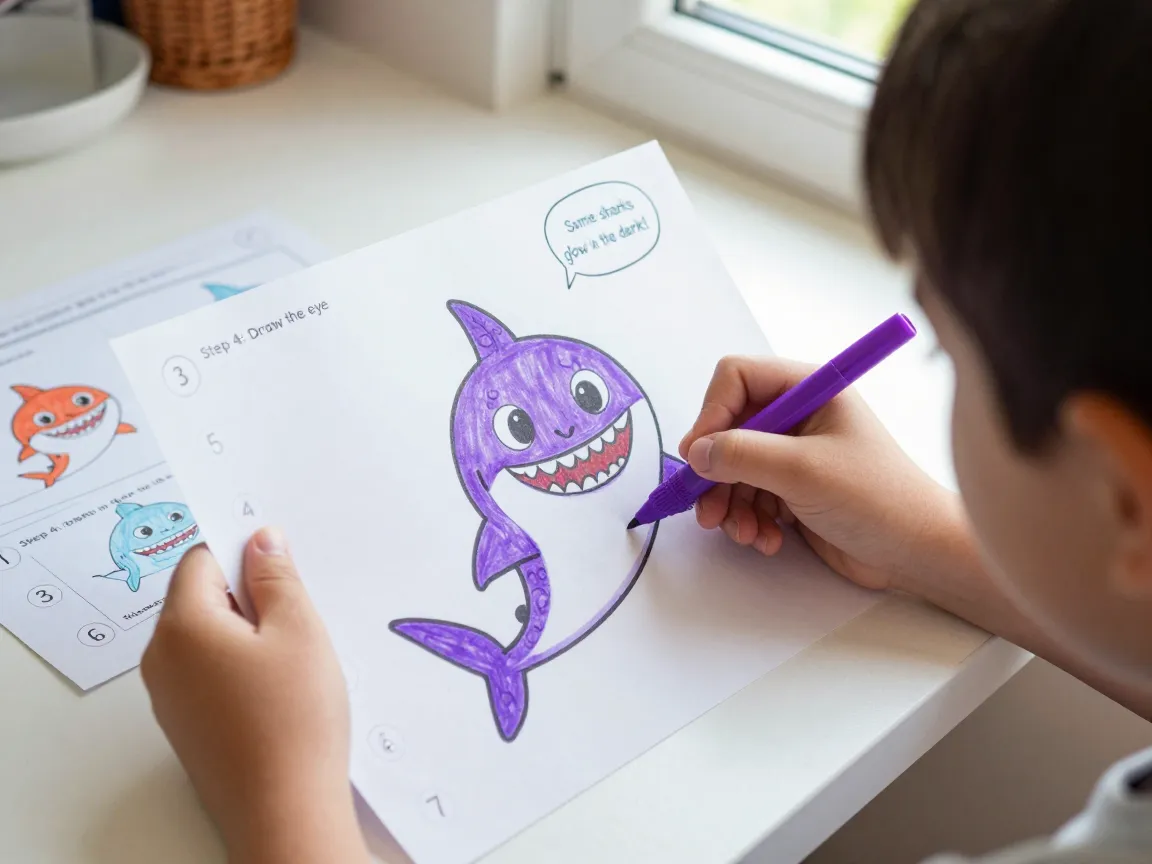
A second standout from EasyDrawingGuides is its “How to Draw a Cute Shark” tutorial, which leans fully into charm from the very first step. The lesson begins with a large oval eye, adds a blush mark on the cheek, and then builds a smiling mouth lined with small triangular teeth. From there, the steps construct the head, fins, gills, and a half-circle tail.
What sets this tutorial apart is its closing color guidance. Rather than simply saying “color it gray,” the instructions point out that a shark’s belly is naturally lighter than its back. That small detail teaches basic observational anatomy even inside a lesson designed primarily for cuteness, which is a nice bonus for parents who want their child’s art time to include a sliver of real science.
This nine-step structure makes it easy to pause and resume, which is helpful for younger children who may need a break partway through, while the clear sequence still appeals to older beginners who like checking off discrete steps.
6. EasyPeasyAndFun’s Shark With Expression Options
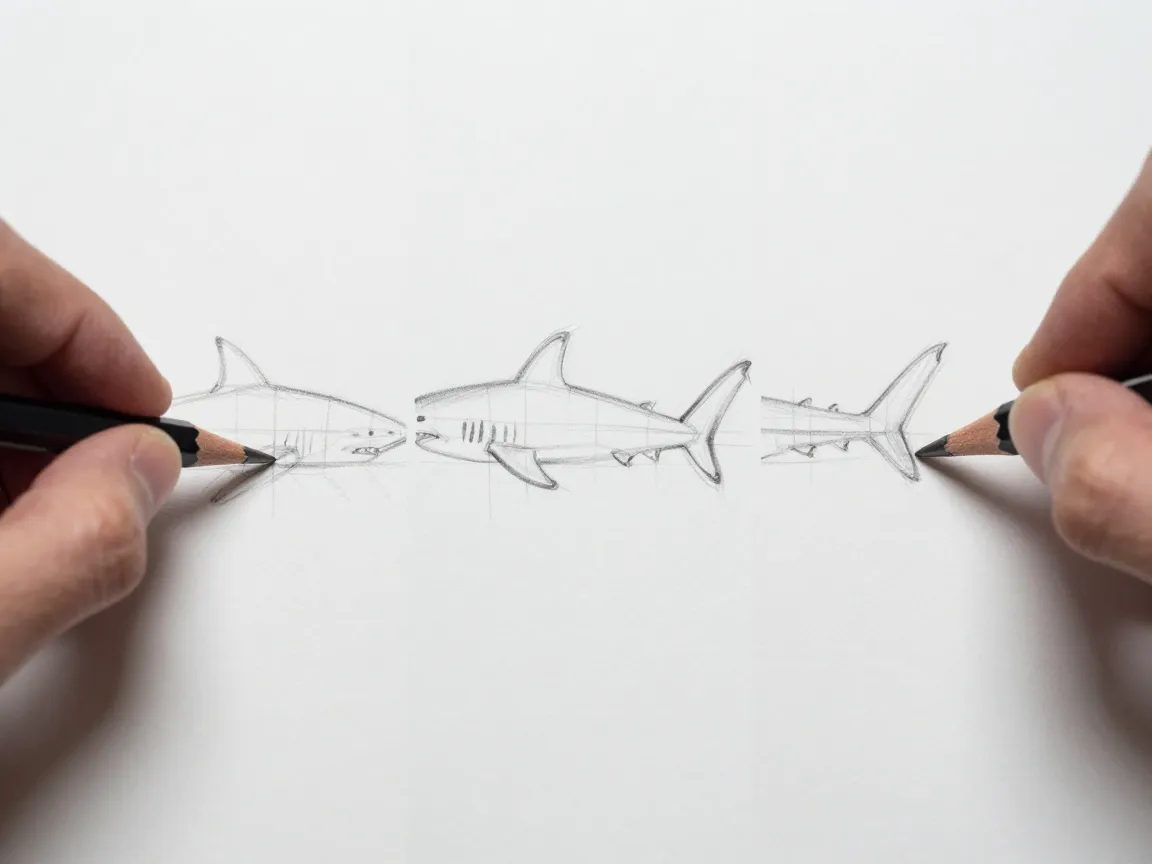
EasyPeasyAndFun’s tutorial takes a slightly different angle by showing how small changes can shift a shark’s entire mood. The lesson builds a simple curved back line, an upside-down V shape for the mouth, fin placement, a wiggly tail, an eye, and triangle teeth, then adds three gill lines for realism.
The standout feature is the optional slanted line above the eye. Adding it creates an “angry” expression, while leaving it off keeps the shark looking friendly and approachable. This single customizable detail makes the tutorial unusually versatile, since the same basic steps can produce either a cute shark or a fierce one depending on the artist’s mood.
This flexibility makes it a great choice for slightly older kids or teens who want some creative control rather than following a single fixed outcome. It also demonstrates a useful drawing principle: expression often comes down to just one or two small lines, not a complete redesign.
How to Choose the Right Tutorial for Your Age and Skill Level
With six solid options on the table, picking the right one depends mostly on format preference and available time. The table below summarizes the practical differences between these 6 Surprisingly Cute Shark Drawing Tutorials For All Ages.
| Tutorial Source | Best For | Format | Standout Feature |
|---|---|---|---|
| Monterey Bay Aquarium | Classroom or science-paired lessons | Written guide | Shape-based method from a marine institution |
| Rainbow Printables | Elementary kids who enjoy trivia | Written, numbered steps | Shark facts included alongside drawing steps |
| Art For Kids Hub | Families drawing together | Video, follow-along | Real parent-child drawing session format |
| EasyDrawingGuides (Easy Shark) | Methodical, visual learners | Written, curved-line steps | Back-first construction method |
| EasyDrawingGuides (Cute Shark) | Beginners wanting charm + basic anatomy | Written, 9 steps | Light belly vs dark back color tip |
| EasyPeasyAndFun | Kids and teens wanting expression control | Written, flexible steps | Optional “angry eyebrow” customization |
A few video-based tutorials deserve a mention alongside this list as well. “How to Draw a Cute Shark, Easy Drawing for Kids” on YouTube offers simple shapes and clear narration in a short runtime, making it a practical pick for quick classroom activities. Another video, explicitly aimed at “kids and beginners,” pairs a cute character style with incremental steps, positioning it as a strong supplement for older children, teens, and adults new to drawing. A third video option, released as an “easy for beginners” tutorial, focuses purely on accessibility rather than a narrow child-only audience, which makes it worth trying if the written guides above feel too detailed.
“Sharks are naturally built from simple shapes, which is exactly why they make one of the best subjects for teaching people of any age how to draw.”
One more helpful data point: a widely shared tutorial titled “How to Draw a SHARK! Easy Kids Drawing Tutorial” specifically notes that children age three and over can follow its video. That is one of the clearest age benchmarks in this entire category, and it suggests that even very young children can participate in simplified versions of these lessons, while older learners can use the same video as a fast warm-up sketch before attempting more detailed designs.
Tips for Making Any Shark Drawing Look Cute
Regardless of which tutorial gets chosen, a few universal techniques show up again and again across these lessons. Keeping these in mind helps even a freehand sketch land in “cute” territory rather than “menacing.”
- Enlarge the eyes. A shark with an eye that takes up a large portion of the head instantly reads as friendly rather than predatory.
- Round the snout. Sharp, pointed noses signal danger in most animal drawings. A softly curved snout immediately softens the overall look.
- Add a blush or highlight. A small pink cheek mark or a tiny white highlight dot in the eye are small details that carry a lot of emotional weight.
- Curve the mouth upward. A smiling mouth with small, non-threatening teeth changes the entire tone of the drawing compared to a straight or downturned line.
- Use lighter colors on the belly. As several tutorials point out, a shark’s underside is naturally lighter than its back in real life, and exaggerating that contrast in a drawing adds both charm and a touch of biological accuracy.
These five adjustments are essentially the shared toolkit behind every tutorial on this list. Once a learner understands them, they can apply the same logic to other sea creatures, turning a single lesson into a transferable drawing skill.
Frequently Asked Questions
What age can start learning to draw a shark?
Some tutorials are designed for children as young as three, using extremely simplified shapes and short video runtimes. Most lessons on this list work well starting around age five or six, and the same steps remain genuinely useful for teen and adult beginners.
Do I need special art supplies for these tutorials?
No. Every tutorial referenced here can be completed with a regular pencil, paper, and basic coloring supplies like crayons, markers, or colored pencils. None require specialized art materials.
Which tutorial is best for a parent and child drawing together?
Art For Kids Hub’s cozy shark lesson is built specifically around a parent-child drawing session, making it the most natural choice for shared activities. Video formats in general tend to work well for group settings since everyone can pause and follow along at the same pace.
Can these cute shark drawings be turned into something scarier?
Yes. EasyPeasyAndFun’s tutorial demonstrates this directly by showing how a single slanted line above the eye shifts the shark’s expression from friendly to angry, without changing the rest of the drawing.
Are these tutorials kept up to date?
Several of the sources referenced, including Rainbow Printables, EasyDrawingGuides, EasyPeasyAndFun, and Art For Kids Hub, have refreshed their shark lessons through 2025 and 2026, which suggests these are actively maintained resources rather than outdated pages.
Conclusion
Sharks have an unexpected advantage as a drawing subject: their bodies are already built from the kind of basic shapes that make art instruction simple, which is exactly why they show up so often in beginner-friendly lessons. The 6 Surprisingly Cute Shark Drawing Tutorials For All Ages covered in this guide prove that a feared ocean predator can become one of the friendliest subjects on paper with just a few small adjustments, like a bigger eye, a softer snout, or a touch of blush on the cheek.
The best next step is simple. Pick one tutorial from this list based on available time and preferred format, whether that is a quick video for a classroom activity or a numbered written guide for a quiet solo practice session. Gather a pencil, paper, and a few coloring supplies, then work through the steps at a comfortable pace. Once the first cute shark is finished, the same shape-based techniques can be applied to other ocean animals, turning one afternoon’s activity into a lasting drawing skill for artists of any age.