Silly Animal Pictures That Prove Goofiness Is A Superpower
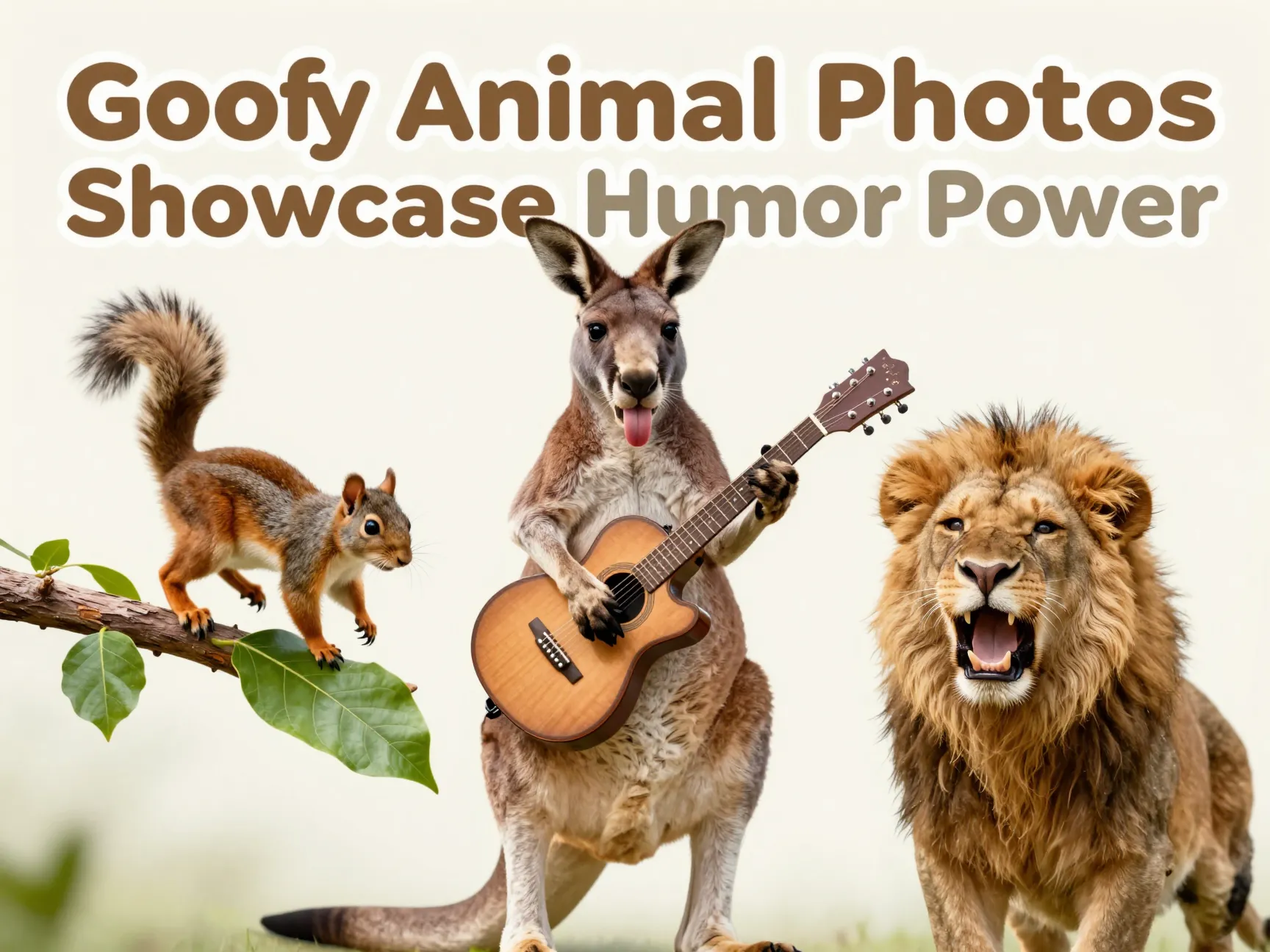
A kangaroo appearing to shred an invisible air guitar beat out thousands of technically perfect wildlife shots to become one of the most celebrated images in recent photography history. That single frame did not win because it was sharp or well-lit. It won because it was ridiculous. This is the quiet truth behind 6 Silly Animal Pictures That Prove Goofiness Is A Superpower: in a feed full of polished, filtered, carefully staged content, a genuinely goofy animal moment stops the scroll faster than almost anything else.
Disclosure: This post contains affiliate links. As an Amazon Associate, we earn from qualifying purchases, and at no extra cost to you.
Across stock libraries, conservation campaigns, and comedy photography awards, one pattern keeps repeating. Animals caught mid-blink, mid-fall, or mid-expression generate more engagement, more shares, and more genuine smiles than their majestic, camera-ready counterparts. This article breaks down six categories of silly animal photography that illustrate exactly why awkwardness has become one of the most reliable forms of visual charisma in modern media.
Key Takeaways
- Goofy animal photography is not a niche trend. Major stock libraries now host more than 6,800 royalty-free goofy animal photos and over 210,000 funny animal images on free platforms, showing massive commercial and cultural demand.
- Annual events like the Comedy Wildlife Photography Awards treat silly animal moments as a serious photographic genre, not an accident, with judges specifically rewarding humor and timing.
- Six Silly Animal Pictures That Prove Goofiness Is A Superpower can be grouped into recognizable categories: mid-action bloopers, dramatic expressions, physical comedy, awkward landings, photobombs, and inherently comedic body shapes.
- Conservation groups increasingly use funny animal imagery to build emotional connection with audiences, arguing that humor humanizes wildlife and supports environmental awareness.
- Creators looking to use this content have access to enormous libraries of licensed photos, illustrations, and video clips, making goofy animal visuals one of the most accessible content categories available today.
The 6 Silly Animal Pictures That Prove Goofiness Is A Superpower
Not every silly animal photo is created equal. Some rely on perfect timing. Others depend on an animal’s natural, almost cartoonish body shape. The following six categories represent the most consistently shared and most effective types of goofy animal imagery found across news features, comedy wildlife competitions, and stock photo archives. Together, they demonstrate why 6 Silly Animal Pictures That Prove Goofiness Is A Superpower is more than a catchy phrase. It is a working description of how humor functions as a visual engagement tool.
1. The Mid-Action Blooper Shot
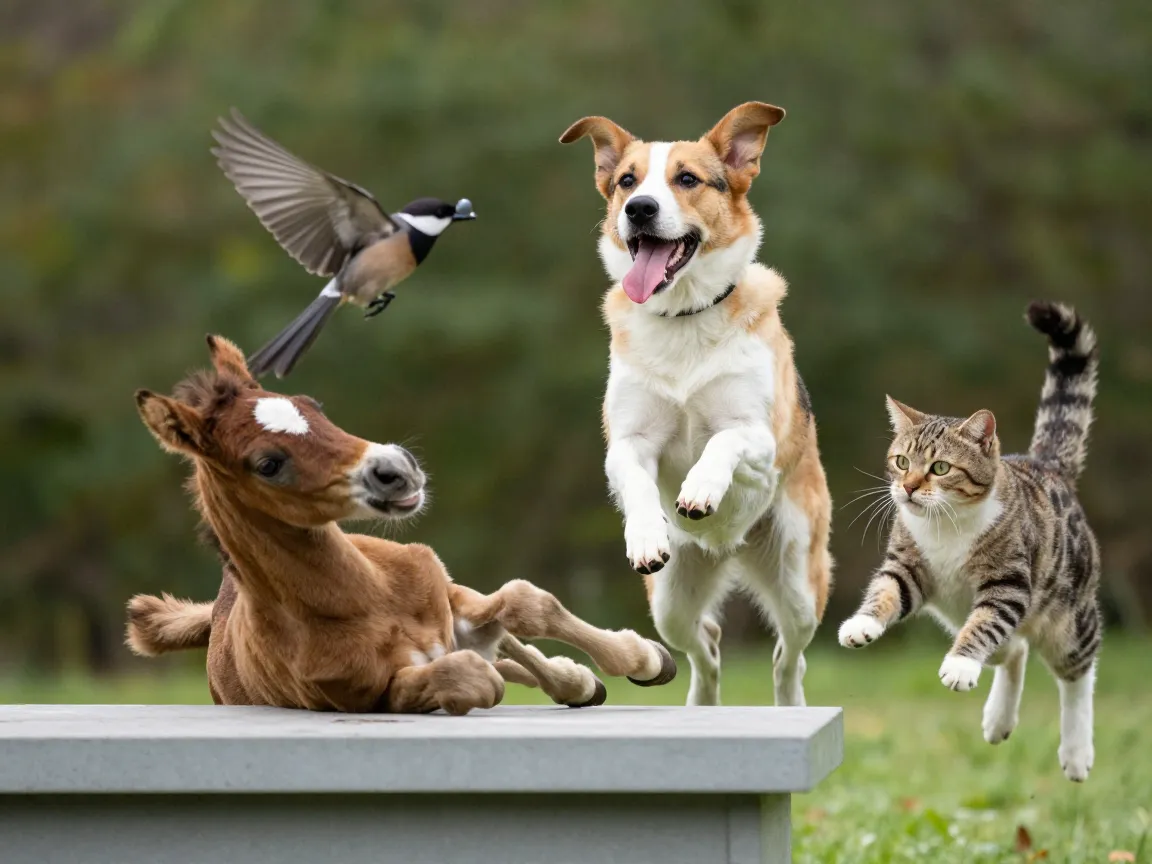
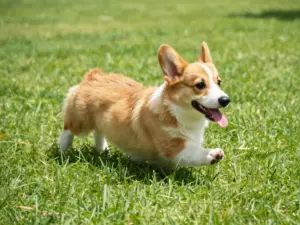
The first category captures animals caught in the split second between movements, when gravity, momentum, and facial muscles have not yet caught up with intention. Think of a dog leaping for a ball with ears flapping sideways and tongue flung out at an impossible angle, or a bird frozen mid-flap with wings bent into an awkward shape that no illustrator would ever draw on purpose.
These images work because they capture something real. Nothing was staged. The camera simply happened to fire at the exact millisecond when physics made the animal look absurd. Professional wildlife photographers increasingly chase these moments on purpose, understanding that a technically imperfect but comedically perfect frame often outperforms a flawless, static portrait.
Large-scale photo collections confirm this appeal. Libraries that track royalty-free “silly animals” content report thousands of clips and stills built almost entirely around this category, from stumbling foals to startled cats leaping sideways off countertops. The blooper shot has become a recognizable visual language on its own.
2. The Dramatic Expression Close-Up
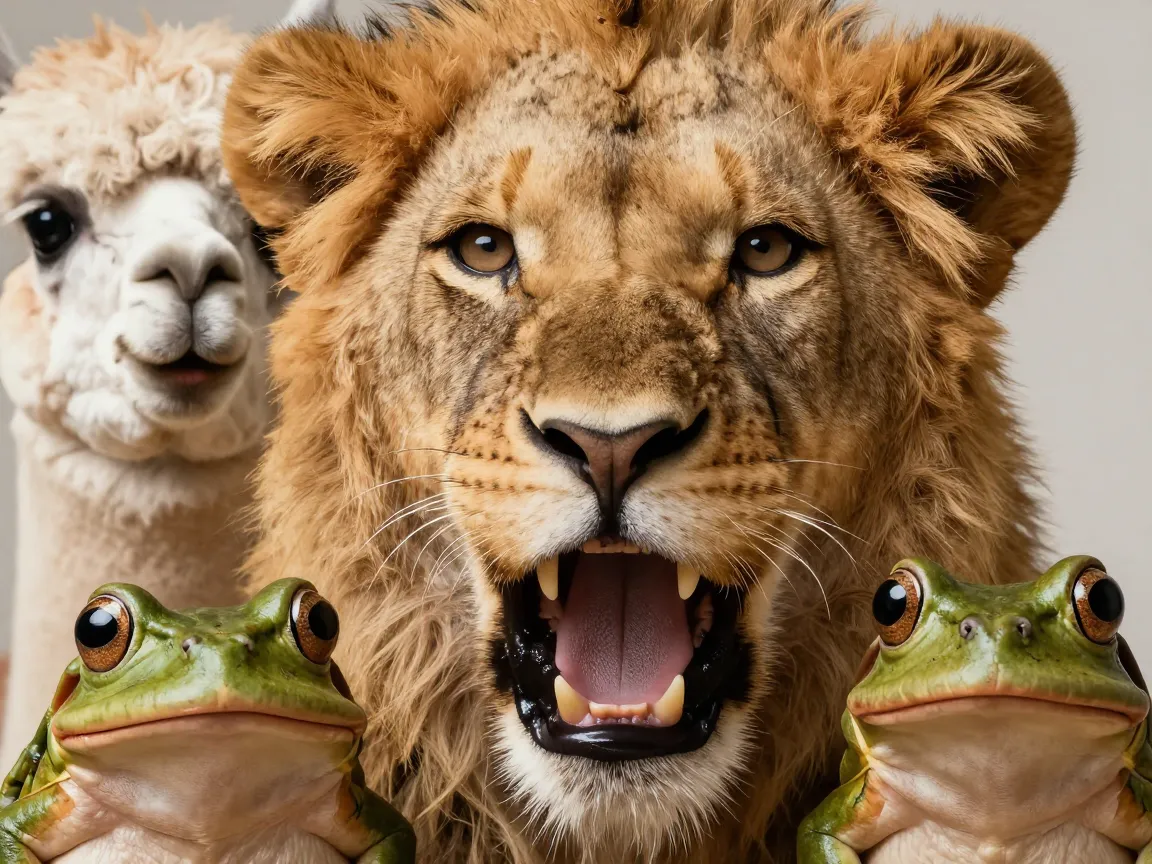
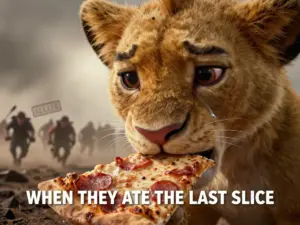
The second category zooms in tight on an animal’s face at the exact moment it produces an expression that looks shockingly human. A yawning lion cub that appears to be mid-scream. A llama with lips curled into what looks unmistakably like a smirk. A frog mid-blink with eyes bulging in apparent disbelief.
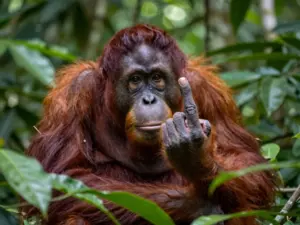
These close-ups succeed because human brains are wired to read emotion into faces, even animal ones. When a creature’s expression maps onto a familiar human emotion like shock, judgment, or mild embarrassment, the photo becomes instantly relatable. Audiences do not just find it funny. They project a tiny story onto the image, imagining what the animal must be thinking.
Compilations built around this idea, including large galleries of “derpy” animals, lean heavily on this expressive close-up format. The goal is rarely to showcase a species accurately. It is to showcase a moment of accidental, universal relatability.
3. The Physical Comedy Pose
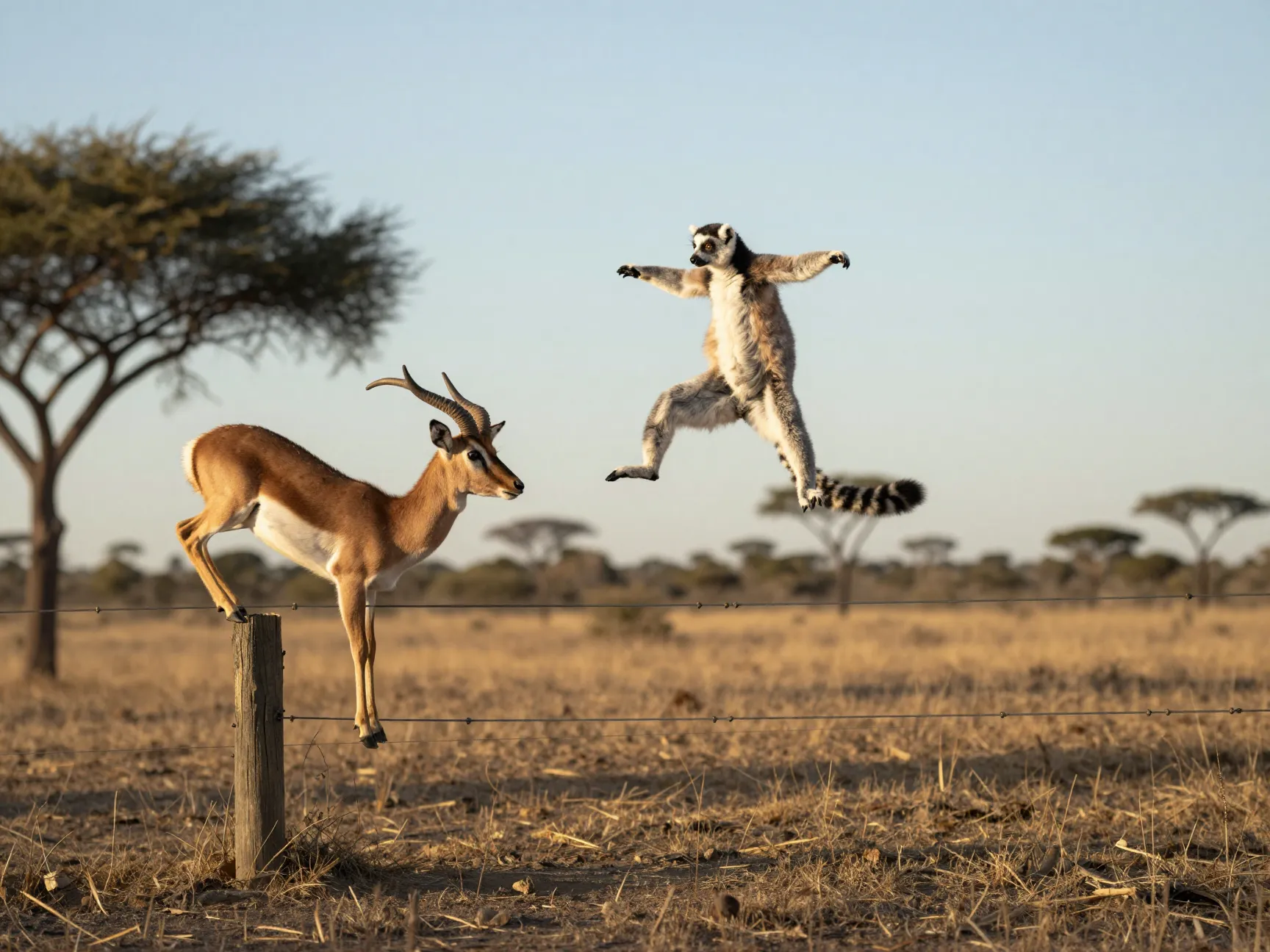
The third category captures full-body poses that look like they belong in a slapstick film rather than a nature documentary. A dancing lemur caught with arms outstretched mid-leap. A bewildered antelope standing with legs splayed at odd angles after a startled jump. A goat balancing on a fence post in a position that seems to defy basic anatomy.
Safari and conservation-focused photography features often highlight this category specifically because it works on two levels at once. It entertains casual viewers scrolling for a laugh, and it also humanizes the animal for audiences who might otherwise see wildlife as distant or abstract. A dancing lemur is memorable in a way that a standard field guide photo rarely is.
This dual function matters. Humor opens the door, and once an audience is engaged, educational or conservation-focused messaging has a far better chance of landing.
4. The Awkward Landing or Recovery Shot
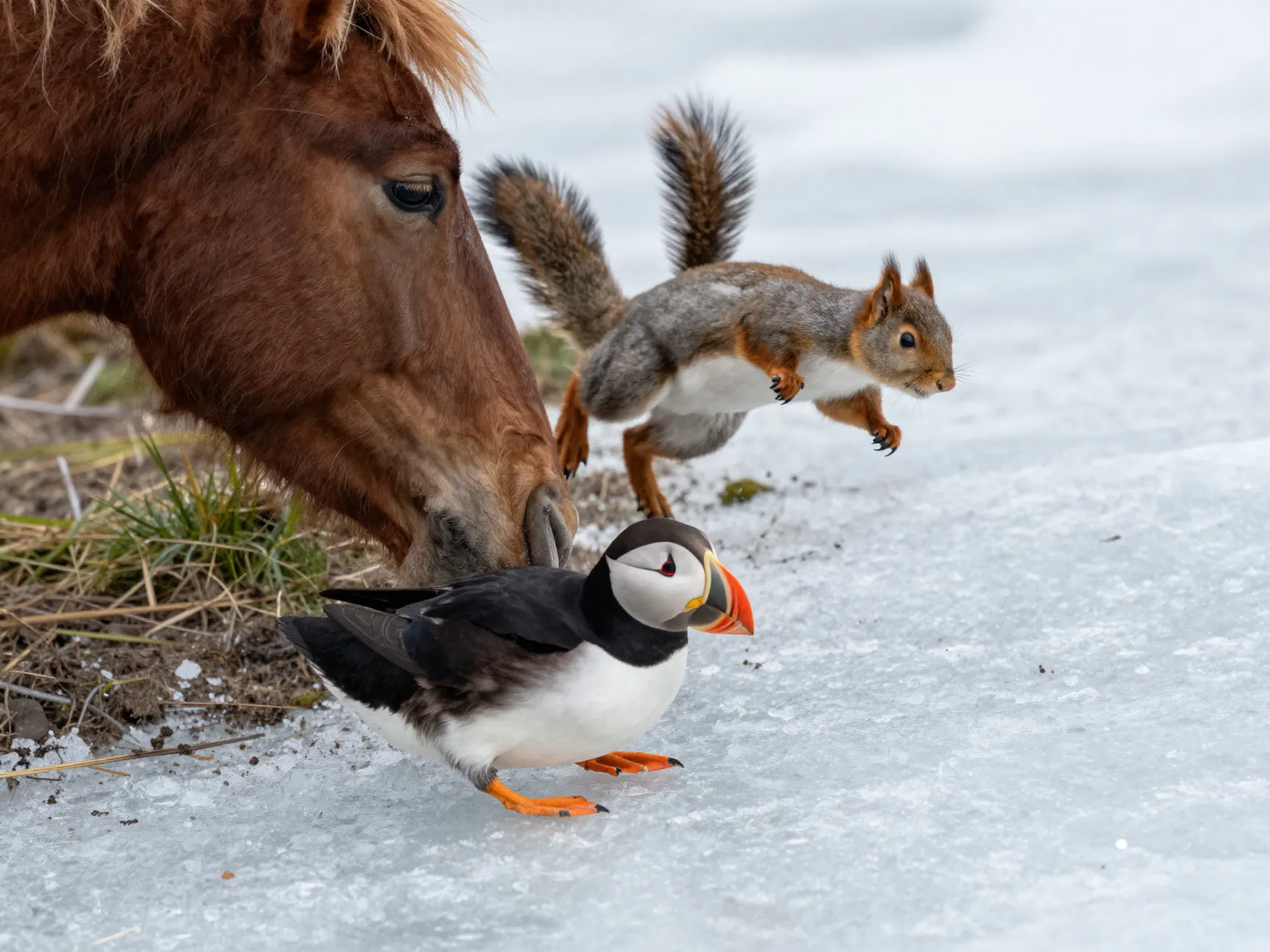
The fourth category focuses on the messy aftermath of an animal’s attempt at grace. A puffin skidding sideways across ice after a clumsy landing. A squirrel mid-faceplant after misjudging a jump between branches. A horse stumbling comically after a half-hearted buck.
These photos resonate because failure is universally relatable. Every person watching has had a moment of losing balance in public, and seeing an animal go through the same experience creates an instant, almost sympathetic laugh. There is no cruelty in the humor. It reads as shared clumsiness rather than mockery, which is part of why these images circulate so widely without controversy.
Photography competitions that celebrate wildlife humor frequently award images from this category precisely because they require exceptional timing. Capturing an animal exactly as it loses its composure, rather than before or after, takes both skill and luck.
5. The Unexpected Photobomb
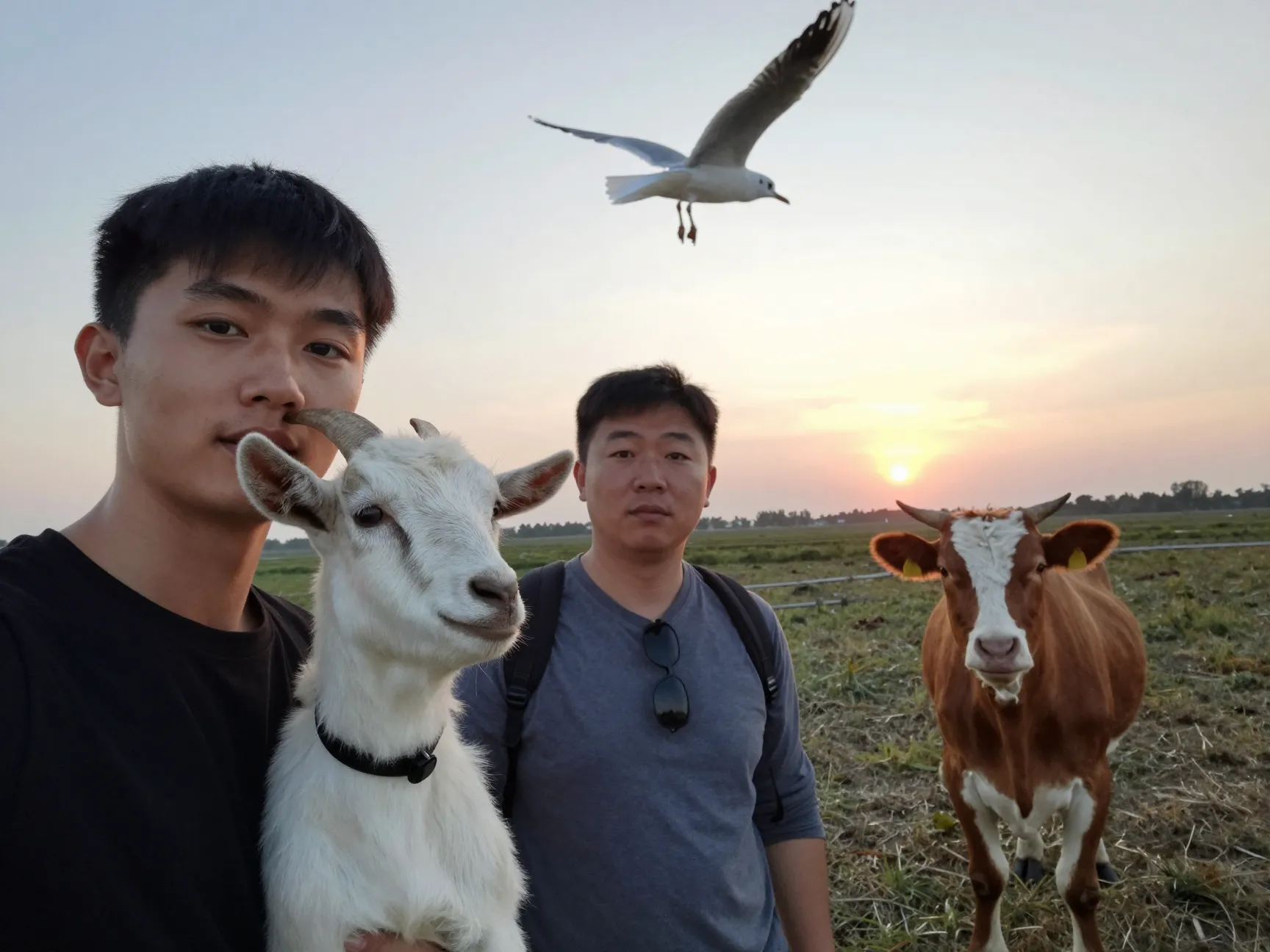
The fifth category is built around animals accidentally inserting themselves into a scene they were never supposed to be part of. A goat poking its head into a family portrait. A seagull swooping directly behind someone’s selfie at the exact wrong second. A cow staring blankly into the lens of a photographer who was trying to capture a sunset.
Photobomb images carry a specific kind of comedic power because they involve two subjects at once: the intended subject and the unintended intruder. The contrast between what the photographer planned and what the camera actually captured is where the humor lives. These shots tend to perform extremely well on social platforms because they feel spontaneous and almost conspiratorial, as if the animal knew exactly what it was doing.
6. The Naturally Comedic Body Shape
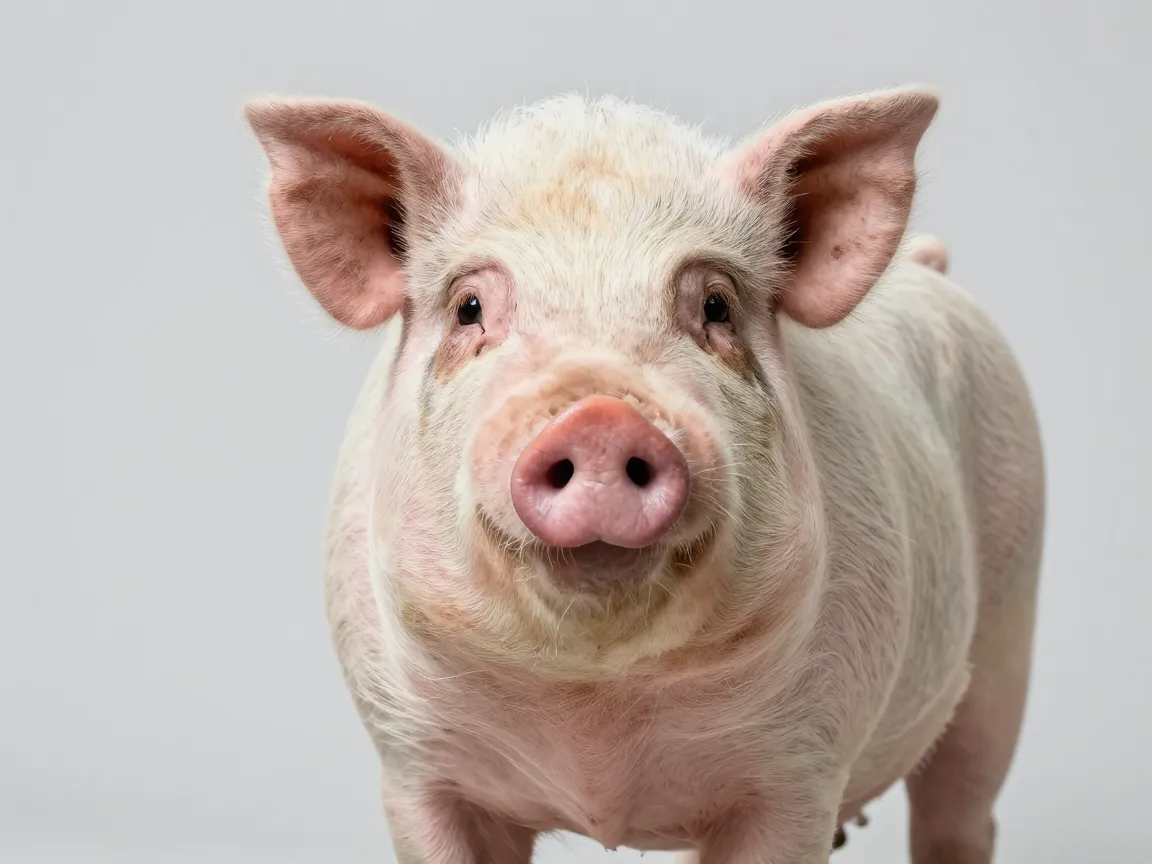
The sixth and final category does not rely on timing at all. It relies on an animal’s permanent physical traits. Meishan pigs, with their famously droopy faces and wrinkled, almost melted-looking features, are a well-known example. Certain breeds of dog, with underbites or oversized ears, fall into this same bucket. So do animals like the proboscis monkey, whose exaggerated nose has made it a recurring subject in goofy wildlife galleries.
What makes this category interesting is the reframing it represents. Traits that might once have been described in purely scientific or even unflattering terms are now celebrated as sources of joy. A droopy face is not a flaw. It is a built-in comedic asset. This shift reflects a broader cultural move toward finding charm in imperfection rather than overlooking it.
“Goofiness is not an accident wildlife photographers tolerate. It is a quality many of them now actively pursue.”
Why Goofy Animal Photos Have Become a Digital-Age Superpower
The appeal of silly animal imagery is not a fleeting internet fad. It is backed by measurable demand across multiple industries, from editorial journalism to commercial stock photography to conservation marketing. Understanding the scale of this phenomenon helps explain why 6 Silly Animal Pictures That Prove Goofiness Is A Superpower resonates as more than a lighthearted headline.
Consider the sheer volume of content available. One major stock photography provider lists more than 6,800 royalty-free images specifically tagged as goofy animals. Separate catalogs include over 6,100 goofy-animal illustrations and stickers, plus more than 6,200 silly-animal video clips. Free-to-use photo platforms push the numbers even higher, with one site reporting roughly 210,800 funny animal photos available for download. Even smaller, high-resolution specialty libraries report over 1,400 dedicated silly animal images.
These figures matter because they reflect real commercial behavior, not just casual enjoyment. Businesses, marketers, and content creators are actively searching for, licensing, and publishing this type of imagery at scale. A theme does not generate inventory like this unless it consistently performs.
| Content Source Type | Approximate Volume | Primary Use Case |
|---|---|---|
| Royalty-free stock photo libraries | 6,800+ goofy animal photos | Commercial marketing, blogs, social media |
| Free-to-use photo platforms | 210,800+ funny animal photos | Memes, casual sharing, informal content |
| Illustration and sticker collections | 6,100+ goofy animal illustrations | Messaging apps, graphic design, branding |
| Video clip archives | 6,200+ silly animal clips | Short-form video, social reels, ads |
| Specialty high-resolution libraries | 1,400+ silly animal photos | Premium editorial and print projects |
Beyond raw volume, there is a clear editorial pattern. News and lifestyle outlets regularly publish large curated galleries of silly animal pictures with titles built around words like “hilarious,” “derpy,” or “funniest.” One widely shared feature compiled 79 derpy animals specifically to argue that their unintentional goofiness makes the world a happier place. Another roundup highlighted 25 of the funniest wildlife photographs ever captured, including shots like a seemingly confused antelope and a lemur caught mid-dance. These are not one-off novelty pieces. They represent a recurring editorial format that publishers return to again and again because audiences respond.
Comedy-focused wildlife photography has also matured into a legitimate, respected genre rather than a side category. Annual awards dedicated specifically to funny wildlife images attract submissions from professional photographers around the world, with winning shots like a kangaroo appearing to play air guitar receiving mainstream international coverage. Judges for these competitions evaluate technical skill alongside comedic timing, treating humor as a craft rather than luck.
Conservation organizations have taken particular interest in this trend. Safari and wildlife travel companies now build entire features around humorous animal photography, framing playful moments as a tool for building emotional connection with the public. The reasoning is straightforward. A majestic but distant photo of a lion on a savanna inspires respect. A photo of a startled, almost comically confused warthog inspires affection. Affection tends to translate more directly into public support for conservation funding and awareness campaigns.
The Psychology Behind the Laugh
There is a simple explanation for why these images travel so far and so fast. Humor lowers psychological barriers. A serious or dramatic photo asks something of the viewer, often requiring them to process emotion, context, or scale. A goofy photo asks almost nothing. It delivers an immediate, low-effort reward in the form of a quick laugh or smile.
This immediacy matters enormously in digital environments where attention spans are short and competition for views is intense. A silly animal picture does not require a caption to explain why it matters. The joke is visible within the first half-second of viewing, which makes it uniquely well-suited to platforms built around rapid scrolling and instant sharing.
A Growing, Measurable Market
The scale of dedicated stock libraries, illustration catalogs, and video archives shows that goofiness in animal photography has shifted from an informal internet joke to an actual content category with its own supply chain. Photographers specifically shoot for it. Stock agencies specifically tag and sell it. Publishers specifically commission galleries built around it. This is the clearest evidence that 6 Silly Animal Pictures That Prove Goofiness Is A Superpower is describing a real, structured phenomenon rather than a passing meme cycle.
How Creators and Brands Can Use Silly Animal Imagery Effectively
Understanding why goofy animal photos work is only half the picture. Using them effectively requires a bit of strategy, especially for brands, educators, or content creators who want to tap into this appeal without looking careless or off-brand.
- Match the tone to the platform. A dramatic close-up of a yawning lion might work beautifully on a visual platform built around quick engagement, but feel out of place in a formal newsletter. Match the energy of the image to the expected tone of the channel.
- Use goofy images as a bridge to serious content. Conservation groups have shown that humor can open the door to education. A funny photo of a confused antelope can serve as the entry point to a deeper article about habitat protection, provided the transition feels natural rather than jarring.
- Credit and license properly. With libraries holding thousands of goofy animal photos, illustrations, and clips, there is rarely a reason to use an uncredited or improperly licensed image. Reputable stock platforms make licensing straightforward, and proper sourcing protects creators from legal issues down the line.
- Avoid mockery, aim for relatability. The most successful silly animal images read as shared clumsiness rather than cruelty. An animal mid-stumble feels relatable. An image edited or captioned to humiliate an animal feels mean-spirited and tends to generate backlash rather than engagement.
- Pair images with light, human-sounding captions. The best-performing goofy animal content often includes a short caption that mirrors the animal’s apparent expression or situation, giving the viewer a tiny narrative to connect with before moving on.
Frequently Asked Questions
Why do silly animal pictures get shared so much more than regular wildlife photos?
Silly animal pictures deliver an instant emotional reward. Viewers do not need context or explanation to understand the humor, which makes these images extremely easy to share across platforms where attention is limited.
Are goofy animal photos considered a legitimate photography genre?
Yes. Dedicated international competitions now reward comedic wildlife photography specifically, judging images on both technical skill and comedic timing. This has elevated silly animal photography from casual snapshot to recognized craft.
Do conservation groups actually benefit from using funny animal images?
Many conservation-focused organizations believe humor helps humanize wildlife and build emotional connection with the public, which in turn can support awareness and funding efforts. Playful imagery tends to complement, not replace, more serious educational content.
Where can creators legally find silly animal images to use?
Major stock photography libraries, free-to-use photo platforms, and specialty illustration catalogs all host large collections of goofy animal content, often with clear licensing terms for commercial or editorial use.
Is it ever inappropriate to share a goofy animal photo?
Context matters. Images that appear to mock or distress an animal rather than simply capture a clumsy or funny natural moment tend to be received poorly. The most successful silly animal pictures highlight relatable, harmless moments rather than genuine discomfort.
Conclusion
Goofiness in animal photography is not a side effect of nature. It is a documented, measurable, and increasingly intentional category of visual storytelling. From mid-action bloopers and dramatic facial expressions to awkward landings, photobombs, and naturally comedic body shapes, 6 Silly Animal Pictures That Prove Goofiness Is A Superpower demonstrates that humor can be just as powerful a storytelling tool as beauty or drama.
The numbers back this up. Thousands of dedicated stock photos, hundreds of thousands of free images, and entire award ceremonies now exist around this single idea. For creators, marketers, and anyone building an audience online, the takeaway is simple. A well-timed, genuinely goofy animal photo can outperform a technically perfect one, especially when the goal is connection rather than polish.
Anyone looking to apply this insight should start small. Browse a reputable stock or free-use library, look for animal images that capture real, unstaged expressions or movements, and consider how a touch of humor might make an otherwise ordinary piece of content far more memorable.