Funny Animal Jokes That Are So Bad, They’re Actually Hilarious
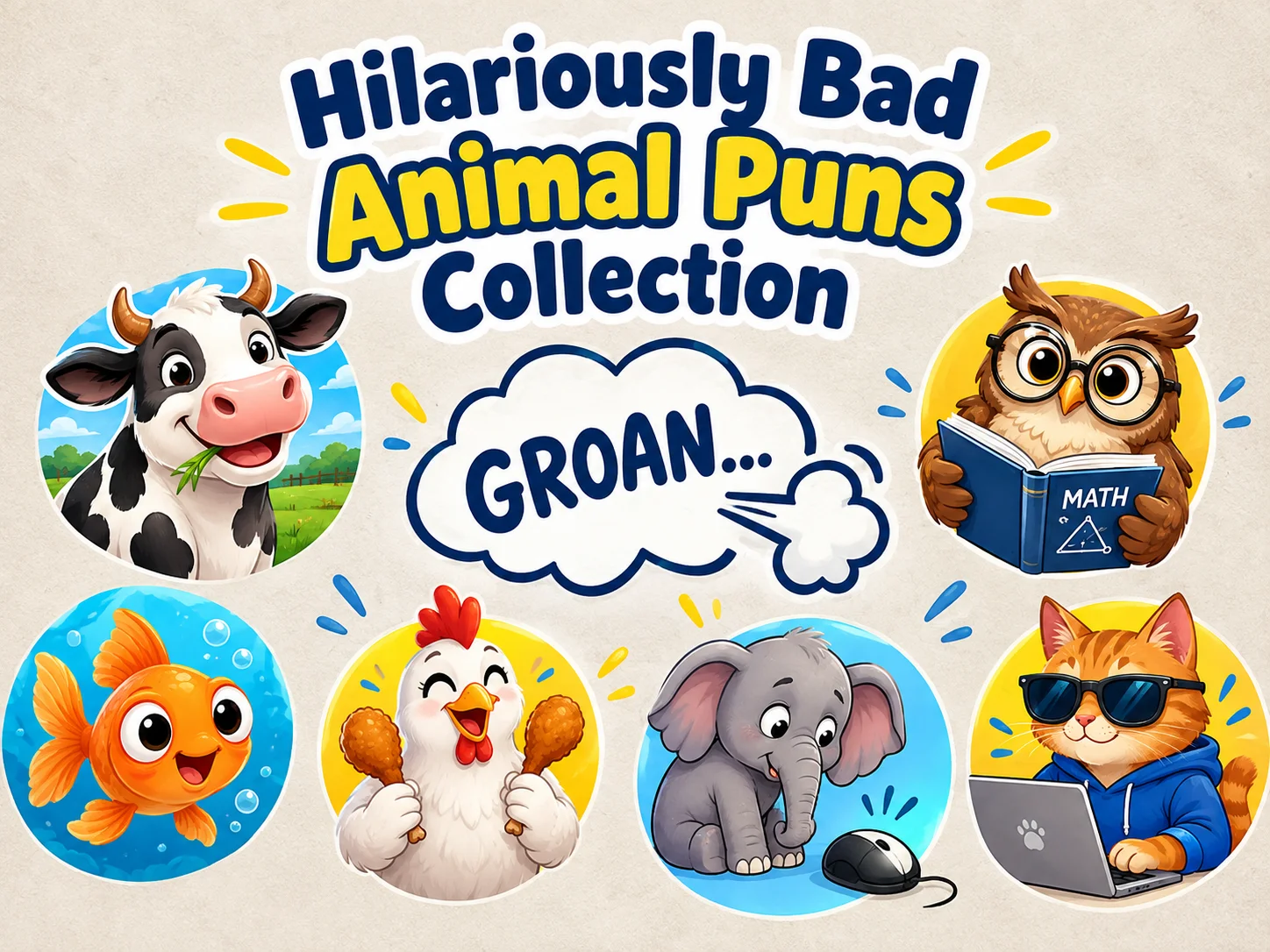
A chicken crossing the road has been making people groan for longer than most countries have existed as nations. That single joke format has outlived radio, outlasted dial-up internet, and somehow still gets a laugh at the dinner table in 2026. There is something strange and wonderful about a joke so corny it should have been retired decades ago, yet it keeps working anyway. This article collects 6 funny animal jokes that are so bad, they’re actually hilarious, explains why terrible puns about cows, owls, and goldfish refuse to die, and shows exactly how to use them to win over a tough audience, whether that audience is a classroom of eight-year-olds or a group chat full of skeptical adults.
Disclosure: This post contains affiliate links. As an Amazon Associate, we earn from qualifying purchases, and at no extra cost to you.
Animal jokes are everywhere online right now. Joke sites keep publishing bigger and bigger lists, some stretching past 300 entries, and education blogs treat animal humor as a genuine classroom tool rather than filler content. None of that changes a simple truth: a handful of jokes, maybe six, really do the heaviest lifting. This piece focuses on exactly that small, mighty set.
Key Takeaways
- The best “so bad it’s good” animal jokes rely on a simple pun, a short setup, and an unexpected twist that makes the groan part of the fun.
- Short jokes almost always outperform long ones because the payoff arrives before the listener loses interest.
- Classroom teachers, parents, and comedians all use the same basic joke structure, proving these jokes work across age groups.
- Timing and delivery matter more than the words themselves, especially with jokes this simple.
- The internet currently favors massive joke compilations, but a focused list of 6 funny animal jokes that are so bad, they’re actually hilarious is easier to remember and easier to tell well.
What Makes a Joke So Bad It’s Good
Comedy researchers have a name for jokes that are intentionally weak: anti-humor. The joke sets up an expectation, then delivers an answer so flat or so obvious that the disappointment itself becomes funny. Animal jokes are the perfect vehicle for this because animals already carry built-in comedic traits. A chicken is associated with crossing roads. A cow says “moo.” An owl asks “who.” The brain fills in the expected punchline before the joke even finishes, and when the actual punchline arrives slightly sideways, the mismatch triggers a laugh that has nothing to do with cleverness and everything to do with surprise.
This matters for anyone trying to understand why 6 funny animal jokes that are so bad, they’re actually hilarious keep circulating on classroom bulletin boards, lunchbox notes, and office breakrooms decades after they were first written. The format is almost foolproof. A short setup. A groan-worthy pun. A beat of silence. Then laughter, often despite the listener’s own better judgment.
Educators have leaned into this pattern deliberately. Teacher-focused joke collections frame animal humor as a classroom-safe icebreaker, something that works precisely because it is predictable. Kids do not need sophisticated wordplay to enjoy a joke; they need rhythm, repetition, and a punchline that rewards paying attention. Family lifestyle sites aimed at parents echo the same idea, treating animal jokes as a quiet, evergreen category of content that needs almost no explanation to land.
There is also a social element at play. A joke this corny gives permission to groan out loud, roll your eyes, and laugh anyway, all at the same time. That combination of annoyance and amusement is rare in comedy, and it is exactly what makes a short list of carefully chosen animal jokes more memorable than a 300-item mega-list that nobody actually reads start to finish.
The 6 Funny Animal Jokes That Are So Bad, They’re Actually Hilarious
The six jokes below were chosen for one reason: they consistently get a reaction, whether that reaction is a groan, a snort, or a genuine belly laugh. Each one follows the classic setup-twist-payoff structure, and each one works across almost any age group. They are presented in order, numbered for easy reference, so they can be told one after another without losing momentum.
1. The Cow Who Couldn’t Stop Mooing
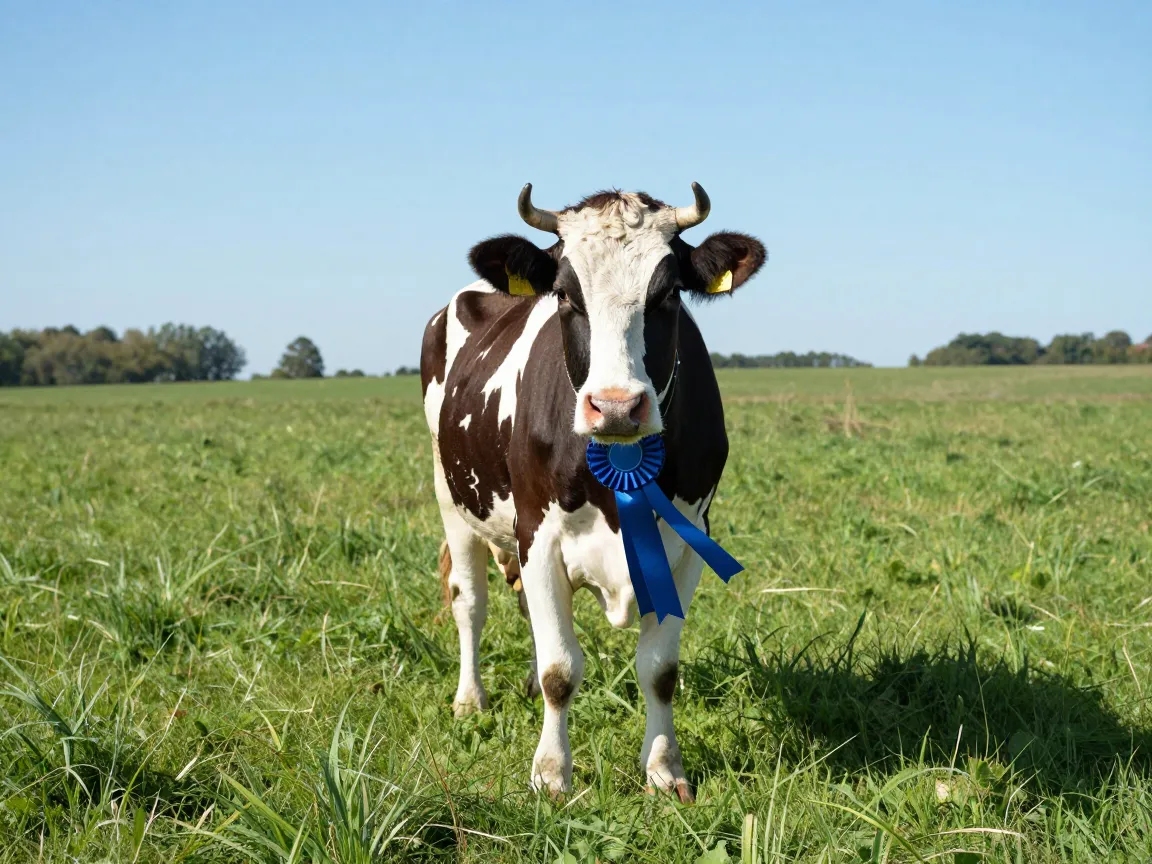
Setup: Why did the cow win an award?
Punchline: Because it was outstanding in its field.
This joke earns its spot first because it is the gold standard of the genre. The pun on “outstanding” works on two levels at once, describing both excellence and literal physical location, and the image of a cow simply standing in a field doing nothing is funny on its own. It is short enough to tell in under five seconds, which matters more than people realize. Jokes that drag before the punchline lose their audience, but this one never gives the listener time to get bored.
2. The Owl’s Favorite Subject
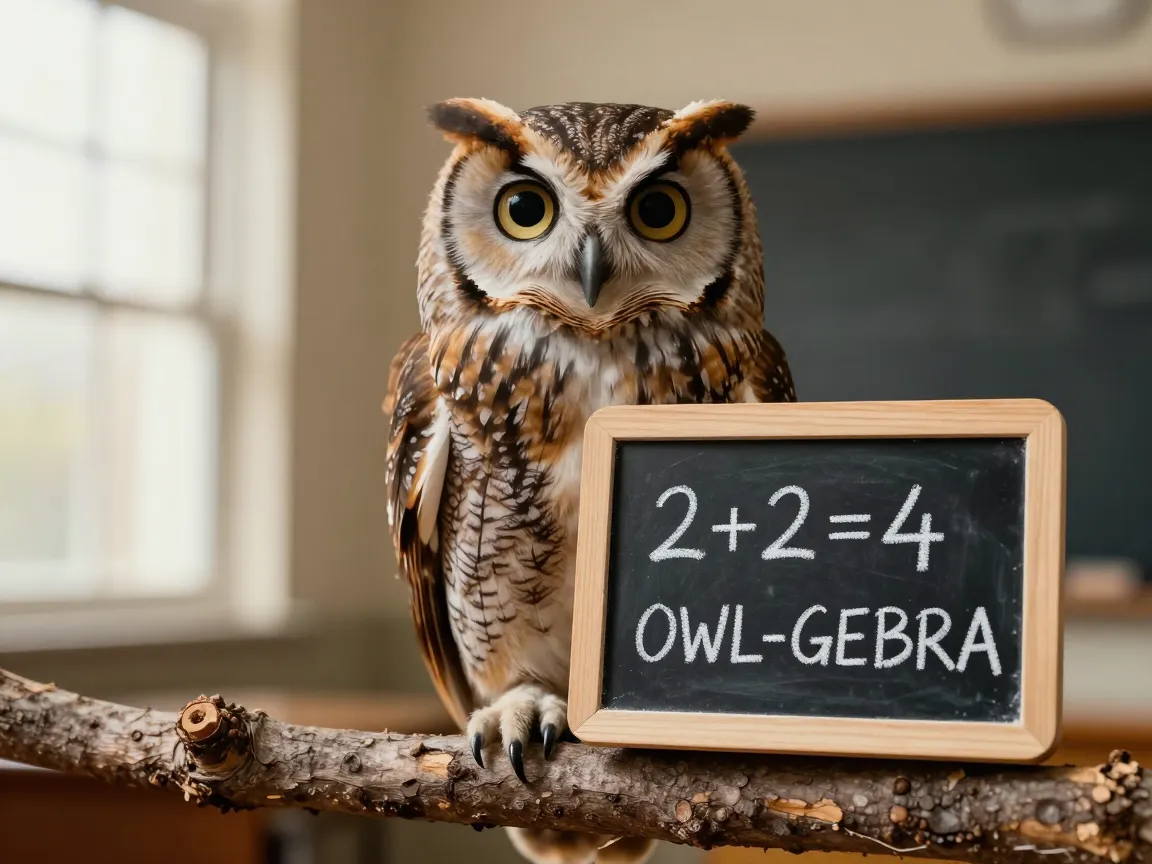
Setup: What do you call an owl who is good at math?
Punchline: Owl-gebra.
Owls show up in joke collections constantly because their signature sound, “who,” practically begs for wordplay. This particular joke swaps the obvious “who” pun for something slightly more unexpected, which keeps it fresh even for people who have heard a dozen owl jokes before. It also works well in classroom settings, where teachers often use animal jokes tied loosely to school subjects as a light way to transition between activities.
3. The Fish Who Never Lied
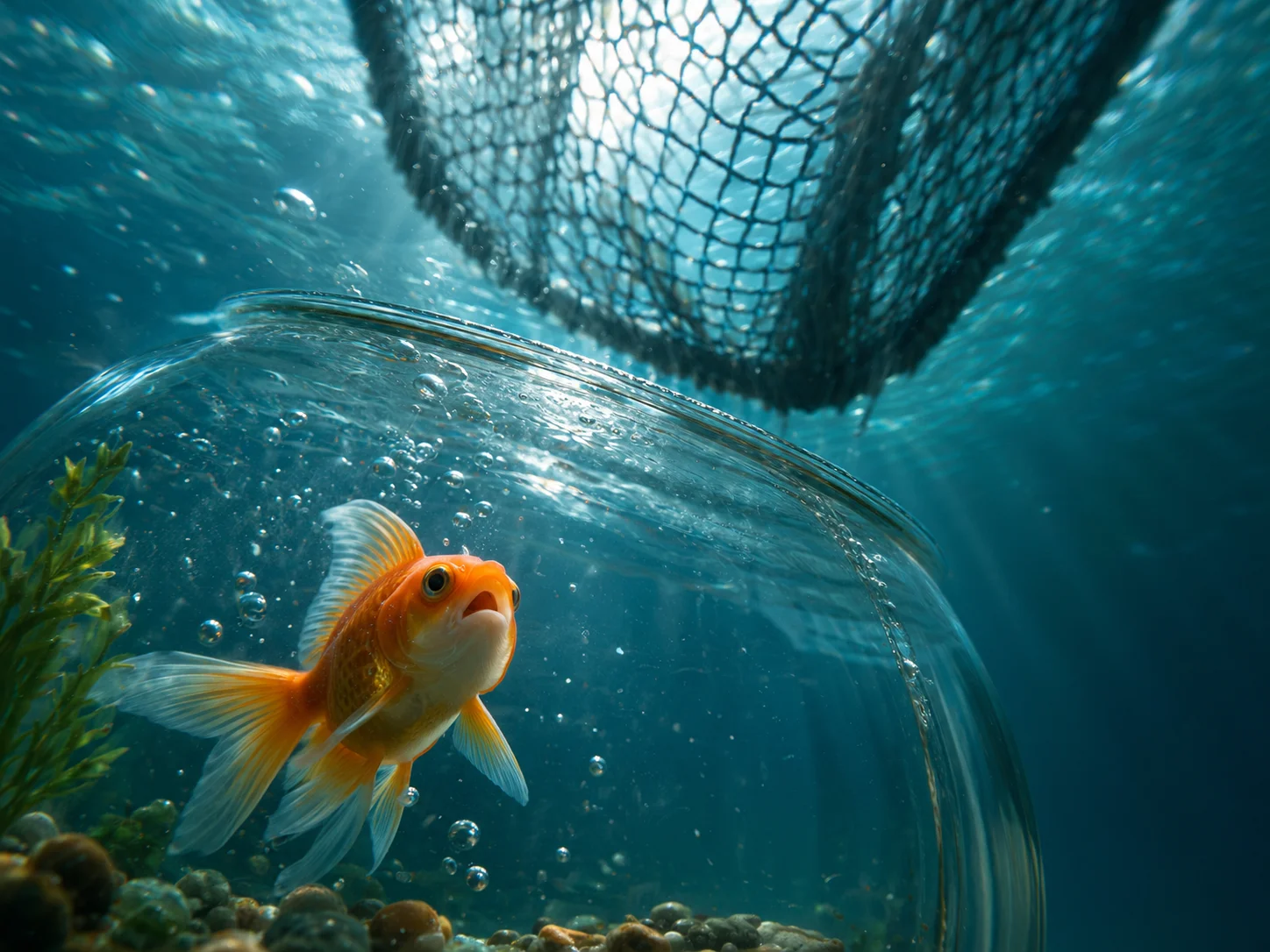
Setup: Why don’t fish ever tell secrets?
Punchline: Because they always get caught.
This joke is a favorite among the large joke compilations currently dominating search results, and for good reason. “Caught” does double duty, referring both to being caught in a net and being caught in a lie. It is short, visual, and easy to picture, which makes it ideal for younger audiences or anyone hearing animal jokes for the first time.
4. The Chicken’s Honest Confession
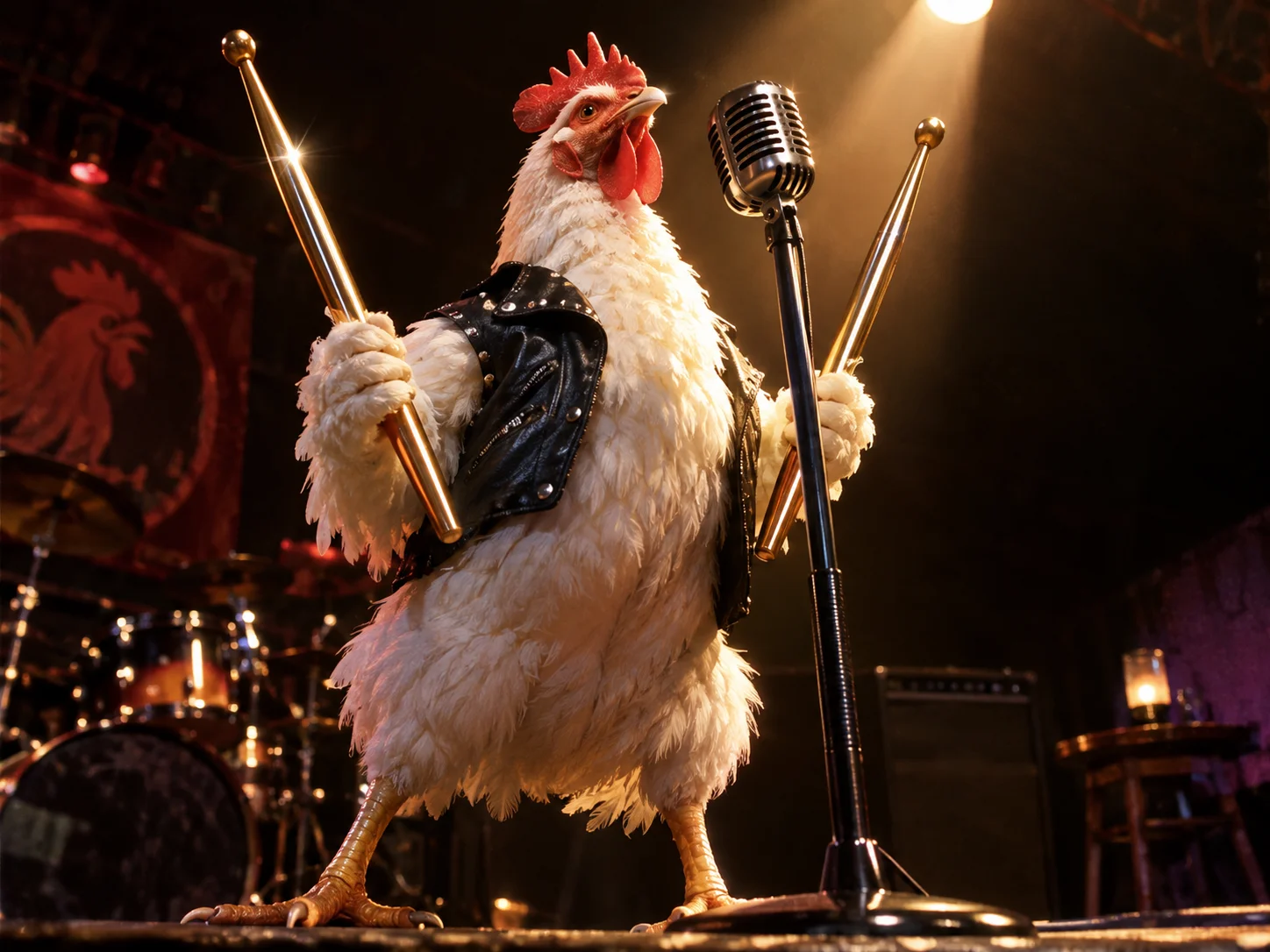
Setup: Why did the chicken join a band?
Punchline: Because it had the drumsticks.
The chicken joke format is the most recognizable animal joke on the planet, largely thanks to the original “why did the chicken cross the road” riddle. This version borrows that same cultural recognition but twists it in a new direction. “Drumsticks” works because it references both a chicken’s anatomy and a musical instrument, giving the audience two layers to appreciate once the groan wears off.
5. The Elephant Who Packed Light
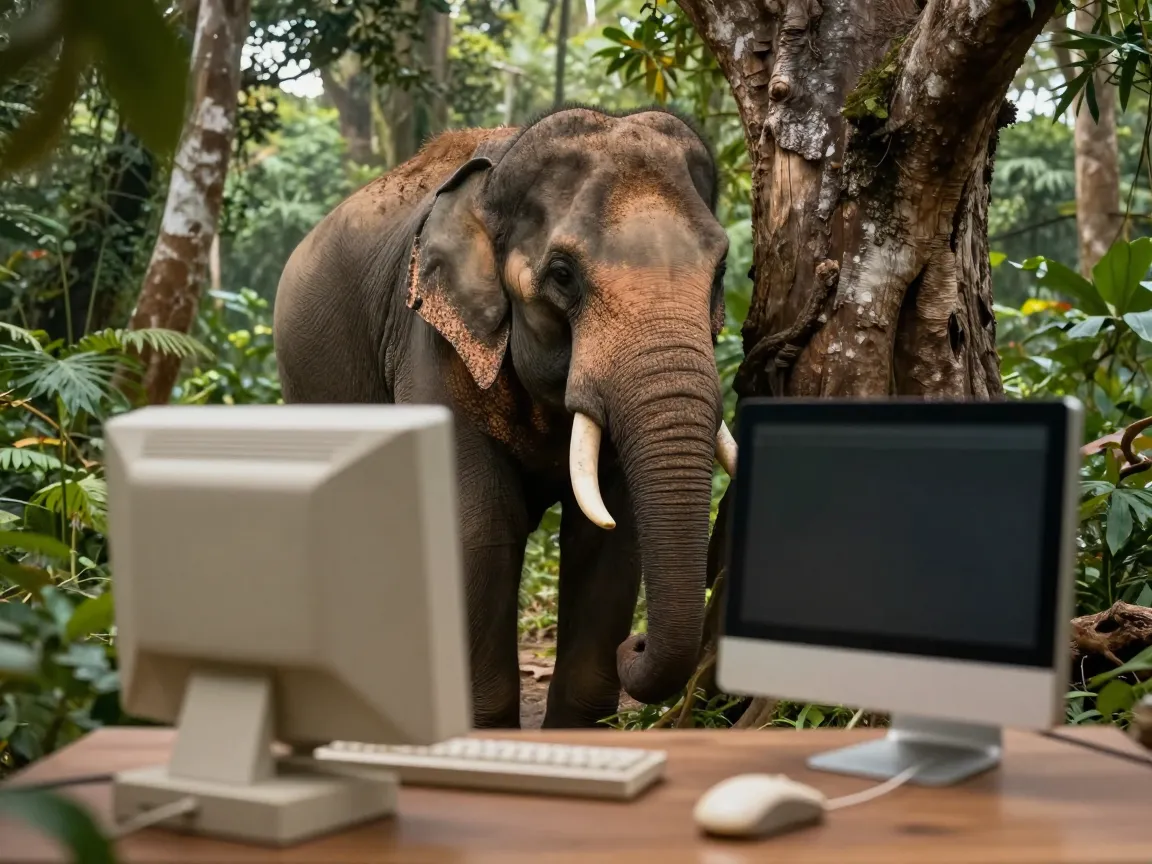
Setup: Why don’t elephants use computers?
Punchline: Because they’re afraid of the mouse.
This joke plays on scale, pairing one of the largest land animals with one of the smallest, and the irony of a giant elephant being afraid of something tiny is what makes the image stick. It also benefits from a double meaning, since “mouse” refers to both the animal and the computer accessory. Jokes that rely on this kind of double meaning tend to perform especially well because they reward a second thought, even if that second thought arrives a beat after the laugh.
6. The Cat Who Loved Technology
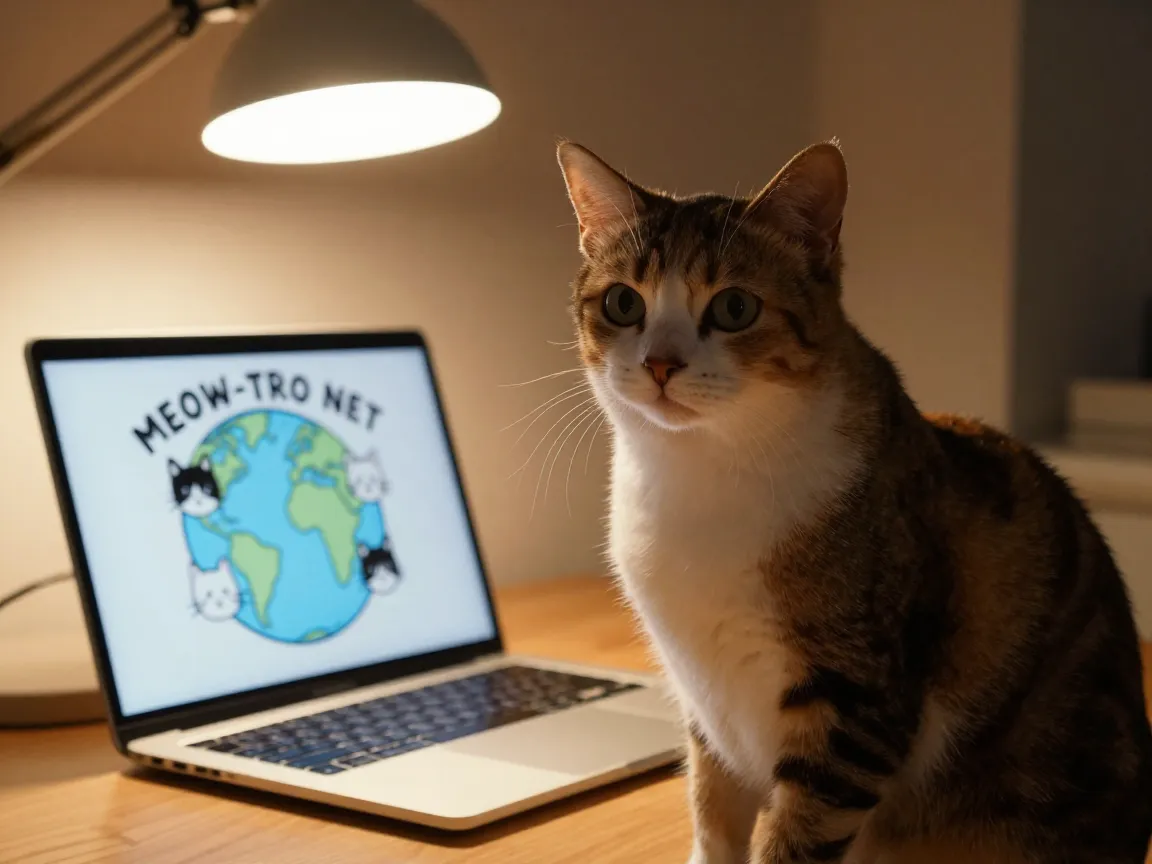
Setup: What do cats use to communicate online?
Punchline: The Meow-tro net.
This final joke closes the list on a lighter, slightly more modern note. Cats are consistently the most searched animal in joke compilations, and tech-themed wordplay has become increasingly common as joke writers look for fresh angles on classic formats. “Meow-tro net” is a stretch of a pun, which is exactly the point. The audience sees the setup coming, braces for something groan-worthy, and gets exactly what they expected, which somehow makes it funnier rather than less funny.
“The jokes that stick around longest are rarely the cleverest ones. They are the ones short enough to remember and silly enough to repeat.”
Why These 6 Funny Animal Jokes That Are So Bad, They’re Actually Hilarious Keep Spreading
Animal jokes have become one of the most consistently updated categories of online humor content, and the pattern behind that growth says a lot about why short, punchy jokes continue to outperform longer, more complex ones. Large joke databases now stretch past 100, 200, and even 300 entries, with some sites refreshing their collections multiple times a year to keep content current. Despite that volume, the jokes that actually get repeated out loud, in classrooms, at dinner tables, and in group chats, tend to be the same handful of short, pun-driven entries that have been circulating for years.
Several patterns explain this. First, wildlife and nature-focused outlets have started publishing their own curated animal joke lists, lending a slightly more credible, fact-adjacent tone to content that used to live exclusively on pure humor sites. This crossover appeal broadens the audience for animal jokes beyond kids and parents to include adults who enjoy nature content generally. Second, education-focused publishers continue to treat animal jokes as genuinely useful classroom material rather than throwaway filler, which keeps demand steady year after year. Teachers need reliable, kid-safe material they can use without worrying about inappropriate content, and bad animal puns fit that need perfectly.
Third, academic and archival interest in joke collections has not disappeared. Long-running personal collections of classic animal jokes, some maintained for years by individual enthusiasts, continue to be updated and referenced, showing that this genre has a surprisingly durable life even outside commercial humor sites. That kind of quiet, ongoing curation suggests animal jokes occupy a stable cultural niche, somewhere between children’s entertainment, classroom resource, and genuine comedic tradition.
Finally, the sheer repetition of certain joke structures, the owl who asks “who,” the chicken who crosses something, the cow that moos about something outstanding, creates a shared cultural shorthand. People recognize the format instantly, which lowers the bar for a laugh. A listener does not need to think hard to get the joke, and that ease of understanding is a major reason short animal jokes keep beating out longer, more elaborate comedy formats in casual settings.
How to Tell These Jokes So They Actually Land
Even a great joke falls flat with poor delivery. The following guidance applies to each of the 6 funny animal jokes that are so bad, they’re actually hilarious listed above, and it works for nearly any short pun-based joke.
Pause before the punchline. A half-second beat after the setup builds just enough anticipation to make the payoff hit harder, even when the audience already suspects a pun is coming.
Keep a straight face. Jokes this corny work best when delivered with mock seriousness. Laughing before the punchline lands gives away the joke and softens the reaction.
Match the joke to the room. Classroom-safe jokes about owls and chickens work well with kids, while slightly more modern references, like the cat and computer joke, tend to land better with teens and adults.
Do not explain the pun. Part of the charm is letting the listener catch the wordplay on their own, even a second or two after the laugh. Explaining it kills the moment.
Use repetition strategically. Telling two or three jokes back to back, as outlined in the numbered list above, builds momentum. Each joke primes the audience to expect another pun, which makes the next punchline land faster.
The table below summarizes the six jokes at a glance, useful for anyone looking to memorize the full set quickly.
| Joke Number | Animal | Core Pun | Best Audience |
|---|---|---|---|
| 1 | Cow | Outstanding in its field | All ages |
| 2 | Owl | Owl-gebra | School-age kids |
| 3 | Fish | Always get caught | Young children |
| 4 | Chicken | Drumsticks | All ages |
| 5 | Elephant | Afraid of the mouse | Tech-savvy adults |
| 6 | Cat | Meow-tro net | Teens and adults |
Frequently Asked Questions
Why are bad jokes sometimes funnier than clever ones?
Bad jokes rely on anti-humor, where the gap between what the audience expects and what they actually get creates laughter on its own. A clever joke requires effort to understand, while a bad pun delivers its payoff instantly, which often produces a faster, more spontaneous reaction.
Are animal jokes mostly for kids?
Not exclusively. While education and parenting sites frequently use animal jokes as classroom-safe material, wildlife publications and general humor sites have also started curating animal joke lists aimed at adult audiences, suggesting the appeal stretches well beyond the school-age crowd.
What makes a joke list of six jokes better than a list of 100 jokes?
Shorter lists are easier to remember and easier to tell smoothly without flipping through a long page. While many sites now publish massive joke compilations with hundreds of entries, a focused set like the 6 funny animal jokes that are so bad, they’re actually hilarious featured here is built for actual use, not just browsing.
Do these jokes work for adults, or only children?
Most of them work for both. Puns involving double meanings, like the elephant and mouse joke or the cat and internet joke, tend to resonate with adults just as much as kids, since the wordplay requires a small moment of recognition that adults often enjoy even more than children do.
How often do animal joke collections get updated online?
Very often. Major joke sites and education blogs frequently refresh their animal joke pages, some multiple times within a single year, which shows steady ongoing interest in this category of humor rather than a passing trend.
Conclusion
Good comedy does not always require originality. Sometimes it just requires timing, familiarity, and a punchline so predictable that the groan becomes part of the joke. The 6 funny animal jokes that are so bad, they’re actually hilarious collected here prove that point clearly. A cow standing in a field, an owl doing algebra, a chicken with drumsticks, none of these jokes are clever by traditional standards, yet each one has survived years of retelling because the format simply works.
Anyone looking to use these jokes well should start small. Pick one or two from the list, practice the pause before the punchline, and resist the urge to explain the pun afterward. For teachers, parents, or anyone hosting a casual gathering, this short list offers a reliable, low-effort way to get a genuine laugh, no elaborate setup required. The next time a conversation needs a lighthearted nudge, reach for one of these six jokes rather than scrolling through a 300-entry list looking for the perfect line. Sometimes the shortest, silliest option is also the one most likely to land.