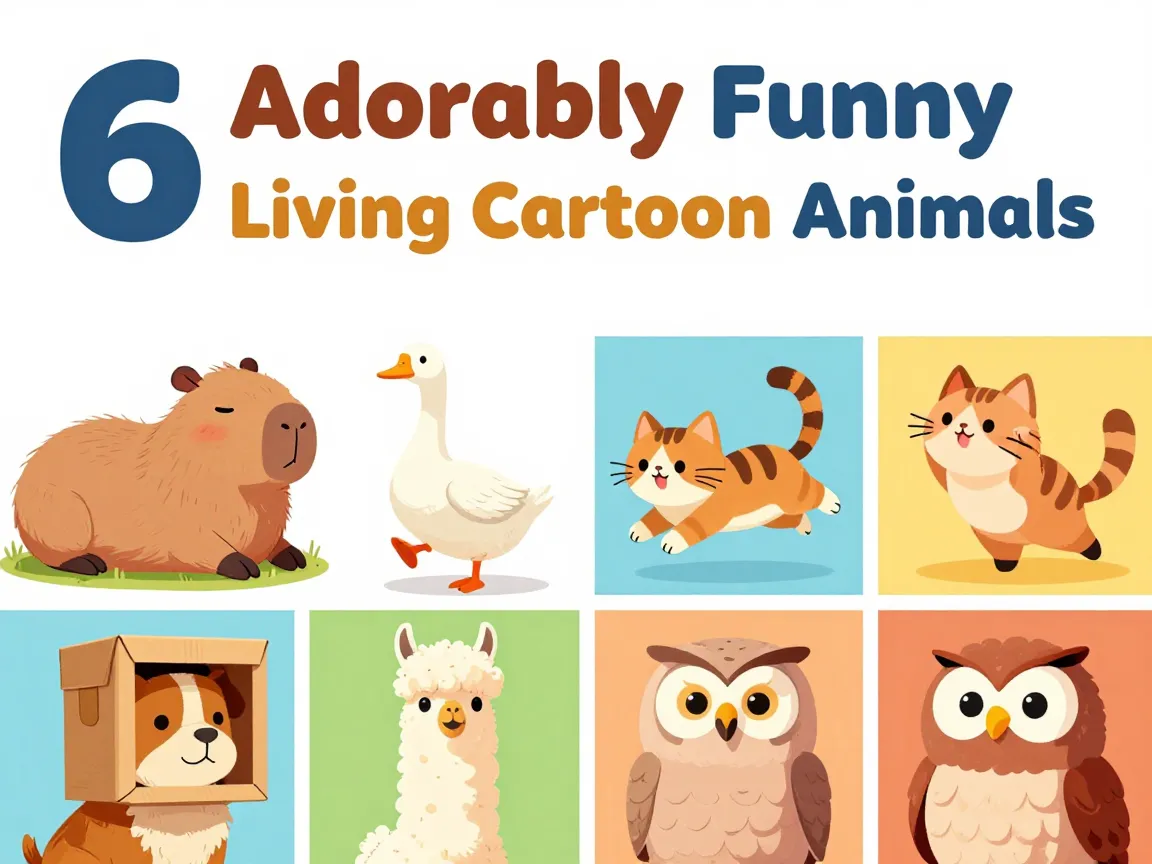
Adorably Funny Pics Of Animals That Are Basically Living Cartoons
Depositphotos alone lists more than 18.2 million “funny animal cartoon” vector images available for license. Pixabay separately offers nearly 391,000 free animal cartoon pictures. Those numbers are not a coincidence. Real animals keep doing things so exaggerated, so perfectly timed, and so visually ridiculous that illustrators barely need to invent anything new. This roundup of 6 Adorably Funny Pics Of Animals That Are Basically Living Cartoons pulls together the species and situations that keep proving one simple point: nature already drew the cartoon first.
Disclosure: This post contains affiliate links. As an Amazon Associate, we earn from qualifying purchases, and at no extra cost to you.
This article breaks down six categories of animal photos that look like they escaped straight from a Saturday morning cartoon strip. Each one is backed by the same visual logic that stock-photo giants and comic artists have been cashing in on for years: big eyes, round bodies, dramatic poses, and timing that feels scripted even though it is completely real.
Key Takeaways
- The “living cartoon” effect comes from exaggerated physical traits, like round bodies, big eyes, and expressive faces, that mimic classic animation design rules.
- Capybaras, geese, cats, dogs, llamas, and owls dominate funny-animal photo collections because their natural poses already resemble cartoon slapstick.
- Stock-photo platforms host tens of millions of cartoon-style animal images, showing just how large the appetite for this content has grown.
- Comic artists and humor sites regularly turn ordinary pet behavior into relatable, cartoon-style punchlines.
- Capturing your own version of these photos is easier than it looks once you know what timing and angles to watch for.
Why These Animal Photos Feel Like Living Cartoons
Cartoonists did not invent big eyes, round cheeks, or dramatic double takes. They borrowed them from nature and simply exaggerated what was already there. This is why so many real animal photos trigger the same reaction as a comic strip: the brain recognizes familiar cartoon shorthand even though the subject is 100 percent real.
Animation studios have relied on a concept called “squash and stretch” for nearly a century. It is the same principle at work when a cat freezes mid-leap with its legs splayed, or when a dog’s face stretches into an exaggerated grin. These are not drawn exaggerations. They are split-second, real-life moments that happen to match the visual rules animators use to create humor and warmth on screen.
Researchers in visual perception have long noted that humans are wired to respond strongly to certain proportions, oversized eyes relative to head size, rounded body shapes, and symmetrical facial features. These are the same traits that make Disney and Pixar characters feel instantly lovable. When a real capybara, owl, or kitten happens to display those same proportions in a photo, the brain processes it almost identically to how it processes an animated character. That overlap is exactly why collections like Shutterstock’s “Funny Animals” illustration category, which covers cartoon-style lions, tigers, elephants, and flamingos, continue to be updated and expanded well into 2026.
“The best animal photos do not need a caption. The pose alone tells the joke.”
This is also why humor publishers keep returning to the same formula. Compilations such as Jim Benton’s 60-cartoon series on Bored Panda and Ba-bamail’s animal comic roundups both lean on the same idea: give an animal a human-like situation, a confused expression, or a dramatic pose, and the humor writes itself. A six-image version of this same concept works just as well, because the formula does not depend on quantity. It depends on timing and expression.
The 6 Adorably Funny Pics Of Animals That Are Basically Living Cartoons
Every entry on this list shares the same three ingredients: an exaggerated pose, a recognizable “character,” and a moment that looks staged even though it almost never is. These are the categories that dominate stock libraries, comic strips, and social feeds precisely because they look like they were storyboarded by a professional animator.
1. The Capybara Doing Absolutely Nothing With Maximum Commitment
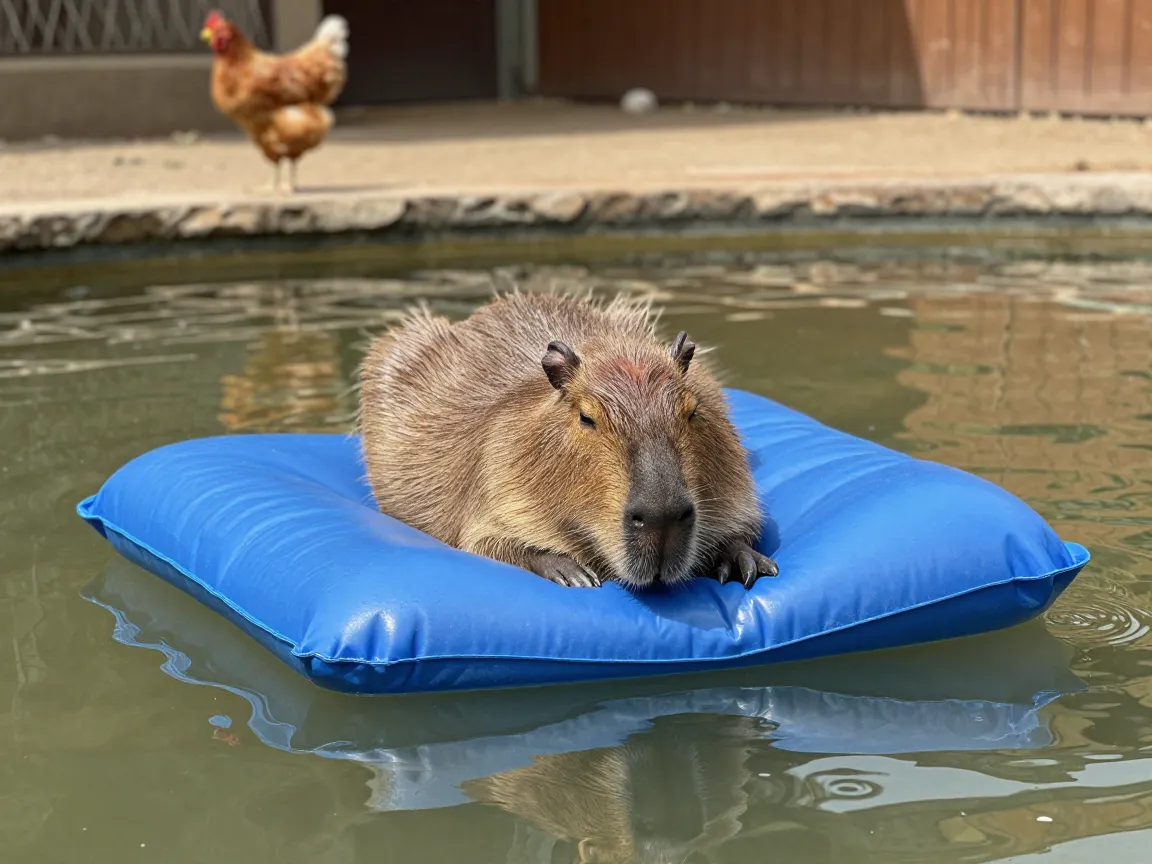
Capybaras have quietly become one of the internet’s favorite “living cartoon” animals, and the numbers back it up. Shutterstock’s capybara-specific image library had grown to 43,835 photos as of an early October 2026 update, a sharp increase driven almost entirely by how photogenic their relaxed, almost deadpan expressions are.
What makes a capybara photo feel cartoonish is its total commitment to stillness. A capybara sprawled across a pool float, draped over a log, or sitting shoulder to shoulder with a chicken looks like it was drawn by someone trying to illustrate “maximum chill.” The rounded body, flat expression, and total lack of urgency create a visual joke without the animal doing anything at all. This is slapstick through sheer stillness, and it works every time.
2. The Goose Mid-Honk With Full Cartoon Drama
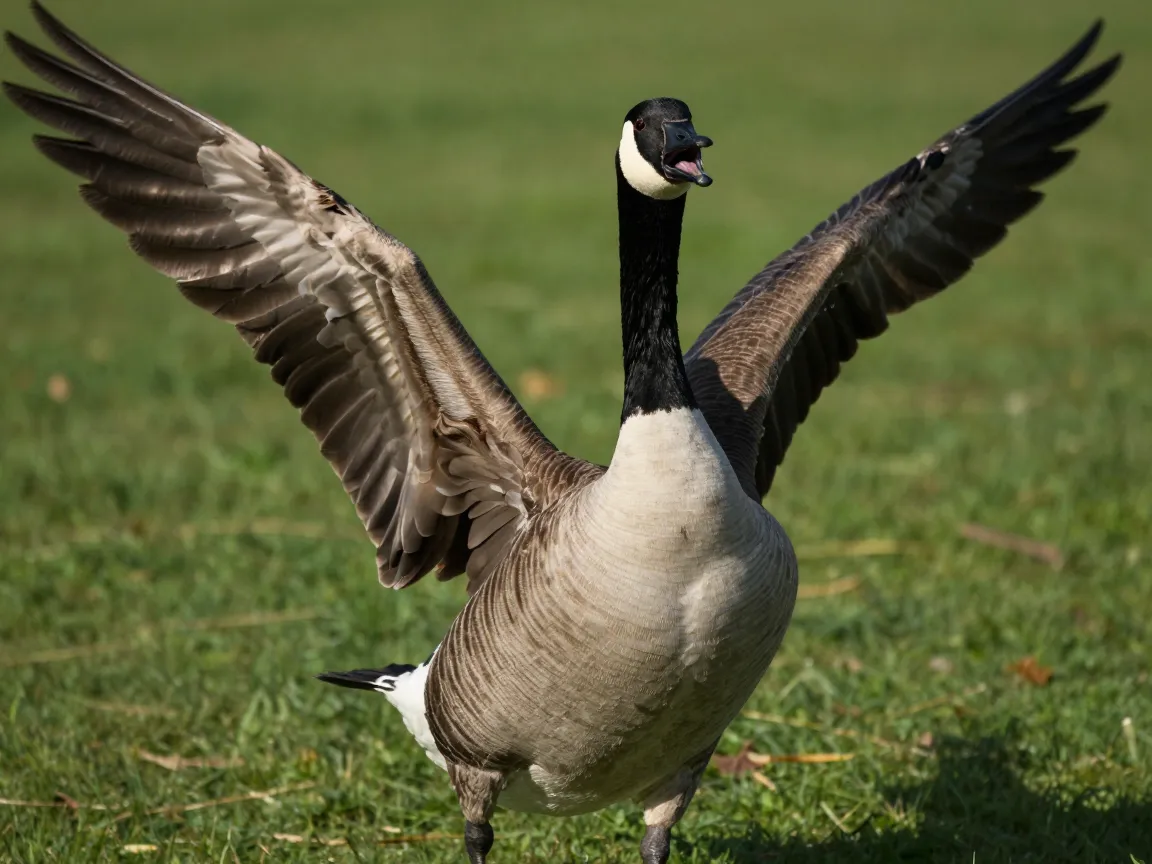
Geese rarely do anything quietly, and photographers know it. A goose caught mid-honk, wings half-raised, neck stretched, beak wide open, looks exactly like an animated character shouting a punchline. Wallpapers.com’s funny animal picture collection even features a cartoon goose holding a bat with a joke about “honking and getting bonked,” a format that plays directly on this same visual energy.
The reason this image type reads as cartoonish is motion exaggeration. A goose in mid-honk captures a split-second pose that would normally pass by in a blur, but a camera freezes it into something that looks deliberately drawn for comedic effect. The combination of aggressive posture and a seemingly comedic “soundtrack” built into the image is a near-perfect match for classic animated slapstick.
3. The Cat Frozen Mid-Jump Like a Pause Button Was Hit
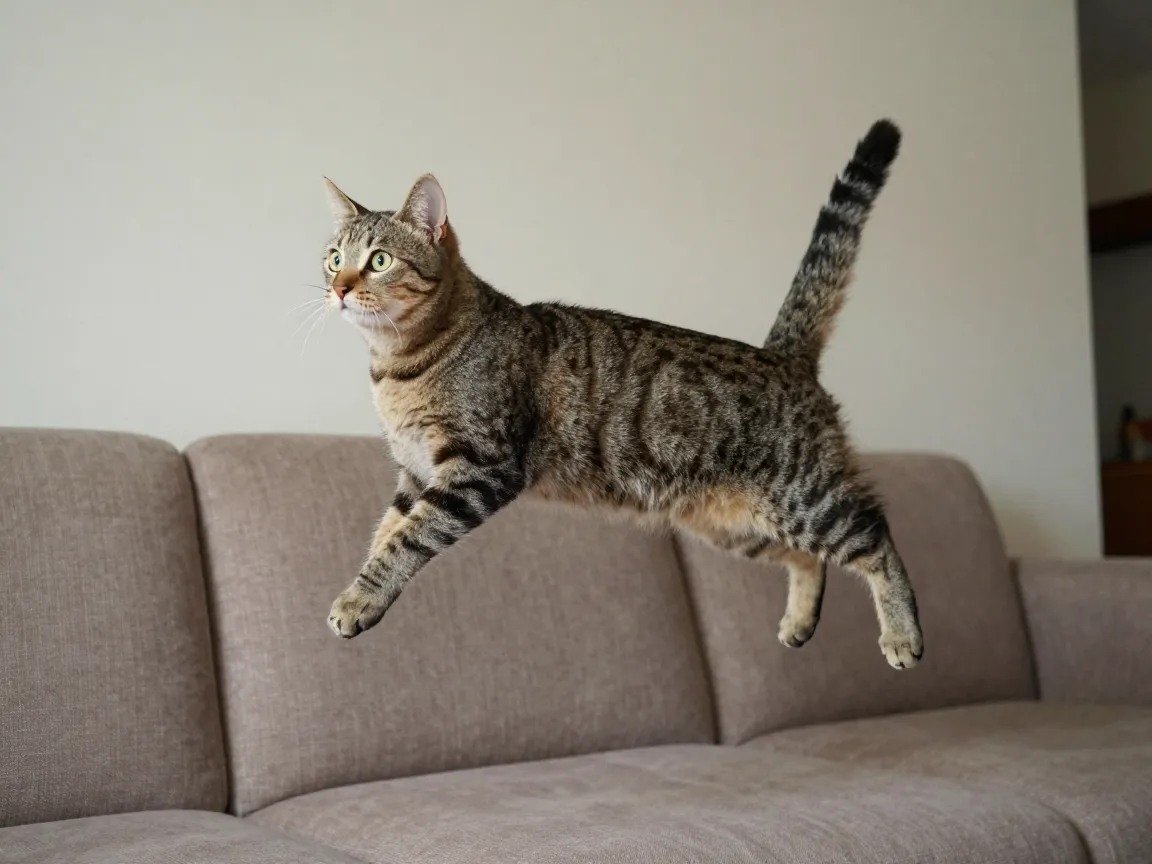
Few animals generate cartoon-style photos as reliably as cats attempting a jump and immediately regretting it. The moment a cat misjudges a leap, legs splayed, tail stiff, eyes wide, it looks like someone hit pause on an animated gif. This single expression type shows up constantly across cute-animal collections; iStock’s “Cute Animals” library alone holds more than 6 million images and photos, many of them built around this exact kind of mid-action, exaggerated cat pose.
The appeal comes from contrast. Cats are normally associated with grace and control, so a failed jump photo breaks that expectation instantly. The surprise, combined with the stretched-out “squash and stretch” body shape, mirrors the same comedic timing animators use when a character trips or stumbles on screen.
4. The Dog With Its Head Stuck in Something It Should Not Be In
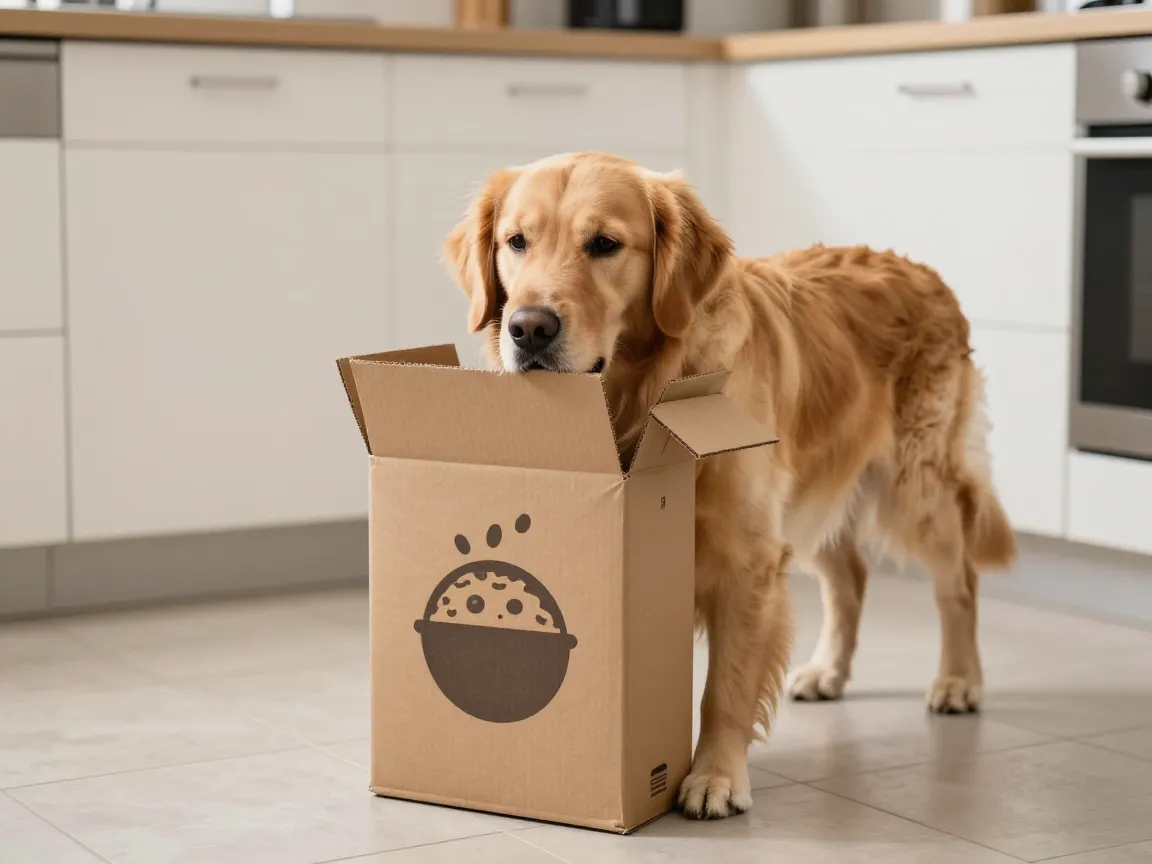
A dog with its snout buried inside a cereal box, a sock drawer, or a grocery bag is one of the most universally shared “cartoon dog” images online. FreeImages’ roughly 20,000-strong cartoon animal clipart collection includes illustrated versions of exactly this kind of scene, proof that artists have been drawing this exact joke long before smartphone cameras made it easy to capture in real life.
This pose works as comedy because it combines innocence with chaos. The dog is not trying to be funny; it is simply curious. But the visual result, a body attached to an object instead of a head, is identical to a classic cartoon gag where a character gets comically stuck. It is accidental slapstick, and it photographs beautifully every time.
5. The Llama or Alpaca With the Permanently Startled Face
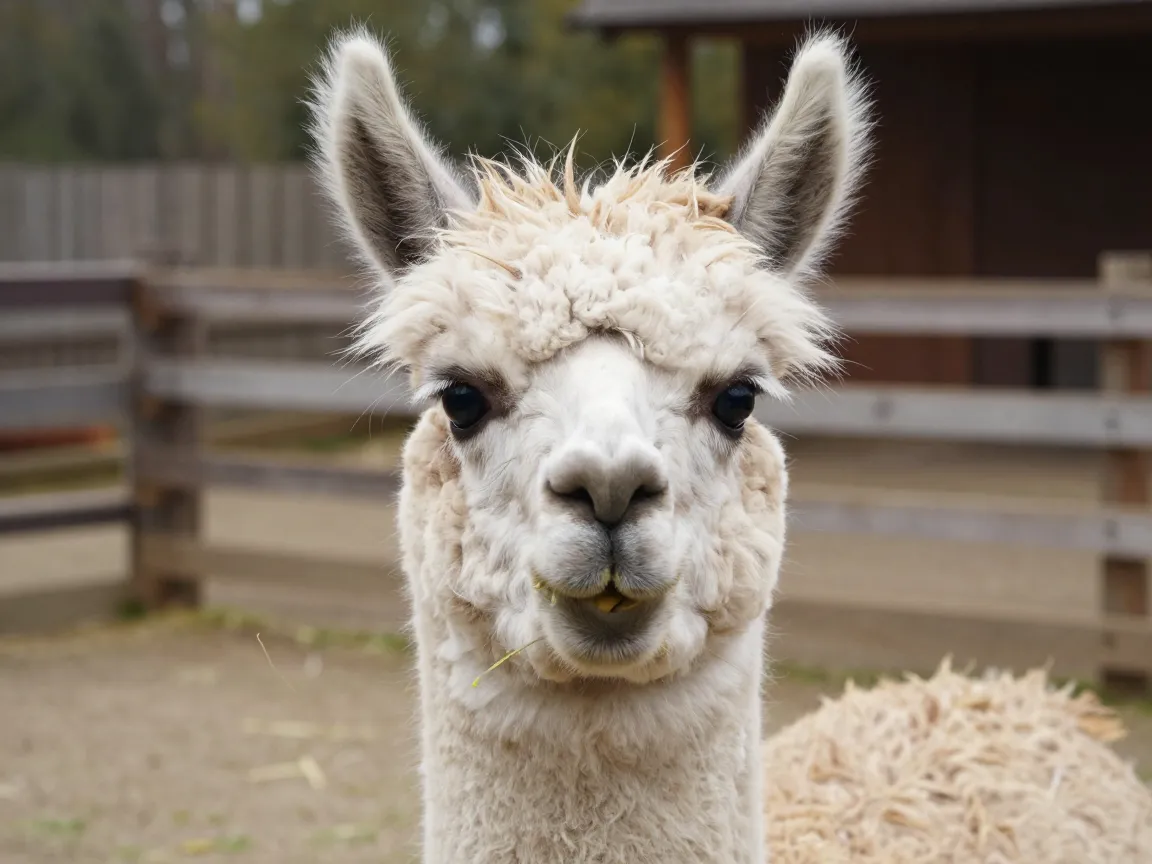
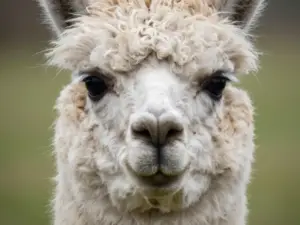
Llamas and alpacas have a built-in advantage: their facial structure naturally resembles a permanent expression of surprise. Wide-set eyes, a long nose, and a mouth that always looks slightly open combine to create a face that reads as “shocked” even during the calmest moment. iStock’s Kawaii Animals collection, with roughly 250,830 images, leans heavily into this same stylized cuteness, often featuring animals with oversized eyes and startled expressions designed to mimic exactly this natural look.
A llama photographed mid-chew, ears forward, looks like it just witnessed something scandalous. That is the entire joke. No caption needed. The animal’s resting face does the comedic work on its own, which is exactly why illustrators use the same proportions when designing cartoon versions of this species.
6. The Owl Tilting Its Head Almost Upside Down
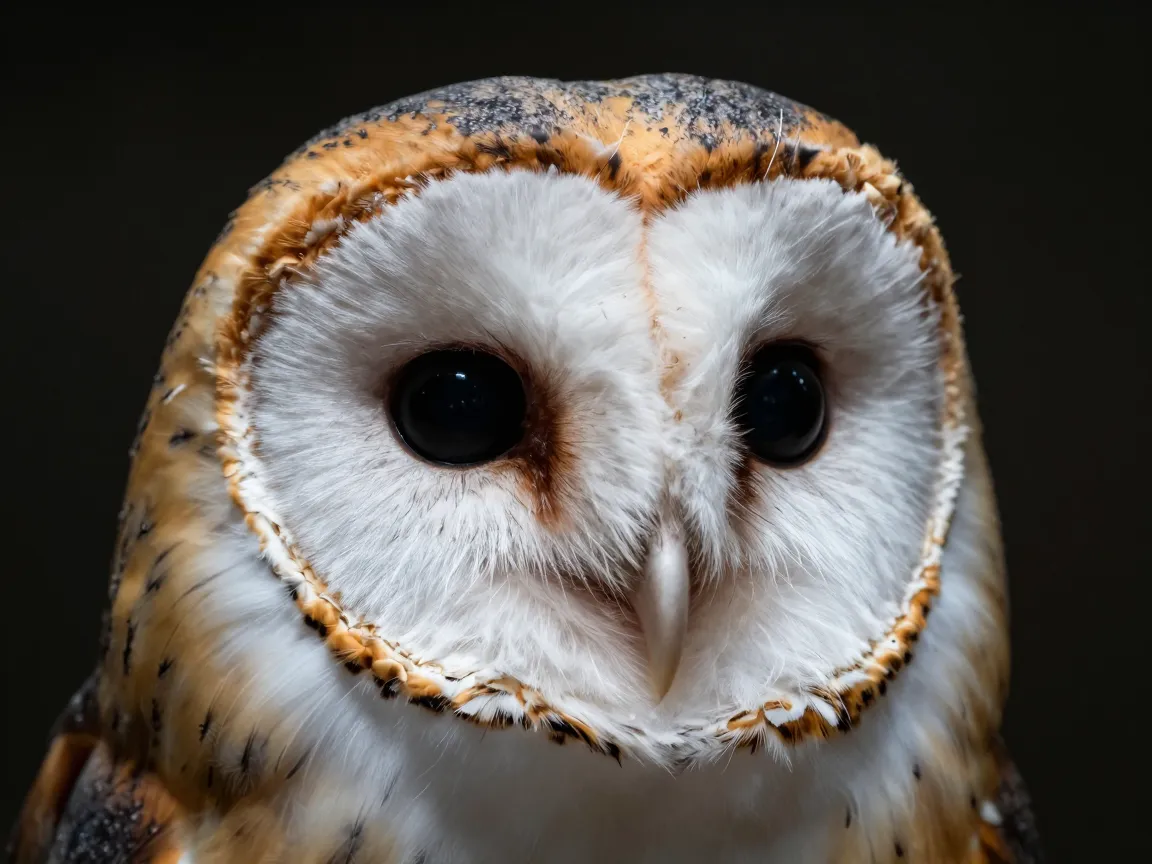
Owls can rotate their heads up to 270 degrees, and when photographed mid-turn, the result looks almost unnervingly cartoonish. A head tilted nearly sideways, paired with wide, forward-facing eyes, creates an image that looks physically impossible even though it is completely natural owl anatomy.
This pose shows up across both illustrated and photographic animal collections because it hits every cartoon design cue at once: oversized eyes, a round head shape, and a pose that defies normal expectations of movement. It is the kind of image that makes viewers do a double take, which is precisely why it keeps reappearing across humor sites and stock libraries alike.
Quick Comparison of the Six Cartoon-Style Animal Moments
| Animal Moment | Core Visual Trigger | Why It Reads as Cartoonish |
|---|---|---|
| Capybara lounging | Total stillness | Deadpan expression with zero urgency |
| Goose mid-honk | Exaggerated motion | Frozen dramatic pose plus implied sound |
| Cat mid-jump fail | Broken expectation | Graceful animal caught off balance |
| Dog head stuck in object | Innocent chaos | Body replaced by an everyday object |
| Llama startled face | Resting facial structure | Permanent look of surprise |
| Owl head tilt | Physical extremity | Pose that looks anatomically impossible |
Where This Cartoon-Animal Trend Comes From
The appetite for these images is not a passing internet fad. It is a measurable, growing market. Shutterstock’s broader “Funny Animals” photo category, covering cats, dogs, bears, and birds in everyday playful scenarios, was updated as recently as October 1, 2026, showing that demand for this type of content has not slowed down. The dedicated illustration side of that same platform, focused on stylized cartoon depictions of lions, tigers, elephants, crocodiles, giraffes, and flamingos, saw updates continue into mid-2026 as well.
Humor publishers have built entire franchises around this same idea using drawn illustrations instead of photography. Reader’s Digest regularly compiles animal-themed cartoons meant purely to brighten a reader’s day. Bored Panda hosts a 60-cartoon collection from illustrator Jim Benton that turns everyday animal behavior into comic punchlines. Ba-bamail has published comic roundups giving pets human-like conversations and problems. All three approaches rely on the same underlying truth that photo collections have proven at scale: animals already behave like cartoon characters, and audiences respond strongly when that resemblance is highlighted, whether through a camera lens or a cartoonist’s pen.
The scale of the stock-photo side of this market is worth pausing on. Depositphotos’ catalog of more than 18.2 million funny animal cartoon vectors and iStock’s 6 million-plus cute animal images are not niche numbers. They reflect sustained, high-volume demand from marketers, bloggers, greeting card companies, and app designers who all rely on the same core insight: animals that look like cartoons perform better across nearly every platform than animals photographed in a neutral, static pose.
How to Spot and Share Your Own Living-Cartoon Animal Pics
Capturing a genuinely cartoon-worthy animal photo is less about luck and more about recognizing the right moment. A few practical habits make a noticeable difference.
- Watch for extremes, not averages. The funniest photos capture a split second, a mid-jump, a mid-honk, a mid-yawn, rather than a calm resting pose. Burst mode on a smartphone camera is the easiest way to catch these fleeting expressions without missing the moment.
- Shoot at eye level whenever possible. Lowering the camera to match an animal’s face creates the same proportional illusion cartoonists use: a bigger-looking head and eyes relative to the body, which instantly boosts the “cartoon character” effect.
- Prioritize contrast between expectation and reality. A graceful cat failing a jump, a calm dog suddenly startled, or a normally quiet animal caught mid-shout all work because they break a pattern the viewer expects.
- Pay attention to background simplicity. Many viral cartoon-style animal photos use plain backgrounds, a couch, a lawn, a kitchen floor, because clutter distracts from the exaggerated pose that makes the image funny in the first place.
- Edit sparingly. Oversaturating colors or adding heavy filters can push a photo from charming to artificial. The humor in these images almost always comes from the animal’s natural pose, not from digital enhancement.
Following these habits will not guarantee a viral photo, but it dramatically increases the odds of capturing something that belongs alongside the best entries in this list of 6 Adorably Funny Pics Of Animals That Are Basically Living Cartoons.
Frequently Asked Questions
What makes an animal photo look like a cartoon rather than a normal picture?
Exaggerated proportions, especially large eyes relative to head size, rounded body shapes, and dramatic mid-motion poses, closely mirror the visual design rules animators use. When a real animal naturally displays these traits, the brain processes the image almost the same way it processes a drawn character.
Why are capybaras so often described as living cartoons?
Their rounded bodies, flat facial expressions, and tendency to stay completely relaxed in unusual situations create a strong visual contrast between calmness and chaos, which is one of the core ingredients of cartoon-style humor.
Are these kinds of photos staged or edited?
Most are not. The vast majority of viral cartoon-style animal photos capture a genuine, unposed moment. Editing is typically limited to cropping or minor brightness adjustments rather than digital alteration of the animal’s expression or pose.
Why do stock photo sites carry millions of cartoon-style animal images?
Demand from marketers, publishers, and app designers has grown steadily because these images consistently perform well across social media, advertising, and editorial content. Platforms like Depositphotos and iStock continue expanding their libraries to meet that demand.
What is the easiest animal to photograph in a cartoon-like pose?
Cats and dogs are the easiest for most people, since they are the most commonly available pets and frequently display sudden, exaggerated reactions during everyday play or curiosity-driven moments.
Conclusion
Animals have been doing comedic, exaggerated, perfectly timed things long before cartoonists ever picked up a pencil. The six moments covered in this roundup of 6 Adorably Funny Pics Of Animals That Are Basically Living Cartoons, a lounging capybara, a dramatic honking goose, a cat frozen mid-jump, a dog stuck in a box, a permanently startled llama, and an owl with a near-impossible head tilt, all prove the same point. The line between real animal behavior and cartoon design is thinner than most people realize.
The next step is simple. Keep a camera ready, watch for those split-second extremes, and resist the urge to over-edit what nature already got right. Whether the goal is building a personal photo collection, creating shareable content, or simply enjoying a daily dose of animal humor, these six categories offer a reliable blueprint for spotting the next great living-cartoon moment before it disappears.