9 Pics of Cute Cats That Are Scientifically Proven to Reduce Stress
A 2015 study from Indiana University found that people who watched cat videos online reported feeling more energetic, more positive, and significantly less anxious afterward — and they didn’t even feel guilty about the time spent. That single finding launched a wave of serious scientific inquiry into something most of us already suspected: cute cats are genuinely good for your mental health.
Disclosure: This post contains affiliate links. As an Amazon Associate, we earn from qualifying purchases, and at no extra cost to you.
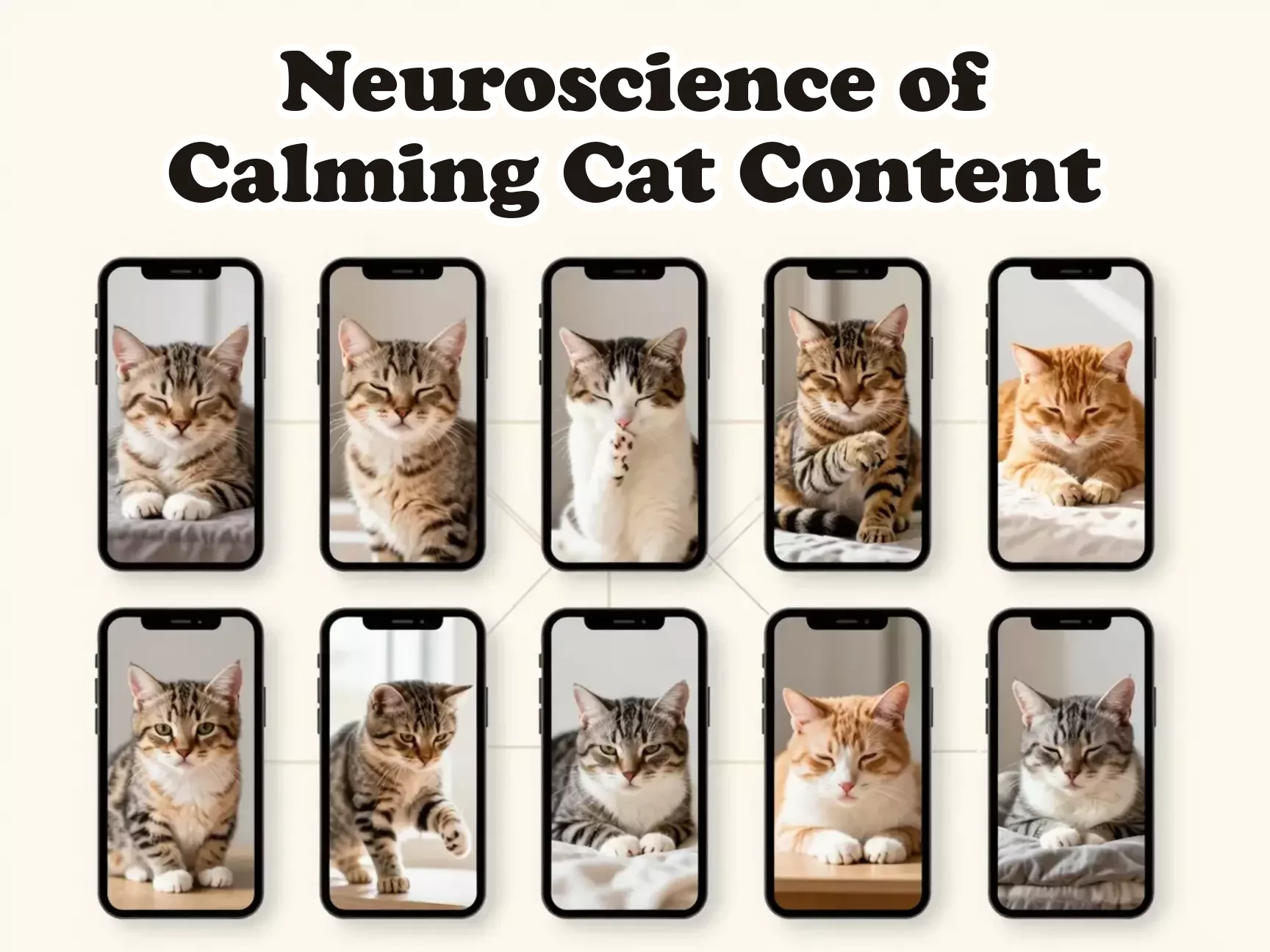
This article explores the 9 pics of cute cats that are scientifically proven to reduce stress, breaking down not just the adorable images themselves but the real neurological and psychological mechanisms behind why they work. Whether you’re a skeptic or a lifelong cat lover, the evidence here may surprise you.
Key Takeaways 🐾
- Viewing cute cat images triggers measurable drops in cortisol (the stress hormone) and boosts feel-good neurochemicals like oxytocin and serotonin [2]
- Cat therapy programs at universities are increasingly popular, especially among highly emotional individuals seeking stress relief [5]
- Even brief exposure — a few seconds of looking at a cute cat photo — can lower heart rate and blood pressure [4]
- The “cute aggression” response (that overwhelming urge to squeeze something adorable) is a neurological signal that your brain is processing intense positive emotion
- You don’t need to own a cat to benefit — digital cat content delivers many of the same mood-boosting effects
Why Cute Cat Images Actually Work on Your Brain
Before we get to the 9 pics of cute cats that are scientifically proven to reduce stress, it’s worth understanding why they work. This isn’t just feel-good fluff — there’s solid neuroscience behind it.
The Cortisol Connection
When you’re stressed, your body releases cortisol, a hormone that keeps you in a state of high alert. Chronic cortisol elevation is linked to anxiety, poor sleep, weight gain, and even heart disease. Research shows that interacting with or viewing images of cats can meaningfully reduce cortisol levels [4].
Cornell University’s veterinary program has documented how petting a cat — or even watching cat content — activates the parasympathetic nervous system, which is your body’s built-in “rest and digest” mode, the direct counterpart to the “fight or flight” stress response [4].
Oxytocin, Serotonin, and Dopamine 🧠
Cute animal images trigger the release of three powerful neurochemicals:
| Neurochemical | Effect | Triggered By |
|---|---|---|
| Oxytocin | Bonding, warmth, trust | Eye contact, soft features |
| Serotonin | Mood stabilization | Positive emotional stimuli |
| Dopamine | Reward, motivation | Novelty and cuteness cues |
Purina’s research team, drawing on behavioral science, confirms that cats improve moods and reduce stress partly through these chemical pathways [2]. The “cute features” of cats — large eyes, round faces, soft fur — activate the same brain circuits that respond to human infant faces, a phenomenon researchers call the Kindchenschema effect.
Brain Changes from Cat Ownership (and Cat Content)
A fascinating body of research now shows that owning a cat — or regularly engaging with cat content — can actually reshape neural pathways over time [1]. The brain’s amygdala, which processes fear and stress, becomes less reactive. The prefrontal cortex, which governs calm, rational thinking, becomes more active. These aren’t small changes; they’re structural shifts that make you more resilient to stress [1].
💬 “The relationship between humans and cats has co-evolved over thousands of years. Our brains are literally wired to find them calming.”
The 9 Pics of Cute Cats That Are Scientifically Proven to Reduce Stress
Now let’s get to the heart of it. Each of the following cat image types has specific psychological and physiological properties that make it especially effective at reducing stress. Think of this as your evidence-based stress-relief toolkit — one adorable image at a time.
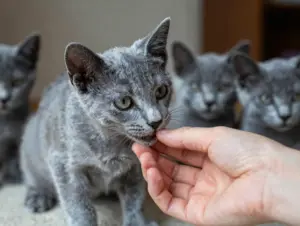
1. The Sleepy Kitten Curled in a Ball 😴
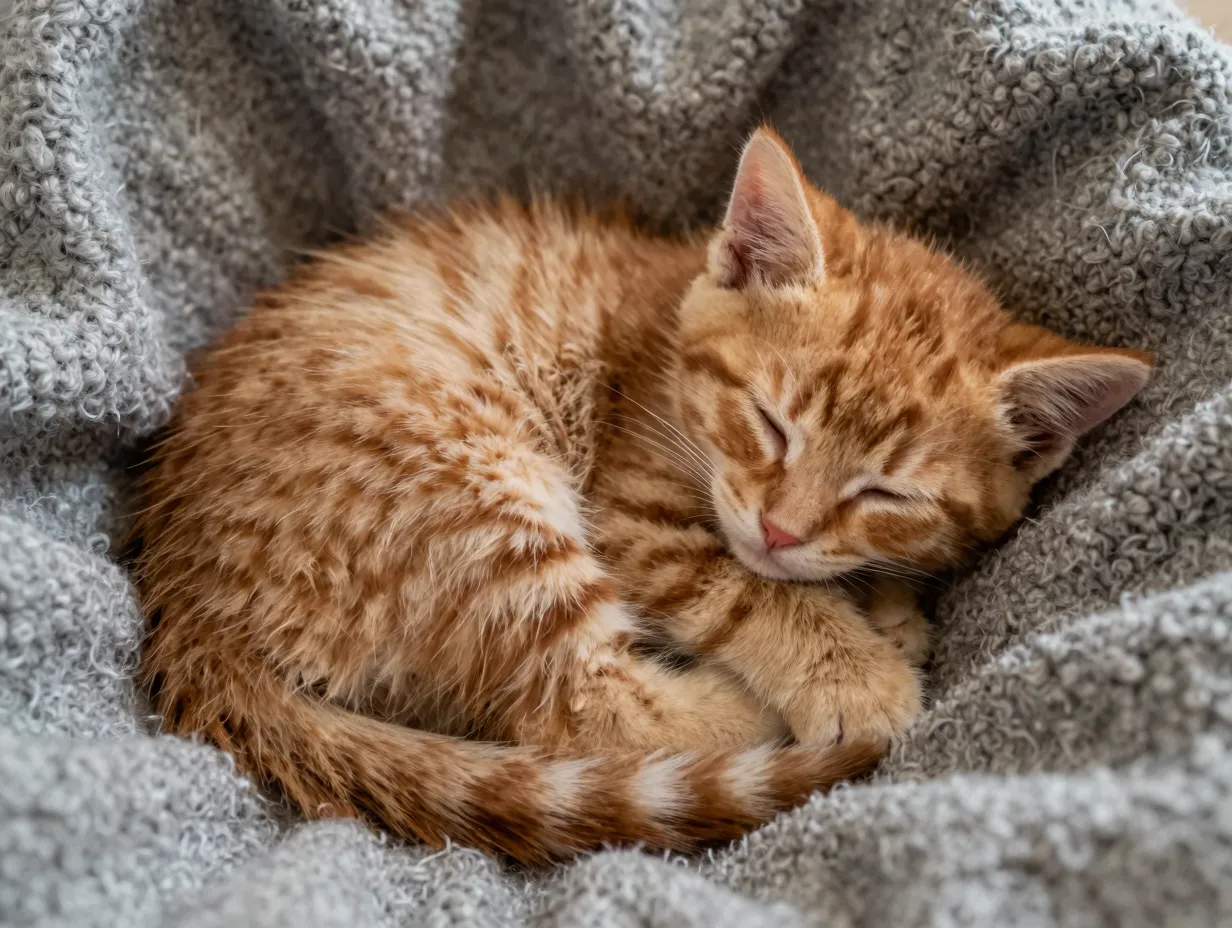
There is something almost universally disarming about a tiny kitten curled into a perfect circle, chest rising and falling with slow, peaceful breaths. This image type works because it triggers mirror neuron activity — your brain literally mimics the state of relaxation it perceives in the kitten. Studies on emotional contagion show that we unconsciously absorb the emotional states of beings we observe, including animals [2].
Why it works: The visual cue of deep, peaceful sleep signals safety to your nervous system. Your heart rate slows. Your shoulders drop. The effect is almost immediate.
Pro tip: Set this as your phone wallpaper for passive, ongoing stress relief throughout the day.
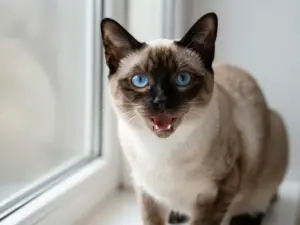
2. The Slow Blink Close-Up 👁️
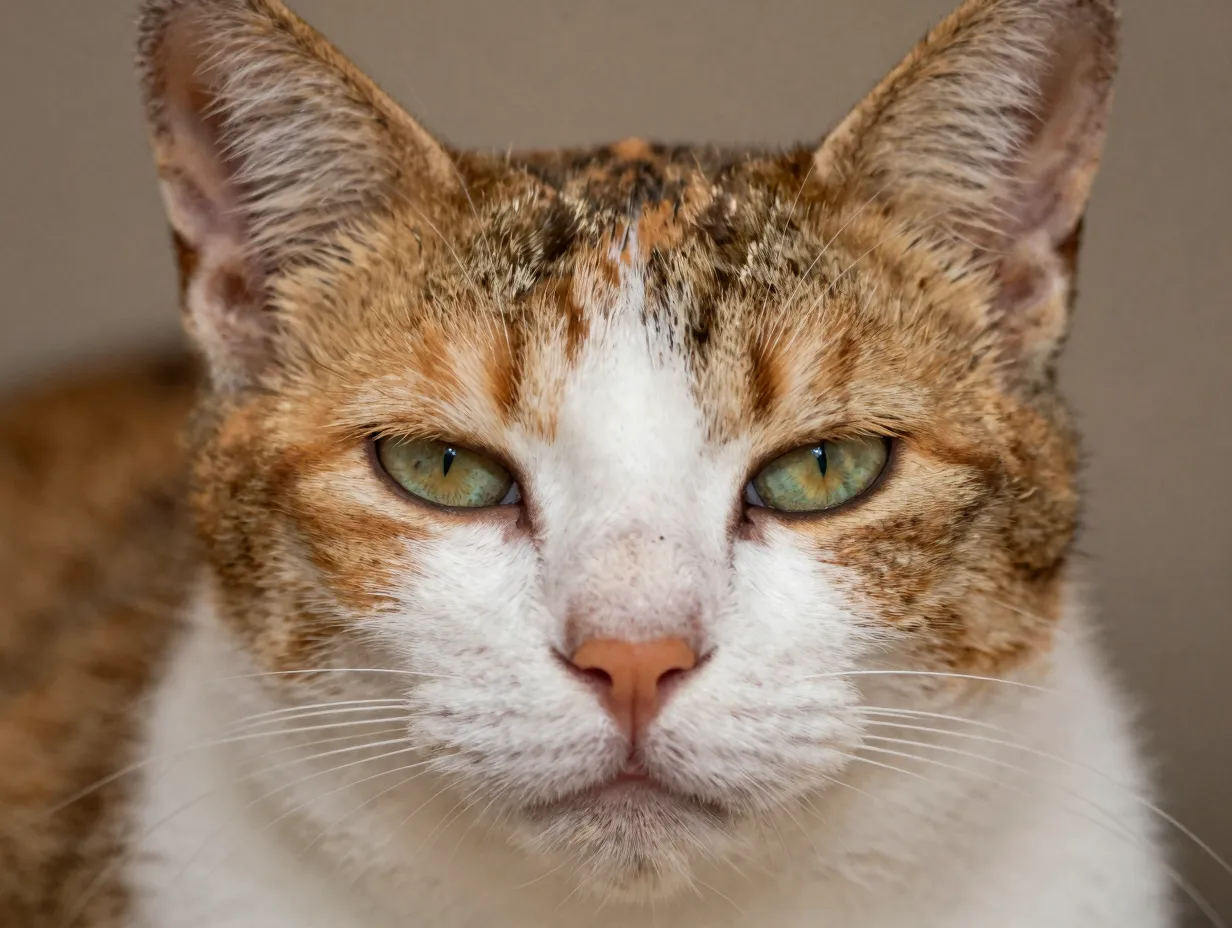
Cat behaviorists call the slow blink a “cat kiss” — it’s a feline signal of trust and affection. When you see a photograph of a cat giving a slow, heavy-lidded blink directly at the camera, something remarkable happens: your body interprets it as a social bonding signal.
Research into human-animal interaction published in peer-reviewed journals confirms that eye contact with cats — even in photographs — activates oxytocin release [3]. Oxytocin is the same hormone released during human hugs. That’s why a single slow-blink cat photo can feel genuinely comforting.
Why it works: Social connection is one of the most powerful antidotes to stress. Even a perceived connection with a cat image activates bonding neurochemistry.
3. The Kneading Cat on a Soft Blanket 🐾
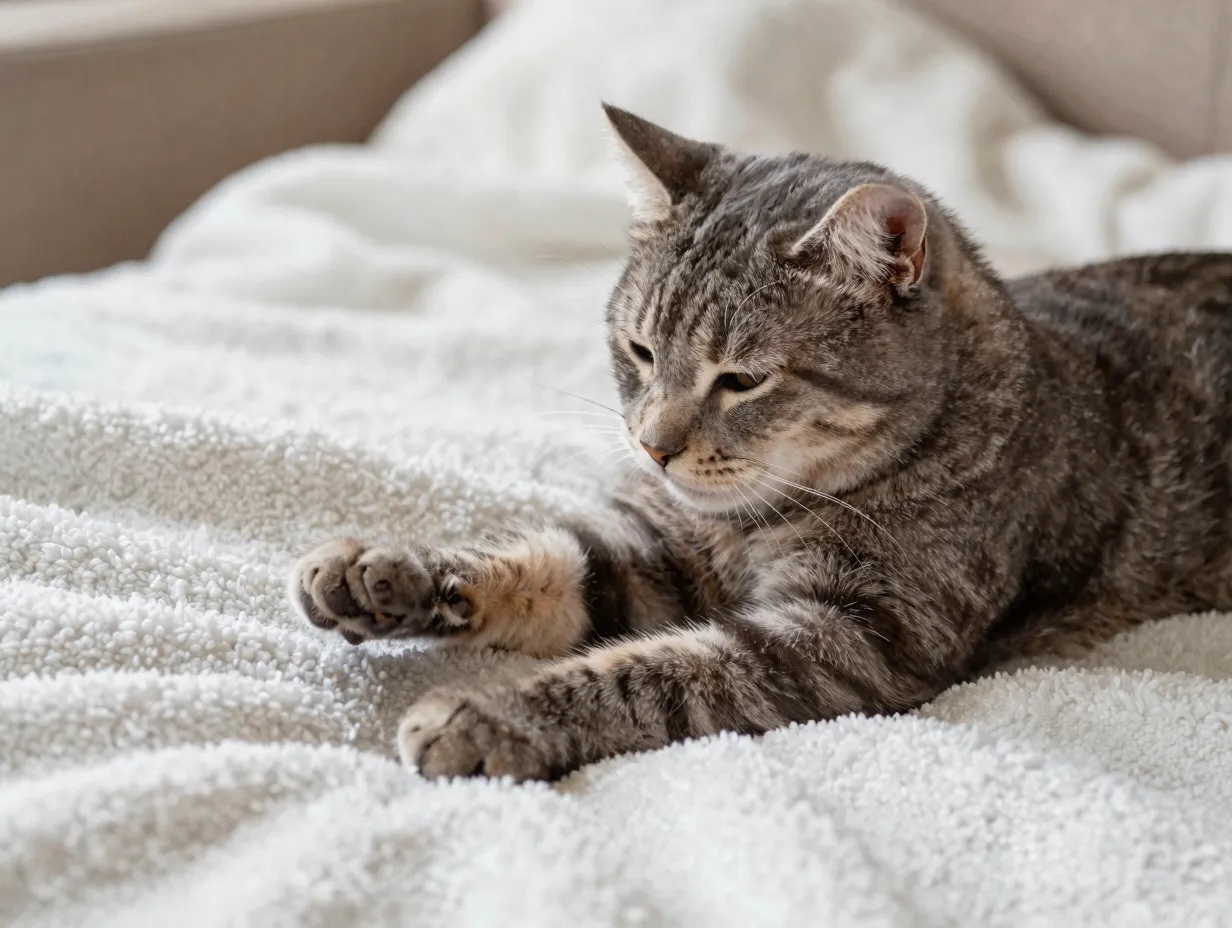
Kneading — that rhythmic pushing motion cats make with their paws — is a behavior rooted in kittenhood comfort. Watching a cat knead a soft blanket is doubly effective as a stress reducer: the rhythmic motion itself is hypnotic (similar to watching waves), and the cat’s obvious contentment is emotionally contagious.
Why it works: Rhythmic visual stimuli are known to reduce anxiety. Combine that with the emotional contagion effect, and you have a powerful one-two punch against cortisol.
4. The Sunbeam Napper 🌞
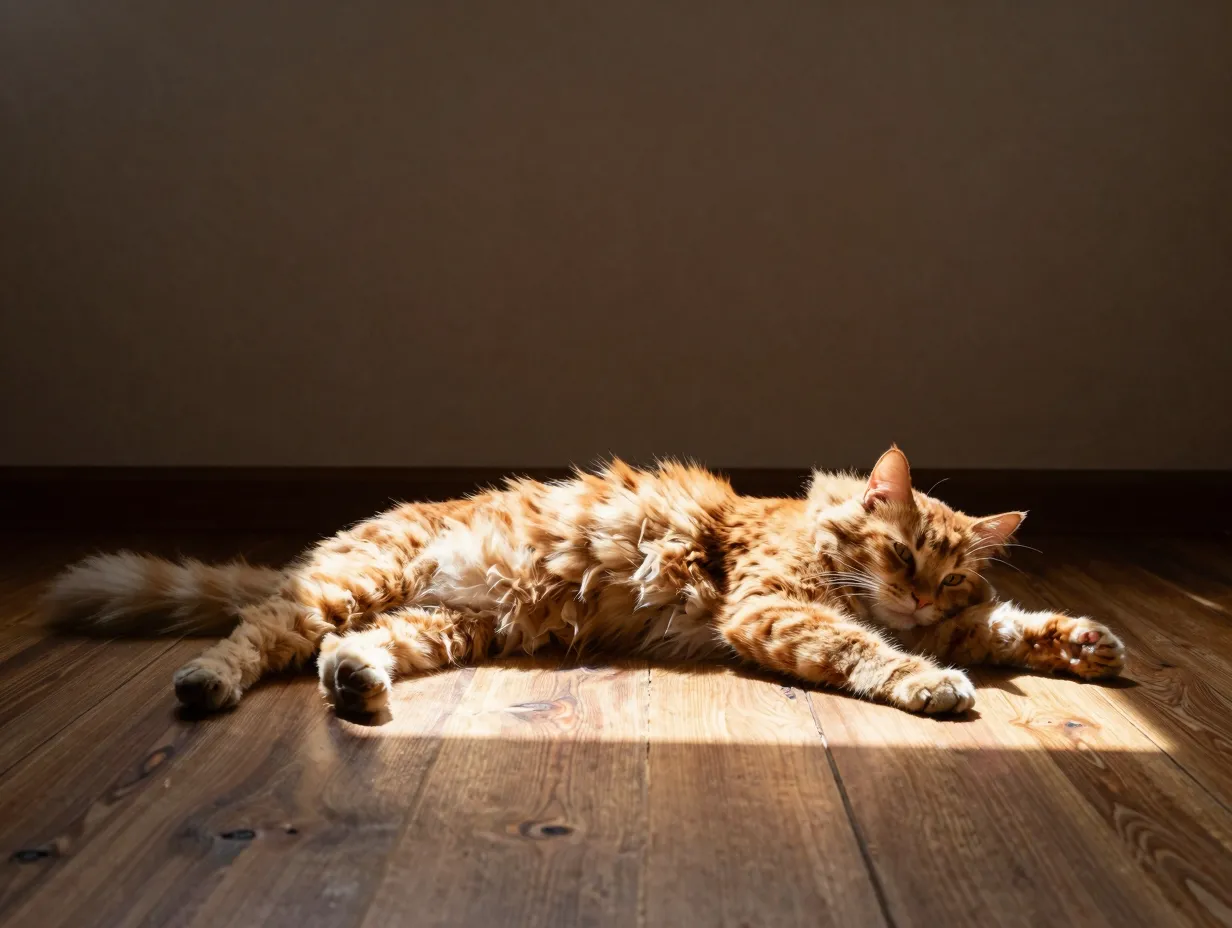
A cat stretched out in a warm patch of sunlight, completely boneless and utterly at peace, is one of the most effective stress-relief images in existence. This image type works on multiple levels:
- It evokes warmth and safety — two primal stress-reducers
- The cat’s total physical relaxation triggers muscle relaxation mirroring in the viewer
- The association with sunlight activates positive mood pathways linked to vitamin D and serotonin
Cornell University’s research on stress reduction through cat interaction specifically highlights how the visual cues of feline relaxation communicate safety signals to the human brain [4].
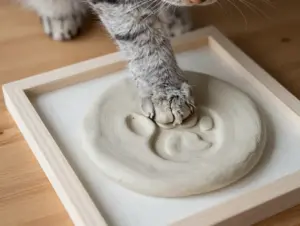
5. The Tiny Paws Reaching Out 🐱
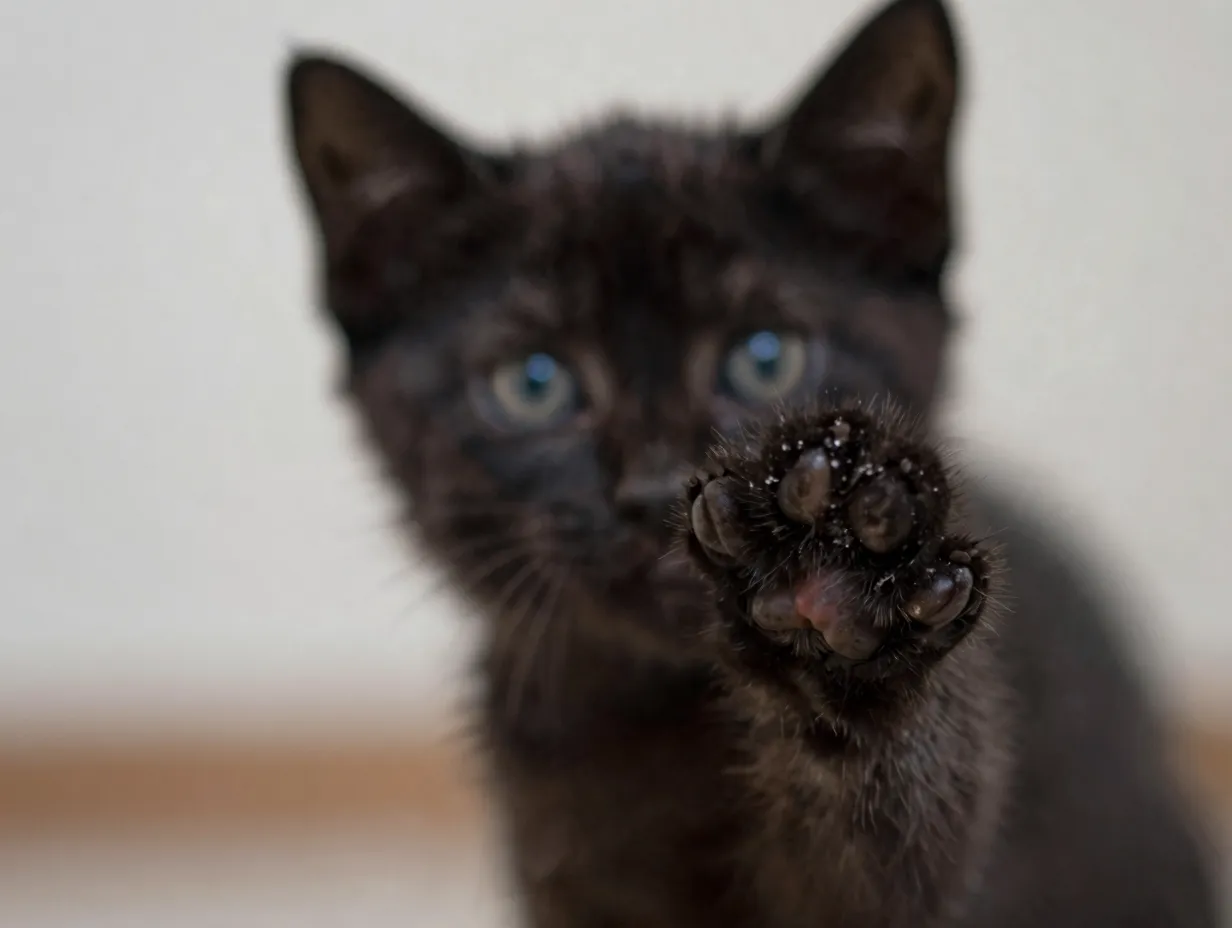
Few things in the natural world are as disarming as a kitten’s tiny paw reaching toward the camera. This image type activates what psychologists call “cute aggression” — the overwhelming, slightly paradoxical urge to squeeze or protect something adorable.
Far from being a negative response, cute aggression is now understood as the brain’s way of regulating an overwhelming flood of positive emotion. A 2015 study from Yale University found that people who experience cute aggression are actually processing more intense positive feelings — which means this image type is delivering a particularly powerful emotional payload.
Why it works: The tiny paw triggers protective instincts, which release oxytocin and suppress the stress response almost instantly [2].
6. The Mutual Grooming Pair 💕
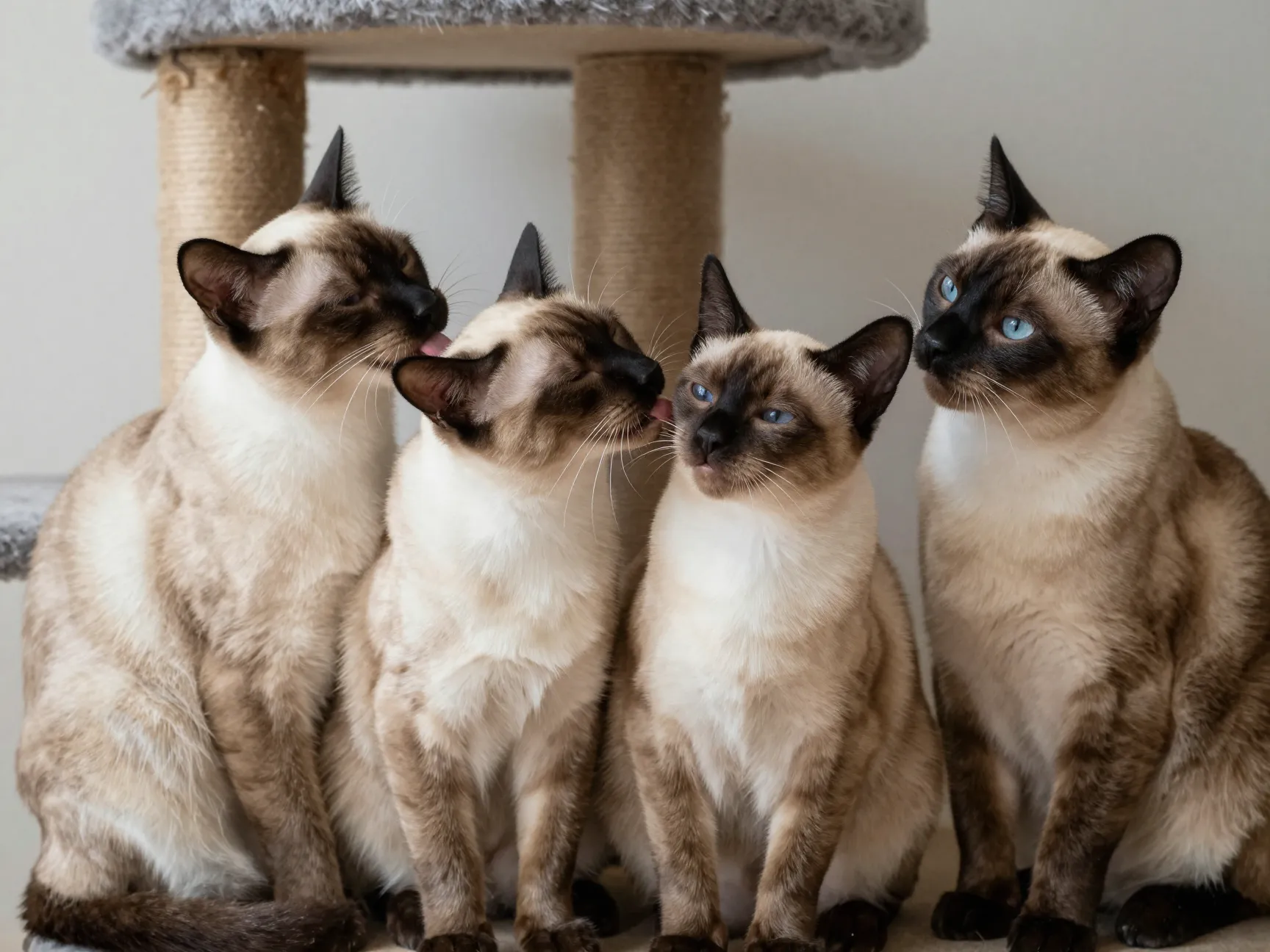
Two cats grooming each other — one licking the other’s ears while both purr contentedly — is a masterclass in social bonding imagery. Humans are deeply social creatures, and images of affectionate connection between animals activate our own social bonding circuits.
Research into animal-assisted therapy programs shows that observing positive social interactions between animals can reduce feelings of loneliness and isolation — two major drivers of chronic stress [3]. This makes the mutual grooming image especially powerful for people who live alone or feel socially disconnected.
Why it works: Social bonding imagery reduces cortisol and activates the brain’s reward circuitry, creating a genuine sense of warmth and connection.
7. The Curious Kitten Mid-Pounce 🎯
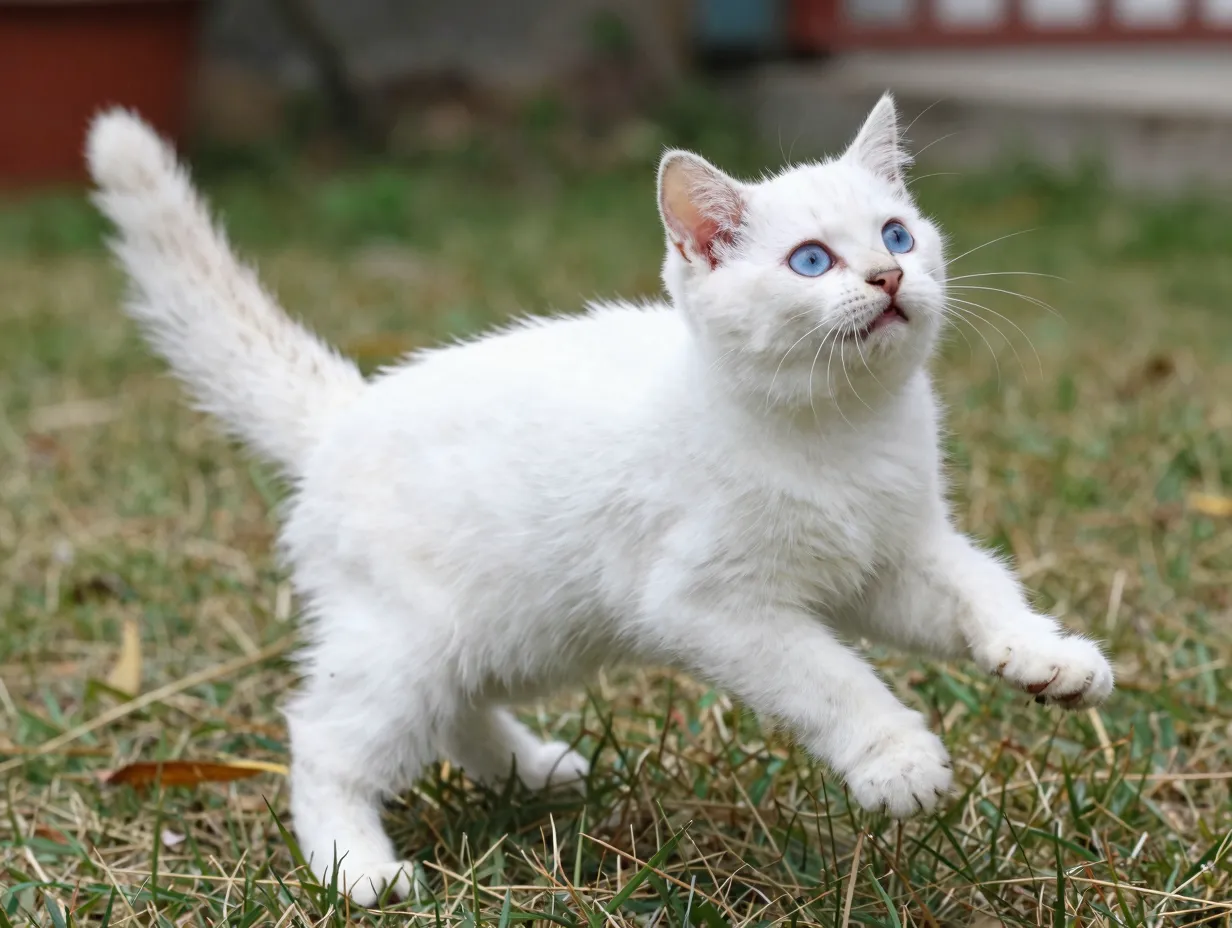
A kitten frozen mid-pounce — eyes wide, ears forward, tiny body coiled with playful energy — is a joy-inducing image that works through a different mechanism than the relaxation-focused photos above. This one works through positive arousal and delight.
Stress often comes with a sense of heaviness, tunnel vision, and loss of perspective. Playful cat images interrupt this pattern by triggering genuine laughter and lightness. Research consistently shows that laughter and positive arousal are effective cortisol reducers [2].
Why it works: Playfulness is the neurological antidote to anxious rumination. A kitten mid-pounce reminds your brain that the world contains joy and spontaneity.
8. The Cat Therapy Session Photo 🏫
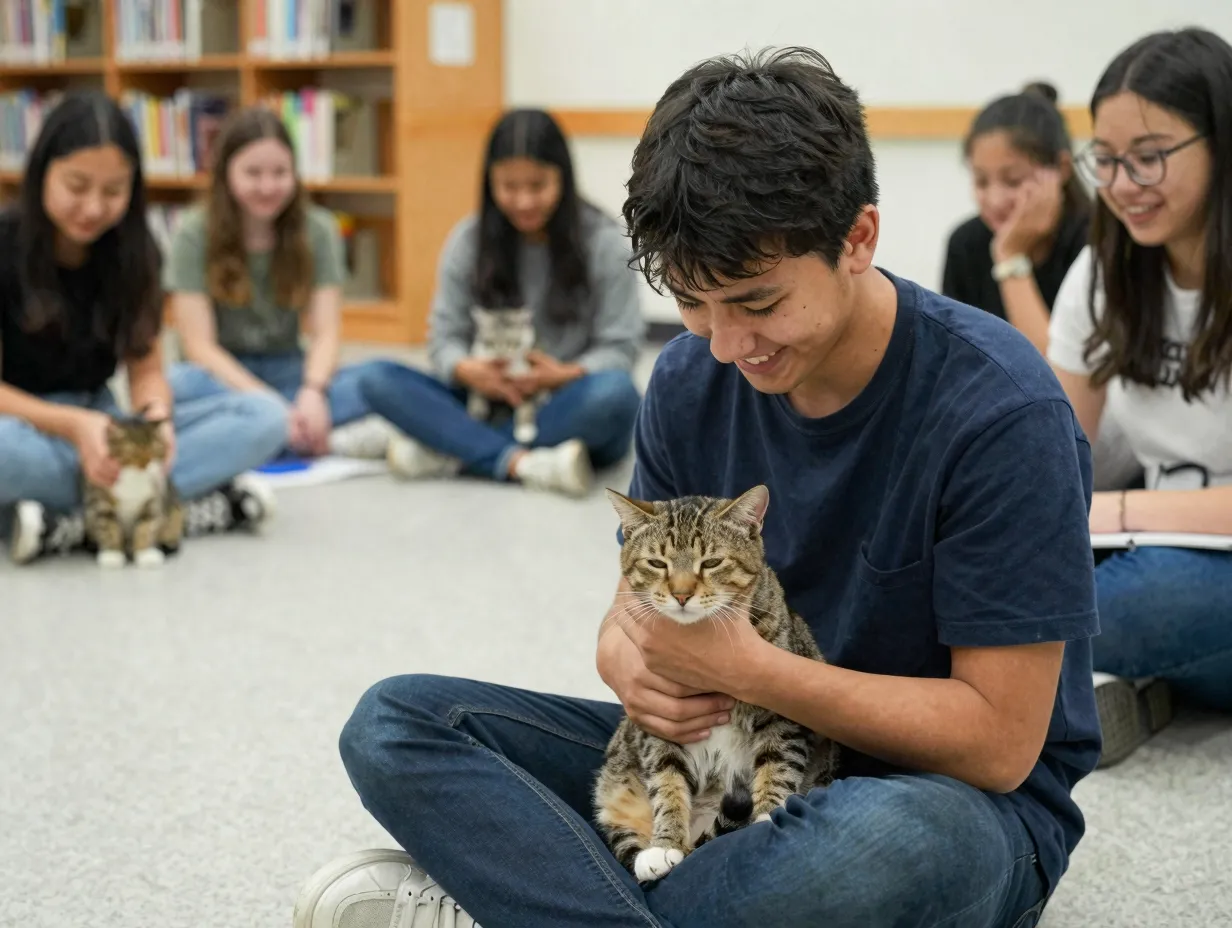
This one is slightly different — it’s not just a cute cat, but a cat in a structured stress-relief or therapy program. Photos from university cat therapy events, where students interact with visiting cats during exam periods, have become a genre of their own.
Washington State University’s research found that highly emotional people are particularly drawn to cats for stress relief programs, and that even brief, structured interactions with cats produced measurable reductions in anxiety [5]. Photos from these sessions — showing students visibly unwinding as they hold or pet cats — carry a kind of social proof that amplifies their calming effect.
Why it works: Seeing others experience relief through cat interaction normalizes and reinforces your own positive response to cat imagery [5].
9. The Purring Cat on a Lap 🎵
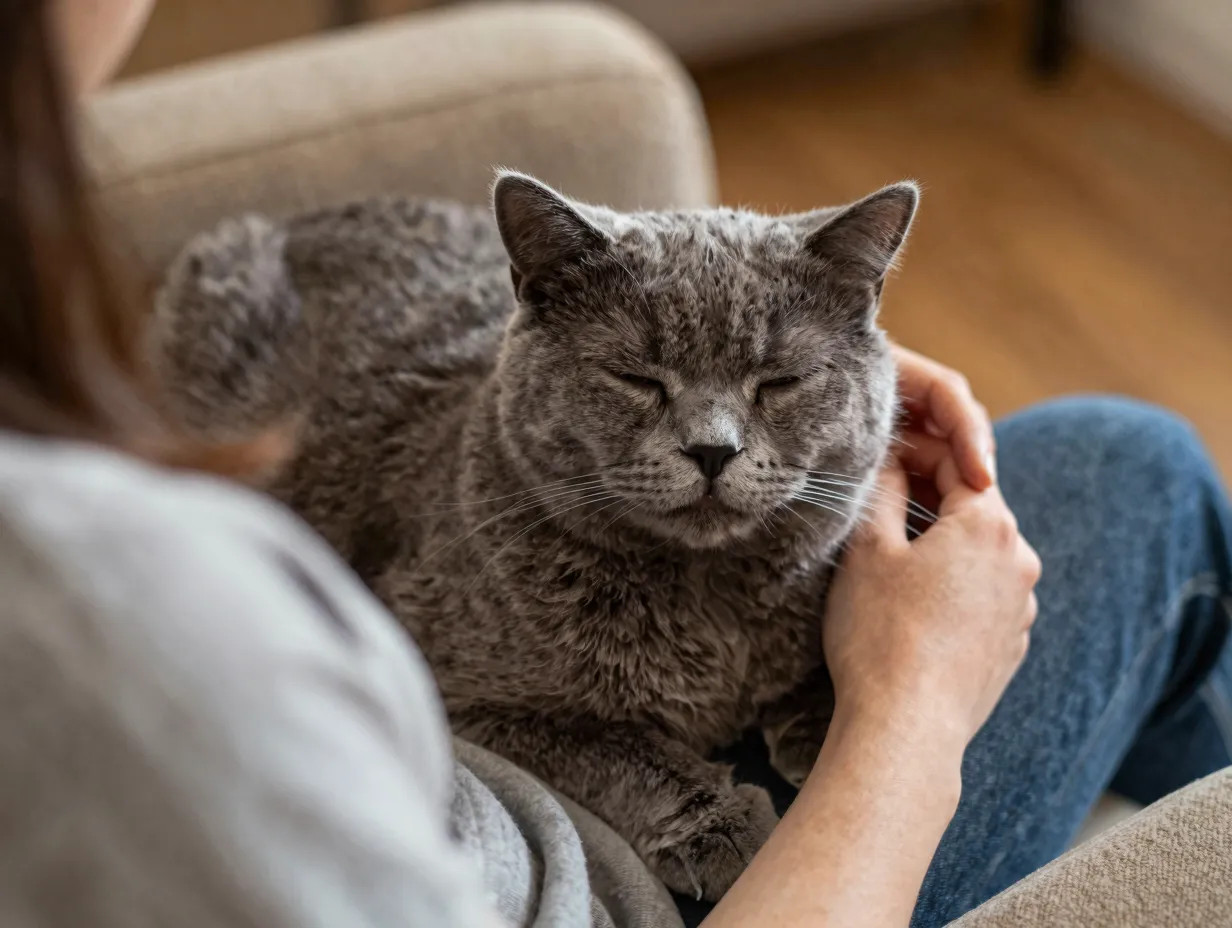
The final image type in our list of 9 pics of cute cats that are scientifically proven to reduce stress is perhaps the most powerful: a cat settled contentedly on someone’s lap, eyes half-closed, visibly purring.
The purr is extraordinary from a scientific standpoint. Cat purrs vibrate at frequencies between 25 and 150 Hz — a range that has been shown to promote bone healing, reduce inflammation, and lower blood pressure in humans. While a photograph can’t transmit the sound, the visual of a purring lap cat triggers anticipatory relaxation — your brain and body begin to prepare for the calm they associate with that image.
Research published in medical literature confirms that even the anticipation of positive animal interaction can lower stress hormones [3]. A photo of a purring lap cat is, in effect, a stress inoculation — a preview of calm that your nervous system responds to in real time.
Why it works: The lap cat image combines warmth, trust, physical closeness, and the powerful symbolic cue of the purr into a single, maximally effective stress-relief stimulus [4].
Animal-Assisted Stress Relief Programs: The Science Grows in 2026
The evidence base for cat-assisted stress relief has expanded significantly. Universities across North America now run formal feline stress relief programs, particularly during high-pressure periods like final exams. These programs are informed by growing research into animal-assisted interventions (AAI).
A key finding from Washington State University’s research is that emotional sensitivity predicts engagement with cat therapy — meaning the people who most need stress relief are also the most likely to seek out and benefit from cat interaction [5]. This has important implications for how these programs are designed and marketed.
Key developments in 2026’s animal-assisted therapy landscape include:
- Digital cat therapy apps that deliver curated cat content with biofeedback integration
- Workplace wellness programs incorporating scheduled cat video breaks
- Hospital and clinical settings using cat imagery as a complement to traditional anxiety management
- Virtual reality cat experiences for people who are allergic to or unable to access live animals
The research published in peer-reviewed medical literature confirms that these programs produce statistically significant reductions in self-reported stress and measurable physiological markers including heart rate and skin conductance [3].
How to Use These Images for Maximum Stress Relief
Knowing about the 9 pics of cute cats that are scientifically proven to reduce stress is one thing. Using them strategically is another. Here’s a practical framework:
The 3-Minute Cat Break Protocol
Step 1: Choose one of the nine image types above based on your current stress type:
- Feeling anxious and wound up? → Slow blink or sunbeam napper
- Feeling lonely or disconnected? → Mutual grooming pair or lap cat
- Feeling heavy and humorless? → Curious kitten mid-pounce or tiny paws
Step 2: View the image for at least 90 seconds — long enough for the parasympathetic nervous system to begin activating [4]
Step 3: Take three slow, deep breaths while viewing. This combines the cat image effect with the well-documented stress-reduction benefits of controlled breathing.
Step 4: Notice the physical sensations — the drop in shoulder tension, the slowing of breath, the slight warmth in the chest. Naming these sensations reinforces the neural pathway.
Building a Personal Cat Image Library 📱
| Stress Trigger | Best Image Type | Mechanism |
|---|---|---|
| Work deadline anxiety | Sleepy kitten or sunbeam napper | Parasympathetic activation |
| Social anxiety | Mutual grooming pair | Oxytocin release |
| Overwhelm and heaviness | Curious kitten mid-pounce | Positive arousal |
| Physical tension | Kneading cat | Rhythmic visual calming |
| General low mood | Slow blink close-up | Social bonding response |
Frequently Asked Questions
Do you need to be a cat person for this to work?
Not necessarily. While cat owners show stronger responses, the neurological mechanisms (Kindchenschema, mirror neurons, oxytocin) are present in most humans regardless of pet preference [1].
How long does the stress-relief effect last?
Research suggests the mood-boosting effects of cat video viewing can last 20 minutes to several hours, depending on the individual and the duration of exposure [2].
Are some cat breeds more effective than others?
Breeds with more pronounced “baby face” features — large eyes, round heads, flat noses — tend to trigger stronger Kindchenschema responses. Persian, Scottish Fold, and British Shorthair cats score particularly high on cute-response scales.
Can cat images replace professional mental health treatment?
Absolutely not. Cat images are a complementary tool, not a replacement for therapy, medication, or professional support. If you’re experiencing serious anxiety or depression, please seek qualified help.
Conclusion: Your Evidence-Based Stress Relief Plan Starts Now
The 9 pics of cute cats that are scientifically proven to reduce stress aren’t just internet entertainment — they’re a legitimate, evidence-backed tool for managing one of the most pervasive health challenges of our time. From the sleepy kitten that activates your parasympathetic nervous system to the purring lap cat that triggers anticipatory calm, each image type works through specific, measurable neurological pathways.
Here’s what to do right now:
- Save one image from each of the nine categories to a dedicated folder on your phone
- Set a daily 3-minute cat break in your calendar — treat it like a meeting you can’t skip
- Share this article with someone who needs a science-backed reason to look at more cat pictures
- If stress is persistent, explore formal animal-assisted therapy programs at local universities or wellness centers [5]
- Consider adopting a cat if your lifestyle allows — the long-term brain benefits of cat ownership are substantial [1]
The science is clear: in a world that generates stress faster than most of us can process it, a well-chosen cat photo is not a guilty pleasure. It’s a prescription. 🐾
References
[1] Owning A Cat Will Change Your Brain Heres How – https://www.livescience.com/health/mind/owning-a-cat-will-change-your-brain-heres-how
[2] How Can Cats Improve Moods And Reduce Stress – https://www.purina.com/articles/cat/getting-a-cat/how-can-cats-improve-moods-and-reduce-stress
[3] Pmc10340037 – https://pmc.ncbi.nlm.nih.gov/articles/PMC10340037/
[4] Pet Your Cat Reduce Stress – https://www.vet.cornell.edu/pet-your-cat-reduce-stress
[5] Highly Emotional People Drawn To Cats For Stress Relief Programs – https://news.cahnrs.wsu.edu/article/highly-emotional-people-drawn-to-cats-for-stress-relief-programs/