8 Essential Facts Every British Fold Cat Owner Should Know
Only 50% of kittens born to a Scottish Fold parent will actually develop the breed’s iconic folded ears — a genetic reality that surprises most new owners and speaks to the complexity behind this beloved breed. Whether you call them Scottish Folds or British Folds (a common term used in the UK for Fold cats bred with British Shorthairs), these cats are far more nuanced than their adorable appearance suggests.
Disclosure: This post contains affiliate links. As an Amazon Associate, we earn from qualifying purchases, and at no extra cost to you.
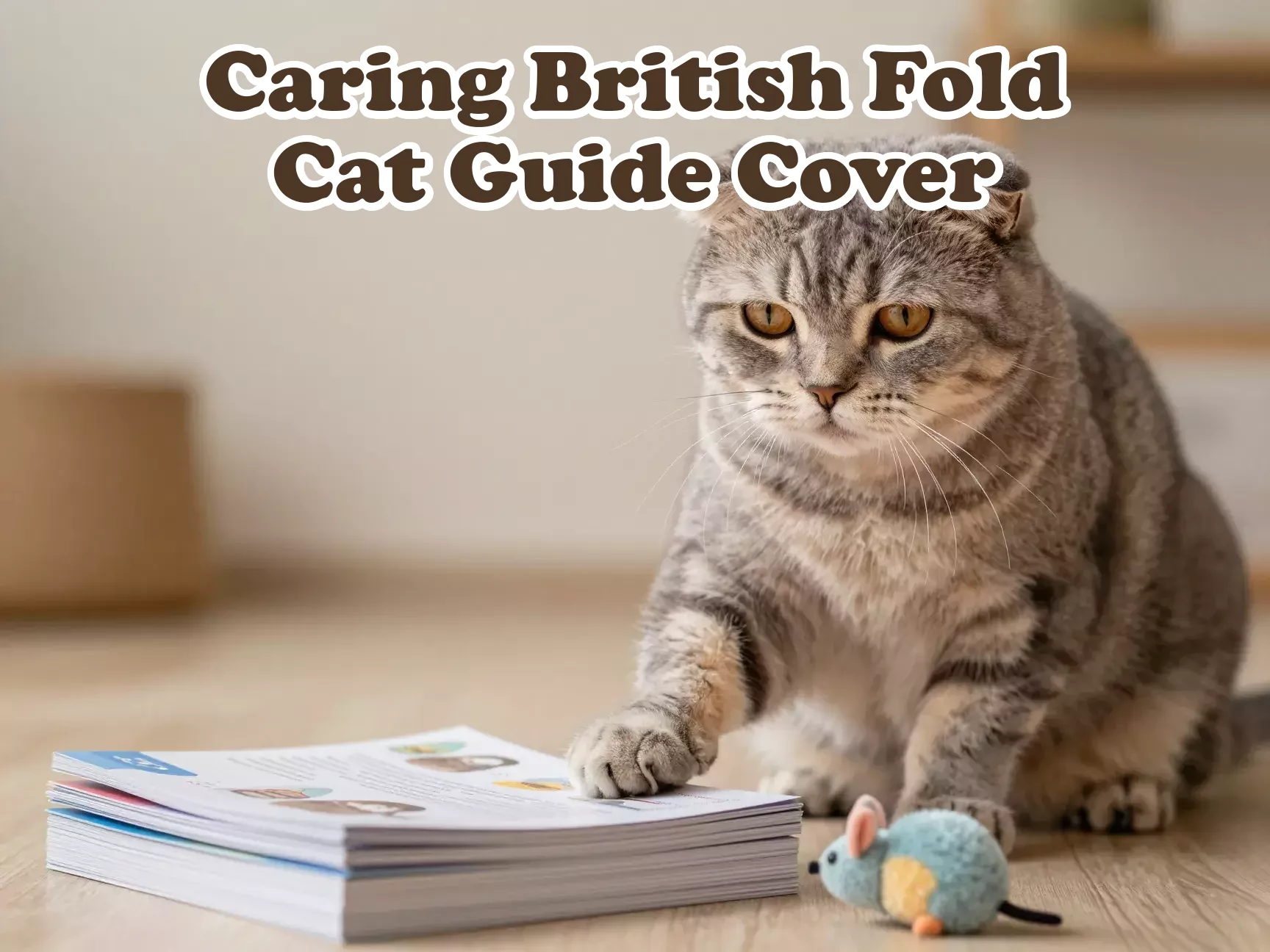
If you’re considering bringing one of these round-faced, owl-eyed cats into your home, understanding the 8 Essential Facts Every British Fold Cat Owner Should Know could make the difference between a thriving, happy pet and a costly, heartbreaking experience. This guide covers everything from genetics and health risks to temperament, grooming, and pricing — all in plain language.
Key Takeaways
- 🐾 British Fold cats are prone to a painful genetic condition called osteochondrodysplasia that requires lifelong veterinary monitoring.
- 🐾 Responsible breeding never pairs two Fold-eared cats together — always a Fold with a straight-eared British or American Shorthair.
- 🐾 Kittens are born with straight ears; the fold develops between 18 and 24 days of age.
- 🐾 UK kitten prices typically range from £700 to £1,500 — suspiciously low prices are a red flag.
- 🐾 Despite their calm, affectionate nature, these cats have limited athleticism and need a home environment designed around their physical limitations.
1. Their Ears Don’t Fold at Birth
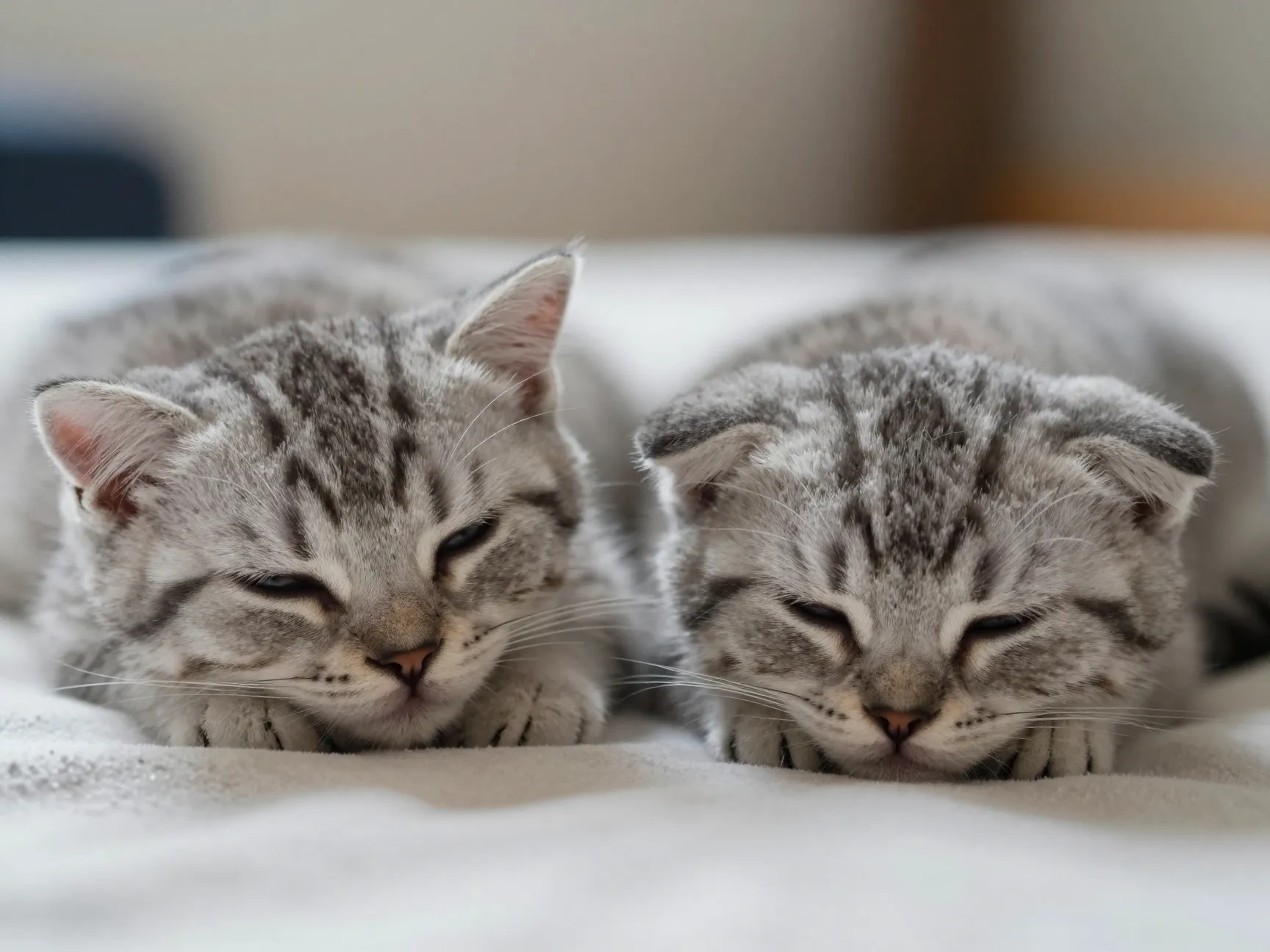
One of the most surprising things I’ve learned about this breed is that no British Fold kitten is born with folded ears. Every single kitten arrives with straight, upright ears — just like any other domestic cat [7].
The characteristic fold begins to develop between 18 and 24 days after birth. At that point, kittens carrying the dominant Fd gene will start to show the ear cartilage softening and folding forward and downward. Kittens that don’t carry the gene will keep their straight ears permanently [7].
“The fold is not a guaranteed feature — it’s a genetic lottery that plays out in the first few weeks of a kitten’s life.”
This matters practically because reputable breeders won’t confirm which kittens have folded ears until they’re at least three to four weeks old. If a breeder claims to know which kittens will have folds before this window, treat that as a warning sign.
What this means for you as an owner:
- Don’t select a kitten based on ear appearance before the four-week mark
- Straight-eared siblings from the same litter are equally healthy and make wonderful pets
- The fold is caused by a single dominant gene — only one copy is needed to produce the trait
2. Two Fold-Eared Parents Should Never Be Bred Together
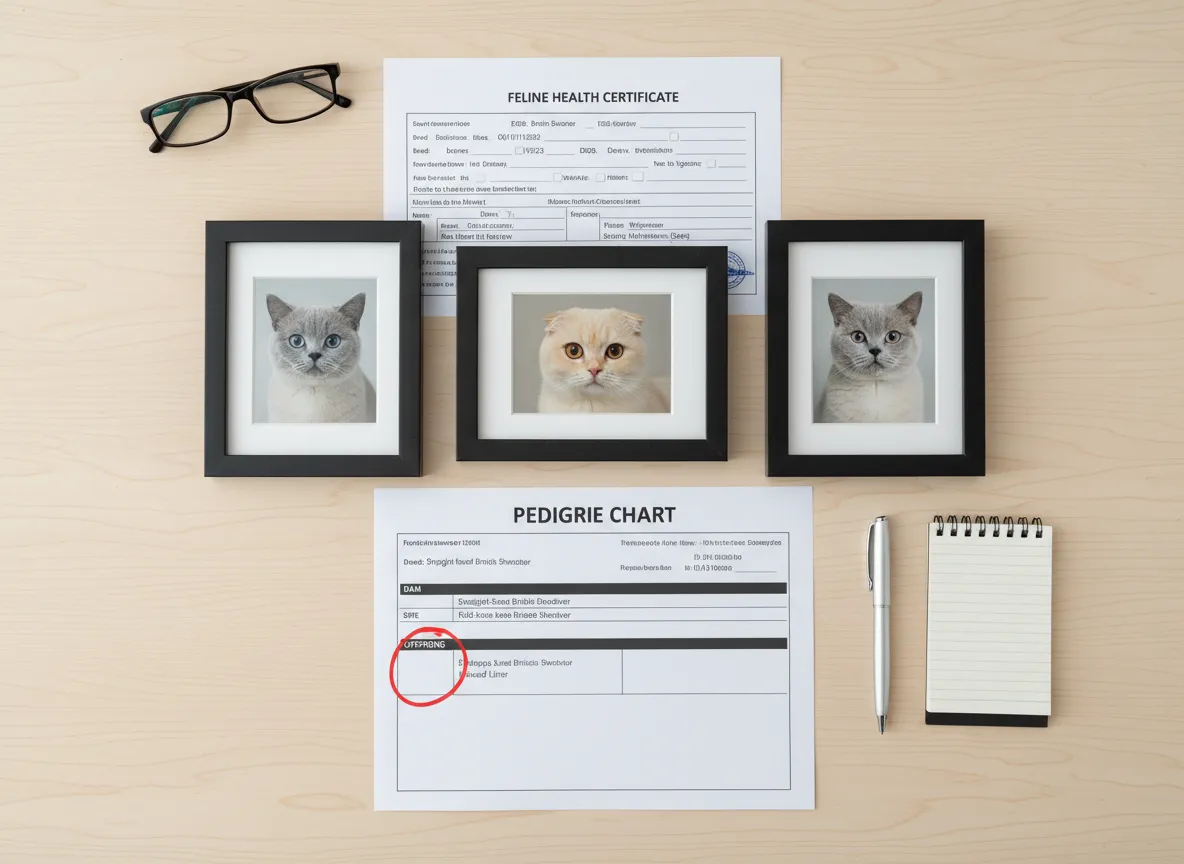
This is arguably the most critical of the 8 Essential Facts Every British Fold Cat Owner Should Know from an ethical standpoint. Breeding two Fold-eared cats together — known as Fold-to-Fold breeding — dramatically increases the risk of severe skeletal abnormalities in the offspring [2].
Responsible breeders always cross a Fold-eared cat with a straight-eared British Shorthair or American Shorthair. This practice reduces — though does not eliminate — the risk of genetic bone disease [2].
| Breeding Pair | Risk Level | Expected Litter Outcome |
|---|---|---|
| Fold × Fold | 🔴 Very High | Up to 100% of kittens may develop severe OCD |
| Fold × Straight-eared Shorthair | 🟡 Moderate | ~50% folded ears, reduced OCD risk |
| Straight × Straight | 🟢 Low | No folded ears, healthiest offspring |
The result of responsible breeding is that roughly only half of any litter will have the folded ears the breed is known for [2]. The straight-eared kittens are just as valuable — they’re often used in future breeding programmes and make equally wonderful pets.
When choosing a breeder, always ask:
- What breed was the other parent?
- Can you see health certificates for both parents?
- Has the breeder had kittens tested for osteochondrodysplasia?
3. Osteochondrodysplasia Is a Serious, Lifelong Health Concern
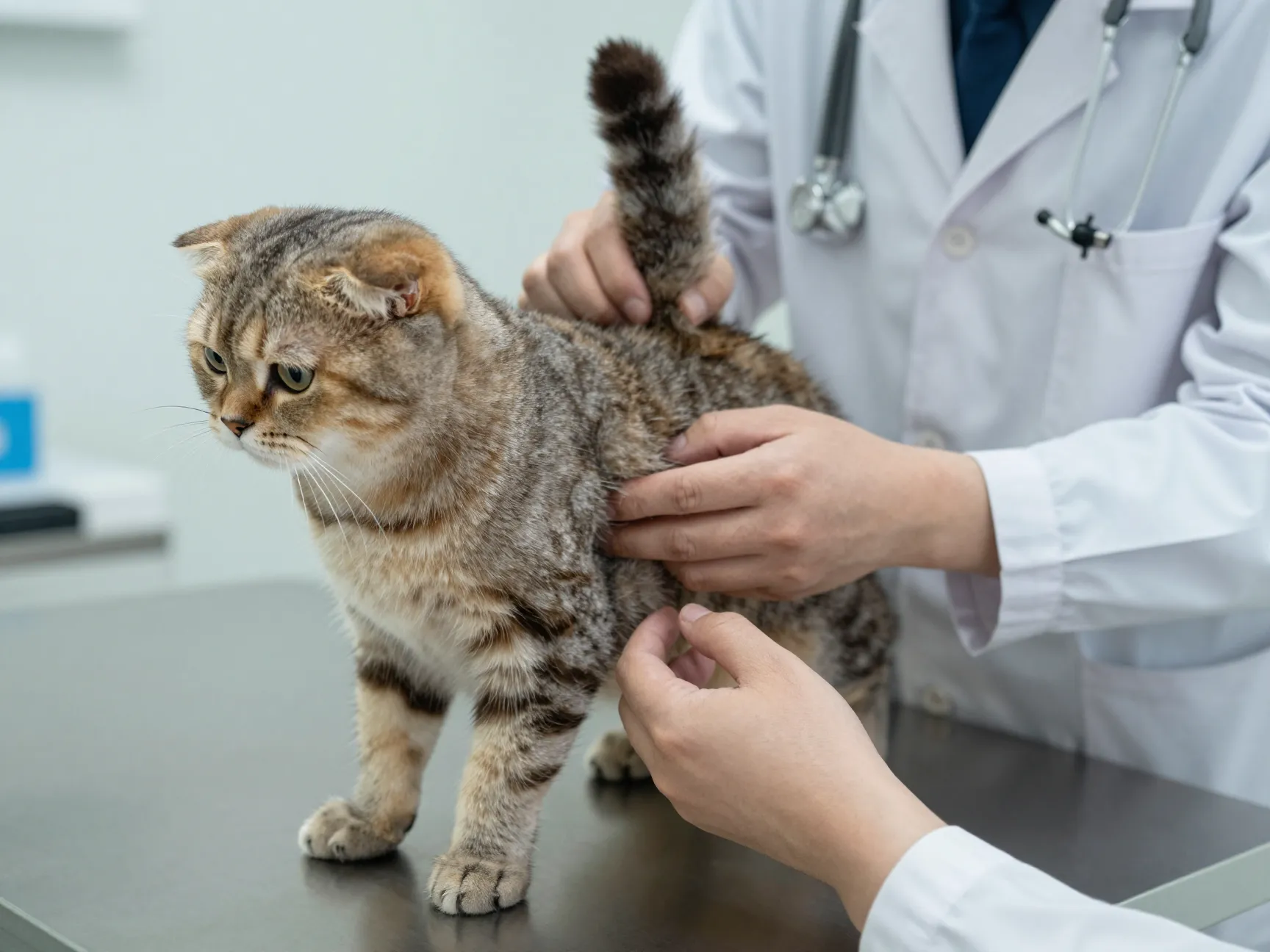
Let’s be direct: British Fold cats carry an inherent genetic health risk that every prospective owner must understand before buying or adopting. The same gene that causes the ear cartilage to fold also affects cartilage and bone development throughout the entire body [4].
This condition is called osteochondrodysplasia (OCD), and it can cause:
- Painful, stiff joints
- Fused vertebrae in the tail and spine
- Arthritis developing as early as middle age
- Lameness and reduced mobility in severe cases [4]
The severity varies widely. Some cats live relatively comfortable lives with mild symptoms managed through veterinary care. Others develop debilitating pain that significantly reduces quality of life [3].
“Every British Fold cat carries the gene — the question is not whether they’re at risk, but how closely that risk is managed.”
Signs to watch for in your cat:
- Reluctance to jump or climb
- Stiffness when rising from rest
- Swollen or tender tail or limbs
- Changes in gait or posture
- Reduced grooming of hard-to-reach areas
Regular veterinary check-ups — at least once or twice a year — are non-negotiable for this breed [3]. Early detection of joint changes can significantly improve outcomes through pain management, physiotherapy, and dietary adjustments.
It’s also worth noting that the GCCF (Governing Council of the Cat Fancy) in the UK does not recognise the Scottish Fold for registration due to these welfare concerns. This is an important consideration for owners who wish to show their cats.
4. They’re Medium-Sized Cats That Are Prone to Obesity
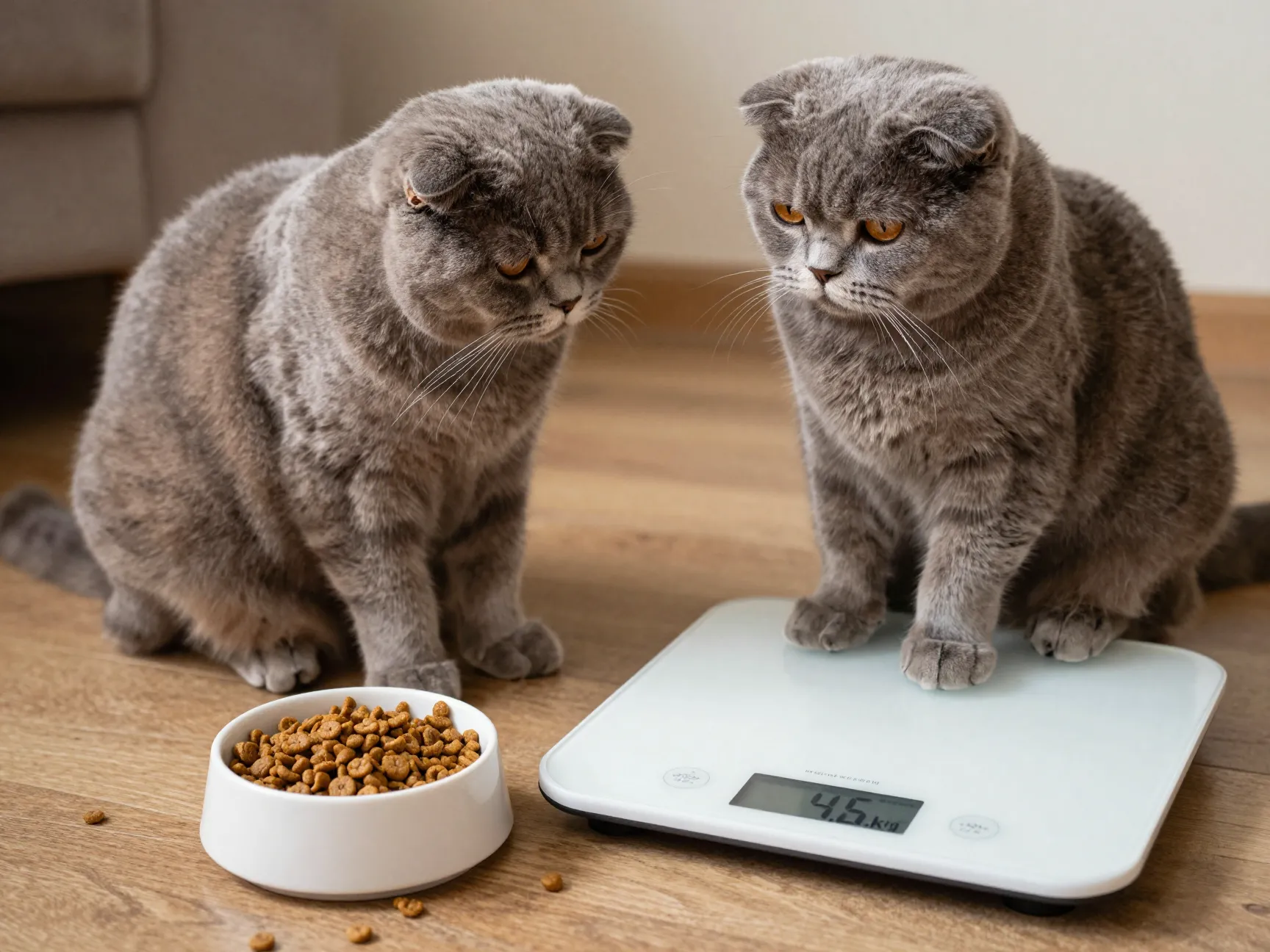
British Fold cats are a medium-sized breed, typically weighing between 8 and 13 pounds (approximately 3.6 to 5.9 kg) when fully grown [1]. They have a compact, rounded build with dense, plush coats that can make them look larger than they are.
Their naturally low-energy temperament means they don’t burn calories the way more active breeds do. Combined with their tendency to spend long hours lounging, this makes weight management a genuine concern [1].
Healthy weight management tips:
- Measure food portions carefully — avoid free-feeding dry kibble
- Choose a high-protein, moderate-fat diet appropriate for indoor cats
- Use puzzle feeders to slow eating and add mental stimulation
- Schedule regular weigh-ins at home or at the vet
- Encourage light play sessions daily, even if brief
Obesity in British Fold cats is particularly problematic because excess weight places additional strain on already vulnerable joints. A cat already predisposed to arthritis through genetics does not need the added burden of carrying extra body weight.
| Weight Range | Status | Action Required |
|---|---|---|
| Under 3.5 kg | Underweight | Vet consultation recommended |
| 3.6–5.9 kg | Healthy range | Maintain current diet |
| 6–7 kg | Overweight | Reduce portions, increase activity |
| Over 7 kg | Obese | Immediate vet intervention |
5. Their Temperament Makes Them Exceptional Family Companions
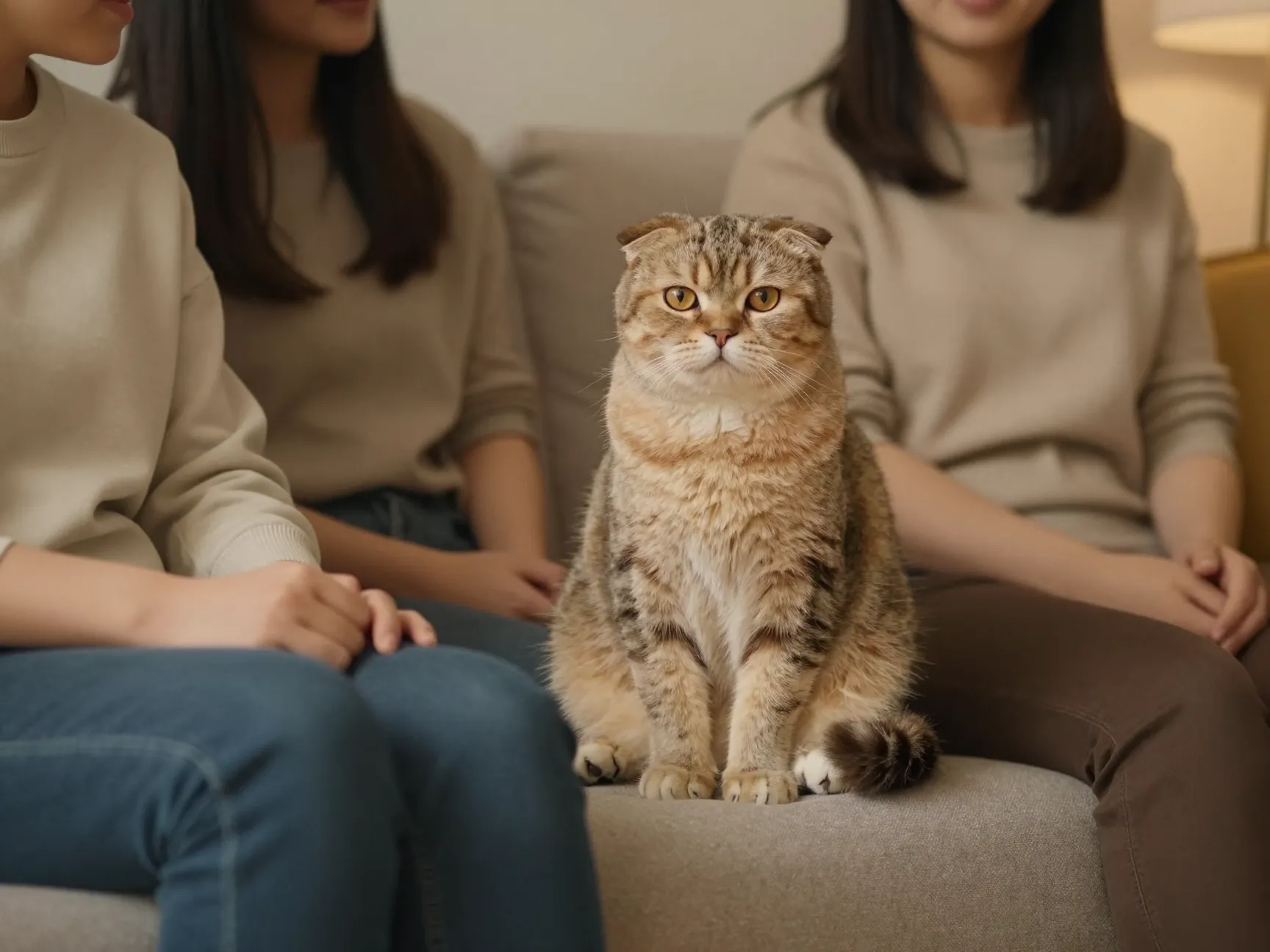
Ask any British Fold owner about their cat’s personality, and you’ll hear the same words repeated: calm, affectionate, gentle, and devoted. These cats form deep bonds with their human families and tend to follow their favourite person from room to room [6].
They’re known for:
- Soft, quiet voices — they rarely yowl or demand attention loudly
- Lap cat tendencies — many will happily sit with you for hours
- Adaptability — they generally adjust well to new environments and routines
- Tolerance — they tend to be patient with children and other pets when properly introduced [6]
One charming quirk many owners notice is the “Buddha sit” — a posture where the cat sits upright with its legs stretched out in front and paws resting on its belly. It’s endearing and has made British Folds internet sensations.
“These cats don’t just tolerate your company — they genuinely seek it out. They’re companions in the truest sense.”
That said, their social nature means they don’t do well with extended periods of isolation. If you work long hours away from home, consider adopting a companion animal or ensuring your cat has plenty of environmental enrichment.
Ideal home environment:
- Indoor living (these cats are not well-suited to outdoor life)
- Calm household with predictable routines
- Plenty of soft resting spots at low heights
- Regular human interaction and gentle play
6. Limited Athleticism Means Your Home Needs Adapting
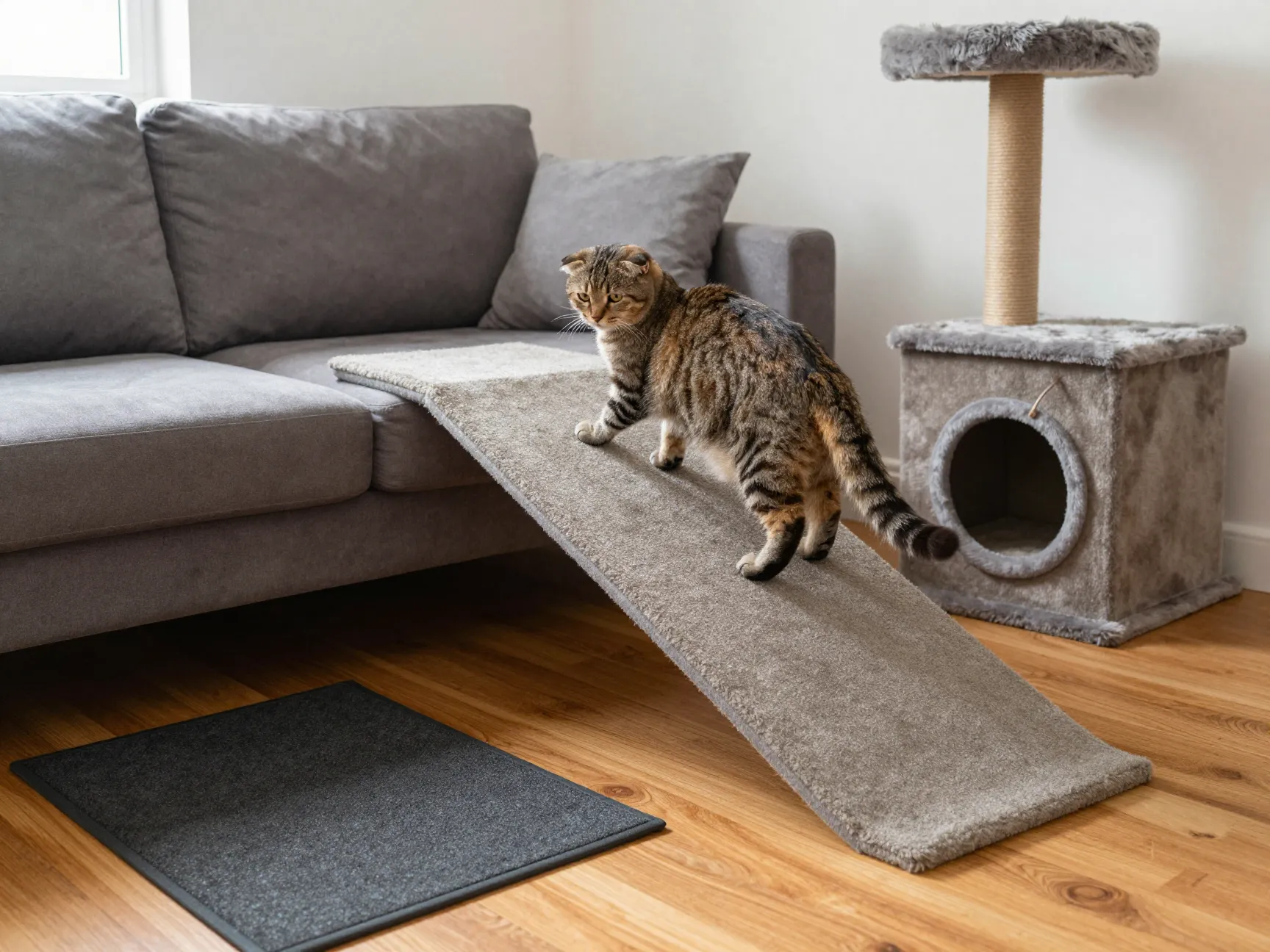
Among the 8 Essential Facts Every British Fold Cat Owner Should Know, this one often catches new owners off guard. British Fold cats are not graceful jumpers. They tend to move with a somewhat bumbling gait and often struggle to leap onto standard-height furniture [2].
This isn’t laziness — it’s a physical limitation linked to their build and, in some cases, early-stage joint changes. A cat that can’t safely land a jump is at risk of injury every time it attempts one.
Practical home adaptations:
- Provide cat steps or ramps to help your cat reach sofas and beds safely
- Choose low-profile cat trees rather than tall climbing structures
- Place food and water bowls at floor level — no elevated feeding stations
- Ensure litter boxes have low entry points so the cat doesn’t need to step high
- Add non-slip mats on hard flooring to prevent slipping
This is especially important as your cat ages. A British Fold that managed modest jumps at two years old may find even those challenging by age seven or eight as joint changes progress.
Think of it this way: adapting your home for a British Fold is similar to making accessibility modifications for a family member with mobility needs. It’s not a major renovation — it’s a series of small, thoughtful adjustments that make a significant difference to your cat’s daily comfort and safety.
7. Grooming and Veterinary Care Requirements Are Ongoing
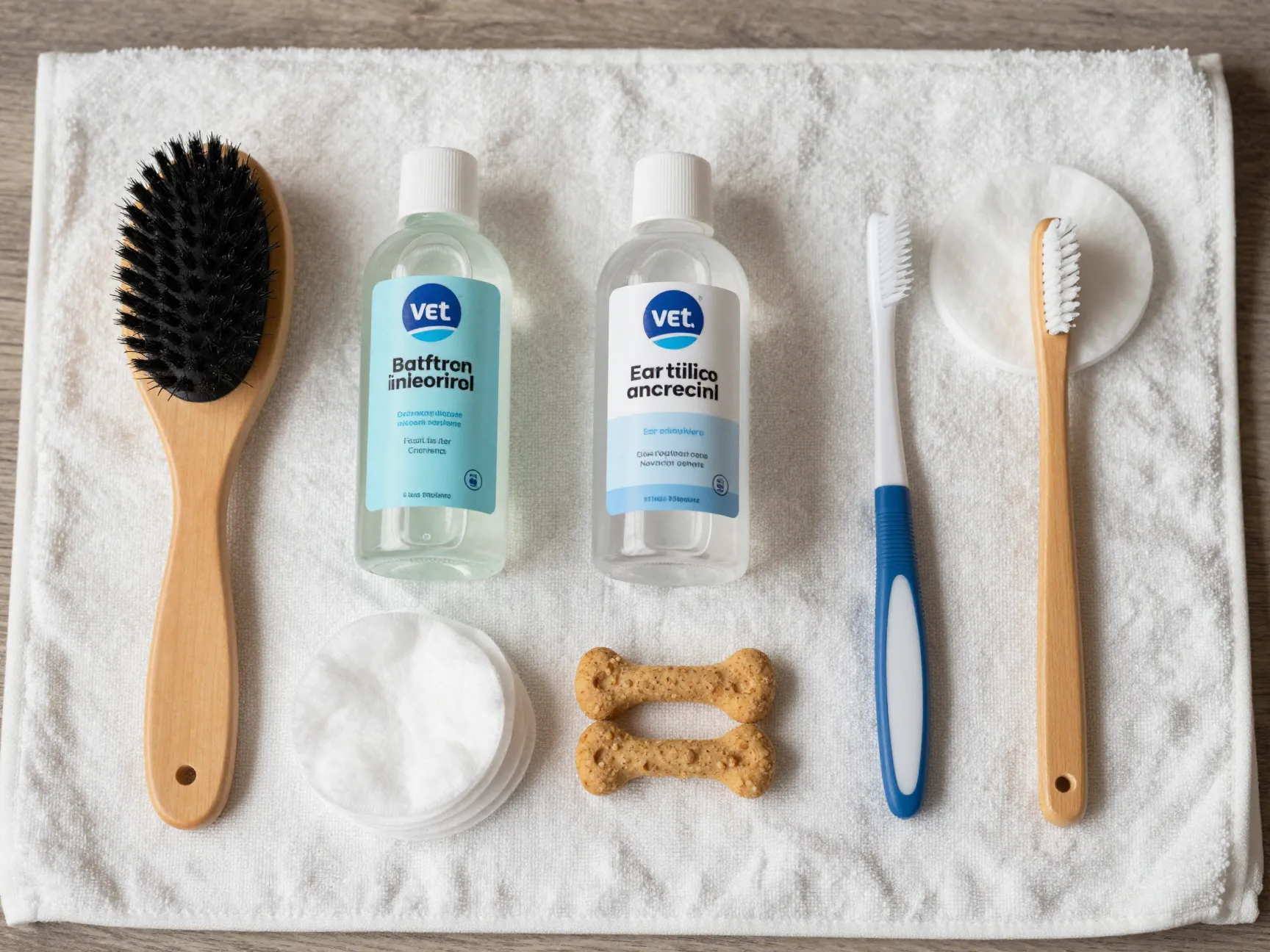
Owning a British Fold is a long-term commitment to consistent care. This isn’t a low-maintenance breed, particularly when it comes to health monitoring [3].
Grooming needs by coat type:
| Coat Type | Brushing Frequency | Additional Care |
|---|---|---|
| Short-haired | Once per week | Occasional ear cleaning |
| Long-haired (Highland Fold) | 3–4 times per week | Regular mat checks, more frequent ear cleaning |
Beyond grooming, ear care deserves special attention. The folded ear structure can trap wax and debris more readily than upright ears, increasing the risk of ear infections. Check your cat’s ears weekly and clean them gently with a vet-approved solution when needed [3].
Routine veterinary care checklist:
- ✅ Annual health examination (bi-annual for cats over 7)
- ✅ Joint assessment — watching for early OCD signs
- ✅ Cardiac screening for hypertrophic cardiomyopathy (HCM), a heart condition the breed is susceptible to [3]
- ✅ Dental check-ups — their compact jaw can predispose them to dental crowding
- ✅ Weight monitoring at every visit
- ✅ Vaccinations and parasite prevention kept up to date
Dental hygiene is often overlooked. Brushing your cat’s teeth several times a week — or at minimum providing dental treats and toys — can prevent costly dental procedures later on.
The ongoing cost of care is something prospective owners should budget for realistically. Annual vet bills for a healthy British Fold can range from £300 to £600 in the UK in 2026, and this can rise significantly if health issues develop.
8. UK Pricing Reflects Breeding Quality — Beware of Bargains
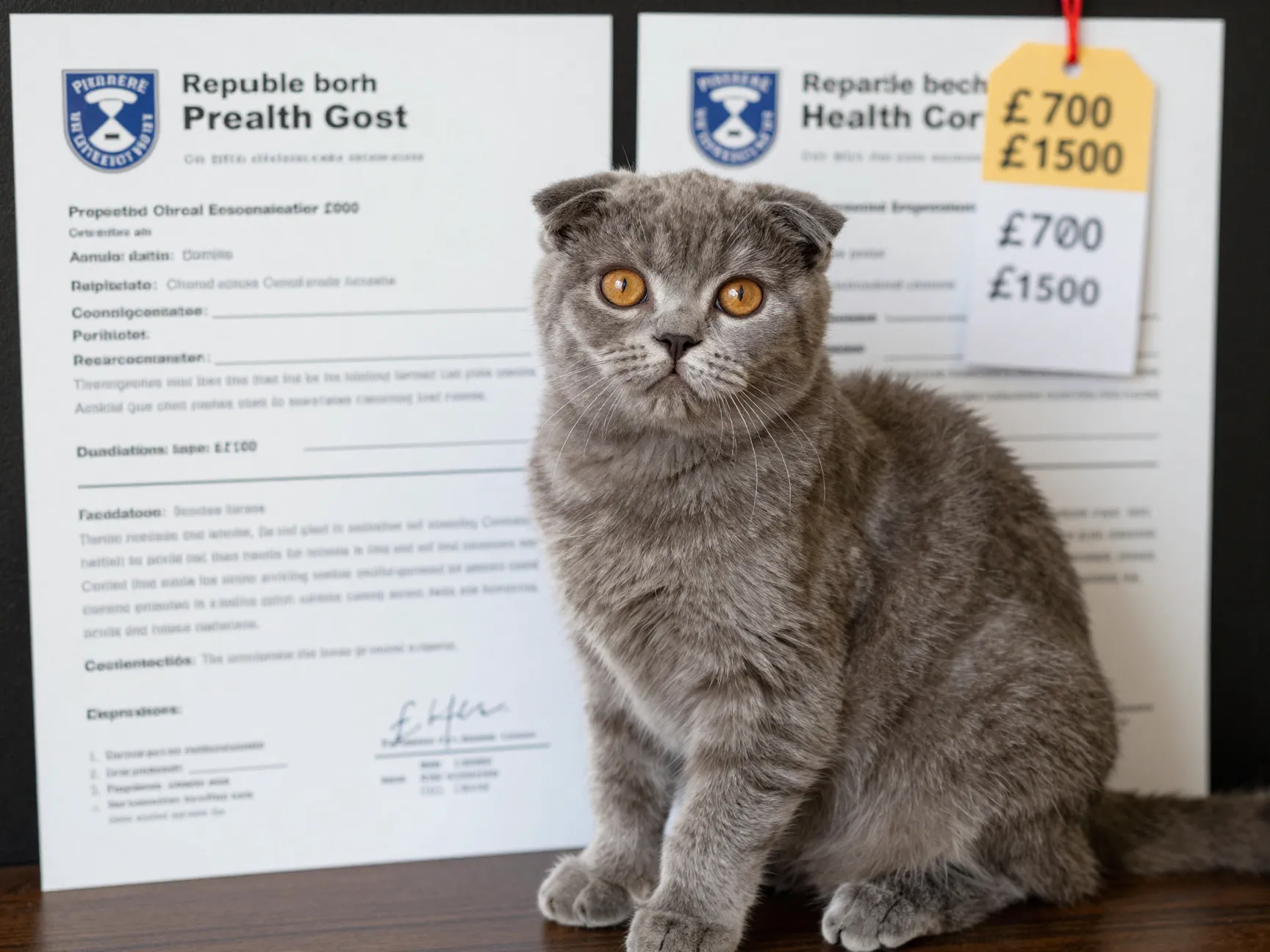
The final point in the 8 Essential Facts Every British Fold Cat Owner Should Know is a financial and ethical one. In the UK, reputable breeders typically charge between £700 and £1,500 for a British Fold kitten [6].
This price reflects:
- Health testing of parent cats
- Responsible breeding practices (Fold × Shorthair only)
- Veterinary care during the kitten’s early weeks
- Socialisation and early enrichment
- Microchipping, initial vaccinations, and health guarantees
“A kitten priced at £300 may seem like a saving — but the vet bills that follow irresponsible breeding can run into thousands.”
Red flags when buying a British Fold kitten:
- Price significantly below £700 with no explanation
- Breeder cannot provide health certificates for both parents
- Kittens available before 12–13 weeks of age
- No questions asked about your home or lifestyle
- Breeder unable to confirm what breed the other parent was
- Multiple litters always available — suggests a kitten mill operation
Consider also adopting from a rescue organisation. British Folds and Scottish Folds do occasionally appear in UK rescues, often surrendered by owners who didn’t fully understand the breed’s needs. Adoption fees are typically £100–£250 and include health checks and neutering.
Whether you buy or adopt, always request written health guarantees and ask specifically about the parents’ OCD and HCM screening history.
Conclusion: What Every British Fold Owner Should Do Next
The 8 Essential Facts Every British Fold Cat Owner Should Know paint a picture of a breed that is simultaneously wonderful and complex. These cats offer extraordinary companionship — calm, loving, and endlessly charming. But they come with real health responsibilities that demand informed, committed ownership.
Your actionable next steps as a British Fold owner or prospective owner:
- Research breeders thoroughly — verify health testing, ask about parent breeds, and visit in person before committing.
- Find a vet experienced with the breed before your kitten even comes home. Discuss OCD and HCM monitoring from day one.
- Adapt your home — install ramps, lower food stations, and choose low-entry litter boxes before your cat arrives.
- Set a realistic care budget — factor in regular vet visits, quality nutrition, grooming tools, and a pet insurance policy that covers hereditary conditions.
- Join a community — UK-based British Fold and Scottish Fold owner groups (online and in person) are invaluable sources of breed-specific advice and support.
- Monitor your cat’s movement and comfort daily — early signs of joint pain are subtle. The sooner they’re caught, the better the outcome.
Owning a British Fold in 2026 means being an advocate for your cat’s welfare in a world where the breed’s health challenges are increasingly well understood. With the right knowledge and commitment, these cats can live full, comfortable, joyful lives — and reward you with a depth of companionship few breeds can match. 🐱
References
[1] Scottish Fold Cats Facts And Care Guide – https://thecatsite.com/c/scottish-fold-cats-facts-and-care-guide/
[2] 9 Little Known Facts About Scottish Folds – https://vocal.media/petlife/9-little-known-facts-about-scottish-folds
[3] Scottish Fold Breed Guide – https://vetslovepets.com.au/blogs/cat/scottish-fold-breed-guide
[4] 10 Floppy Eared Facts About Scottish Fold Cats – https://www.mentalfloss.com/article/78722/10-floppy-eared-facts-about-scottish-fold-cats
[5] Scottish Fold Cat Care Tips For New Owners 1 – https://purebredkitties.com/blogs/scottish-fold/scottish-fold-cat-care-tips-for-new-owners-1
[6] Ten Things You Need To Know About The Scottish Fold Cat Before You Buy One – https://www.pets4homes.co.uk/pet-advice/ten-things-you-need-to-know-about-the-scottish-fold-cat-before-you-buy-one.html
[7] Scottish Fold Cats – https://www.rover.com/blog/scottish-fold-cats/