
9 Vital Questions to Ask Before Buying Golden Retriever Puppies for Sale
Imagine falling in love with a fluffy golden puppy, bringing them home, and then discovering months later that they have a serious hereditary hip condition that could have been prevented — if only you had asked the right questions first. This heartbreaking scenario happens to thousands of families every year, and it is entirely avoidable. Knowing the 9 vital questions to ask before buying Golden Retriever puppies for sale can be the difference between a joyful 10–14 year journey with a healthy dog and a financially and emotionally devastating experience. In this guide, I’ll walk you through every essential question, what answers to look for, and the red flags that should send you walking away.

Disclosure: This post contains affiliate links. As an Amazon Associate, we earn from qualifying purchases, and at no extra cost to you.
Key Takeaways 📋
- Health testing is non-negotiable. Always request OFA or PennHip clearances for both parents before committing to a purchase.
- Reputable breeders welcome your questions and will ask questions right back — this is a sign of a responsible breeder, not an inconvenience.
- Price is not the only indicator of quality, but suspiciously low prices often signal irresponsible breeding practices.
- A written health guarantee and return policy is the hallmark of a trustworthy breeder.
- Visiting the facility in person lets you assess the puppies’ living conditions, socialization, and the health of the mother dog.
Why Asking the Right Questions Matters Before Buying Golden Retriever Puppies
Golden Retrievers are consistently one of the most popular dog breeds in the United States — and for good reason. They are loyal, intelligent, gentle, and great with families. But their popularity also makes them a target for irresponsible breeders and puppy mills looking to make a quick profit.
“The questions you ask a breeder before buying a puppy are just as important as the puppy itself.”
When you’re searching for Golden Retriever puppies for sale, you will encounter a wide spectrum of breeders — from highly ethical, experienced professionals to backyard breeders and commercial puppy mills. Without the right knowledge, it can be very hard to tell them apart, especially when adorable puppies are involved.
The 9 vital questions to ask before buying Golden Retriever puppies for sale outlined in this article are designed to help you cut through the marketing and get to the truth. Let’s dive in.
The 9 Vital Questions to Ask Before Buying Golden Retriever Puppies for Sale
1. Can You Show Me Proof of Health Testing for Both Parents?

This is arguably the most important question you will ever ask a breeder. Golden Retrievers are prone to several hereditary health conditions, including hip dysplasia, elbow dysplasia, and certain heart conditions. Responsible breeders test both parents before breeding to reduce the risk of passing these conditions on to puppies [1][5].
What to look for:
- Official clearances from the Orthopedic Foundation for Animals (OFA) or PennHip for hips and elbows
- Both parents should be at least 2 years old before breeding, as OFA certifications are not issued before that age [1]
- Eye certifications from a board-certified veterinary ophthalmologist
- Cardiac clearances from a cardiologist
| Health Test | Certifying Body | Minimum Age |
|---|---|---|
| Hip Dysplasia | OFA or PennHip | 2 years |
| Elbow Dysplasia | OFA | 2 years |
| Eye Clearance | CAER/OFA | Annual |
| Cardiac Clearance | OFA (cardiologist) | 1 year |
🚩 Red flag: A breeder who says “the parents are healthy” but cannot produce actual documentation is not a responsible breeder.
2. How Often Do You Breed, and How Many Times Has the Mother Been Bred?

This question reveals the breeder’s true motivation. A responsible breeder breeds thoughtfully and infrequently — usually once a year at most, and only when they have a specific goal in mind, such as improving the breed’s health or temperament [1].
What responsible answers look like:
- The mother is bred no more than once per year
- The mother has had fewer than 4–5 litters in her lifetime
- The breeder can explain why they chose to breed this particular pairing
🚩 Red flag: Breeding every heat cycle (which occurs roughly every 6 months) is a strong indicator of profit-driven, irresponsible breeding [1]. This puts enormous physical strain on the mother and often results in lower-quality, less healthy puppies.
3. How Long Have You Been Breeding Golden Retrievers?
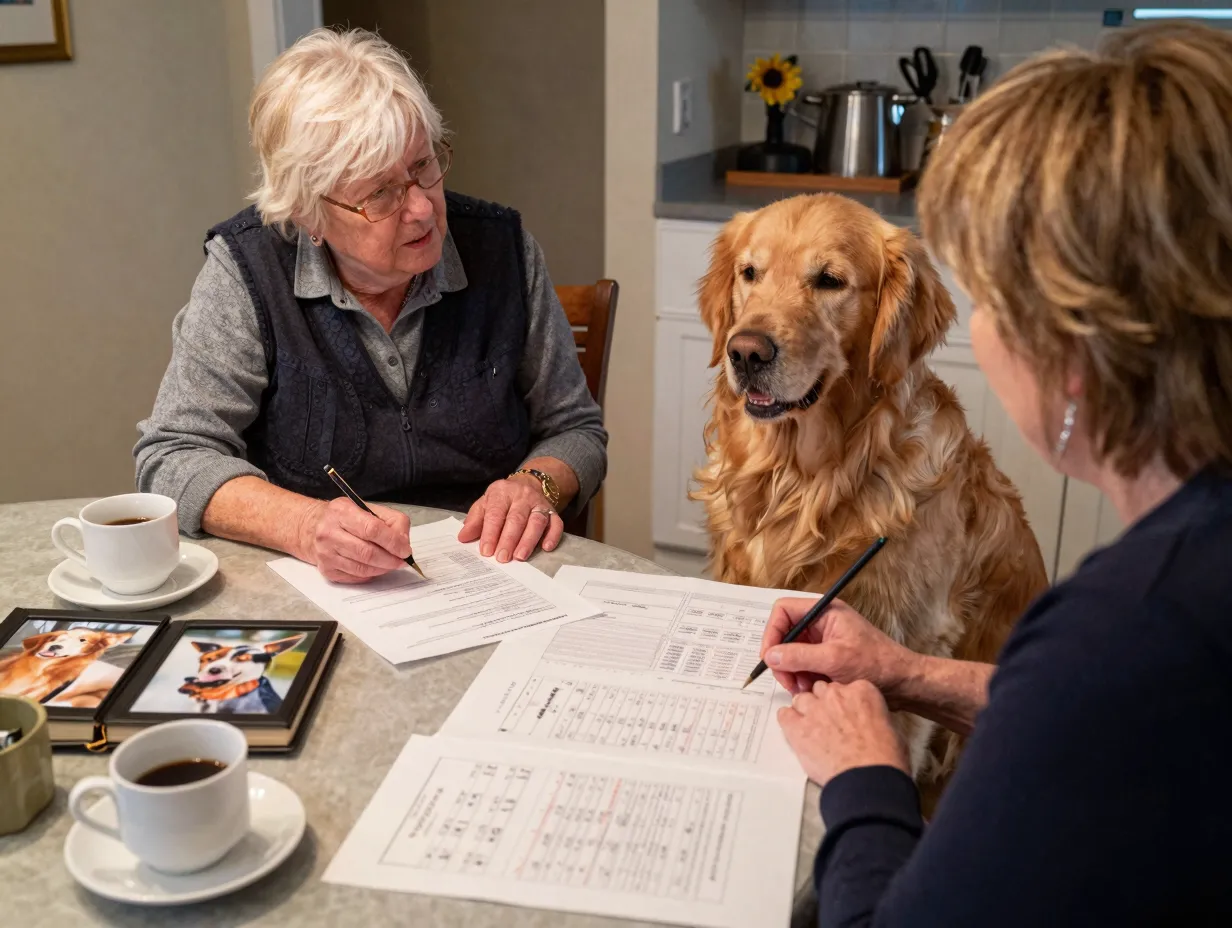
Experience matters — but so does focus. A breeder who has worked exclusively with Golden Retrievers for many years has deep, specialized knowledge of the breed’s health tendencies, temperament, and genetic lines [1].
Why this question matters:
- Long-term breeders have seen health issues emerge over generations and know how to breed away from them
- Breeders who frequently switch breeds may be chasing market trends rather than genuinely improving a breed
- Experienced breeders often have waiting lists, which itself signals demand and reputation
“Responsible breeders typically focus on one breed long-term — it’s a lifestyle, not a side hustle.”
Ask follow-up questions like:
- “What drew you to Golden Retrievers specifically?”
- “Have you ever bred other breeds?”
- “What is your long-term breeding goal?”
4. What Breed Clubs or Organizations Do You Belong To?
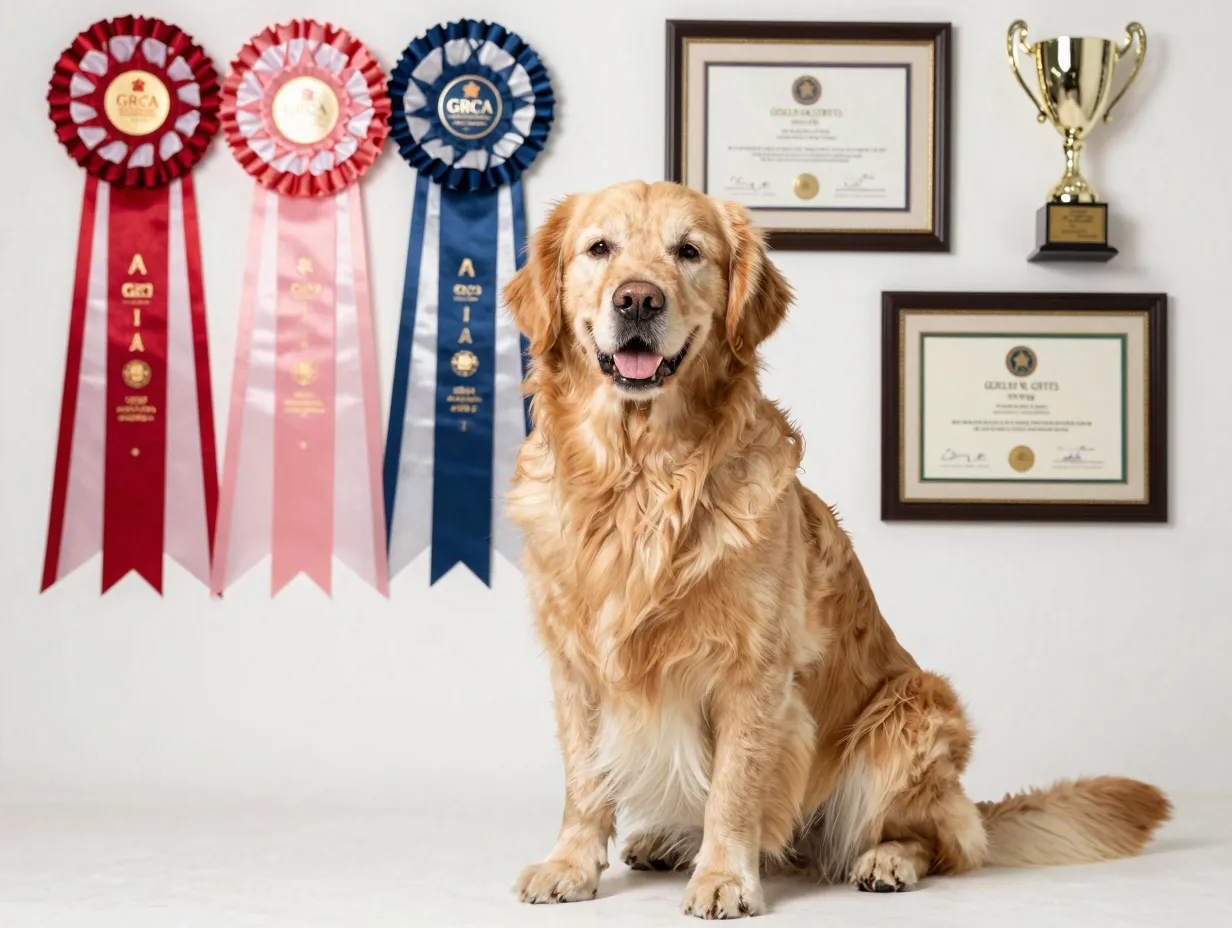
Membership in recognized breed clubs is a meaningful indicator of a breeder’s commitment to ethical standards. Organizations like the Golden Retriever Club of America (GRCA) require members to adhere to a strict code of ethics [1].
Organizational affiliations to look for:
- Golden Retriever Club of America (GRCA)
- American Kennel Club (AKC) Breeder of Merit program
- Local or regional Golden Retriever clubs
Additionally, ask whether the breeder’s dogs participate in any of the following activities, which demonstrate that the dogs are being evaluated for breed-standard qualities [1]:
- Obedience trials
- Agility competitions
- Hunting or field trials
- Conformation shows
- Service or therapy dog training
🚩 Red flag: A breeder with no club affiliations and no dogs in any working or competitive capacity may not be invested in improving the breed.
5. Can You Share the Puppy’s Pedigree and Discuss Any Known Genetic Issues?
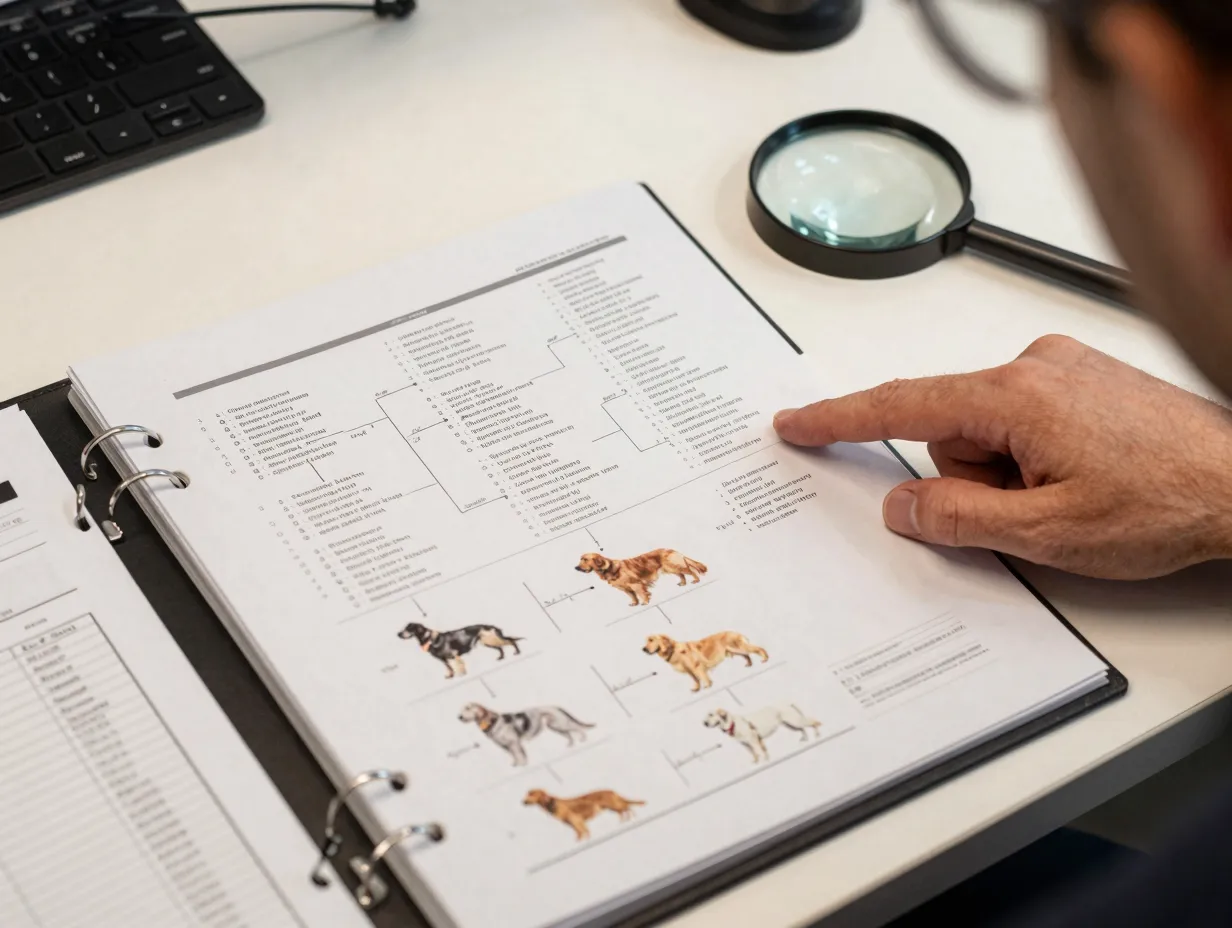
Transparency about genetic history is a hallmark of a trustworthy breeder. A reputable breeder should be able to hand you a multi-generation pedigree and openly discuss any health issues that have appeared in their lines — and what steps they are taking to address them [1][2].
What to ask specifically:
- “Are there any hereditary conditions in this puppy’s family history?”
- “Have any of your previous puppies developed hip dysplasia, cancer, or heart disease?”
- “How do you select breeding pairs to minimize genetic risks?”
Golden Retrievers unfortunately have a higher-than-average rate of cancer — studies suggest that up to 60% of Golden Retrievers may develop cancer in their lifetime. A responsible breeder acknowledges this and actively works to breed from lines with better longevity records.
“A breeder who says their lines have ‘no health problems’ is either uninformed or dishonest.”
6. Do You Offer a Written Health Guarantee and a Return Policy?
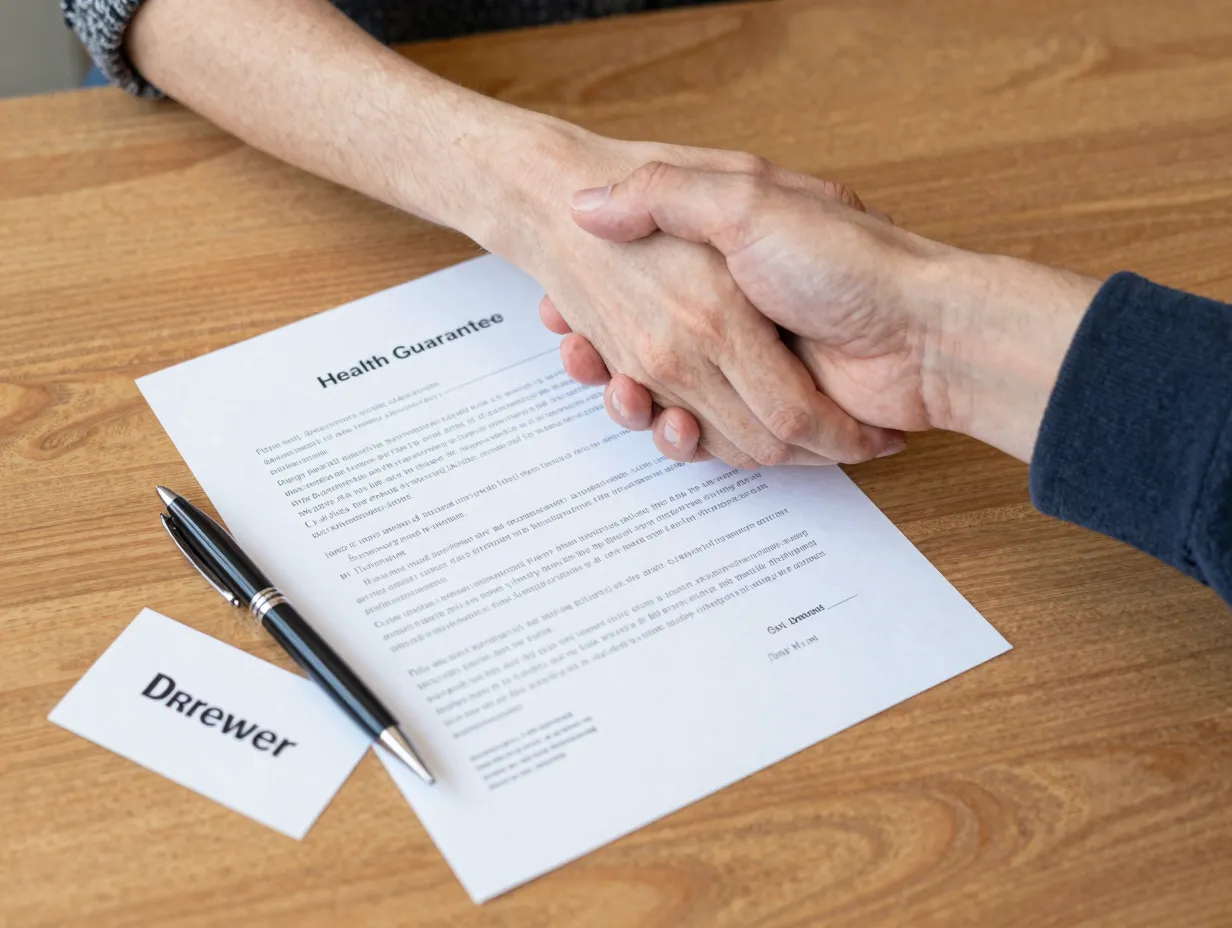
A written health guarantee is described by experts as “the hallmark of responsible breeding” [3]. It protects you as a buyer and demonstrates that the breeder stands behind the quality of their puppies.
What a solid health guarantee should include:
| Guarantee Element | What It Means |
|---|---|
| Genetic health coverage | Covers hereditary conditions for 1–2+ years |
| Return policy | Breeder will take the dog back at any time, for any reason |
| Replacement or refund | Specifies what happens if a covered condition develops |
| Veterinary exam requirement | Requires a vet check within 48–72 hours of purchase |
🚩 Red flag: Any breeder who refuses to take a dog back “for any reason” is not fully committed to the welfare of the dogs they produce [3]. Responsible breeders would rather have a dog returned than see it end up in a shelter.
7. Can I Visit Your Facility and Meet the Mother with the Puppies?

This question is a powerful filter. Reputable breeders welcome visits from prospective buyers because they are proud of their facilities and their dogs [2][4]. If a breeder hesitates, makes excuses, or offers to meet you in a parking lot with a puppy, that is a serious warning sign.
What to observe during a visit:
- Is the facility clean and well-maintained?
- Do the puppies appear healthy, active, and well-socialized?
- Is the mother (dam) present and available to meet? She should appear healthy, calm, and well-cared-for.
- Are the puppies being raised in a home or home-like environment, not in outdoor cages or isolated kennels?
Questions to ask during the visit:
- “Can I meet the father (sire) as well, or see photos and health records?”
- “How are the puppies being socialized?”
- “Can I speak with references from previous buyers?” [2]
Early socialization — exposure to different sounds, surfaces, people, and experiences — is critical for a well-adjusted adult dog. Ask what socialization protocols the breeder follows during the first 7–8 weeks of life.
8. How Old Are the Puppies, and What Veterinary Care Have They Received?
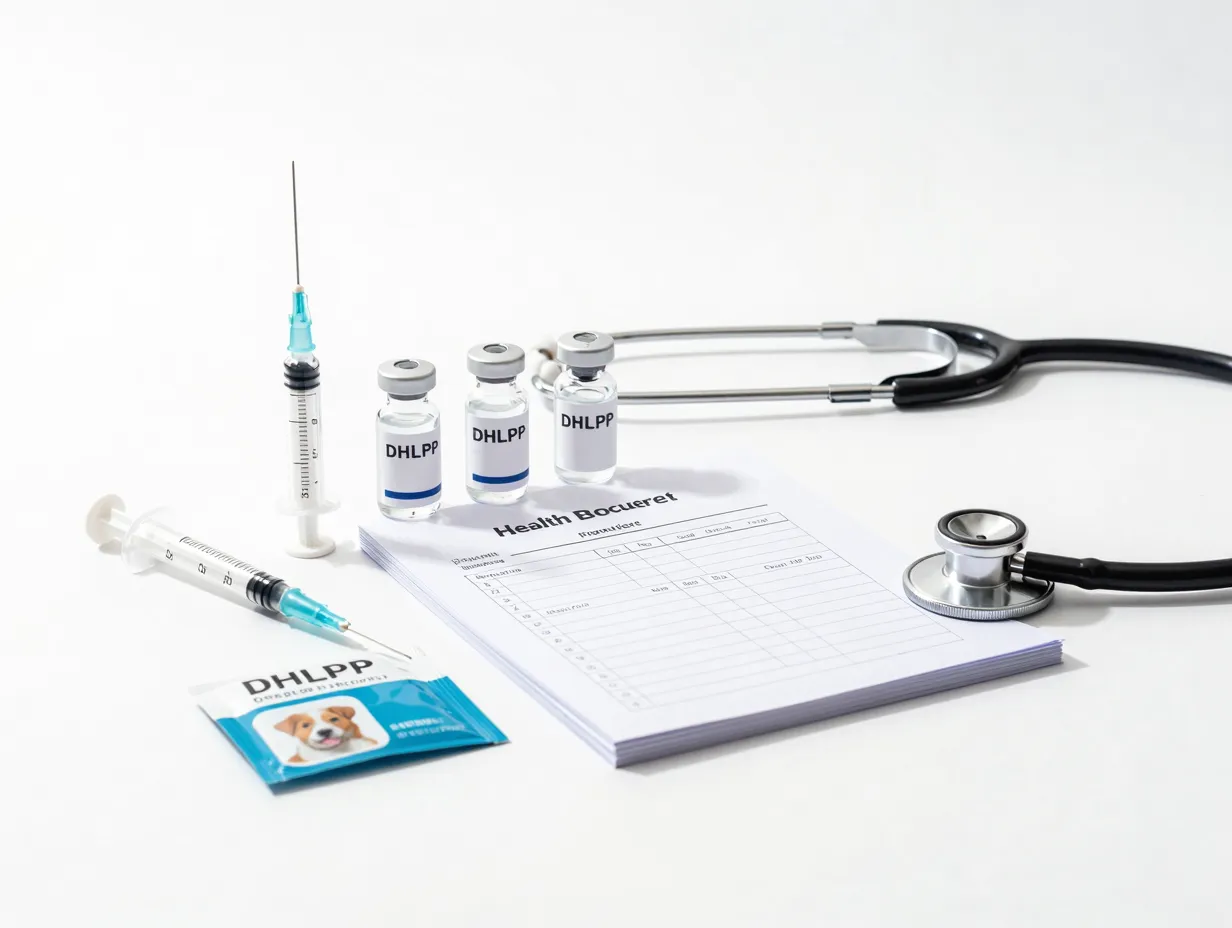
Never accept a puppy younger than 7–8 weeks old. This is the minimum age at which puppies are developmentally ready to leave their mother and littermates. Separating them earlier can lead to behavioral and social problems that last a lifetime [1][2].
Veterinary care checklist before a puppy goes home:
- First round of vaccinations (DHLPP vaccine — covering distemper, hepatitis, leptospirosis, parvovirus, and parainfluenza) [1]
- Deworming treatment (typically multiple rounds starting at 2 weeks of age)
- A full veterinary health examination
- A written health record to hand to your own vet
Ask the breeder:
- “What vaccinations has this puppy received?”
- “Has the puppy been dewormed? How many times?”
- “Will I receive a copy of the vet records?”
🚩 Red flag: A breeder who sends puppies home at 5–6 weeks old, or who cannot provide any vet records, is not prioritizing the puppy’s health.
9. What Is the Price, and What Does It Include?
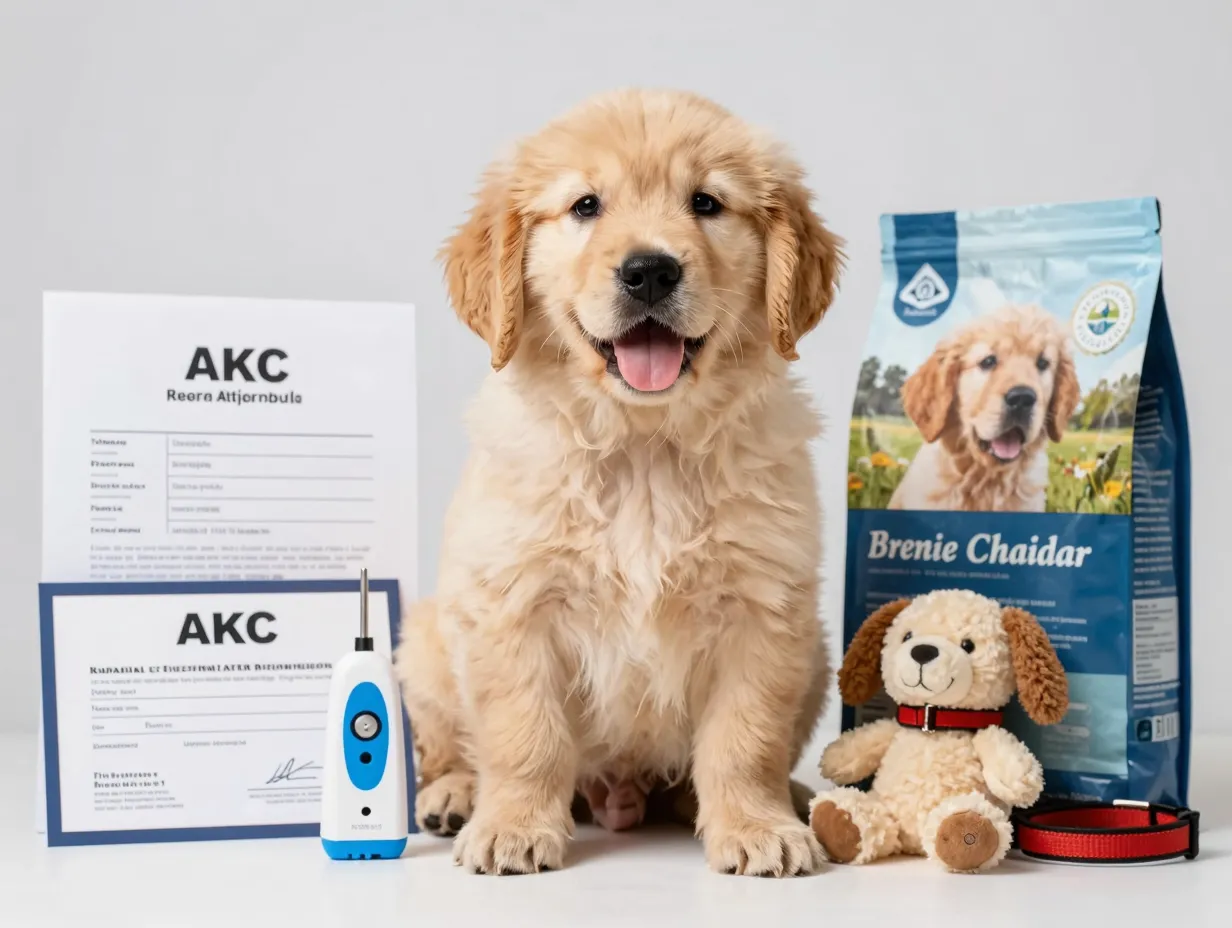
Pricing is a sensitive topic, but it is a necessary one. In 2026, reputable Golden Retriever breeders typically charge between $2,000 and $5,000 per puppy, depending on the breeder’s experience, location, certifications, and the puppy’s lineage [2].
What a higher price often reflects:
- Comprehensive health testing for both parents
- Quality veterinary care for the litter
- Investment in socialization and enrichment
- Club memberships and show/field trial participation
- The breeder’s time, expertise, and overhead costs
What the price should include:
- AKC registration papers (or equivalent)
- Health records and vaccination documentation
- A microchip
- A written health guarantee
- A puppy starter kit (food sample, toy with litter scent, etc.)
🚩 Red flag: A Golden Retriever puppy priced at $300–$800 may seem like a bargain, but it almost certainly means the breeder has cut corners on health testing, veterinary care, or both [2]. In the long run, you may spend far more on veterinary bills than you saved on the purchase price.
| Price Range | Likely Scenario |
|---|---|
| Under $1,000 | Puppy mill, backyard breeder, or scam |
| $1,000–$1,999 | May lack full health testing documentation |
| $2,000–$5,000 | Typical range for reputable, health-tested breeders |
| Over $5,000 | Champion bloodlines or specialty breeding programs |
Bonus Tips: Other Questions Worth Asking 🐾
Beyond the 9 vital questions to ask before buying Golden Retriever puppies for sale, here are a few additional questions that can give you even more confidence in your decision:
- “What do you feed the puppies, and what do you recommend I feed them?”
- “Are you available for questions after I bring the puppy home?”
- “Have any of your puppies ever been returned, and why?”
- “Do you DNA test your breeding dogs?” (Companies like Embark offer comprehensive genetic health panels [7])
A breeder who is enthusiastic about answering these questions — and who asks you questions about your lifestyle, home, and experience with dogs — is almost certainly the kind of breeder you want to work with.
How to Spot a Puppy Mill or Irresponsible Breeder 🚨
| Warning Sign | What It Suggests |
|---|---|
| Multiple breeds available at once | Profit-driven operation |
| Puppies always available, no waiting list | High-volume breeding |
| Refuses facility visits | Has something to hide |
| Cannot produce health testing documents | No health testing done |
| Pressures you to decide quickly | Sales tactics, not ethics |
| Offers to ship puppies without meeting you | No genuine care for placement |
| Prices significantly below market rate | Cut corners on care |
Conclusion: Your Action Plan for Finding a Responsible Breeder 🐕🦺
Finding the right Golden Retriever puppy takes patience, research, and a willingness to ask hard questions. The 9 vital questions to ask before buying Golden Retriever puppies for sale covered in this guide give you a powerful framework to evaluate any breeder you encounter.
Here are your actionable next steps:
- Print or save this list of 9 questions and bring it to every breeder conversation or visit.
- Use the interactive checklist above to score each breeder you consider.
- Contact your local Golden Retriever club for breeder referrals — the GRCA maintains a breeder referral list on their website.
- Be patient. Reputable breeders often have waiting lists of 6–12 months. That wait is worth it.
- Trust your instincts. If something feels off during a visit or conversation, walk away.
- Consider adoption. Organizations like Golden Retriever rescue groups can connect you with adult dogs in need of homes.
A healthy, well-bred Golden Retriever can be one of the greatest joys of your life. Do the work upfront, ask the right questions, and you will be rewarded with years of loyalty, love, and golden-colored fur on every piece of clothing you own. 🐾
References
[1] Before You Buy That Golden Puppy – https://www.grrf.org/before-you-buy-that-golden-puppy
[2] What To Look For With Golden Retriever Puppy Breeders – https://www.snowypineswhitelabs.com/blog/what-to-look-for-with-golden-retriever-puppy-breeders/
[3] Twenty Five Questions For Puppy Owners To Ask The Breeder – https://gtcgrc.org/wp-content/uploads/2018/01/Twenty-five-questions-for-puppy-owners-to-ask-the-breeder.pdf
[4] Questions For The Breeder – https://www.royalkennelclub.com/your-dog/getting-a-dog/buying-a-dog/questions-for-the-breeder/
[5] 10 Questions To Ask A Dog Breeder – https://www.chewy.com/education/dog/general/10-questions-to-ask-a-dog-breeder
[6] 9 Questions To Ask When Choosing A Dog Breed – https://www.bigheartedbreeders.com/2024/05/27/9-questions-to-ask-when-choosing-a-dog-breed/
[7] Top 20 Questions To Ask Breeders Before Buying A Puppy – https://embarkvet.com/resources/top-20-questions-to-ask-breeders-before-buying-a-puppy/