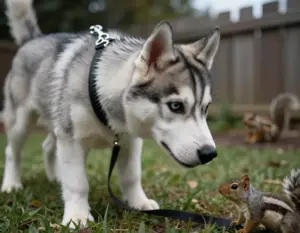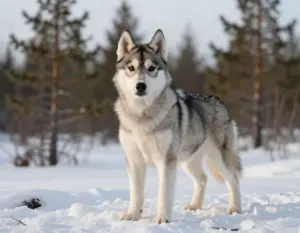
6 Key Stages in the Development of a Puppy of Husky: A Complete Guide to Your Husky’s Growth Journey
Picture this: a tiny, helpless Husky puppy with closed eyes and ears, completely dependent on its mother, transforms into a majestic, energetic adult dog capable of pulling sleds across frozen landscapes. This remarkable transformation doesn’t happen overnight—it unfolds through distinct developmental stages that shape your Husky’s physical abilities, temperament, and lifelong behaviors. Understanding the 6 Key Stages in the Development of a Puppy of Husky is crucial for every owner who wants to provide the best care and training during these critical growth periods.
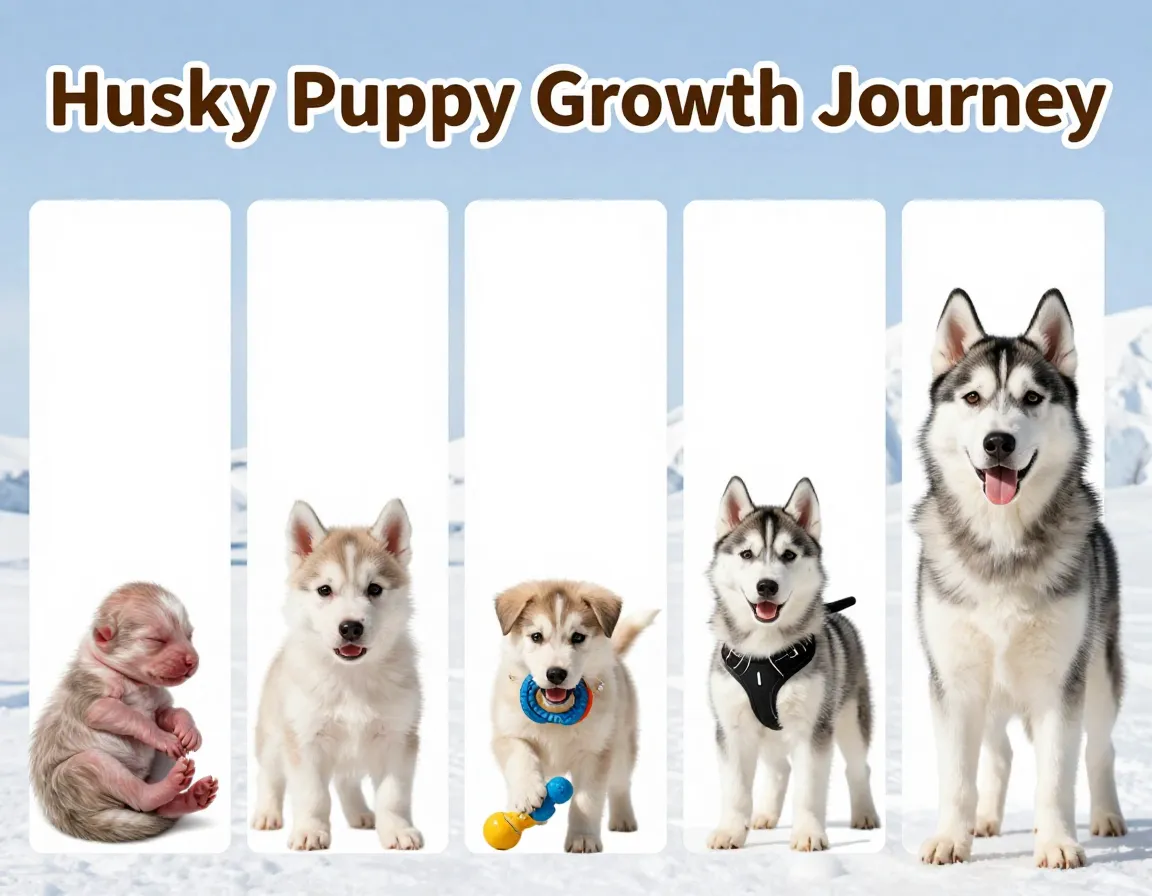
Disclosure: This post contains affiliate links. As an Amazon Associate, we earn from qualifying purchases, and at no extra cost to you.
Key Takeaways
- Early weeks are critical: The first 12 weeks encompass three vital stages that determine your Husky’s future behavior and social skills
- Timing matters for training: Your puppy’s brain becomes ready for formal training by 8 weeks, making early socialization essential
- Physical development varies: While Huskies reach full height by 12 months, complete maturity occurs between 12-18 months depending on gender and size
- Each stage has unique needs: From complete dependency in the neonatal period to boundless energy in adolescence, each stage requires different care approaches
- Adult teeth develop by 6 months: Understanding dental development helps with proper chew toy selection and training techniques
Understanding Husky Puppy Development: Why These Stages Matter
Siberian Huskies are remarkable dogs with unique developmental patterns that differ from other breeds. These Arctic athletes were bred for endurance, intelligence, and pack cooperation—traits that emerge and solidify during specific growth phases. The 6 Key Stages in the Development of a Puppy of Husky provide a roadmap for understanding when your puppy will develop crucial physical and behavioral characteristics.
Each developmental stage builds upon the previous one, creating the foundation for your Husky’s adult personality and capabilities. Missing critical socialization windows or failing to provide appropriate stimulation during key growth periods can lead to behavioral challenges that persist throughout your dog’s life.
The Complete Guide to the 6 Key Stages in the Development of a Puppy of Husky
1. Neonatal Period (0-2 weeks): The Foundation Stage
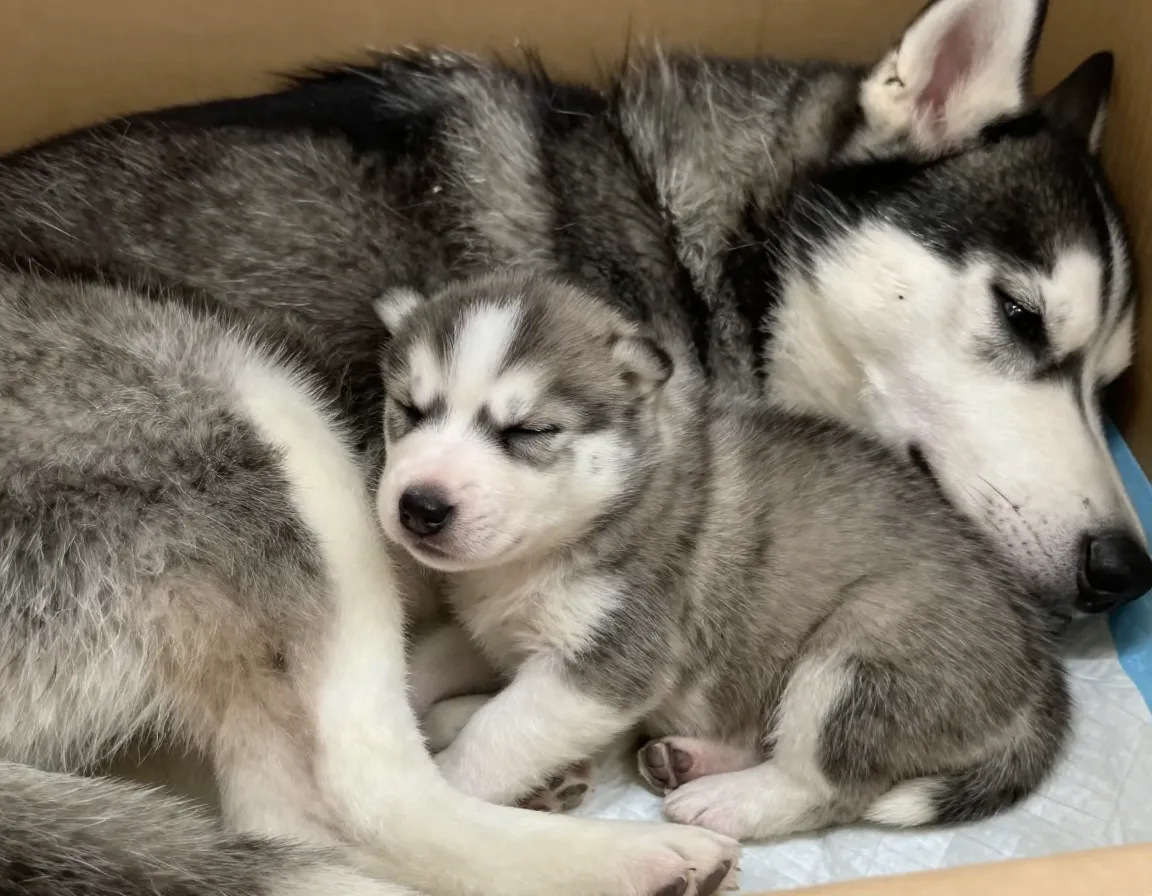
The neonatal period represents the most vulnerable time in your Husky puppy’s life. During these first two weeks, puppies are entirely dependent on their mother for survival [2]. This stage is characterized by limited sensory development and mobility, as puppies are born with their eyes and ears sealed shut.
Key characteristics of the neonatal period:
- Eyes and ears remain closed throughout this stage
- Puppies rely on touch and smell to navigate their world
- Temperature regulation is impossible—puppies depend on their mother and littermates for warmth
- Movement is limited to crawling and seeking the mother’s warmth
- Sleep consumes 90% of their time
- Weight doubles during the first week
During this critical period, minimal human intervention is recommended. The mother handles all feeding, cleaning, and stimulation needs. However, gentle daily handling for brief periods can begin socialization and help puppies become accustomed to human touch.
Important Note: Puppies separated from their mother during this stage have significantly lower survival rates and may develop behavioral issues later in life.
2. Transitional Period (2-4 weeks): The Awakening Stage
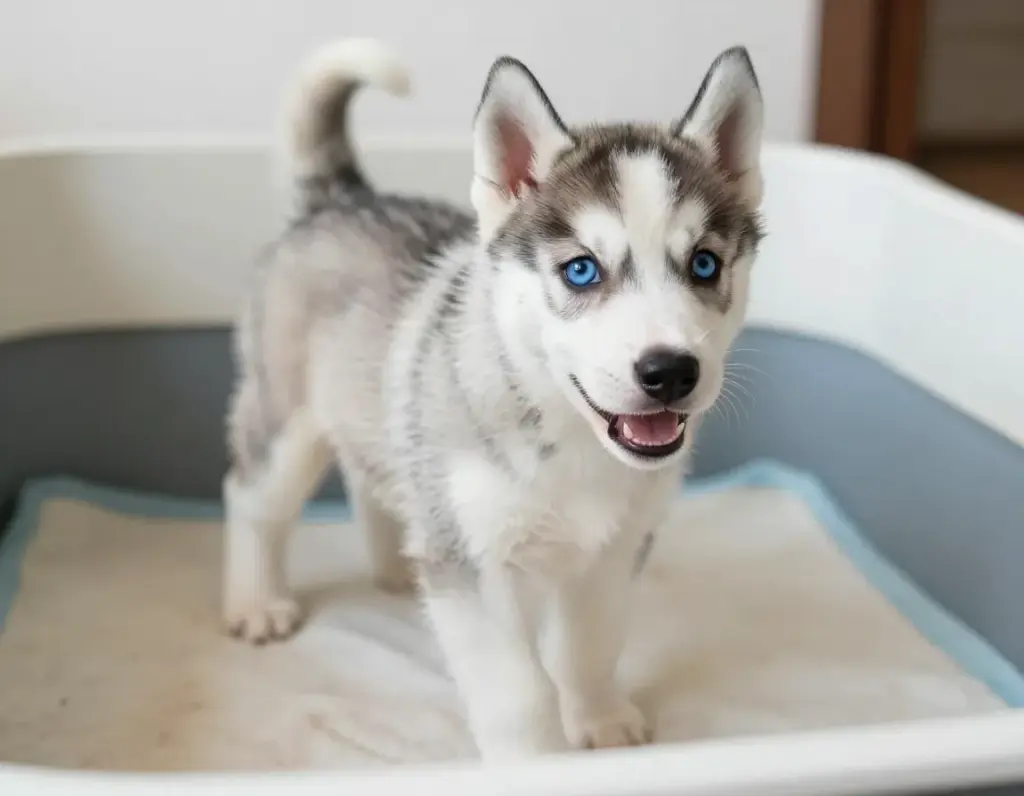
The transitional period marks a dramatic shift in your Husky puppy’s development. Brain development accelerates rapidly during this phase, and puppies begin to interact with their environment in meaningful ways [2][4].
Major developmental milestones include:
- Eyes open between days 10-14
- Ear canals open and hearing begins around day 14
- Puppies develop standing, walking, and tail wagging abilities
- First milk teeth emerge around 3-4 weeks
- Beginning of social interaction with littermates
- First attempts at play behavior
- Introduction to solid food begins
This period is crucial for neurological development. The puppy’s brain is rapidly forming connections that will influence behavior throughout life. Gentle exposure to various textures, sounds, and experiences during this stage helps build confidence and adaptability.
Training considerations:
- Begin very gentle handling exercises
- Introduce different textures under their feet
- Start weaning process with high-quality puppy food
- Monitor for proper weight gain and development
3. Socialization Period (4-12 weeks): The Critical Learning Window
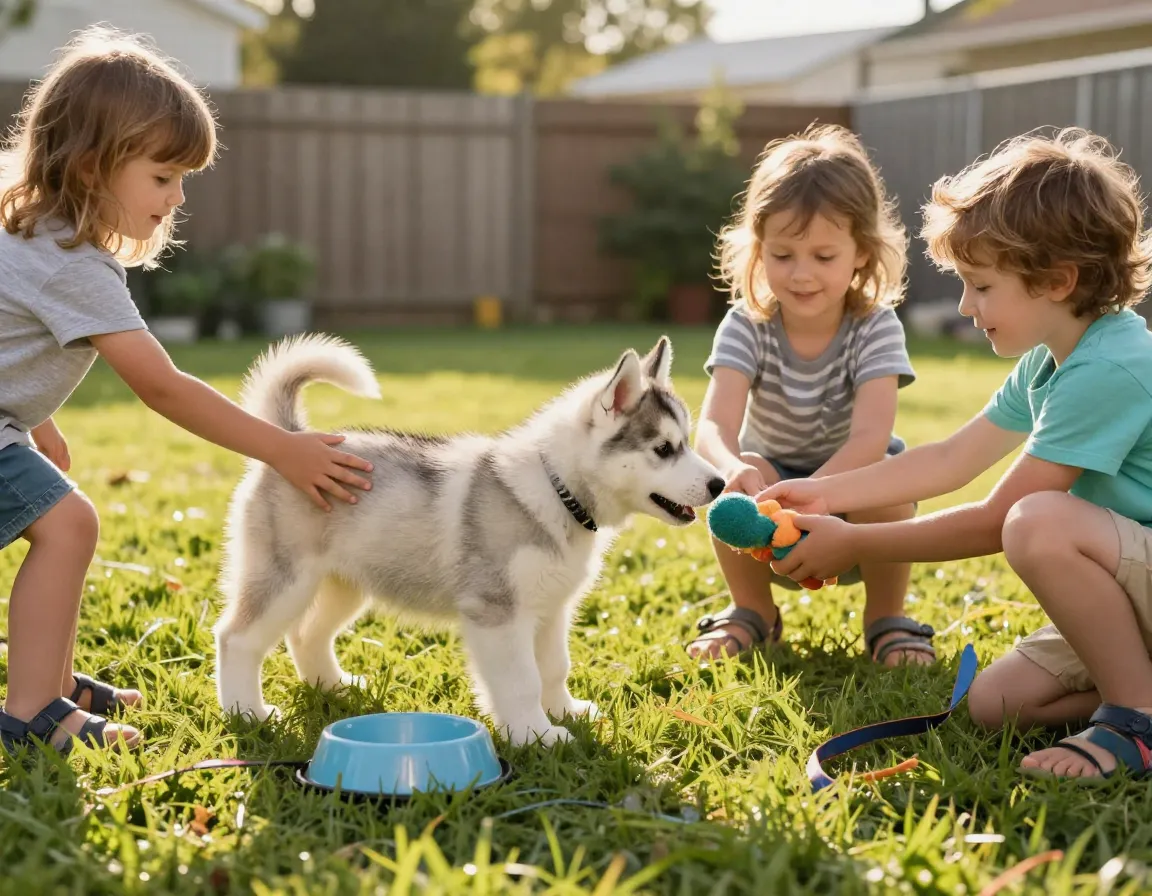
The socialization period is described as the most significant period for learning that lasts a lifetime [1][2][4]. This stage represents the golden window for shaping your Husky’s future behavior, temperament, and social skills.
Why this stage is so crucial:
- Brain is ready for training by 8 weeks [2]
- Puppies should be exposed to different people, animals, environments, and sounds
- Fear responses are not yet fully developed, making new experiences less traumatic
- Social hierarchies begin to form within the litter
- House training can begin in earnest
Essential socialization activities:
| Week | Focus Areas | Activities |
|---|---|---|
| 4-6 weeks | Family bonding | Gentle handling, basic sounds, household noises |
| 6-8 weeks | Expanded exposure | Meeting new people, car rides, different surfaces |
| 8-10 weeks | Formal training begins | Basic commands, leash introduction, vet visits |
| 10-12 weeks | Advanced socialization | Dog parks, puppy classes, various environments |
Critical training milestones:
- Bite inhibition learned through play with littermates
- House training becomes possible and should begin immediately
- Basic commands like “sit,” “stay,” and “come” can be introduced
- Crate training establishes safe spaces and aids house training
Expert Tip: Puppies who miss proper socialization during this window are more likely to develop fear-based behaviors, aggression, and anxiety disorders that can be difficult to correct in adulthood.
4. Juvenile Stage (3-6 months): The Energetic Explorer Phase
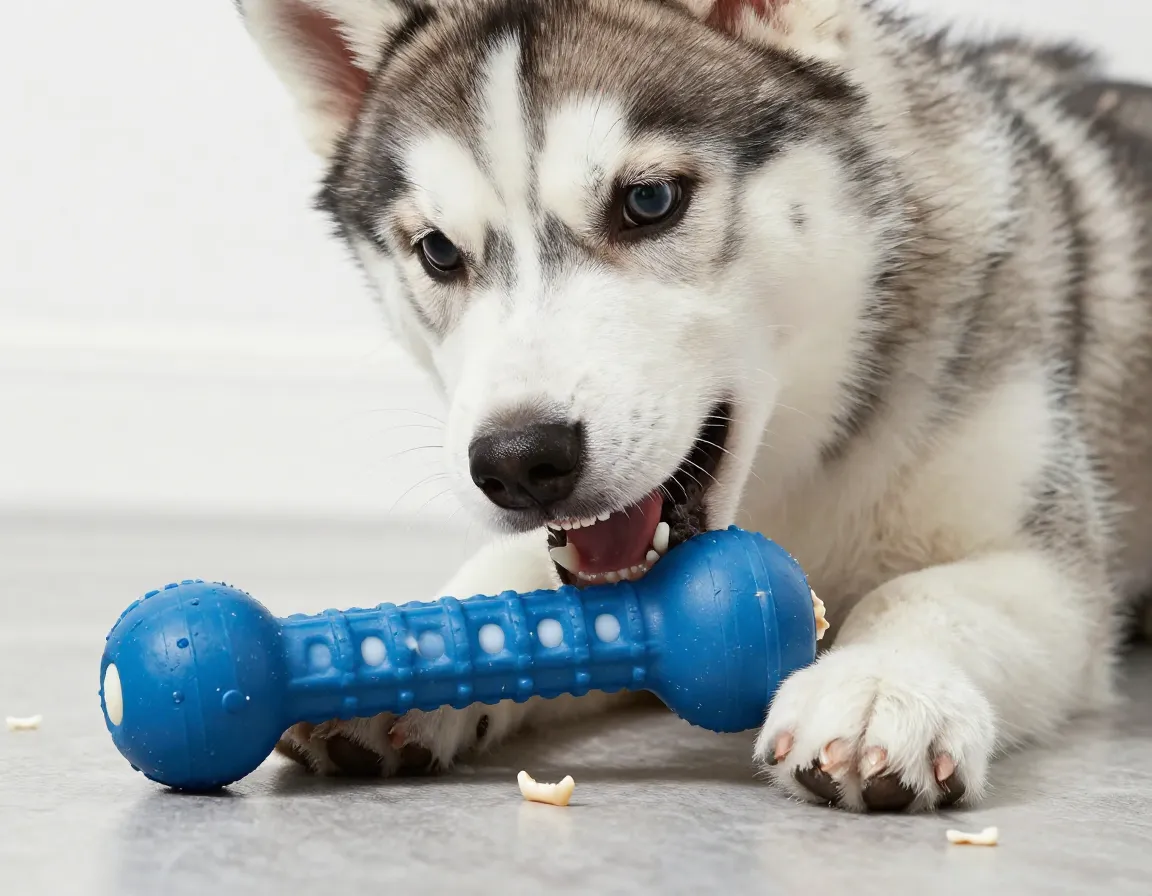
The juvenile stage is marked by boundless energy and curiosity [1][2]. Your Husky puppy transforms into an active explorer, eager to investigate everything in their environment. This period brings both exciting progress and new challenges for owners.
Physical developments:
- Baby teeth are replaced with adult teeth throughout this period
- Significant growth spurts occur
- Coordination and motor skills improve dramatically
- Adult teeth are fully developed by 6 months of age [3]
- Energy levels peak during this stage
Behavioral characteristics:
- Increased independence and confidence
- Testing boundaries and rules
- Enhanced problem-solving abilities
- Stronger play drive and social interactions
- Beginning of adolescent behaviors
Training focus areas:
- Consistent positive training for basic commands should continue [1][2]
- Housetraining requires ongoing reinforcement
- Leash training becomes more important as strength increases
- Chew toy rotation helps with teething discomfort
- Mental stimulation becomes crucial for preventing destructive behaviors
Common challenges:
- 🦷 Teething behaviors including increased chewing
- 🏃♂️ High energy requiring more exercise and mental stimulation
- 🧠 Selective hearing as independence develops
- 🎯 Attention span may decrease as curiosity peaks
5. Adolescence (6-18 months): The Challenging Teenager Phase
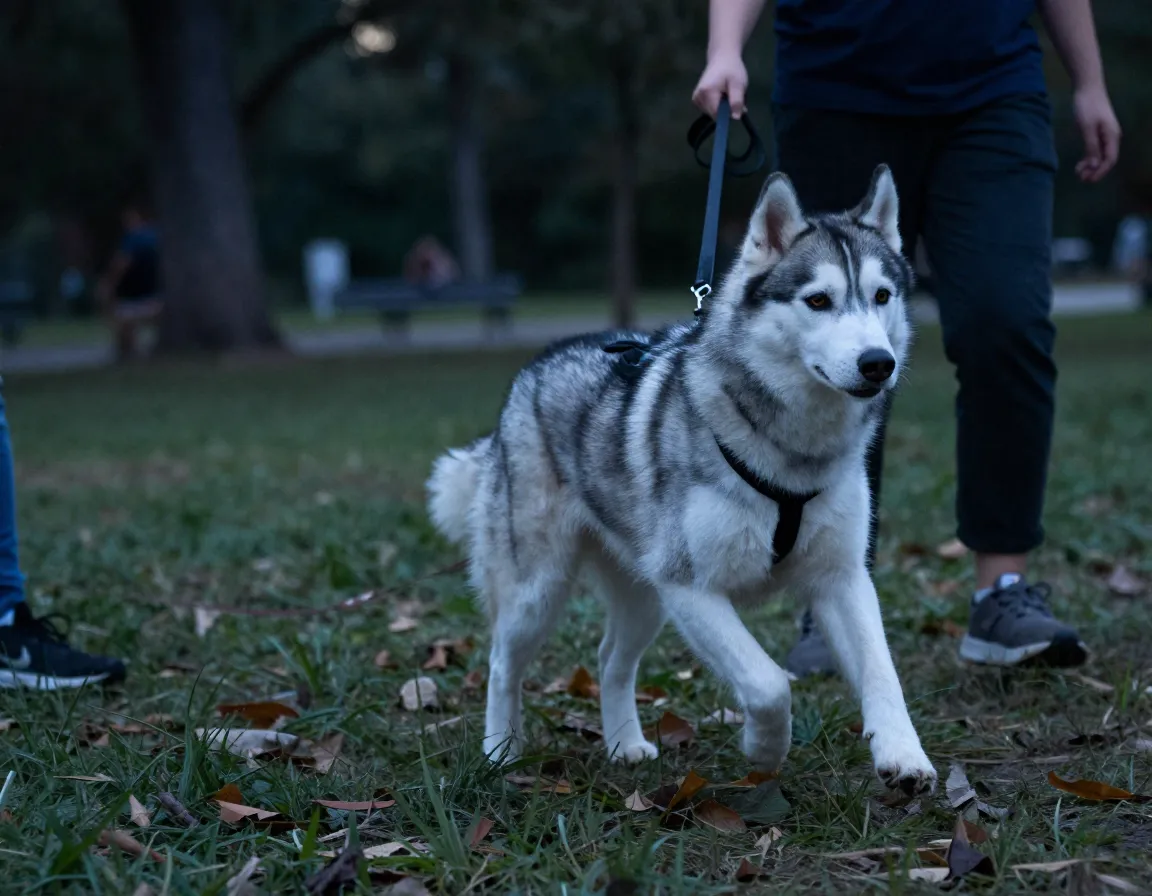
Adolescence represents one of the most challenging periods in the 6 Key Stages in the Development of a Puppy of Husky. This stage is characterized by continued growth and development, with timing varying based on individual factors [2].
Physical maturation timeline:
- Full height achieved by 12 months of age [7]
- Males typically weigh 45-60 pounds at 12 months
- Females typically weigh 35-50 pounds at 12 months [3]
- Sexual maturity occurs during this period
- Muscle development and body composition changes continue
Behavioral challenges:
- Regression in training as hormones influence behavior
- Increased independence and stubbornness
- Testing leadership and pack hierarchy
- Potential for increased reactivity or fearfulness
- Escape artist behaviors become more pronounced in Huskies
Training strategies for adolescent Huskies:
- Maintain consistent rules despite behavioral challenges
- Increase mental stimulation through puzzle toys and training games
- Provide adequate physical exercise—adolescent Huskies need 60-90 minutes daily
- Consider advanced training classes or dog sports
- Spay/neuter timing should be discussed with your veterinarian
Husky-Specific Consideration: Siberian Huskies are notorious escape artists, and this behavior often emerges or intensifies during adolescence. Secure fencing and consistent training become even more critical during this stage.
6. Young Adulthood (12-18 months): The Maturing Phase
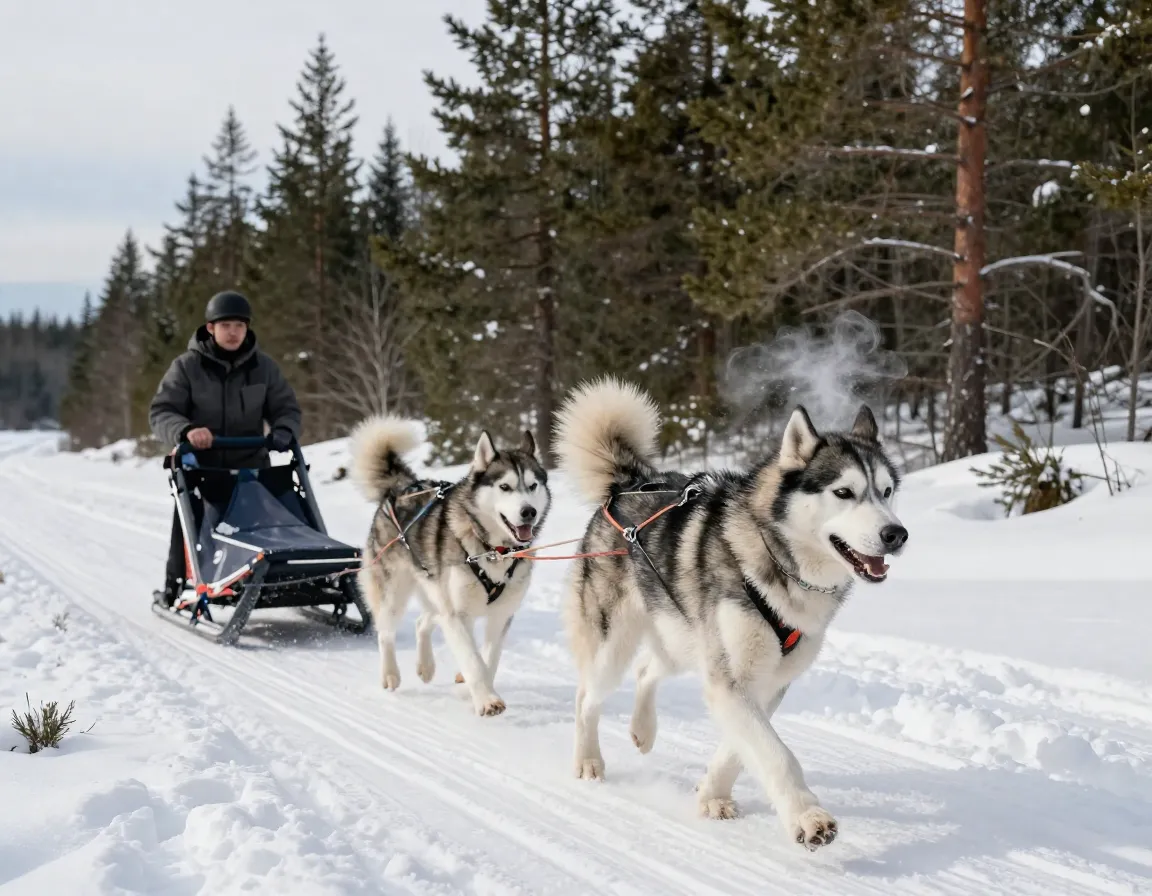
The final stage in the 6 Key Stages in the Development of a Puppy of Husky represents the transition to full maturity. Full maturity occurs between 12-15 months, though larger males may need until 18 months while smaller females reach adult size by 12 months [5][7].
Physical completion:
- Growth plates close and height stabilizes
- Final muscle development and body composition
- Coat reaches full adult texture and density
- Adult weight ranges: Males 45-60 pounds, Females 35-50 pounds
- Energy levels begin to stabilize (though Huskies remain high-energy dogs)
Behavioral maturation:
- Personality solidifies into adult temperament
- Training becomes more reliable and consistent
- Social skills with other dogs reach adult levels
- Work drive and breed-specific behaviors fully emerge
- Independence balances with learned obedience
Ongoing care considerations:
- Transition to adult dog food around 12-15 months
- Exercise needs remain high throughout adulthood
- Mental stimulation continues to be crucial for preventing destructive behaviors
- Regular veterinary care shifts to adult maintenance schedule
- Advanced training opportunities like sledding, skijoring, or agility
Husky-Specific Developmental Considerations
Siberian Huskies have unique characteristics that influence their development through these six stages:
🧬 Genetic traits that affect development:
- High energy levels require increased exercise at each stage
- Intelligence and independence can make training more challenging
- Pack mentality influences social development
- Escape instincts emerge early and strengthen with age
❄️ Environmental factors:
- Cold weather adaptation develops throughout puppyhood
- Seasonal coat changes begin in the first year
- Exercise tolerance in heat requires careful monitoring
- Social needs are higher than many other breeds
Supporting Your Husky Through Each Developmental Stage
Understanding the 6 Key Stages in the Development of a Puppy of Husky is only the first step. Successful puppy raising requires adapting your care approach to meet the specific needs of each developmental phase.
🍎 Nutritional support:
- High-quality puppy food during growth phases (0-12 months)
- Appropriate portion sizes to prevent overfeeding and joint stress
- Transition timing to adult food based on individual development
- Supplements only as recommended by your veterinarian
🏥 Veterinary care schedule:
- Vaccination series beginning at 6-8 weeks
- Parasite prevention throughout all stages
- Spay/neuter timing discussion during adolescence
- Regular growth monitoring to ensure proper development
🎓 Training progression:
- Age-appropriate expectations for each stage
- Positive reinforcement methods work best with Huskies
- Consistency across all family members
- Professional training support during challenging phases
Common Developmental Challenges and Solutions
Even with the best preparation, challenges arise during the 6 Key Stages in the Development of a Puppy of Husky. Here are the most common issues and evidence-based solutions:
🚫 Behavioral challenges:
- Excessive chewing: Provide appropriate outlets and redirect behavior
- Escape attempts: Secure environment and increase mental stimulation
- Selective hearing: Maintain consistent training and high-value rewards
- Social issues: Continue controlled socialization throughout development
📈 Growth-related concerns:
- Rapid growth spurts: Monitor for joint stress and adjust exercise
- Uneven development: Normal variation between individuals
- Weight management: Prevent overfeeding during growth phases
- Exercise limitations: Avoid forced exercise until growth plates close
Conclusion
The 6 Key Stages in the Development of a Puppy of Husky represent a fascinating journey from helpless newborn to magnificent adult dog. Each stage—from the vulnerable neonatal period through the challenging adolescent phase to final maturity—plays a crucial role in shaping your Husky’s physical capabilities, temperament, and lifelong behaviors.
Success in raising a well-adjusted Husky requires understanding that each developmental stage has unique needs and opportunities. The critical socialization window between 4-12 weeks cannot be repeated, making early intervention essential. Similarly, the challenges of adolescence require patience and consistency rather than frustration or punishment.
Take action today:
- Assess your puppy’s current stage and adjust care accordingly
- Schedule appropriate veterinary care for your puppy’s age
- Enroll in puppy socialization classes if your Husky is 8-16 weeks old
- Research professional trainers who understand Husky-specific needs
- Connect with other Husky owners for ongoing support and advice
Remember that raising a Siberian Husky is a long-term commitment that extends well beyond these initial developmental stages. The foundation you build during the 6 Key Stages in the Development of a Puppy of Husky will influence your dog’s behavior, health, and happiness for their entire 12-15 year lifespan. Invest the time and effort now to enjoy a lifetime of companionship with your remarkable Arctic athlete.
The journey through these developmental stages can be challenging, but it’s also incredibly rewarding. Each milestone your Husky reaches represents progress toward becoming the intelligent, loyal, and energetic companion that makes this breed so special. Embrace each stage, celebrate the victories, learn from the setbacks, and enjoy watching your tiny puppy transform into the magnificent dog they were meant to become.
References
[1] The Journey Of A Lifetime Understanding Your Dogs Life Stages – https://www.aaha.org/resources/the-journey-of-a-lifetime-understanding-your-dogs-life-stages/
[2] Puppy Development Stages Newborn Milestones Growth Charts – https://bowwowinsurance.com.au/pet-community/pet-talk/puppy-development-stages-newborn-milestones-growth-charts/
[3] Siberian Husky Progression Growth Chart Milestones And Training Tips – https://a-z-animals.com/blog/siberian-husky-progression-growth-chart-milestones-and-training-tips/
[4] The First Eight Weeks Of Your Puppies Life – https://www.royalkennelclub.com/dog-breeding/after-whelping/rearing-and-raising-your-puppies/the-first-eight-weeks-of-your-puppies-life/
[5] Siberian Husky Size Weight Growth Chart – https://www.dogster.com/lifestyle/siberian-husky-size-weight-growth-chart
[6] How To Train A Siberian Husky – https://www.akc.org/expert-advice/training/how-to-train-a-siberian-husky/
[7] Siberian Husky Growth And Weight Chart – https://www.pawlicy.com/blog/siberian-husky-growth-and-weight-chart/