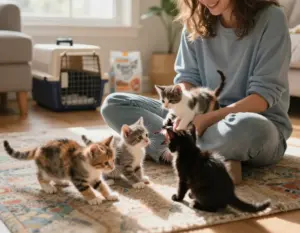
8 Red Flags to Avoid When Looking for Adorable Kittens for Sale 🚩
Finding the perfect kitten can feel like searching for a needle in a haystack, especially when scammers and unethical sellers flood the market with tempting offers. In 2026, as more people turn to online platforms to find their feline companions, the risks of falling victim to fraudulent sellers or supporting harmful breeding practices have never been higher. The excitement of bringing home an adorable kitten can quickly turn into heartbreak when buyers discover they’ve been scammed or unknowingly supported cruel operations.
Disclosure: This post contains affiliate links. As an Amazon Associate, we earn from qualifying purchases, and at no extra cost to you.
Understanding the 8 red flags to avoid when looking for adorable kittens for sale can save potential pet owners from financial loss, emotional distress, and the tragedy of supporting unethical practices. These warning signs serve as crucial indicators that separate legitimate, caring breeders from those who prioritize profit over animal welfare.
Key Takeaways 📝
- Age matters: Reputable sellers never offer kittens under 8 weeks old, as early separation from mothers can cause serious health and behavioral issues
- Payment red flags: Avoid sellers requesting wire transfers, cryptocurrency, gift cards, or money orders instead of standard payment methods
- Meeting requirements: Legitimate breeders always insist on in-person meetings to assess potential owners and show their facilities
- Documentation verification: Genuine sellers provide verifiable health records, vaccination certificates, and DNA testing proof when claimed
- Professional standards: Ethical breeders maintain clean facilities, proper veterinary care, and transparent communication throughout the process
1. Kittens Offered Under 8 Weeks of Age 🐱
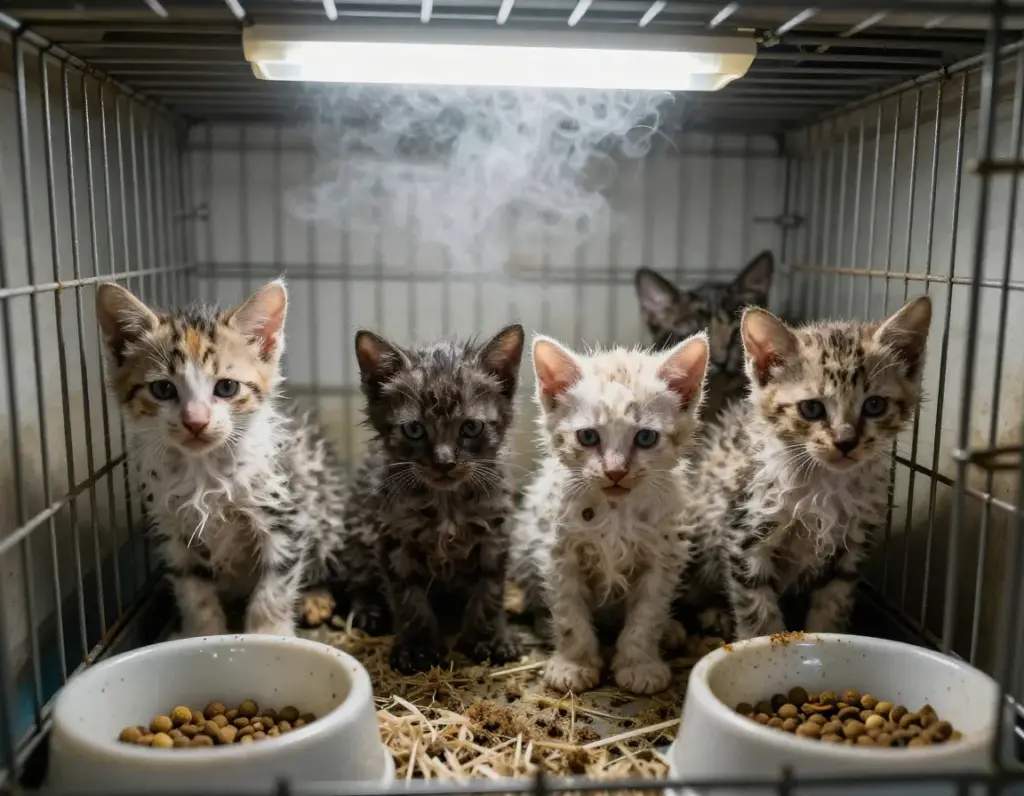
One of the most significant red flags when searching for adorable kittens for sale involves age restrictions. Reputable sellers never offer kittens younger than 8 weeks old, as this practice is prohibited in several jurisdictions and puts unweaned animals at serious risk [3]. Kittens separated from their mothers too early face numerous challenges that can affect their entire lives.
During the first eight weeks, kittens learn essential social skills from their mothers and littermates. They develop proper bite inhibition, litter box habits, and crucial behavioral patterns that shape their personalities. Early separation can lead to:
- Aggressive behavior and poor social skills
- Difficulty with litter box training
- Increased anxiety and fearfulness
- Weakened immune systems
- Nutritional deficiencies from incomplete weaning
Why 8 Weeks Matters
The eight-week minimum isn’t arbitrary—it’s based on veterinary science and animal welfare standards. Kittens typically complete weaning between 6-8 weeks, but they continue learning vital life skills until at least 8 weeks of age. Many reputable breeders actually prefer to keep kittens until 10-12 weeks to ensure optimal development.
Warning signs of age-related red flags include:
- Sellers who can’t provide exact birth dates
- Kittens that appear unusually small or underdeveloped
- Reluctance to show the mother cat
- Pressure to “take the kitten now” before it reaches appropriate age
2. Sellers Offering Delivery Without In-Person Meetings 📦
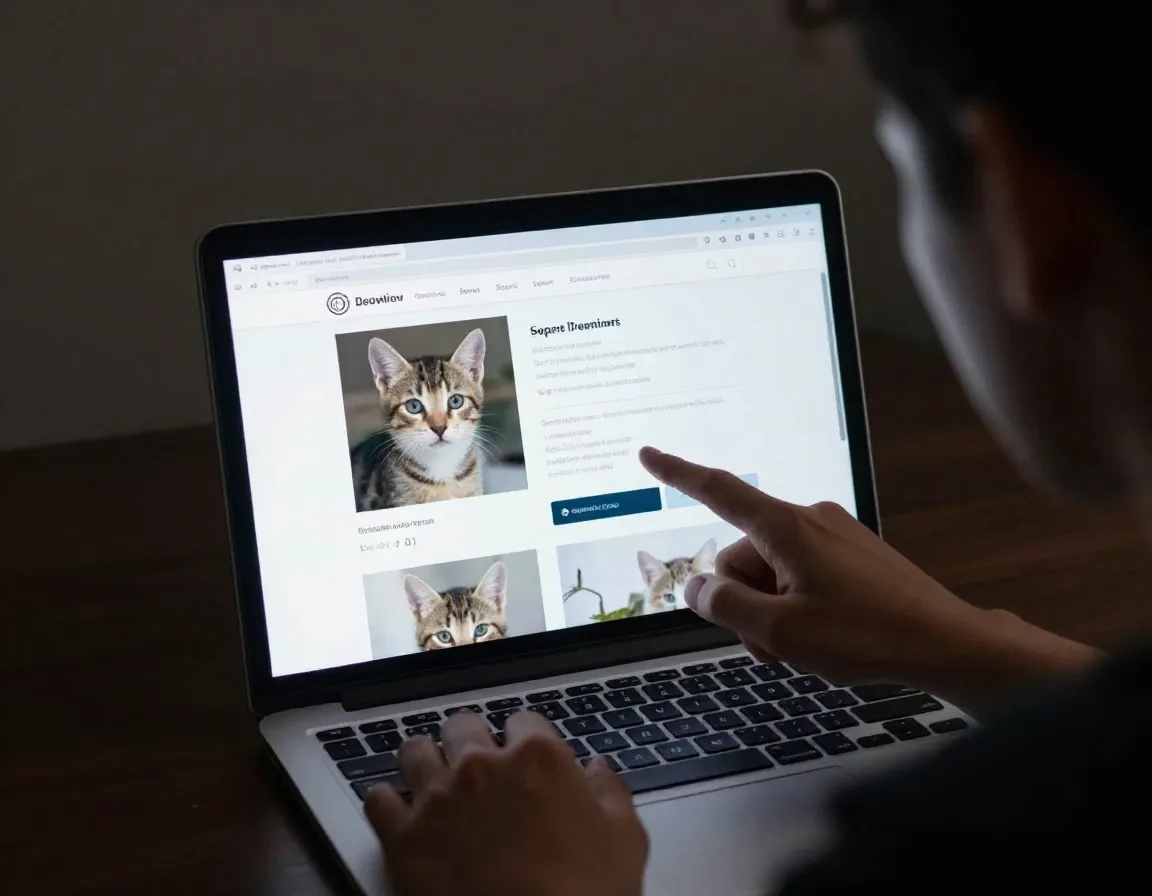
Another critical warning sign among the red flags to avoid when looking for adorable kittens for sale involves sellers who refuse face-to-face interactions. Legitimate breeders insist on meeting prospective owners first to assess suitability [3]. This requirement serves multiple purposes: it allows breeders to evaluate potential homes and gives buyers the opportunity to inspect facilities and meet the kitten’s parents.
Ethical breeders view themselves as guardians who carefully select appropriate homes for their kittens. They want to ensure each kitten goes to a loving, prepared family. Red flags in this category include:
Delivery-Only Operations
- Sellers who only offer shipping or delivery services
- Refusal to allow facility visits
- Claims that meetings are “unnecessary” or “inconvenient”
- Pressure to complete transactions sight unseen
Legitimate Breeder Expectations
Responsible breeders typically require:
- Home visits or facility tours to show breeding conditions
- Meet-and-greet sessions between potential owners and kittens
- Reference checks from veterinarians or previous pet owners
- Contracts outlining responsibilities and health guarantees
The insistence on personal meetings protects both buyers and kittens. Buyers can verify the seller’s legitimacy, assess the kitten’s health and temperament, and ensure they’re supporting ethical breeding practices.
3. Unverified DNA Testing Claims 🧬

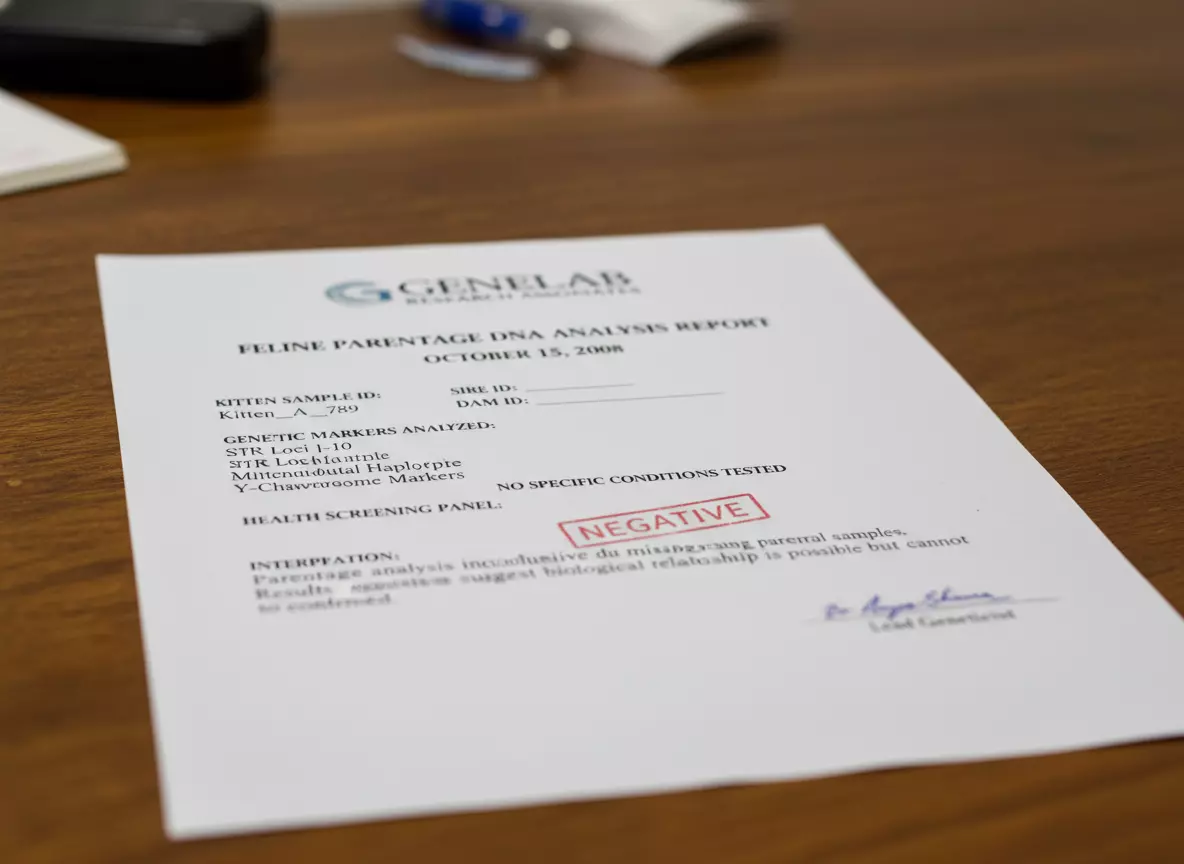
Modern pet buyers increasingly value health testing and genetic screening, making DNA testing claims a common selling point. However, unverified claims represent significant red flags to avoid when looking for adorable kittens for sale. Sellers may claim “parents DNA tested” without providing legitimate proof or specifying which health issues are tested for [3].
Common DNA Testing Scams
Vague health claims without documentation:
- “Champion bloodlines with health testing”
- “Parents fully DNA tested” with no specifics
- Generic health certificates without laboratory details
- Refusal to provide actual test results
Legitimate DNA testing documentation includes:
- Specific laboratory names and contact information
- Detailed results showing tested conditions
- Parent identification numbers matching registration papers
- Recent testing dates (within 2-3 years for most conditions)
Verifying Health Testing Claims
Responsible buyers should request:
- Complete test results from recognized laboratories
- Veterinary health certificates for both parents
- Registration papers linking parents to test results
- Laboratory contact information for verification
Breed-specific health concerns vary significantly. Persian cats require different testing than Maine Coons or Siamese cats. Legitimate breeders understand their breed’s specific health risks and test accordingly.
4. Unusual Payment Methods and Financial Red Flags 💰
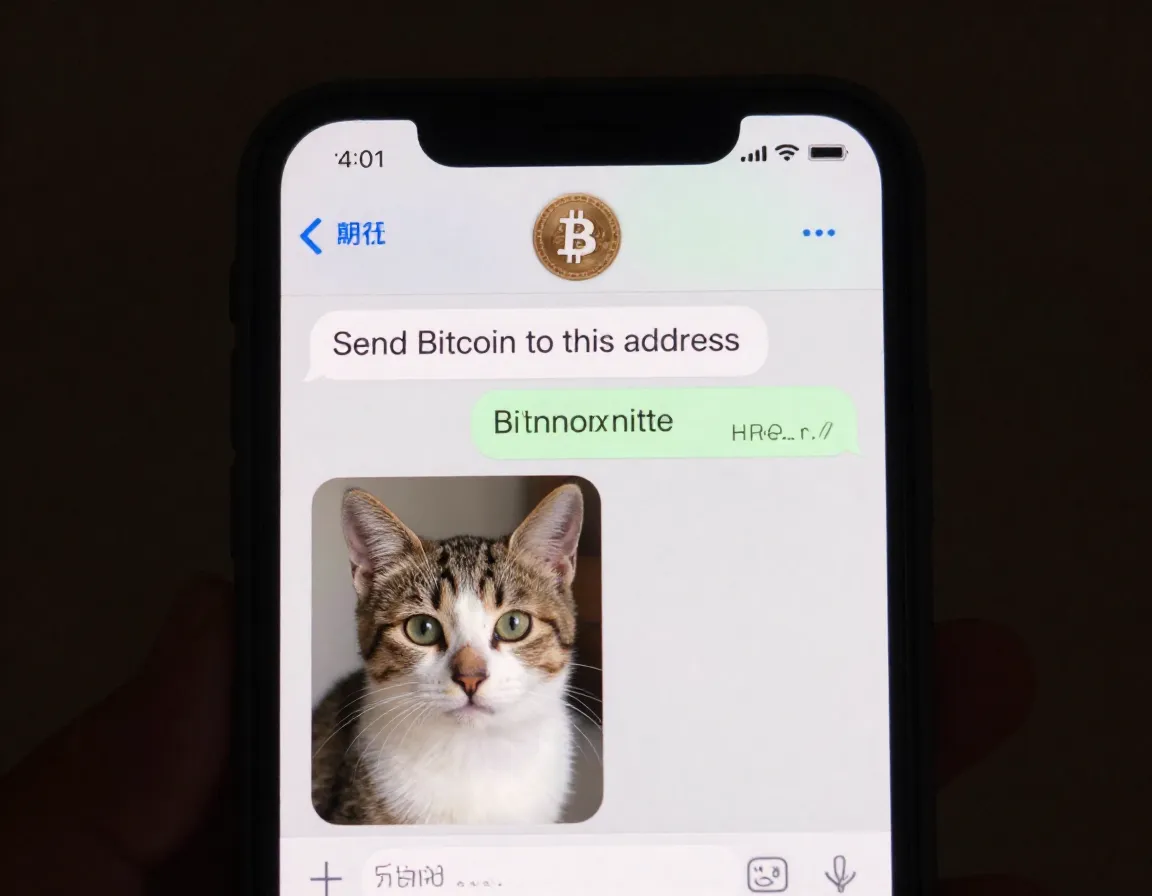
Payment-related warning signs constitute some of the most obvious red flags to avoid when looking for adorable kittens for sale. Scammers frequently request wire transfers, cryptocurrency, gift cards, or money orders instead of standard payment methods [5]. These payment methods offer no buyer protection and make fund recovery nearly impossible.
High-Risk Payment Requests
Immediate red flags include requests for:
- Wire transfers through Western Union or MoneyGram
- Cryptocurrency payments (Bitcoin, Ethereum, etc.)
- Gift cards from major retailers
- Money orders or cashier’s checks
- Payment before meeting the kitten
Safe Payment Practices
Legitimate sellers typically accept:
- Personal checks with proper identification
- Credit card payments with buyer protection
- PayPal transactions with goods and services protection
- Cash payments during in-person transactions
- Deposits with contracts outlining terms
Pricing Red Flags
Suspiciously low prices often indicate scams or unethical breeding operations. Warning signs include:
- Prices significantly below market rates for the breed
- “Clearance sales” or urgent pricing pressure
- Bulk discounts for multiple kittens
- No clear pricing structure or hidden fees
Quality breeding involves significant costs including health testing, veterinary care, proper nutrition, and facility maintenance. Extremely low prices may indicate corner-cutting that compromises animal welfare.
5. Fake Adoption Websites and Online Scams 🌐
The digital landscape has created new opportunities for sophisticated scams targeting kitten buyers. Scammers mirror legitimate rescue sites to collect fees and personal information without actual pets available [5]. These fake websites can appear remarkably professional and convincing.
Identifying Fake Websites
Red flags in online kitten sales include:
- Websites with limited contact information
- Stock photos instead of actual kitten pictures
- Multiple “available” kittens with identical descriptions
- Pressure for immediate payment or deposits
- Poor grammar and spelling in communications
Website Verification Steps
Before engaging with online sellers:
- Research the organization through independent sources
- Verify physical addresses using Google Street View
- Check business registrations with local authorities
- Read reviews on multiple platforms
- Reverse image search kitten photos to detect stolen images
Communication Red Flags
Legitimate sellers maintain professional, consistent communication. Warning signs include:
- Generic email responses that don’t address specific questions
- Reluctance to provide phone numbers or video calls
- Inconsistent information across different communications
- Pressure tactics emphasizing urgency or limited availability
6. Inadequate Health Documentation and Veterinary Care 🏥
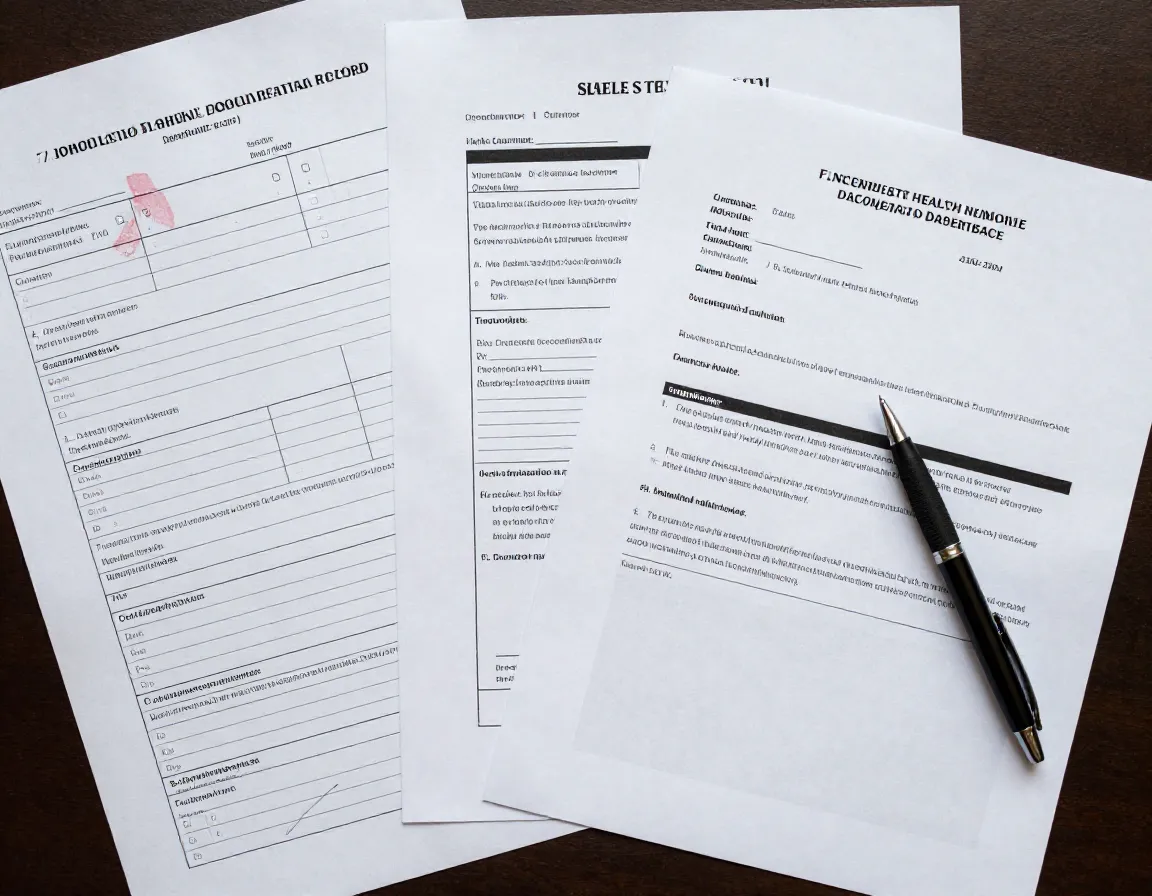
Proper health documentation serves as a cornerstone of ethical kitten sales. Responsible breeders maintain detailed veterinary records and provide comprehensive health information to buyers. Red flags in this area among those to avoid when looking for adorable kittens for sale include missing vaccination records, lack of veterinary relationships, and inadequate health guarantees.
Essential Health Documentation
Legitimate sellers provide:
- Complete vaccination records with veterinary clinic information
- Deworming schedules and treatment records
- Health examination certificates from licensed veterinarians
- Spay/neuter information or contracts
- Genetic health testing results when applicable
Veterinary Relationship Red Flags
Warning signs include sellers who:
- Cannot provide veterinary contact information
- Refuse to discuss medical history
- Claim to provide all medical care themselves
- Offer kittens without current vaccinations
- Have no established relationship with local veterinarians
Health Guarantee Concerns
Reputable breeders offer health guarantees covering genetic conditions and initial health status. Red flags include:
- No written health guarantees
- Extremely short guarantee periods
- Guarantees that exclude common breed-specific conditions
- Requirements that void guarantees for minor issues
7. Poor Breeding Conditions and Facility Red Flags 🏠
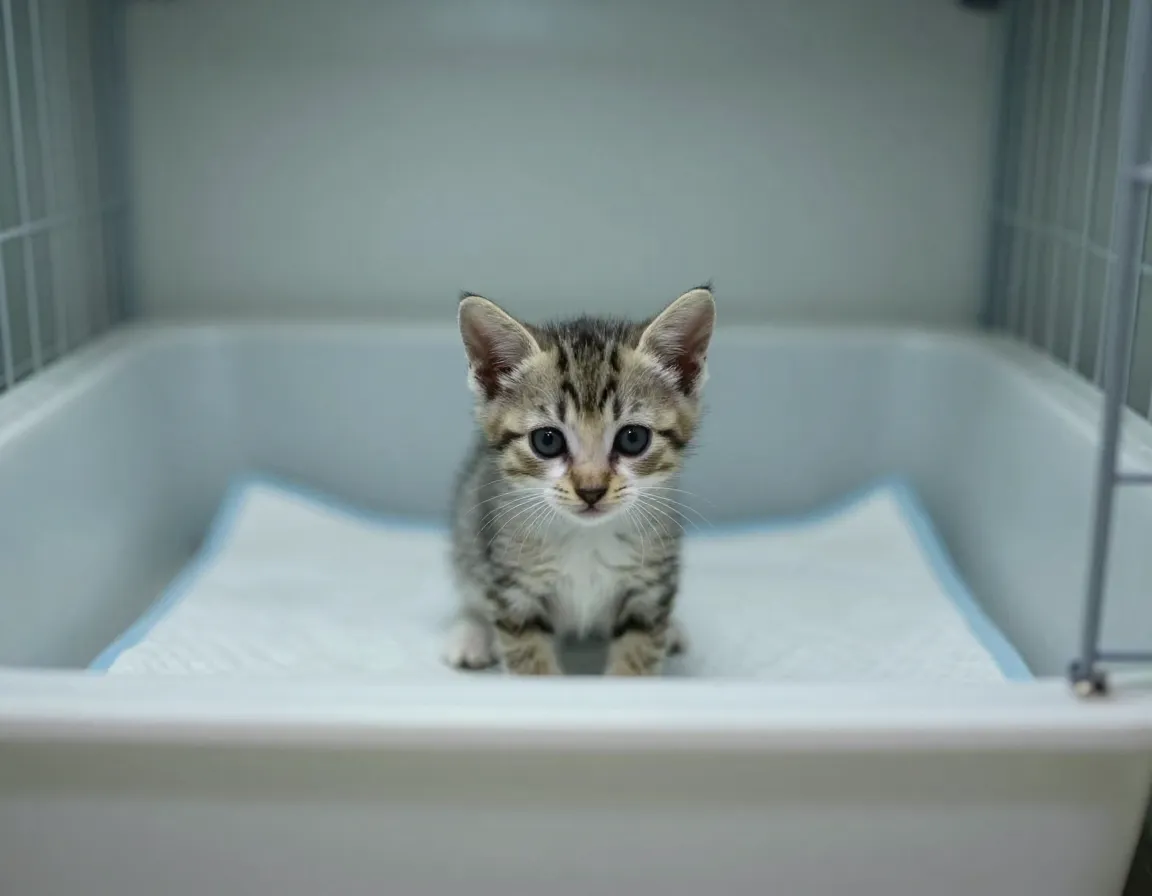
The physical environment where kittens are raised significantly impacts their health, socialization, and future behavior. When examining red flags to avoid when looking for adorable kittens for sale, facility conditions provide crucial insights into breeding practices and animal welfare standards.
Facility Inspection Warning Signs
Red flags during facility visits include:
- Overcrowded conditions with too many cats in small spaces
- Poor sanitation and strong odors
- Cats showing signs of stress, illness, or poor grooming
- Limited access to clean water and appropriate food
- Lack of environmental enrichment or socialization opportunities
Breeding Practice Concerns
Unethical breeding indicators:
- Female cats bred too frequently without adequate recovery time
- Very young or elderly breeding cats
- Cats showing signs of exhaustion or poor health
- Multiple litters available simultaneously from the same facility
- Reluctance to discuss breeding schedules or practices
Socialization Environment Assessment
Proper kitten socialization requires:
- Regular human interaction and handling
- Exposure to household sounds and activities
- Interaction with littermates and mother
- Clean, safe play areas
- Age-appropriate toys and stimulation
Kittens raised in poor conditions often develop behavioral problems, health issues, and difficulty adapting to new homes. Signs of inadequate socialization include:
- Fearful or aggressive behavior toward humans
- Poor litter box habits
- Excessive hiding or withdrawal
- Difficulty with routine handling and grooming
8. Seller Dishonesty and Communication Red Flags 🚨

The final category of red flags to avoid when looking for adorable kittens for sale involves seller integrity and communication patterns. Dishonesty about any detail signals untrustworthiness [1], and buyers should remain vigilant for inconsistencies or evasive responses throughout the purchasing process.
Communication Pattern Warning Signs
Red flags in seller communication include:
- Inconsistent stories about kitten backgrounds or breeding
- Reluctance to answer specific questions about care or health
- Pressure tactics emphasizing urgency or competition
- Evasive responses about facility visits or documentation
- Generic responses that don’t address individual concerns
Documentation and Registration Issues
Honesty concerns regarding paperwork:
- Registration papers that don’t match kitten descriptions
- Conflicting information about parentage or breeding dates
- Reluctance to provide copies of important documents
- Claims about championships or awards without verification
- Inconsistent pricing explanations or hidden fees
Verification Strategies
Protecting against dishonest sellers:
- Cross-reference information across multiple conversations
- Request references from previous buyers
- Verify registration organizations and membership status
- Document all communications for future reference
- Trust instincts when something feels wrong
Professional Standards Expectations
Legitimate breeders maintain consistent, professional standards throughout the sales process. They welcome questions, provide detailed information, and demonstrate genuine care for their kittens’ welfare. Ethical sellers typically:
- Provide detailed contracts outlining responsibilities
- Offer ongoing support and advice after purchase
- Maintain relationships with previous buyers
- Demonstrate extensive knowledge about their breed
- Show genuine interest in kitten placement rather than just profit
Additional Considerations for Kitten Buyers 🤔
Beyond the primary red flags to avoid when looking for adorable kittens for sale, several additional factors deserve consideration. These supplementary warning signs can help buyers make more informed decisions and avoid problematic situations.
Adoption Application Red Flags
When working with rescues or shelters, certain applicant behaviors raise concerns. Warning signs include [6]:
- Requests to declaw kittens, which is considered inhumane
- Existing pets that aren’t spayed, neutered, or vaccinated
- Household members unaware of the adoption plans
- History involving animals in violent situations
- Dishonesty during the application process
Seasonal and Market Considerations
Timing-related red flags:
- Unusual availability during typical low-breeding seasons
- Pressure to purchase during holidays or peak demand periods
- Claims about “last available” kittens without verification
- Seasonal pricing that seems manipulative rather than market-driven
Breed-Specific Concerns
Different breeds present unique considerations and potential red flags:
- Purebred cats should have appropriate registration papers
- Designer breeds may indicate trendy but unethical breeding
- Rare breeds command higher prices but require extra verification
- Mixed breeds should be honestly represented without false claims
Protecting Yourself: Best Practices for Kitten Buyers 🛡️
Understanding red flags represents only part of successful kitten acquisition. Implementing protective strategies helps ensure positive outcomes and supports ethical breeding practices.
Research and Preparation Steps
Before beginning your search:
- Research breed characteristics and typical pricing
- Identify reputable breeding organizations and registries
- Locate recommended veterinarians for post-purchase care
- Prepare your home for kitten arrival
- Budget for ongoing expenses beyond purchase price
Evaluation Checklist
During seller interactions, verify:
- Facility cleanliness and animal welfare standards
- Complete health documentation and veterinary relationships
- Honest communication and professional conduct
- Appropriate kitten age and socialization
- Fair pricing and transparent payment methods
Contract and Documentation Review
Essential paperwork includes:
- Written sales contracts with health guarantees
- Complete medical records and vaccination certificates
- Registration papers for purebred cats
- Spay/neuter agreements or certificates
- Contact information for ongoing support
Conclusion: Making Informed Decisions When Buying Kittens 🎯
Navigating the kitten marketplace requires vigilance, patience, and knowledge of potential pitfalls. The 8 red flags to avoid when looking for adorable kittens for sale serve as essential guidelines for protecting both buyers and animals from unethical practices and fraudulent schemes. By recognizing these warning signs, potential cat owners can make informed decisions that support responsible breeding and ensure positive outcomes for their new feline companions.
Key protective strategies include:
- Thorough research of sellers and breeding practices
- In-person facility visits before making commitments
- Verification of health documentation and veterinary care
- Standard payment methods with buyer protection
- Professional communication and transparent practices
Remember that finding the right kitten takes time and effort. Rushing the process or ignoring red flags often leads to disappointment, financial loss, and support for harmful practices. Ethical breeders and legitimate rescue organizations welcome scrutiny and provide comprehensive information to help buyers make informed decisions.
The investment in careful evaluation pays dividends through years of companionship with healthy, well-socialized cats. By avoiding these red flags and supporting responsible sellers, buyers contribute to improved animal welfare standards and help reduce the market for unethical breeding operations.
Take action today by:
- Bookmarking this guide for reference during your search
- Sharing this information with other potential kitten buyers
- Reporting suspicious sellers to appropriate authorities
- Supporting legitimate rescue organizations and ethical breeders
Your diligence in avoiding these red flags not only protects your interests but also helps create a safer, more ethical marketplace for all kitten buyers and sellers in 2026.
References
[1] Watch – https://www.youtube.com/watch?v=hHcB3OgiVcI
[2] Red Flags Cat Adoption – https://www.adoptapet.com/blog/adoption/red-flags-cat-adoption
[3] What Are Some Red Flags When Looking For A Dog Or Cat Online – https://kb.rspca.org.au/categories/companion-animals/choosing-a-pet/what-are-some-red-flags-when-looking-for-a-dog-or-cat-online
[4] What Not To Do When Adopting Cat – https://www.petmd.com/cat/general-health/what-not-to-do-when-adopting-cat
[5] Pet Adoption Red Flags%253a Spotting Puppy Mills %2526 Scams – https://www.werescue.pet/pet-adoption-tips-detail/pet-adoption-red-flags-spotting/Pet-Adoption-Red-Flags%253A-Spotting-Puppy-Mills-%2526-Scams
[6] 10 Red Flags To Look Out For On Cat Adoption Applications – https://sdhumane.org/10-red-flags-to-look-out-for-on-cat-adoption-applications/
[7] Shelter Cat Behavior – https://www.aspcapetinsurance.com/resources/shelter-cat-behavior/