8 Local Shelters With Adorable Kittens for Adoption Right Now
Every year, millions of adorable kittens wait in shelters across the country for their forever homes, and 2026 presents incredible opportunities for potential pet parents to find their perfect feline companion. With national adoption rates showing positive trends and local shelters working tirelessly to connect kittens with loving families, finding 8 local shelters with adorable kittens for adoption right now has never been more accessible or rewarding.

Disclosure: This post contains affiliate links. As an Amazon Associate, we earn from qualifying purchases, and at no extra cost to you.
The landscape of animal adoption continues to evolve, with shelters reporting improved live release rates and innovative programs designed to match kittens with suitable families. According to recent data, approximately 4.2 million animals were adopted from shelters nationwide, demonstrating the growing commitment to pet adoption [1]. This comprehensive guide will help prospective cat parents navigate the exciting journey of kitten adoption while highlighting the most effective ways to connect with local shelters currently housing adorable kittens ready for new homes.
Key Takeaways
- Local shelter networks maintain real-time databases of available kittens, with many featuring online browsing platforms for immediate viewing
- Adoption success rates have improved significantly, with some shelters achieving live release rates exceeding 98% through enhanced programs and community partnerships
- Kitten availability varies seasonally, with peak adoption opportunities typically occurring during spring and summer months when litters are most common
- Preparation and research are essential for successful adoption, including understanding adoption fees, requirements, and long-term care commitments
- Multiple resources exist for finding local shelters, including national databases, social media platforms, and direct shelter websites with current availability
Understanding the Current State of Kitten Adoption
The animal welfare landscape in 2026 reflects decades of progress in shelter management and adoption practices. National statistics reveal that while approximately 273,000 cats were euthanized in shelters, this number represents a significant decrease from previous years [1]. This improvement stems from enhanced adoption programs, spay-neuter initiatives, and community outreach efforts that have transformed how shelters operate.
Modern shelter practices focus on comprehensive care that goes beyond basic housing. Today’s shelters provide medical treatment, behavioral assessment, and socialization programs that prepare kittens for successful transitions to new homes. Many facilities have adopted no-kill philosophies, working diligently to ensure every adoptable animal finds placement.
The Cat Adoption Team, serving the Portland area, exemplifies this commitment with an impressive 98.8% live release rate achieved in 2024 [2]. This success story demonstrates how dedicated shelter programs can dramatically improve outcomes for cats and kittens in their care.
Seasonal Patterns and Availability
Kitten availability follows predictable seasonal patterns that prospective adopters should understand. Spring and early summer typically bring the highest numbers of available kittens, as this period coincides with natural breeding cycles. During these months, shelters often experience what’s commonly called “kitten season,” when litters arrive frequently and adoption opportunities peak.
Fall and winter months may offer fewer kittens but often feature older cats and adolescent animals who have been waiting longer for homes. These periods can be ideal for adopters seeking slightly older kittens who have already received more comprehensive medical care and socialization.
How to Find 8 Local Shelters With Adorable Kittens for Adoption Right Now
Locating shelters with current kitten availability requires a strategic approach using multiple resources and platforms. The most effective method involves combining online research with direct communication to ensure accurate, up-to-date information about available animals.
1. National Adoption Databases

Petfinder remains the most comprehensive national database for pet adoption, featuring real-time listings from thousands of shelters and rescue organizations. Users can search by location, age, breed, and other specific criteria to find kittens available in their area. The platform updates regularly as shelters add new arrivals and mark animals as adopted.
Adopt-a-Pet offers similar functionality with an intuitive interface that allows detailed filtering options. This platform often features exclusive listings from smaller rescue organizations that may not appear on other sites.
PetSmart Charities maintains partnerships with local shelters and frequently hosts adoption events, making it an excellent resource for finding both permanent shelter locations and temporary adoption opportunities.
2. Municipal Animal Control Facilities
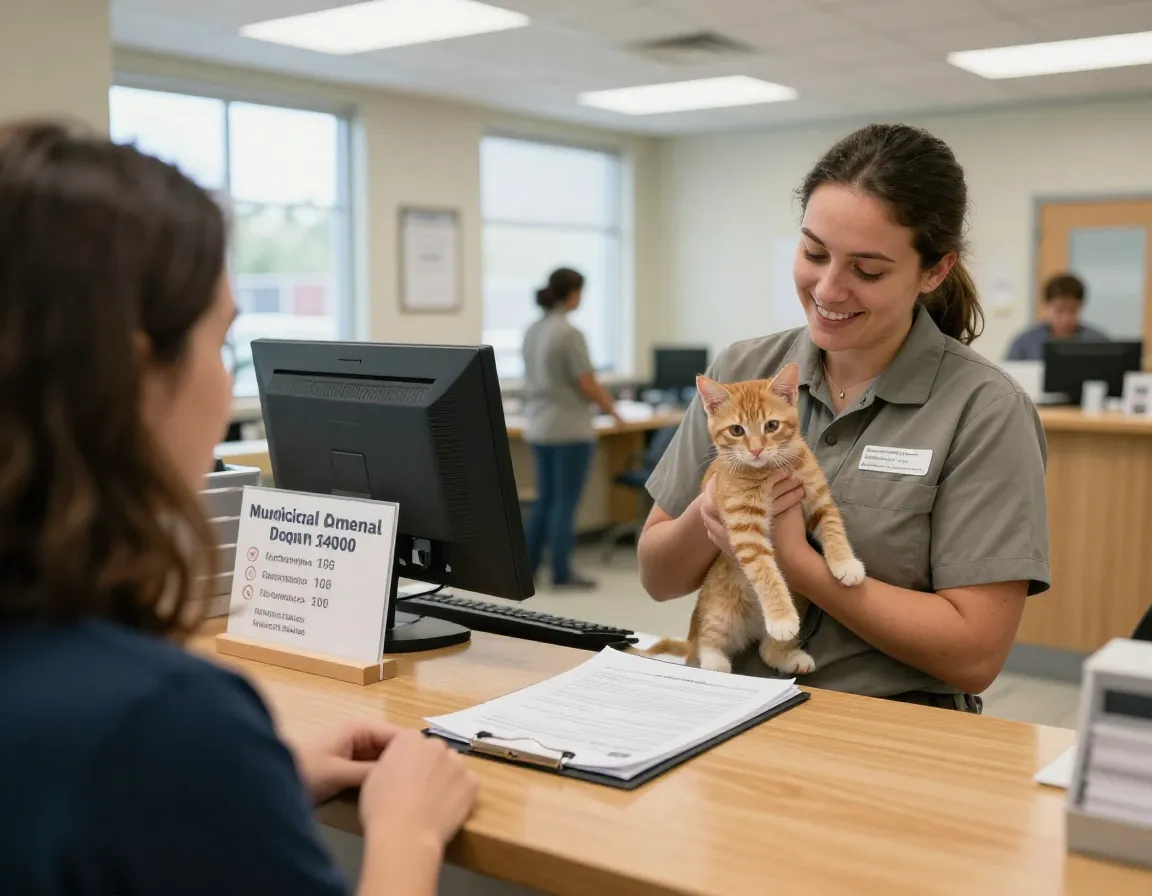
Most cities and counties operate municipal animal control facilities that serve as primary intake points for stray and surrendered animals. These facilities often have the highest turnover rates and frequently receive kittens throughout the year.
City animal services departments typically maintain websites with current animal listings, adoption hours, and contact information. Many offer online applications that can expedite the adoption process when submitted in advance.
County animal shelters often serve broader geographic areas and may have larger capacities for housing animals. These facilities frequently partner with rescue organizations to increase adoption rates and expand their reach.
3. Private Rescue Organizations
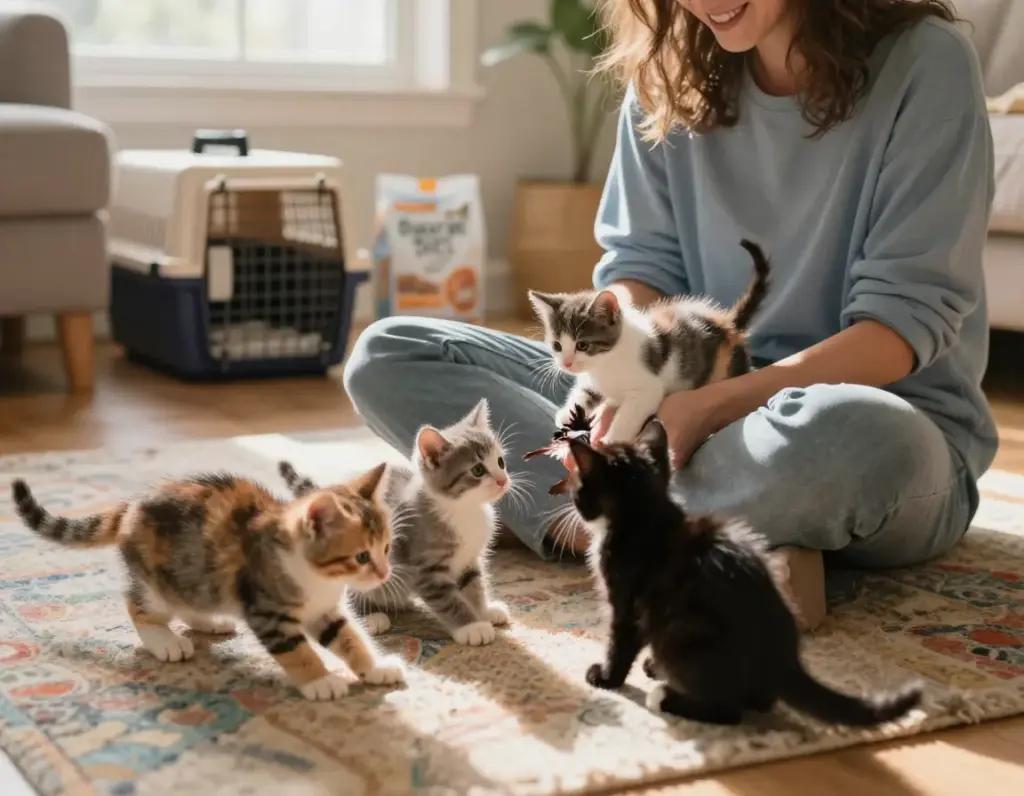
Breed-specific rescues focus on particular cat breeds and often have extensive knowledge about the animals in their care. While they may have fewer total animals, they typically provide detailed information about each kitten’s personality and needs.
General cat rescues operate throughout most communities and often specialize in rehabilitation and socialization of animals with special needs or behavioral challenges. These organizations frequently have foster networks that allow them to care for more animals than traditional shelter facilities.
4. Veterinary Clinic Networks
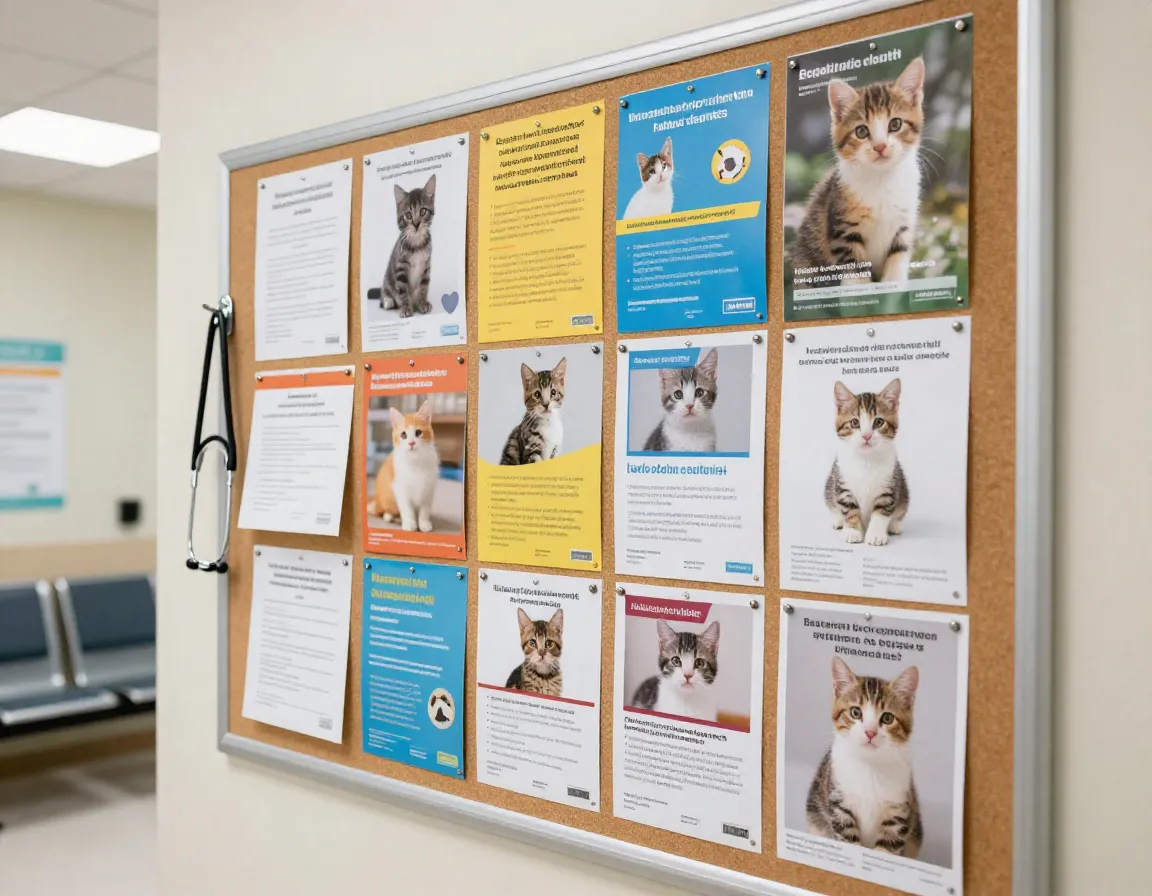
Many veterinary clinics maintain bulletin boards or referral systems for local adoption opportunities. Veterinarians often have firsthand knowledge of reputable shelters and may be aware of upcoming litters or special adoption events.
Animal hospitals sometimes partner with rescue organizations to provide medical care and may serve as temporary housing for animals awaiting adoption placement.
5. Social Media Platforms

Facebook groups dedicated to local pet adoption have become increasingly popular and effective for connecting adopters with available animals. Many shelters maintain active social media presence with regular updates about new arrivals and adoption success stories.
Instagram accounts from local shelters often feature high-quality photos and videos of available animals, providing potential adopters with better visual information than traditional listing sites.
6. Community Bulletin Boards
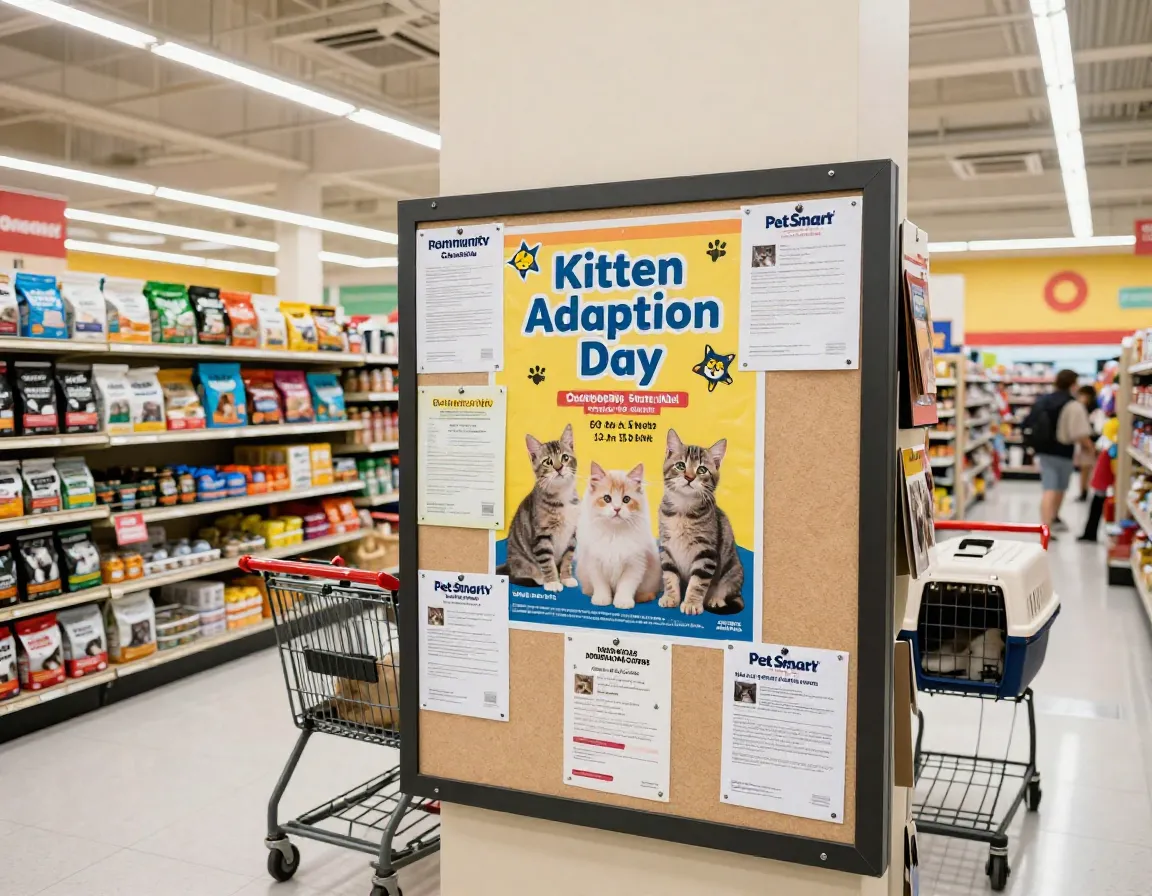
Pet supply stores frequently host adoption events and maintain information about local shelter activities. Staff members at these locations often have extensive knowledge about regional rescue organizations and adoption opportunities.
Community centers and libraries sometimes feature bulletin boards with local pet adoption information, particularly in smaller communities where word-of-mouth networking remains important.
7. Shelter Coalition Networks
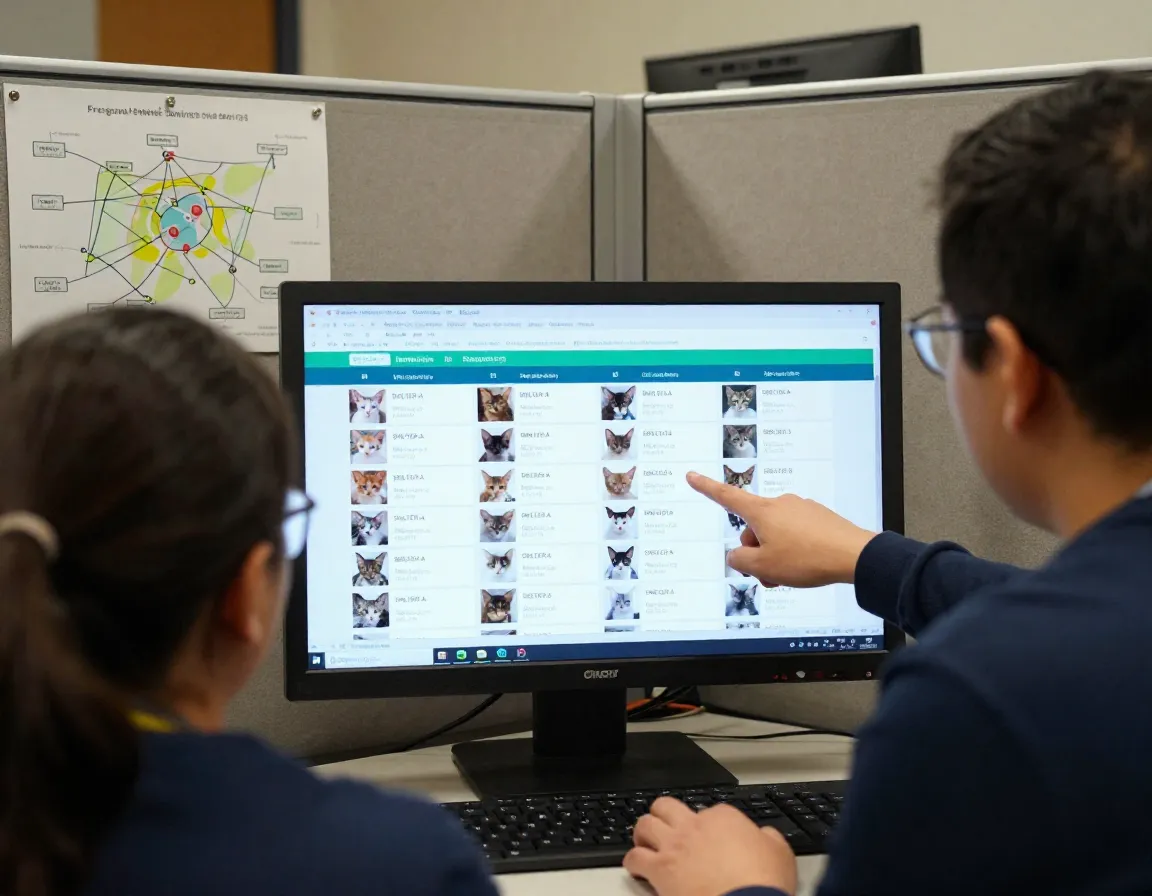
Many regions have shelter coalitions that coordinate resources and share information about animal placement. These organizations often maintain comprehensive databases of member shelters and can provide guidance about which facilities currently have kittens available.
Regional rescue networks facilitate transfers between shelters to balance capacity and improve adoption opportunities. They often have real-time information about animal availability across multiple facilities.
8. Direct Shelter Contact

Phone calls to local shelters remain one of the most reliable methods for obtaining current information about kitten availability. Shelter staff can provide immediate updates about recent arrivals and upcoming adoption events.
Email inquiries allow potential adopters to express specific preferences and receive notifications when suitable animals become available. Many shelters maintain waiting lists for popular age groups or breeds.
Preparing for Successful Kitten Adoption
Understanding the adoption process and preparing adequately increases the likelihood of successful placement and long-term satisfaction for both adopters and animals. Shelter requirements vary but typically include application completion, reference checks, and sometimes home visits or meet-and-greet sessions.
Financial Considerations
Adoption fees typically range from $50 to $200 and often include spaying/neutering, initial vaccinations, and microchipping. These fees represent significant value compared to obtaining these services independently and help support shelter operations.
Long-term costs for cat ownership include ongoing veterinary care, food, litter, and supplies. Prospective adopters should budget approximately $500-$1,000 annually for routine cat care, with additional funds reserved for unexpected medical expenses.
Home Preparation
Kitten-proofing involves removing or securing potential hazards such as toxic plants, small objects that could be swallowed, and accessible electrical cords. Creating a safe environment before bringing a kitten home reduces stress and prevents accidents.
Supply acquisition should include appropriate food, litter box, scratching posts, toys, and a carrier for transportation. Having these items ready demonstrates preparation and commitment to shelter staff during the adoption process.
Timeline Expectations
Application processing can take anywhere from same-day approval to several weeks, depending on shelter policies and current demand. Popular adoption periods may involve longer wait times due to increased competition for available animals.
Adjustment periods for newly adopted kittens typically last 2-4 weeks as animals acclimate to new environments. Understanding this timeline helps adopters maintain realistic expectations and provide appropriate support during the transition.
Maximizing Your Adoption Success
Successfully adopting from 8 local shelters with adorable kittens for adoption right now requires strategic planning and flexibility. The most successful adopters approach the process with open minds while maintaining clear criteria for their ideal pet.
Building Relationships with Shelter Staff
Regular communication with shelter personnel helps establish relationships that can lead to early notification about new arrivals. Staff members appreciate adopters who demonstrate genuine commitment and preparation.
Volunteer opportunities at local shelters provide insider knowledge about operations and available animals while contributing to the organization’s mission. Many successful adoptions result from connections made through volunteer work.
Flexibility in Preferences
Age considerations should remain somewhat flexible, as slightly older kittens often have advantages including completed medical procedures and established personalities. Many adopters find that 4-6 month old kittens offer ideal combinations of youth and stability.
Breed preferences may need adjustment based on availability, but mixed-breed cats often display excellent health and temperament characteristics. Shelter staff can provide valuable insights about individual animals that transcend breed considerations.
Conclusion
Finding 8 local shelters with adorable kittens for adoption right now represents an exciting opportunity to provide a loving home while supporting vital community animal welfare efforts. The combination of improved shelter practices, comprehensive online resources, and dedicated staff creates an environment where successful adoptions flourish.
The key to successful kitten adoption lies in thorough preparation, flexible expectations, and commitment to the long-term responsibility of pet ownership. By utilizing multiple search strategies, building relationships with local shelter networks, and understanding the adoption process, prospective cat parents can navigate the system effectively and find their perfect feline companion.
Take action today by visiting local shelter websites, browsing national adoption databases, and contacting facilities directly about current kitten availability. The statistics show that millions of animals find homes each year through shelter adoption [3], and your participation in this process contributes to positive outcomes for both individual animals and the broader animal welfare community.
Remember that successful pet adoption extends far beyond the initial placement. The commitment to providing excellent care, regular veterinary attention, and a loving environment for 15-20 years represents the true measure of adoption success. With proper preparation and realistic expectations, adopting a kitten from local shelters creates rewarding relationships that enrich both human and feline lives for years to come.
References
[1] Pet Adoption Statistics – https://insurify.com/pet-insurance/insights/pet-adoption-statistics/
[2] Statistics – https://catadoptionteam.org/about/statistics/
[3] Us Animal Shelter Statistics – https://www.aspca.org/helping-shelters-people-pets/us-animal-shelter-statistics