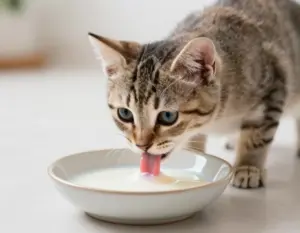
6 Adorable Tiny Kittens That Fit in the Palm of Your Hand
Imagine holding a fully grown cat in the palm of your hand like a precious jewel. While most felines grow to substantial sizes, there exists a fascinating world of 6 adorable tiny kittens that fit in the palm of your hand – breeds so remarkably small they challenge everything we think we know about cat sizes. These miniature marvels combine the independence and charm of regular cats with an almost toy-like appearance that captivates hearts worldwide.
Disclosure: This post contains affiliate links. As an Amazon Associate, we earn from qualifying purchases, and at no extra cost to you.
Key Takeaways
- The Rusty Spotted Cat holds the title as the world’s smallest wild cat species, with adult males weighing just 2-3.5 pounds [1]
- Domestic breeds like Singapura, Munchkin, and Dwelf represent the tiniest house cats, typically weighing between 4-9 pounds when fully grown [2][3][5]
- Small cats offer practical advantages including longer lifespans, fewer health issues, reduced food costs, and better apartment living compatibility [3]
- Record-breaking tiny cats like Lilieput the Munchkin prove just how remarkably small these breeds can be at 5.25 inches tall [2]
- Tiny cats maintain full feline personalities despite their diminutive size, offering all the companionship of larger breeds in compact packages
Understanding What Makes These 6 Adorable Tiny Kittens That Fit in the Palm of Your Hand So Special
The world of miniature cats encompasses both wild species and carefully bred domestic varieties. These palm-sized felines represent nature’s most compact predators, maintaining all the hunting instincts and playful personalities of their larger cousins while fitting into spaces barely larger than a smartphone.
Small cat breeds typically result from either natural evolution (as seen in wild species adapting to specific environments) or selective breeding that emphasizes compact size while maintaining health and temperament. The appeal of these tiny companions extends far beyond their adorable appearance – they offer unique advantages for modern pet ownership.
Why Size Matters in Cat Ownership
Smaller cats provide distinct benefits that make them increasingly popular choices for pet owners:
- 🏠 Space Efficiency: Perfect for apartments and small living spaces
- 💰 Lower Costs: Reduced food consumption and smaller litter box requirements
- ✈️ Travel Friendly: Easier transportation and accommodation
- 👥 Social Advantages: Less intimidating for children and elderly individuals
- 🏥 Health Benefits: Generally longer lifespans and fewer breed-specific health issues [3]
The 6 Most Adorable Tiny Kittens That Fit in the Palm of Your Hand
1. Rusty Spotted Cat – The Wild Miniature Marvel
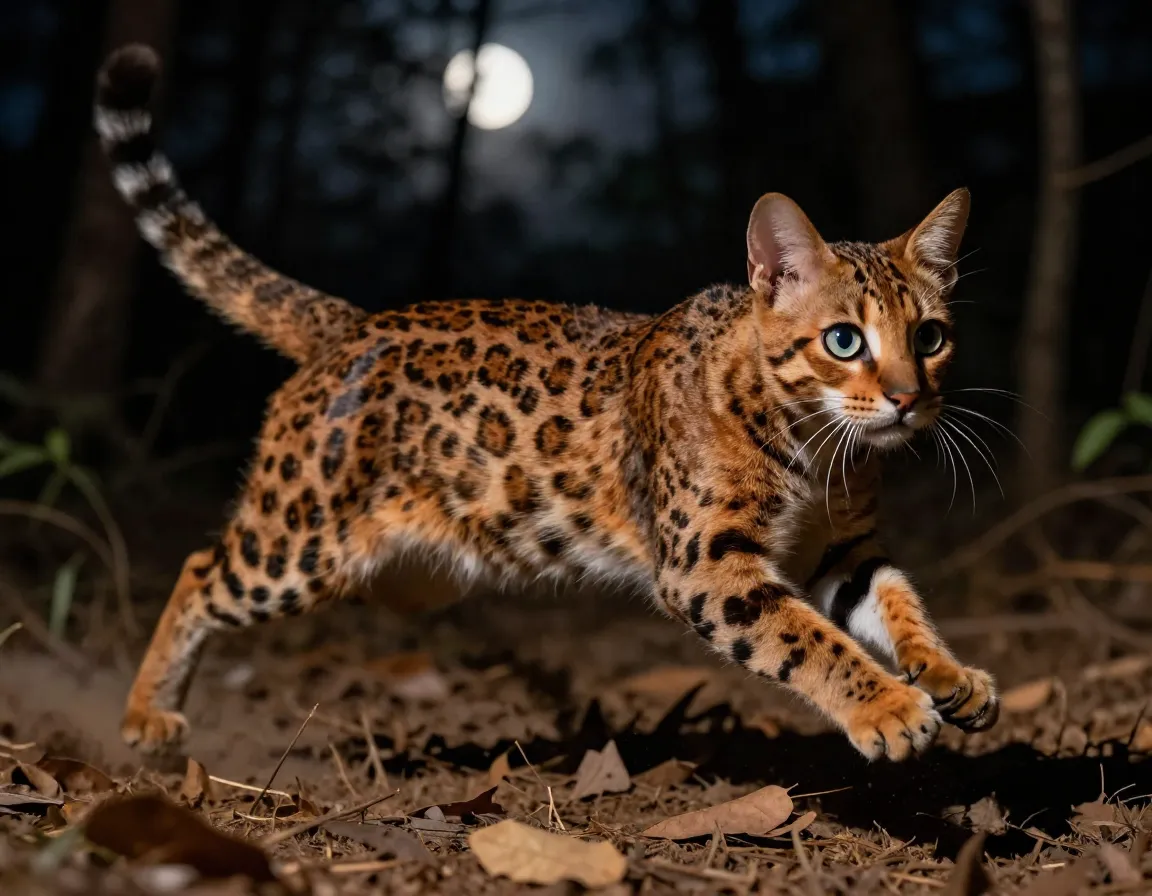
The Rusty Spotted Cat (Prionailurus rubiginosus) claims the crown as the world’s smallest wild cat species. These incredible felines prove that good things truly come in small packages, with fully grown males weighing just 2-3.5 pounds and measuring small enough to literally fit in an adult’s palm [1].
Key Characteristics:
- Weight: 2-3.5 pounds (males), 2-2.5 pounds (females)
- Length: 14-19 inches (body), plus 6-10 inch tail
- Habitat: Dry deciduous forests and grasslands of India and Sri Lanka
- Distinctive Features: Rust-colored spotted coat, enormous eyes relative to body size
Despite their tiny stature, Rusty Spotted Cats are fierce hunters with incredible agility. They can leap six times their body length and are excellent climbers, often hunting birds and small mammals in trees. Their oversized eyes provide exceptional night vision, making them formidable nocturnal predators.
2. Singapura – The Smallest Natural Domestic Breed
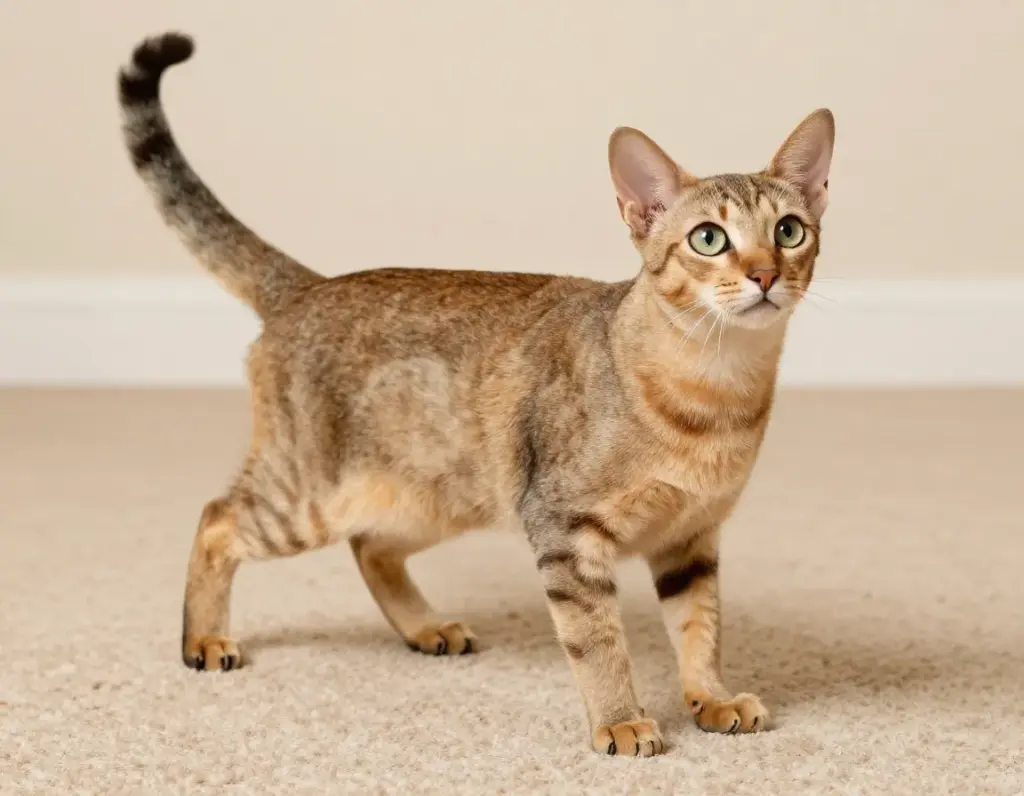
The Singapura holds the official title as the smallest natural cat breed, with adults typically weighing between 4-8 pounds [5]. Originally from Singapore (hence the name), these cats pack enormous personality into their compact frames.
Breed Highlights:
- Adult Weight: 4-6 pounds (females), 6-8 pounds (males)
- Coat: Short, ticked tabby in warm beige tones
- Eyes: Large, almond-shaped, typically hazel or green
- Temperament: Curious, playful, and highly social
Singapuras feature wide eyes, tawny coats, and blunt tails, combined with surprisingly muscular bodies and impressive athletic abilities [3]. Their small size doesn’t diminish their confidence – these cats often act like they’re much larger than they actually are.
3. Munchkin – The Short-Legged Wonder
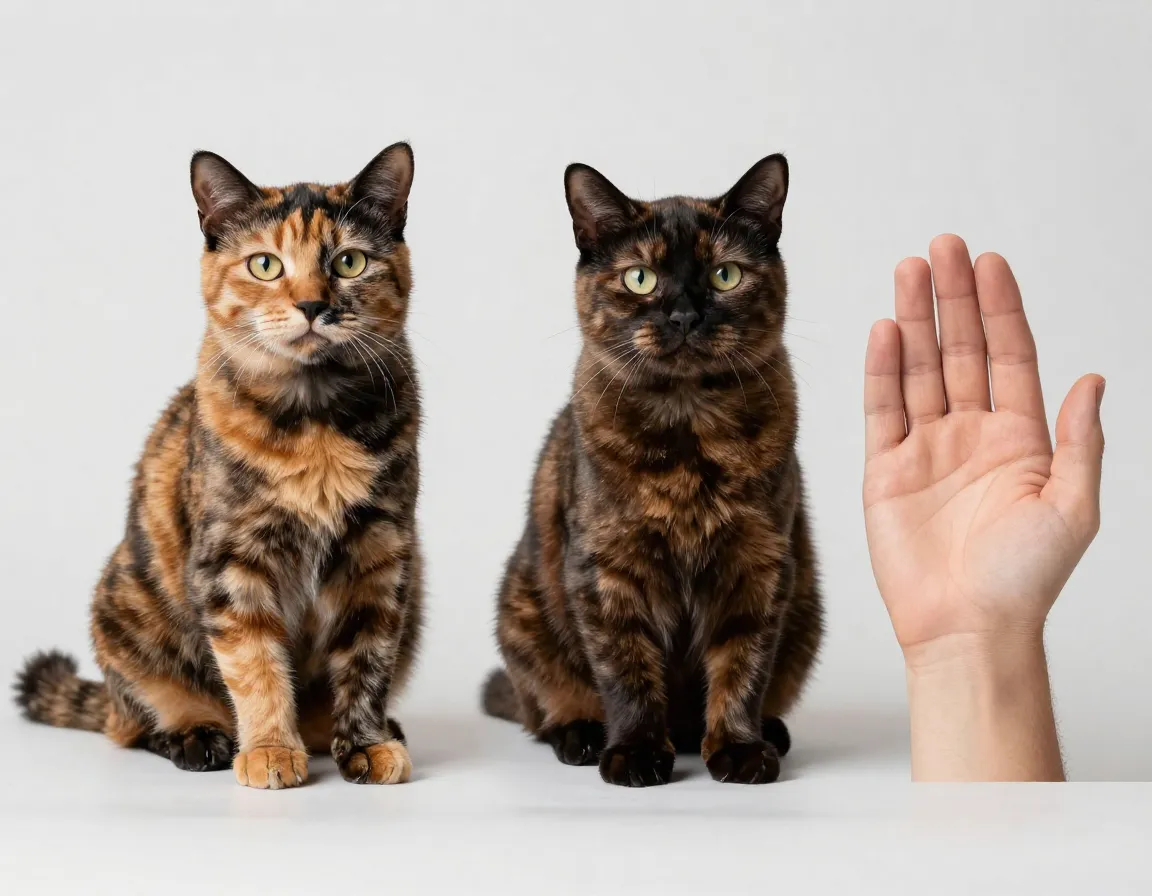
Munchkin cats represent one of the most recognizable small breeds, weighing 5-9 pounds when fully grown despite their distinctive short legs caused by a genetic mutation [2]. Their unique appearance has captured hearts worldwide and earned them a place among the most sought-after tiny cat breeds.
Munchkin Specifications:
- Weight Range: 5-9 pounds
- Leg Length: 2-3 inches shorter than average cats
- Coat Varieties: Both short and long-haired versions available
- Colors: All colors and patterns accepted
The breed gained international attention when Lilieput, a tortoiseshell Munchkin from Napa, California, earned the Guinness World Record as the world’s shortest living cat at just 5.25 inches tall from paw to shoulder [2]. This remarkable achievement showcases just how incredibly small these cats can be.
4. Dwelf – The Tiny Hairless Hybrid
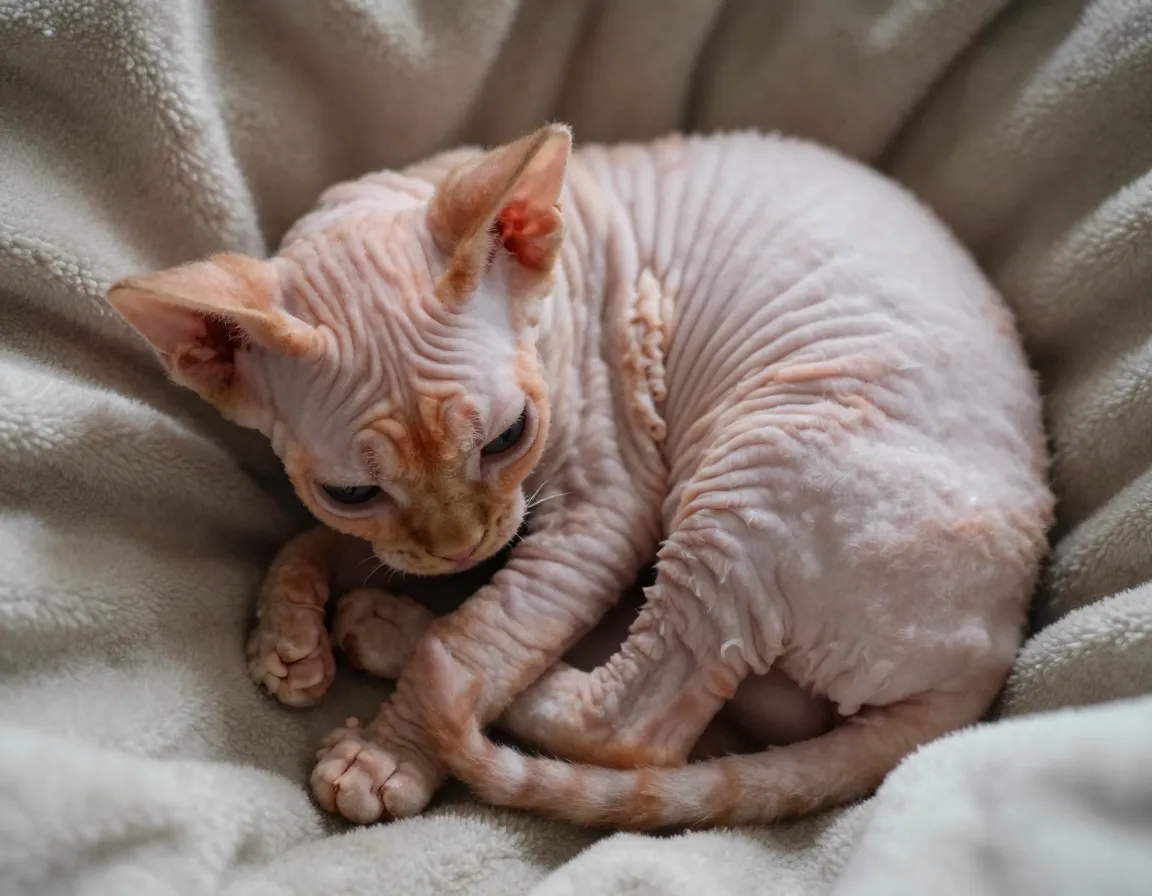
Among the tiniest breeds available, the Dwelf weighs merely 4-6 pounds and stands only 7 inches in height [3]. This relatively new breed combines characteristics from Munchkin, American Curl, and Sphynx cats, resulting in a unique appearance that’s both striking and adorable.
Dwelf Characteristics:
- Weight: 4-6 pounds
- Height: Approximately 7 inches
- Coat: Hairless or very fine peach fuzz
- Ears: Curled back like the American Curl
- Body: Short-legged like the Munchkin
The Dwelf’s combination of tiny size and unique features makes them one of the most distinctive small cat breeds. Their hairless nature means they require special care in temperature regulation but also makes them ideal for people with cat allergies.
5. Devon Rex – The Pixie-Like Companion
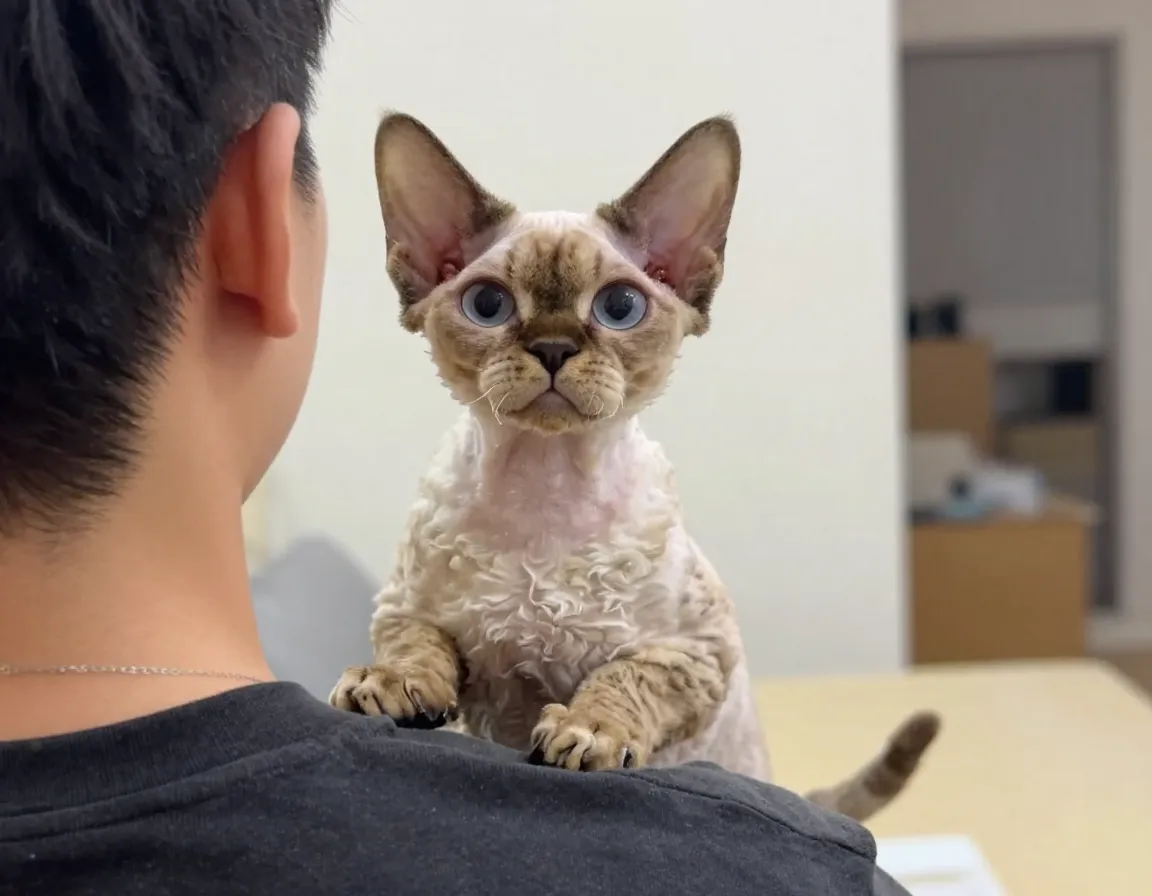
The Devon Rex brings an otherworldly appearance to the small cat category, typically weighing 6-9 pounds with a distinctive elfin face and curly coat. Their large ears and eyes give them an almost alien-like appearance that many find irresistibly charming.
Devon Rex Features:
- Weight: 6-9 pounds
- Coat: Short, curly, and soft
- Head Shape: Wedge-shaped with prominent cheekbones
- Personality: Highly active, playful, and dog-like in loyalty
These cats are known for their mischievous personalities and tendency to perch on their owner’s shoulders. Their small size and playful nature make them excellent companions for families with children.
6. Cornish Rex – The Elegant Miniature
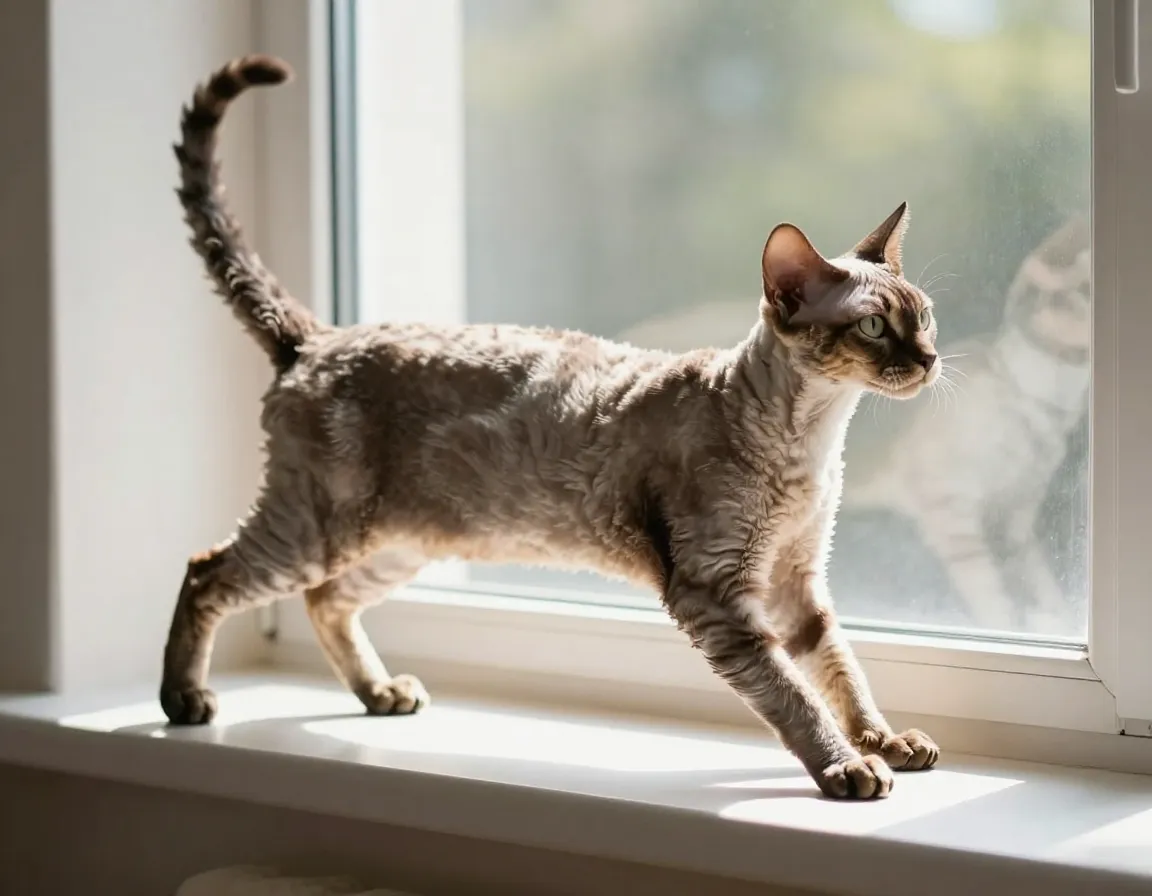
Rounding out our list, the Cornish Rex typically weighs 6-10 pounds and features a distinctive wavy coat that feels like crushed velvet. Their slender build and elegant appearance make them appear even smaller than their actual weight suggests.
Cornish Rex Attributes:
- Weight: 6-10 pounds
- Build: Slender and elegant
- Coat: Short, wavy, and incredibly soft
- Activity Level: High energy, loves to play and climb
The breed’s unique coat texture results from a genetic mutation that affects the hair structure. Unlike other cats with three types of hair, Cornish Rex cats only have the soft undercoat, giving them their distinctive appearance and feel.
Benefits of Owning These Adorable Tiny Kittens
Health and Longevity Advantages
Smaller cats tend to have longer lifespans and fewer health issues compared to larger breeds [3]. This correlation stems from several factors:
| Health Benefit | Explanation |
|---|---|
| Reduced Joint Stress | Less weight means less pressure on joints and bones |
| Lower Cancer Risk | Smaller body mass correlates with reduced cancer rates |
| Better Heart Health | Less strain on cardiovascular system |
| Improved Mobility | Maintained agility well into senior years |
Practical Living Benefits
The practical advantages of owning 6 adorable tiny kittens that fit in the palm of your hand extend beyond their cute factor:
🍽️ Reduced Food Costs: Small cats typically eat less, requiring smaller portions and resulting in significant savings over their lifetime [3].
🏠 Space Efficiency: These cats require less space for litter boxes and are better suited for city living and apartments [3].
🧳 Travel Convenience: Their compact size makes them easier to transport and accommodate during travel or relocation.
👶 Family-Friendly: Less intimidating for young children and easier for elderly family members to handle.
Behavioral Characteristics
Despite their small size, these cats maintain full feline personalities with some unique traits:
- Enhanced Agility: Many small breeds are incredibly athletic and acrobatic
- Strong Bonding: Often form intense attachments to their owners
- Playful Nature: High energy levels that provide endless entertainment
- Confident Attitudes: Many small cats have bold personalities that belie their size
Caring for Your Palm-Sized Feline Friend
Nutrition Needs for Tiny Cats
Small cats have unique nutritional requirements that differ from their larger counterparts:
🥘 Caloric Density: Higher calorie-per-ounce foods help meet energy needs in smaller portions
🐟 Protein Quality: Premium protein sources support their active metabolisms
💊 Portion Control: Easy to overfeed small cats, leading to obesity
⏰ Feeding Frequency: Multiple small meals throughout the day work better than large portions
Environmental Considerations
Creating the perfect environment for tiny kittens requires thoughtful planning:
Safety First: Small cats can fit into spaces that might trap them, requiring careful cat-proofing
Appropriate Furniture: Cat trees and furniture scaled to their size prevent injury from falls
Temperature Control: Smaller bodies lose heat faster, especially important for hairless breeds like the Dwelf
Litter Box Selection: Appropriately sized boxes prevent accidents and encourage proper use
Exercise and Enrichment
Small cats often have big energy that needs proper outlets:
- Interactive Toys: Puzzle feeders and motion-activated toys provide mental stimulation
- Vertical Space: Cat trees and shelving create exercise opportunities in small apartments
- Play Sessions: Regular interactive play prevents behavioral issues and maintains health
- Social Interaction: Many small breeds thrive on human companionship and attention
Finding Your Perfect Tiny Companion
Choosing the Right Breed
Selecting from these 6 adorable tiny kittens that fit in the palm of your hand requires careful consideration:
Lifestyle Compatibility: Match energy levels and care requirements to your daily routine
Space Availability: Even small cats need appropriate space for exercise and exploration
Grooming Needs: Some breeds like the Devon Rex require minimal grooming, while others need regular care
Health Considerations: Research breed-specific health issues and find reputable breeders
Reputable Breeder Selection
Finding quality breeders ensures healthy, well-socialized kittens:
✅ Health Testing: Reputable breeders test for genetic conditions
✅ Socialization: Kittens should be well-handled and exposed to various experiences
✅ Documentation: Proper registration papers and health certificates
✅ Facility Visits: Good breeders welcome visits to see their breeding environment
✅ Ongoing Support: Quality breeders provide lifetime support and advice
Adoption Alternatives
Rescue organizations sometimes have small breed cats available for adoption:
- Breed-Specific Rescues: Organizations dedicated to particular small breeds
- General Shelters: Occasionally have small cats or mixed breeds
- Senior Cats: Older small cats often make excellent companions
- Special Needs: Some rescues specialize in cats requiring extra care
The Future of Tiny Cat Breeds
Breeding Trends in 2026
The popularity of miniature cat breeds continues growing as urban living increases and people seek apartment-friendly pets. Current breeding trends focus on:
Health-First Approaches: Modern breeders prioritize health over extreme size reduction
Genetic Diversity: Efforts to maintain healthy gene pools in small breed populations
Temperament Selection: Breeding for calm, social personalities suited to modern lifestyles
Sustainable Practices: Responsible breeding that considers long-term breed health
Conservation Efforts
Wild species like the Rusty Spotted Cat benefit from increased awareness through domestic breed popularity:
- Habitat Protection: Conservation programs protect natural environments
- Research Funding: Studies of small wild cats inform domestic breeding practices
- Education Initiatives: Public interest in tiny cats supports conservation education
- Breeding Programs: Captive breeding helps maintain genetic diversity
Conclusion
The world of 6 adorable tiny kittens that fit in the palm of your hand offers an enchanting glimpse into the incredible diversity of the feline family. From the wild Rusty Spotted Cat weighing just 2-3.5 pounds to domestic breeds like the record-breaking Lilieput the Munchkin, these miniature marvels prove that extraordinary things come in small packages.
These tiny companions provide unique advantages for modern pet ownership, including longer lifespans, reduced costs, and apartment-friendly living while maintaining all the personality and charm of their larger cousins. Whether you’re drawn to the athletic Singapura, the distinctive Dwelf, or the elegant Cornish Rex, each breed offers its own special characteristics and appeal.
Take Action Today:
🔍 Research thoroughly before choosing your tiny companion – consider lifestyle, space, and care requirements
📞 Contact reputable breeders or rescue organizations to learn about available kittens
🏠 Prepare your home with appropriate furniture, safety measures, and supplies sized for small cats
💰 Budget appropriately for initial costs, ongoing care, and potential health needs
🤝 Connect with communities of small cat breed enthusiasts for ongoing support and advice
The journey of owning one of these palm-sized feline friends promises years of joy, companionship, and endless entertainment. Their tiny paws may leave small prints, but their impact on your heart will be immeasurable.
References
[1] Worlds Smallest Cat Species – https://www.labroots.com/trending/plants-and-animals/17188/worlds-smallest-cat-species
[2] Munchkin – https://tica.org/breed/munchkin/
[3] Best Small Cats – https://studyfinds.org/best-small-cats/
[4] Meet Baby Corn Tiny Kitten 135500702 – https://www.aol.com/articles/meet-baby-corn-tiny-kitten-135500702.html
[5] Smallest Cat Breed – https://animals.howstuffworks.com/pets/smallest-cat-breed.htm