6 Things To Consider Before Bringing Home a Great Dane Dog Breed
Picture this: a gentle giant with a heart as big as their towering frame, gracefully moving through your home like a four-legged ambassador of calm. Great Danes have captured hearts worldwide with their majestic presence and surprisingly gentle nature. However, beneath that regal exterior lies a complex set of needs that every potential owner must understand before making this life-changing commitment.
Disclosure: This post contains affiliate links. As an Amazon Associate, we earn from qualifying purchases, and at no extra cost to you.
The decision to welcome a Great Dane into your family requires careful consideration that goes far beyond their undeniable charm. These magnificent dogs bring unique challenges and rewards that can significantly impact your lifestyle, finances, and living arrangements for years to come. Understanding the 6 things to consider before bringing home a Great Dane dog breed will help ensure both you and your future companion enjoy a harmonious, fulfilling relationship.
Key Takeaways
- Space and exercise requirements: Great Danes need substantial living space and daily exercise, making them better suited for homes with yards rather than small apartments
- Significant financial commitment: Everything costs more with giant breeds, from food and medications to veterinary procedures and specialized equipment
- Shorter lifespan: Great Danes typically live only 7-10 years, requiring emotional preparation for this reality
- Critical early training: Proper socialization and obedience training within the first four months is essential given their eventual size and strength
- Health considerations: The breed faces specific health risks like bloat (GDV) and hip dysplasia that require preventive care and awareness
1. Space Requirements and Living Arrangements 🏠
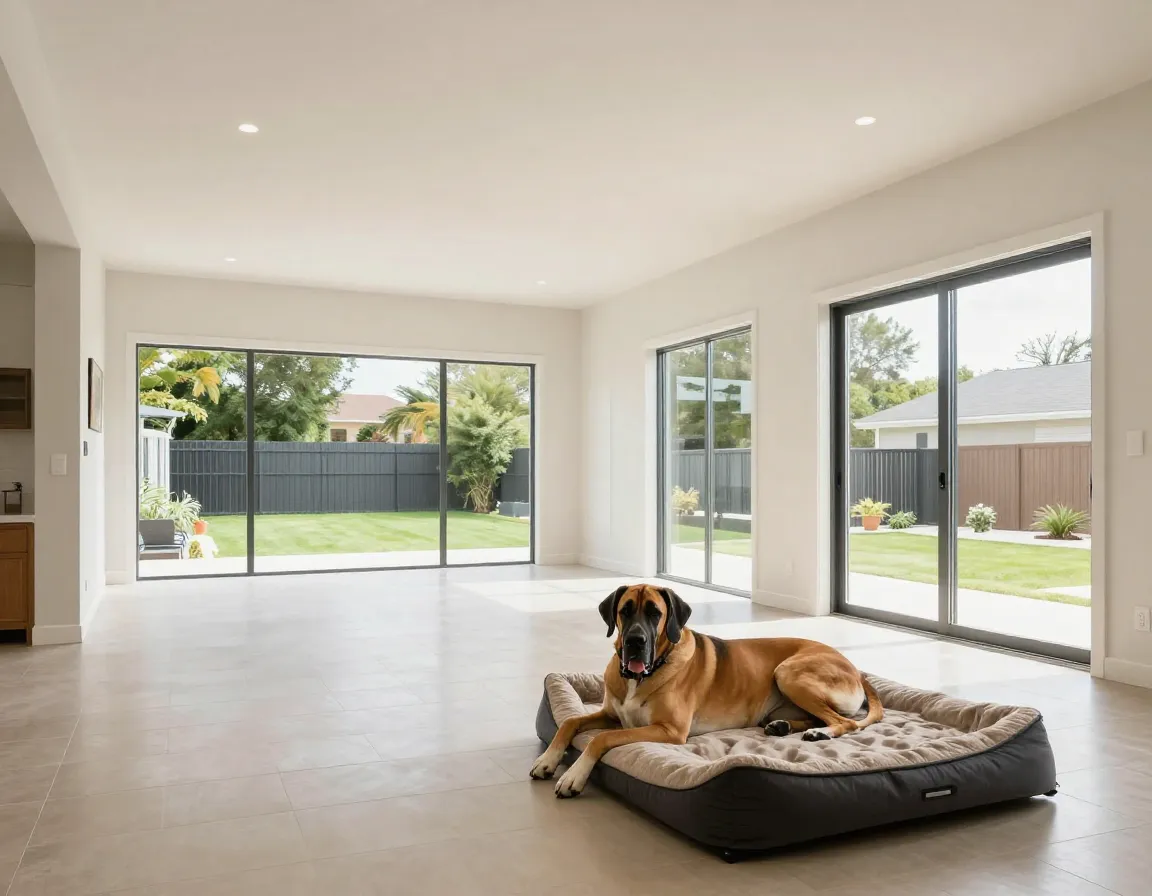
When considering the 6 things to consider before bringing home a Great Dane dog breed, space requirements top the list for good reason. These gentle giants need plenty of room to move around and exercise, making your living situation a critical factor in their wellbeing [1].
Indoor Space Considerations
Great Danes require adequate indoor space to move comfortably without constantly bumping into furniture or feeling cramped. Their impressive size means they need:
- Wide hallways and doorways for comfortable navigation
- Large sleeping areas with orthopedic bedding to support their joints
- Open floor plans that allow for easy movement throughout the home
- High ceilings to accommodate their full height when standing on hind legs
Outdoor Space Requirements
A fenced-in yard is best for Great Danes, providing them with safe space to roam and exercise [1]. The ideal outdoor setup includes:
- Secure fencing at least 6 feet high to contain these athletic dogs
- Adequate yard size for running and playing
- Shaded areas for rest during hot weather
- Safe surfaces that won’t damage sensitive paw pads
Apartment Living Considerations
While Great Danes can adapt to apartments, this requires dedicated owners willing to provide long walks more than once daily [1]. Apartment dwellers must commit to:
- Multiple daily walks lasting 30-45 minutes each
- Regular trips to dog parks for off-leash exercise
- Consistent exercise schedules regardless of weather
- Mental stimulation activities to prevent boredom
“A home with a fenced-in yard is best for Great Danes, though they can adapt to apartments with dedicated owners willing to provide long walks more than once daily.” [1]
2. Financial Commitment and Ongoing Costs 💰
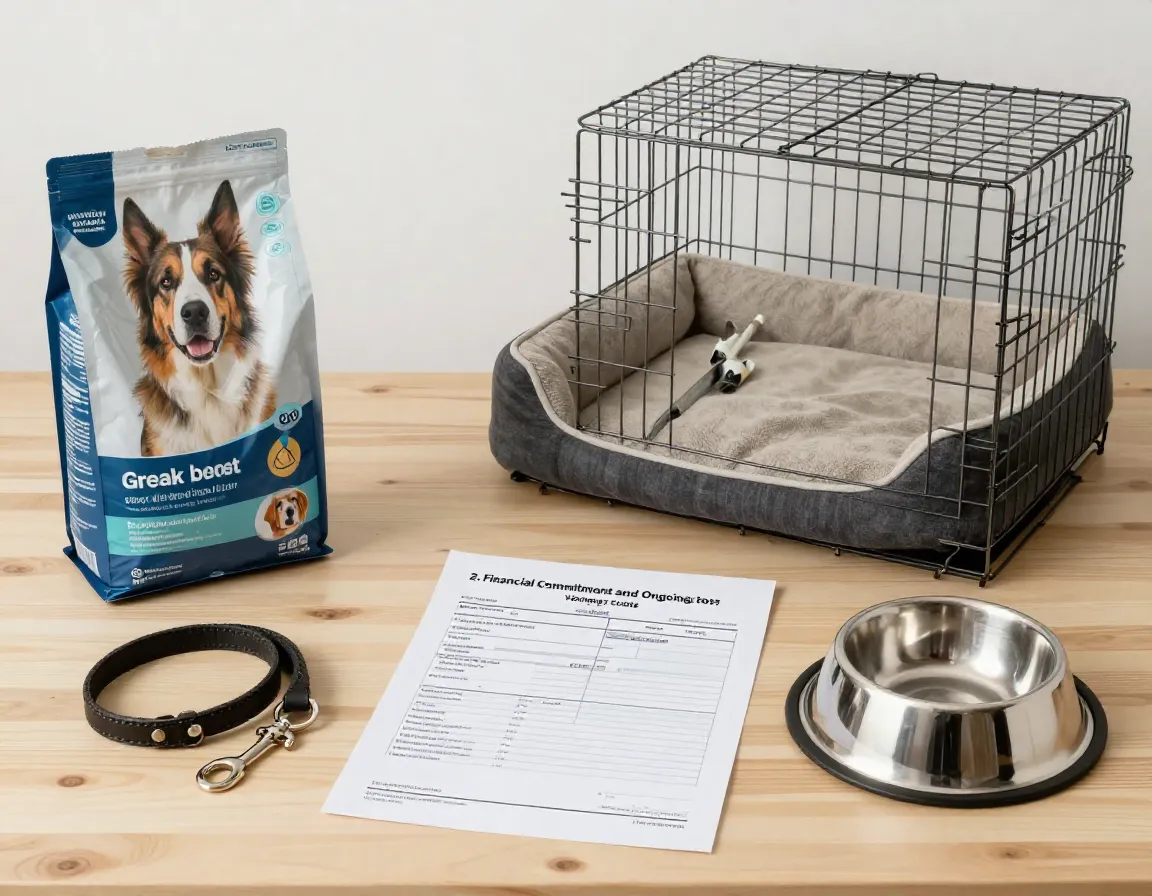
The financial aspect represents another crucial element among the 6 things to consider before bringing home a Great Dane dog breed. Everything costs more with a giant dog, including food, medications, surgeries, boarding, and bedding [2].
Initial Setup Costs
Preparing your home for a Great Dane requires significant upfront investment:
| Item | Estimated Cost Range |
|---|---|
| Extra-large crate | $200-$500 |
| Orthopedic bedding | $150-$400 |
| Heavy-duty leash and collar | $50-$150 |
| Food and water bowls | $40-$100 |
| Initial veterinary care | $300-$800 |
Monthly Ongoing Expenses
Great Danes consume substantial amounts of high-quality food and require regular veterinary care:
- Premium dog food: $80-$150 per month
- Treats and supplements: $30-$60 per month
- Routine veterinary care: $100-$200 per month (averaged annually)
- Grooming supplies: $25-$50 per month
- Pet insurance: $60-$120 per month
Emergency Medical Costs
Giant breeds face higher risks for expensive medical conditions:
- Gastropexy surgery (bloat prevention): $1,500-$3,000
- Hip dysplasia treatment: $3,000-$7,000 per hip
- Emergency bloat surgery: $3,000-$8,000
- Orthopedic procedures: $2,000-$6,000
Transportation and Boarding
The size factor affects travel and care arrangements:
- Large vehicle requirements for safe transportation [2]
- Specialized boarding facilities that accommodate giant breeds
- Higher boarding costs due to space and care requirements
- Emergency stretcher plan for veterinary transport [2]
3. Health Considerations and Lifespan 🏥
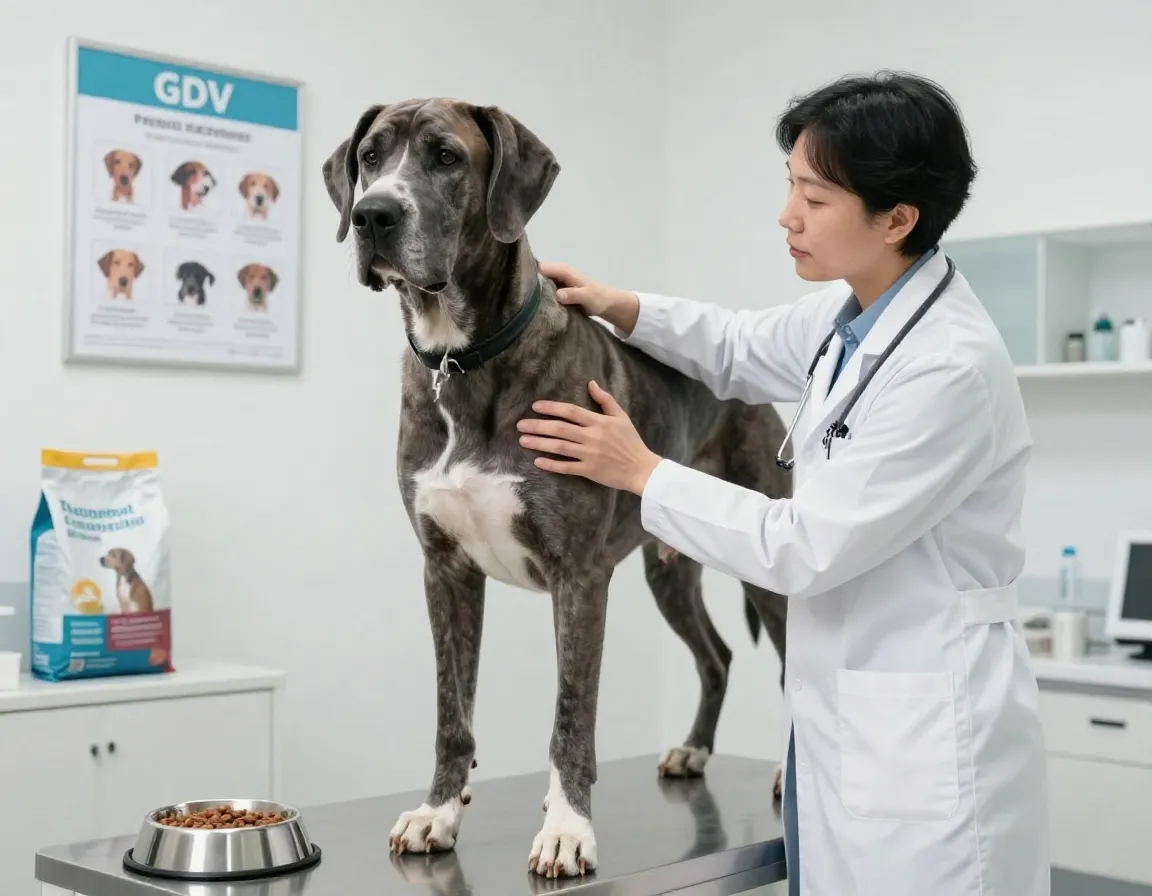
Understanding health challenges forms an essential part of the 6 things to consider before bringing home a Great Dane dog breed. Great Danes face specific health risks that require proactive management and can significantly impact both their quality of life and your veterinary expenses.
Lifespan Reality
Great Danes have a considerably shorter lifespan than many other breeds, typically living only 7 to 10 years [2][4]. This reality should factor heavily into your long-term commitment decision, as you’ll experience the joy and heartbreak of pet ownership in a compressed timeframe.
Gastric Dilatation-Volvulus (GDV) – Bloat
Gastric dilatation-volvulus (GDV) represents one of the most serious health concerns affecting Great Danes. This life-threatening bloating condition can require immediate, often costly veterinary intervention [2][3][4].
Prevention strategies include:
- Feed two or more smaller meals daily instead of one large meal [3]
- Use slow feeders to prevent rapid eating [3]
- Avoid elevated food bowls [3]
- Restrict exercise one to two hours after eating [3]
- Consider preventive gastropexy surgery [2]
Orthopedic Issues
Large-breed dogs are particularly prone to hip dysplasia and other orthopedic issues. Overfeeding or encouraging rapid growth increases this risk significantly [2][3].
Key prevention measures:
- Feed large-breed puppy food formulated to slow growth until 18 months old [2][3]
- Avoid jumping, jogging, and hiking until 18 months old [1][2]
- Maintain appropriate weight throughout life
- Provide orthopedic bedding to support joints
- Regular veterinary monitoring for early detection
Other Common Health Concerns
Great Danes may also experience:
- Cardiomyopathy (heart muscle disease)
- Wobbler syndrome (cervical spine instability)
- Osteosarcoma (bone cancer)
- Hypothyroidism
- Eye conditions including progressive retinal atrophy
Preventive Healthcare Approach
Maintaining Great Dane health requires:
- Regular veterinary checkups every 6 months
- Cardiac screenings starting at young age
- Joint supplements as recommended by veterinarian
- Weight management throughout life
- Emergency preparedness for bloat episodes
4. Training and Socialization Requirements 🎓
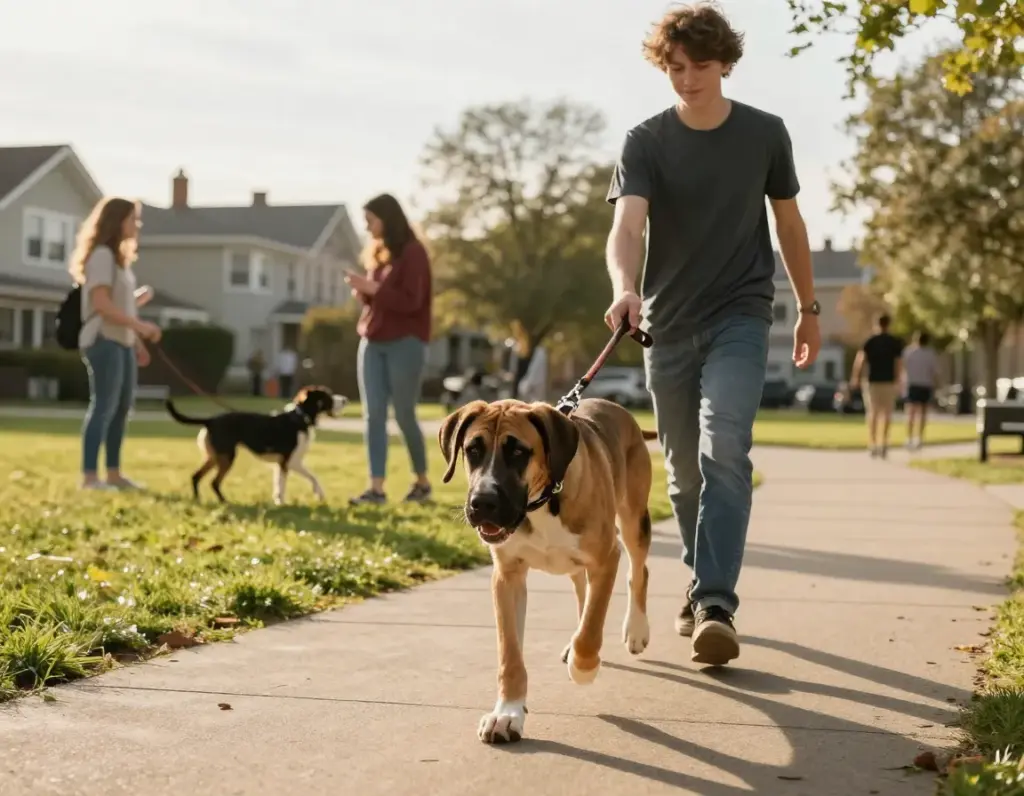
Proper training and socialization represent critical elements among the 6 things to consider before bringing home a Great Dane dog breed. The importance of early, consistent training cannot be overstated when dealing with a dog that will eventually weigh 100-200 pounds.
Critical Socialization Window
Great Danes without proper socialization within the first four months of life may develop anxiety, fearfulness, or excessive timidity [3]. This narrow window makes early intervention essential for developing a well-adjusted adult dog.
Essential socialization experiences include:
- Exposure to various people of different ages, sizes, and ethnicities
- Introduction to other animals including dogs, cats, and small pets
- Different environments such as parks, streets, and indoor spaces
- Various sounds and stimuli like traffic, children playing, and household noises
- Handling exercises for grooming, veterinary care, and general touching
Obedience Training Priorities
Early obedience training is crucial given their size and strength [1][4]. A fully grown Great Dane can easily overpower an unprepared owner, making consistent training a safety necessity.
Priority training commands:
- “Sit” and “stay” for impulse control
- “Down” and “place” for calm behavior
- “Come” and recall for safety
- “Leave it” and “drop it” for object control
- “Gentle” and “easy” for interaction management
Leash Training Essentials
Leash training is essential because a fully grown Great Dane can easily overpower you if untrained [4]. Early, consistent leash training and heel training are critical for safety and control.
Effective leash training strategies:
- Start immediately with puppies using appropriate-sized equipment
- Practice daily in various environments and situations
- Use positive reinforcement methods consistently
- Gradually increase distractions as skills improve
- Focus on loose-leash walking rather than perfect heel position initially
Training Timeline and Milestones
| Age Range | Training Focus | Key Milestones |
|---|---|---|
| 8-12 weeks | Basic socialization, house training | Comfortable with handling, basic commands |
| 3-4 months | Continued socialization, leash training | Walking on leash, responding to name |
| 4-6 months | Advanced obedience, impulse control | Reliable sit/stay, coming when called |
| 6-12 months | Refinement, real-world practice | Consistent behavior in various environments |
| 12-18 months | Adult behavior expectations | Full obedience and social skills |
Professional Training Considerations
Many Great Dane owners benefit from professional training assistance:
- Puppy kindergarten classes for early socialization
- Basic obedience courses with experienced instructors
- Private training sessions for specific behavioral issues
- Ongoing training groups for continued development
“Early obedience training is crucial given their size and strength, as a fully grown Great Dane can easily overpower you if untrained.” [4]
5. Exercise Needs and Physical Development 🏃♂️
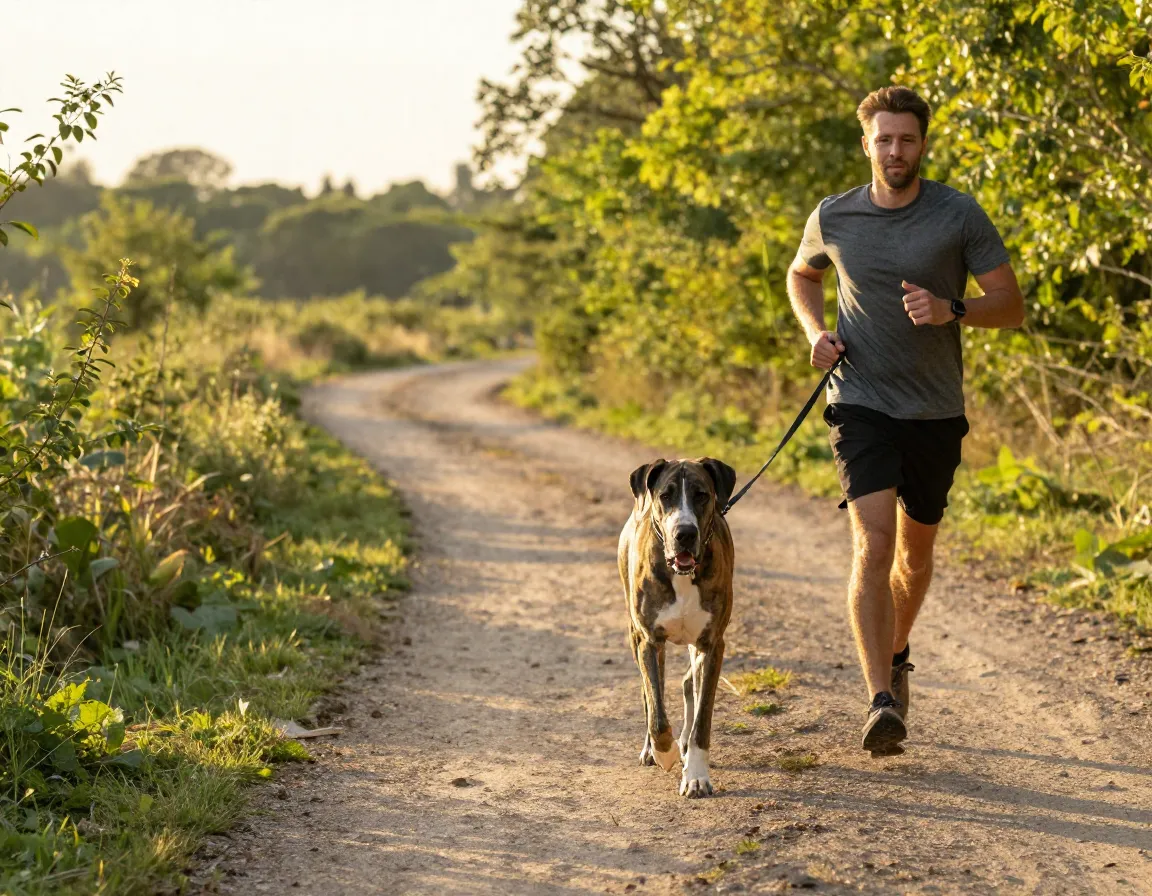
Understanding exercise requirements forms another vital component of the 6 things to consider before bringing home a Great Dane dog breed. These dogs have specific exercise needs that change dramatically as they mature, requiring careful management to ensure healthy development.
Adult Exercise Requirements
Adult Great Danes require daily exercise to maintain optimal health and behavior. The recommended routine includes a brisk walk two to three times per day [1][6].
Ideal adult exercise routine:
- Morning walk: 30-45 minutes at moderate pace
- Midday activity: 15-20 minutes of play or light exercise
- Evening walk: 30-45 minutes with opportunity for exploration
- Weekly longer activities: Hiking, swimming, or extended play sessions
- Mental stimulation: Puzzle toys, training sessions, or interactive games
Puppy Exercise Restrictions
Puppies must avoid jumping, jogging, and hiking until 18 months old to protect growing bones and joints [1][2]. This restriction period is crucial for preventing long-term orthopedic problems.
Safe puppy activities include:
- Controlled walking on leash for short distances
- Free play in fenced areas at puppy’s own pace
- Swimming in shallow water with supervision
- Mental enrichment activities and puzzle games
- Basic training sessions using positive reinforcement
Exercise Safety Considerations
Great Dane exercise requires special attention to safety factors:
- Temperature awareness: Giant breeds overheat easily
- Surface considerations: Avoid hard surfaces during rapid growth
- Gradual conditioning: Build endurance slowly over time
- Joint protection: Monitor for signs of fatigue or discomfort
- Hydration: Provide frequent water breaks during activity
Signs of Adequate Exercise
Well-exercised Great Danes display:
- Calm behavior indoors
- Good appetite and healthy weight
- Sound sleep patterns
- Positive social interactions
- Reduced destructive behaviors
Exercise Modifications by Life Stage
| Life Stage | Exercise Duration | Intensity Level | Special Considerations |
|---|---|---|---|
| 8-16 weeks | 5 minutes per month of age, twice daily | Very low | Socialization focus |
| 4-12 months | 15-30 minutes, 2-3 times daily | Low to moderate | No forced exercise |
| 12-18 months | 30-45 minutes, 2-3 times daily | Moderate | Gradual increase |
| Adult (18+ months) | 60-90 minutes total daily | Moderate to high | Full activity allowed |
| Senior (7+ years) | 45-60 minutes total daily | Low to moderate | Joint-friendly activities |
6. Grooming and Maintenance Needs 🧼
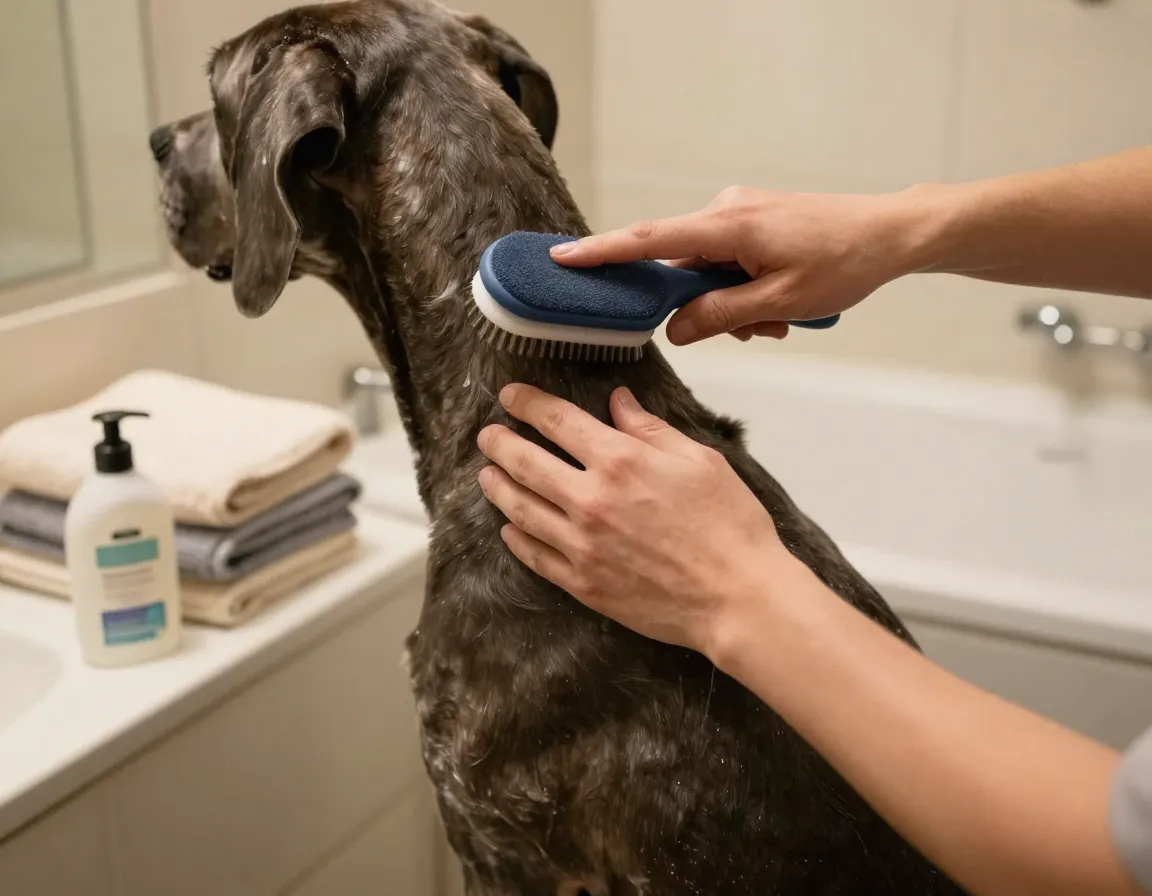
The final consideration among the 6 things to consider before bringing home a Great Dane dog breed involves understanding their grooming and maintenance requirements. While Great Danes are relatively low-maintenance compared to some breeds, their size creates unique challenges.
Drooling Management
Many Great Danes drool significantly, which may be a consideration for those seeking a low-maintenance household [2]. Drooling varies among individual dogs but requires consistent management.
Drool management strategies:
- Keep towels handy in frequently used areas
- Wipe face regularly after eating and drinking
- Use waterproof furniture covers in favorite resting spots
- Choose appropriate flooring that’s easy to clean
- Maintain good oral hygiene to minimize excessive drooling
Basic Grooming Requirements
Great Danes have relatively simple grooming needs due to their short coat:
Weekly grooming routine:
- Brushing: 2-3 times per week with rubber brush or grooming mitt
- Nail trimming: Every 2-3 weeks or as needed
- Ear cleaning: Weekly inspection and cleaning as necessary
- Dental care: Daily brushing or dental chews
- Bathing: Monthly or as needed with gentle dog shampoo
Seasonal Considerations
Great Danes experience seasonal shedding that requires attention:
- Spring shedding: Increased brushing frequency during coat change
- Fall preparation: Regular brushing to manage winter coat development
- Summer care: Protection from sun exposure on light-colored dogs
- Winter protection: Possible need for coats in extremely cold weather
Professional Grooming Services
While basic maintenance can be done at home, professional services may be beneficial:
- Nail trimming: Safer for inexperienced owners
- Ear cleaning: Professional assessment of ear health
- Bathing: Easier with professional equipment for large dogs
- Anal gland expression: Best performed by professionals
Health Monitoring During Grooming
Regular grooming provides opportunities for health monitoring:
- Skin condition: Check for lumps, bumps, or irritation
- Ear health: Monitor for signs of infection or mites
- Nail condition: Assess for splits, breaks, or ingrown nails
- Dental health: Watch for tartar buildup or gum disease
- Overall condition: Note changes in weight, muscle tone, or mobility
Grooming Supplies and Costs
Essential grooming supplies:
| Item | Purpose | Estimated Cost |
|---|---|---|
| Rubber grooming mitt | Daily brushing | $15-25 |
| Nail clippers (large) | Nail maintenance | $20-40 |
| Ear cleaning solution | Ear hygiene | $10-20 |
| Dog toothbrush and paste | Dental care | $15-30 |
| Gentle dog shampoo | Bathing | $15-35 |
| Absorbent towels | Drool and bath cleanup | $30-60 |
Preparing Your Home and Family
Before bringing home your Great Dane, thorough preparation ensures a smooth transition for everyone involved. This preparation extends beyond physical arrangements to include family education and emergency planning.
Home Modifications
Safety considerations:
- Secure cabinets containing food or dangerous items
- Remove breakable objects from tail-height surfaces
- Install baby gates if needed for space management
- Ensure fence security and appropriate height
- Create designated eating and sleeping areas
Family Preparation
Educational priorities:
- Teach children appropriate interaction with large dogs
- Establish household rules for feeding and exercise
- Assign responsibilities among family members
- Plan supervision schedules for puppy stages
- Discuss long-term commitment with all family members
Emergency Preparedness
Essential preparations:
- Locate 24-hour veterinary clinics familiar with giant breeds
- Prepare emergency transport plan for medical situations [2]
- Keep emergency contact numbers readily available
- Maintain first aid supplies appropriate for large dogs
- Understand bloat symptoms and response protocols
Making the Final Decision
Deciding whether a Great Dane is right for your family requires honest assessment of your capabilities and commitment level. Consider these final evaluation points:
Lifestyle Compatibility Assessment
Evaluate your current situation:
- Available time for exercise, training, and companionship
- Financial resources for ongoing and emergency expenses
- Living space adequacy for a giant breed
- Family dynamics and experience with large dogs
- Long-term stability of your living situation
Alternative Considerations
If Great Danes don’t align with your current situation, consider:
- Smaller breeds with similar temperaments
- Fostering opportunities to gain experience
- Volunteering with Great Dane rescue organizations
- Waiting until circumstances better support giant breed ownership
Commitment Reality Check
Remember that “he got too big” is a common reason for rescue [5]. The breed matures slowly but reaches very large size at maturity, and owners sometimes underestimate the dog’s full-grown dimensions [5].
Final commitment considerations:
- 10-year minimum dedication to the dog’s care
- Substantial financial resources throughout the dog’s life
- Consistent training and socialization efforts
- Lifestyle adjustments to accommodate the dog’s needs
- Emergency preparedness for health crises
Conclusion
The 6 things to consider before bringing home a Great Dane dog breed – space requirements, financial commitment, health considerations, training needs, exercise requirements, and grooming maintenance – represent just the beginning of responsible Great Dane ownership. These magnificent dogs offer unparalleled companionship and loyalty to families prepared to meet their unique needs.
Success with Great Dane ownership requires honest self-assessment, thorough preparation, and unwavering commitment to providing excellent care throughout their relatively short but incredibly rewarding lives. The investment in time, money, and energy pays dividends in the form of an extraordinary canine companion who will become an integral part of your family.
Your next steps should include:
- Evaluate your current living situation against the space and exercise requirements outlined
- Create a realistic budget that accounts for all ongoing and emergency expenses
- Research reputable breeders or rescue organizations in your area
- Connect with current Great Dane owners to gain firsthand insights
- Consult with veterinarians familiar with giant breed care
- Consider fostering a Great Dane to gain experience before committing to ownership
The decision to welcome a Great Dane into your family should never be taken lightly, but for those prepared to meet the challenge, these gentle giants offer a lifetime of love, laughter, and unforgettable memories. Take the time to thoroughly consider each factor, prepare adequately, and make an informed decision that benefits both you and your potential four-legged family member.
References
[1] Great Dane Breed Guide – https://www.pawlicy.com/blog/great-dane-breed-guide/
[2] Great Dane – https://www.britannica.com/animal/Great-Dane
[3] Great Dane – https://www.petmd.com/dog/breeds/great-dane
[4] Great Dane Breed Guide – https://vetslovepets.com.au/blogs/dog/great-dane-breed-guide
[5] Is A Great Dane For You – https://gdca.org/the-great-dane/is-a-great-dane-for-you/
[6] Great Dane – https://www.akc.org/dog-breeds/great-dane/