6 Rare & Beautiful Pink Ball Python Morphs You’ve Probably Never Seen
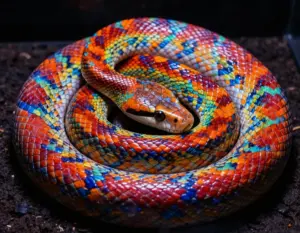
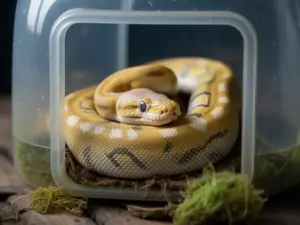
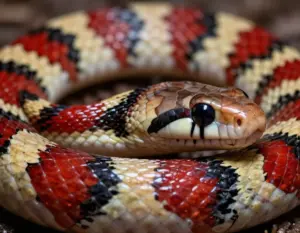
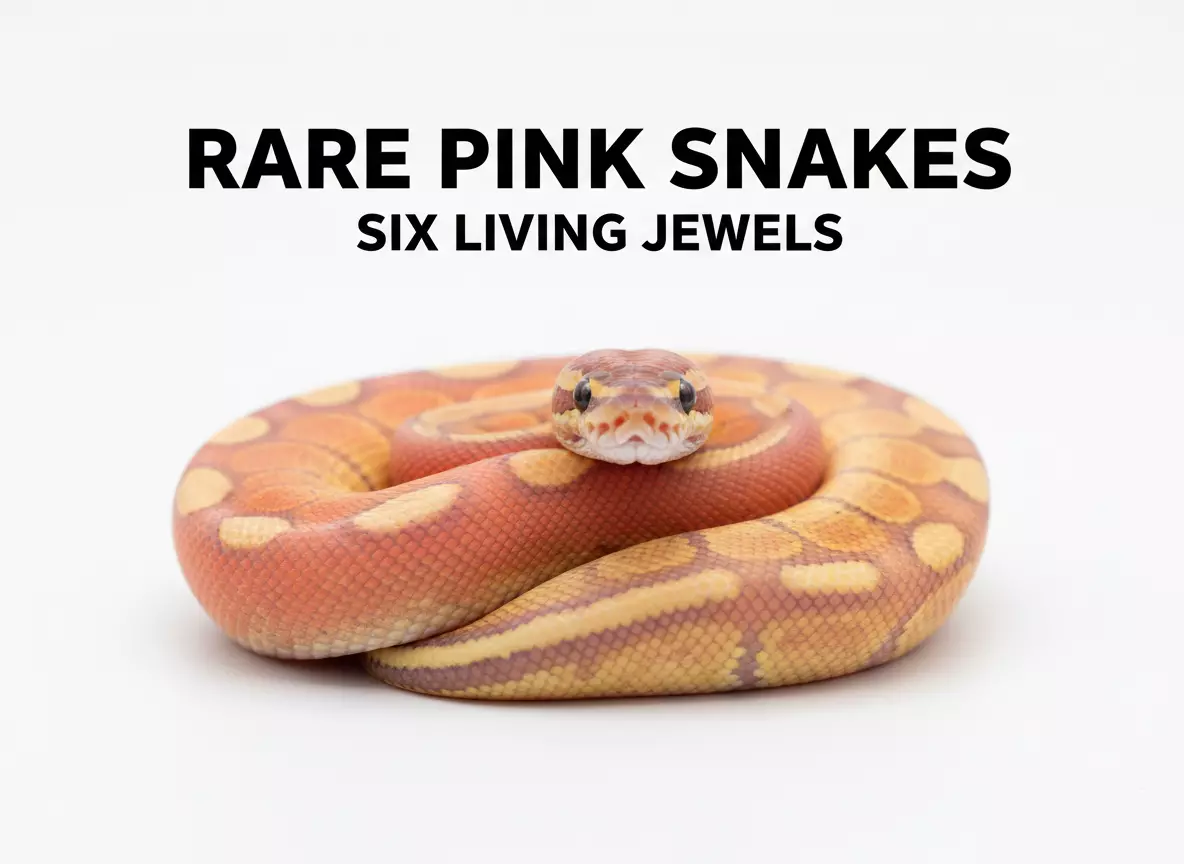
Ball pythons have captivated reptile enthusiasts for decades, but nothing quite compares to the breathtaking beauty of rare pink morphs that seem to glow with an otherworldly charm. These 6 rare & beautiful pink ball python morphs you’ve probably never seen represent the pinnacle of selective breeding artistry, where genetics meets aesthetic perfection to create living jewels that command both admiration and premium prices in the reptile world.
Disclosure: This post contains affiliate links. As an Amazon Associate, we earn from qualifying purchases, and at no extra cost to you.
Key Takeaways
- Coral Glow and Banana morphs create stunning pink and yellow combinations that are highly sought after by collectors
- Sunset and Champagne combinations produce some of the most vibrant pink colorations in ball python genetics
- Lavender Albino morphs offer unique pinkish-purple hues that are extremely rare and expensive
- Pricing ranges from $800 to over $15,000 depending on the rarity and genetic combination
- Proper care requirements remain consistent across all morphs, focusing on temperature, humidity, and appropriate housing
Understanding Pink Ball Python Genetics 🧬
Pink coloration in ball pythons doesn’t occur naturally in wild populations. These stunning hues result from selective breeding programs that combine specific recessive and co-dominant genes. The pink tones emerge when certain genetic combinations suppress darker pigments while enhancing lighter cream, yellow, and red undertones.
Key Genetic Factors:
- Leucistic genes reduce overall pigmentation
- Hypomelanism decreases dark melanin production
- Enhanced yellow/red genes intensify warm undertones
- Pattern reduction creates cleaner, more uniform coloration
The breeding process requires extensive knowledge of genetics, patience, and significant investment. Many of these morphs took decades to develop and involve multiple generations of careful selective breeding.
The 6 Rare & Beautiful Pink Ball Python Morphs You’ve Probably Never Seen
1. Coral Glow (Banana) Ball Python
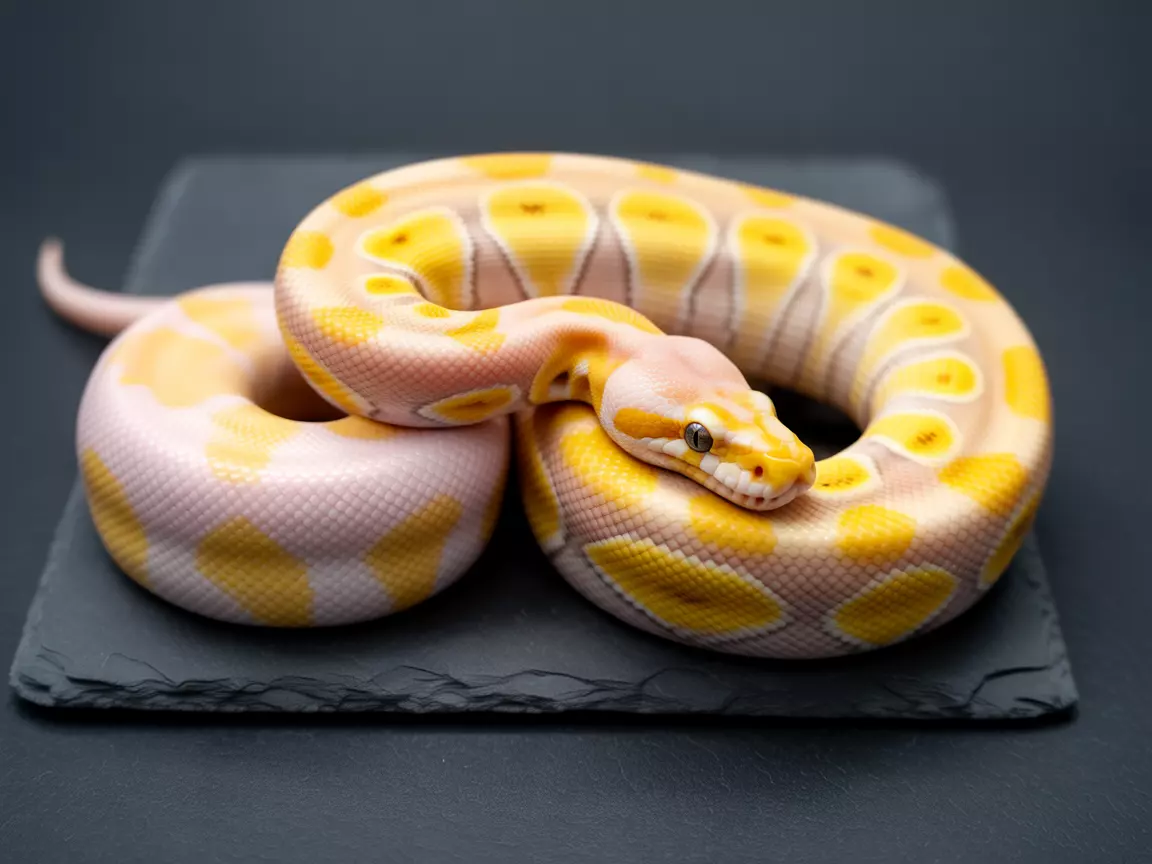
The Coral Glow morph, also known as Banana, represents one of the most popular pink-toned varieties among serious collectors. This co-dominant gene produces stunning peachy-pink and bright yellow coloration that intensifies with age.
Visual Characteristics:
- Base color ranges from pale pink to deep coral
- Bright yellow banding and spots throughout the body
- Clean, high-contrast pattern definition
- Colors become more vibrant as the snake matures
- Males often display more intense coloration than females
Breeding Information:
- Co-dominant inheritance pattern
- Compatible with most other morphs
- Produces 50% Coral Glow offspring when bred to normal
- Super form (Coral Glow x Coral Glow) creates even more intense coloration
Market Value: $800 – $2,500 depending on quality and additional genes
2. Sunset Ball Python
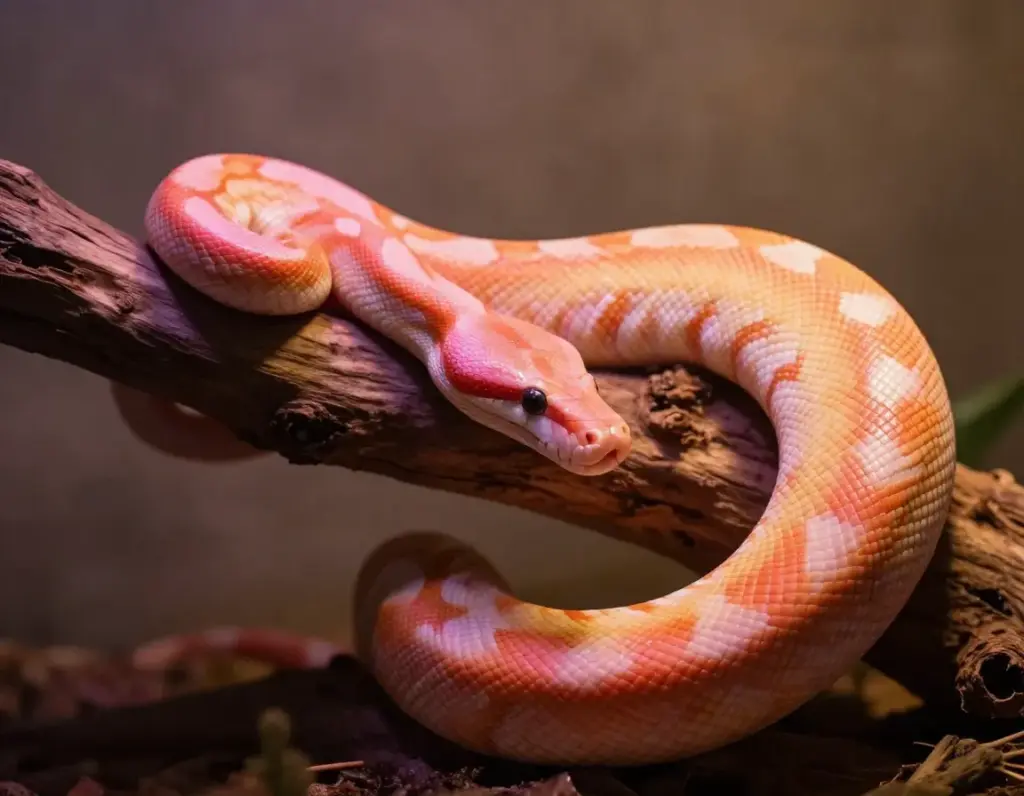
The Sunset morph creates some of the most breathtaking pink and orange combinations in the ball python world. This relatively new morph produces gradient coloration that resembles a tropical sunset, with deep pinks fading into warm oranges and creams.
Visual Characteristics:
- Gradient pink-to-orange coloration
- Reduced pattern with clean borders
- Warm undertones throughout the body
- Head often displays the most intense pink coloration
- Belly typically shows cream to pale pink scaling
Breeding Details:
- Recessive inheritance pattern
- Both parents must carry the gene to produce visual offspring
- 25% chance of producing Sunset offspring from het x het pairing
- Combines beautifully with other pink-enhancing genes
Market Value: $3,000 – $8,000 for proven breeding animals
3. Champagne Combination Morphs
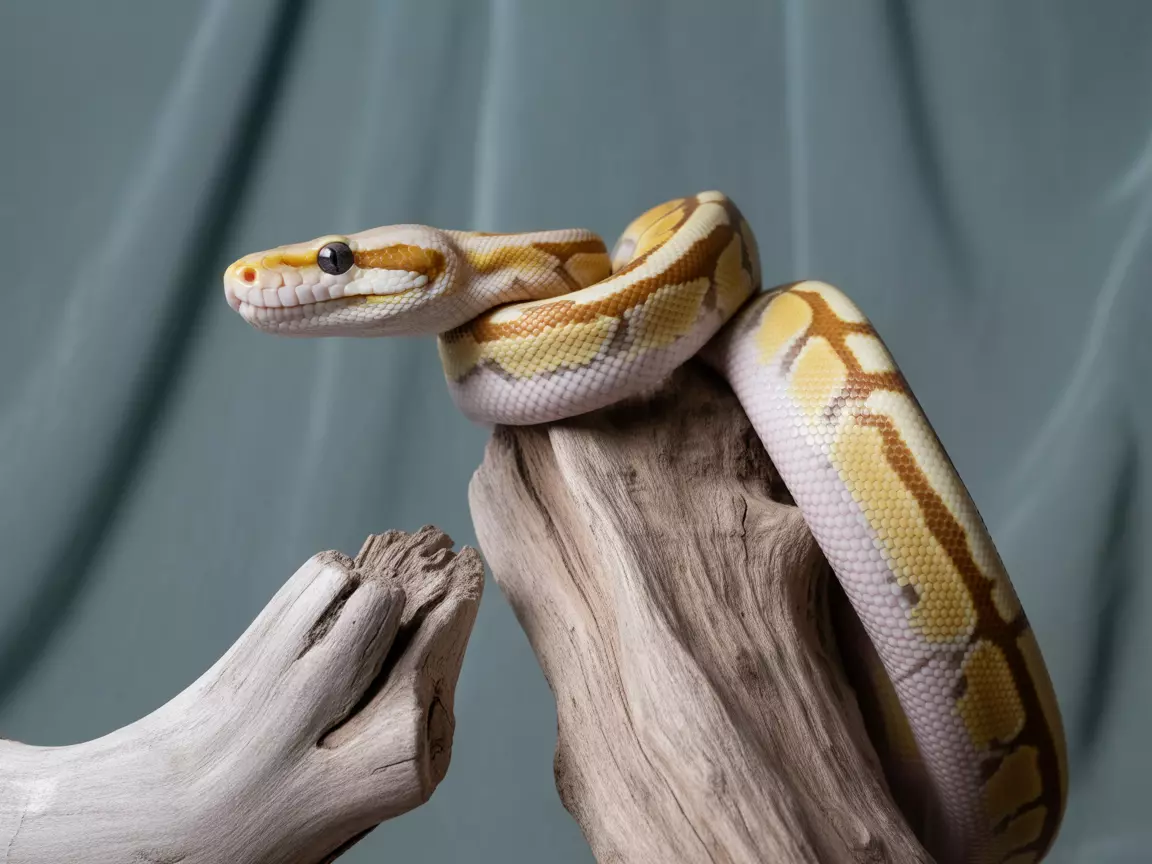
Champagne serves as an excellent foundation gene for creating pink-toned combinations. When combined with other morphs, Champagne produces some of the most elegant pink and cream colorations available in ball pythons.
Popular Champagne Combinations:
- Champagne Pastel: Enhanced pink tones with increased contrast
- Champagne Enchi: Deeper pink coloration with pattern reduction
- Champagne Lesser: Creates stunning pink and white combinations
- Champagne Mojave: Produces unique pink and tan patterns
Visual Appeal:
- Base champagne color provides warm pink undertones
- Secondary genes intensify and modify the pink expression
- Often results in clean, high-contrast patterns
- Coloration remains stable throughout the snake’s life
Investment Potential:
- Champagne combinations: $1,200 – $5,000
- Triple combinations with Champagne: $4,000 – $12,000
- Proven breeders command premium prices
4. Banana Pied (Coral Glow Pied)
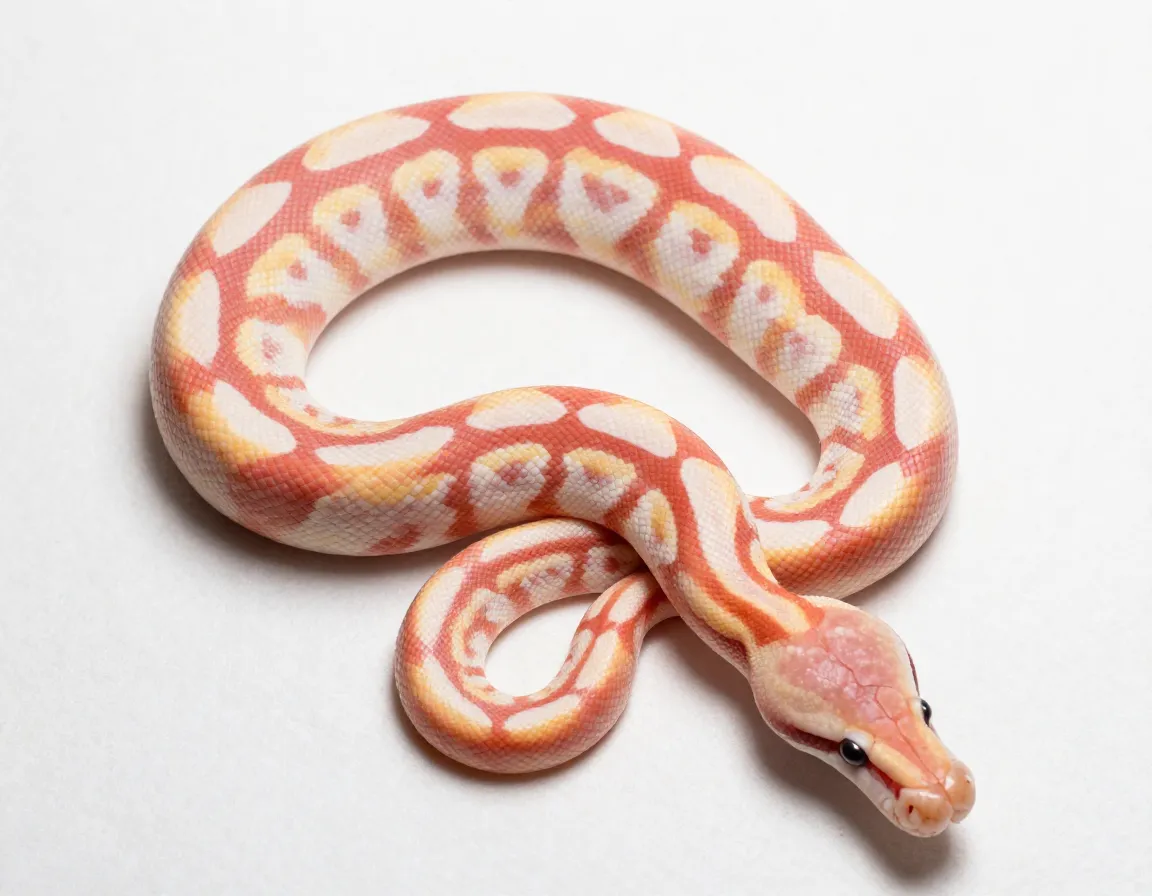
The Banana Pied combination represents one of the most striking pink morphs available. By combining the Coral Glow gene with Piebald, breeders create snakes with intense pink and yellow coloration interrupted by clean white patches.
Distinctive Features:
- Vibrant pink and yellow base coloration
- Random white patches (piebald pattern)
- High contrast between colored and white areas
- Each individual displays unique pattern placement
- Pink tones often more intense than single-gene Coral Glow
Breeding Complexity:
- Requires both Coral Glow and Piebald genes
- Piebald is recessive, requiring careful genetic planning
- Success rate varies significantly between breeding pairs
- High-white individuals command premium prices
Collector Appeal:
- No two individuals look identical
- Stunning display animals
- Strong breeding potential
- Market value: $2,500 – $7,500
5. Lavender Albino Ball Python
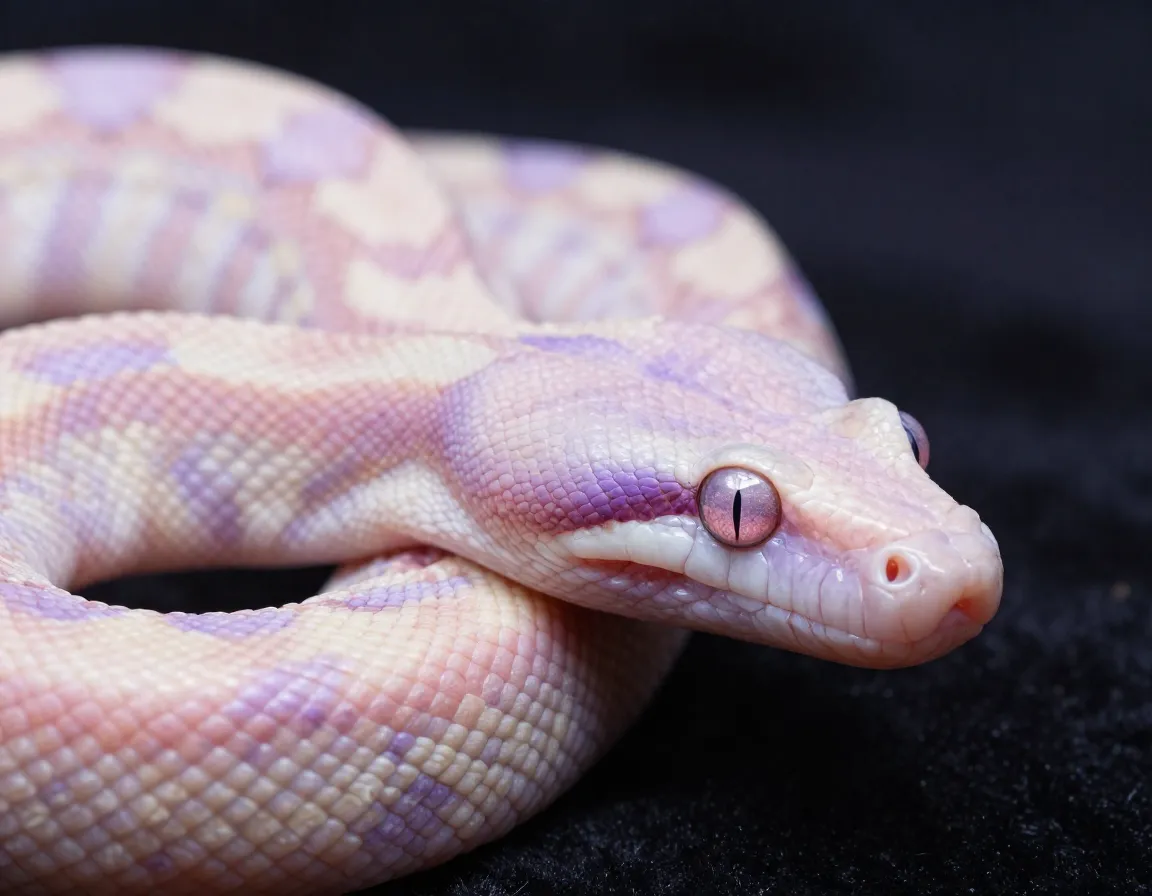
The Lavender Albino morph produces some of the most unique pink coloration in ball pythons. This extremely rare recessive gene creates snakes with pinkish-purple base colors and reduced pattern definition.
Exceptional Characteristics:
- Pinkish-purple base coloration
- Reduced melanin production (albino trait)
- Light-colored or pink eyes
- Pattern appears in lighter purple or cream tones
- Coloration unique among all ball python morphs
Rarity Factors:
- Extremely limited breeding stock
- Long generation times for recessive breeding
- High demand among advanced collectors
- Few proven breeding lines available
Investment Considerations:
- Initial purchase: $8,000 – $15,000+
- Breeding potential adds significant value
- Limited availability drives high demand
- Long-term appreciation potential
6. Fire Ivory Combination
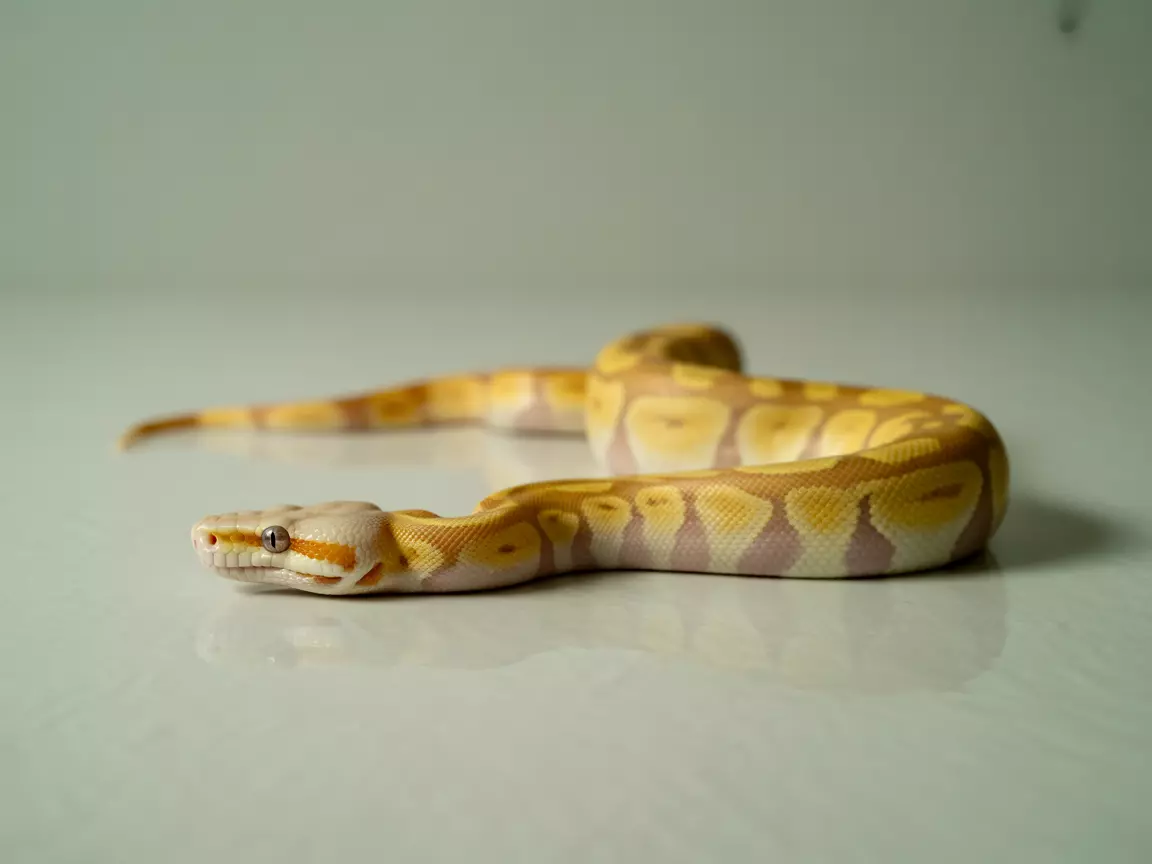
The Fire Ivory combination creates subtle pink undertones with an almost ethereal appearance. This morph combines the Fire gene’s color enhancement with Ivory’s pattern reduction to produce clean, pink-tinged snakes.
Visual Qualities:
- Subtle pink and cream base coloration
- Extremely reduced pattern
- Clean, almost patternless appearance
- Pink tones most visible under proper lighting
- Elegant, minimalist aesthetic appeal
Breeding Information:
- Combines two co-dominant genes
- Predictable inheritance patterns
- Compatible with many other morphs
- Produces consistent visual results
Market Position:
- Moderate pricing: $1,500 – $4,000
- Growing popularity among collectors
- Excellent foundation for further combinations
- Strong breeding potential
Care Requirements for Pink Ball Python Morphs 🏠
Despite their unique genetics and stunning appearance, these 6 rare & beautiful pink ball python morphs you’ve probably never seen require the same fundamental care as standard ball pythons. However, their high value demands extra attention to detail.
Essential Housing Requirements
Enclosure Specifications:
- Minimum size: 40-gallon long for adults (larger preferred)
- Substrate: Cypress mulch, aspen shavings, or paper towels
- Hide boxes: Secure hiding spots on both warm and cool sides
- Water bowl: Large enough for soaking, cleaned weekly
Temperature and Humidity Control
Temperature Gradient:
- Warm side: 88-92°F (31-33°C)
- Cool side: 78-80°F (26-27°C)
- Nighttime: Can drop 5-10°F safely
- Monitoring: Digital thermometers with probes
Humidity Management:
- Target range: 50-60% relative humidity
- Shedding periods: Increase to 70-80%
- Monitoring: Digital hygrometer for accuracy
- Adjustment: Misting, larger water bowls, or humid hides
Feeding Guidelines
- Juveniles: Every 5-7 days
- Adults: Every 10-14 days
- Prey size: Appropriate to snake’s thickest part
- Prey type: Frozen-thawed rodents preferred for safety
Investment Potential and Market Trends 📈
The market for rare pink ball python morphs continues to show strong growth, driven by increasing interest in unique genetics and limited availability of breeding stock.
Price Appreciation Factors
Market Drivers:
- Limited breeding stock restricts supply
- Growing collector base increases demand
- Social media exposure raises awareness
- Breeding success rates affect availability
Investment Considerations
| Morph Type | Initial Investment | Breeding Potential | Market Stability |
|---|---|---|---|
| Coral Glow | $800-$2,500 | High | Very Stable |
| Sunset | $3,000-$8,000 | Moderate | Growing |
| Champagne Combos | $1,200-$12,000 | High | Stable |
| Banana Pied | $2,500-$7,500 | High | Very Strong |
| Lavender Albino | $8,000-$15,000+ | Extreme | Emerging |
| Fire Ivory | $1,500-$4,000 | Moderate | Developing |
Breeding Considerations and Ethics 🔬
Responsible breeding of these 6 rare & beautiful pink ball python morphs you’ve probably never seen requires extensive knowledge, proper facilities, and ethical practices.
Genetic Health Monitoring
Important Considerations:
- Genetic diversity: Avoid excessive inbreeding
- Health screening: Regular veterinary checkups
- Record keeping: Detailed genetic lineage documentation
- Breeding age: Wait until snakes reach appropriate size and age
Ethical Breeding Practices
Best Practices Include:
- Prioritizing animal welfare over profit
- Maintaining proper breeding records
- Providing excellent husbandry conditions
- Supporting conservation efforts
- Educating new owners about proper care
Finding Reputable Breeders and Sellers 🔍
When seeking these rare pink ball python morphs, working with reputable breeders ensures healthy animals and accurate genetic information.
Breeder Evaluation Criteria
Key Factors to Consider:
- Reputation: Established track record in the community
- Health guarantees: Written health warranties
- Genetic accuracy: Detailed lineage information
- Facility conditions: Clean, professional setup
- Customer support: Ongoing care assistance
Red Flags to Avoid
Warning Signs:
- Unusually low prices for rare morphs
- Reluctance to provide genetic information
- Poor communication or unprofessional behavior
- Animals in poor condition
- No health guarantees or return policies
Future Trends in Pink Ball Python Morphs 🔮
The world of pink ball python morphs continues evolving as breeders develop new combinations and refine existing lines.
Emerging Combinations
Developing Trends:
- Multi-gene combinations creating unique pink expressions
- Pattern reduction genes enhancing color intensity
- New recessive genes producing novel pink tones
- Line breeding improving consistency and quality
Technology Integration
Modern Breeding Tools:
- Genetic testing for accurate gene identification
- Digital record keeping for lineage tracking
- Climate control systems for optimal breeding conditions
- Online marketplaces connecting breeders and collectors
Conclusion
These 6 rare & beautiful pink ball python morphs you’ve probably never seen represent the pinnacle of reptile breeding artistry, combining stunning aesthetics with fascinating genetics. From the vibrant Coral Glow to the ethereal Lavender Albino, each morph offers unique beauty and investment potential for dedicated enthusiasts.
Success with these remarkable animals requires:
- Proper research before making any purchase decisions
- Excellent husbandry to maintain their health and beauty
- Reputable sources for acquiring healthy, well-bred animals
- Long-term commitment to their care and potential breeding
Whether pursuing these morphs as display animals, breeding projects, or investment opportunities, the world of pink ball pythons offers endless fascination and reward for those willing to invest the time, resources, and dedication these extraordinary reptiles deserve.
Next Steps:
- Research thoroughly before selecting your first pink morph
- Connect with experienced breeders in your area
- Prepare proper housing before bringing your snake home
- Join reptile communities to continue learning and networking
- Consider starting with more affordable morphs to gain experience