8 Surprising Facts About Mini Pigs Full Grown (They’re Not So Mini!)
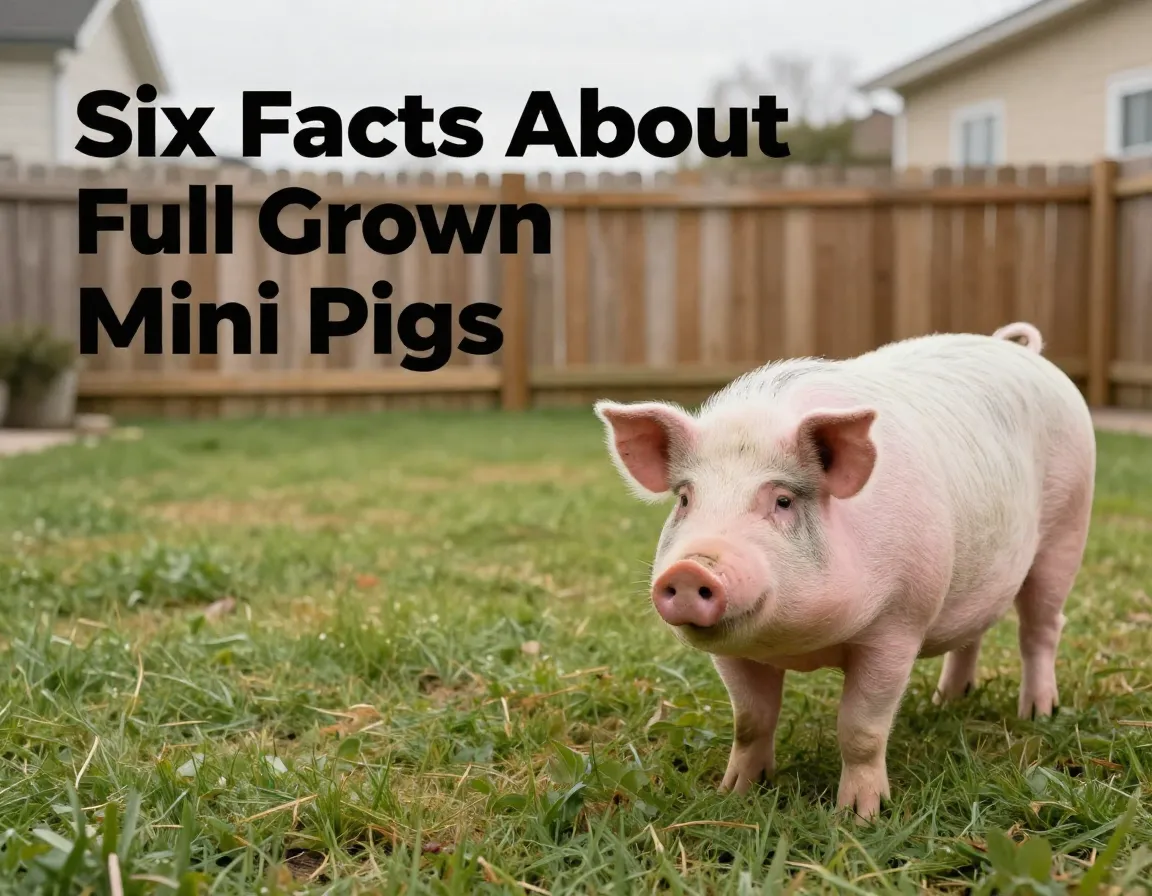
Picture this: someone promises you a “teacup pig” that will stay tiny forever, fitting perfectly in your apartment. Fast forward two years, and you’re sharing your living space with a 150-pound companion who’s anything but miniature! 🐷 The world of mini pigs is filled with misconceptions, marketing myths, and surprising realities that every potential pig parent needs to understand. These 8 surprising facts about mini pigs full grown will completely change how you think about these intelligent, charming animals and reveal why they’re definitely not as “mini” as advertised.
Disclosure: This post contains affiliate links. As an Amazon Associate, we earn from qualifying purchases, and at no extra cost to you.
Key Takeaways
- Mini pigs aren’t actually mini – most “mini” pigs weigh between 100-200 pounds when fully grown
- Full maturity takes 3-5 years – what looks small at 6 months will continue growing significantly
- Space requirements are substantial – mini pigs need outdoor access and much more room than most people expect
- Lifespan commitment is serious – these intelligent animals live 12-20 years and form deep emotional bonds
- Legal restrictions vary widely – many cities and HOAs prohibit mini pigs as pets, regardless of size
Understanding the Mini Pig Marketing Myth
The term “mini pig” has become one of the most misleading labels in the pet industry. Breeders often use deceptive terminology like “teacup,” “micro,” or “pocket pigs” to market animals that will grow far larger than advertised. The reality behind these 8 surprising facts about mini pigs full grown starts with understanding that there’s no such thing as a pig that stays truly small.
The Truth About Pig Genetics
All domestic pigs, regardless of breed, carry genes that predispose them to significant growth. Even the smallest pig breeds, such as:
- Juliana pigs: 40-80 pounds (smaller end of spectrum)
- Kunekune pigs: 100-200 pounds
- Vietnamese Pot-Bellied pigs: 120-200 pounds
- American Mini Pigs: 50-150 pounds
These weights represent fully mature adults, not the tiny piglets often shown in marketing materials. The genetic reality is that pigs are naturally large animals, and selective breeding can only reduce size to a certain extent.
1. Mini Pigs Can Weigh Up to 200 Pounds When Fully Grown
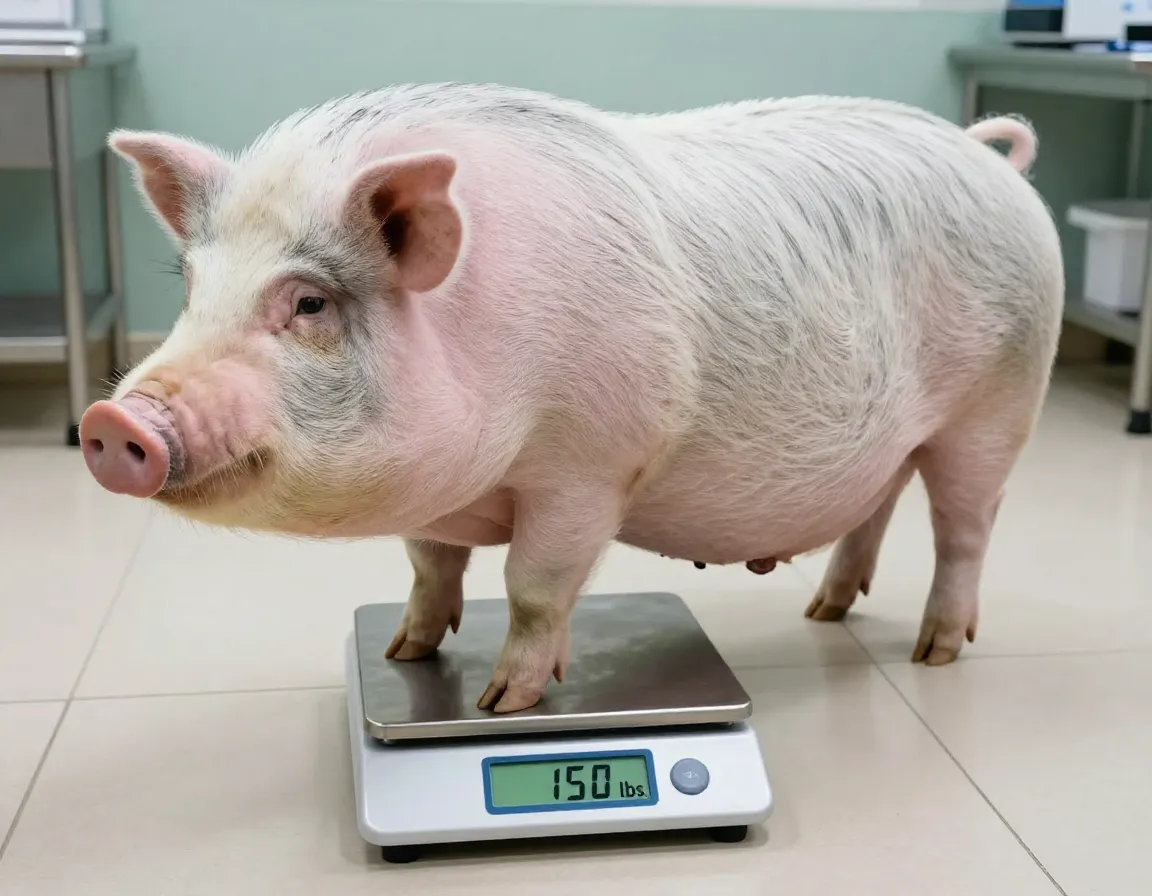
The first and most shocking revelation in our 8 surprising facts about mini pigs full grown concerns their actual size. While breeders might show you an adorable 5-pound piglet, that same animal can easily reach 100-200 pounds at maturity.
Weight Progression Timeline
| Age | Typical Weight Range | Growth Stage |
|---|---|---|
| 8 weeks | 2-5 pounds | Newborn |
| 6 months | 15-40 pounds | Juvenile |
| 1 year | 40-80 pounds | Adolescent |
| 2 years | 60-120 pounds | Young adult |
| 3-5 years | 80-200 pounds | Full maturity |
Important note: Pigs continue growing until they’re 3-5 years old, meaning that “mini” pig you thought was done growing at one year old is likely only halfway to its adult size.
Factors Affecting Final Size
Several factors influence how large a mini pig will ultimately become:
- Genetics of parent pigs (often misrepresented by breeders)
- Nutrition during growth phases
- Exercise and activity levels
- Spay/neuter status (affects growth hormones)
- Overall health and medical care
2. They Require Significantly More Space Than Advertised
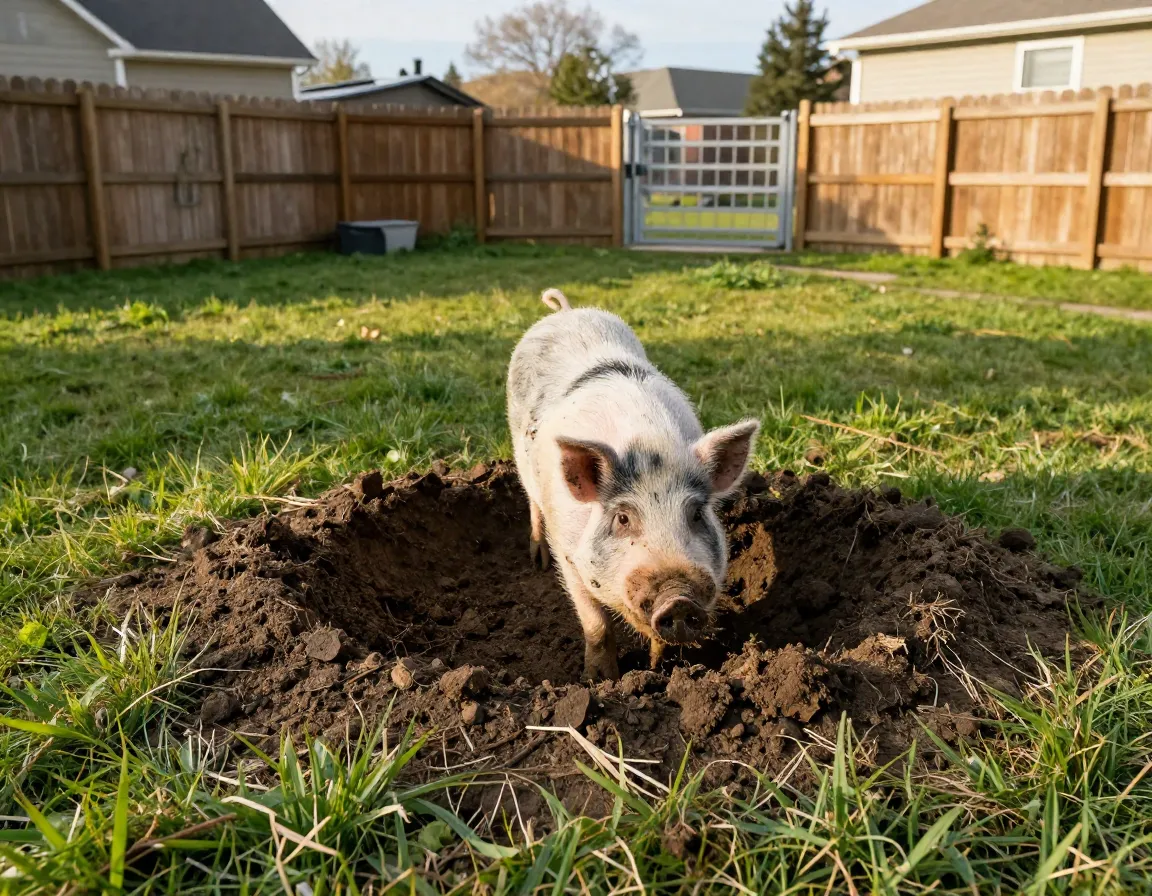
The second fact in our exploration of 8 surprising facts about mini pigs full grown deals with space requirements that most people drastically underestimate. A 150-pound pig cannot live comfortably in an apartment, despite what some breeders suggest.
Minimum Space Requirements
Indoor space: At minimum, a mini pig needs:
- 50-100 square feet of indoor living space
- Multiple rooms for different activities (eating, sleeping, playing)
- Non-slip flooring to prevent joint injuries
- Climate-controlled environment year-round
Outdoor space: Essential requirements include:
- ¼ to ½ acre minimum for adequate exercise and foraging
- Secure fencing (pigs are excellent escape artists)
- Shelter from weather extremes
- Areas for rooting and natural behaviors
The Rooting Reality
Mini pigs have an instinctual need to root – using their snouts to dig and forage. This behavior is:
- Impossible to train out of them
- Destructive to lawns, gardens, and landscaping
- Essential for their mental and physical health
- A major source of neighbor complaints
“Many people don’t realize that a pig’s need to root is as strong as a dog’s need to walk. It’s not optional – it’s a biological imperative.” – Dr. Sarah Johnson, Veterinary Behaviorist
3. Mini Pigs Live 12-20 Years – A Serious Long-Term Commitment
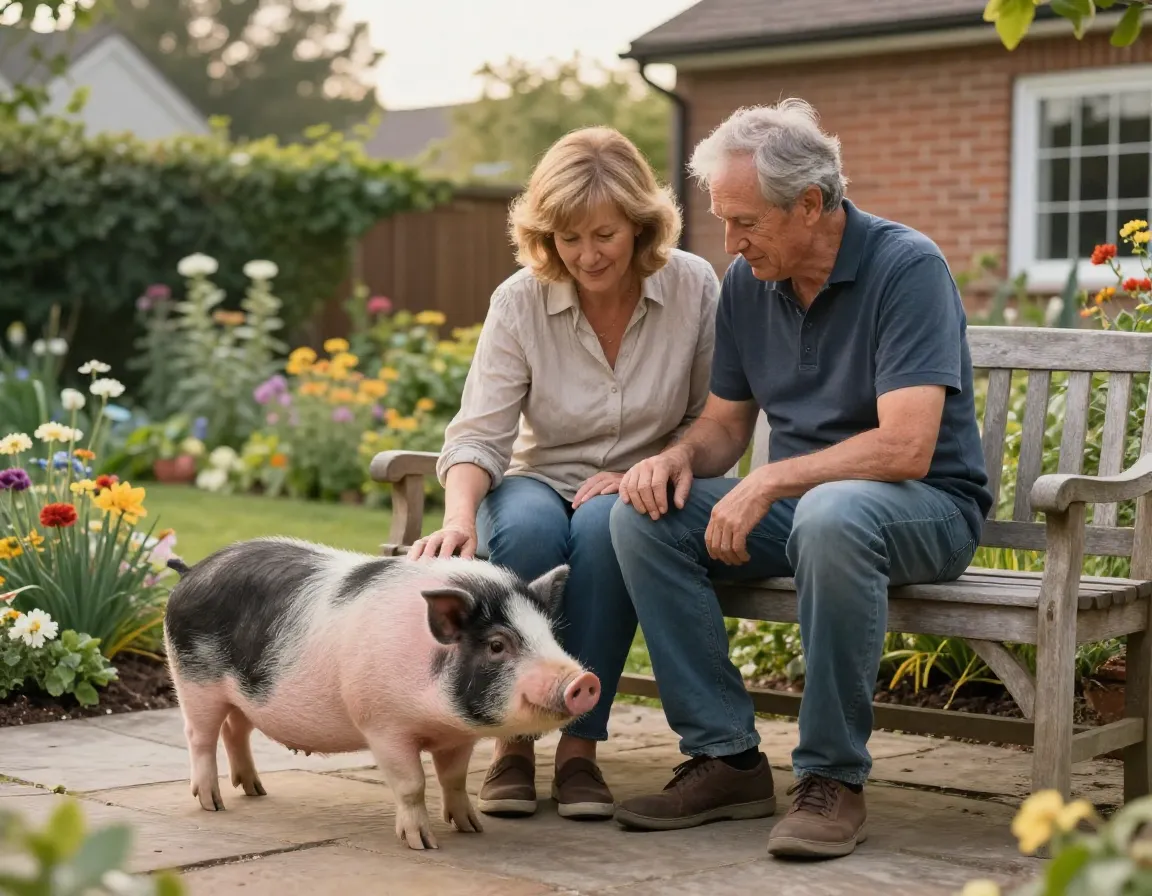
The third surprising fact about mini pigs full grown involves their impressive lifespan, which represents a much longer commitment than many people anticipate. Unlike smaller pets with shorter lifespans, mini pigs can live nearly as long as dogs.
Lifespan Breakdown by Care Quality
- Excellent care: 15-20 years
- Good care: 12-15 years
- Poor care: 8-12 years
Life Stage Considerations
Piglet stage (0-1 year):
- Requires frequent feeding and veterinary care
- House training challenges
- Rapid growth and changing needs
Adult stage (1-10 years):
- Peak intelligence and trainability
- Established routines and behaviors
- Regular health maintenance required
Senior stage (10+ years):
- Potential arthritis and mobility issues
- Increased veterinary costs
- Special dietary and care needs
Financial Commitment Over Lifetime
The true cost of mini pig ownership over 15+ years includes:
- Initial purchase: $1,000-$3,000
- Annual veterinary care: $500-$1,500
- Food and supplies: $600-$1,200 yearly
- Emergency medical care: $2,000-$10,000+ potential
- Property modifications: $1,000-$5,000
- Total lifetime cost: $15,000-$40,000+
4. They’re Incredibly Intelligent – Sometimes Too Smart for Their Own Good
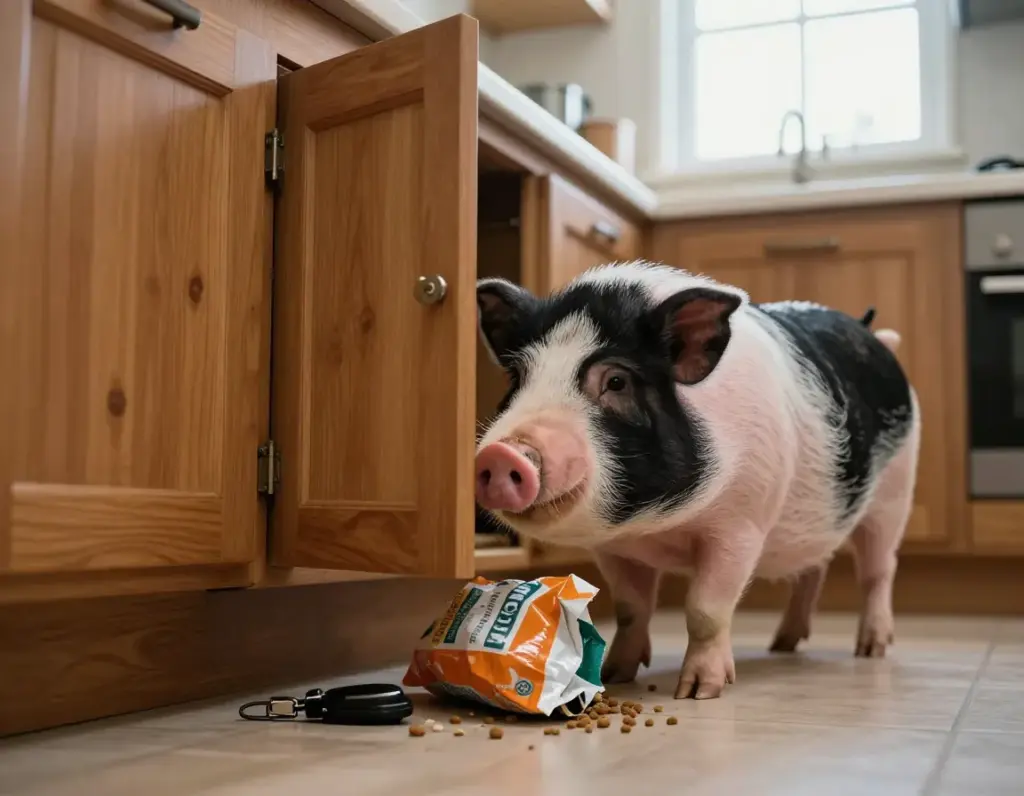
Intelligence represents both a blessing and a challenge in our 8 surprising facts about mini pigs full grown. Pigs rank as the 4th most intelligent animals on Earth, surpassing most dog breeds in problem-solving abilities.
Cognitive Abilities That Surprise Owners
Problem-solving skills:
- Can learn to open doors, cabinets, and gates
- Figure out complex puzzles and food-dispensing toys
- Remember solutions to problems for years
- Often outsmart their owners in getting what they want
Social intelligence:
- Recognize individual humans and remember relationships
- Understand household routines and schedules
- Manipulate situations to their advantage
- Show empathy and emotional responses
The Challenge of Pig Intelligence
This high intelligence creates unique challenges:
- Boredom leads to destruction – smart pigs need constant mental stimulation
- They remember everything – including where you hide treats or how to escape
- Manipulation tactics – pigs learn to “train” their humans through persistent behavior
- Stubbornness – intelligent pigs have strong opinions about what they want to do
Training Requirements
Unlike dogs bred to please humans, pigs are:
- Independent thinkers who question commands
- Food-motivated but not necessarily eager to please
- Capable of learning complex behaviors but may choose not to perform them
- Requiring consistent, patient training throughout their lives
5. Legal Issues and Zoning Restrictions Are Common
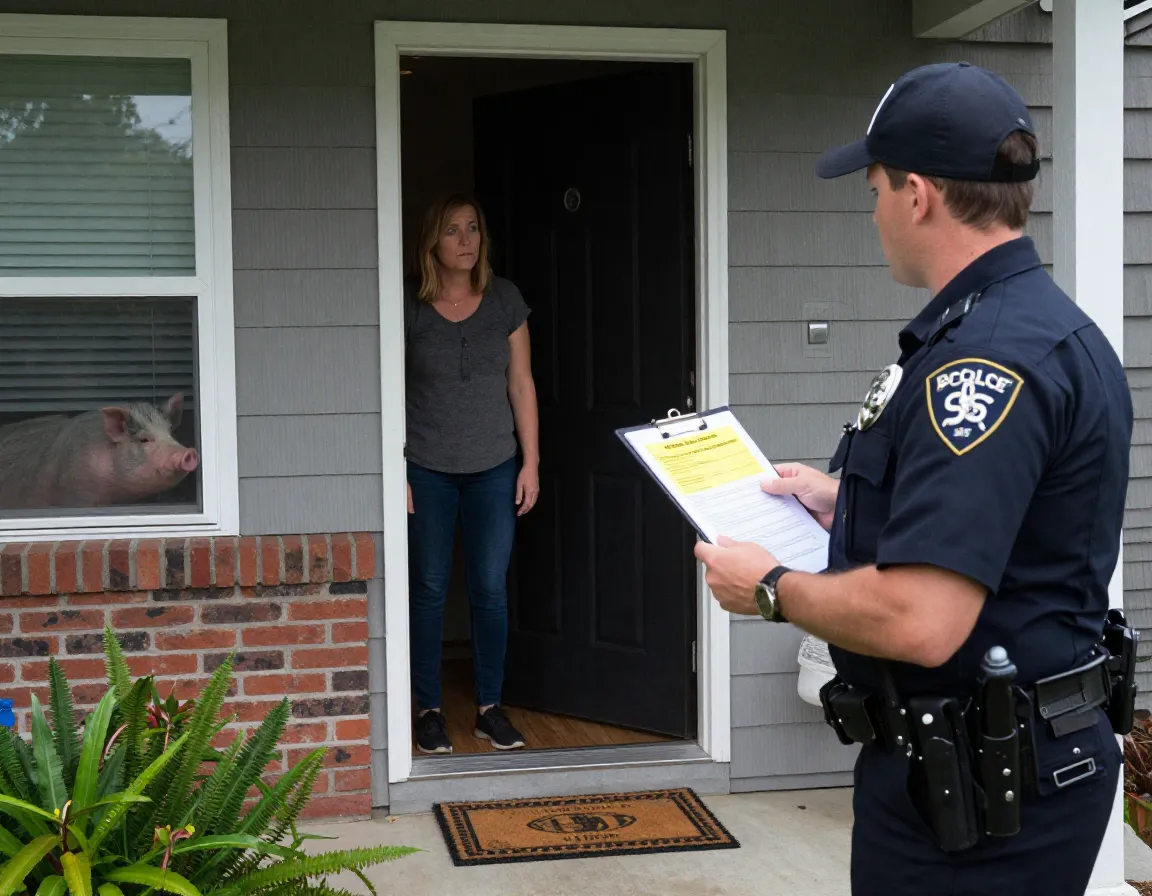
The fifth fact in our 8 surprising facts about mini pigs full grown involves the complex legal landscape surrounding pig ownership. Many people discover too late that their “pet” pig is actually classified as livestock.
Zoning Classification Problems
Urban areas: Most cities classify all pigs as:
- Livestock or farm animals (not pets)
- Prohibited in residential zones
- Subject to agricultural regulations
- Requiring special permits (often unavailable)
Suburban areas: Common restrictions include:
- Homeowners Association (HOA) prohibitions
- Minimum acreage requirements
- Setback distances from property lines
- Noise ordinance considerations
Legal Consequences of Violations
Owning a pig in violation of local laws can result in:
- Immediate removal orders from animal control
- Daily fines ranging from $50-$500
- Court proceedings and legal fees
- Forced rehoming or surrender to sanctuaries
- Property deed restrictions affecting future sales
Research Requirements Before Purchase
Essential legal research includes:
- City/county zoning ordinances
- HOA covenants and restrictions
- State agricultural regulations
- Neighbor notification requirements
- Insurance policy implications
“I’ve seen too many families forced to give up beloved pigs because they didn’t research local laws first. The heartbreak is completely preventable with proper planning.” – Lisa Martinez, Farm Animal Sanctuary Director
6. Veterinary Care Is Specialized and Expensive
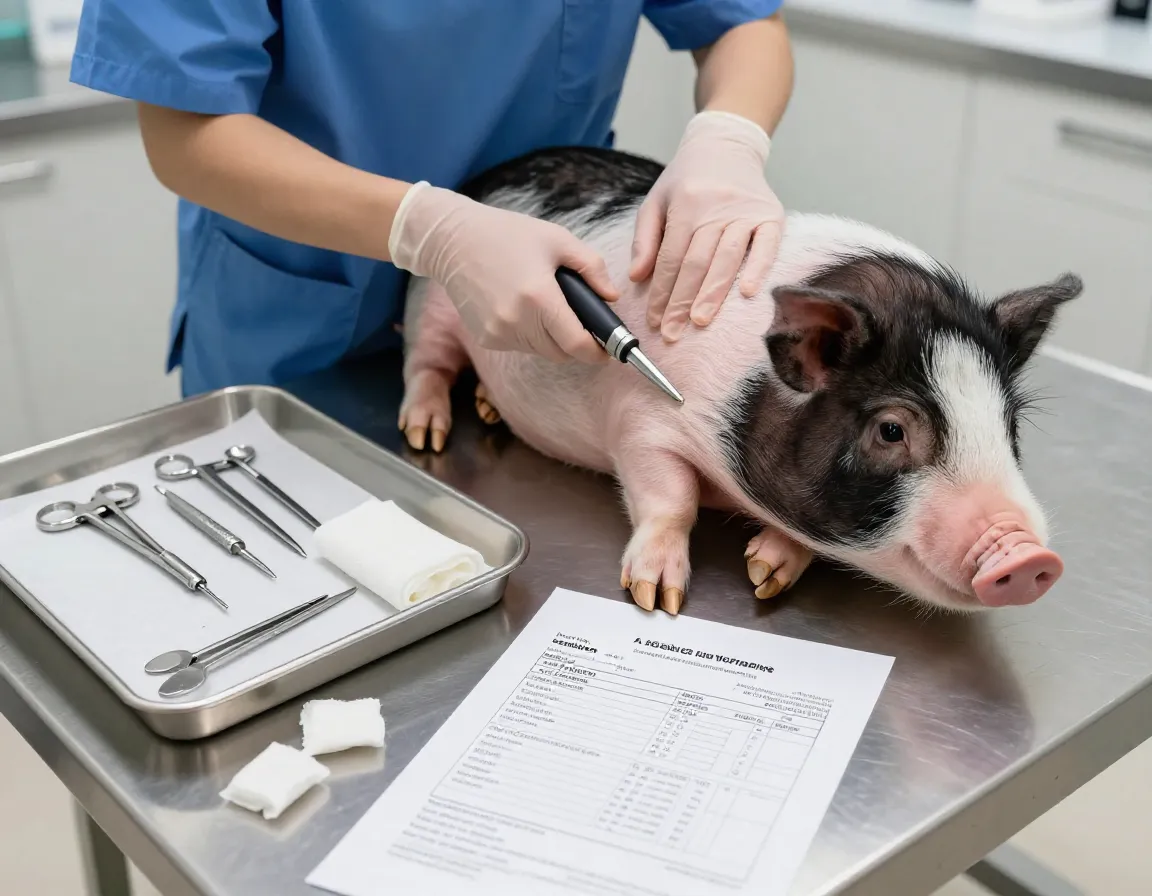
Veterinary care represents a significant challenge in our 8 surprising facts about mini pigs full grown. Most traditional veterinarians have limited experience with pigs, leading to specialized care requirements and higher costs.
Finding Qualified Veterinary Care
Challenges in locating pig-experienced vets:
- Most small animal vets lack pig training
- Large animal vets may only treat farm pigs
- Specialized exotic animal vets charge premium rates
- Emergency care options are extremely limited
Common Health Issues in Mini Pigs
Obesity-related problems:
- Joint and mobility issues
- Heart disease and breathing difficulties
- Diabetes and metabolic disorders
- Reduced lifespan and quality of life
Genetic and breed-specific issues:
- Blindness (common in certain bloodlines)
- Respiratory problems from shortened snouts
- Skin conditions requiring ongoing management
- Reproductive issues if not spayed/neutered
Specialized Care Requirements
| Care Type | Frequency | Estimated Cost |
|---|---|---|
| Annual wellness exam | Yearly | $150-$300 |
| Vaccinations | Annual/as needed | $100-$200 |
| Hoof trimming | Every 6-8 weeks | $50-$100 |
| Dental care | As needed | $200-$800 |
| Spay/neuter surgery | One-time | $400-$1,200 |
| Emergency care | Variable | $500-$5,000+ |
Preventive Care Essentials
Regular maintenance includes:
- Professional hoof trimming (cannot be skipped)
- Dental monitoring and care
- Weight management and diet control
- Skin care and sun protection
- Parasite prevention and monitoring
7. Their Social and Emotional Needs Are Complex
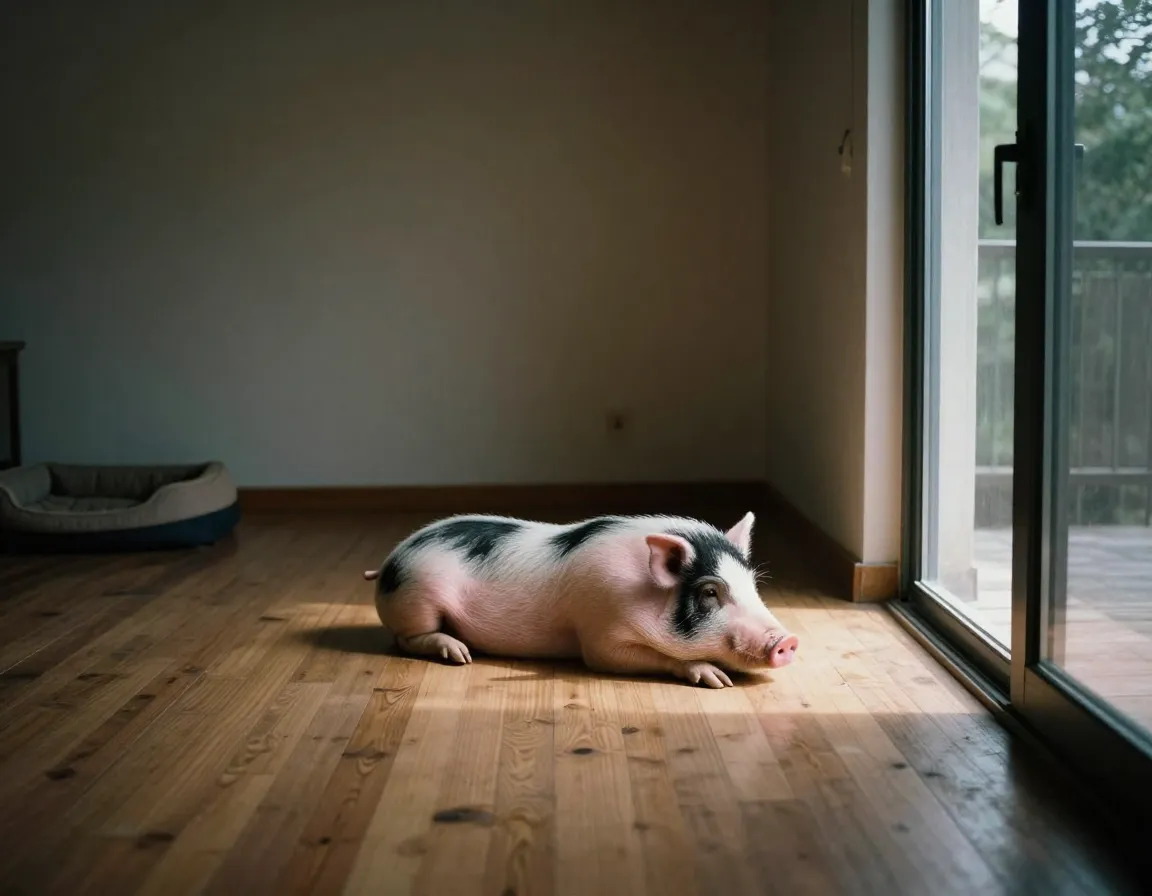
The seventh fact in our 8 surprising facts about mini pigs full grown focuses on their sophisticated emotional and social requirements. Pigs are highly social animals with complex psychological needs that many owners underestimate.
Social Structure and Hierarchy
Natural pig behavior includes:
- Establishing dominance hierarchies within households
- Strong bonding with primary caregivers
- Territorial behavior around food and sleeping areas
- Separation anxiety when left alone for extended periods
Emotional Intelligence and Bonding
Mini pigs demonstrate remarkable emotional depth:
- Form deep attachments to specific family members
- Show jealousy and possessiveness
- Experience depression and anxiety when routines change
- Grieve losses of companions or family members
- Require consistent social interaction for mental health
Behavioral Challenges from Unmet Social Needs
Common problems include:
- Aggression toward family members or visitors
- Destructive behavior when bored or anxious
- Excessive vocalization (pigs can be very loud)
- Food guarding and resource protection
- Escape attempts to find stimulation or companionship
Meeting Complex Social Needs
Successful pig ownership requires:
- Daily interactive play and enrichment activities
- Consistent routines and schedules
- Multiple family members involved in care
- Environmental enrichment to prevent boredom
- Understanding of pig communication and body language
8. Rehoming and Rescue Statistics Are Alarming
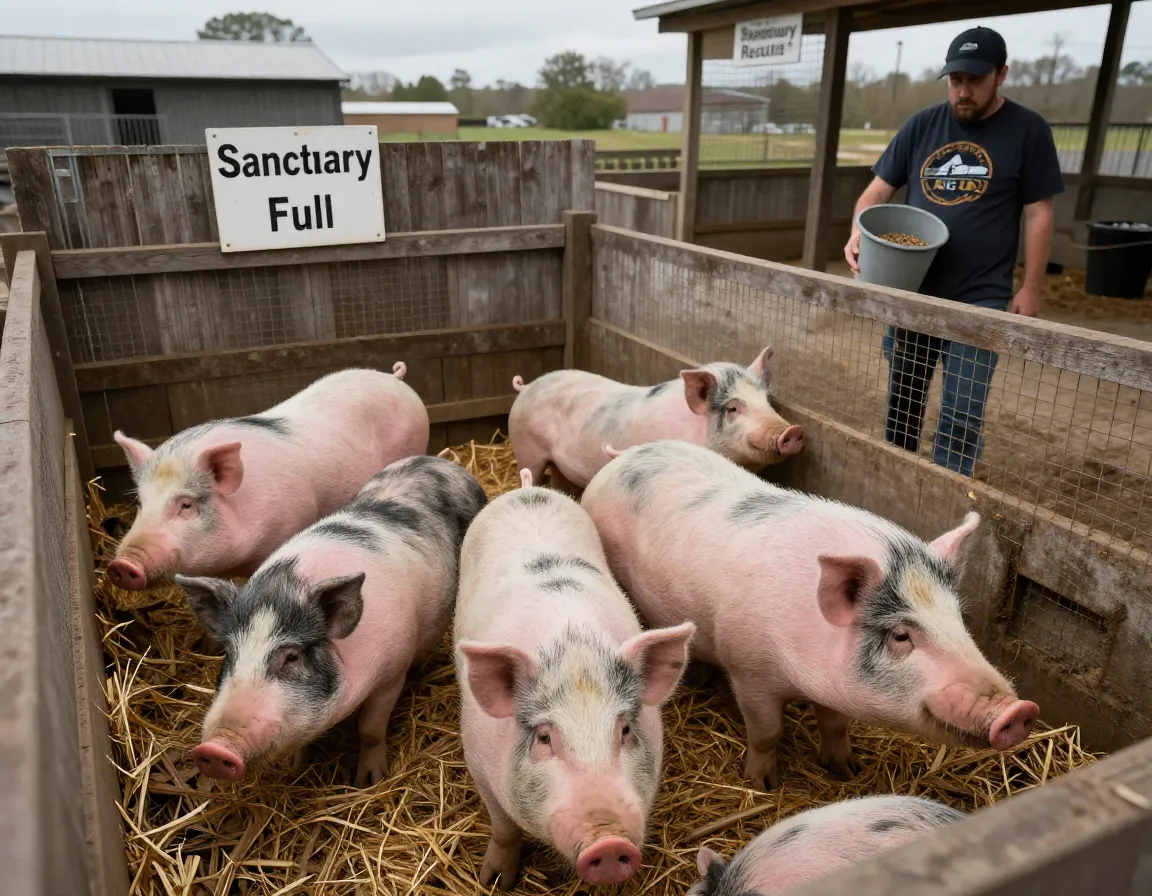
The final fact in our 8 surprising facts about mini pigs full grown reveals a heartbreaking reality: the vast majority of pet pigs end up surrendered to sanctuaries or rescue organizations.
Surrender Statistics
Alarming rescue numbers:
- 80-90% of pet pigs are surrendered within 2 years
- Most surrenders occur when pigs reach adult size and behavior
- Peak surrender age: 2-4 years (when full size becomes apparent)
- Limited sanctuary space creates waiting lists for surrenders
Common Reasons for Surrender
Top reasons owners give up pigs:
- Larger than expected size (60% of cases)
- Legal/zoning issues (25% of cases)
- Behavioral problems (20% of cases)
- Housing changes (15% of cases)
- Family circumstances (10% of cases)
- Veterinary costs (10% of cases)
Note: Percentages exceed 100% as multiple factors often contribute
The Sanctuary Crisis
Rescue organizations report:
- Overcrowding at pig sanctuaries nationwide
- Limited adoption options for surrendered pigs
- High care costs straining rescue budgets
- Behavioral issues in pigs from inadequate early care
Success Stories and Proper Placement
Successful mini pig ownership requires:
- Realistic expectations about size and needs
- Adequate space and legal compliance
- Long-term commitment to care and costs
- Education about pig behavior and needs
- Support network of pig-experienced professionals
“The pigs that thrive in homes are those whose families did extensive research, prepared properly, and committed to meeting their complex needs for 15+ years. Unfortunately, these families represent less than 20% of initial pig purchases.” – Dr. Michael Chen, Farm Animal Veterinarian
Making an Informed Decision About Mini Pig Ownership
Understanding these 8 surprising facts about mini pigs full grown should fundamentally change how anyone approaches the decision to bring a pig into their family. These aren’t apartment pets or low-maintenance companions – they’re intelligent, large, long-lived animals with complex needs.
Honest Self-Assessment Questions
Before considering a mini pig, honestly evaluate:
Space and housing:
- Do you have adequate outdoor space (minimum ¼ acre)?
- Is pig ownership legal in your area?
- Can you provide climate-controlled indoor space?
Financial commitment:
- Can you budget $2,000+ annually for 15+ years?
- Do you have emergency veterinary funds available?
- Are you prepared for property modifications?
Lifestyle compatibility:
- Can you provide daily interaction and enrichment?
- Are you home enough to meet social needs?
- Can you handle a strong-willed, intelligent animal?
Alternatives to Consider
If these facts reveal that mini pig ownership isn’t realistic for your situation, consider:
- Volunteering at pig sanctuaries to interact with pigs
- Supporting pig rescue organizations financially
- Choosing more suitable pets that match your lifestyle
- Visiting petting farms for occasional pig interaction
Conclusion
The reality behind these 8 surprising facts about mini pigs full grown paints a very different picture than the marketing materials suggest. These remarkable animals can weigh up to 200 pounds, live 12-20 years, require substantial space and specialized care, and have complex social and emotional needs that challenge even experienced animal owners.
The alarming surrender rates – with 80-90% of pet pigs ending up in sanctuaries – demonstrate that most people are unprepared for the reality of pig ownership. The intelligence that makes pigs fascinating also makes them demanding companions who need constant mental stimulation and consistent boundaries.
If you’re still considering mini pig ownership after learning these facts, take these essential next steps:
- Research local laws thoroughly before making any commitments
- Visit pig sanctuaries to interact with adult pigs and understand their true size and needs
- Connect with pig-experienced veterinarians in your area
- Calculate the true lifetime costs and ensure you can budget appropriately
- Honestly assess your living situation and long-term stability
The decision to bring any animal into your family should be based on facts, not marketing promises. Mini pigs can be wonderful companions for the right families – those with adequate space, legal compliance, financial resources, and realistic expectations about what “mini” actually means.
Remember: there’s no shame in deciding that mini pig ownership isn’t right for your situation. The most loving thing you can do is make an informed decision that prevents contributing to the cycle of surrender and rehoming that affects thousands of pigs each year.
Surprising Facts About Mini Pigs Full Grown – Not So Mini!