
9 Stunning Facts About Rare White German Shepherd Dogs
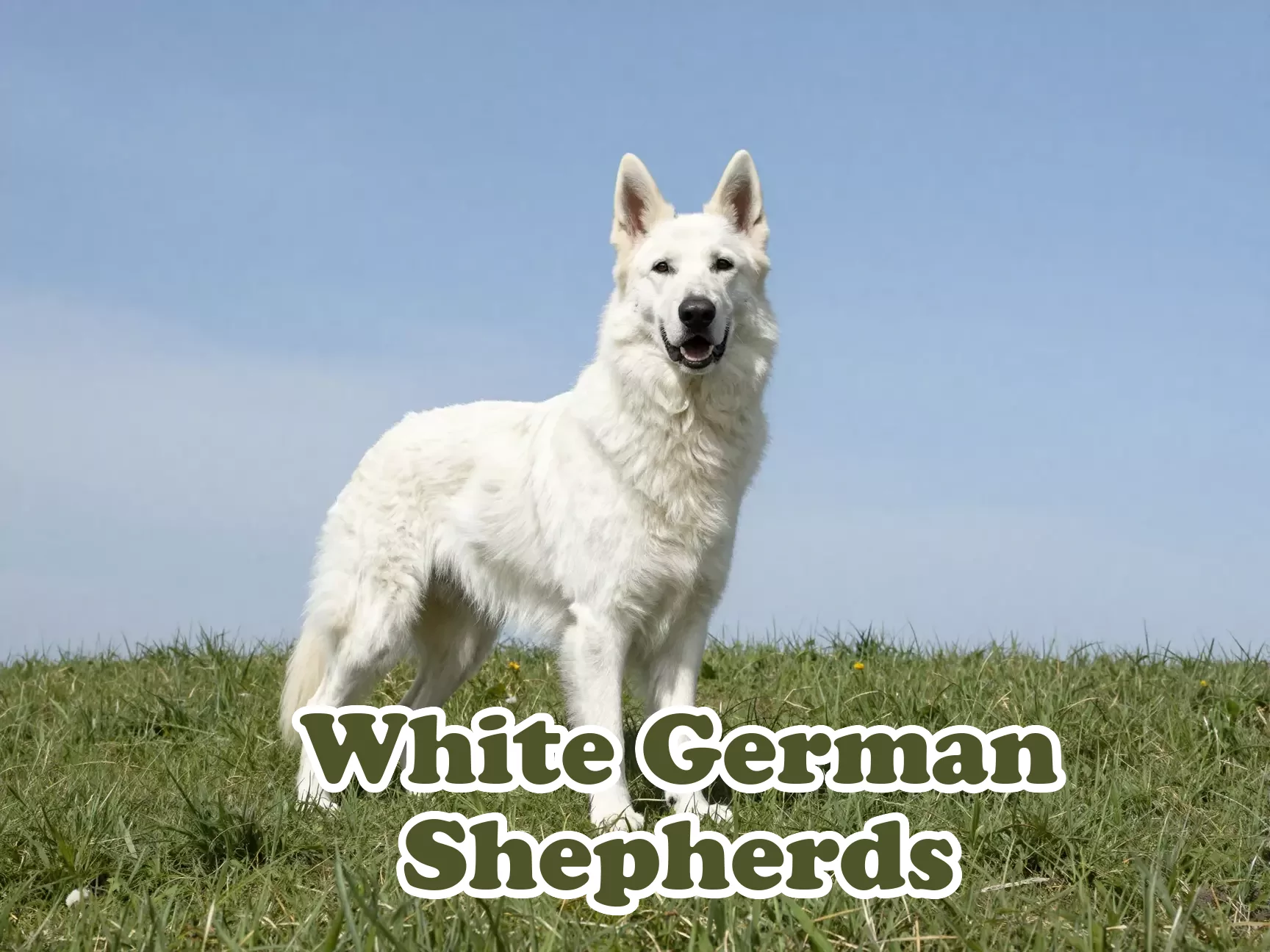
Only about 6% of all German Shepherd puppies born carry the genetic combination required to produce a pure white coat — making these dogs far rarer than most people realize. Yet despite their striking appearance, white German Shepherds are often misunderstood, disqualified from competitions, and even mistaken for a completely different breed. If you’ve ever been captivated by one of these ghost-like dogs and wanted to know the full story, these 9 stunning facts about rare white German Shepherd dogs will change the way you see them forever.
Key Takeaways 📌
- ✅ The white coat is caused by a recessive gene, not albinism — it does not affect health or temperament.
- ✅ White German Shepherds trace their lineage directly to the very first registered German Shepherd in history.
- ✅ The AKC disqualifies white coats in conformation shows, but these dogs can still compete in performance events.
- ✅ Dedicated breed clubs have been protecting white German Shepherds since 1964.
- ✅ With proper care, these dogs live a healthy 10–14 years — on par with standard-colored German Shepherds.
The Science and History Behind the 9 Stunning Facts About Rare White German Shepherd Dogs
1. The White Coat Is Caused by a Recessive Gene — Not Albinism
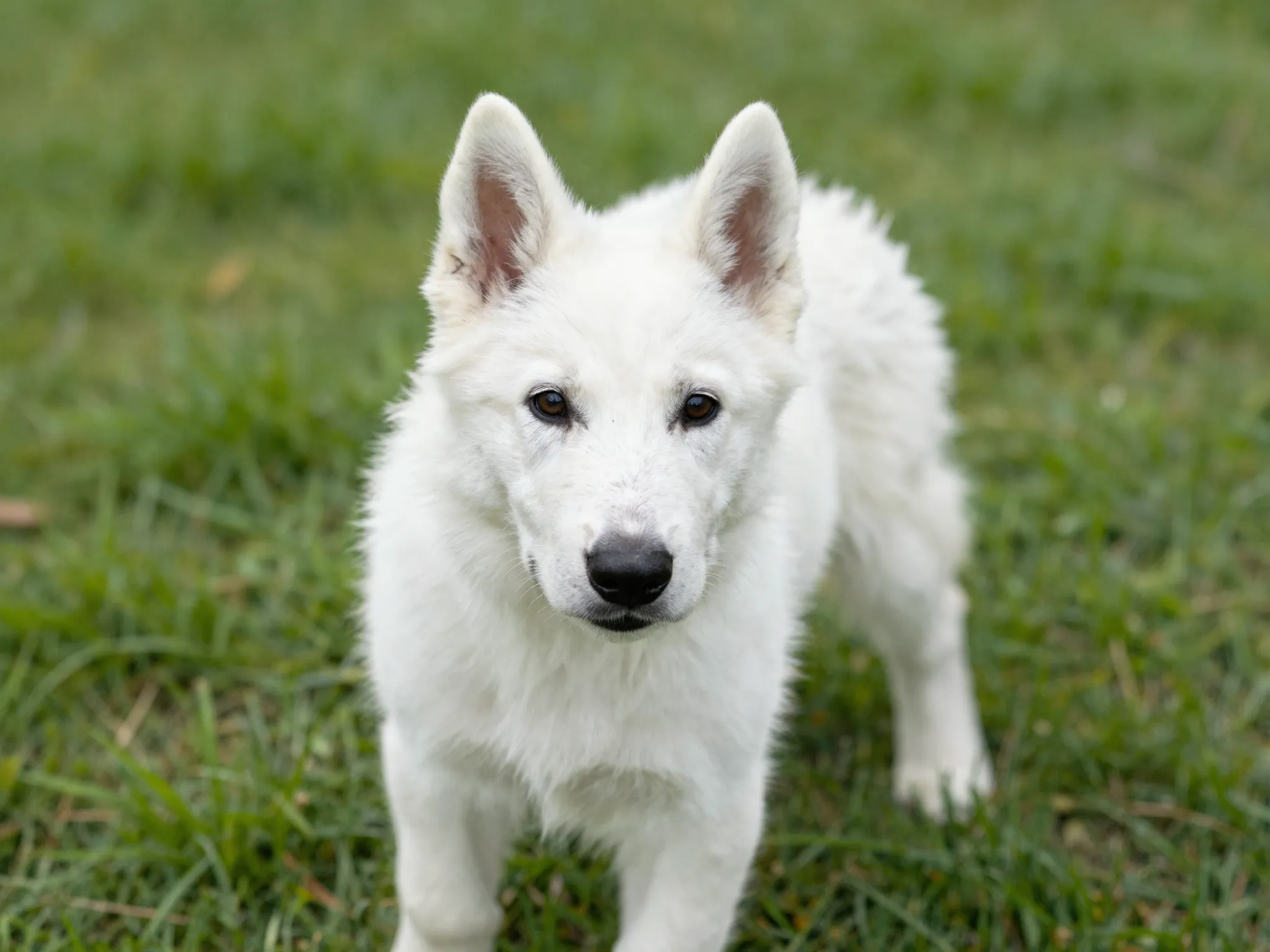
One of the most persistent myths about white German Shepherds is that their pale coat signals a genetic defect or that they are albinos. This is completely false.
The white coat results from a recessive masking gene that simply suppresses the expression of the dog’s underlying color — whether that color would have been black, sable, or tan. The gene doesn’t remove pigment from the dog’s body; it just prevents that pigment from showing up in the fur. [1][2]
💡 Pull Quote: “The white coat is a mask, not a flaw. Underneath, the dog’s true color still exists — it’s just hidden.”
Here’s what this means in practice:
- White German Shepherds have dark noses, dark eyes, and dark skin pigmentation — classic signs that they are NOT albinos.
- Albino dogs have pink noses, pale skin, and often blue or pink eyes due to a complete lack of melanin.
- The white recessive gene has no known negative impact on the dog’s health, intelligence, or working ability. [1][2]
This distinction matters enormously for potential owners. You are not getting a “weaker” or “defective” dog. You are getting a fully capable German Shepherd in a rare coat color.
2. Both Parents Must Carry the Recessive Gene

White German Shepherd puppies don’t appear by accident. For a litter to include white puppies, both parent dogs must carry at least one copy of the white recessive gene. [1][2]
This is basic Mendelian genetics at work:
| Parent Combination | Chance of White Puppies |
|---|---|
| Both parents carry one white gene | 25% of litter |
| One parent is white, other carries gene | 50% of litter |
| Both parents are white | 100% of litter |
| Only one parent carries the gene | 0% white puppies |
Because two copies of the gene are required for a puppy to actually express the white coat, many standard-colored German Shepherds are “silent carriers” — they carry the gene without showing it. This is part of why white puppies can occasionally appear in litters from two seemingly non-white parents, surprising even experienced breeders.
3. The White Coat Has Ancient Roots in the Breed’s Very First Dogs
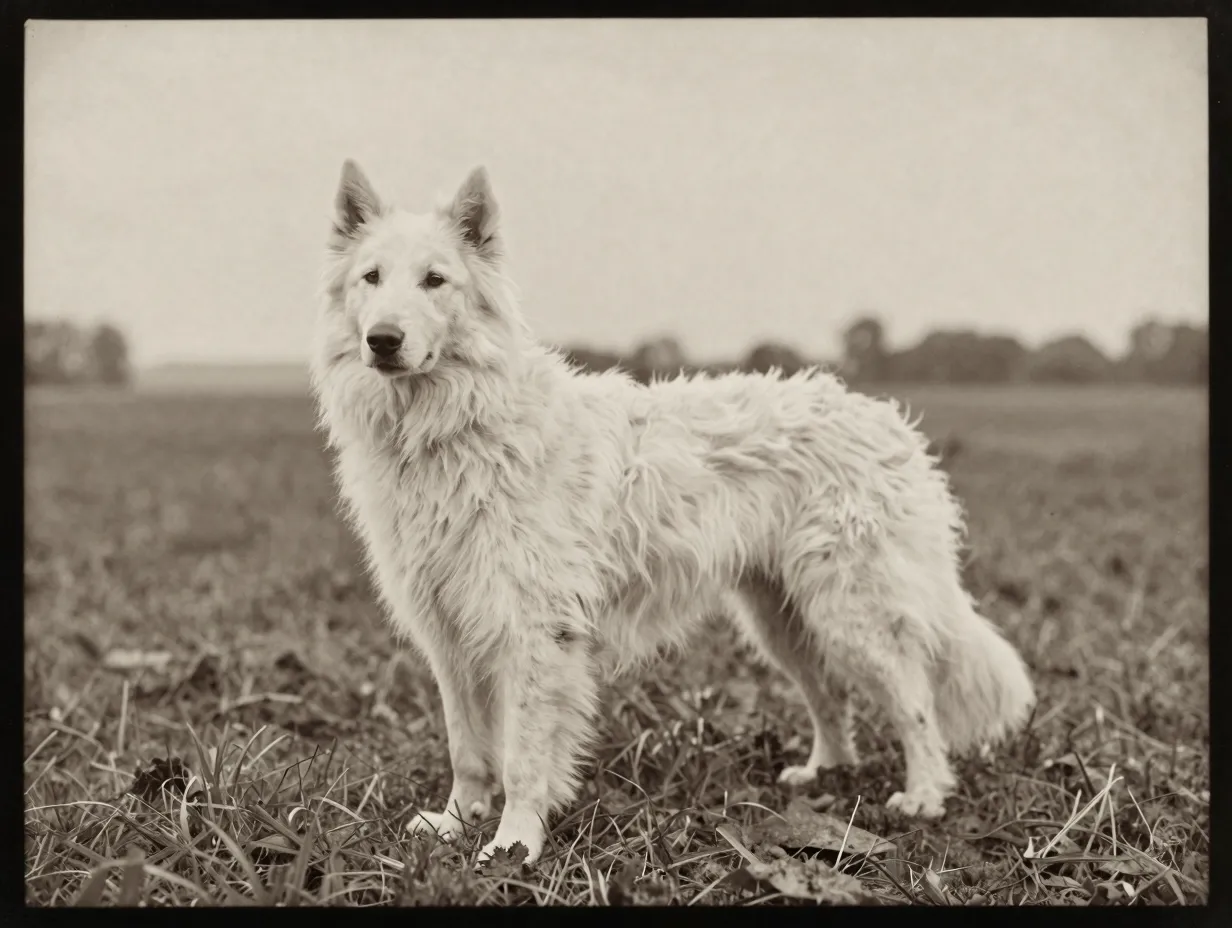
Here’s a fact that shocks most people: white German Shepherds aren’t a modern variation or a crossbreed. They trace their lineage directly to the founding dogs of the entire German Shepherd breed.
Greif von Sparwasser, a white-coated herding dog whelped in 1879, was one of the earliest dogs documented in Captain Max von Stephanitz’s selective breeding program — the program that created the German Shepherd as we know it today. [1][2]
Then came Horand von Grafrath, purchased by von Stephanitz in 1899 and registered as Entry #1 in the SV (Verein für Deutsche Schäferhunde) stud book — the very first official German Shepherd. Horand was a direct descendant of Greif and carried the white recessive gene. His offspring included both white and standard-colored puppies. [2]
💡 Pull Quote: “The first German Shepherd ever registered carried the white gene. White is not an outsider to this breed — it’s part of its DNA.”
This historical fact is critical. White German Shepherds are not a diluted or corrupted version of the breed. They are, genetically speaking, as “original” as it gets.
4. Dedicated Breed Clubs Have Protected These Dogs Since 1964
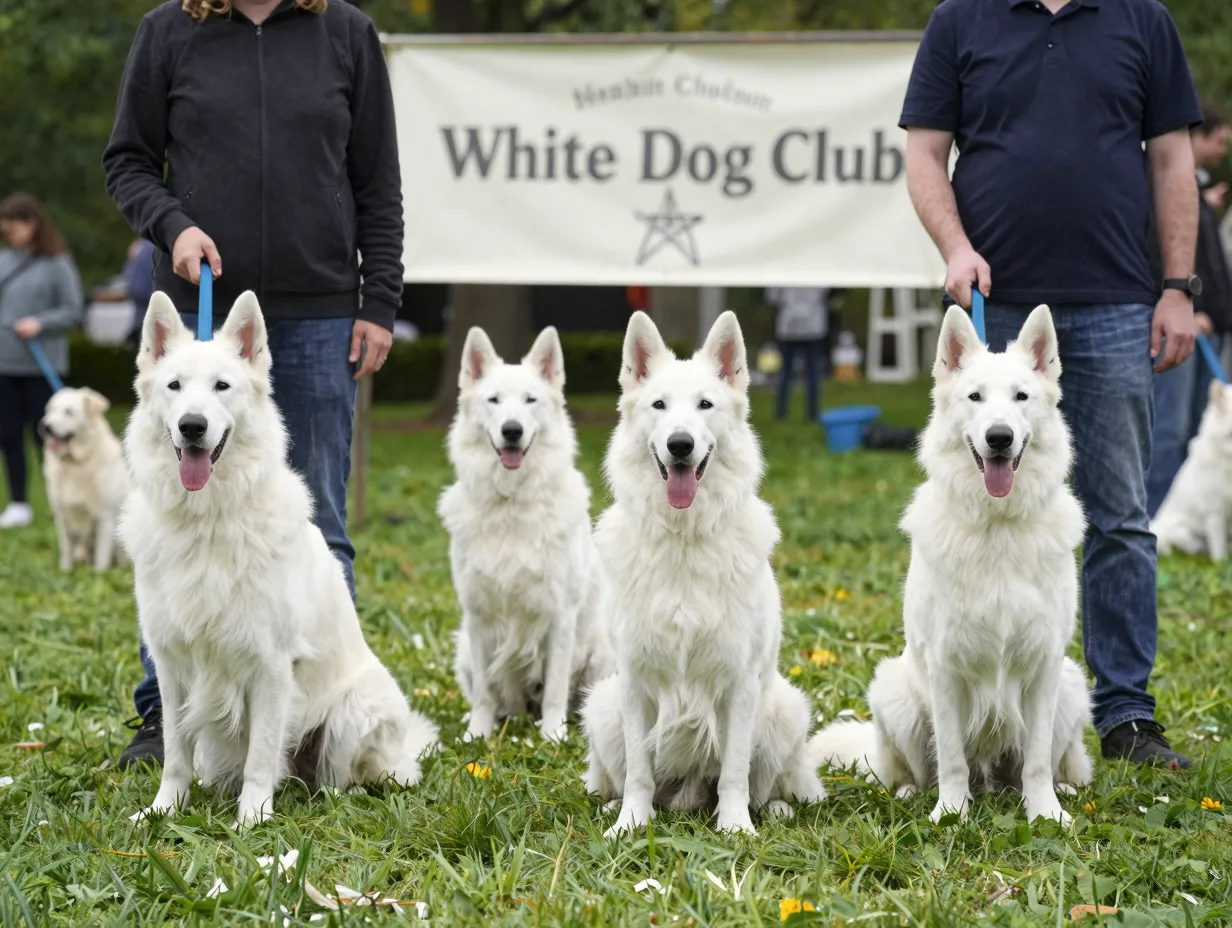
As prejudice against the white coat grew within mainstream German Shepherd organizations during the mid-20th century, a group of passionate breeders decided to take action.
The first White German Shepherd Dog Club was founded in 1964 in Sacramento, California, with the explicit goal of preserving and protecting white-coated German Shepherds. [1] This was followed five years later by the founding of the White German Shepherd Dog Club of America in 1969. [1]
These clubs have played a vital role in:
- Maintaining breed standards specific to white German Shepherds
- Educating the public about the genetic science behind the white coat
- Advocating for fair treatment in competitions and registrations
- Connecting reputable breeders with responsible buyers
In 2026, these organizations continue their work, and the white German Shepherd community remains active and passionate worldwide.
5. The AKC Disqualifies White Coats in Conformation — But Not in Performance Events
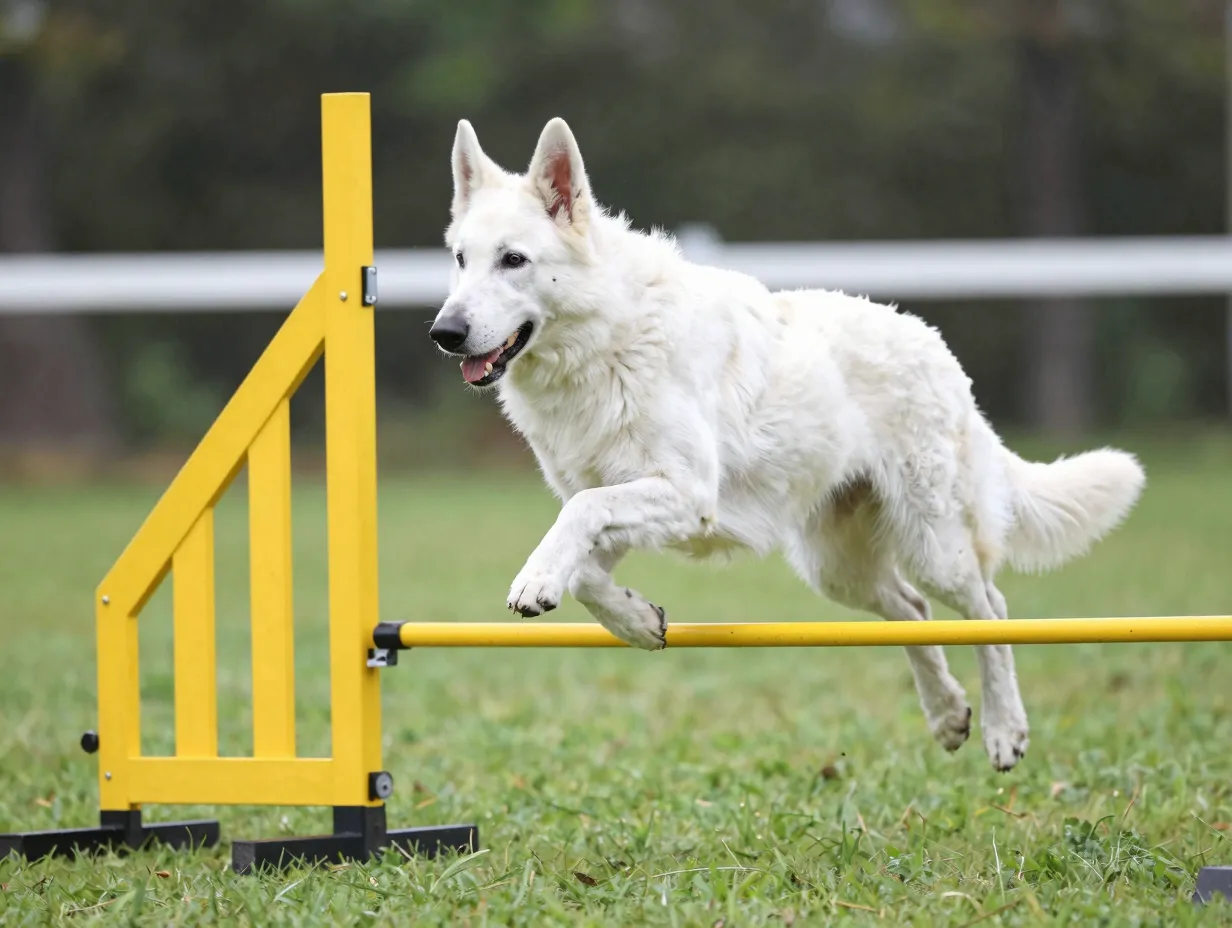
This is one of the most controversial and misunderstood aspects of white German Shepherd ownership. Since the 1960s, the American Kennel Club (AKC) has officially disqualified white-coated German Shepherds from conformation competitions — the traditional dog shows where dogs are judged against breed standards. [2]
The reasoning? The AKC’s German Shepherd breed standard simply lists white as a disqualifying color. It is not a health-based disqualification. It is a cosmetic preference written into the standard decades ago.
However — and this is important — white German Shepherds CAN compete in AKC performance events, including: [2]
- Obedience trials — testing the dog’s training and responsiveness
- Tracking events — showcasing the breed’s legendary nose work
- Herding trials — demonstrating the dog’s natural instinct and working ability
- Agility competitions — testing speed, coordination, and handler communication
So while a white German Shepherd cannot win Best in Show at Westminster, it can absolutely earn titles, ribbons, and recognition in the events that actually test what a German Shepherd is built to do.
Breed Characteristics and Care in the 9 Stunning Facts About Rare White German Shepherd Dogs
6. Their Size and Build Are Identical to Standard German Shepherds
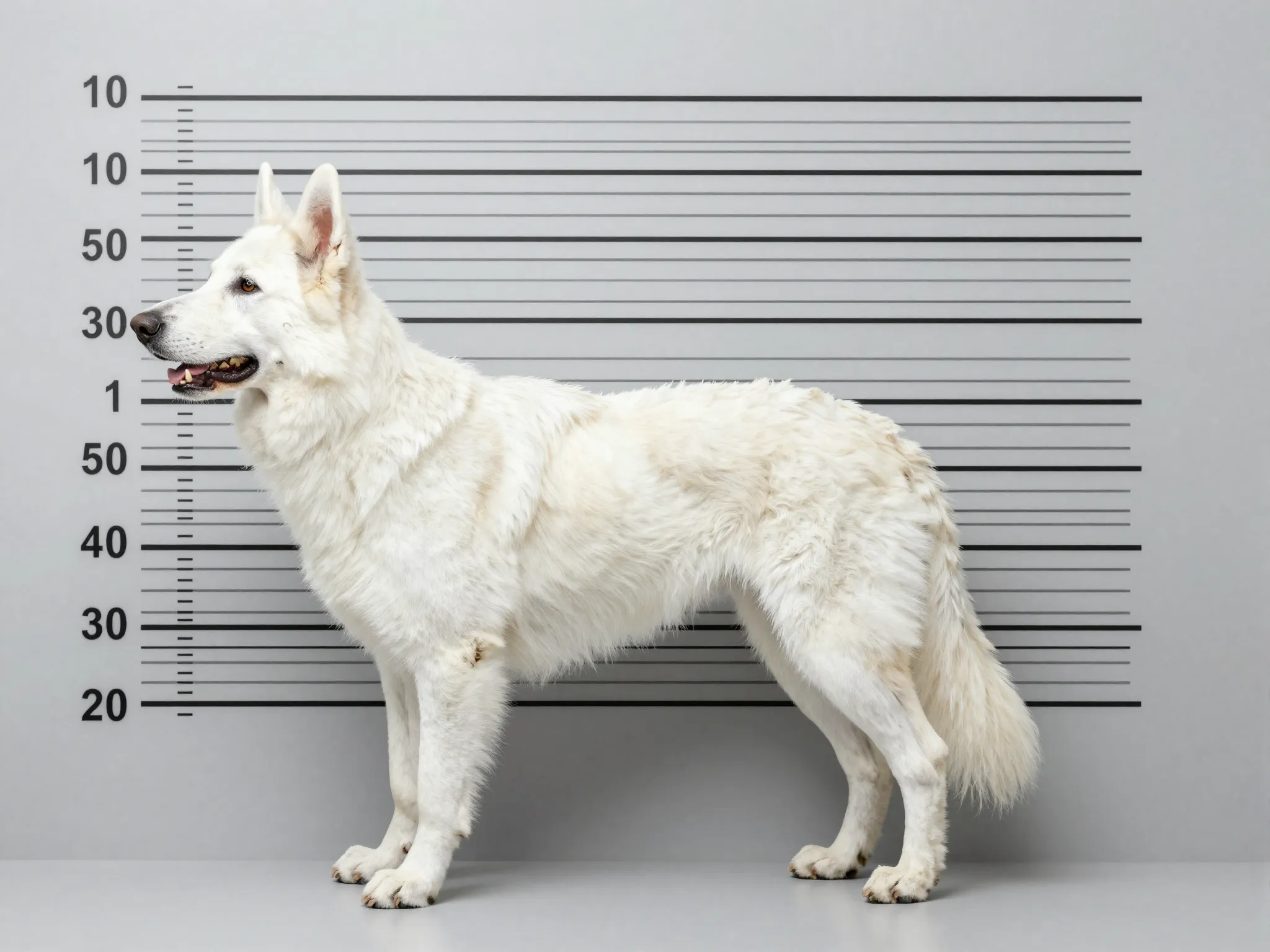
White German Shepherds are not a smaller or larger variant. They meet the exact same breed standard dimensions as their colored counterparts: [2]
| Measurement | Males | Females |
|---|---|---|
| Height | 24–26 inches | 22–24 inches |
| Weight | 65–90 pounds | 50–70 pounds |
| Build | Athletic, muscular | Slightly lighter frame |
This is a large, powerful dog — not a novelty or a toy breed in a fancy coat. Prospective owners need to be prepared for:
- High exercise requirements — at least 1–2 hours of vigorous activity daily
- Mental stimulation needs — German Shepherds are working dogs that need jobs to do
- Strong prey drive and protective instincts — proper socialization from puppyhood is essential
- Shedding — the white double coat sheds heavily, especially during seasonal blowouts
The white coat can actually make shedding more noticeable on dark furniture and clothing, so regular grooming is a practical necessity, not just an aesthetic one.
7. White German Shepherds Live 10–14 Years With Proper Care
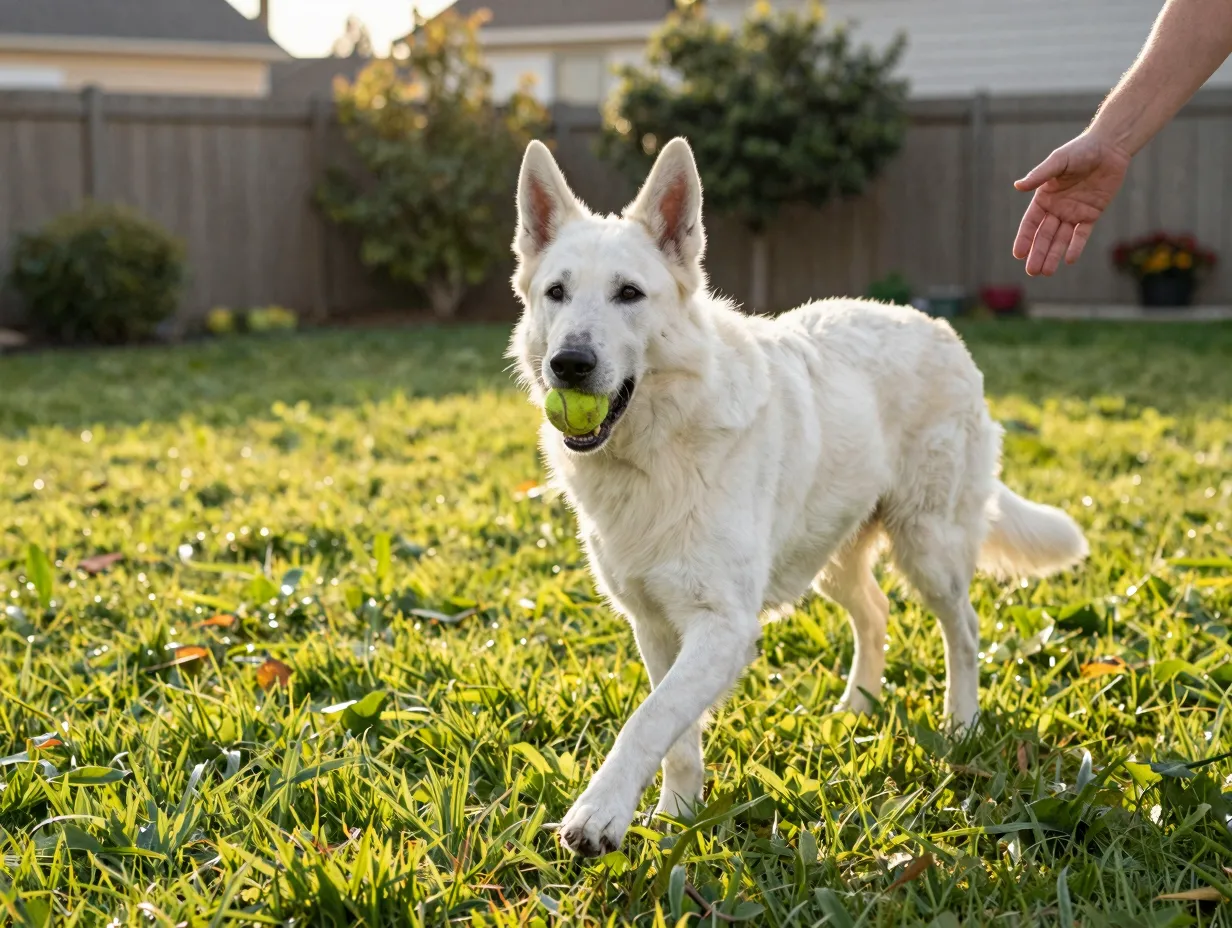
A well-cared-for white German Shepherd can live a full and healthy life of 10 to 14 years — consistent with the lifespan of standard-colored German Shepherds. [1]
Several factors influence where a dog falls within that range:
- Genetics — responsible breeding reduces the risk of inherited conditions like hip and elbow dysplasia, which affect the German Shepherd breed broadly
- Diet — high-quality, species-appropriate nutrition supports joint health, coat condition, and immune function
- Exercise — regular physical activity maintains healthy weight and cardiovascular health
- Veterinary care — routine checkups, vaccinations, and early detection of health issues extend lifespan significantly
- Mental well-being — dogs that are mentally stimulated and emotionally bonded with their families tend to thrive longer
💡 Pull Quote: “The white coat changes nothing about lifespan or health. What matters is the quality of care these dogs receive.”
Common health concerns to watch for in white German Shepherds include:
- Hip and elbow dysplasia (a breed-wide concern, not coat-color specific)
- Degenerative myelopathy — a progressive neurological disease
- Bloat (GDV) — common in large, deep-chested breeds
- Skin sensitivities — some white-coated dogs may be more prone to sunburn or skin irritation
8. Black-and-White Patterned German Shepherds Are Even Rarer
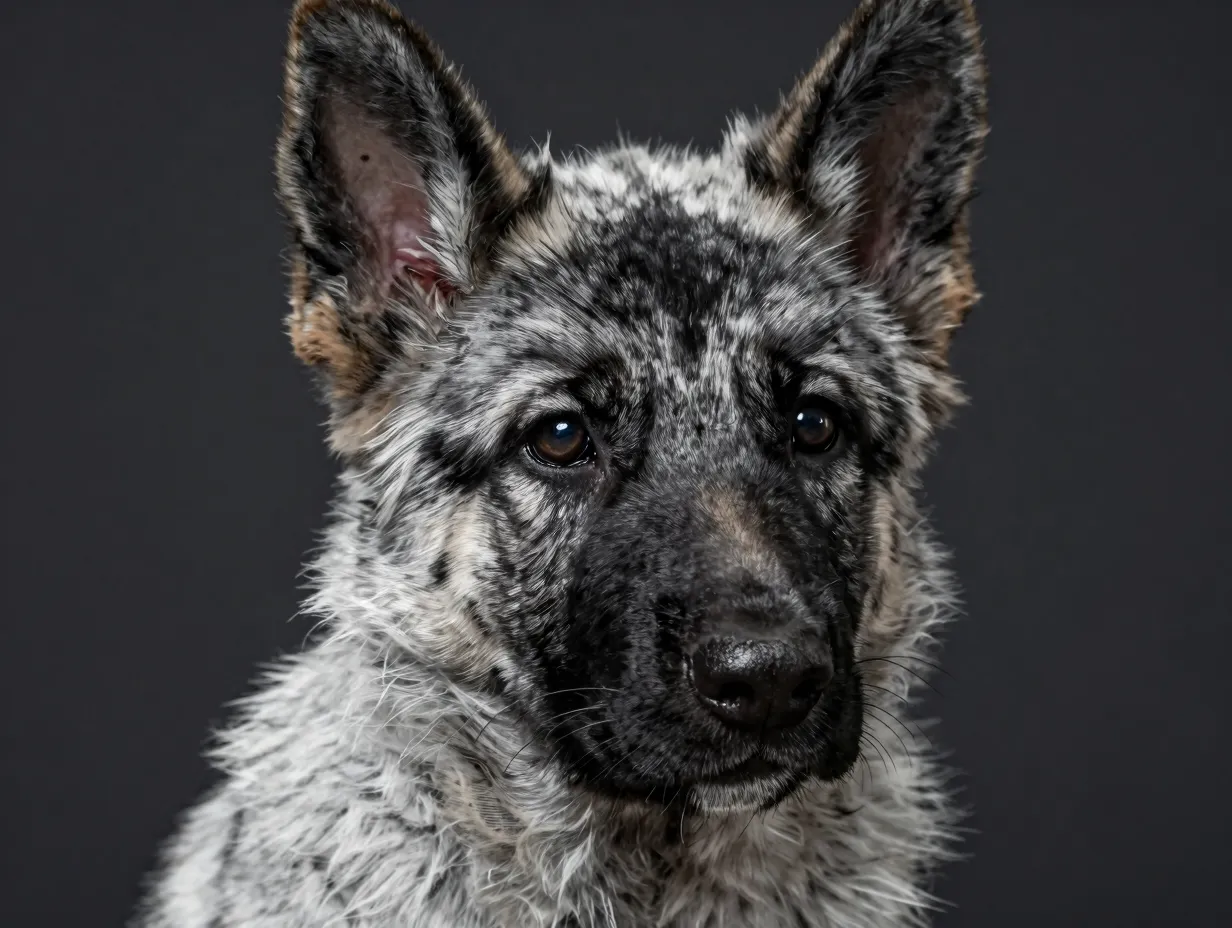
Among all German Shepherd color variations, the black-and-white patterned coat is arguably the rarest of all. While solid white German Shepherds require two copies of the recessive white gene, the black-and-white patterned variation involves an additional layer of genetic complexity. [1]
This pattern — sometimes described as a piebald or parti-color effect — is not recognized as a standard coloration by major kennel clubs, including the AKC and the SV. [1]
Here’s a quick comparison of German Shepherd color rarity:
| Color | Rarity Level | AKC Recognition |
|---|---|---|
| Black and tan | Common | ✅ Standard |
| Sable | Moderate | ✅ Standard |
| Solid black | Uncommon | ✅ Standard |
| Solid white | Rare | ❌ Disqualified |
| Black and white patterned | Very rare | ❌ Not recognized |
For enthusiasts and collectors of rare dog breeds, the black-and-white patterned German Shepherd represents the ultimate rarity within an already rare category.
9. White German Shepherds Are Recognized as a Separate Breed in Some Countries
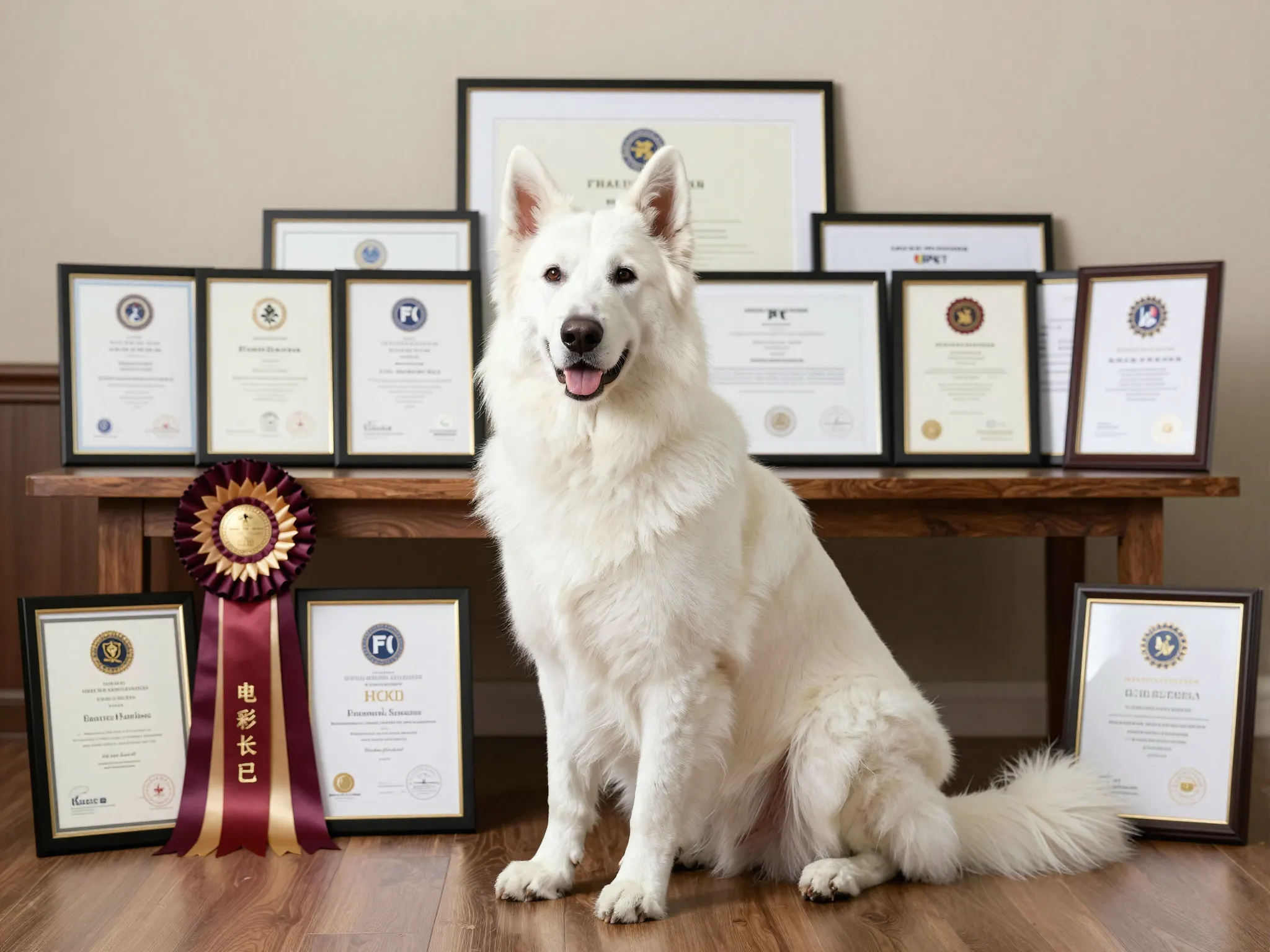
Here’s a fact that surprises even seasoned dog lovers: in several countries and under certain kennel club registries, the white German Shepherd is not classified as a color variant of the German Shepherd at all — it is recognized as its own distinct breed.
The United Kennel Club (UKC) in the United States recognizes the White Shepherd as a separate breed with its own breed standard. Similarly, the Fédération Cynologique Internationale (FCI) — the world’s largest international canine organization — recognizes the Berger Blanc Suisse (White Swiss Shepherd) as a distinct breed.
This distinction has practical implications:
- Separate breed registrations — white dogs can be registered under their own breed designation
- Dedicated breed standards — these standards were written for white dogs, not against them
- Conformation eligibility — under UKC and FCI rules, white shepherds can compete in conformation events
- Breeding programs — separate recognition supports dedicated breeding communities focused on the white coat
In 2026, the debate over whether white German Shepherds should be classified as a variant or a distinct breed continues — but what’s undeniable is that these dogs have earned recognition on their own terms.
Frequently Asked Questions 🐾
Q: Are white German Shepherds good family dogs?
A: Absolutely. Their temperament is identical to standard German Shepherds — loyal, intelligent, protective, and affectionate with family members. Early socialization is key.
Q: Do white German Shepherds have more health problems?
A: No. The white coat gene does not introduce additional health risks. They share the same health profile as all German Shepherds.
Q: Are white German Shepherds expensive?
A: Yes, typically more so than standard-colored German Shepherds due to their rarity. Expect to pay a premium from a reputable breeder.
Q: Can white German Shepherds work as service or police dogs?
A: Yes. Their working ability is completely unaffected by coat color. White German Shepherds have served as service dogs, search-and-rescue dogs, and therapy dogs.
Conclusion: What These 9 Stunning Facts About Rare White German Shepherd Dogs Tell Us
The story of the white German Shepherd is one of beauty, resilience, and misunderstood genetics. From Greif von Sparwasser in 1879 to the dedicated breed clubs fighting for recognition in 2026, these dogs have endured decades of prejudice based on nothing more than coat color — and they’ve come out the other side with their reputation intact.
Here’s what I want you to take away from these 9 stunning facts about rare white German Shepherd dogs:
- Do your research before buying — find a reputable breeder who health-tests their dogs and understands the genetics of the white coat.
- Prepare for a high-energy companion — this is a working breed that needs exercise, training, and mental stimulation every single day.
- Embrace the uniqueness — owning a white German Shepherd means owning a piece of living breed history.
- Advocate for fair treatment — support organizations working to give white German Shepherds the recognition they deserve in competition.
- Commit to the long term — with a 10–14 year lifespan, this is a decade-plus relationship that deserves serious preparation.
White German Shepherds are not a trend, a novelty, or a mistake of nature. They are extraordinary dogs with deep roots, proven abilities, and a loyalty that is second to none. If you’re considering adding one to your family in 2026, you won’t regret it — but you owe it to the dog to go in fully informed.
References
[1] White German Shepherd – https://wustenbergerland.com/white-german-shepherd/
[2] Everything You Need To Know About The White German Shepherd – https://germanshepherdshop.com/blogs/list/everything-you-need-to-know-about-the-white-german-shepherd