9 Red Flags to Avoid When Finding Russian Blue Kittens for Sale
Kitten scams cost American pet buyers an estimated $3 million every year — and Russian Blue cats, one of the most sought-after purebred breeds, are among the most frequently faked listings online. If you are searching for Russian Blue kittens for sale in 2026, the stakes are high. You could lose hundreds of dollars, or worse, bring home a sick kitten from a negligent breeder.
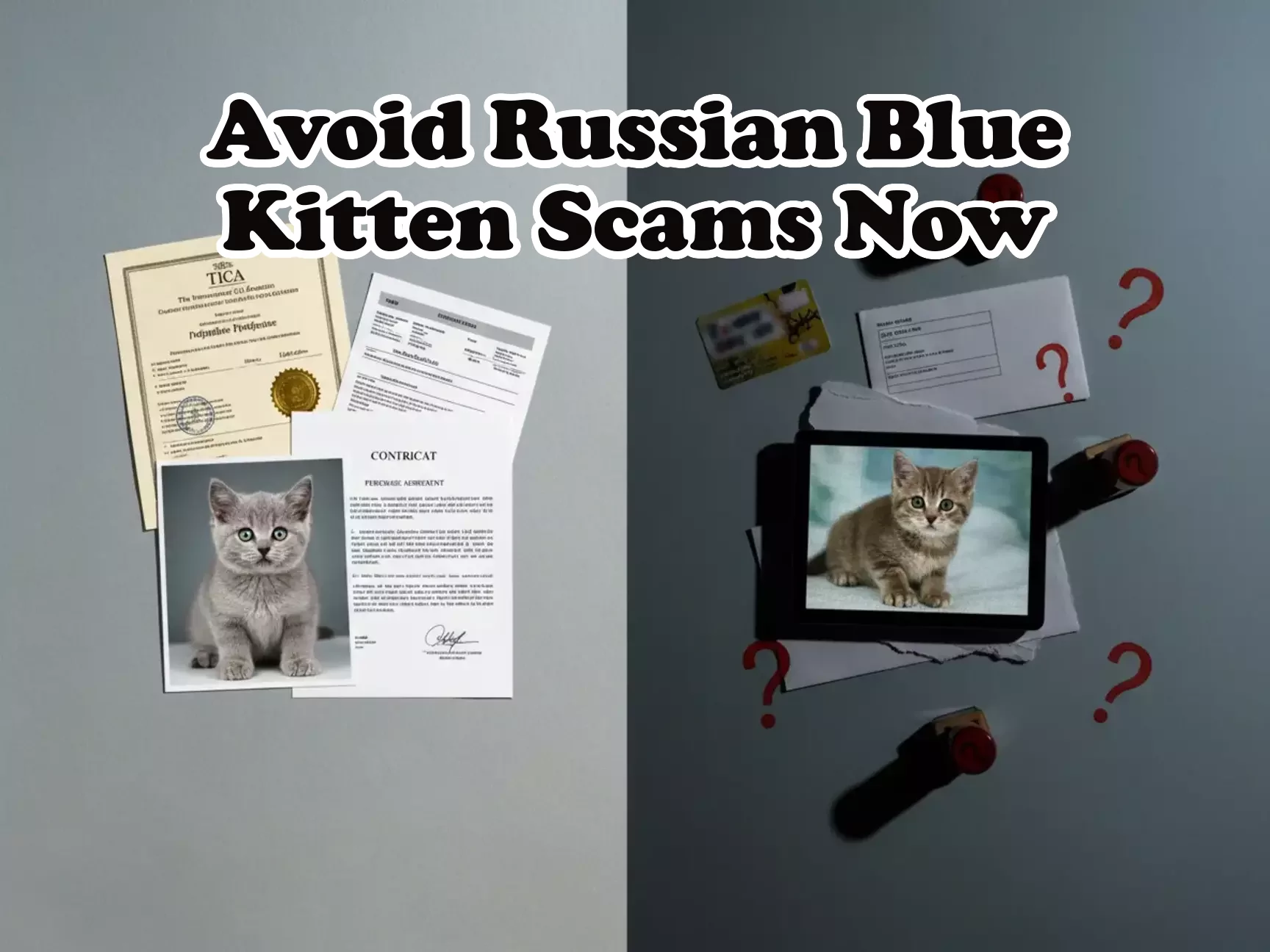
Knowing the 9 Red Flags to Avoid When Finding Russian Blue Kittens for Sale is not just helpful — it is essential. This guide walks you through every major warning sign, backed by expert sources, so you can find a healthy, well-socialized kitten from a breeder you can actually trust.
Key Takeaways 📌
- Prices that seem too low are almost always a scam or a sign of poor breeding practices.
- Legitimate breeders are registered with TICA or CFA and welcome facility visits.
- Never pay with untraceable methods like gift cards, wire transfers, or cryptocurrency.
- Kittens should not leave their mother before 14–16 weeks of age.
- A written contract and health guarantee are non-negotiable with reputable breeders.
Why Russian Blue Buyers Are Especially Vulnerable
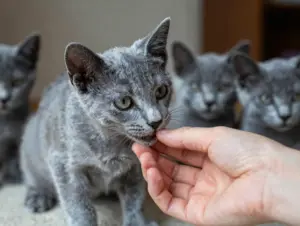
Russian Blues are elegant, intelligent, and hypoallergenic-friendly cats with striking green eyes and a distinctive blue-grey coat. Their popularity makes them a prime target for scammers and irresponsible breeders alike. Because demand consistently outpaces supply, buyers often feel pressure to act fast — and that urgency is exactly what bad actors exploit.
Understanding the 9 Red Flags to Avoid When Finding Russian Blue Kittens for Sale gives you the power to slow down, ask the right questions, and protect both your wallet and your heart.
The 9 Red Flags to Avoid When Finding Russian Blue Kittens for Sale
1. Suspiciously Low Prices or “Always Available” Listings
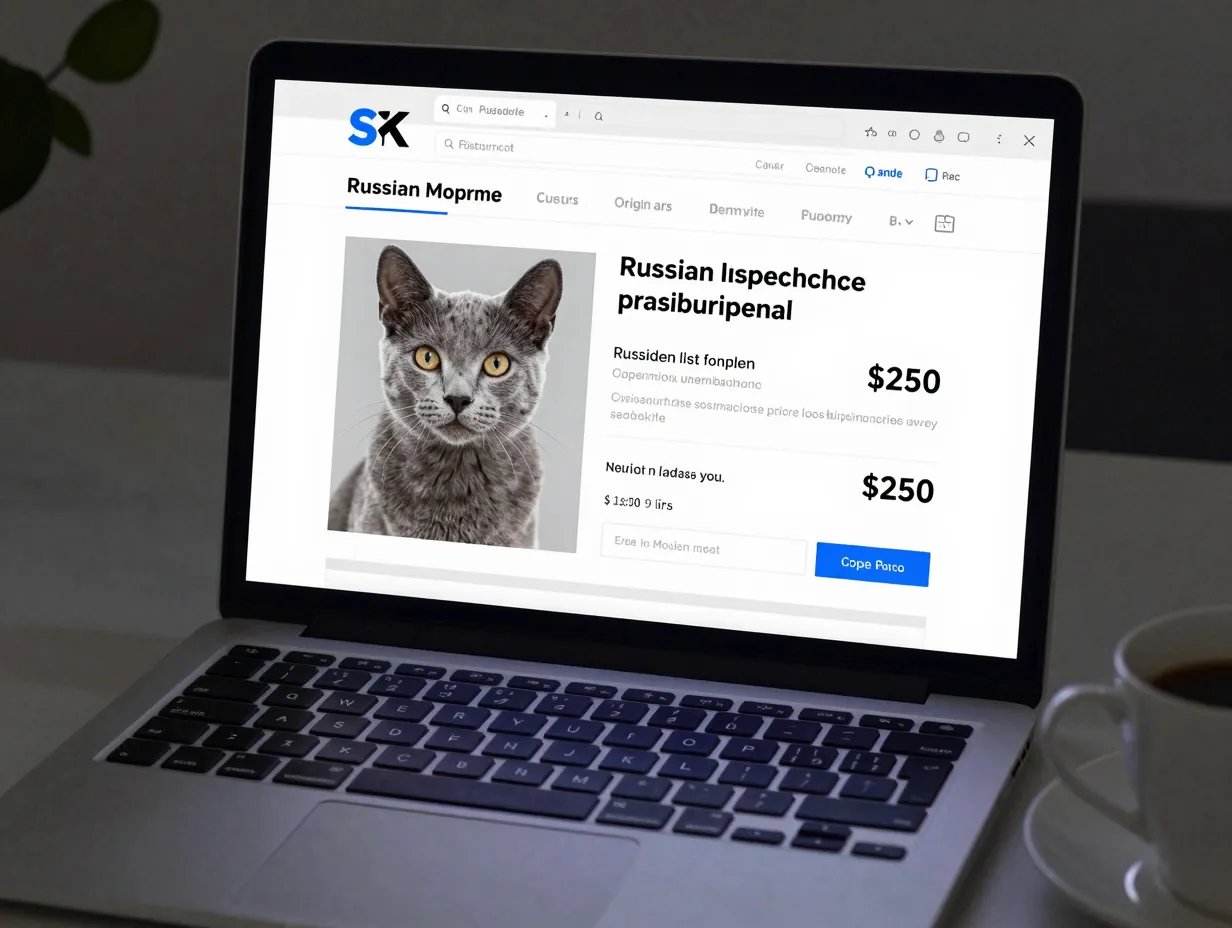
If a Russian Blue kitten is listed for $200–$400 when the market rate is typically $800–$2,000+, that price gap is your first warning. Reputable breeders invest heavily in health testing, quality nutrition, socialization, and veterinary care. They simply cannot offer purebred kittens at bargain-bin prices and stay ethical.
Equally suspicious are listings that advertise kittens as “always available.” Quality Russian Blue litters are planned months in advance, and waitlists are common. A breeder who always has kittens ready to ship is likely running a kitten mill or a scam operation [1].
💬 “If the price looks too good to be true, it almost certainly is. Scammers know buyers want a deal — and they use that against you.”
What to do: Research current Russian Blue pricing in your region. Use that baseline to evaluate any listing you find.
2. Reused or Stock Photos in Listings
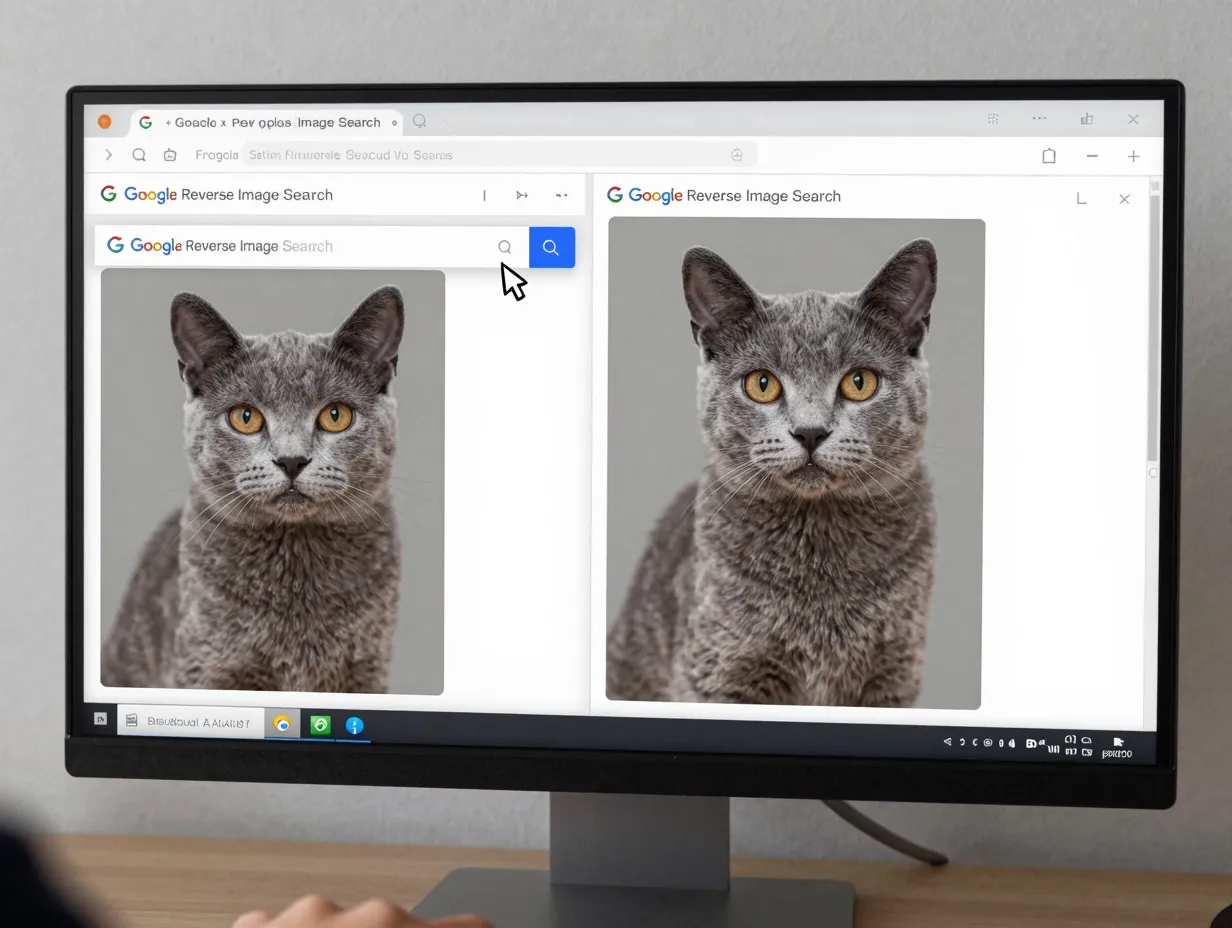
One of the most common tactics used by online scammers is stealing kitten photos from legitimate breeders or pulling images from stock photo websites. These recycled images are then used to create fake listings that look convincing at first glance.
Here is how to spot this red flag:
- Run the listing photo through Google Reverse Image Search
- Ask the breeder to send a unique, timestamped photo — for example, the kitten next to today’s newspaper or a handwritten note with your name on it
- Look for inconsistencies in lighting, background, or image quality across multiple photos [1]
Scammers rarely have real kittens to photograph. If a breeder hesitates to send fresh, personalized photos, walk away immediately.
3. No Verifiable Breeder Credentials
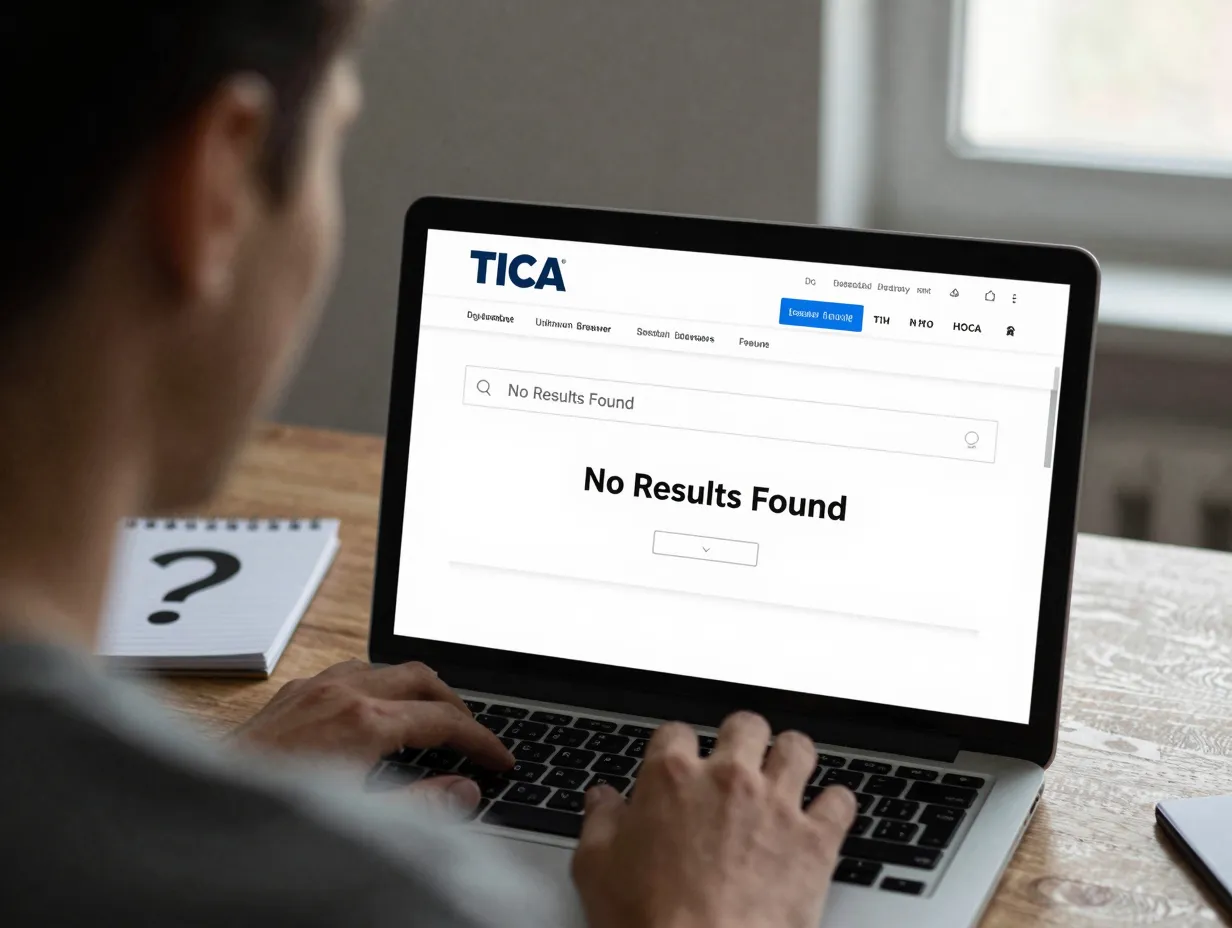
Legitimate Russian Blue breeders register with recognized organizations such as TICA (The International Cat Association) or CFA (Cat Fanciers’ Association). These registries maintain searchable directories of verified breeders, and membership requires adherence to ethical breeding standards [1].
| ✅ Reputable Breeder | 🚩 Red Flag Breeder |
|---|---|
| Listed in TICA or CFA directory | No verifiable registration |
| Provides registration papers for kittens | Cannot prove lineage |
| Willing to share cattery name for verification | Uses vague or changing business names |
| Has a track record with past buyers | New listing with no history |
What to do: Visit tica.org or cfa.org directly and search for the breeder’s name or cattery. Do not rely solely on what the breeder tells you [7].
4. Missing Physical Address or Contact Information
A real breeder has a real location. If a listing includes only an email address, a generic contact form, or a phone number that goes straight to voicemail, that is a serious concern. Reputable breeders are proud of their operation and transparent about where they are located [1].
Watch for these specific warning signs:
- No physical address listed anywhere
- Phone number that is disconnected or never answered
- No mention of a local veterinarian they work with
- Contact limited to a single messaging app
Scammers deliberately keep their identity vague so they cannot be tracked down after taking your money. Demand full contact details before engaging further.
5. Refusal to Allow Facility Visits

This is one of the most telling red flags on the entire list. A responsible breeder wants you to visit. They are proud of their clean facilities, their healthy parent cats, and the environment in which their kittens are raised [2][6].
Breeders who refuse in-person visits — or who always have a convenient excuse — are almost certainly hiding something. That “something” could be:
- Overcrowded, unsanitary conditions
- Parent cats in poor health
- Kittens that do not match the advertised breed
- No kittens at all (a full scam)
If you genuinely cannot visit in person due to distance, ask for a live video call tour of the facility. A reputable breeder will happily accommodate this request. If they refuse that too, move on [6].
6. Poor or Missing Health Documentation
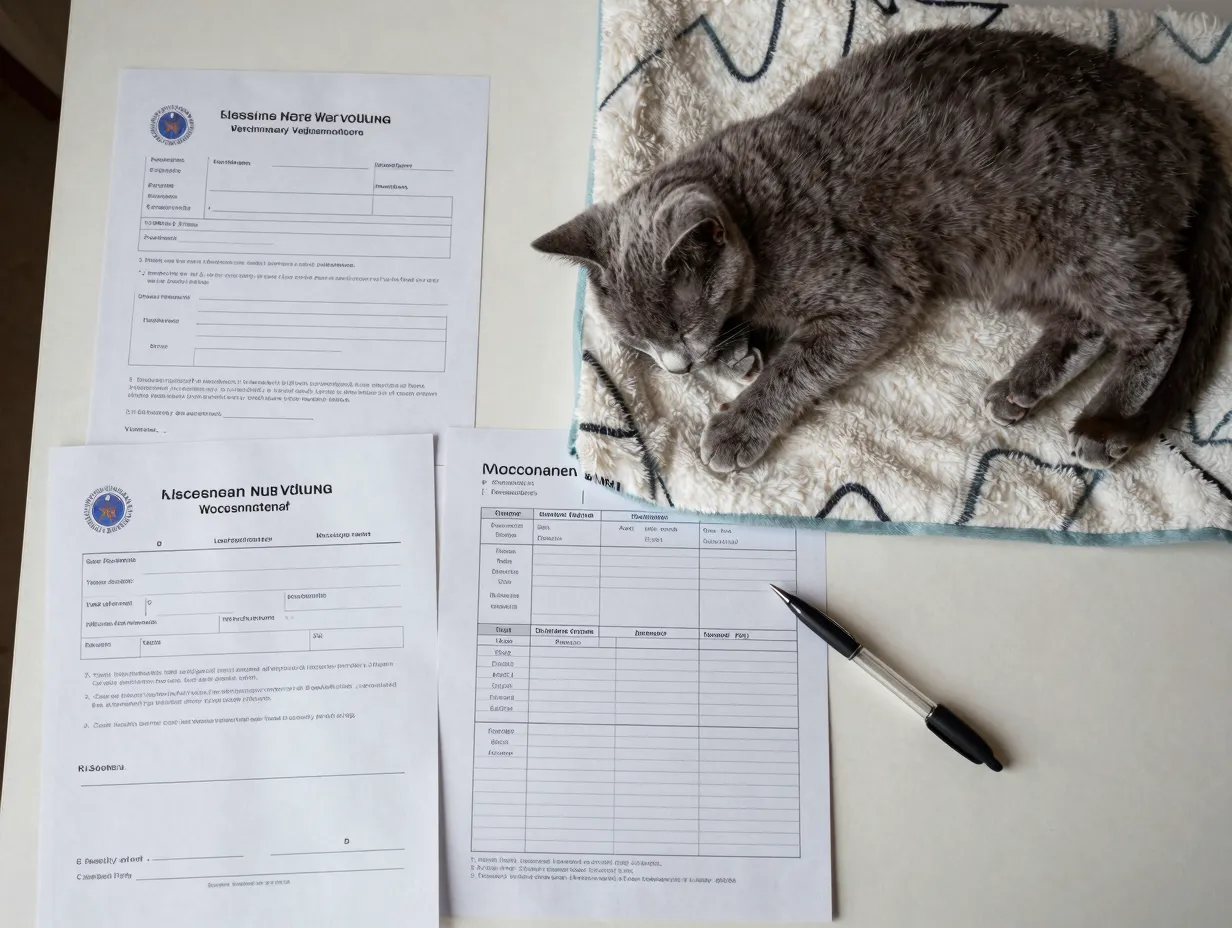
Every Russian Blue kitten sold by a responsible breeder should come with a complete health paper trail. This is non-negotiable [2][4].
Documents you should expect to receive:
- Veterinary health certificate signed by a licensed vet
- Vaccination records (age-appropriate shots)
- Deworming and parasite treatment history
- Pedigree and registration papers from TICA or CFA
- Results of genetic health testing on parent cats (HCM screening is especially important for Russian Blues)
Breeders who cannot — or will not — provide these documents are either hiding health problems or operating without proper veterinary oversight. Either scenario puts your future kitten at serious risk [4].
💬 “Asking for health documentation is not rude. It is responsible. Any breeder worth your money will be happy to share it.”
7. Kittens Offered for Sale Before 14–16 Weeks of Age
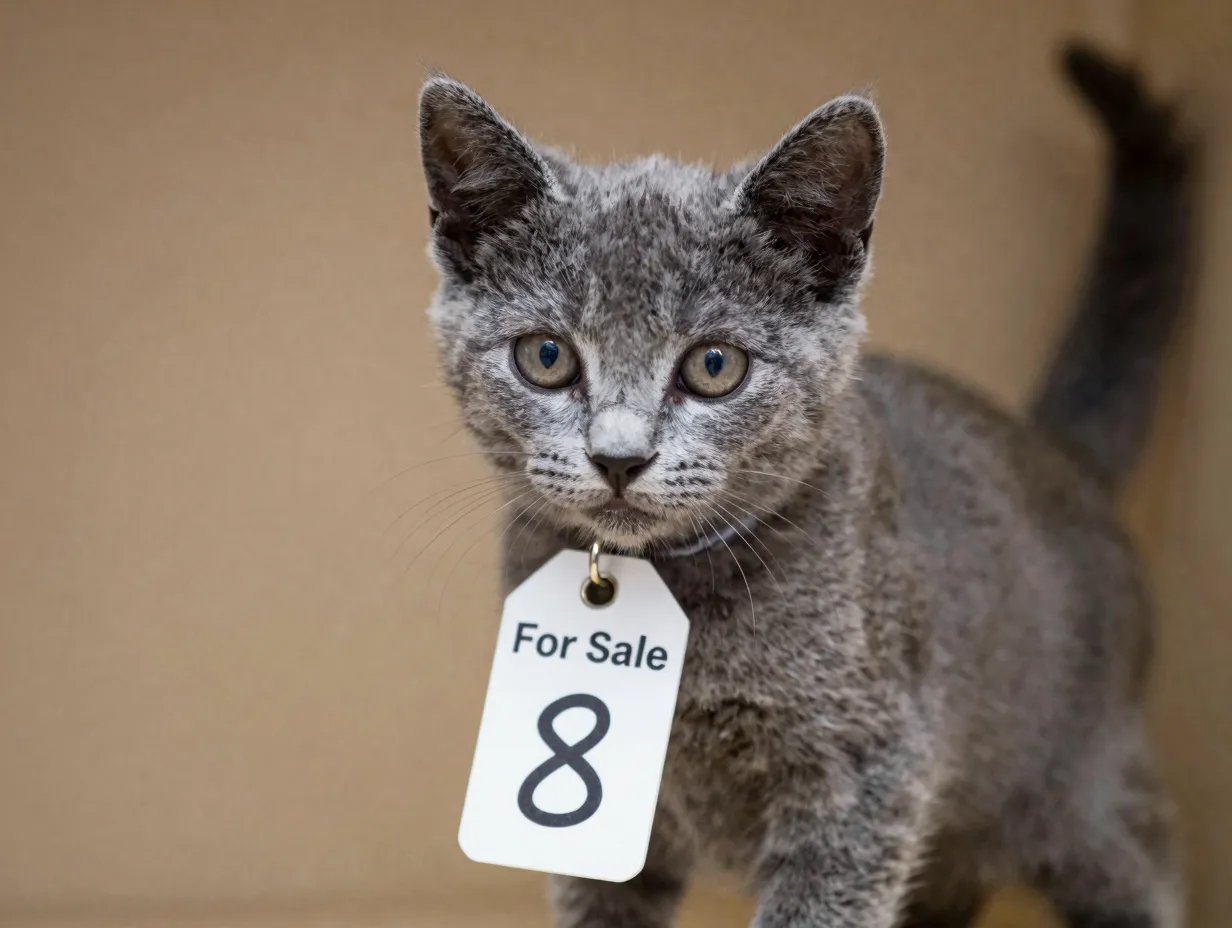
This red flag is one that many buyers overlook because a young kitten seems harmless — even adorable. But releasing kittens too early is a sign of negligence that can have lasting consequences for the animal’s health and behavior.
Kittens need time with their mother and littermates to:
- Develop a healthy immune system
- Learn proper socialization skills
- Complete their initial vaccination schedule
- Gain the weight and strength needed to thrive in a new home
Responsible breeders rarely release kittens before 14–16 weeks of age [4]. If a breeder is offering 6, 8, or even 10-week-old kittens for immediate sale, that is a clear sign they prioritize profit over animal welfare.
Ask directly: “At what age do you release your kittens, and why?” A confident, knowledgeable answer is a good sign. Hesitation or vague answers are not.
8. Unsafe or Untraceable Payment Methods
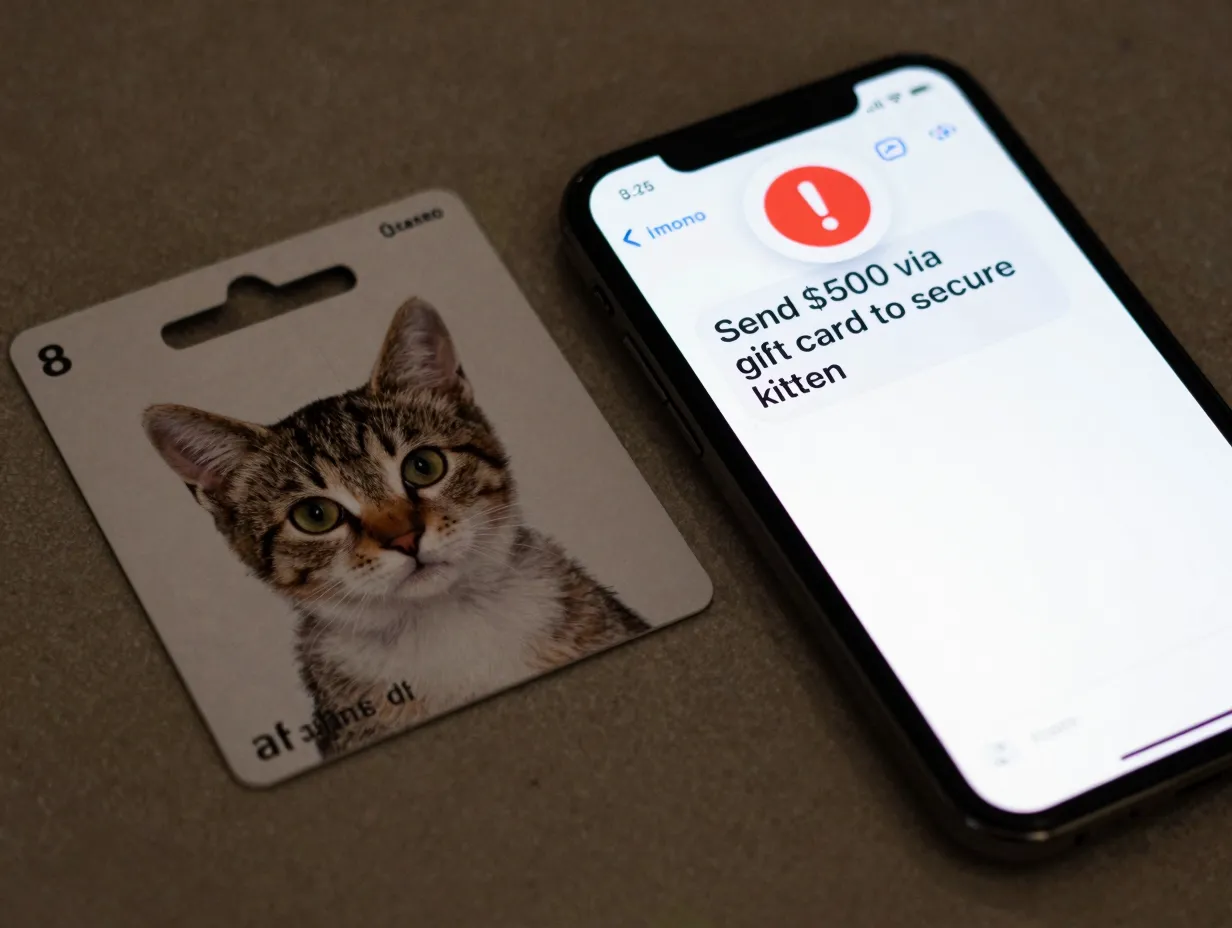
How a breeder asks to be paid tells you a great deal about their legitimacy. Scammers and irresponsible breeders consistently push for payment methods that offer buyers zero protection [1][5].
🚩 Payment methods that should raise immediate concern:
- Wire transfers
- Gift cards (iTunes, Google Play, Amazon)
- Cryptocurrency (Bitcoin, Ethereum, etc.)
- Zelle, Venmo, or Cash App for large transactions
- Money orders sent to an overseas address
✅ Safer payment methods that offer buyer protection:
- Credit card (offers chargeback rights)
- PayPal Goods & Services (buyer protection applies)
- Escrow service for high-value transactions
The moment a breeder insists on gift cards or wire transfers, end the conversation. No legitimate business operates this way [1][5].
9. No Written Contract or Health Guarantee
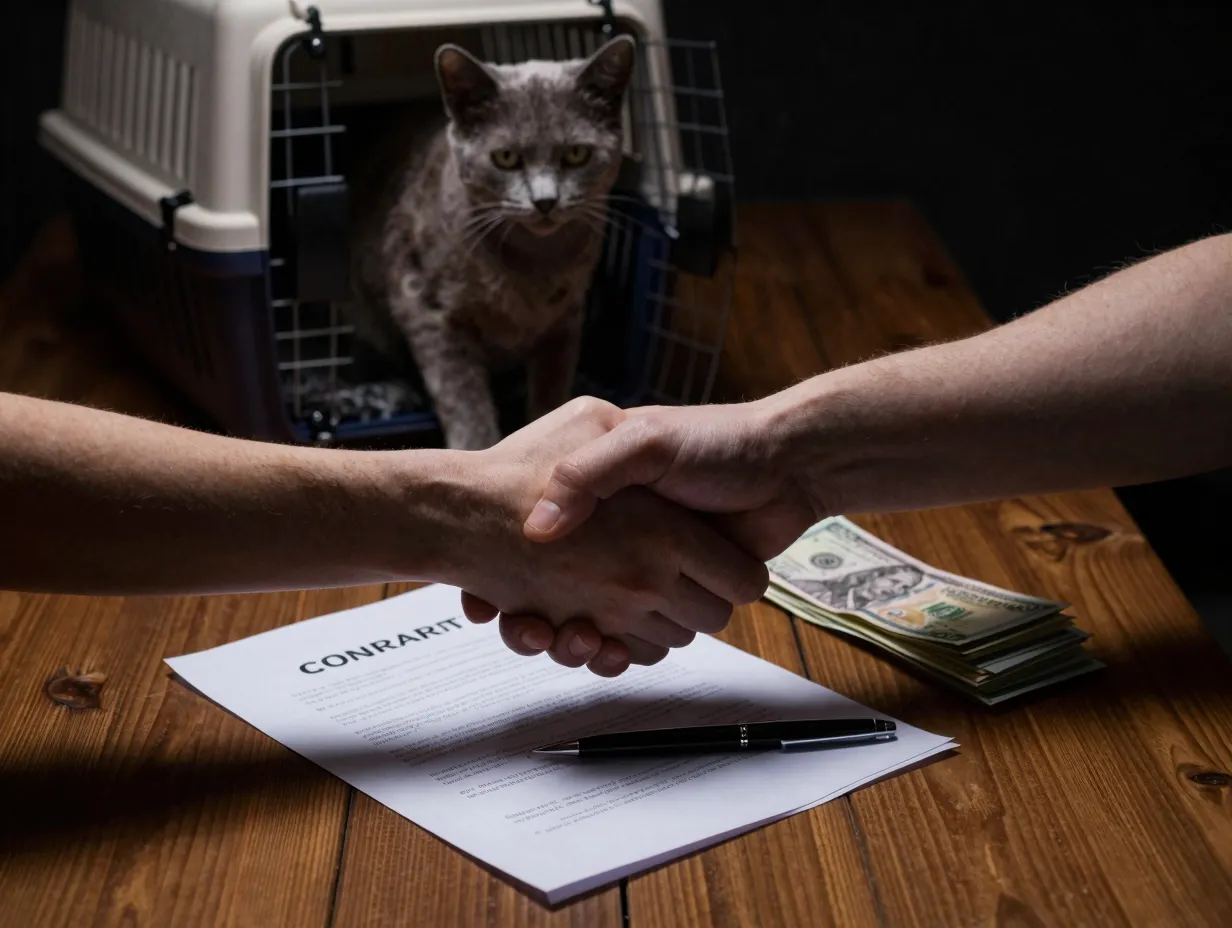
A written contract is the cornerstone of any ethical kitten sale. It protects both the buyer and the breeder, and it signals that the breeder stands behind the health and quality of their kittens [5].
A proper breeder contract should include:
- The kitten’s registered name, breed, and date of birth
- Health guarantee terms (typically 1–2 years for genetic conditions)
- Return policy if the kitten cannot be kept
- Spay/neuter requirements if the kitten is sold as a pet (not for breeding)
- Vaccination and deworming history at time of sale
- Breeder’s contact information and signature
Breeders who say “we do not use contracts” or who offer only a verbal agreement are not operating responsibly. If something goes wrong — and with unethical breeders, it often does — you will have no legal recourse without documentation [5].
Bonus Warning Signs Worth Knowing
Beyond the core 9 Red Flags to Avoid When Finding Russian Blue Kittens for Sale, here are a few additional patterns that experienced buyers have flagged:
🚩 Communication limited to email or text only
Scammers avoid phone calls and video calls because they are easier to trace and harder to fake. If a breeder refuses to speak with you directly or hop on a video call, that is suspicious [7].
🚩 Suspicious international deals
Overseas kitten imports often come with hidden fees, customs complications, and health risks. Reputable breeders operate locally and can provide verifiable local veterinary references [1].
🚩 Reluctance to provide references
Ethical breeders are happy to connect you with past buyers. If a breeder cannot — or will not — provide references, ask yourself why [2].
How to Find a Reputable Russian Blue Breeder in 2026
Now that you know what to avoid, here is a quick action plan for finding the right breeder:
- Start with official registries. Search TICA’s breeder directory at tica.org/pet-buyers-guide/ for verified Russian Blue breeders in your area [7].
- Join Russian Blue owner communities. Forums like TheCatSite.com connect buyers with real owners who can recommend trusted breeders from personal experience [3].
- Ask the right questions. Before committing, ask about health testing, socialization practices, kitten release age, and what happens if the kitten develops a health issue [8].
- Request a video call or in-person visit. Always see the kitten and the facility before sending any money.
- Get everything in writing. A contract, health guarantee, and receipt are your minimum requirements.
Quick Reference: Red Flag Checklist 🗒️
Use this checklist when evaluating any Russian Blue breeder:
| # | Red Flag | ✅ Safe | 🚩 Warning |
|---|---|---|---|
| 1 | Pricing | Market rate ($800–$2,000+) | Unusually low or “always available” |
| 2 | Photos | Fresh, unique, timestamped | Stock images or reused photos |
| 3 | Credentials | TICA/CFA verified | No verifiable registration |
| 4 | Contact Info | Full address, phone, vet reference | Email only, no location |
| 5 | Facility Visit | Welcomed or video tour offered | Refused or constantly delayed |
| 6 | Health Docs | Complete vet records provided | Missing or refused |
| 7 | Kitten Age | 14–16 weeks minimum | Under 12 weeks |
| 8 | Payment | Credit card or PayPal G&S | Gift cards, wire transfer, crypto |
| 9 | Contract | Written, signed, detailed | Verbal only or none |
Conclusion: Your Russian Blue Deserves the Right Start
Finding a healthy, well-bred Russian Blue kitten is absolutely possible — but it requires patience, research, and a willingness to walk away from deals that do not feel right. The 9 Red Flags to Avoid When Finding Russian Blue Kittens for Sale outlined in this guide are your best defense against scammers, kitten mills, and negligent breeders.
Your actionable next steps:
- Bookmark this checklist and use it every time you evaluate a new listing or breeder.
- Verify every breeder through TICA or CFA’s official directories before making contact.
- Never send money without seeing the kitten on a live video call and receiving a written contract.
- Trust your instincts. If something feels off, it probably is.
- Take your time. A reputable breeder will understand that you need time to make an informed decision. One who pressures you to decide quickly is waving a red flag you should not ignore.
The right Russian Blue kitten is out there. With the right knowledge, you will find one — and you will know exactly what a trustworthy breeder looks like when you do. 🐱
References
[1] How To Avoid Kitten Scams An Essential Buyers Guide – https://russianbluezz.com/how-to-avoid-kitten-scams-an-essential-buyers-guide/
[2] Tips On Red Flags When Looking At Cat Breeders – https://www.petplace.com/article/cats/pet-care/tips-on-red-flags-when-looking-at-cat-breeders
[3] Purchasing A Russian Blue Help – https://thecatsite.com/threads/purchasing-a-russian-blue-help.396614/
[4] Red Flags Stay Away From Bad Breede – https://www.knowmorecats.com/red-flags-stay-away-from-bad-breede
[5] How To Find A Reputable Breeder And What Questions To Ask – https://www.purrfectlyfold.com/kitten-cat-blog-tips/how-to-find-a-reputable-breeder-and-what-questions-to-ask
[6] Watch – https://www.youtube.com/watch?v=cSrs3wwpNec
[7] Pet Buyers Guide – https://tica.org/pet-buyers-guide/
[8] The 18 Most Important Questions To Ask A Cat Breeder Before Buying A Kitten – https://myfelidae.com/blogs/felidae-features/the-18-most-important-questions-to-ask-a-cat-breeder-before-buying-a-kitten