9 Essential Tips for First-Time Malinois Belgian Shepherd Dog Owners
A staggering 97% of experienced Malinois owners actively discourage first-time dog owners from choosing this breed — and yet Belgian Malinois adoption rates have surged dramatically in 2026, largely driven by their starring roles in military films and viral social media content [1]. That gap between expectation and reality is where most new owners run into serious trouble. If you are considering bringing one of these extraordinary animals home, these 9 Essential Tips for First-Time Malinois Belgian Shepherd Dog Owners could be the difference between a rewarding partnership and an overwhelming experience that is unfair to both you and your dog.
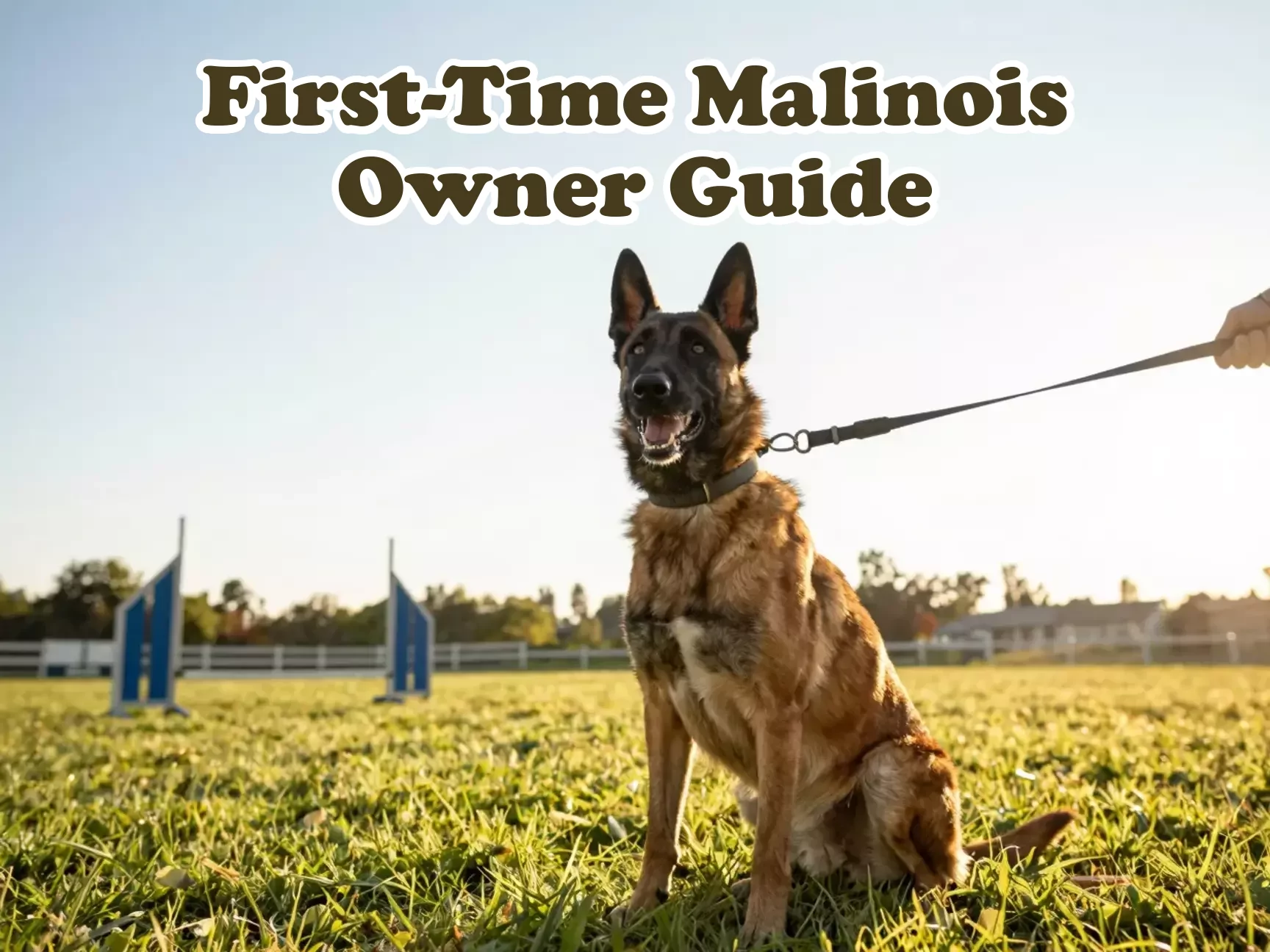
The Belgian Malinois is widely regarded as one of the world’s most complicated dog breeds [5]. Their intelligence, athleticism, and powerful prey drive make them breathtaking to watch — and genuinely challenging to live with. This guide gives you the honest, research-backed foundation you need before day one.
Key Takeaways 🐾
- 97% of experienced owners do not recommend Malinois for first-time dog owners — preparation is non-negotiable [1]
- These dogs need 2+ hours of vigorous daily exercise and a clear mental “job” to stay balanced [1][2]
- Early socialization and consistent training are the two highest-impact investments you can make in your Malinois’s future [1][2]
- A large home with a securely fenced yard is strongly preferred — 84% of owners say it is essential [1]
- Short, frequent training sessions (5–10 minutes, multiple times daily) outperform long, infrequent ones [4]
Understanding the Breed Before You Commit
Before diving into the 9 Essential Tips for First-Time Malinois Belgian Shepherd Dog Owners, it is worth pausing to understand exactly what you are signing up for. The Belgian Malinois is not simply a “smart German Shepherd.” It is a purpose-built working machine with physical and psychological needs that far exceed most companion breeds.
Quick Breed Profile:
| Trait | Detail |
|---|---|
| Height | 22–24 inches |
| Weight | 40–60 lbs (females smaller) |
| Energy Level | Extremely High |
| Daily Exercise Needed | 2+ hours minimum |
| Ideal Living Space | Large house + fenced yard |
| Experience Required | Working dog background preferred |
[2] These physical characteristics place the Malinois firmly in the medium-large category, but their energy output rivals breeds twice their size.
💬 “The Belgian Malinois is not a dog you own. It is a dog you partner with — and that partnership demands everything you have.” — Common sentiment among experienced Malinois handlers
The 9 Essential Tips for First-Time Malinois Belgian Shepherd Dog Owners
1. Honestly Assess Your Experience Level
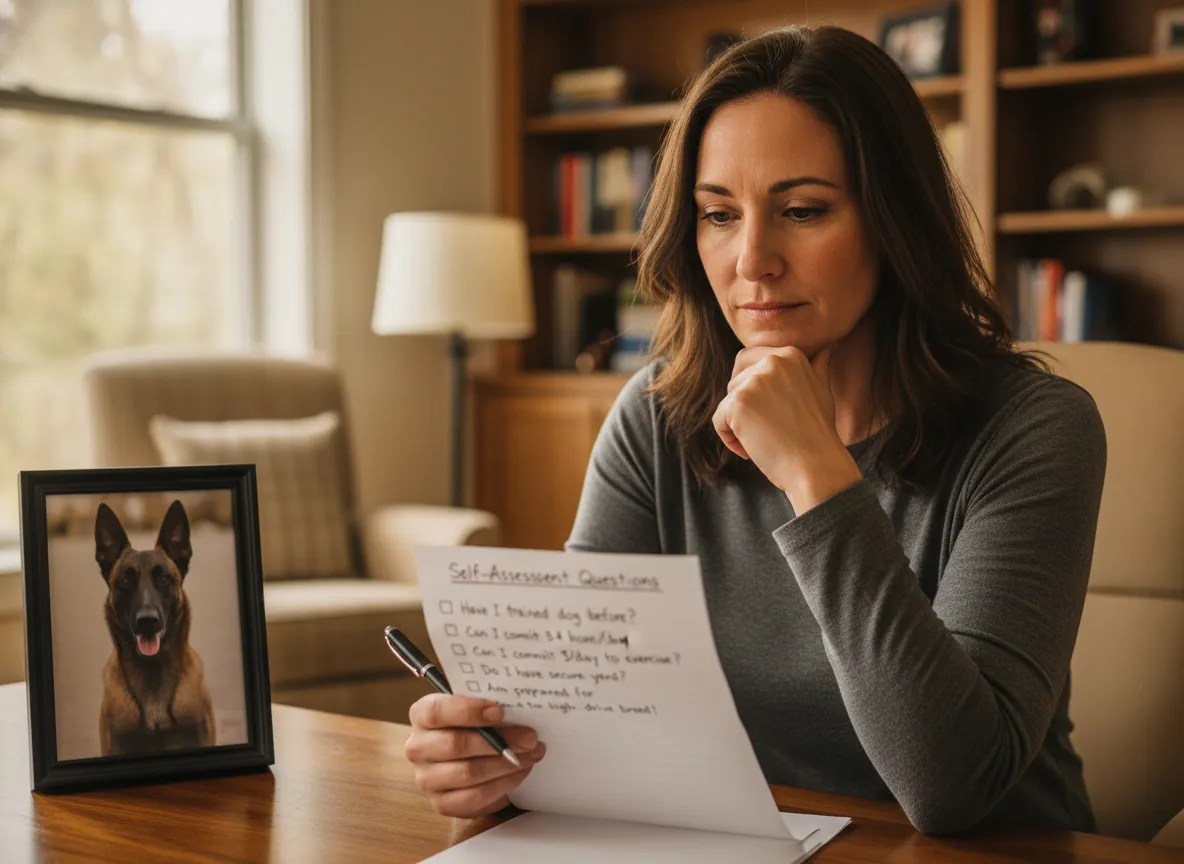
The very first step is radical honesty with yourself. 97% of experienced Malinois owners do not recommend this breed for first-time owners [1]. That is not a discouraging statistic meant to gatekeep — it is a protective one. Malinois thrive with owners who have a working dog background or at minimum extensive experience with high-drive breeds.
Ask yourself these questions before proceeding:
- Have I successfully trained a dog to reliable obedience before?
- Do I have experience reading canine body language?
- Can I commit 3–4 hours per day to this dog’s needs?
- Do I have access to professional trainers and behaviorists?
If you answered “no” to most of these, consider starting with a breed better suited to building your skills. If you are still committed to a Malinois, invest in professional guidance from day one — not after problems develop.
2. Secure the Right Living Environment
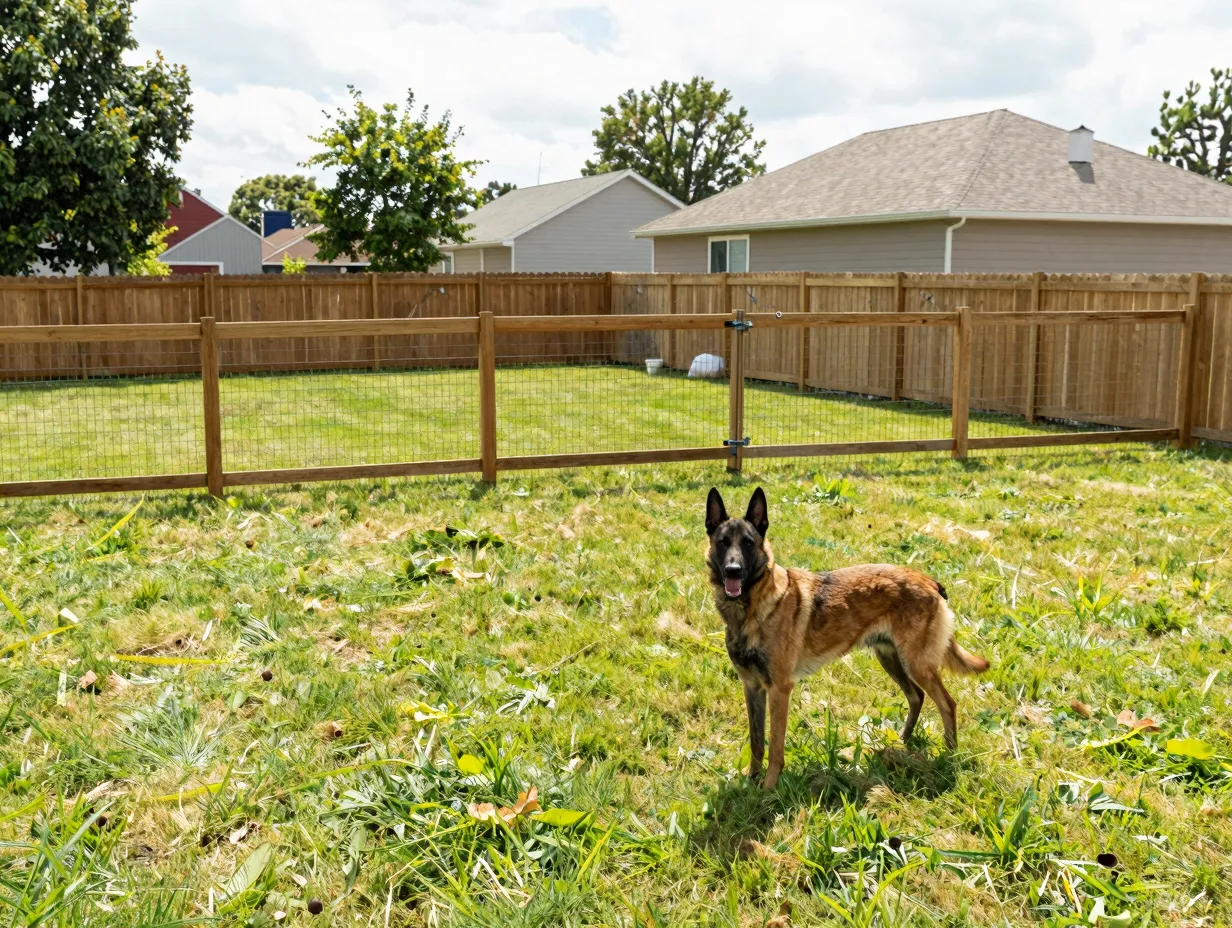
84% of Malinois owners say a large house with a fenced yard is essential [1]. This is not a preference — it is a welfare requirement. A Malinois confined to a small apartment without adequate space will almost certainly develop destructive behaviors, anxiety, and aggression.
What your home setup should include:
- A yard with a minimum 6-foot fence (these dogs can jump and climb)
- Secure gate latches — Malinois are problem-solvers and will test every weak point
- An indoor space large enough for the dog to move freely
- Separation from fragile items, especially in the first year
Rural and suburban areas with open spaces are acceptable alternatives for 44% of owners [1], provided daily exercise needs are still met. Urban apartment living is strongly discouraged for this breed.
3. Commit to 2+ Hours of Daily Exercise — Every Single Day
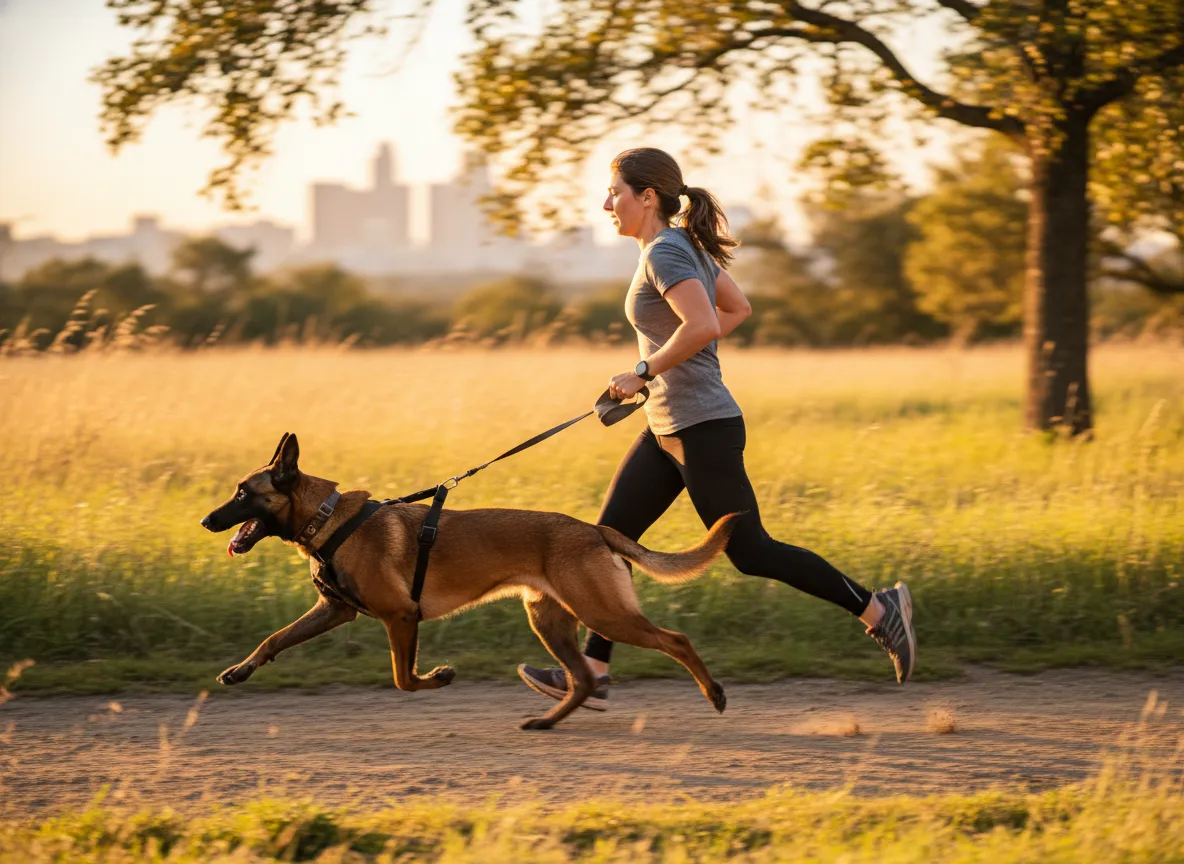
This is non-negotiable. 63% of Malinois owners report their dog benefits from high-intensity exercise every day, including over 2 hours of activity [1]. Miss a day, and you will likely spend the evening dealing with the consequences: chewed furniture, frantic pacing, or redirected energy toward your other pets or family members.
Effective exercise options for a Malinois:
- Long-distance running or cycling alongside you
- Fetch with a ball launcher (high repetition)
- Swimming
- Agility course training
- Schutzhund or bite work (with professional guidance)
- Hiking on varied terrain
⚠️ Important note: Exercise alone is not enough. Physical activity must be paired with mental stimulation (see Tip 6) to fully satisfy a Malinois. A physically tired but mentally bored Malinois is still a problem dog.
4. Give Your Dog a “Job” With Purpose
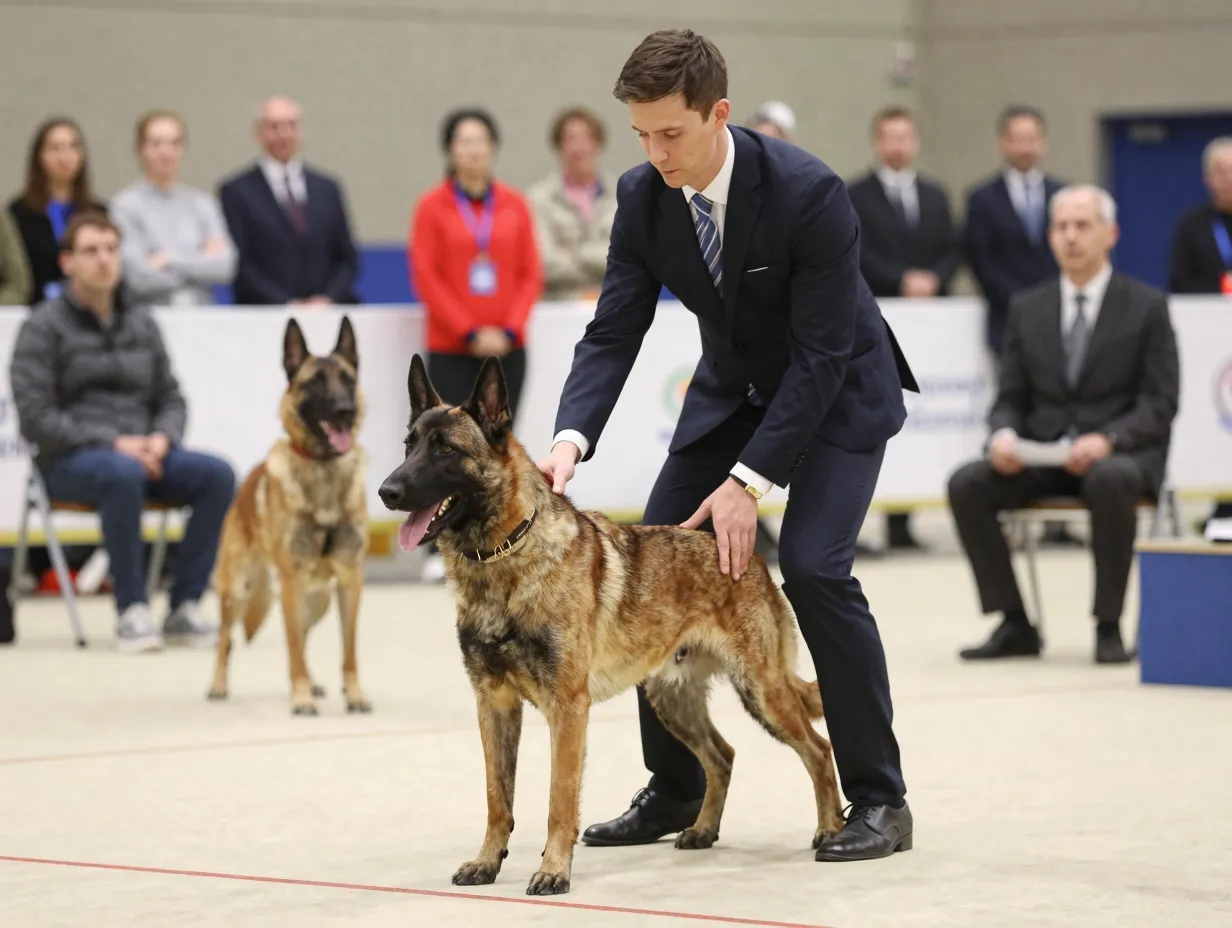
Belgian Malinois are working dogs at their core. They serve in police forces, military units, search and rescue teams, and detection roles worldwide — and they love their work [2]. Without a defined purpose, they will invent their own job, and you probably will not like what they choose.
Practical “jobs” for pet Malinois:
- Obedience competition — structured, goal-oriented, and deeply satisfying for the breed
- Agility trials — physical and mental challenge combined
- Scent work or nose work classes — taps into their natural detection instincts
- Canine freestyle or trick training — keeps their mind engaged with new challenges
- Therapy dog work — for exceptionally well-socialized individuals
The key is that the job must be consistent and ongoing. A Malinois that completes a 6-week obedience course and then sits idle will regress quickly.
5. Start Socialization Early and Never Stop
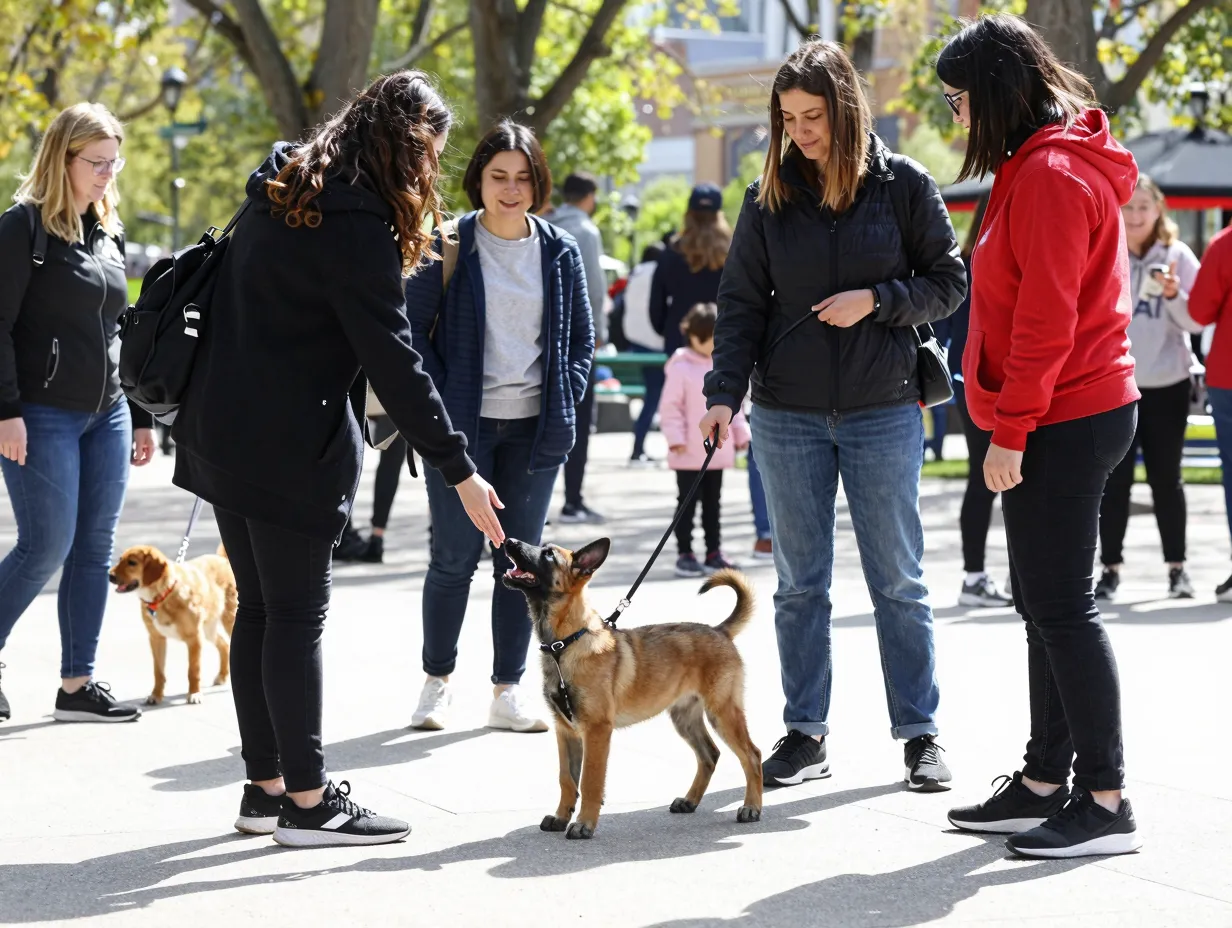
Early socialization is one of the most critical investments you can make in a Malinois puppy [1][2]. This breed can be naturally wary of strangers, and without deliberate, positive exposure to a wide variety of people, animals, sounds, and environments, that wariness can develop into fear-based aggression or excessive protective behavior.
Socialization checklist for the first 6 months:
- ✅ Introduce to at least 100 different people (varying ages, appearances, clothing)
- ✅ Expose to other dogs in controlled settings
- ✅ Visit busy public spaces (markets, parks, pet-friendly stores)
- ✅ Introduce to different surfaces, sounds, and vehicles
- ✅ Arrange positive interactions with children under supervision
Socialization does not end at 6 months. Continue throughout your dog’s life. A well-socialized Malinois is confident, calm, and adaptable — a poorly socialized one is a liability.
6. Prioritize Mental Enrichment Every Day
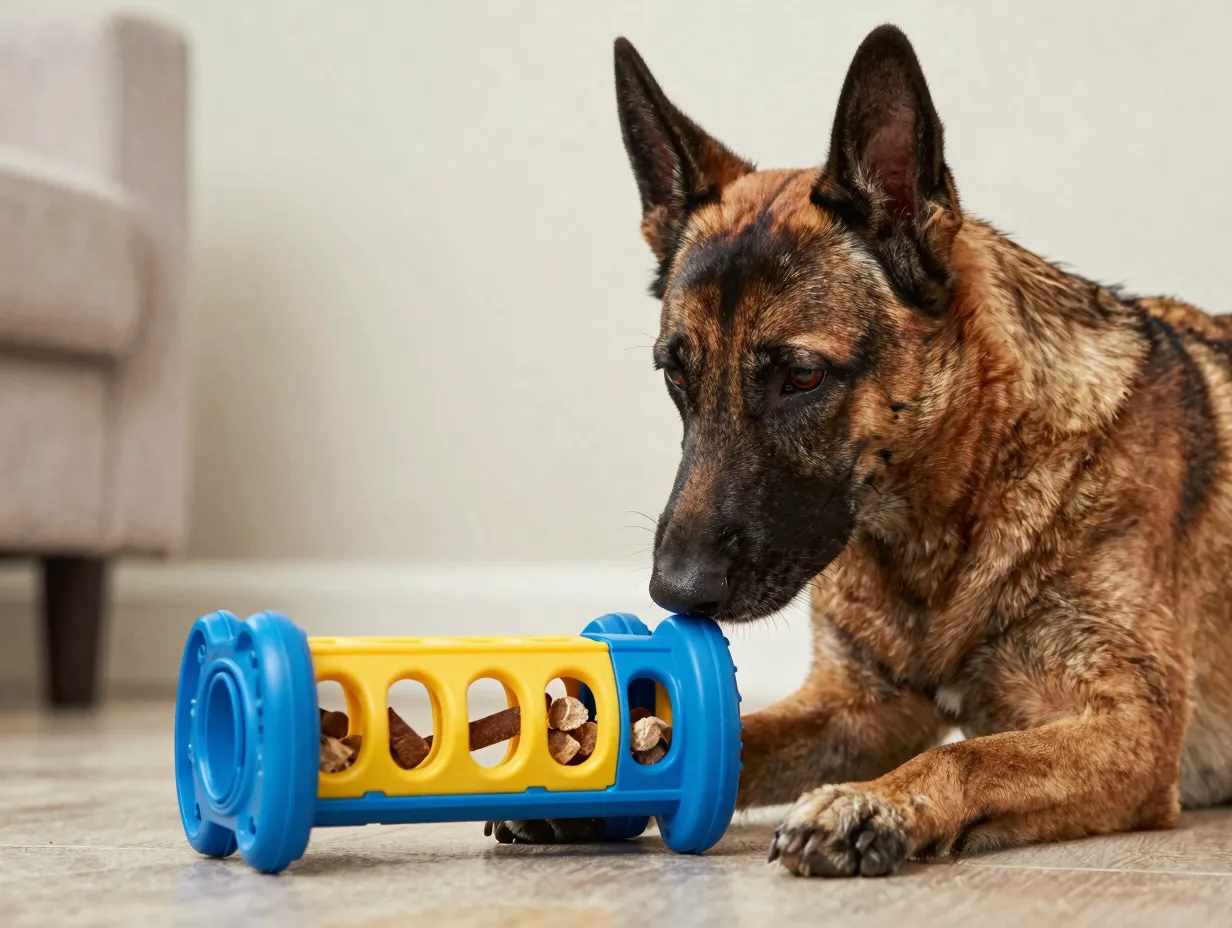
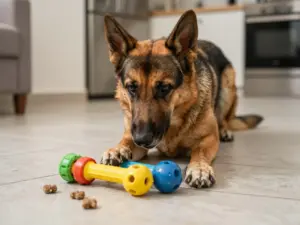
Physical exercise tires the body. Mental enrichment tires the mind — and for a Malinois, both are essential. Puzzle toys, interactive games, training sessions, and activities like hiding treats or teaching new commands all provide valuable mental stimulation [1].
Mental enrichment ideas ranked by difficulty:
| Activity | Difficulty | Time Required |
|---|---|---|
| Basic obedience review | ⭐ | 10 min |
| Puzzle feeder toys | ⭐⭐ | 15–20 min |
| Hide-and-seek with treats | ⭐⭐ | 20 min |
| Scent tracking exercises | ⭐⭐⭐ | 30 min |
| Agility obstacle sequences | ⭐⭐⭐⭐ | 45+ min |
| Schutzhund training | ⭐⭐⭐⭐⭐ | 60+ min |
Local dog training classes offering agility, obedience, or scent work are highly recommended [1]. These classes serve double duty: they provide structured mental challenge and expose your dog to new social situations simultaneously.
7. Train With Positive Reinforcement and Keep Sessions Short
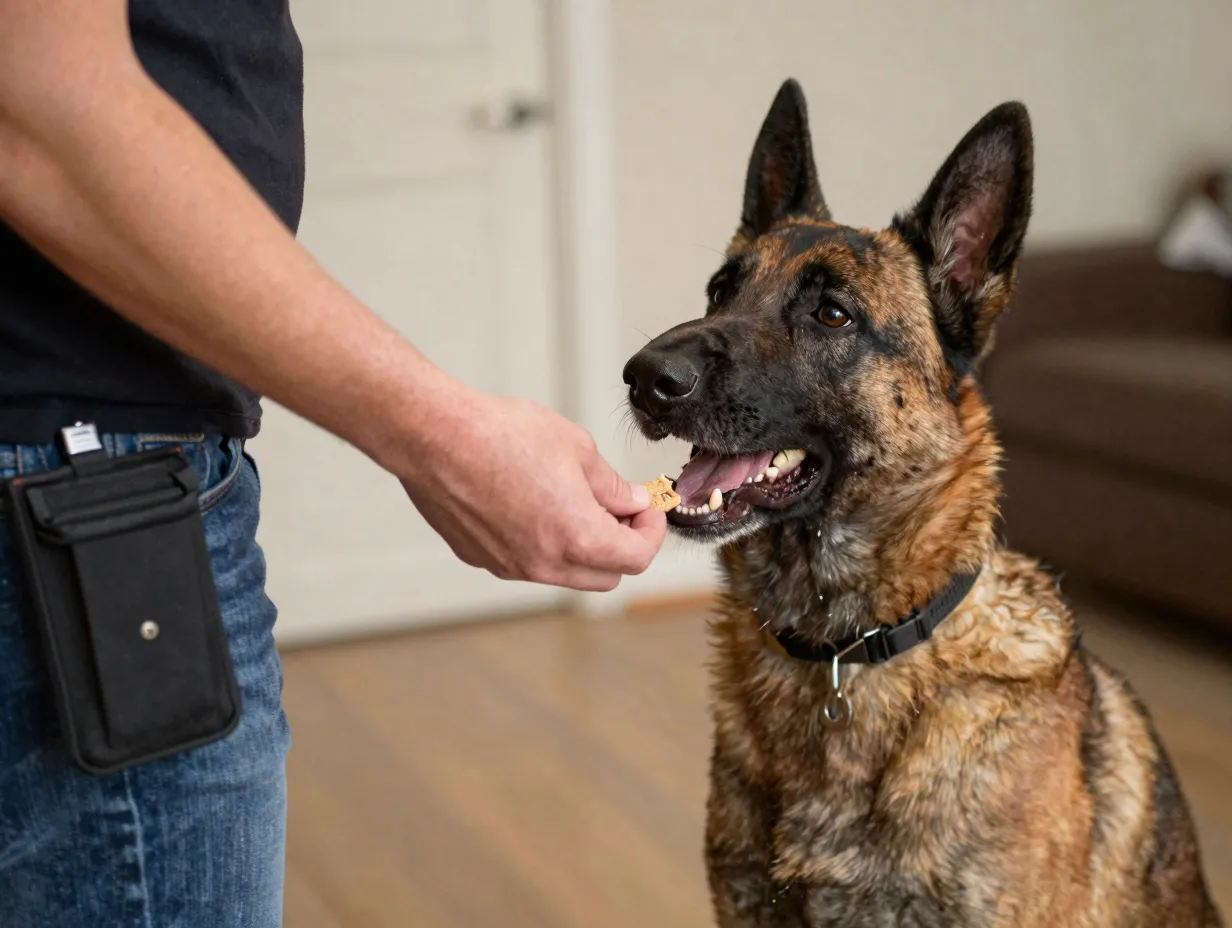
Positive reinforcement is the most effective training method for Belgian Malinois [1]. This breed is exceptionally sensitive to tone, body language, and consequence. Harsh corrections can damage trust and create a dog that works out of fear rather than partnership — which is both less effective and more dangerous.
Training session structure that works:
- Duration: 5–10 minutes per session [4]
- Frequency: Multiple times throughout the day
- Reward: High-value treats, play, or praise (vary to maintain interest)
- End point: Always finish on a success, never on failure
💡 Why short sessions? Malinois are intense learners who can overstimulate quickly. Brief, frequent sessions maintain focus and prevent frustration for both dog and handler. [4]
What to avoid:
- Punishment-based training (shock collars, alpha rolls, leash corrections)
- Sessions longer than 15 minutes without a break
- Inconsistent rules between family members
- Training when you are frustrated or rushed
8. Use the Right Equipment and Training Aids
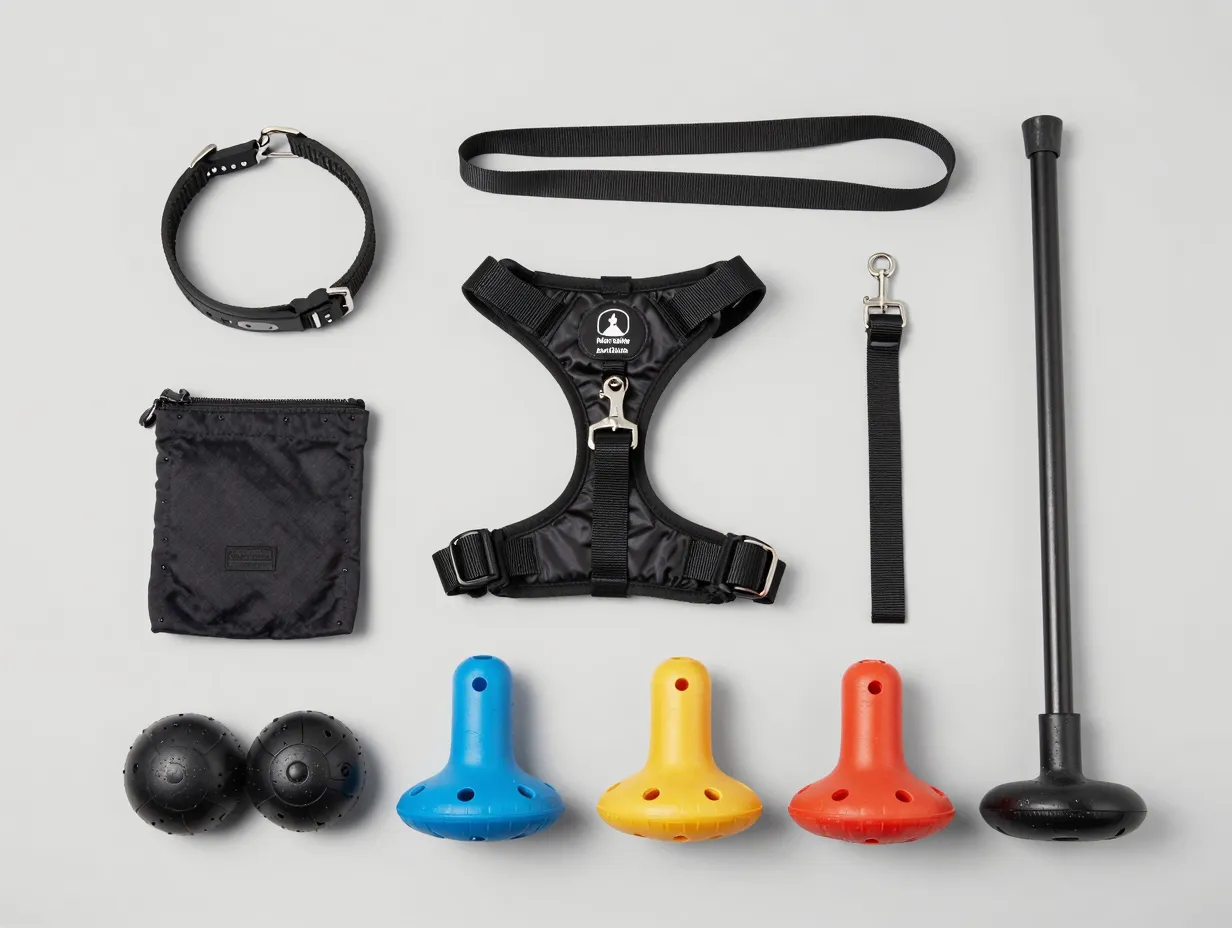
70% of Malinois owners use specialized training aids to manage their dog’s natural energy during walks and dog park visits [1]. This is not a sign of failure — it is smart management of a powerful, high-drive animal.
Recommended equipment for new Malinois owners:
- Martingale collar — provides gentle correction without choking, ideal for training walks
- Front-clip walking harness — reduces pulling by redirecting forward momentum
- Long line (15–30 feet) — allows controlled freedom during recall training
- Treat pouch — keeps high-value rewards accessible during sessions
- Flirt pole — excellent for controlled prey drive exercise
- Puzzle feeders and Kongs — for mental enrichment and crate time
⚠️ Avoid retractable leashes entirely. They teach pulling, provide no control, and are dangerous with a dog of this drive level.
Invest in quality equipment from the start. A $15 harness that breaks during a high-drive moment is a safety risk.
9. Build and Protect a Consistent Daily Routine
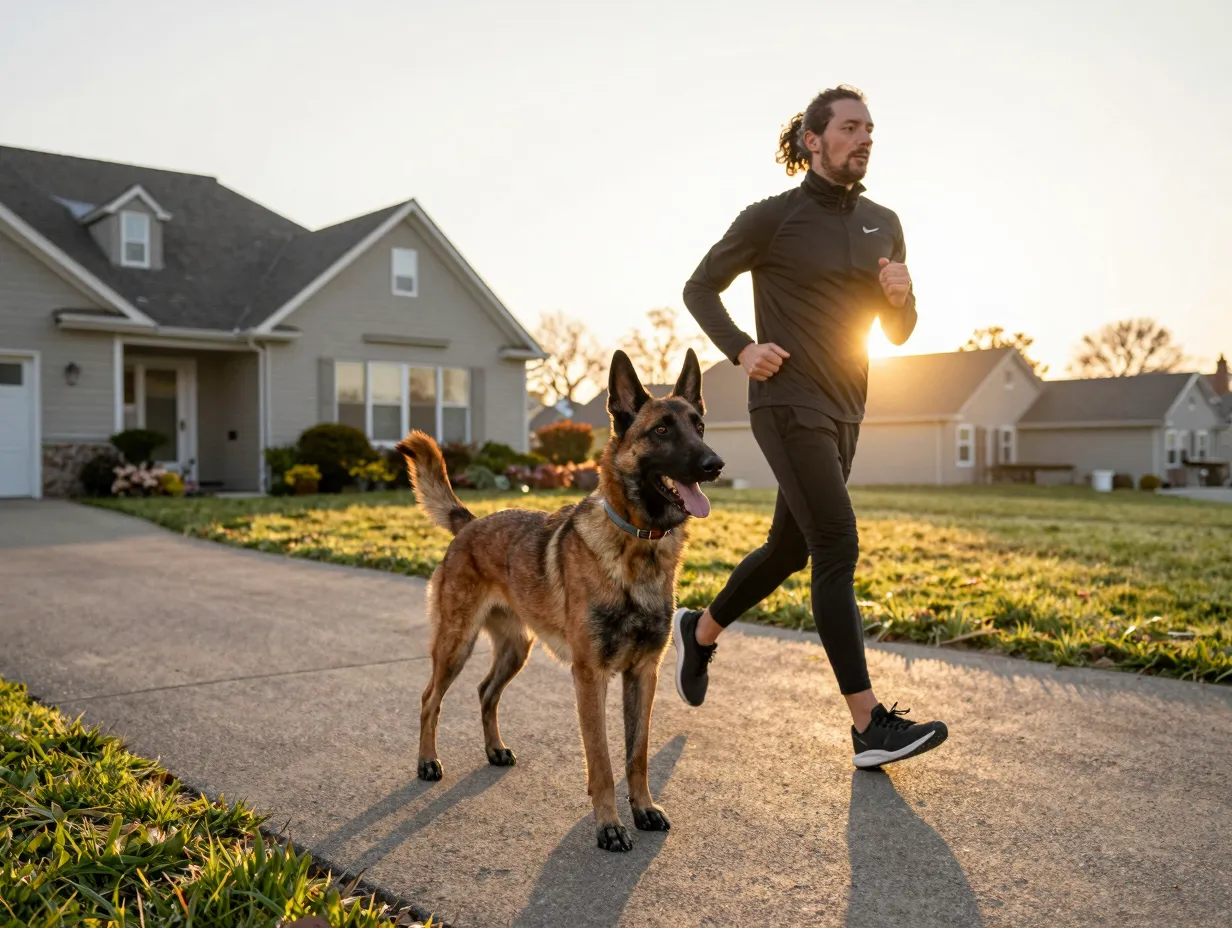
Malinois thrive on consistency, order, and routine [2]. Their nervous system is finely tuned to patterns, and when those patterns are disrupted frequently, stress accumulates — and stressed Malinois develop behavioral problems fast.
Sample daily routine framework:
| Time | Activity |
|---|---|
| 6:00 AM | Morning run or vigorous exercise (45–60 min) |
| 7:00 AM | Breakfast via puzzle feeder |
| 8:00 AM | Short training session (10 min) |
| 12:00 PM | Midday enrichment or training (15 min) |
| 5:00 PM | Afternoon exercise session (45–60 min) |
| 6:00 PM | Dinner |
| 7:30 PM | Evening training or calm enrichment |
| 9:00 PM | Wind-down, crate or settle |
Life will inevitably disrupt this schedule sometimes. When it does, compensate with extra mental enrichment. If your lifestyle involves frequent travel, irregular hours, or unpredictable schedules, a Malinois may genuinely not be the right fit — and that is important information to have before, not after, bringing one home [2].
Bonus: Red Flags That Signal You Need Professional Help
Even well-prepared owners sometimes encounter challenges beyond their skill level. Seek professional help immediately if you observe:
- Unprovoked growling or snapping at family members
- Resource guarding that escalates to biting
- Prey drive so intense the dog cannot be redirected
- Severe separation anxiety causing self-injury
- Fear responses that do not improve with socialization
A certified professional dog trainer (CPDT-KA) or veterinary behaviorist is the right resource — not internet forums or YouTube alone. The investment in professional guidance is far less costly than the consequences of unaddressed behavioral issues.
Common Mistakes First-Time Malinois Owners Make
Knowing what not to do is just as valuable as knowing what to do. Here are the most common pitfalls:
- Underestimating exercise needs — assuming a 30-minute walk is sufficient
- Skipping socialization — assuming the dog will “figure it out”
- Inconsistent rules — allowing behaviors sometimes that are forbidden other times
- Adopting for aesthetics — choosing the breed because it looks impressive
- Delaying training — waiting until the dog is 6 months old to start
- Isolation — leaving a Malinois alone for 8+ hours regularly
- Giving up too soon — expecting results without sustained effort
Is a Belgian Malinois Right for You? A Quick Self-Assessment
Answer honestly. Give yourself 1 point for each “yes.”
- I have owned and trained a high-energy dog before ☐
- I can commit 2–3 hours daily to exercise and training ☐
- I have a large home with a securely fenced yard ☐
- I have access to professional trainers in my area ☐
- My household has a consistent, predictable schedule ☐
- I am prepared for a 10–14 year commitment at this intensity level ☐
Scoring:
- 5–6 points: You are well-positioned to succeed with a Malinois
- 3–4 points: Proceed with significant professional support
- 0–2 points: Strongly consider a different breed first
Conclusion: Your Malinois Journey Starts With Preparation
The 9 Essential Tips for First-Time Malinois Belgian Shepherd Dog Owners covered in this guide are not suggestions — they are the foundational requirements for a healthy, balanced relationship with one of the most demanding breeds on earth. From securing the right living environment and committing to daily exercise, to building consistent routines and investing in professional training support, every tip here is backed by real owner experience and behavioral science.
Your actionable next steps for 2026:
- Complete the self-assessment above and be honest about your results
- Research certified professional dog trainers in your area before bringing your dog home
- Puppy-proof your yard — inspect fencing for height, gaps, and gate security
- Purchase essential equipment (martingale collar, front-clip harness, puzzle feeders)
- Build your support network — connect with Malinois breed clubs and experienced owners
- Create your daily routine template and share it with all household members
A well-prepared owner is the single greatest gift you can give a Belgian Malinois. These dogs are extraordinary — loyal, intelligent, and capable of things that will genuinely take your breath away. With the right foundation, your Malinois partnership can be one of the most rewarding experiences of your life. Without it, it will be one of the hardest.
Choose preparation. Your dog is counting on it. 🐕
References
[1] Explore The Belgian Malinois Insider Tips From Real Dog Owners – https://www.sniffspot.com/blog/dog-breeds/explore-the-belgian-malinois-insider-tips-from-real-dog-owners
[2] Belgian Malinois – https://blog.ollie.com/belgian-malinois/
[3] Watch – https://www.youtube.com/watch?v=W9L7Y2CFqIU
[4] The Complete Belgian Malinois Guide – https://malinoisdog.store/the-complete-belgian-malinois-guide/
[5] Watch – https://www.youtube.com/watch?v=tyAEHxSX6l0