8 Things Nobody Tells You About a German Shepherd Mixed With Belgian Malinois
Only about 2% of dog owners who bring home a German Shepherd–Belgian Malinois mix are fully prepared for what they’re getting into — and that gap between expectation and reality can be brutal for both dog and owner. This hybrid is one of the most demanding, rewarding, and misunderstood crossbreeds in existence. If you’ve been researching this dog, you’ve probably read the basics: it’s smart, it’s athletic, it’s loyal. But the 8 things nobody tells you about a German Shepherd mixed with Belgian Malinois go far deeper than any breed overview dares to admit.
Whether you’re a first-time dog owner considering this mix or an experienced handler curious about what sets this hybrid apart, this guide cuts through the surface-level fluff to give you the real picture in 2026.
Key Takeaways 📌
- This hybrid is not a beginner dog. Its combined drive, intelligence, and energy demand experienced, consistent handling.
- Mental stimulation is non-negotiable. Physical exercise alone will not satisfy this dog — it needs a job.
- Health risks are real but manageable with proactive veterinary care and genetic awareness.
- The mix can vary wildly in temperament and appearance depending on which parent’s traits dominate.
- Early socialization is the single most important investment you can make in this dog’s future behavior.
The Hidden Truth Behind the German Shepherd Belgian Malinois Mix
Before we dive into the numbered list, it’s worth setting the stage. The German Shepherd and the Belgian Malinois are two of the most widely used working dogs on the planet. Both serve in police, military, search-and-rescue, and protection roles worldwide. Crossing them sounds like a recipe for the ultimate working dog — and in some ways, it is. But that same intensity that makes them elite working animals is exactly what catches unprepared owners off guard.
Let’s break down the 8 things nobody tells you about a German Shepherd mixed with Belgian Malinois, one by one.
1. The Energy Level Is Not What You Think — It’s Higher
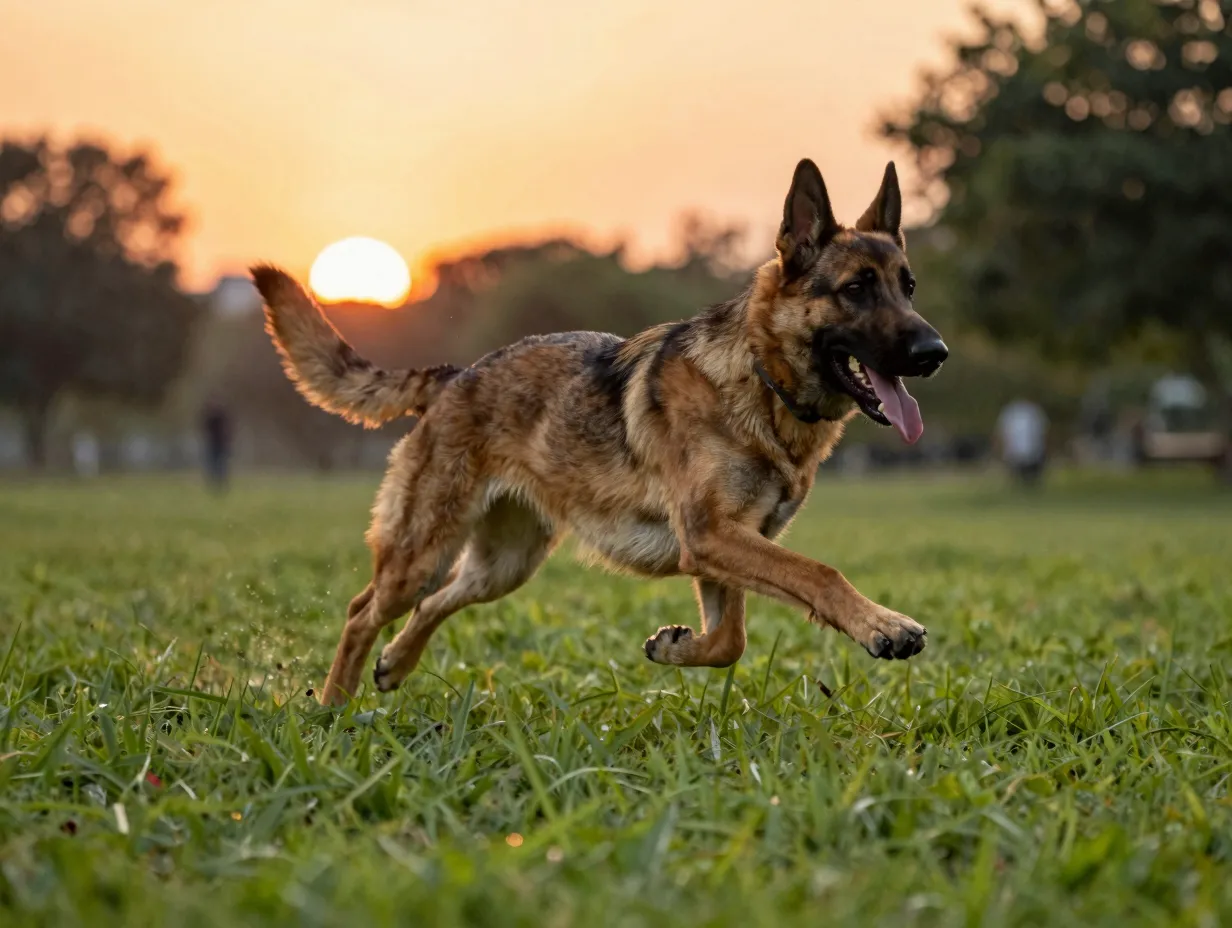
Most breed guides describe this mix as “high energy.” That is an understatement of significant proportions.
The Belgian Malinois is widely regarded as one of the highest-drive dogs in existence. The German Shepherd, while slightly more moderate, is no couch potato. When you combine the two, you don’t get an average of their energy levels — you often get an amplification.
What this looks like in real life:
- A 30-minute walk will not cut it. This dog needs 90 minutes to 2+ hours of vigorous activity daily.
- Without sufficient exercise, destructive behavior — chewing, digging, barking — escalates rapidly.
- Many owners report that even after an hour of fetch, their Malinois Shepherd mix is still pacing and alert.
💡 Pull Quote: “This isn’t a dog you exercise. This is a dog you exhaust — and even then, it might still be ready for more.”
If your lifestyle involves long work hours, limited outdoor space, or infrequent physical activity, this hybrid will struggle — and so will you.
2. Intelligence Is a Double-Edged Sword
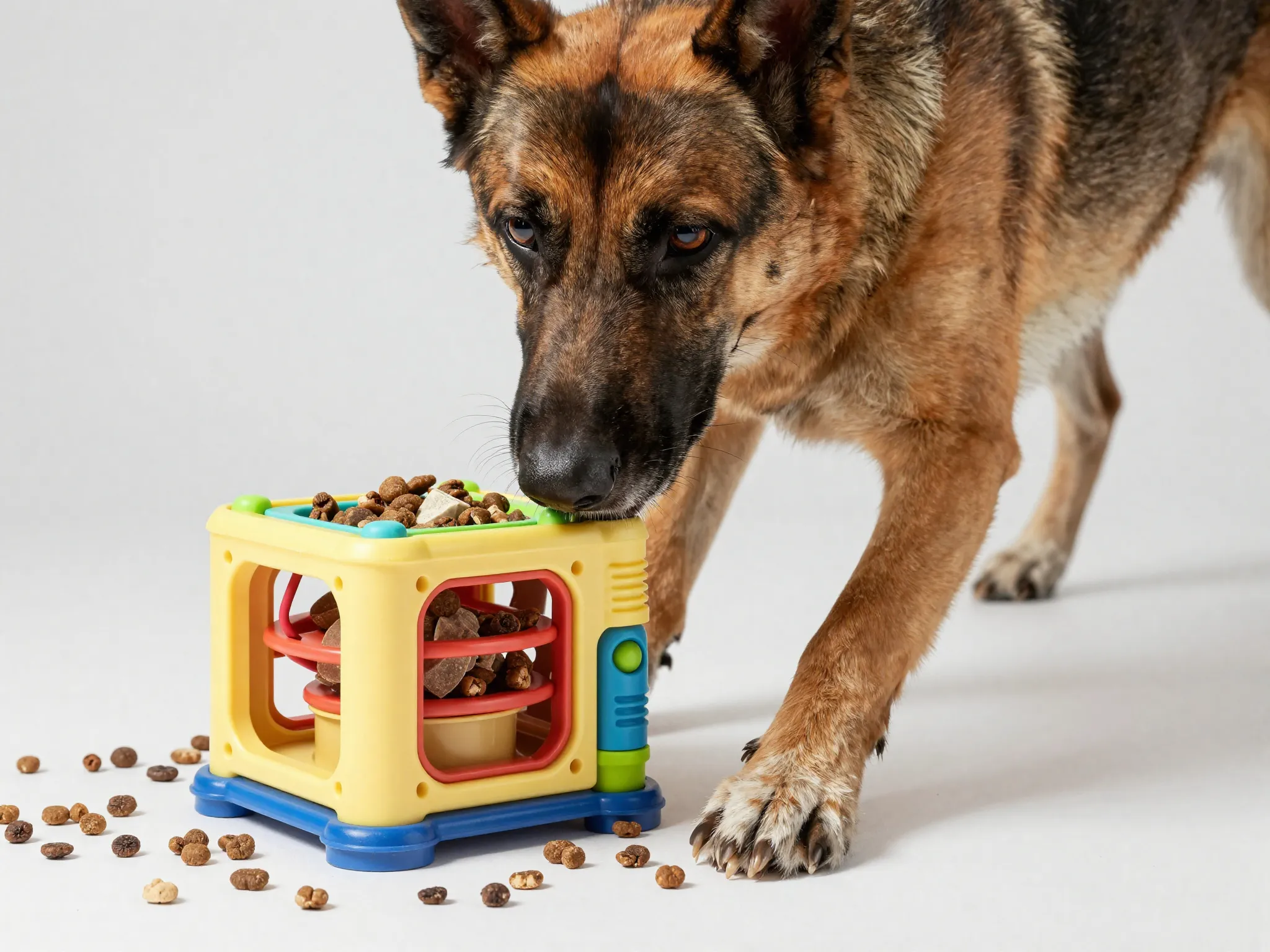
Both parent breeds consistently rank in the top 5 most intelligent dog breeds globally. The German Shepherd is famously ranked #3 in Stanley Coren’s dog intelligence rankings, while the Belgian Malinois is often grouped in the same elite tier by working dog trainers.
That intelligence is thrilling — until it isn’t.
Here’s what high intelligence actually means day-to-day:
| Trait | Benefit | Challenge |
|---|---|---|
| Fast learner | Picks up commands in 1–5 repetitions | Also learns bad habits just as fast |
| Problem-solver | Can navigate complex tasks | Will find ways around barriers and rules |
| Observant | Reads your emotions accurately | Exploits inconsistency in your behavior |
| Boredom-prone | Excels at enrichment activities | Becomes destructive without mental stimulation |
This dog will outsmart you if you let it. Puzzle feeders, scent work, obedience training, and structured play are not optional extras — they are survival tools for your household.
3. Socialization Failures Have Serious Consequences
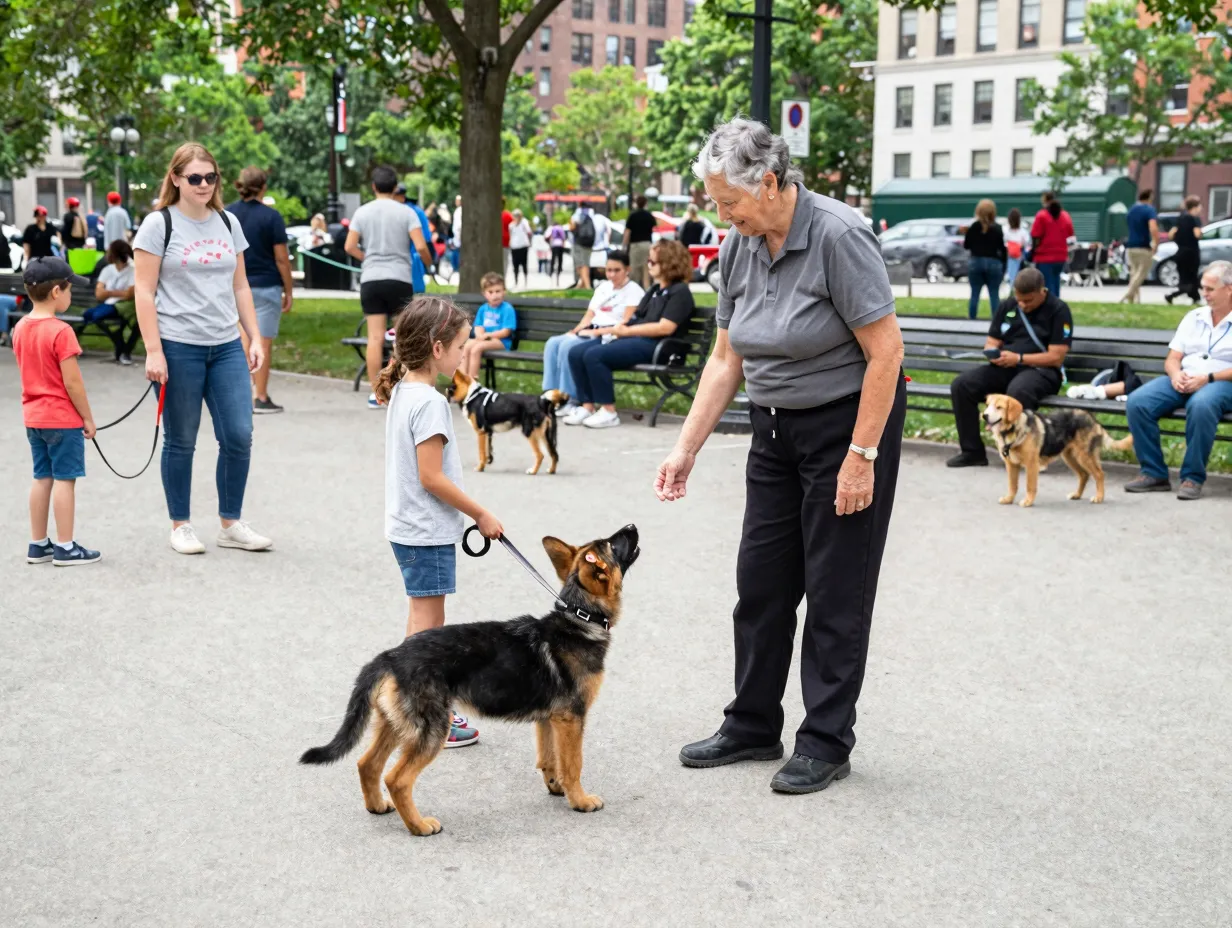
Here’s the thing nobody says loudly enough: a poorly socialized German Shepherd Malinois mix is a liability.
Both breeds carry strong protective instincts. The Malinois in particular is known for its sharp reactivity — it processes threats quickly and responds with intensity. Without thorough, early socialization, this mix can become:
- Fear-aggressive toward strangers
- Reactive on leash toward other dogs
- Overstimulated in busy public environments
- Difficult to manage in veterinary or grooming settings
The socialization window for puppies is roughly 3 to 14 weeks of age. What happens during that window shapes the dog’s behavioral baseline for life. Missing it or doing it poorly is not something you can fully correct later — you can manage it, but the foundation is set.
Socialization checklist for this hybrid:
- Expose to at least 100 different people by week 12
- Introduce varied environments: urban, rural, indoor, outdoor
- Positive exposure to children, elderly people, and people in uniforms
- Controlled meetings with other dogs of varying sizes
- Desensitization to loud noises, vehicles, and crowds
4. This Mix Has a Prey Drive That Surprises Even Experienced Owners
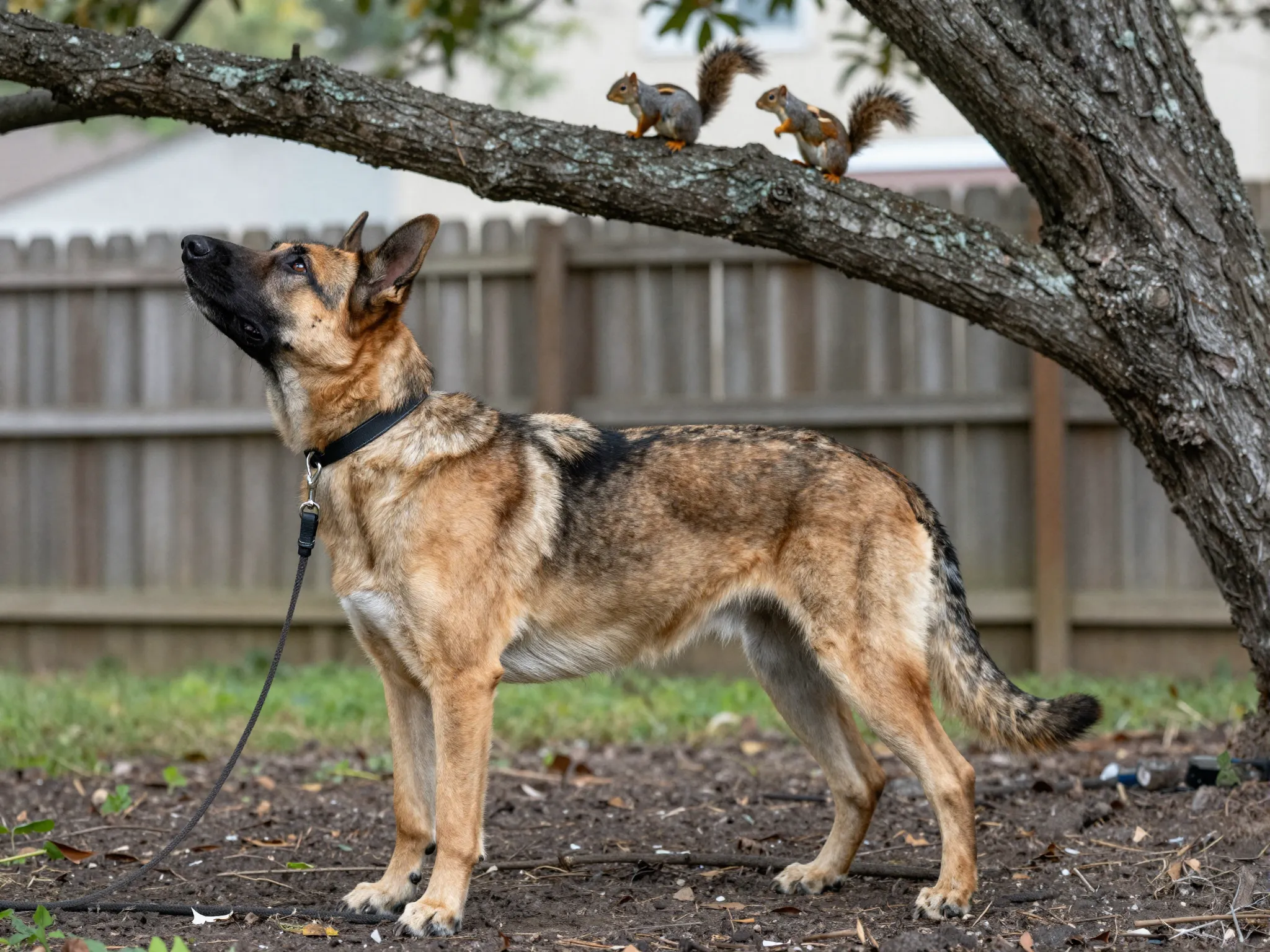
The Malinois is a herding dog with hunting-level prey drive. The German Shepherd shares herding roots and significant prey drive of its own. Combined, this mix can have a prey drive that catches even experienced dog owners off guard.
What triggers prey drive in this hybrid:
- Small animals (cats, rabbits, squirrels)
- Joggers, cyclists, and skateboarders
- Children running and playing
- Fast-moving objects or vehicles
This doesn’t mean the dog is dangerous — it means it requires careful management and training from day one. Off-leash freedom in unfenced areas is risky. Homes with small pets require careful, supervised introductions and ongoing management.
⚠️ Important: Never assume prey drive can be fully trained away. It can be redirected and managed, but it is a core instinct in both parent breeds.
5. The Health Picture Is More Complex Than “Hybrid Vigor” Suggests
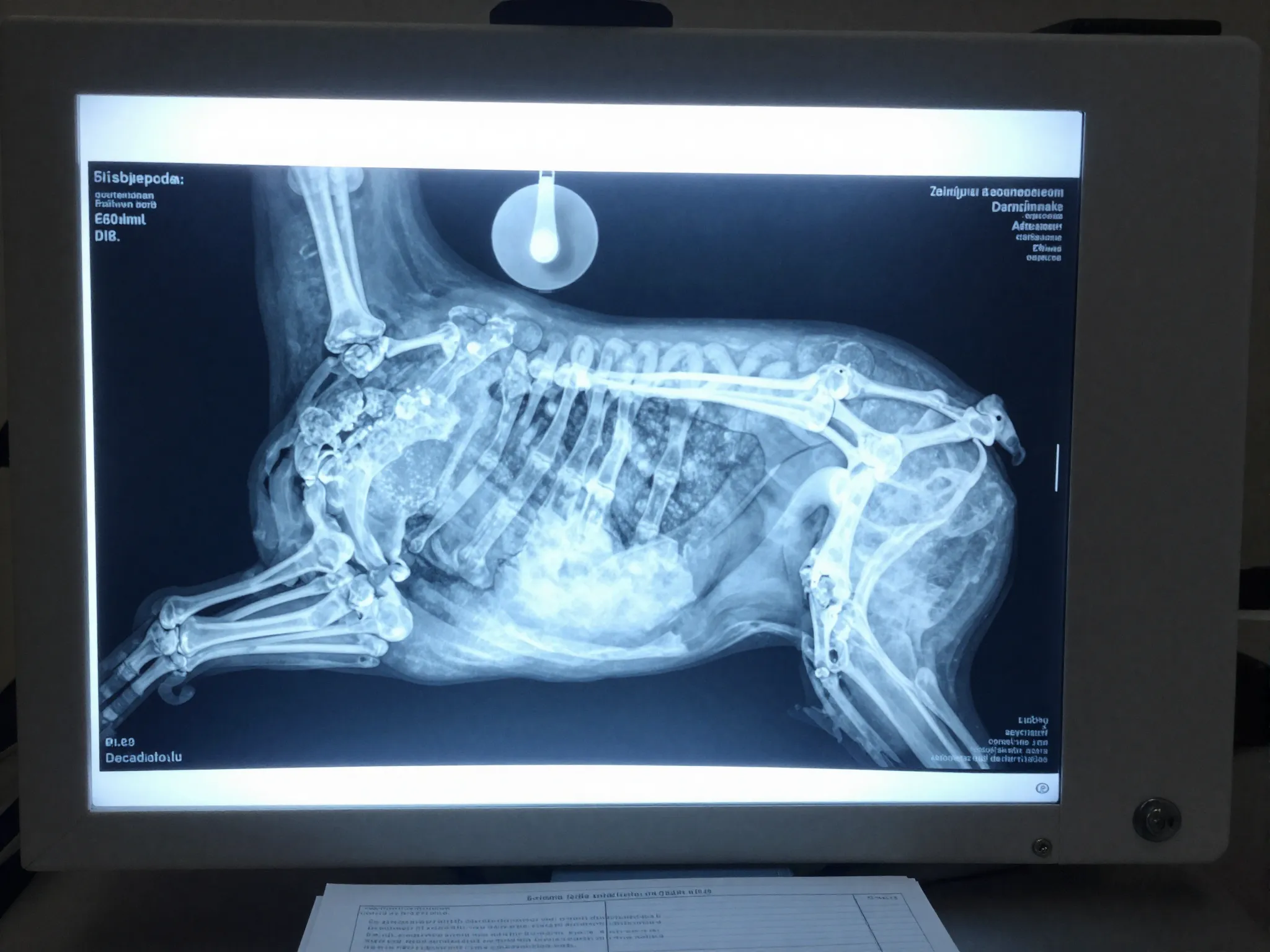
You’ve probably heard the term hybrid vigor — the idea that mixed-breed dogs are healthier than purebreds because of greater genetic diversity. There’s some truth to this, but it’s not the whole story for the German Shepherd Belgian Malinois cross.
Shared health vulnerabilities in both parent breeds:
| Condition | German Shepherd Risk | Belgian Malinois Risk | Mix Risk |
|---|---|---|---|
| Hip Dysplasia | High | Moderate | Moderate–High |
| Elbow Dysplasia | Moderate | Low–Moderate | Moderate |
| Degenerative Myelopathy | High | Lower | Moderate |
| Bloat (GDV) | Moderate | Low | Low–Moderate |
| Eye Conditions | Low | Moderate | Low–Moderate |
Hip dysplasia is the most significant shared concern. Both breeds carry genetic predispositions, and the mix does not escape this risk simply by being a hybrid.
Proactive steps that matter:
- Request OFA (Orthopedic Foundation for Animals) hip and elbow certifications from the breeder
- Keep the dog lean — excess weight accelerates joint deterioration
- Begin joint-supportive supplements (glucosamine, omega-3s) early
- Schedule annual veterinary wellness exams
The average lifespan of this mix is 10 to 14 years, which is slightly better than the German Shepherd’s average of 9–13 years — a modest nod to hybrid vigor.
6. Training Is Not Optional — It’s the Foundation of Everything
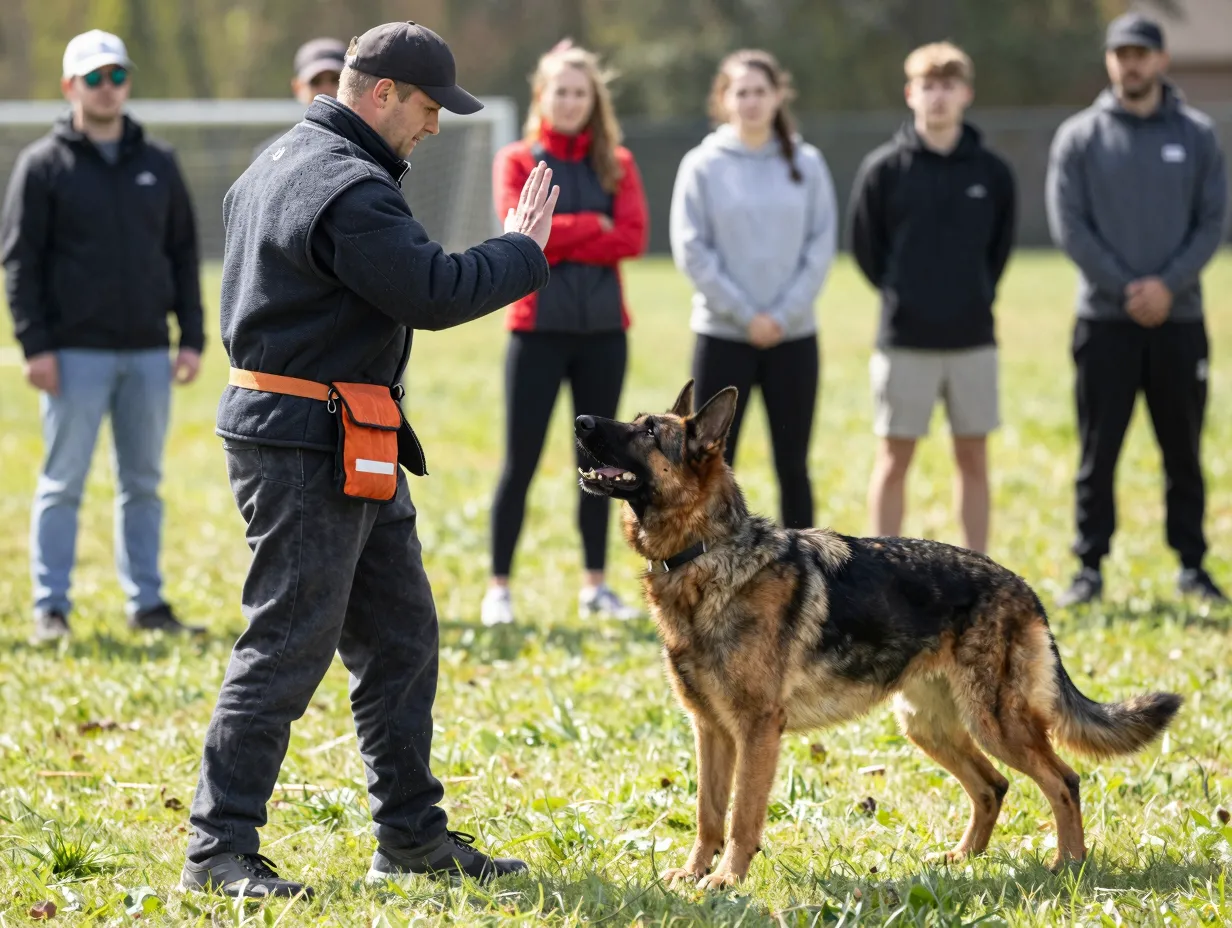
One of the 8 things nobody tells you about a German Shepherd mixed with Belgian Malinois is that training isn’t just about manners. For this dog, training is mental health care.
Both parent breeds were developed to work alongside humans in structured, task-oriented environments. Without that structure, they don’t just get bored — they deteriorate behaviorally.
What effective training looks like for this hybrid:
- Start from day one. Even an 8-week-old puppy can begin learning basic commands.
- Use positive reinforcement. Both breeds respond exceptionally well to reward-based training. Harsh corrections can damage trust and increase reactivity.
- Train daily, not occasionally. Short sessions of 10–15 minutes, 2–3 times per day, outperform occasional hour-long sessions.
- Advance the curriculum. Once basic obedience is solid, move to advanced commands, trick training, scent work, or sport training (agility, Schutzhund, IPO).
💡 Pull Quote: “A trained German Shepherd Malinois mix is a joy. An untrained one is a crisis waiting to happen.”
Many owners of this hybrid find that enrolling in structured dog sports — particularly IPO/IGP (Internationale Prüfungsordnung) or agility — transforms their dog’s behavior at home. The dog has an outlet, a purpose, and a bond with its handler.
7. The Appearance Varies More Than Breeders Admit
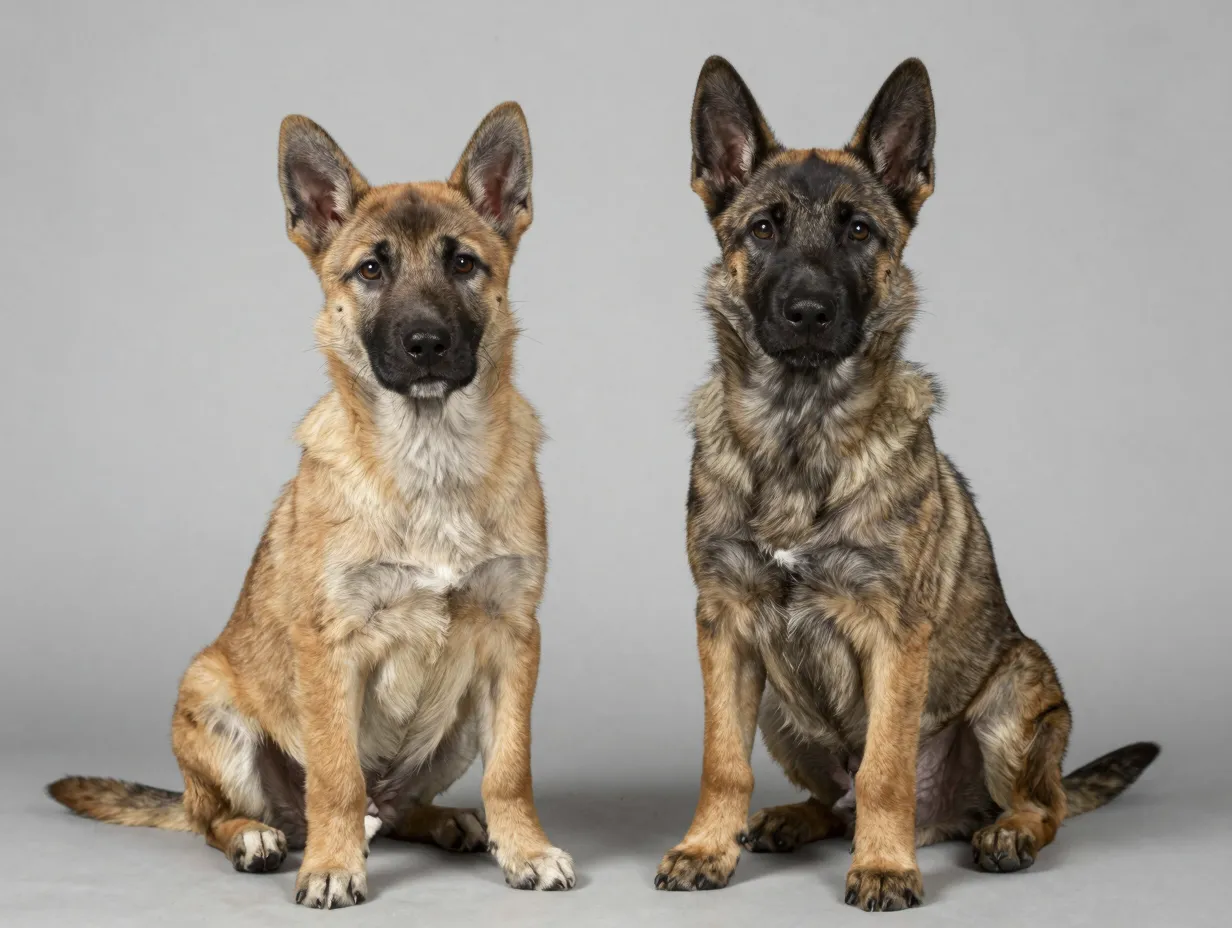
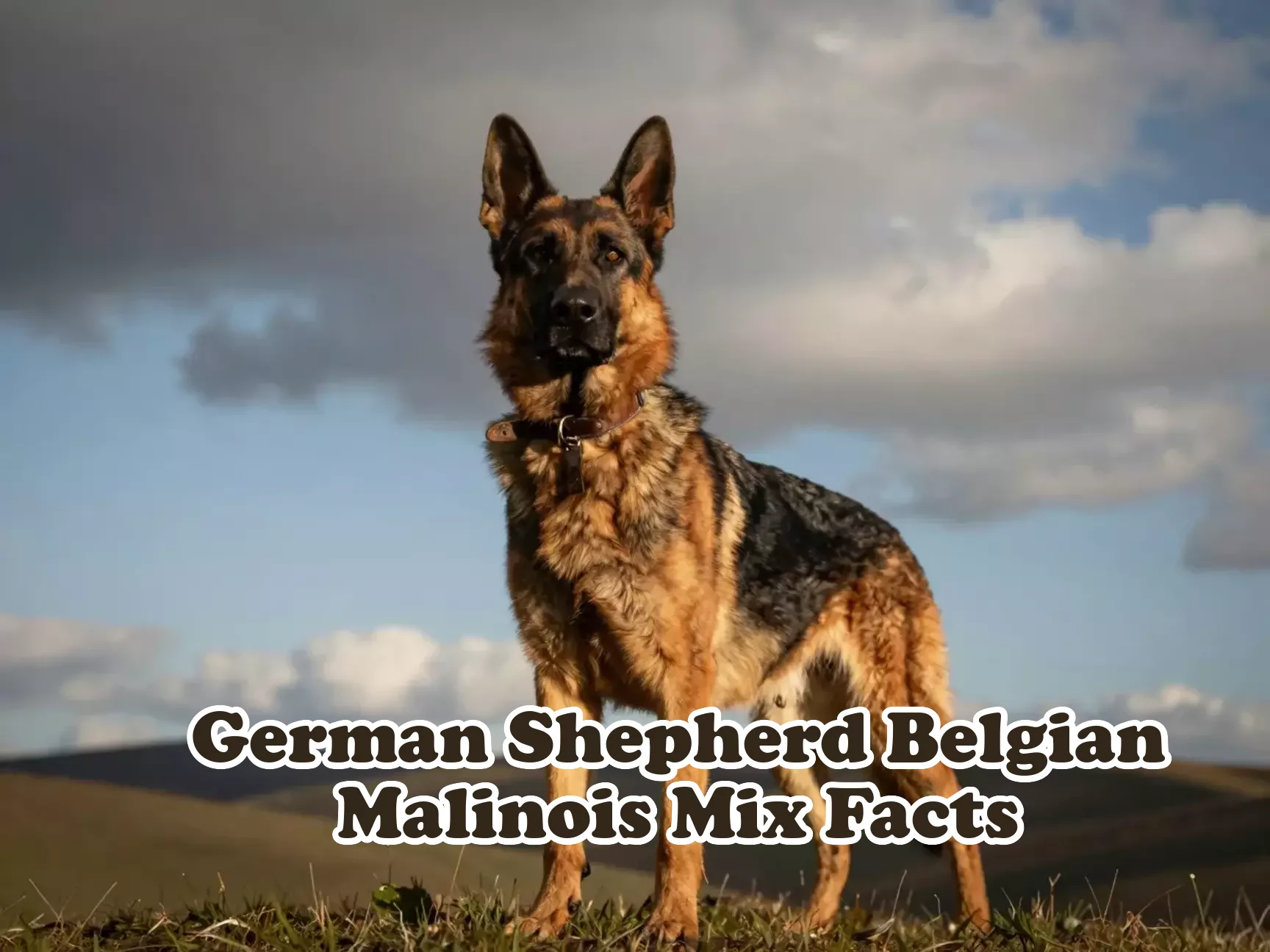
If you search for photos of the German Shepherd Belgian Malinois mix online, you’ll see a wide range of dogs that look almost nothing alike. This is not a coincidence — it’s genetics.
Unlike established breeds with predictable traits, a first-generation (F1) hybrid can lean heavily toward either parent. Two puppies from the same litter may look dramatically different.
Possible appearance outcomes:
- Malinois-dominant: Lighter build, shorter fawn-to-mahogany coat, black mask, upright ears
- GSD-dominant: Heavier build, longer coat (possibly with double-coat thickness), saddle or sable coloring
- True blend: Medium build, medium-length coat, mixed coloring patterns
Size range for this hybrid:
| Measurement | Range |
|---|---|
| Weight | 50–90 lbs |
| Height | 22–26 inches at the shoulder |
| Coat length | Short to medium |
| Coat colors | Sable, tan/black, fawn, mahogany, bicolor |
This variability matters practically. If you’re adopting a puppy, you genuinely may not know what adult size, coat type, or grooming needs you’re signing up for. Ask the breeder for photos of both parents and understand that the puppy could resemble either one.
8. The Bond This Dog Forms Is Intense — and That Comes With Responsibility
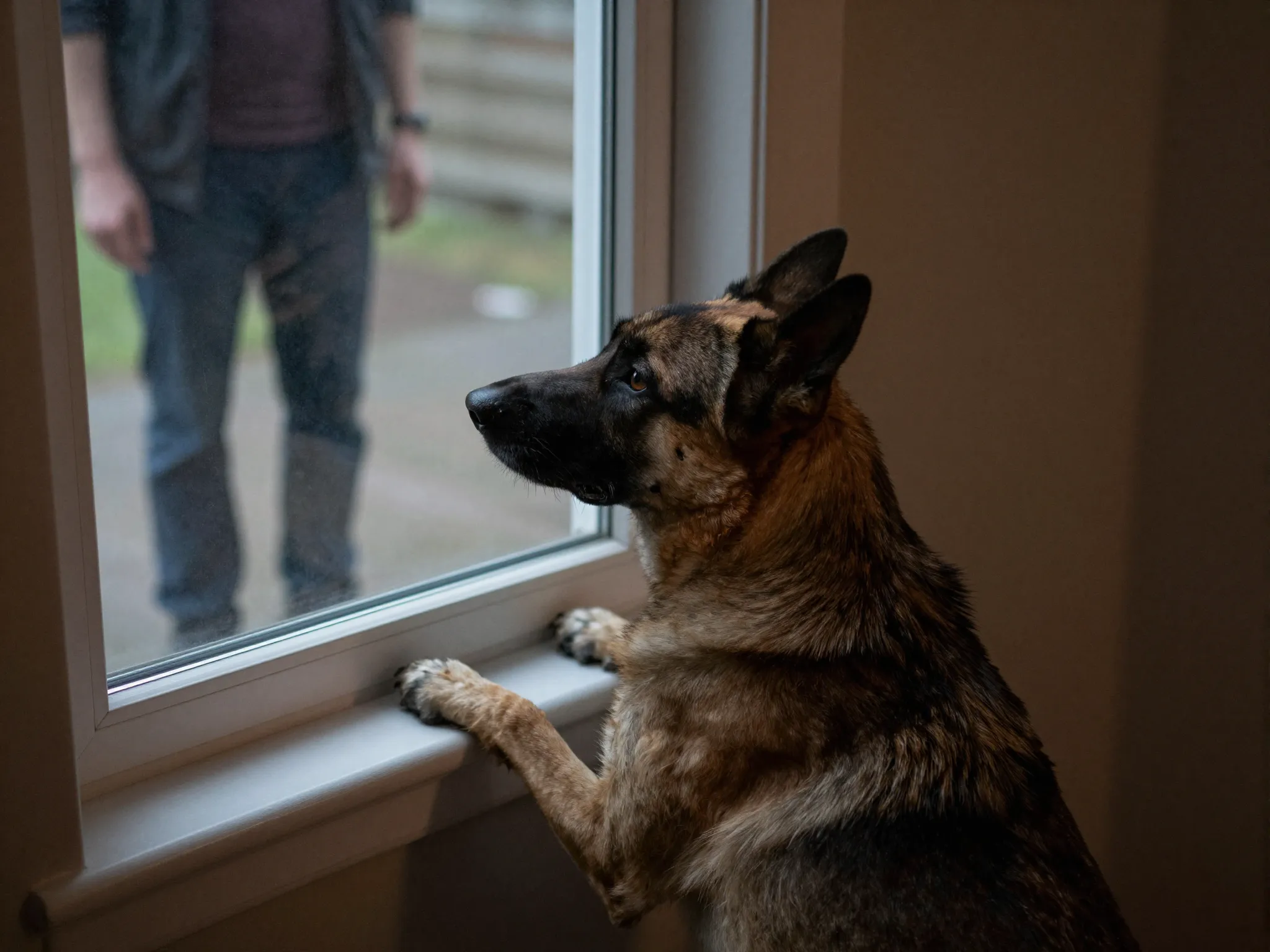
The final — and perhaps most underappreciated — point in the 8 things nobody tells you about a German Shepherd mixed with Belgian Malinois is about the emotional depth of this dog.
Both German Shepherds and Belgian Malinois are known for forming exceptionally deep bonds with their primary handlers. This is part of what makes them outstanding working dogs. In a family setting, it creates a dog that is:
- Fiercely loyal
- Highly attuned to your emotional state
- Prone to separation anxiety if not conditioned to alone time from puppyhood
- Potentially one-person-focused, which can complicate multi-person households
Separation anxiety in this mix is a real and common problem. Dogs that are not taught to be comfortable alone from an early age can develop destructive behaviors, excessive vocalization, and even self-harm when left without their primary person.
How to build healthy independence:
- Practice short departures from puppyhood — even 5 minutes at a time
- Avoid overly emotional greetings and departures
- Provide enrichment (stuffed Kongs, puzzle toys) during alone time
- Consider crate training as a safe, calm space — not a punishment
The intensity of this bond also means the dog is deeply sensitive to household stress, conflict, and instability. A chaotic home environment will produce a chaotic dog.
Comparing the Hybrid to Its Parent Breeds
To put everything above in context, here’s a side-by-side comparison of the German Shepherd, Belgian Malinois, and their hybrid cross:
| Trait | German Shepherd | Belgian Malinois | GSD x Malinois Mix |
|---|---|---|---|
| Energy Level | High | Very High | Very High–Extreme |
| Trainability | Excellent | Excellent | Excellent |
| Prey Drive | High | Very High | High–Very High |
| Shedding | Heavy | Moderate | Moderate–Heavy |
| Family-Friendly | Yes (with training) | Moderate | Yes (with training) |
| Stranger Wariness | Moderate–High | High | High |
| Separation Anxiety Risk | Moderate | High | Moderate–High |
| Ideal Owner | Experienced | Very Experienced | Experienced–Expert |
This table makes one thing clear: the hybrid does not dilute the intensity of either parent breed. It concentrates it.
Is This Dog Right for You? A Quick Self-Assessment ✅
Before committing to a German Shepherd Malinois mix, ask yourself honestly:
- Do I have 2+ hours per day for physical exercise?
- Am I willing to invest in formal obedience training?
- Do I have experience with high-drive working breeds?
- Is my living situation stable, with a securely fenced yard?
- Can I afford routine veterinary care, including orthopedic screening?
- Am I home frequently enough to prevent chronic separation anxiety?
If you answered yes to all six, this dog may be a genuinely exceptional match for your lifestyle. If you answered no to two or more, consider whether a lower-drive breed might be a better fit — for both your sake and the dog’s.
Conclusion: What Owning This Hybrid Actually Demands
The German Shepherd Belgian Malinois mix is not a dog for everyone — and that’s not an insult. It’s a statement of respect for what this animal is. Bred from two of the most capable, driven, and intelligent working dogs in history, this hybrid carries an extraordinary combination of traits that reward the right owner with a once-in-a-lifetime canine partnership.
The 8 things nobody tells you about a German Shepherd mixed with Belgian Malinois all point to the same conclusion: preparation is everything. The owners who thrive with this dog are the ones who go in with eyes open, commit to training and socialization from day one, and treat the dog’s mental and physical needs as non-negotiable priorities.
Your actionable next steps:
- Research reputable breeders or rescues that specialize in working dog breeds — avoid backyard breeders who don’t health-test parent dogs.
- Enroll in a puppy class immediately upon bringing your dog home — don’t wait for problems to appear.
- Connect with a working dog community (IPO/IGP clubs, Schutzhund groups, or breed-specific Facebook groups) for ongoing support.
- Schedule a veterinary wellness exam within the first week of ownership, including a discussion of hip and joint screening timelines.
- Build a daily routine that includes structured exercise, training sessions, and enrichment — and stick to it.
This dog will give you everything it has. Make sure you’re ready to do the same. 🐾
References
[1] Watch – https://www.youtube.com/watch?v=MvLx0p_fSi8