8 Surprising Facts About The Pomeranian Dog Breed Every Owner Should Know
Behind those adorable fluffy faces and tiny paws lies a breed with one of the most fascinating histories in the canine world. Pomeranians might be small in stature today, but their story spans royal palaces, tragic maritime disasters, and remarkable genetic transformations that would surprise even the most devoted dog enthusiast. These 8 surprising facts about the Pomeranian dog breed every owner should know reveal a rich tapestry of royal connections, survival stories, and biological marvels that make this toy breed truly extraordinary.
Key Takeaways
- Pomeranians were originally large sled dogs weighing around 30 pounds before being bred down to their current 3-7 pound size
- Only three dogs survived the Titanic disaster, and one was a brave Pomeranian
- Queen Victoria’s influence made red Pomeranians fashionable and helped popularize the breed’s miniaturization
- Pomeranians have the highest rate of knee problems among all dog breeds studied, with a 6.5% prevalence of patellar luxation
- These tiny dogs produce the smallest litters in the canine world, averaging just 1.9-2.7 puppies per birth
The Royal and Historical Secrets Behind These Amazing Dogs
1. Pomeranians Are Descendants of Powerful Arctic Sled Dogs 🛷
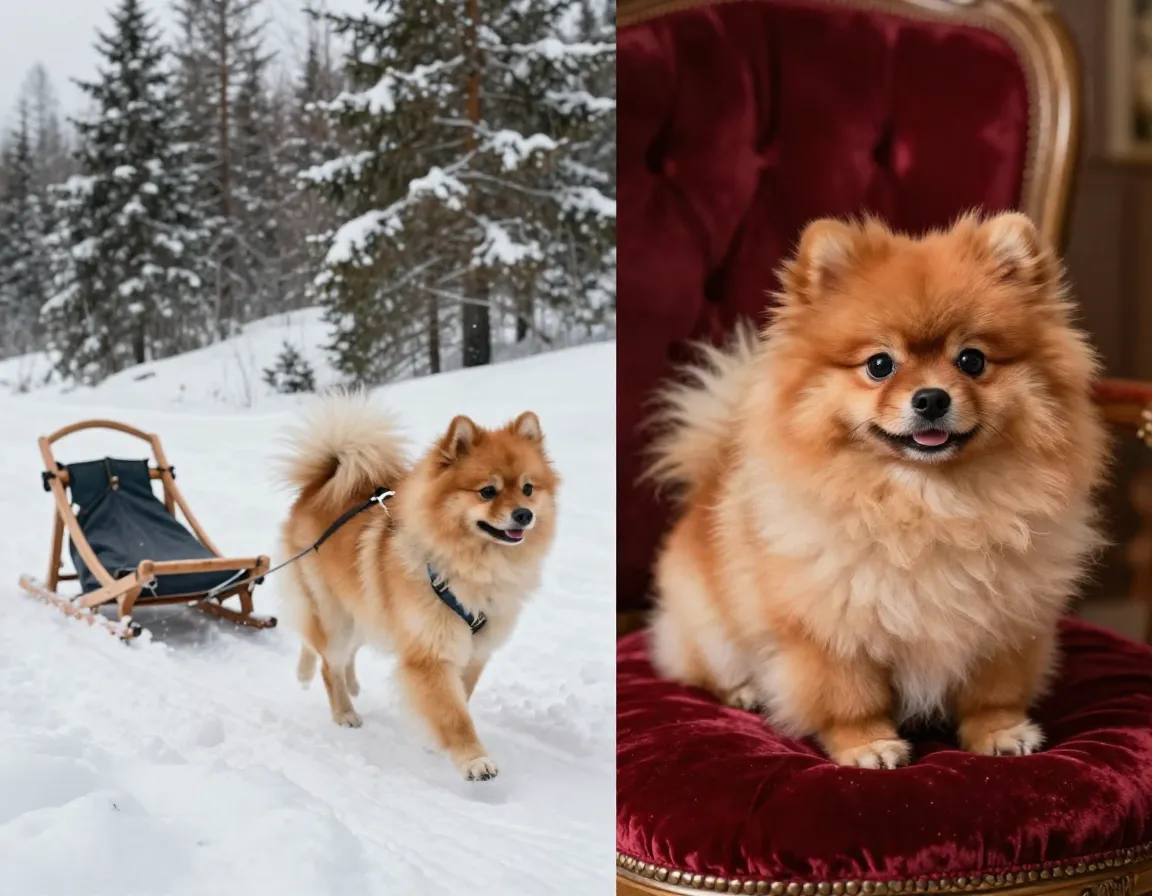
One of the most surprising facts about Pomeranians is their incredible ancestry. These pocket-sized companions are actually miniaturized descendants of robust Spitz sled dog breeds including the Akita, Alaskan Malamute, Chow Chow, and Samoyed [7].
Originally, Pomeranians weighed approximately 30 pounds and served as working dogs in the Pomerania region (now parts of Poland and Germany). These early Pomeranians were used for herding livestock and pulling small sleds, a far cry from their current role as lap warmers [7].
The transformation from working dog to toy breed represents one of the most dramatic size reductions in canine breeding history. Through selective breeding over several centuries, breeders successfully reduced the Pomeranian’s size by more than 80%, creating the 3-7 pound companions we know today [7].
Key Size Comparison:
- Original Pomeranians: 30 pounds (working dogs)
- Modern Pomeranians: 3-7 pounds (toy breed)
- Size reduction: Over 80% smaller than ancestors
2. A Pomeranian Survived the Titanic Disaster 🚢
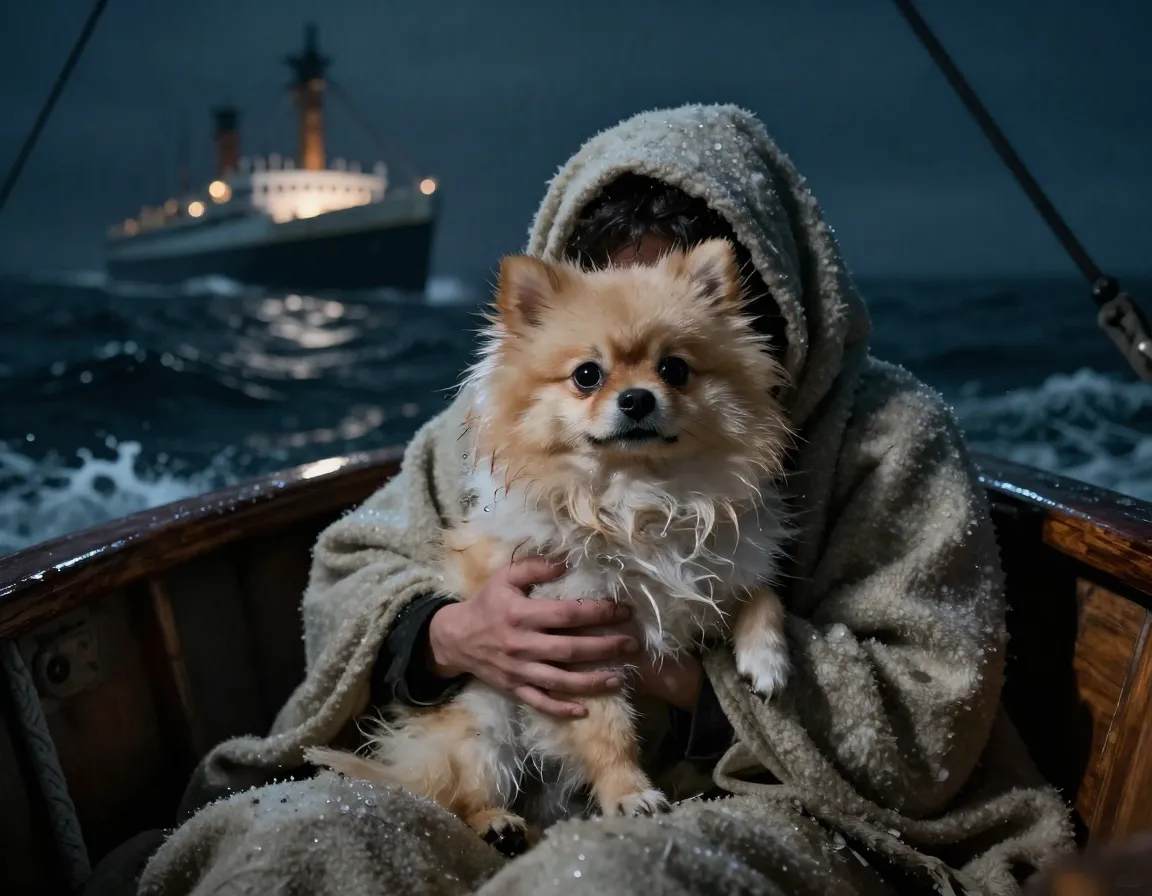
Among the most remarkable survival stories in maritime history, a small Pomeranian was one of only three dogs to survive the sinking of the Titanic in 1912 [2]. While over 1,500 people perished in the icy Atlantic waters, this brave little dog managed to escape the disaster alongside its owner.
The Pomeranian’s survival was likely due to its tiny size, which allowed it to be easily carried in a lifeboat without taking up precious space needed for human survivors. This historical fact demonstrates not only the breed’s resilience but also the strong bonds between Pomeranians and their human companions.
“The Titanic’s canine survivors included two Pomeranians and one Pekingese, proving that sometimes the smallest passengers can have the biggest will to survive.”
This tragic yet inspiring story has become part of Pomeranian lore, showcasing the breed’s ability to adapt and survive even in the most challenging circumstances.
3. Queen Victoria Made Red Pomeranians a Fashion Statement 👑
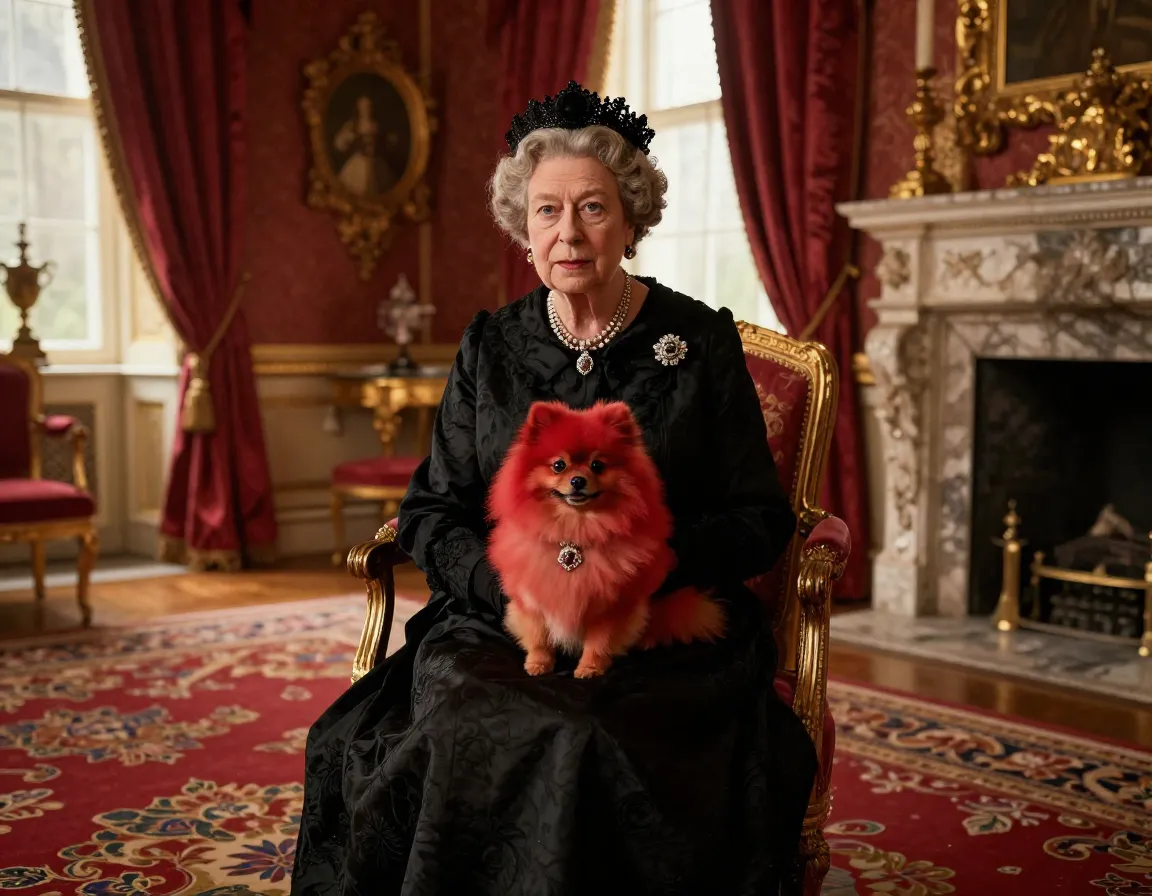
Queen Victoria’s influence on the Pomeranian breed cannot be overstated. In 1888, the British monarch adopted a small red Pomeranian, which dramatically changed the breed’s popularity and appearance standards [4].
Before Queen Victoria’s endorsement, Pomeranians were not widely known outside their native region. However, her royal approval made the breed fashionable among European aristocracy. More specifically, red-colored Pomeranians became extremely popular by the end of the 19th century, directly influenced by the Queen’s preference [4].
Queen Victoria’s impact extended beyond color preferences. She actively promoted the miniaturization of the breed, favoring smaller specimens that were more suitable for palace life. This royal influence helped establish the size standards we see in modern Pomeranians.
Queen Victoria’s Pomeranian Legacy:
- Year of adoption: 1888
- Preferred color: Red
- Impact: Made red Pomeranians fashionable across Europe
- Breeding influence: Promoted smaller size standards
4. Pomeranians Have the Most Color Varieties of Any Dog Breed 🌈
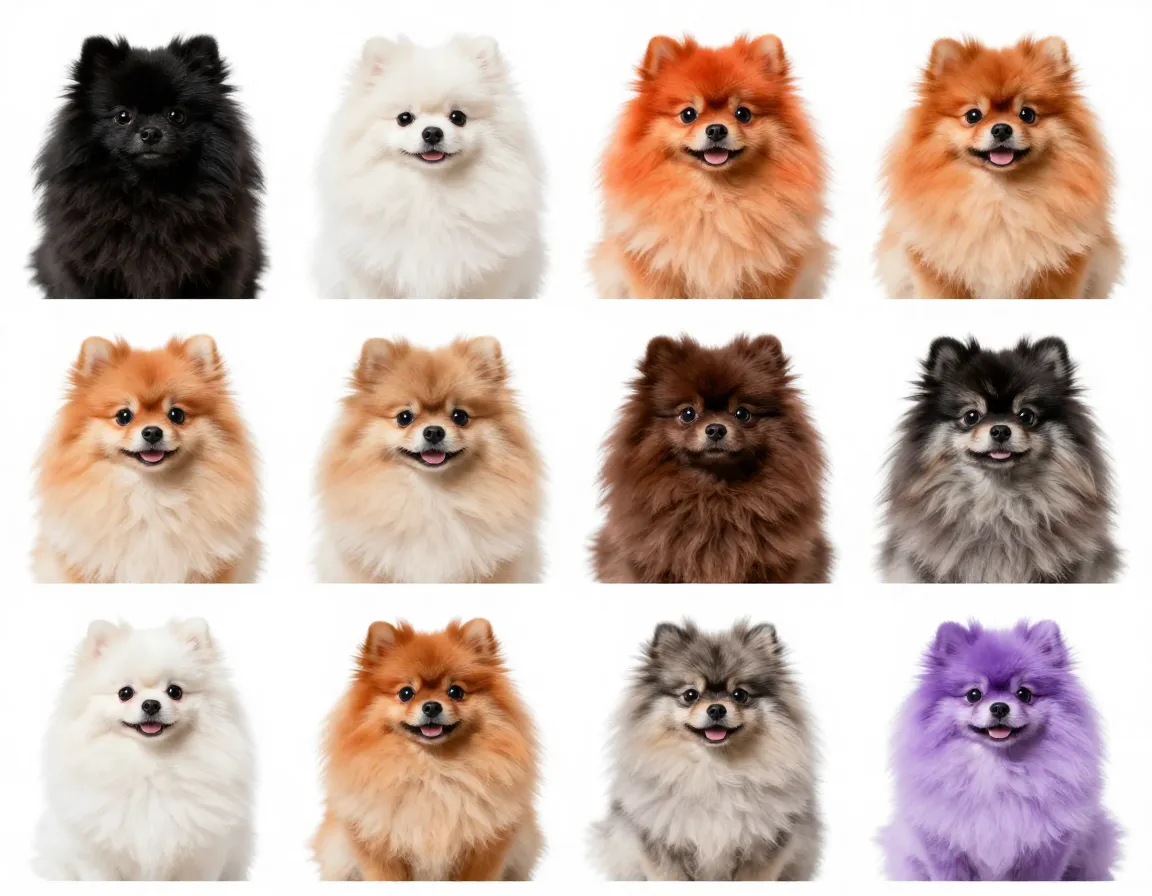
Modern Pomeranians showcase the widest variety of colors of any dog breed, a testament to their complex genetic heritage [4]. This incredible diversity stems from their Spitz ancestry and centuries of selective breeding.
Common Pomeranian Colors Include:
- Solid colors: Black, white, brown, red, orange, cream, blue, sable
- Parti-colors: Combinations of white with other colors
- Merle patterns: Blue merle, chocolate merle
- Rare colors: Lavender, brindle, beaver
The American Kennel Club recognizes numerous color variations, making Pomeranians one of the most genetically diverse breeds in terms of coat color. This variety allows potential owners to choose from an almost rainbow-like selection of companions.
Interestingly, orange and red remain the most popular colors, largely due to Queen Victoria’s historical influence. However, black Pomeranians and white Pomeranians have gained significant popularity in recent years.
Health and Breeding Mysteries Every Owner Must Understand
5. Pomeranians Have the Highest Rate of Knee Problems Among All Breeds 🦴
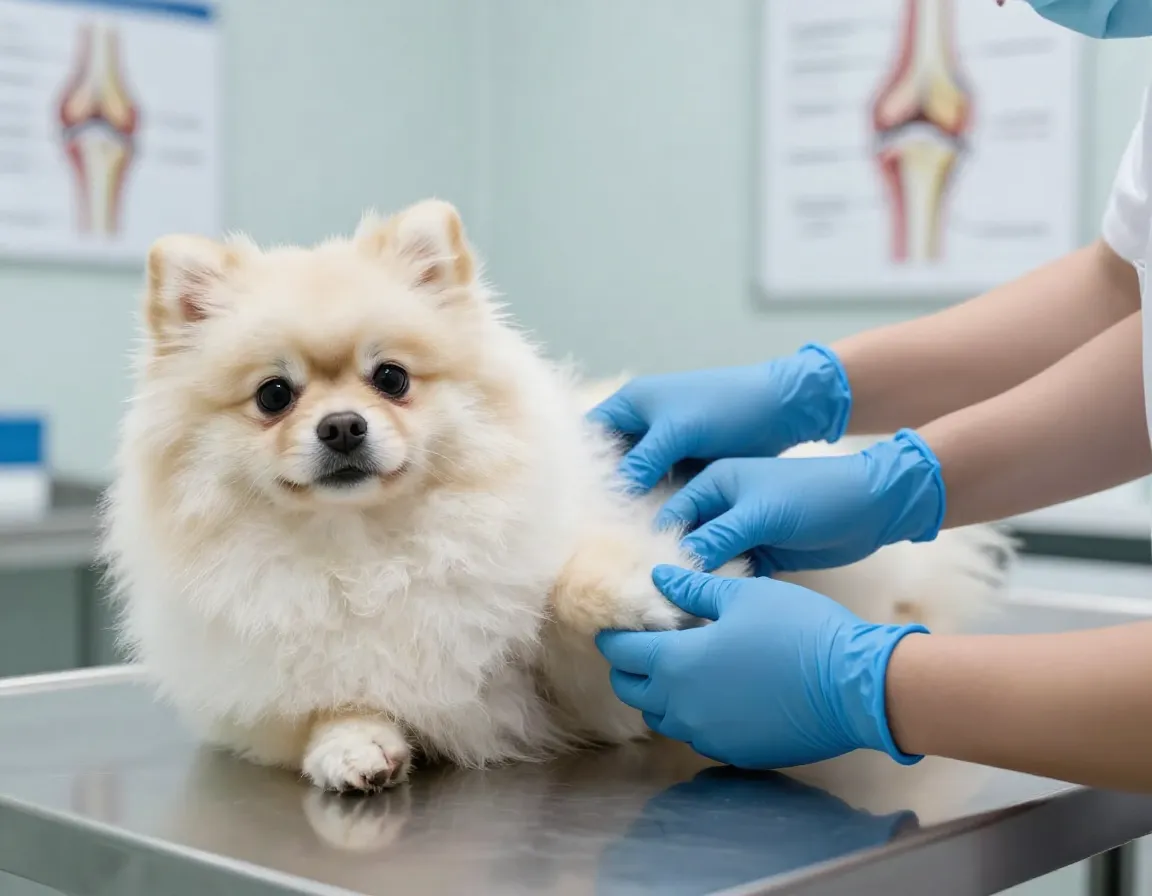
One of the most concerning health facts about Pomeranians involves their susceptibility to patellar luxation (kneecap dislocation). A comprehensive UK study found that Pomeranians have a 6.5% prevalence of this condition—the highest rate among all breeds studied [4].
Even more striking, a USA study revealed that Pomeranians have an odds ratio of 18.6 for developing patellar luxation compared to crossbred dogs [4]. This means Pomeranians are nearly 19 times more likely to experience knee problems than mixed breeds.
Patellar Luxation in Pomeranians:
- UK prevalence: 6.5% (highest among all breeds)
- USA odds ratio: 18.6 times higher than crossbreeds
- Severity levels: Grades 1-4 (from mild to severe)
- Treatment options: Physical therapy to surgical correction
Signs of Patellar Luxation:
- Intermittent limping or hopping
- Sudden yelping during play
- Reluctance to jump or climb stairs
- “Skipping” gait on one leg
Understanding this predisposition helps owners monitor their Pomeranians for early signs and seek appropriate veterinary care when needed.
6. Pomeranians Produce the Smallest Litters in the Dog World 🐕
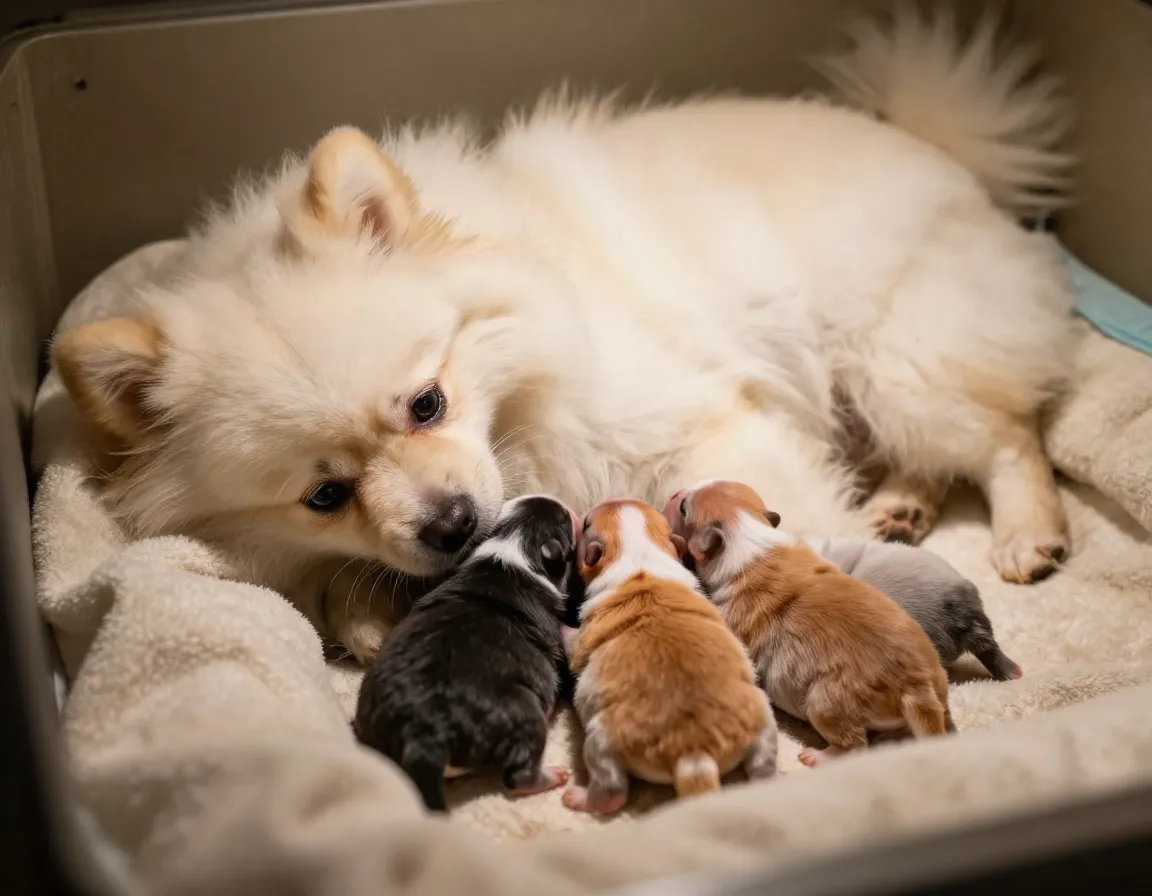
Pomeranian reproduction presents unique challenges due to their extremely small litter sizes. These tiny dogs average only 1.9 to 2.7 puppies per litter, making them one of the breeds with the smallest reproductive output [2][4].
This small litter size contributes to several important factors:
Economic Impact:
- Higher puppy prices due to limited supply
- Increased breeding costs per puppy
- Greater investment required from responsible breeders
Health Considerations:
- Easier delivery for small mothers
- More individual attention for each puppy
- Higher survival rates per puppy
Breeding Challenges:
- Limited genetic diversity within bloodlines
- Longer waiting lists for quality puppies
- Increased responsibility for breed preservation
The small litter size also means that responsible breeding practices are crucial for maintaining healthy genetic lines and preventing inbreeding depression.
7. Pomeranians Rank as America’s 22nd Most Popular Dog Breed 📊

Despite their small size, Pomeranians have achieved remarkable popularity in the United States. According to current American Kennel Club rankings, Pomeranians hold the 22nd position among the most popular dog breeds in America [2].
This ranking reflects several appealing characteristics:
Popularity Factors:
- Apartment-friendly size perfect for urban living
- Minimal exercise requirements suitable for busy lifestyles
- Loyal companionship and strong owner bonds
- Celebrity endorsements and social media presence
Demographic Appeal:
- Senior citizens: Manageable size and companionship
- Urban dwellers: Small space requirements
- First-time owners: Relatively simple care needs
- Empty nesters: Devoted companionship
The breed’s consistent popularity demonstrates that size doesn’t determine impact when it comes to winning human hearts.
8. These Tiny Dogs Retain Strong Protective Instincts from Their Sled Dog Heritage 🛡️
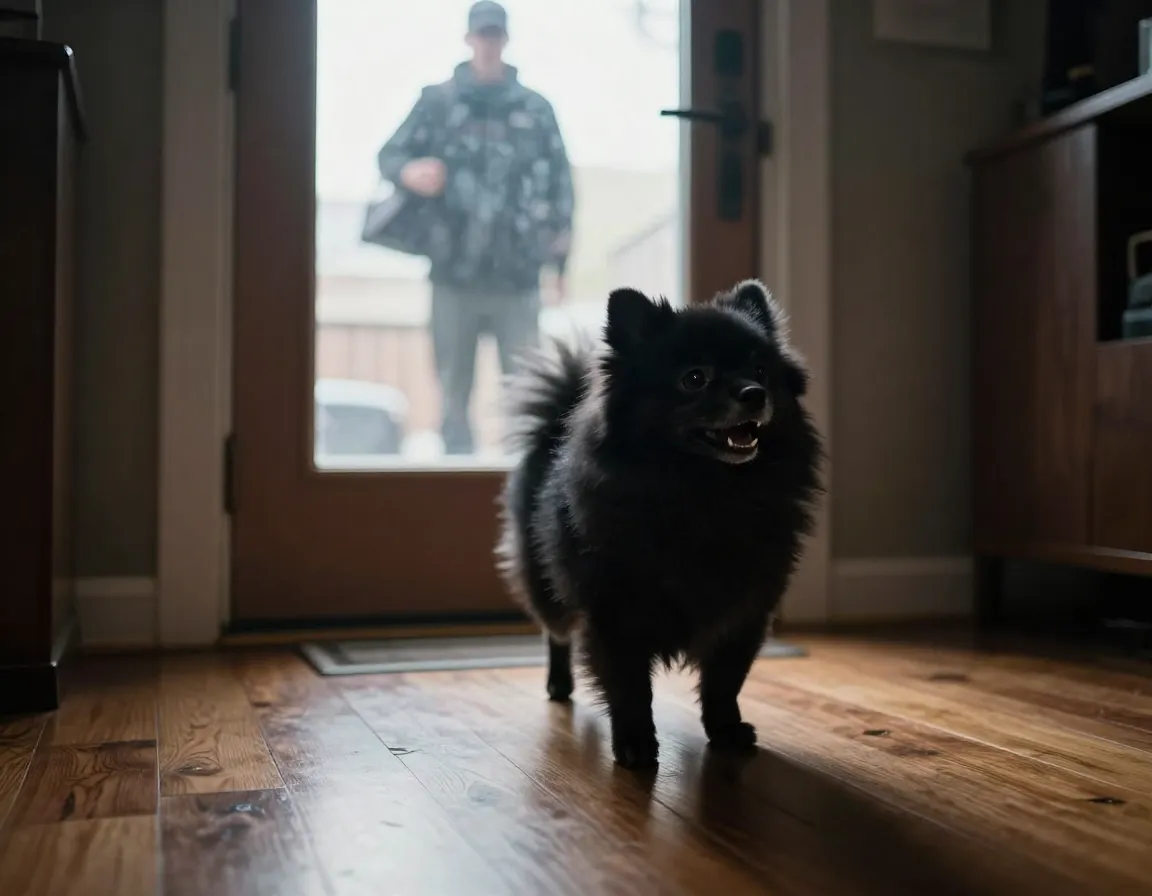
Perhaps the most surprising behavioral fact about Pomeranians is their retention of strong protective and alert instincts despite their diminutive size. These traits directly connect them to their sled dog ancestry and working dog heritage [7].
Protective Behaviors Include:
- Excessive barking at strangers or unusual sounds
- Territorial behavior around their home and family
- Fearless confrontation of much larger dogs
- Alert watchdog capabilities despite their size
Spitz Heritage Traits:
- High intelligence and problem-solving abilities
- Independent thinking and occasional stubborness
- Strong pack loyalty to their human family
- Weather resilience despite their small size
These protective instincts can be both beneficial and challenging for owners. While Pomeranians make excellent alert dogs, their fearless nature can sometimes put them in dangerous situations with larger animals.
Training Considerations:
- Early socialization to prevent excessive protective behavior
- Positive reinforcement to manage barking tendencies
- Consistent boundaries to channel protective instincts appropriately
- Size awareness training to prevent confrontations with larger dogs
Conclusion
These 8 surprising facts about the Pomeranian dog breed every owner should know reveal a complex and fascinating companion that defies expectations at every turn. From their origins as 30-pound sled dogs to their survival of maritime disasters, from royal endorsements to modern health challenges, Pomeranians embody resilience, adaptability, and unwavering loyalty in a tiny package.
Understanding these facts empowers current and prospective Pomeranian owners to provide better care, appreciate their pet’s unique heritage, and prepare for breed-specific challenges like patellar luxation and small litter sizes. The breed’s remarkable color variety, protective instincts, and enduring popularity demonstrate that Pomeranians have successfully evolved from working dogs to beloved companions while retaining their distinctive character.
Next Steps for Pomeranian Owners:
- Schedule regular veterinary checkups focusing on knee health and patellar luxation screening
- Research reputable breeders who health test for genetic conditions and maintain small, quality breeding programs
- Invest in early socialization and training to manage protective instincts and barking behaviors
- Learn about your Pomeranian’s specific color genetics and grooming requirements
- Connect with breed-specific communities to share experiences and learn from other dedicated Pomeranian enthusiasts
Whether you’re drawn to their royal history, impressed by their survival instincts, or simply charmed by their fluffy appearance, Pomeranians offer a unique blend of ancient heritage and modern companionship that continues to captivate dog lovers worldwide.
References
[1] Pomeranian – https://www.rover.com/blog/breeds/pomeranian/
[2] Pomeranian – https://www.dogfoodadvisor.com/breeds/pomeranian/
[3] Pomeranian – https://www.wisdompanel.com/en-us/dog-breeds/pomeranian
[4] Pomeranian Dog – https://en.wikipedia.org/wiki/Pomeranian_dog
[5] Fun Facts About Pomeranians – https://www.aspcapetinsurance.com/resources/fun-facts-about-pomeranians/
[6] Pomeranian Breed Information – https://bark.co/blogs/breeds/pomeranian-breed-information
[7] Pomeranian – https://www.petmd.com/dog/breeds/pomeranian
[8] Pomeranian – https://www.akc.org/dog-breeds/pomeranian/