
8 Socialization Benefits Your Dog Gets at a Dog Day Care Center
Picture this: your once-anxious pup transforms into a confident, well-mannered companion who greets other dogs with enthusiasm rather than fear. This remarkable transformation isn’t just wishful thinking—it’s the reality for thousands of dogs who experience the 8 socialization benefits your dog gets at a dog day care center. In 2026, as more pet parents recognize the critical importance of proper socialization, professional dog daycare facilities have become essential hubs for canine development and well-being.

Dog socialization extends far beyond simple playtime. It’s a comprehensive developmental process that shapes your furry friend’s emotional stability, behavioral patterns, and overall quality of life. Unlike unpredictable encounters at dog parks or random neighborhood meetings, daycare centers provide structured, supervised environments where dogs can safely learn, grow, and thrive alongside their peers.
Key Takeaways
- Professional supervision ensures safe, positive interactions that build confidence rather than create negative experiences
- Structured socialization reduces anxiety, aggression, and behavioral problems while improving communication skills
- Mental and physical stimulation in daycare settings prevents destructive behaviors and promotes overall health
- Consistent exposure to diverse dogs and people creates well-rounded, adaptable pets
- Expert-guided interactions teach proper play etiquette and bite inhibition that benefit dogs throughout their lives
The Science Behind Canine Socialization at Day Care Centers
Modern dog daycare facilities operate on scientifically-backed principles of animal behavior and development. Research consistently shows that dogs who receive regular, structured socialization experience measurable improvements in stress hormone levels, social competency, and overall behavioral stability [1]. These benefits stem from the carefully controlled environment that professional daycare centers provide.
Unlike random encounters in public spaces, daycare socialization follows established protocols designed to maximize positive outcomes. Trained staff members monitor every interaction, intervening when necessary to prevent negative experiences that could create lasting behavioral issues. This professional oversight ensures that each dog’s socialization journey progresses at an appropriate pace.
The controlled environment also allows for gradual exposure to new experiences. Dogs can meet others of different sizes, ages, and energy levels while feeling secure in a familiar space. This systematic approach builds confidence systematically rather than overwhelming anxious or inexperienced dogs.
Understanding the 8 Socialization Benefits Your Dog Gets at a Dog Day Care Center
1. Dramatic Reduction in Anxiety and Fear

One of the most significant advantages of daycare socialization involves the substantial decrease in anxiety-related behaviors. Dogs who regularly attend daycare show measurably lower cortisol levels while experiencing elevated dopamine and serotonin production [1][3]. This biochemical shift creates calmer, more content animals who approach new situations with confidence rather than fear.
Separation anxiety, a common issue affecting millions of dogs, often improves dramatically through daycare attendance. The structured routine and positive associations with being away from home help dogs develop independence and emotional resilience. Many pet parents report that their dogs actually look forward to daycare days, eagerly anticipating the social interactions and activities ahead.
The fear reduction extends beyond the daycare environment. Dogs who receive regular socialization become more adaptable to new situations, whether visiting the veterinarian, encountering strangers during walks, or experiencing changes in their home environment. This increased adaptability significantly improves their overall quality of life.
2. Development of Proper Social Manners and Etiquette
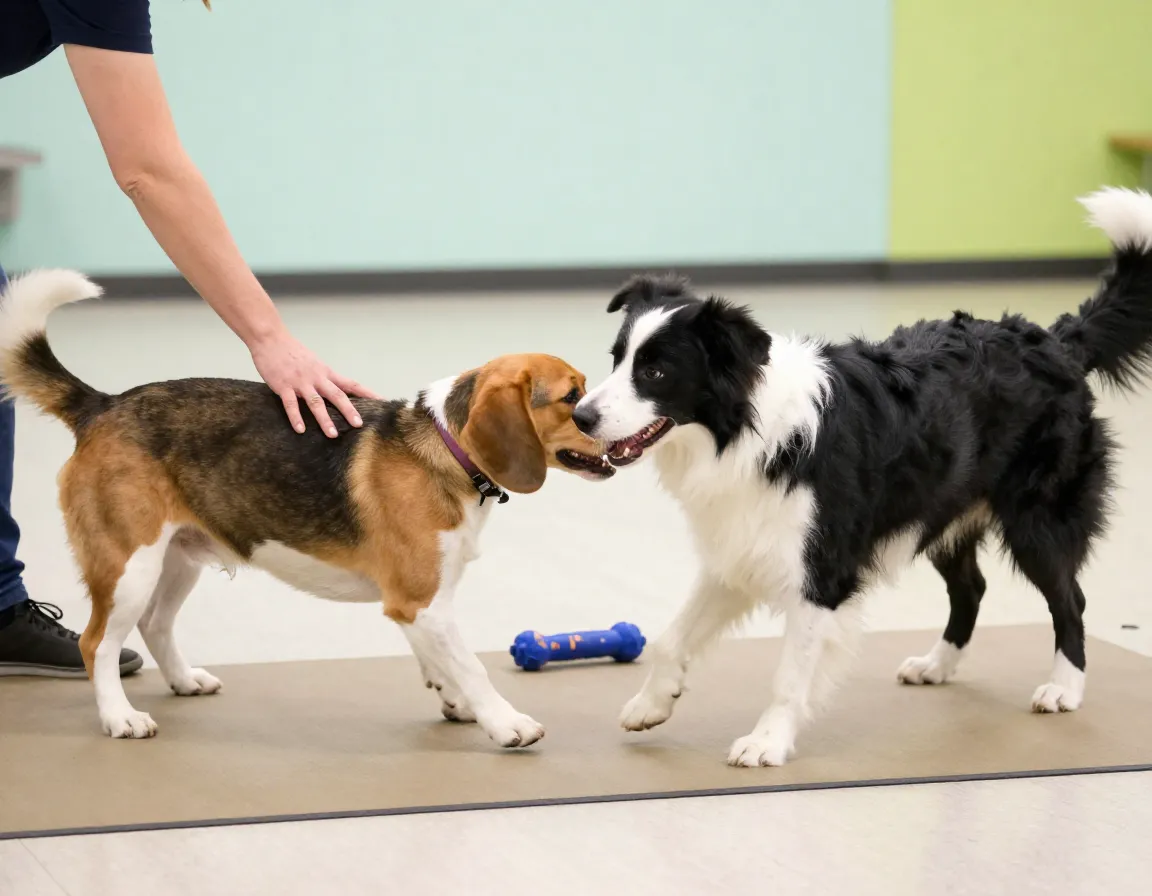
Professional daycare environments excel at teaching dogs the fundamental rules of canine social interaction. Through supervised peer relationships, dogs learn essential skills like proper play etiquette, toy sharing, and accurate body language interpretation [1][2]. These lessons prove invaluable throughout their lives.
Appropriate greeting behaviors develop naturally as dogs practice meeting new friends under expert supervision. Staff members guide interactions to ensure positive outcomes, correcting inappropriate behaviors before they become ingrained habits. Dogs learn to approach others calmly, read social cues accurately, and respond appropriately to different personality types.
The structured play sessions also teach impulse control and respect for boundaries. Dogs discover that pushy or overly aggressive behavior results in play cessation, while respectful interaction leads to continued fun. This natural consequence system effectively shapes behavior without creating fear or anxiety.
3. Significant Reduction in Aggressive Tendencies

Perhaps one of the most valuable benefits involves the substantial decrease in reactive and aggressive behaviors that properly socialized dogs exhibit [1][2]. Group interactions in caring, supervised environments help dogs overcome territorial instincts and defensive reactions that often stem from fear or uncertainty.
Dogs who might otherwise display resource guarding, leash reactivity, or territorial aggression learn to share space peacefully with others. The consistent positive experiences help rewire their emotional responses to potential triggers, replacing defensive reactions with calm confidence.
This aggression reduction benefits not only the individual dog but also creates safer communities. Well-socialized dogs pose fewer risks during walks, vet visits, or unexpected encounters with other animals or people.
4. Enhanced Mental Enrichment and Cognitive Development
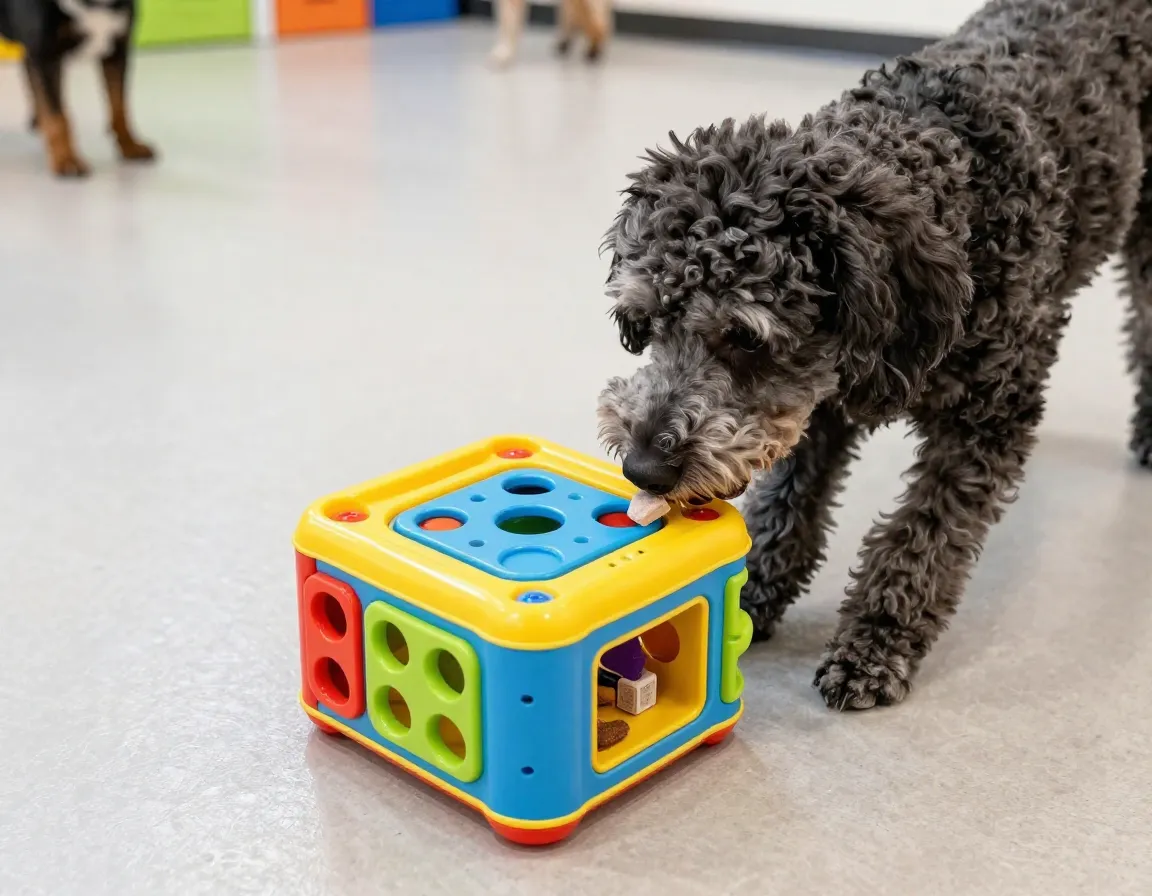
Daycare environments provide multifaceted mental stimulation that goes far beyond simple exercise. The combination of social interaction, problem-solving activities, and environmental exploration creates comprehensive cognitive enrichment [1][4]. This mental engagement prevents the destructive behaviors that often result from boredom and understimulation.
Structured play activities challenge dogs intellectually while providing physical exercise. Puzzle toys, agility courses, and interactive games stimulate different aspects of cognitive function, keeping minds sharp and engaged. The variety ensures that dogs with different interests and abilities find appropriate challenges.
The social aspect adds another layer of mental complexity. Dogs must constantly read social cues, make decisions about interactions, and adapt their behavior based on the responses of others. This ongoing mental exercise strengthens cognitive flexibility and problem-solving abilities.
5. Substantial Physical Health Improvements
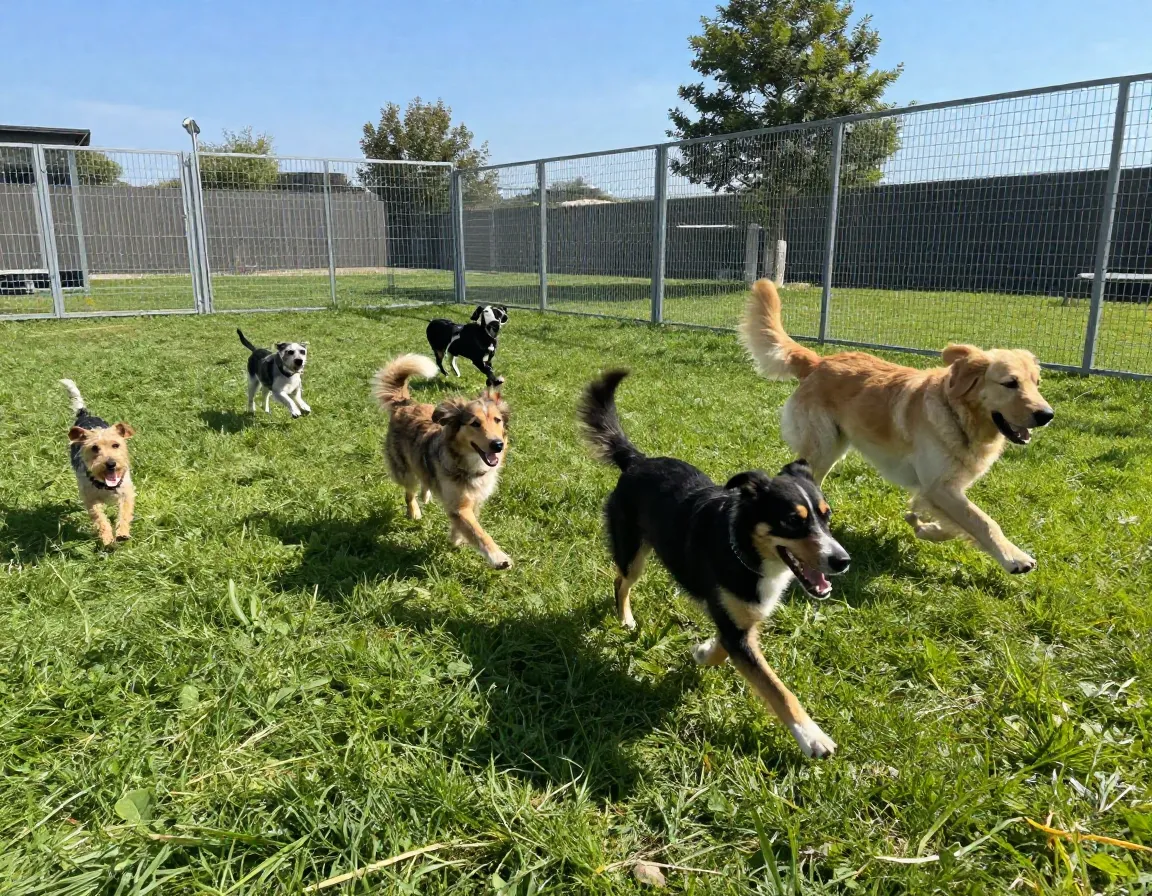
The physical benefits of daycare socialization extend well beyond basic exercise. Active group play provides cardiovascular conditioning that’s difficult to achieve through individual activities [1][4]. The varied movements involved in social play—running, jumping, wrestling, and chasing—engage different muscle groups and promote overall fitness.
Weight management becomes easier for dogs who receive regular daycare exercise. The high-energy activities burn significant calories while building lean muscle mass. This physical conditioning helps prevent obesity-related health issues and supports joint health throughout the dog’s life.
The cardiovascular benefits are particularly significant for breeds prone to heart conditions. Regular, sustained activity strengthens the heart muscle and improves circulation, contributing to longer, healthier lives.
6. Remarkable Confidence Building for Shy Dogs

Even naturally timid or anxious dogs experience significant confidence improvements through carefully managed daycare socialization [1][3]. The safe, supervised environment allows shy dogs to observe and interact at their own pace without pressure or overwhelming experiences.
Positive exposure therapy occurs naturally as nervous dogs witness other animals playing and interacting safely. They gradually realize that social interaction can be enjoyable rather than threatening. Staff members facilitate these interactions carefully, ensuring that shy dogs never feel cornered or overwhelmed.
The confidence gained in daycare settings transfers to other areas of the dog’s life. Previously fearful animals often become more willing to explore new environments, meet new people, and try new experiences. This increased confidence significantly improves their overall quality of life.
7. Dramatically Improved Behavior at Home

Well-socialized dogs consistently demonstrate better behavior in their home environments [1][3]. The mental and physical stimulation received at daycare reduces destructive behaviors like excessive chewing, digging, or attention-seeking activities. Tired, content dogs are naturally calmer and more receptive to training.
The structure and routine of daycare attendance create behavioral expectations that dogs carry into their home lives. They learn to follow rules, respect boundaries, and respond appropriately to guidance from authority figures. This foundation makes home training more effective and enjoyable for both dogs and their families.
Impulse control developed through daycare interactions helps dogs make better choices at home. They’re less likely to engage in problematic behaviors like counter surfing, excessive barking, or inappropriate chewing because they’ve learned to think before acting.
8. Advanced Communication Skills and Bite Inhibition

Professional daycare environments excel at teaching sophisticated communication skills that serve dogs throughout their lives [2][5]. Through interactions with various breeds, sizes, and personalities, dogs learn to communicate effectively using body language, vocalizations, and appropriate physical contact.
Bite inhibition—the ability to control the force of their mouths—develops naturally through play with other dogs. When puppies or young dogs bite too hard during play, their playmates provide immediate feedback by stopping the interaction. This natural consequence system teaches dogs to moderate their bite force effectively.
The communication skills extend to human interactions as well. Dogs who regularly interact with daycare staff become comfortable with various people and learn to respond appropriately to human cues and commands. This adaptability makes them more enjoyable companions and easier to manage in various situations.
Comparing Daycare Socialization to Other Options
Professional Supervision vs. Unsupervised Play
Unlike dog parks where supervision varies widely and conflicts can escalate quickly, professional daycare staff monitor all interactions continuously [1][3]. This oversight prevents minor disagreements from becoming serious incidents while ensuring that positive behaviors receive reinforcement.
The staff training makes a crucial difference in outcomes. Professional caregivers understand canine body language, recognize early warning signs of stress or conflict, and know how to intervene appropriately. This expertise creates consistently positive experiences that build confidence rather than creating trauma.
Structured Environment vs. Random Encounters
Daycare facilities provide predictable routines and familiar environments that help dogs feel secure while socializing [3]. This security allows them to focus on learning and playing rather than worrying about potential threats or unknown variables.
The structured approach also ensures appropriate playmate matching. Staff members group dogs based on size, energy level, and personality compatibility, creating optimal conditions for positive interactions. This thoughtful pairing prevents mismatched encounters that could create negative associations.
Maximizing the Benefits: What to Look for in a Quality Daycare
Staff Qualifications and Training
Quality daycare facilities employ trained professionals who understand canine behavior, safety protocols, and proper intervention techniques. Look for facilities where staff members have certifications in animal behavior or extensive experience working with dogs.
Facility Design and Safety Features
Well-designed daycare spaces include separate areas for different dog sizes, secure fencing, and appropriate flooring that provides traction while being easy to clean. The layout should allow for easy supervision and quick access to all areas.
Health and Safety Protocols
Reputable facilities require current vaccinations, conduct behavioral assessments before admission, and maintain strict cleaning protocols. These measures protect all dogs while ensuring a healthy environment for socialization.
Long-term Impact on Dog Development
The 8 socialization benefits your dog gets at a dog day care center create lasting positive changes that extend well beyond the daycare experience. Dogs who receive quality early socialization maintain their social skills throughout their lives, adapting more easily to changes and new experiences.
Behavioral stability developed through daycare attendance helps dogs navigate life’s challenges with greater resilience. They’re better equipped to handle moves, family changes, new pets, or other disruptions that might overwhelm less socialized animals.
The investment in professional socialization pays dividends in reduced veterinary costs, fewer behavioral problems, and enhanced quality of life for both dogs and their families. Well-socialized dogs are simply easier to live with and more enjoyable as companions.
Conclusion
The 8 socialization benefits your dog gets at a dog day care center represent far more than simple entertainment or exercise. These professional environments provide comprehensive developmental experiences that shape confident, well-adjusted, and socially competent dogs. From anxiety reduction and improved communication skills to better physical health and enhanced confidence, quality daycare socialization creates positive changes that last a lifetime.
Take action today by researching reputable daycare facilities in your area. Schedule visits to observe their operations, meet the staff, and assess whether their approach aligns with your dog’s needs. Ask about their socialization protocols, safety measures, and staff qualifications to ensure you’re choosing a facility that will provide the maximum benefits for your furry family member.
Remember that consistency is key to maximizing socialization benefits. Regular attendance allows dogs to build lasting relationships and maintain their social skills over time. Whether your dog is a shy puppy needing confidence building or an adult dog requiring behavioral refinement, professional daycare socialization offers invaluable opportunities for growth and development.
The investment in quality socialization today creates a foundation for years of improved behavior, enhanced confidence, and deeper bonds with both canine and human companions. Your dog deserves the opportunity to develop their full social potential—and you deserve the peace of mind that comes with having a well-adjusted, confident companion by your side.
References
[1] The Benefits Of Socialization For Dogs And How Daycare Helps – https://www.loganshouse.com/the-benefits-of-socialization-for-dogs-and-how-daycare-helps
[2] Why Combine Dog Day Care With Training The Benefits Of Balanced Play And Learning – https://topdogtrainingandresort.com/why-combine-dog-day-care-with-training-the-benefits-of-balanced-play-and-learning/
[3] Does Your Dog Need Socialization Why Dog Daycare Is Key – https://thegrandpaw.com/does-your-dog-need-socialization-why-dog-daycare-is-key/
[4] Doggy Daycare The Good The Bad And The Reality – https://londontopdoggydaycare.co.uk/doggy-daycare-the-good-the-bad-and-the-reality/
[5] 9 Reasons Dog Daycare Essential Working Pet Owners – https://www.veryimportantpaws.com/9-reasons-dog-daycare-essential-working-pet-owners/