8 Must-Know Tips for First-Time Dogs Husky Puppy Owners
Picture this: those piercing blue eyes, that fluffy coat, and an energy level that could power a small city. 🐺 Siberian Huskies are undeniably captivating, but bringing home your first Husky puppy is like adopting a furry tornado with the intelligence of Einstein and the mischief of a toddler. These Arctic athletes aren’t your average lap dogs—they’re working dogs bred for endurance, intelligence, and independence. For first-time Husky owners, the journey ahead requires preparation, patience, and a solid understanding of what makes these magnificent creatures tick. The 8 Must-Know Tips for First-Time Dogs Husky Puppy Owners outlined in this comprehensive guide will transform your puppy parenting experience from overwhelming chaos to confident companionship.
Key Takeaways
- Exercise is non-negotiable: Husky puppies require a minimum of 2+ hours of daily exercise, starting with short 5-10 minute walks and gradually increasing as they mature
- Consistency creates success: Establish regular schedules for feeding (twice daily), potty breaks (every 1-2 hours), and training sessions to build trust and routine
- Mental stimulation prevents destruction: Provide puzzle toys, chew outlets, and engaging activities to satisfy their intelligent minds and prevent behavioral issues
- Early socialization is critical: Expose your puppy to various environments, people, and vaccinated dogs during their developmental window for confident adult behavior
- Grooming is intensive: Brush 3-4 times weekly, trim nails every 3-4 weeks, and maintain regular dental care to keep your Husky healthy and comfortable
Understanding the Unique Needs of Husky Puppies
1. Master the Art of High-Energy Exercise Requirements
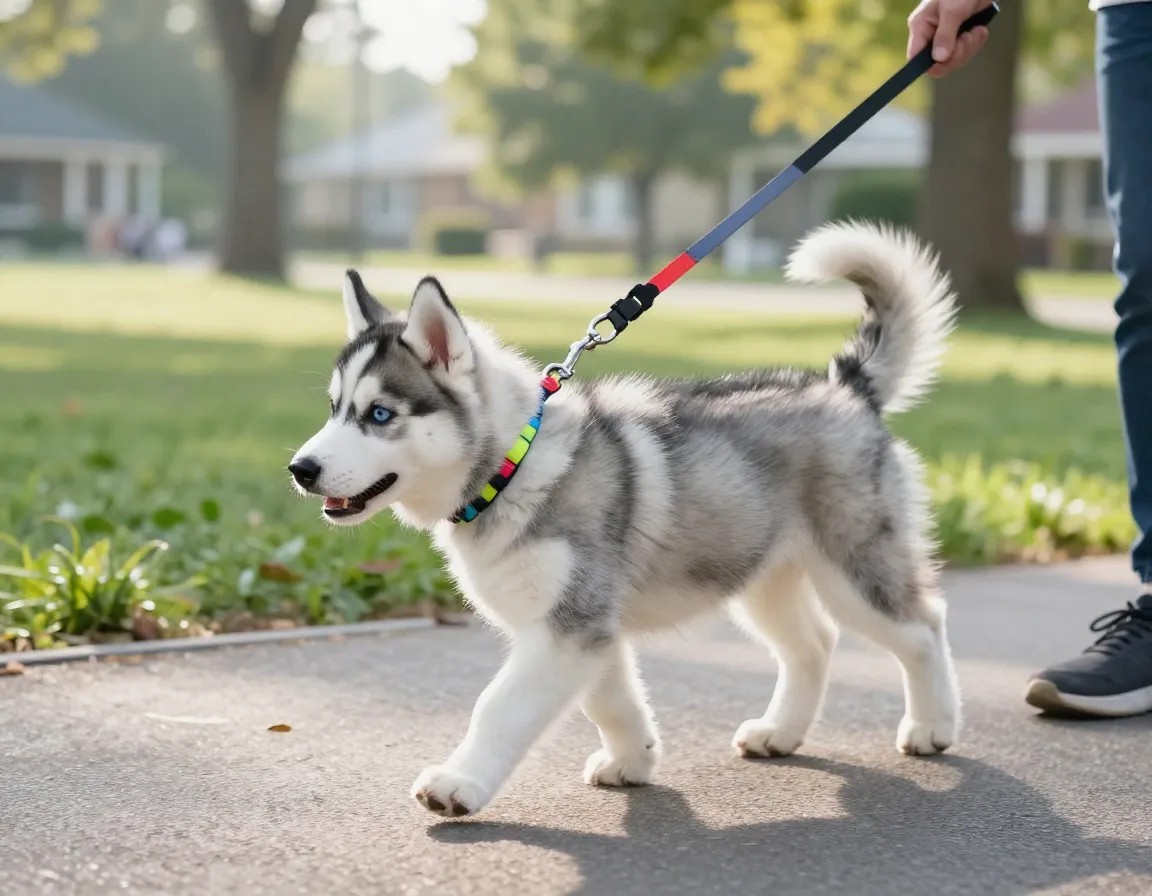
The foundation of successful Husky ownership begins with understanding their extraordinary exercise needs. These dogs weren’t bred to lounge on sofas—they were designed to pull sleds across frozen tundra for hours. Huskies require a minimum of two hours of exercise each day, including walks, runs, hikes, or playtime in securely fenced areas to prevent restlessness and anxiety [6].
For puppies, the approach requires careful calibration. Start with short leash walks of 5–10 minutes as puppies, gradually increasing duration and intensity as they grow [3]. This progressive approach protects developing joints while satisfying their innate need for movement.
Effective Exercise Strategies for Husky Puppies:
- Morning energy burn: 15-20 minute walk or supervised yard play
- Midday mental stimulation: Puzzle toys and training sessions
- Evening adventure: Longer walk or hike (age-appropriate)
- Weekend activities: Dog park visits, hiking trails, or beach runs
“A tired Husky is a good Husky. Without adequate exercise, these intelligent dogs will create their own entertainment—and you probably won’t like their choices.”
Warning signs of insufficient exercise include excessive barking, destructive chewing, digging, and hyperactive behavior indoors. Remember, physical exercise alone isn’t enough—Huskies need mental challenges to truly feel satisfied.
2. Establish Rock-Solid Feeding and Nutrition Routines

Consistent feeding schedules form the backbone of successful house training and healthy development. Feed puppies twice daily at regular intervals to support proper digestion and establish predictable bathroom routines [1]. This consistency helps regulate their internal clock and makes house training significantly easier.
Optimal Feeding Schedule for Husky Puppies:
- Morning meal: 7:00-8:00 AM
- Evening meal: 5:00-6:00 PM
- Consistent timing: Feed at the same times daily [3]
Monitor your puppy’s weight carefully during growth phases. A typical 8-week-old Siberian Husky puppy weighs approximately 10–15 pounds [2]. Rapid weight gain or loss can indicate feeding issues or health concerns requiring veterinary attention.
Key Nutritional Considerations:
- High-quality puppy food: Choose formulas designed for large, active breeds
- Portion control: Follow manufacturer guidelines but adjust based on activity level
- Fresh water: Always available, especially after exercise sessions
- Treat moderation: Limit treats to 10% of daily caloric intake
3. Perfect the House Training Formula
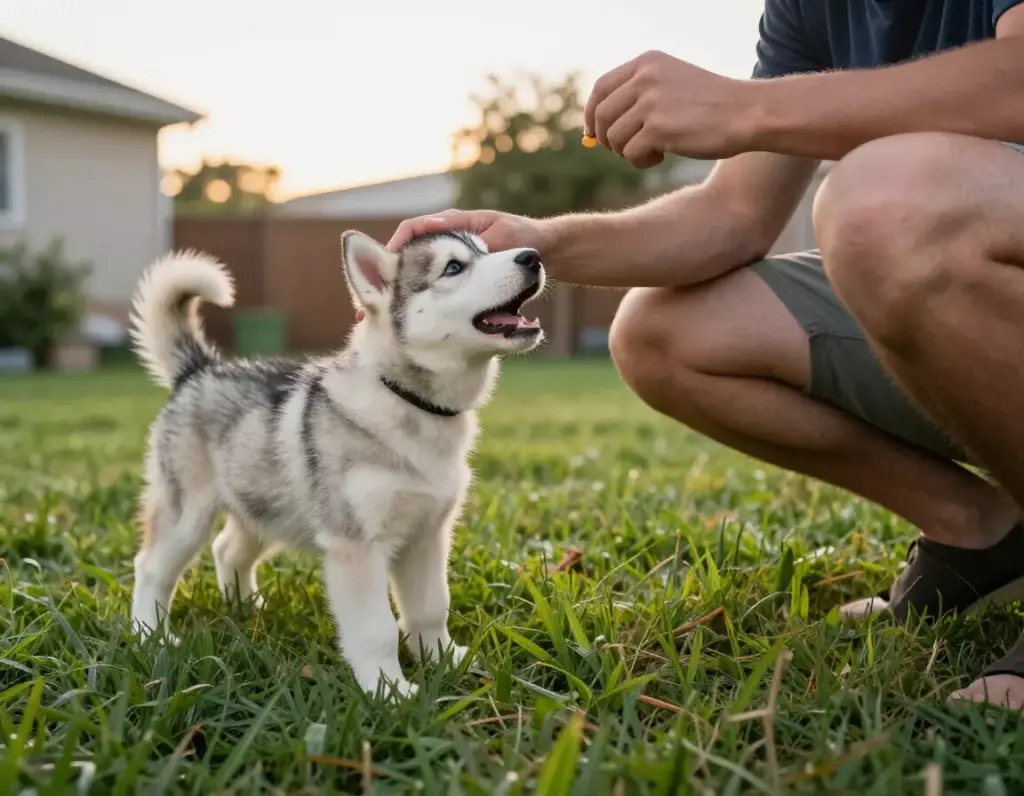
House training success depends on frequency, consistency, and positive reinforcement. Take your puppy outside every 1–2 hours, especially after meals, naps, and playtime [1][3]. This frequent schedule prevents accidents and reinforces appropriate elimination locations.
The Husky House Training Timeline:
| Puppy Age | Bathroom Break Frequency | Expected Control |
|---|---|---|
| 8-10 weeks | Every 1 hour | Minimal control |
| 10-12 weeks | Every 1.5 hours | Slight improvement |
| 12-16 weeks | Every 2 hours | Developing patterns |
| 4-6 months | Every 3-4 hours | Good control |
Essential House Training Principles:
- Immediate praise: Reward successful outdoor elimination with enthusiastic praise and treats
- No punishment: Never scold accidents—clean thoroughly and increase supervision
- Consistent location: Use the same outdoor spot to build association
- Crate training: Utilize natural den instincts to encourage holding behavior
4. Navigate the Grooming Gauntlet
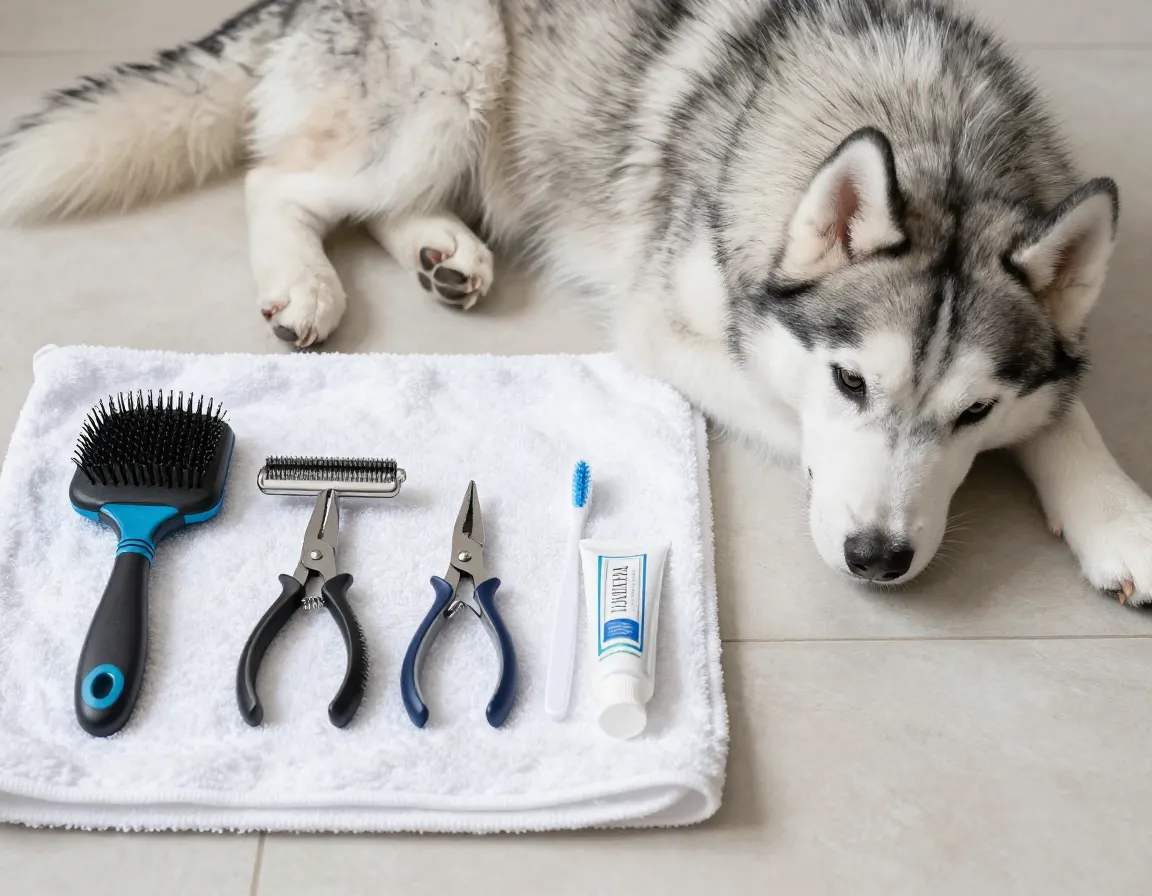
Intensive grooming isn’t optional for Huskies—it’s essential for their health and your sanity. These double-coated beauties require dedicated maintenance to manage their impressive shedding and prevent matting.
Weekly Grooming Schedule:
- Brushing: 3-4 times per week, increasing during shedding seasons [2]
- Nail trimming: Every 3-4 weeks to prevent discomfort and posture issues [3]
- Dental care: Brush teeth 2-3 times weekly with dog-safe toothpaste [3]
- Bathing: Every 2-3 months or when necessary, using mild shampoo [3]
Grooming Tools Every Husky Owner Needs:
- Undercoat rake: Essential for removing loose undercoat
- Slicker brush: Daily maintenance and surface brushing
- Nail clippers: Guillotine or scissor-type for regular trims
- Dog toothbrush: Soft bristles designed for canine mouths
- High-velocity dryer: Professional-grade for thorough drying
Pro Tip: Start grooming routines early to build tolerance. Many adult Huskies who resist grooming weren’t properly conditioned as puppies.
Building Strong Foundations Through Training and Environment
5. Implement Early Training and Socialization Strategies
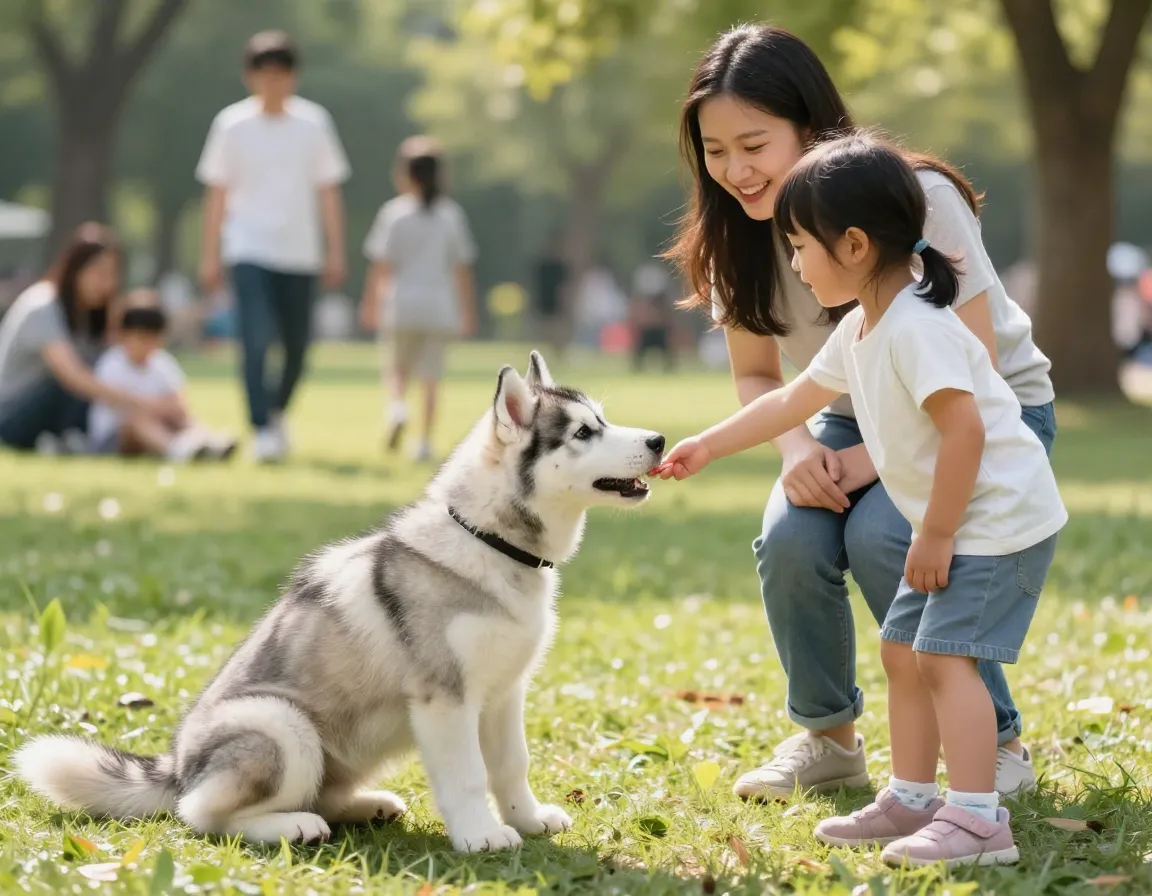
The window for optimal socialization closes around 16 weeks, making early exposure critical for well-adjusted adult behavior. Start with basic commands like ‘sit’, ‘stay’, and ‘come’ using positive reinforcement techniques [2]. Huskies are intelligent but independent, requiring patient, consistent training approaches.
Essential Training Milestones:
Week 8-10: Foundation Building
- Basic name recognition
- Simple “sit” command
- Crate introduction
- Gentle handling exercises
Week 10-14: Skill Development
- “Stay” and “come” commands
- Leash walking basics
- Social exposure to new people
- Supervised dog interactions
Week 14-16: Advanced Preparation
- Recall training in secure areas
- Public space exposure
- Car travel conditioning
- Grooming tolerance building
Socialization Checklist for First-Time Husky Owners:
- ✅ Various environments: Parks, streets, pet stores, vet offices
- ✅ Different people: Children, elderly, people in uniforms
- ✅ Other animals: Vaccinated dogs, cats (if applicable), small animals
- ✅ Sounds and surfaces: Traffic noise, different flooring, stairs
- ✅ Handling exercises: Paw touching, mouth examination, ear cleaning
Use consistent daily schedules for feeding, potty breaks, playtime, and training to build trust and predictability [2].
6. Create a Puppy-Safe Environment
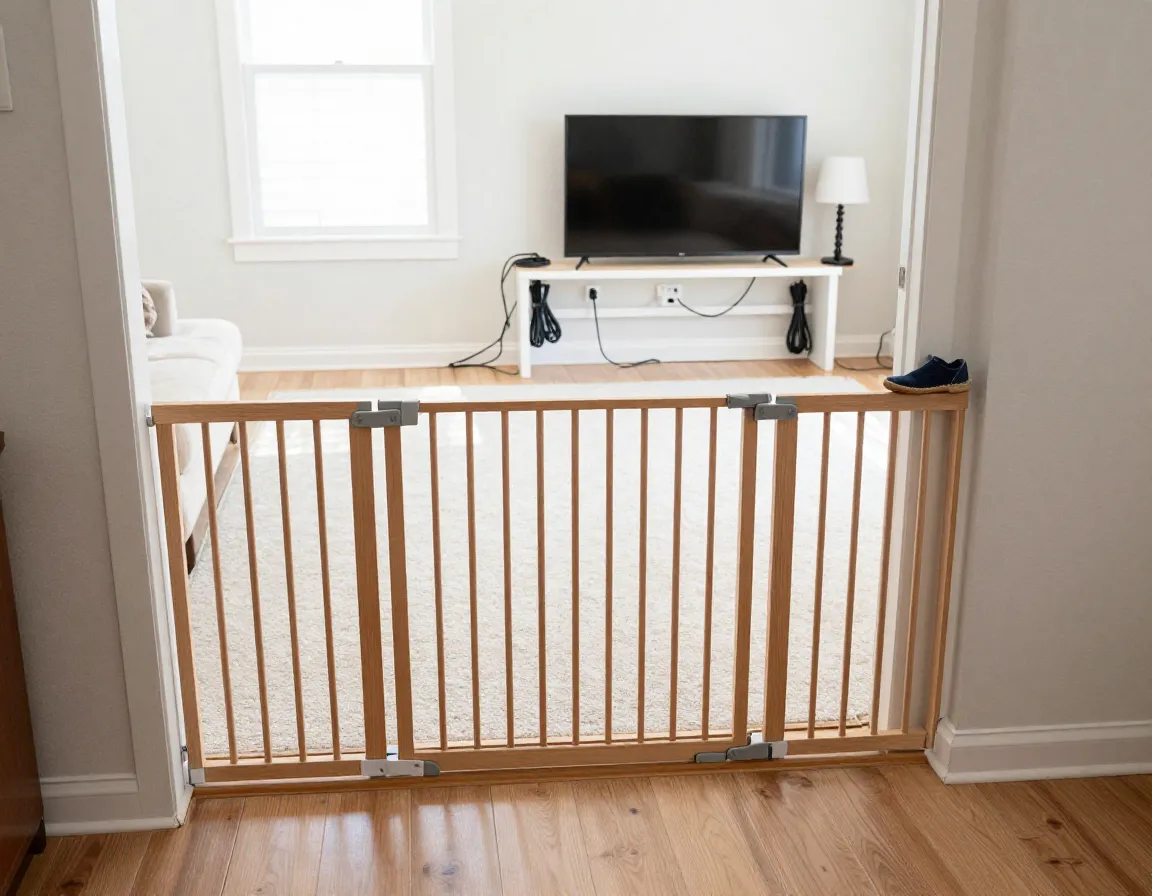
Husky puppies are notorious escape artists and destructive chewers, making thorough puppy-proofing essential. These intelligent dogs can open cabinets, unlatch gates, and find hazards you never considered dangerous.
Room-by-Room Puppy-Proofing Guide:
Living Areas:
- Secure or remove electrical cords and chargers
- Eliminate small objects that pose choking hazards
- Remove or elevate toxic plants (lilies, azaleas, chocolate plants)
- Install baby gates to control access [2]
Kitchen:
- Child-proof cabinet latches on lower cabinets
- Secure trash cans with tight-fitting lids
- Remove access to cleaning supplies and chemicals
- Block access to appliance cords
Bedrooms:
- Remove shoes, socks, and small clothing items
- Secure jewelry and small accessories
- Block access under beds where puppies might get stuck
- Remove or secure any medications
Outdoor Spaces:
- Fence height: Minimum 6 feet—Huskies are excellent jumpers
- Fence integrity: Check for gaps, loose boards, or dig-prone areas
- Garden safety: Remove toxic plants and secure garden tools
- Pool safety: Block access or install safety barriers
7. Provide Mental Stimulation and Appropriate Outlets
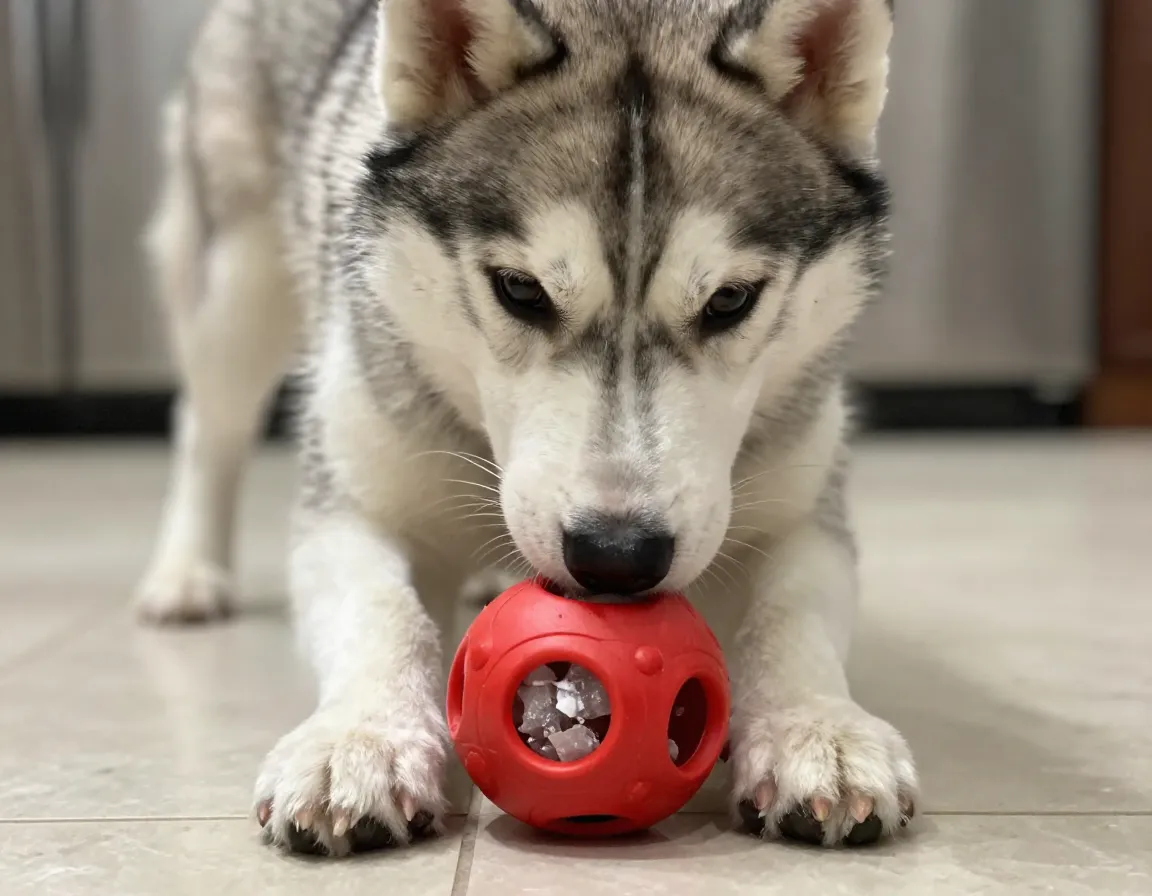
A bored Husky is a destructive Husky. These intelligent dogs require mental challenges to prevent behavioral problems like excessive chewing, digging, and escape attempts [2][3].
Mental Stimulation Toolkit:
Puzzle Toys and Games:
- Treat-dispensing toys: Kong toys stuffed with frozen treats
- Puzzle feeders: Slow-feeding bowls that require problem-solving
- Hide-and-seek games: Hide treats around the house for discovery
- Scent work: Teaching “find it” games with favorite toys
Appropriate Chewing Outlets:
- Antler chews: Long-lasting, natural option for heavy chewers
- Rope toys: Satisfying texture for teething puppies
- Frozen treats: Ice cubes with treats frozen inside
- Rotating toy selection: Prevent boredom by cycling available toys
Training as Mental Exercise:
- Daily training sessions: 10-15 minutes of focused learning
- Trick training: Teaching fun behaviors like “spin” or “play dead”
- Obedience practice: Reinforcing basic commands in new environments
- Agility introduction: Simple obstacles for physical and mental challenges
“Mental exhaustion is just as important as physical exhaustion for Huskies. A 15-minute training session can be as tiring as a 30-minute walk.”
8. Prioritize Preventive Health Care and Joint Protection

Proactive veterinary care and joint health protection set the foundation for a long, healthy life. Huskies are generally healthy dogs, but certain genetic predispositions require early attention and prevention strategies.
Essential Health Care Schedule:
8-12 Weeks:
- Initial veterinary examination
- First round of core vaccinations
- Parasite screening and deworming
- Microchip identification
12-16 Weeks:
- Second vaccination series
- Heartworm prevention initiation
- Spay/neuter consultation
- Joint health assessment
4-6 Months:
- Final puppy vaccinations
- Dental health evaluation
- Growth rate monitoring
- Behavior assessment
Joint Health Protection Strategies:
Consider adding glucosamine and chondroitin supplements early to support developing joints and prevent hip dysplasia, a concern in the breed [3]. While not all Huskies develop joint issues, early intervention provides the best protection.
Recommended Joint Health Practices:
- Controlled exercise: Avoid excessive jumping or running on hard surfaces
- Weight management: Prevent excess weight stress on developing joints
- Quality nutrition: Choose foods with joint-supporting ingredients
- Regular monitoring: Watch for limping, stiffness, or reluctance to exercise
Dental Care Foundation:
Begin dental care early by brushing teeth 2–3 times per week with dog-safe toothpaste [3]. Huskies are prone to dental issues, making early intervention crucial for long-term oral health.
Conclusion
Successfully raising a Husky puppy requires dedication, consistency, and a deep understanding of their unique needs. These 8 Must-Know Tips for First-Time Dogs Husky Puppy Owners provide the roadmap for transforming your energetic bundle of fur into a well-adjusted, happy companion. Remember that Huskies aren’t the right fit for every household—they require active owners committed to meeting their substantial exercise, mental stimulation, and grooming needs.
Your next steps should include:
- Assess your lifestyle honestly: Ensure you can commit 2+ hours daily to exercise and engagement
- Find a reputable veterinarian: Establish care before bringing your puppy home
- Invest in quality supplies: Proper tools make training and care significantly easier
- Connect with local Husky communities: Join breed-specific groups for ongoing support and advice
- Prepare for the long haul: Huskies live 12-15 years—this is a significant commitment
The journey of Husky ownership isn’t always easy, but for those willing to meet their needs, these remarkable dogs offer unparalleled loyalty, intelligence, and adventure. Start implementing these strategies from day one, remain consistent with your approach, and prepare for a rewarding relationship with one of the most captivating breeds in the canine world. Your future self—and your well-adjusted Husky—will thank you for the foundation you build today.
References
[1] Bringing Home Your New Husky Puppy A Comprehensive Step By Step Guide – https://bamahuskies.com/bringing-home-your-new-husky-puppy-a-comprehensive-step-by-step-guide/
[2] 4 Essential Steps To Care For Your Baby Husky – https://jetpetresort.com/blog/puppy/4-essential-steps-to-care-for-your-baby-husky/
[3] The Husky Breed Comprehensive Care Nutrition Training And Vaccine Guide For Huskies – https://vetic.in/blog/breed/the-husky-breed-comprehensive-care-nutrition-training-and-vaccine-guide-for-huskies/
[4] A Guide To Puppy Breeds Siberian Husky – https://www.thepuppyacademy.com/blog/2021/12/27/a-guide-to-puppy-breeds-siberian-husky
[5] Siberian Husky – https://www.vidavetcare.com/dog-breed/siberian-husky/
[6] Siberian Husky Faqs Care Training Health Tips 2025 – https://www.lancasterpuppies.com/pet-advice/siberian-husky-faqs-care-training-health-tips-2025.html
[7] Husky Puppy Guide – https://www.trustedhousesitters.com/blog/pets/husky-puppy-guide/