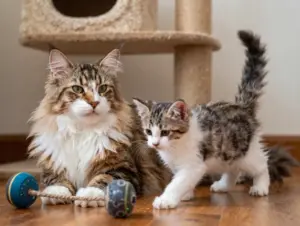
8 Must-Know Tips Before Bringing Home Turkish Van Cats & Kittens
Only about 100 Turkish Van kittens are registered in the United States each year, making this ancient breed one of the rarest domestic cats you can own — and one of the most misunderstood. Many new owners expect a calm, cuddly lap cat and instead find themselves living with a fast-moving, water-loving, opinionated athlete who has very specific ideas about how the household should run. If you are considering adding one of these beautiful animals to your family, knowing the 8 Must-Know Tips Before Bringing Home Turkish Van Cats & Kittens could be the difference between a smooth transition and a chaotic first year.

This guide covers everything from their legendary love of water to their need for vertical space, their complex social dynamics, and their surprisingly low-maintenance coat. Whether you are a first-time cat owner or an experienced feline enthusiast, these tips will help you prepare your home, set realistic expectations, and build a strong bond with your new Turkish Van.
Key Takeaways 📌
- Turkish Vans are high-energy, active cats that need vertical space, enrichment, and outlets for play — at every age.
- They love water and require specific safety precautions around toilets, tanks, and open water sources.
- Their semi-longhair coat is easier to maintain than it looks — weekly brushing is usually enough.
- Early boundary-setting is critical because these intelligent cats will test limits and learn from your reactions.
- They are vocal, independent, and dominant — not ideal for every household, but deeply rewarding for the right owner.
Understanding the Turkish Van: A Rare Breed With a Big Personality
Before diving into the 8 Must-Know Tips Before Bringing Home Turkish Van Cats & Kittens, it helps to understand where this breed comes from and what makes it so unique.
The Turkish Van is one of the oldest naturally occurring cat breeds in the world. It originates from the Lake Van region of eastern Turkey, where it developed over thousands of years in a rugged, semi-arid environment [1]. That history shaped a cat that is physically powerful, mentally sharp, and deeply self-reliant. The breed is sometimes called the “Swimming Cat” because of its well-documented attraction to water — a trait that sets it apart from nearly every other domestic breed [4].
In 2026, Turkish Vans remain rare outside of specialty breeders. Their distinctive appearance — a mostly white body with colored markings only on the head and tail — is called the “Van pattern,” and it is now used to describe similar color patterns in other breeds as well [7]. But beyond their looks, it is their personality that truly defines them.
💬 “Turkish Vans don’t follow your schedule — they set the pace in a household.” — WoPet [2]
Understanding this personality upfront will help you apply each of the tips below with confidence.
The 8 Must-Know Tips Before Bringing Home Turkish Van Cats & Kittens
1. Prepare Vertical Space Before Your Cat Arrives
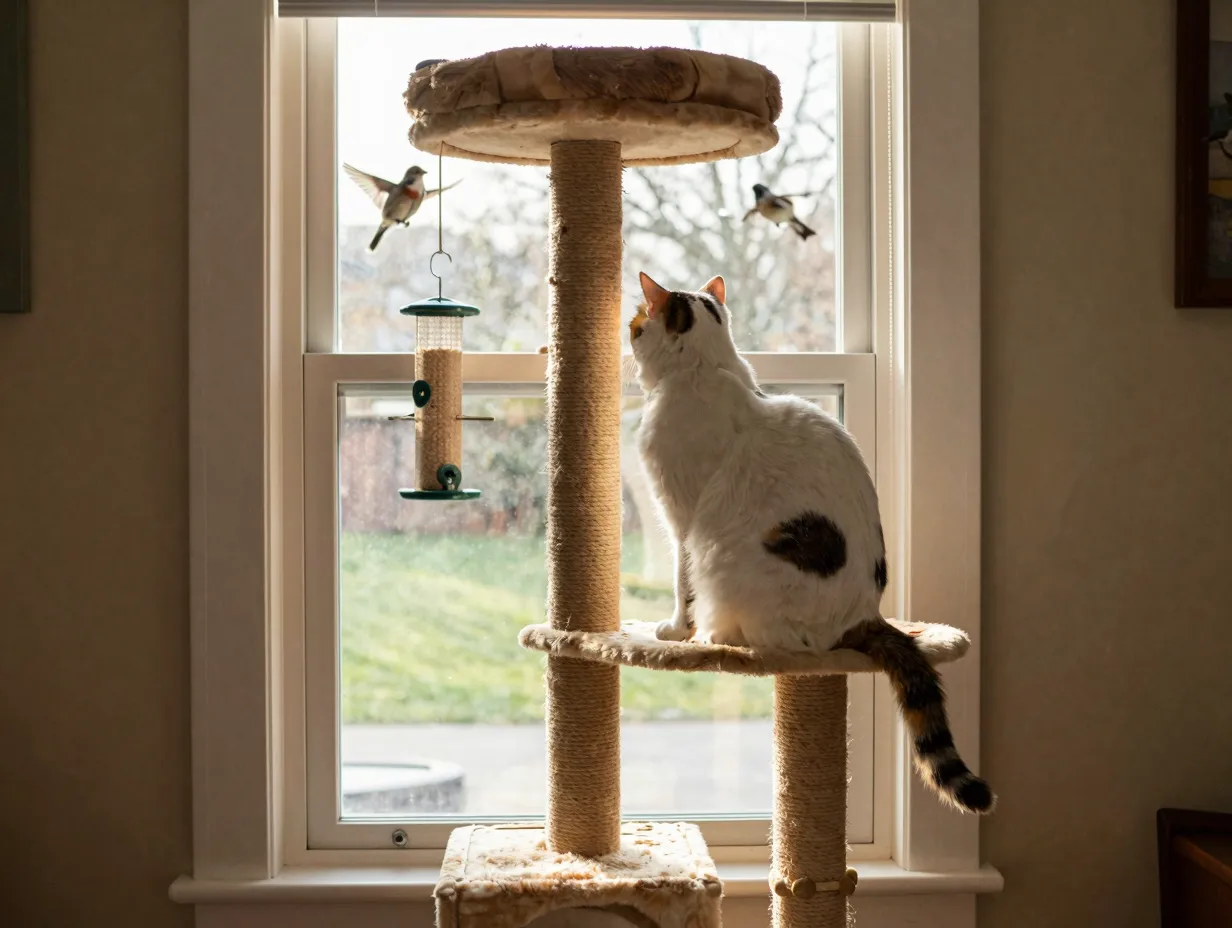
One of the most practical things you can do before bringing home a Turkish Van is to invest in tall, sturdy cat trees and wall-mounted shelves. These cats are natural climbers, and they need elevation to feel secure and stimulated [3].
A Turkish Van that lacks vertical space will find its own — on top of your refrigerator, your kitchen cabinets, or your highest bookshelf. Rather than fighting this instinct, channel it:
- Install a cat tree that reaches at least 5–6 feet high
- Add wall-mounted cat shelves in a main living area
- Place a perch near a window so your cat can observe outdoor activity
- Rotate climbing toys regularly to prevent boredom
Pro tip: Place the cat tree near a window with a bird feeder outside. Turkish Vans are highly visual and will spend hours watching wildlife — which also gives you a break from their energy. 😄
2. Accept That Their Energy Does Not Slow Down With Age

Many cat owners assume kittens are energetic but adults calm down. With Turkish Vans, this assumption is wrong. These cats are extremely active from kittenhood and maintain high energy levels well into adulthood [2].
| Life Stage | Energy Level | What to Expect |
|---|---|---|
| Kitten (0–1 yr) | Very High | Constant play, exploration, climbing |
| Young Adult (1–4 yrs) | High | Daily zoomies, interactive play sessions |
| Adult (4–10 yrs) | Moderate-High | Still needs 30–60 min of active play daily |
| Senior (10+ yrs) | Moderate | Slower but still curious and engaged |
Plan for at least two dedicated play sessions per day using wand toys, puzzle feeders, or laser pointers. Without adequate stimulation, Turkish Vans can become destructive or develop behavioral issues. Their intelligence means boredom hits them harder than it hits most cats.
3. Respect Their Boundaries — They Are Not Lap Cats
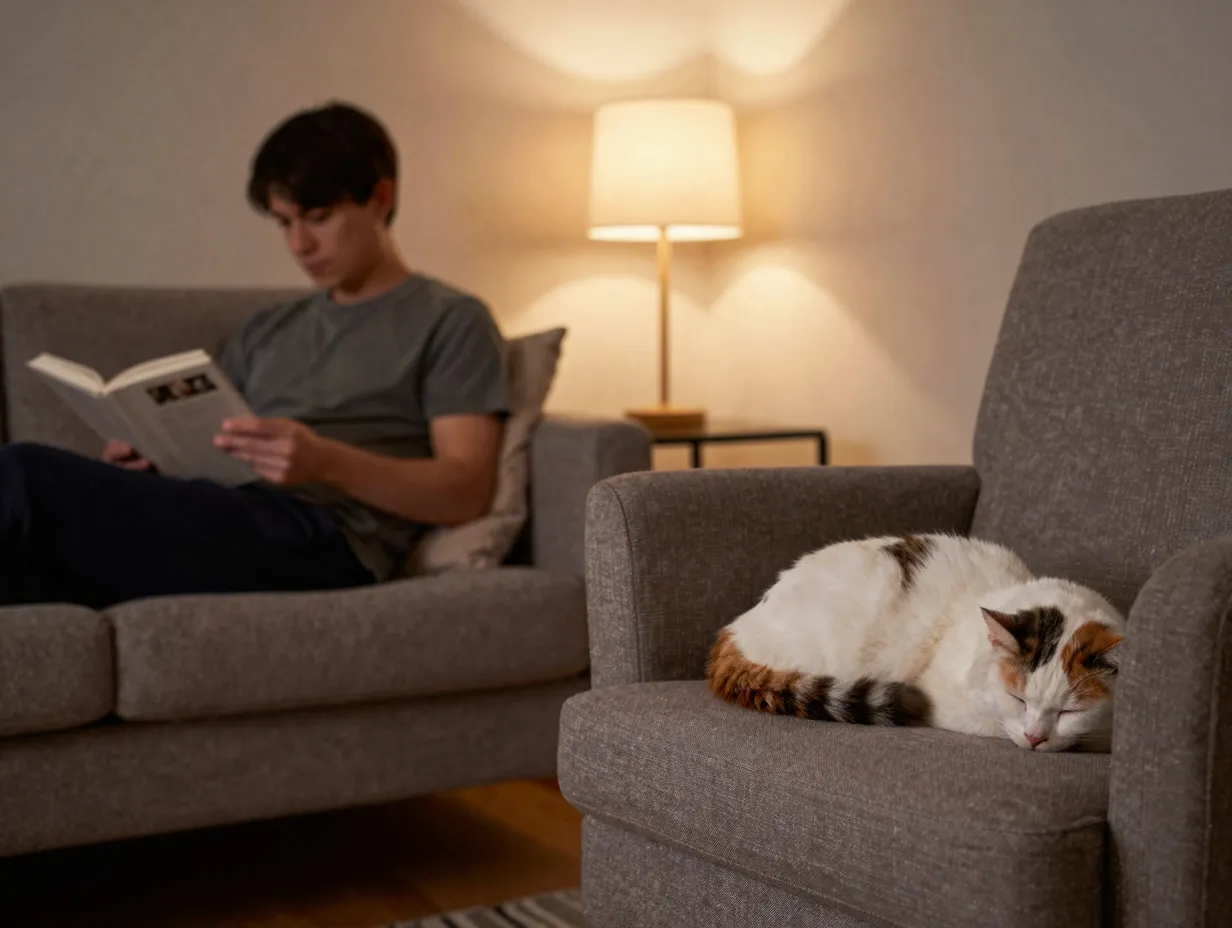
This tip surprises many new owners: Turkish Vans are affectionate, but on their own terms. They will not sit on your lap on demand. They prefer to nap across the room, observe you from a distance, and approach you when they choose [2].
This does not mean they are cold or unloving. Turkish Vans show affection through:
- Following you from room to room
- Vocalizing when you leave or return
- Sleeping near (but not always on) you
- Bringing you toys as gifts
- Headbutting or rubbing against your legs when they feel like it
🚫 What to avoid: Forcing cuddles, picking them up when they are not in the mood, or restraining them during play. Turkish Vans respond poorly to forced handling, and this can damage trust quickly [2].
If you want a cat that will sit on your lap for hours, a Turkish Van may not be the right fit. If you enjoy a cat with a strong personality who chooses when to connect, you will find their affection deeply rewarding.
4. Take Their Love of Water Seriously — and Safely
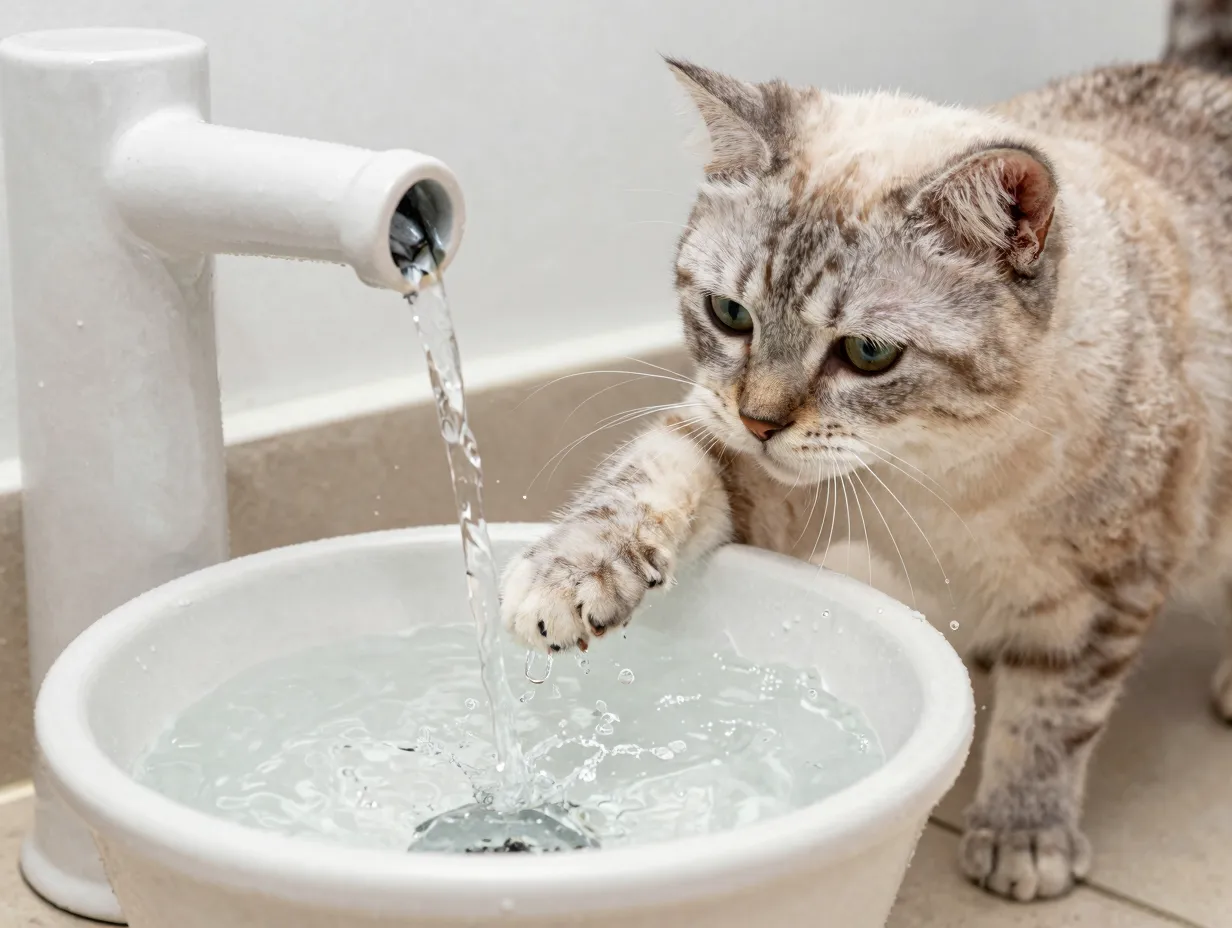
The Turkish Van’s relationship with water is not just a fun quirk. It is a genuine behavioral trait that requires real safety planning in your home [5].
These cats may:
- Splash in their water bowl (expect wet floors)
- Try to join you in the shower or bath
- Fish objects out of sinks and toilets
- Investigate fish tanks, ponds, or any standing water
Water safety checklist for Turkish Van owners:
- Always keep toilet lids closed
- Cover fish tanks securely
- Never leave buckets or large containers of water unattended
- Supervise any access to outdoor ponds or pools
- Provide a cat water fountain — they prefer moving water and it keeps them hydrated [3]
A cat water fountain serves double duty: it satisfies their water fascination in a safe, controlled way and encourages better hydration, which supports kidney health. It is one of the best investments you can make before your Turkish Van comes home.
5. Grooming Is Simpler Than You Think
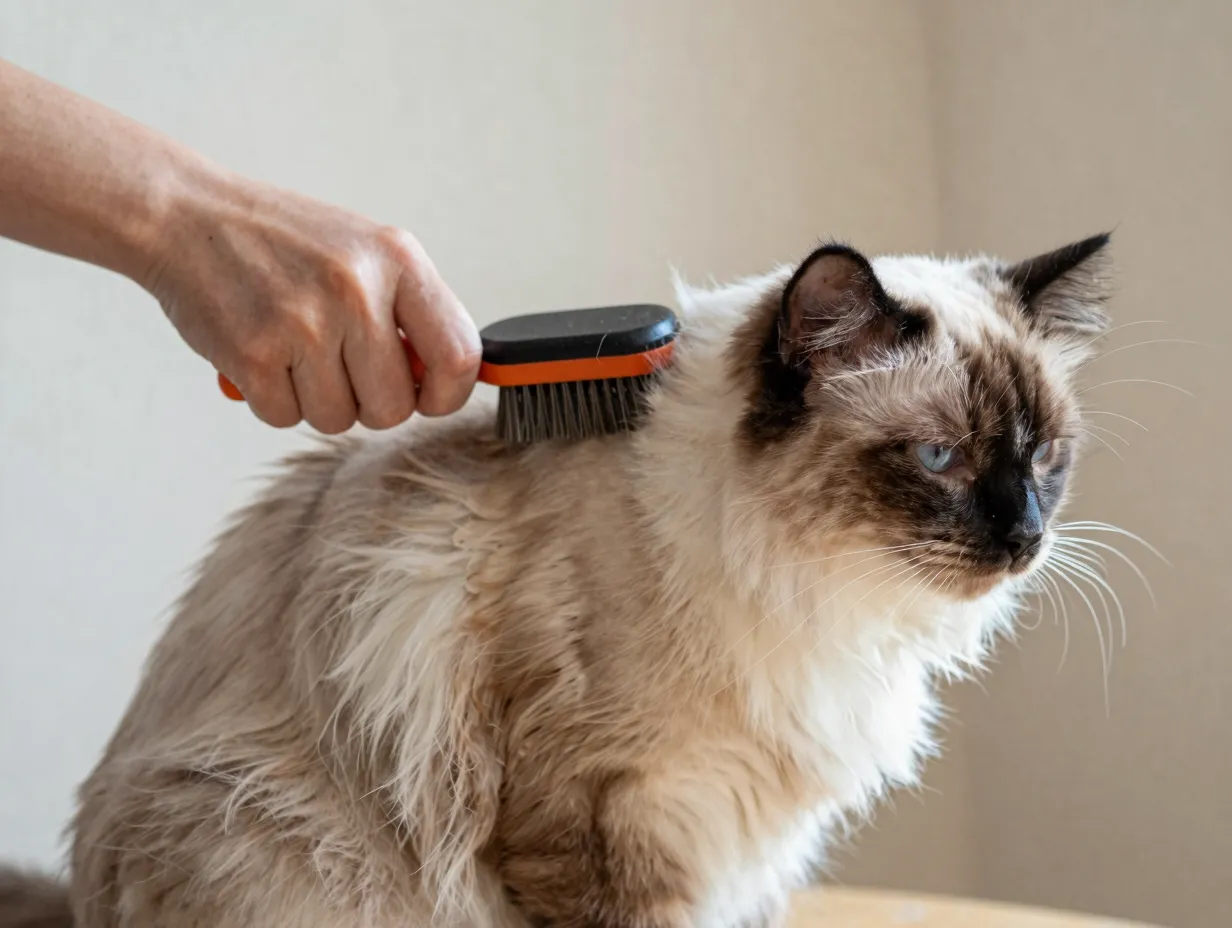
Looking at a Turkish Van’s beautiful semi-longhair coat, many new owners brace for hours of grooming. The reality is much easier. Turkish Vans lack a thick undercoat, which means their fur is less prone to matting and tangling than other longhaired breeds [2].
Standard grooming routine:
- Weekly brushing with a soft slicker brush — this is usually sufficient
- Increase to 2–3 times per week during spring and fall when seasonal shedding increases
- Check ears monthly for wax buildup or debris
- Trim nails every 2–3 weeks
- Dental hygiene — brush teeth weekly or use dental treats
💬 Because Turkish Vans lack a dense undercoat, their silky coat tends to stay cleaner and tangle-free with minimal effort compared to breeds like Maine Coons or Persians.
One important note: do not over-bathe your Turkish Van. Despite loving water, frequent bathing can strip their coat of natural oils. An occasional bath when truly needed is fine, but their coat is largely self-maintaining [5].
6. Set Household Rules Early and Enforce Them Consistently

This is one of the most important of the 8 Must-Know Tips Before Bringing Home Turkish Van Cats & Kittens, and it is one that many owners learn the hard way. Turkish Vans are highly intelligent, and they test limits constantly [2].
These cats pay close attention to your reactions. If jumping on the counter earns them your attention — even negative attention — they will repeat it. If knocking something off a shelf makes you run into the room, they have learned a useful trick.
Effective boundary-setting strategies:
- Decide which areas and behaviors are off-limits before your cat arrives
- Be consistent — every family member must enforce the same rules
- Use positive reinforcement (treats, praise, gentle touch) immediately when your cat does something right [2]
- Redirect unwanted behavior to an acceptable alternative (e.g., redirect counter-jumping to a nearby cat tree)
- Never use raised voices or physical punishment — Turkish Vans shut down under stress and it damages your relationship [2]
The key insight: Turkish Vans are not being defiant when they test limits. They are being intelligent. Channel that intelligence into training games, puzzle feeders, and trick training — they can learn to sit, high-five, and even fetch.
7. Plan Carefully If You Have Other Pets
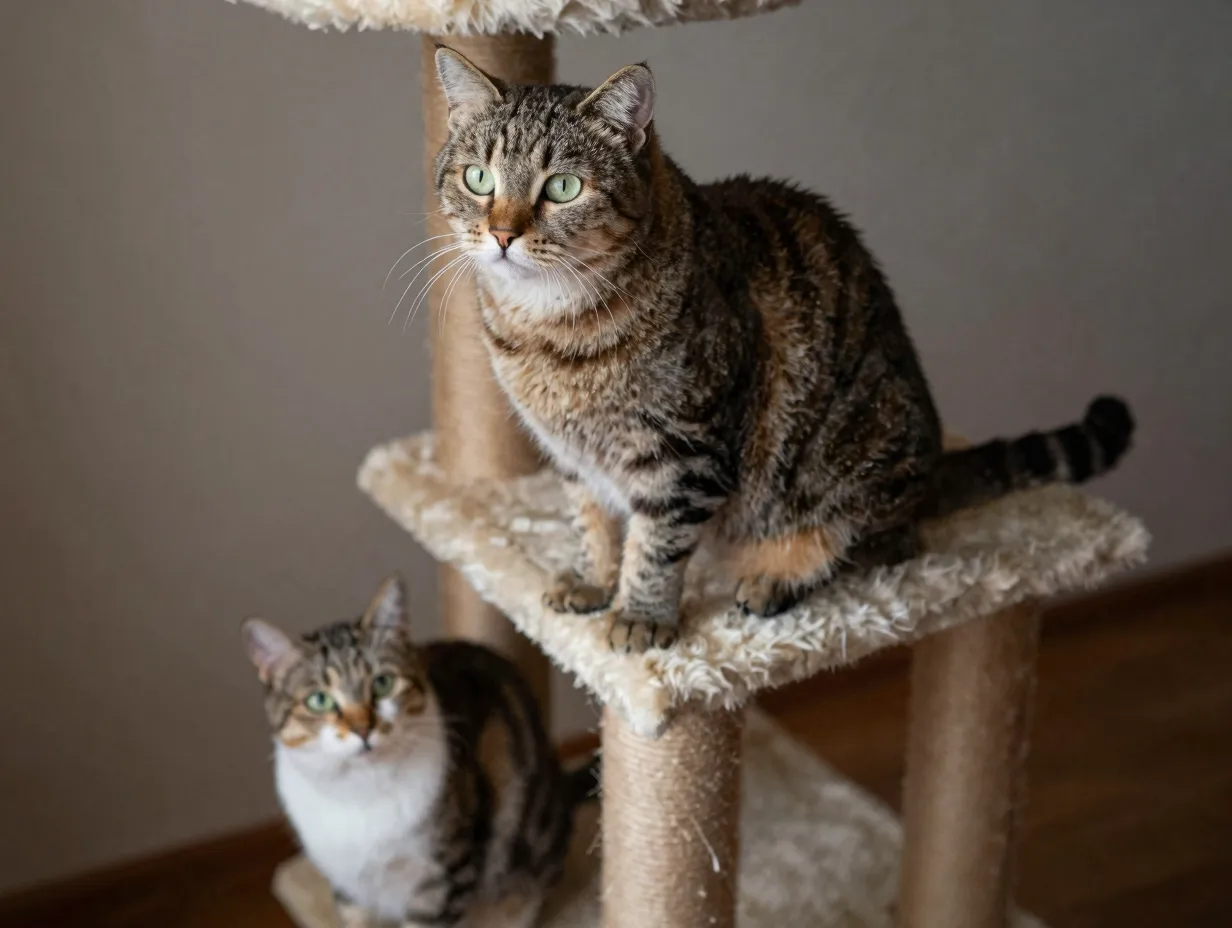
Turkish Vans have a strong personality and a natural tendency to establish dominance quickly in multi-pet households [2]. They will stake out the best sleeping spots, claim the highest perches, and assert themselves with other cats — sometimes within hours of arriving.
This does not mean they cannot live with other animals. It means you need a thoughtful introduction plan.
Introducing a Turkish Van to existing pets:
| Step | Action | Timeline |
|---|---|---|
| 1 | Keep new cat in a separate room with its own food, water, litter | Days 1–3 |
| 2 | Allow scent exchange under the door | Days 2–5 |
| 3 | Swap bedding between pets | Days 3–7 |
| 4 | Allow brief supervised visual contact | Week 2 |
| 5 | Allow supervised face-to-face meetings | Week 3+ |
| 6 | Monitor for resource guarding around food and water | Ongoing |
🐕 With dogs: Turkish Vans are bold enough to hold their own with dogs, but the dog must be cat-tolerant. A Turkish Van will not back down from a confrontation, which can escalate quickly with reactive dogs.
🐱 With other cats: Give each cat its own feeding station, litter box, and sleeping area. Turkish Vans can coexist peacefully with other cats, but crowded resources will trigger conflict [2].
8. Embrace the Noise — Turkish Vans Are Vocal Communicators

The final tip in our guide to the 8 Must-Know Tips Before Bringing Home Turkish Van Cats & Kittens is one that catches many owners off guard: Turkish Vans are loud. They are expressive, opinionated, and will let you know exactly how they feel about everything [2].
Expect vocalizations when:
- Their food bowl is empty (or they simply want attention)
- You leave the house or come home
- They are bored or under-stimulated
- They want to play and you are not cooperating
- Something in their environment has changed
This is not a sign of distress in most cases — it is just how Turkish Vans communicate. They are high-energy, expressive cats who treat vocalization as a primary social tool [2].
Tips for managing the noise:
- Respond to legitimate needs (hunger, play, social time) on a schedule to reduce demand-meowing
- Do not reward excessive vocalization with immediate attention — wait for a quiet moment, then engage
- Provide enough enrichment during the day so your cat is not bored and seeking your attention through noise
- If vocalizations increase suddenly or sound distressed, consult your veterinarian — changes in vocal behavior can indicate health issues
One more thing worth mentioning: Turkish Vans can be clumsy despite their athletic ability. Their high-speed movements mean they occasionally miscalculate jumps or knock things over [5]. Secure breakable items on shelves and accept that a few things may get knocked over in the first few months. It is part of life with this breed.
Quick Reference: Turkish Van Ownership at a Glance 📋
| Category | What to Expect | Preparation Needed |
|---|---|---|
| Energy Level | High — lifelong | Cat trees, daily play sessions |
| Affection Style | Independent but devoted | Respect boundaries, let them initiate |
| Water Behavior | Strong attraction to water | Closed toilets, water fountain, covered tanks |
| Grooming Needs | Low-moderate | Weekly brushing, seasonal increase |
| Trainability | High — positive reinforcement only | Early rules, consistent enforcement |
| Noise Level | High — very vocal | Schedule-based feeding, enrichment |
| Multi-pet Compatibility | Possible with careful intro | Slow introduction, separate resources |
| Coat Type | Semi-longhair, no undercoat | Slicker brush, occasional bath |
Is a Turkish Van Right for You?
Before you commit, ask yourself these honest questions:
- Do I have time for daily interactive play? Turkish Vans need it.
- Am I comfortable with a cat who sets the terms of affection? They are not cuddlers on demand.
- Is my home water-safe? Toilets, tanks, and open containers need to be secured.
- Can I commit to consistent training and boundary-setting? These cats will exploit inconsistency.
- Am I okay with noise? A quiet household will be disrupted.
If you answered yes to most of these, a Turkish Van could be one of the most rewarding cats you will ever own. They are loyal, fascinating, and deeply bonded to their families — just on their own terms [1].
Conclusion: Your Turkish Van Journey Starts With Preparation
The 8 Must-Know Tips Before Bringing Home Turkish Van Cats & Kittens are not meant to discourage you — they are meant to set you up for success. Turkish Vans are extraordinary animals with ancient roots, striking looks, and personalities that fill a home with energy and life. But they are not beginner cats, and they are not low-maintenance companions.
Your actionable next steps for 2026:
- ✅ Set up vertical space — order or install a tall cat tree before your cat arrives
- ✅ Water-proof your home — close toilets, cover tanks, buy a cat water fountain
- ✅ Research reputable breeders — with only ~100 kittens registered annually in the US, take your time finding a responsible source [1]
- ✅ Schedule a vet appointment for within the first week of bringing your cat home
- ✅ Gather positive reinforcement tools — high-value treats and a clicker for early training
- ✅ Talk to your household — make sure everyone agrees on the rules before the cat arrives
- ✅ Connect with Turkish Van owner communities online for ongoing support and advice
A well-prepared home is the greatest gift you can give a Turkish Van. Do the groundwork now, and you will be rewarded with one of the most unique, vibrant, and unforgettable cats in the world. 🐱
References
[1] Turkish Van Article – https://cfa.org/turkish-van-article/
[2] Turkish Van Cat Personality Traits – https://wopet.com/turkish-van-cat-personality-traits/
[3] Turkish Van Kitten Care Guide – https://petageinhumanyearscalculator.com/blog/turkish-van-kitten-care-guide/
[4] Turkish Van Cats 5 Fascinating Things You Should Know – https://thecatsite.com/c/turkish-van-cats-5-fascinating-things-you-should-know/
[5] Turkish Van – https://www.pdsa.org.uk/pet-help-and-advice/looking-after-your-pet/kittens-cats/turkish-van
[6] Watch – https://www.youtube.com/watch?v=HNogOawlYEs
[7] 12 Fascinating Facts About The Turkish Van Cat – https://www.feliway.co.uk/blogs/news/12-fascinating-facts-about-the-turkish-van-cat