8 Insider Tips for Finding Healthy Siberian Cats for Sale
Only about 1 in 10 online kitten listings comes from a truly responsible breeder — yet most buyers have no idea how to tell the difference until it’s too late. If you’ve been searching for Siberian cats for sale, that statistic should stop you cold. Siberians are a magnificent, long-lived breed, but buying from the wrong source can mean years of heartbreak, vet bills, and a cat who never reaches its full potential. That’s exactly why I put together these 8 insider tips for finding healthy Siberian cats for sale — so you can walk into the process informed, confident, and protected. Whether you’re a first-time cat owner or an experienced feline enthusiast, these tips will help you find a genuinely healthy, well-socialized Siberian kitten from a breeder you can trust.
Key Takeaways 📌
- Registry verification through TICA, CFA, or FIFe is your first and most reliable filter for reputable breeders.
- Health testing documentation for HCM, PKD, and PK deficiency is non-negotiable — always ask for proof.
- Kittens should be at least 12–16 weeks old before leaving the breeder; anything younger is a serious red flag.
- Artificially low prices often signal missing health tests, poor conditions, or outright scams.
- No breeder can guarantee hypoallergenic status — any claim otherwise is a deceptive marketing tactic.
Why Finding a Healthy Siberian Cat Requires More Than a Google Search
The Siberian cat is one of the oldest natural breeds in the world, originating in the forests of Russia and Siberia. They are celebrated for their triple-layered coats, playful personalities, and notably lower levels of the Fel d 1 protein — the primary allergen that triggers reactions in cat-sensitive people. Because of this, demand for Siberian cats has surged, and unfortunately, so has the number of unscrupulous sellers looking to cash in.
Applying the 8 insider tips for finding healthy Siberian cats for sale outlined in this guide isn’t just smart — it’s essential. The difference between a responsibly bred Siberian and one from a backyard breeder or kitten mill can be measured in years of healthy life, thousands of dollars in unexpected vet costs, and the emotional toll of watching a beloved pet suffer from preventable genetic conditions.
Let’s get into the tips.
The 8 Insider Tips for Finding Healthy Siberian Cats for Sale
1. Verify Registration Through Major Breed Registries
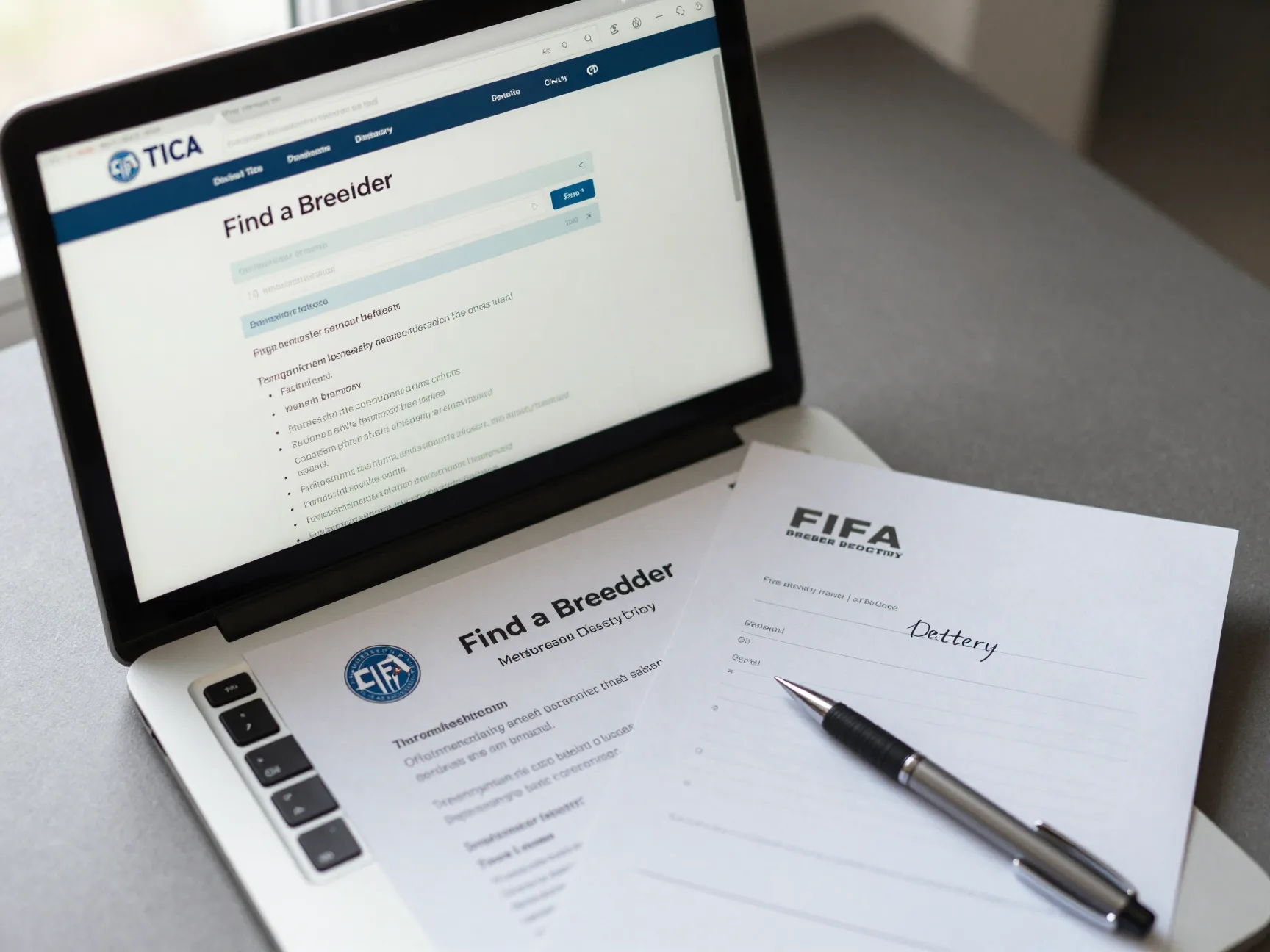
The single fastest way to separate legitimate breeders from imposters is to check their registry status. Responsible Siberian cat breeders register with recognized organizations such as:
| Registry | Full Name | Region |
|---|---|---|
| TICA | The International Cat Association | International |
| CFA | Cat Fanciers’ Association | North America |
| FIFe | Fédération Internationale Féline | Europe |
| WCF | World Cat Federation | International |
| GCCF | Governing Council of the Cat Fancy | UK |
Registration ensures verified pedigrees, health-tested parentage, and proper color classification [1]. TICA’s website is particularly valuable because it is described as “the only place where you can find TICA member breeders who have signed the TICA Code of Ethics” [8]. That code of ethics holds breeders accountable in ways that a simple Google search never could.
💡 Pro Tip: Don’t just take a breeder’s word that they’re registered. Go directly to the registry’s website and search for the cattery name yourself.
2. Require Health Testing Documentation for HCM and PKD
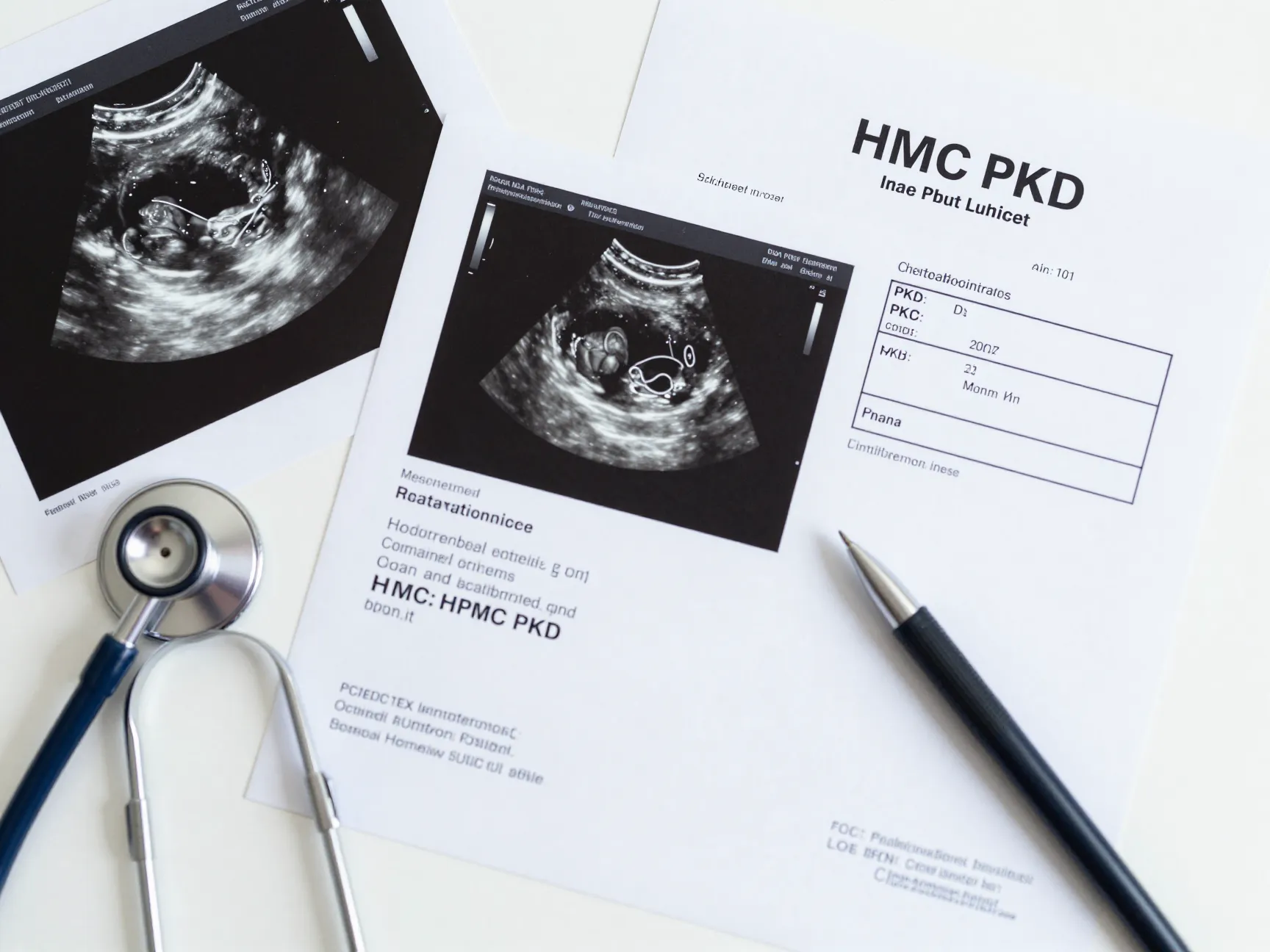
This is arguably the most critical step in the entire process. Siberians, like many purebred cats, are susceptible to specific genetic health conditions. According to the International Siberian Breeders Club, “the most important tests for Siberians are: PK deficiency, HCM and PKD” [5].
Here’s what each condition means:
- HCM (Hypertrophic Cardiomyopathy): The most common heart disease in cats. Reputable breeders conduct echocardiograms or HCM screening via ultrasound before breeding [1].
- PKD (Polycystic Kidney Disease): A genetic condition causing cysts to form in the kidneys. DNA testing can identify carriers before they are bred [1].
- PK Deficiency (Pyruvate Kinase Deficiency): A red blood cell disorder that can cause chronic anemia. DNA testing identifies affected and carrier cats [5].
What to ask for:
- Written results from cardiac ultrasounds (echocardiograms) for both parents
- DNA test certificates for PKD and PK deficiency
- The name of the veterinary cardiologist who performed the HCM screening
Any breeder who cannot or will not provide this documentation should be removed from your list immediately.
3. Request Comprehensive Health Records for Both Parents and Kittens
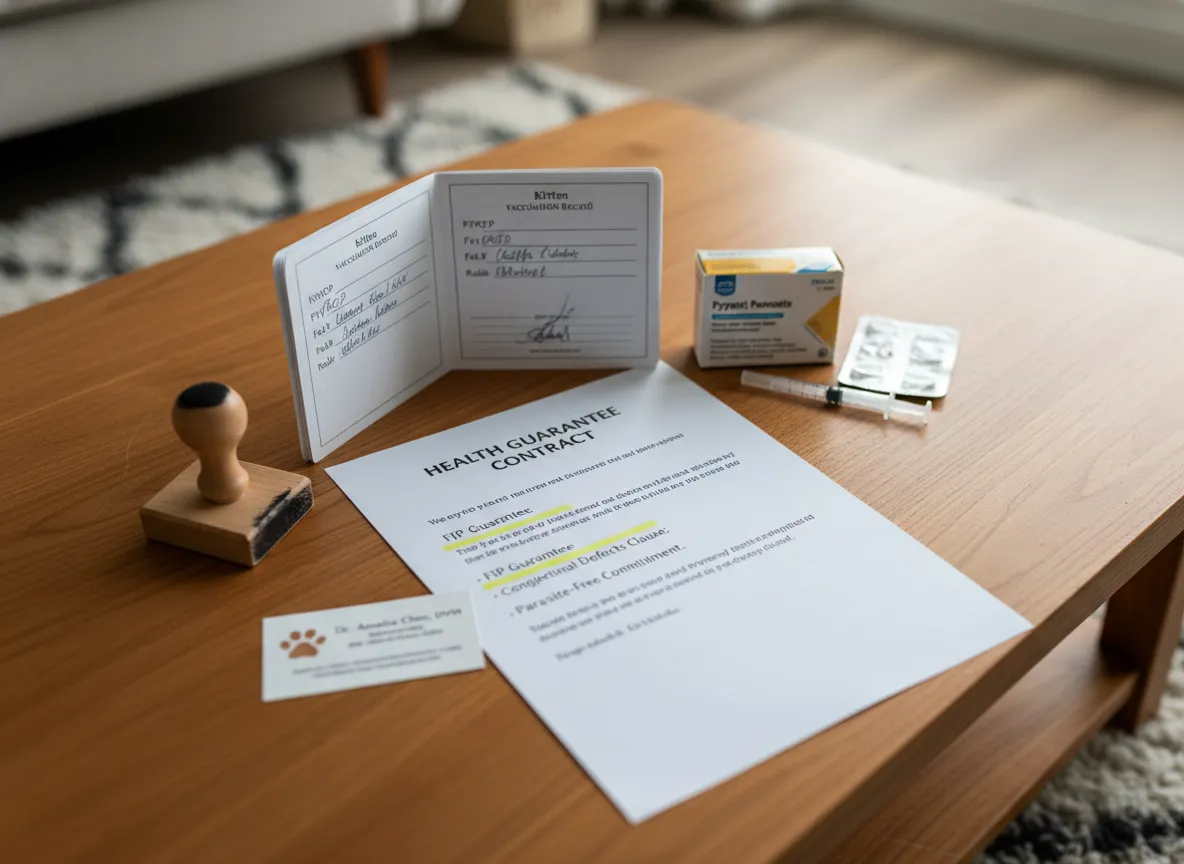
Health testing for genetic conditions is just the beginning. A transparent, ethical breeder provides a full health paper trail for both the breeding cats and the kittens themselves [4]. This should include:
- Vaccination records showing initial shots administered on schedule
- Genetic testing documentation for all conditions listed above
- General wellness exam records from a licensed veterinarian
- Parasite prevention and deworming history
- A written health guarantee from the breeder
Speaking of health guarantees — look for specifics. One established breeder, for example, offers “2-year genetic HCM and PKD, 3-day general health” guarantees [2]. That kind of documented commitment tells you the breeder stands behind the health of their cats long after the sale is complete.
4. Ensure Kittens Are Appropriately Aged Before Purchase
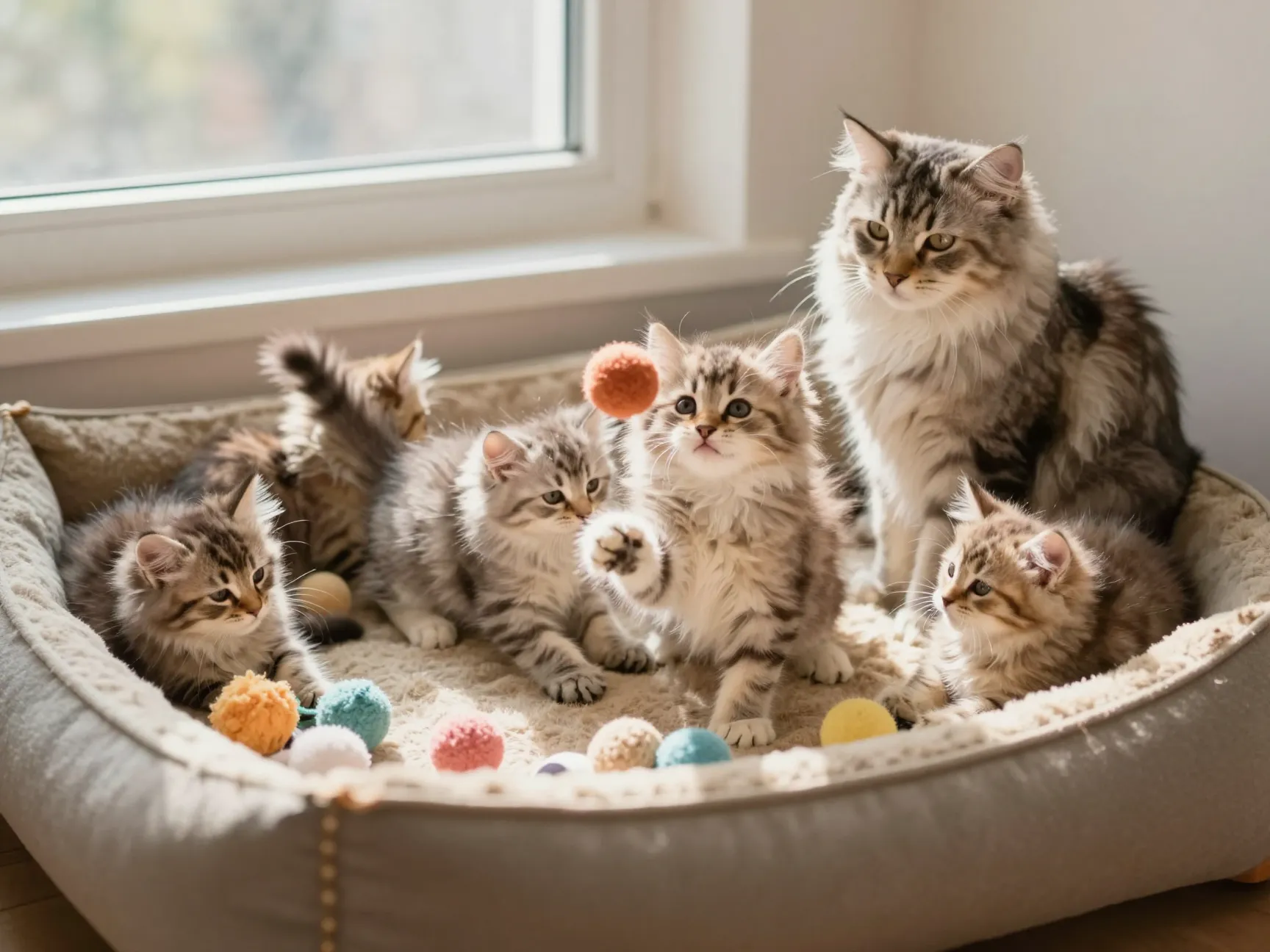
One of the most overlooked red flags in the Siberian cat market is the age at which kittens are sold. Siberians should not leave the breeder before 12–16 weeks of age [1]. Kittens under 10–12 weeks old being offered for sale is a serious warning sign of poor breeding practices.
Why does age matter so much? 🐾
- Immune development: Kittens receive critical immune support from their mother’s milk. Separating them too early compromises this protection.
- Socialization: The 8–16 week window is a prime socialization period. Kittens raised with their mother and littermates during this time develop better behavioral stability.
- Gut health: Early separation is linked to digestive problems and chronic stress behaviors in adult cats.
If a seller is pushing a 6- or 8-week-old kitten on you with urgency, walk away. A reputable breeder will never rush this process.
5. Verify In-Home Socialization and Clean Raising Environments
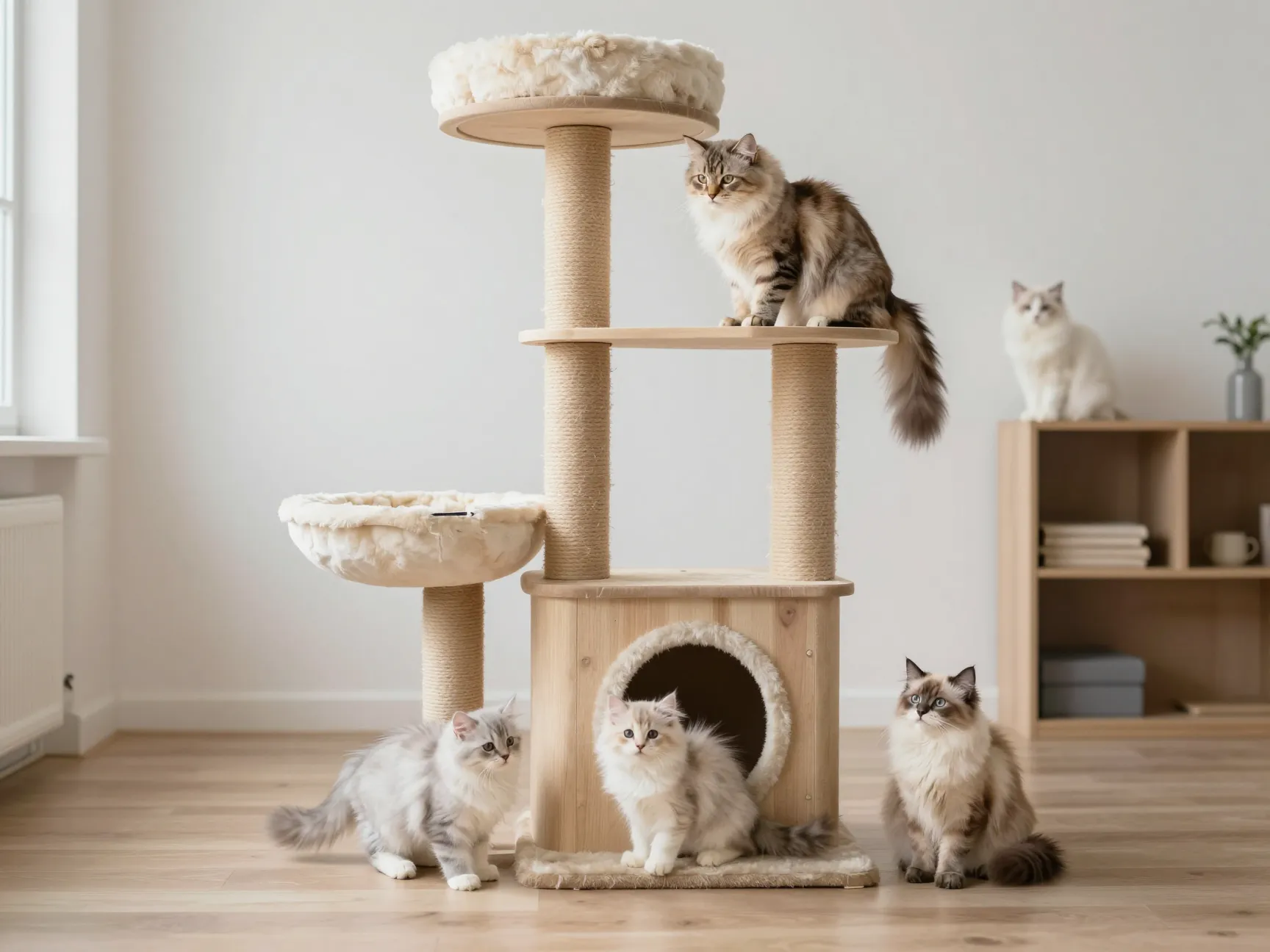
Where and how a kitten is raised has a profound impact on its temperament and long-term health. Ethical breeders raise kittens indoors with family socialization in clean environments, rather than in overcrowded or unsanitary catteries [1][4].
Green flags to look for:
- Kittens are raised in the breeder’s home, not in an isolated outbuilding
- Kittens are regularly handled by adults and children
- The environment is clean, odor-free, and enriched with toys and climbing structures
- Multiple cats are present but not overcrowded
Red flags to watch out for:
- Breeder refuses an in-person visit or virtual tour
- Photos show wire cages or bare, sterile environments
- Kittens appear fearful, hide constantly, or show no curiosity about humans
- Strong ammonia odor or visible filth in any photos or videos
🗣️ “A kitten raised in a home environment with daily human contact will adapt to your household far more smoothly than one raised in isolation.” — Sunovasiberians [4]
I always recommend scheduling a visit to the cattery in person if at all possible. What you see (and smell) tells you everything.
6. Request References From Previous Kitten Buyers

A breeder with a strong reputation will have no hesitation providing references from past adopters [4]. This step is one that many buyers skip — and it’s a mistake. Speaking directly with someone who purchased a kitten from the same breeder 1–3 years ago gives you real-world data that no website can replicate.
Questions to ask previous buyers:
- How has the kitten’s health been since you brought it home?
- Did the breeder stay in touch and offer support after the sale?
- Were the health records accurate and complete?
- Would you buy from this breeder again?
- Did the kitten’s personality match what the breeder described?
If a breeder cannot provide even two or three references, treat that as a significant warning sign. Established, ethical breeders build communities of happy owners — and those owners are usually glad to share their experiences.
7. Beware of Artificially Low Prices
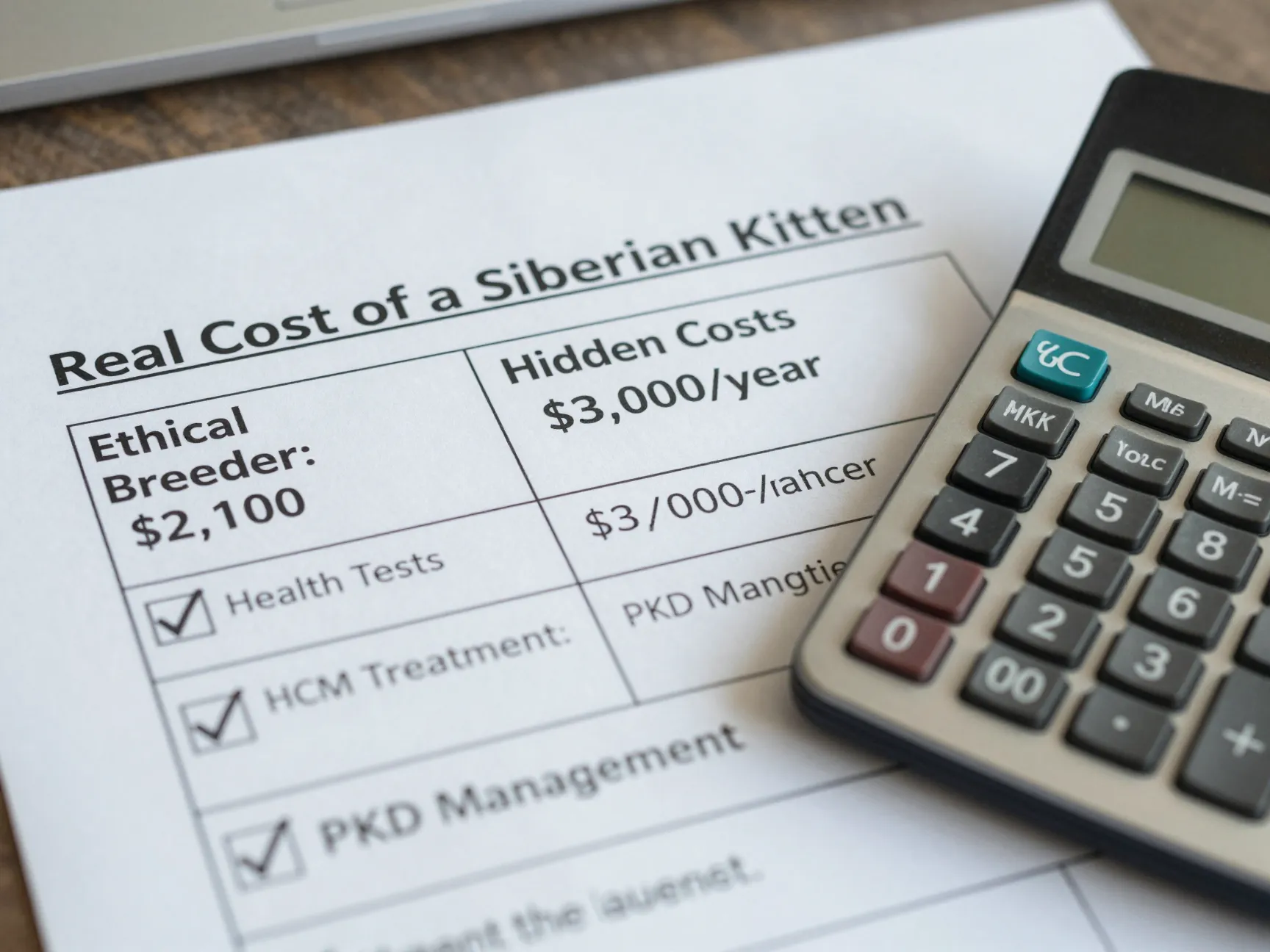
Price is one of the most reliable indicators of breeding quality — and one of the most dangerous traps for buyers. Significantly lower prices than those charged by reputable breeders may indicate a lack of proper health testing, poor living conditions, scams, or backyard breeding operations [4].
To give you a real-world benchmark: as of 2026, ethical Colorado-based breeders charge $2,100 plus sales tax for registered Siberian kittens [3]. Prices from reputable breeders across the country generally range from $1,500 to $3,000+ depending on lineage, color, and demand.
What “cheap” Siberian kittens actually cost you:
| Hidden Cost | Potential Expense |
|---|---|
| HCM treatment (medications, monitoring) | $500–$3,000/year |
| PKD management (kidney support, diet) | $1,000–$5,000/year |
| Behavioral issues from poor socialization | $300–$1,500 in training/therapy |
| Unregistered kitten (no pedigree verification) | Loss of breed authenticity |
A kitten listed at $400–$800 from an unverified seller is almost never the deal it appears to be. The real cost comes later, and it’s almost always higher than the savings upfront.
Watch for these additional price-related red flags:
- No mention of health testing in the listing
- Pressure to pay a large deposit before you’ve seen health records
- Payment only accepted via wire transfer, Zelle, or cryptocurrency
- No physical address or verifiable location for the cattery
8. Reject “Hypoallergenic Guarantee” Claims
This final tip might be the most important for allergy sufferers specifically. Siberians do produce lower levels of the Fel d 1 protein — the primary cat allergen — than most other breeds [1][8]. This makes them a popular choice for people with mild to moderate cat allergies. However, no breeder can guarantee hypoallergenic status, and any claim otherwise is a warning sign of deceptive marketing [1].
⚠️ Important: The term “hypoallergenic” means reduced allergen potential, not zero allergen potential. Every cat produces some Fel d 1, and individual responses vary widely.
What responsible breeders can do:
- Inform you honestly about the breed’s lower Fel d 1 levels
- Suggest an allergy test visit before committing to purchase
- Provide references from allergy-sensitive owners who have successfully kept their cats
- Recommend consulting an allergist before making a decision
What they cannot do:
- Guarantee that you will have no allergic reaction
- Certify a specific kitten as “100% hypoallergenic”
- Promise that a particular bloodline eliminates all allergen risk
If a breeder is making sweeping hypoallergenic guarantees as a central selling point, they are prioritizing the sale over your wellbeing — and likely over the kitten’s too.
Additional Transparency Checks: Spotting Red Flags Early
Beyond the 8 core tips, there are several broader transparency indicators worth examining before you commit to any breeder. These apply whether you’re searching locally or across the country.
Breeder Transparency Checklist ✅
- Does the breeder have a professional website with photos of their actual cats and cattery? (Social media-only presence is a red flag [1])
- Are photos of both parents available, not just the kittens?
- Is the breeder willing to answer detailed questions without becoming evasive or defensive? [4]
- Do they ask you questions about your home and lifestyle? (Good breeders screen buyers too)
- Is there a written contract that spells out both parties’ responsibilities?
- Does the breeder belong to a breed club or association beyond just a registry?
Organizations like the Siberian Cat Health Association [6] and established catteries with long track records [7][9] are good starting points for finding breeders who meet these standards.
A Quick Comparison: Reputable Breeder vs. Red-Flag Seller
| Factor | Reputable Breeder | Red-Flag Seller |
|---|---|---|
| Registry membership | TICA, CFA, FIFe, etc. | None or unverifiable |
| Health testing | HCM, PKD, PK deficiency documented | “Parents are healthy” — no proof |
| Kitten age at sale | 12–16 weeks minimum | 6–8 weeks available immediately |
| Price range | $1,500–$3,000+ | $400–$900 |
| References | Multiple happy buyers provided | Unavailable or deflected |
| Visit policy | Welcomes in-person visits | Refuses or “ships only” |
| Health guarantee | Written, specific, multi-year | Verbal only or none |
| Hypoallergenic claims | Honest about reduced Fel d 1 | Guarantees “100% hypoallergenic” |
Conclusion: Your Action Plan for Finding a Healthy Siberian Cat in 2026
The 8 insider tips for finding healthy Siberian cats for sale in this guide aren’t just theoretical advice — they are practical filters that protect both you and the kitten you’re hoping to bring home. Let’s recap your action plan:
Step 1: Start your search on TICA’s official breeder directory and cross-reference with CFA or FIFe listings.
Step 2: Contact 3–5 breeders and request health testing documentation upfront — before discussing price or availability.
Step 3: Ask each breeder for references from previous buyers and actually call or email those references.
Step 4: Schedule an in-person or virtual visit to see the kittens’ living environment firsthand.
Step 5: Review the health guarantee in writing and confirm the kitten will be at least 12 weeks old at the time of placement.
Step 6: Be skeptical of any price significantly below the regional average and never pay large deposits before seeing full documentation.
Step 7: If allergy sensitivity is your reason for choosing a Siberian, arrange a test visit and consult your allergist — don’t rely on a breeder’s guarantee.
Finding a healthy, well-socialized Siberian cat is absolutely worth the extra effort. These cats are loyal, intelligent, and breathtakingly beautiful companions who can live 12–15 years or more. Invest the time upfront to find a breeder who meets every standard on this list, and you’ll be rewarded with a lifelong companion — not a costly heartbreak.
References
[1] Siberian Kittens For Sale Guide – https://almontecats.com/siberian-kittens-for-sale-guide/
[2] foreststarsiberians – https://www.foreststarsiberians.com
[3] Availability And Purchasing – https://www.coloradosiberiankittens.net/availability-and-purchasing
[4] Responsible Siberian Cat Breeding Practices 1 – https://www.sunovasiberians.com/post/responsible-siberian-cat-breeding-practices-1
[5] Siberian Health – https://siberiancatbreederscentral.com/siberian-health/
[6] Available Siberians – https://siberiancathealthassociation.com/available-siberians/
[7] lundbergsiberians – https://lundbergsiberians.com
[8] Siberian – https://tica.org/breed/siberian/
[9] Whyus – https://www.siberiancat.com/whyus