8 Images of Cute Cat Breeds You’ve Probably Never Seen Before
Only about 40 to 45 distinct cat breeds are officially recognized by major registries worldwide — yet most people can only name five or six [3]. That gap tells a fascinating story. Millions of cat lovers scroll through the same Persian and Siamese photos every day, completely unaware that some of the most stunning, quirky, and downright adorable felines on the planet are hiding in plain sight. This guide to 8 Images of Cute Cat Breeds You’ve Probably Never Seen Before is your ticket to discovering those hidden gems. Whether you’re a lifelong cat enthusiast or just beginning your feline journey in 2026, these breeds will genuinely surprise you.
Key Takeaways 🐾
- Rare doesn’t mean hard to love — many of these breeds are affectionate, social, and great for families.
- Unique physical traits like curly coats, folded ears, and odd-colored eyes make these cats visually unforgettable.
- Some breeds are critically rare, with only a few hundred registered individuals worldwide.
- Personality matters as much as looks — each breed on this list has a distinct temperament worth knowing.
- Responsible ownership starts with finding reputable breeders who prioritize health over appearance.
Why Most People Have Never Seen These Cute Cat Breeds
Let’s be honest: the internet is dominated by cats, but not all cats. Viral cat content tends to recycle the same handful of popular breeds — the Maine Coon, the British Shorthair, the Ragdoll. Meanwhile, dozens of equally beautiful and fascinating breeds fly completely under the radar.
“The rarest cat breeds are often the most extraordinary — they just haven’t had their viral moment yet.”
Part of the reason is simple supply and demand. Rare breeds have fewer breeders, smaller communities, and lower social media visibility. Some exist in only one or two countries. Others were nearly wiped out by wars, natural disasters, or shifting breeding trends [1].
The 8 images of cute cat breeds you’ve probably never seen before featured in this article represent some of the most visually striking and personality-rich cats in existence. I’ve selected them based on rarity, visual uniqueness, and temperament — so you get the full picture, not just a pretty face.
8 Images of Cute Cat Breeds You’ve Probably Never Seen Before — Part One (Breeds 1–4)
1. Sokoke — The Wild Forest Cat of Kenya
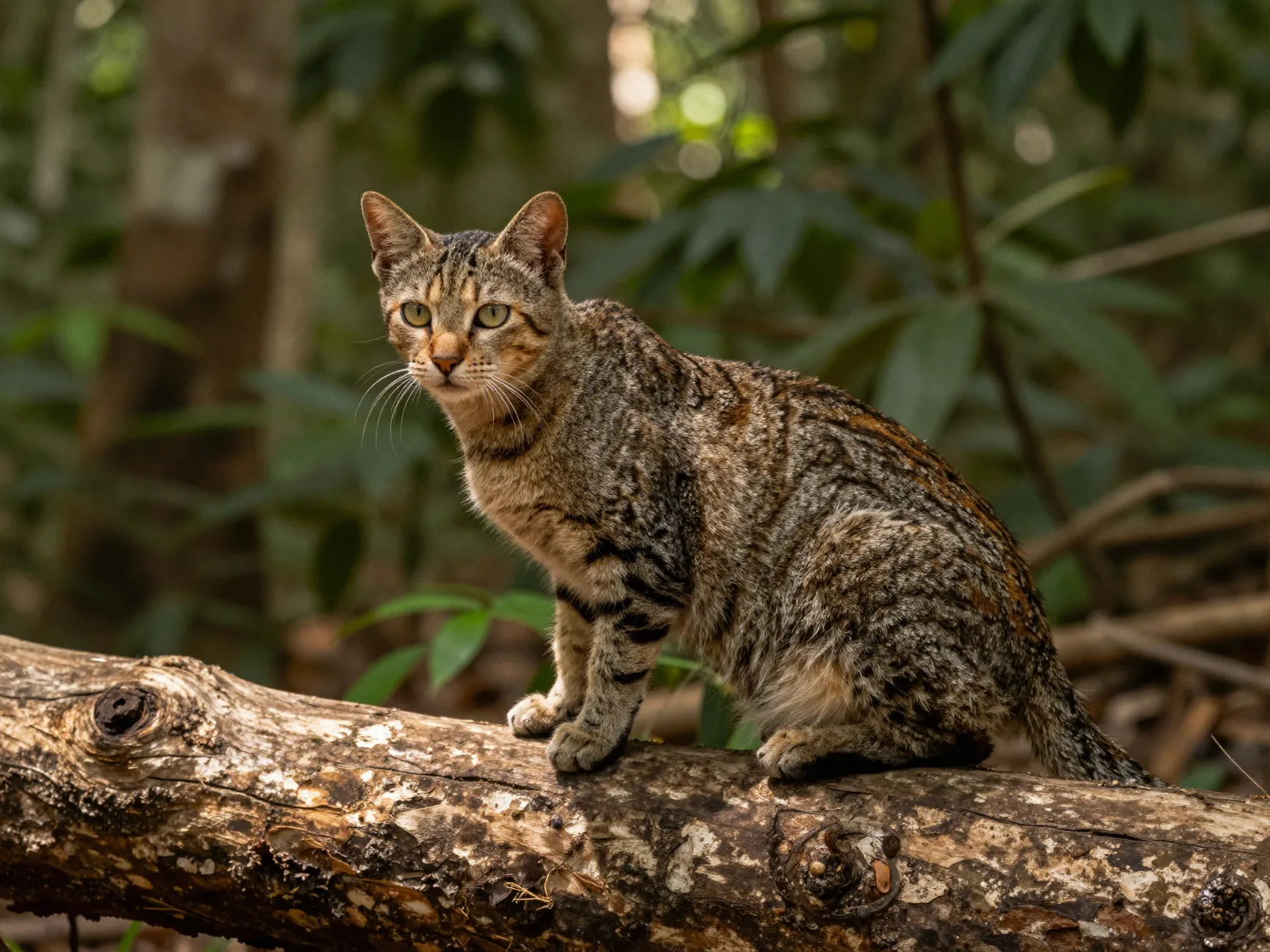
The Sokoke (also called the African Shorthair) is one of the rarest domestic cat breeds in the world, originating from the Arabuko-Sokoke forest in Kenya [2]. Its coat features a distinctive modified tabby pattern that closely resembles the bark of a tree — a natural camouflage that’s both stunning and functional.
Key facts about the Sokoke:
| Feature | Detail |
|---|---|
| Origin | Kenya, East Africa |
| Coat | Short, hard-textured tabby |
| Eye color | Amber to light green |
| Temperament | Active, intelligent, dog-like loyalty |
| Rarity level | Critically rare |
What makes the Sokoke truly special is its personality. Owners describe it as unusually communicative — it “talks” frequently and forms deep bonds with its human family. It’s also remarkably athletic, capable of climbing and jumping with wild-cat precision [5].
🐱 Fun fact: The Sokoke was only introduced to Europe in the 1980s and remains extremely rare outside of Scandinavia and East Africa.
2. Peterbald — Russia’s Elegant Hairless Aristocrat
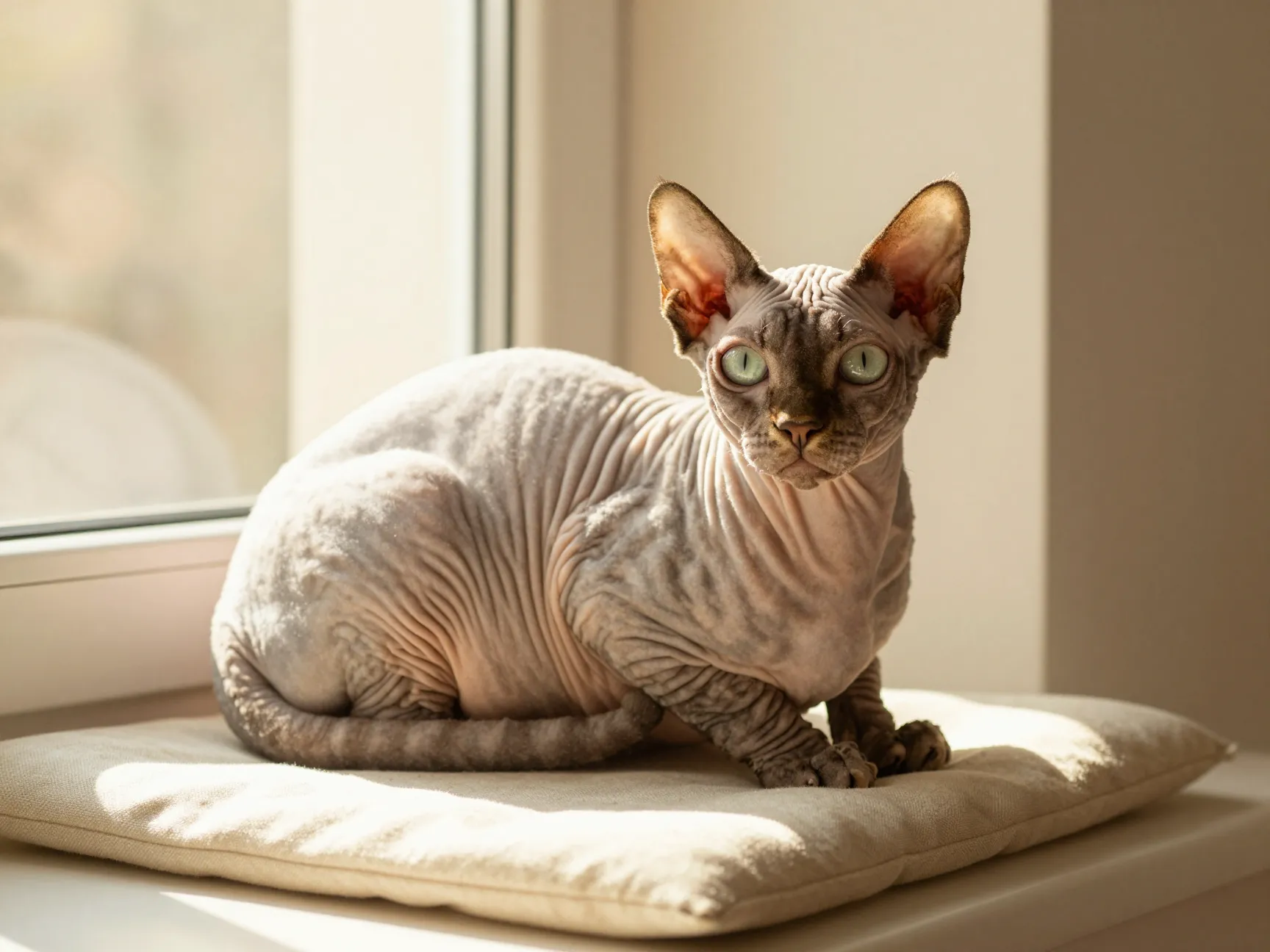
The Peterbald is a Russian breed developed in St. Petersburg in 1994 by crossing an Oriental Shorthair with a Donskoy (another hairless Russian breed). The result is a strikingly elegant cat with a long, lean body, large almond-shaped eyes, and a coat that ranges from completely bald to a fine, velvety peach-fuzz texture [8].
Unlike the more commonly known Sphynx, the Peterbald has a distinctly different bone structure — narrower, more angular, and almost regal in appearance.
Why cat lovers adore the Peterbald:
- Extremely affectionate and people-oriented
- Gets along well with children and other pets
- Highly vocal and expressive
- Low-shedding (great for mild allergy sufferers)
- Loves warmth — will seek out sunny spots and warm laps constantly
Pull Quote: “The Peterbald doesn’t just tolerate human company — it actively seeks it out, following its owner from room to room like a devoted shadow.”
One important care note: because of its minimal coat, the Peterbald is sensitive to temperature extremes and sunburn. Indoor living is strongly recommended [6].
3. Singapura — The World’s Smallest Domestic Cat Breed
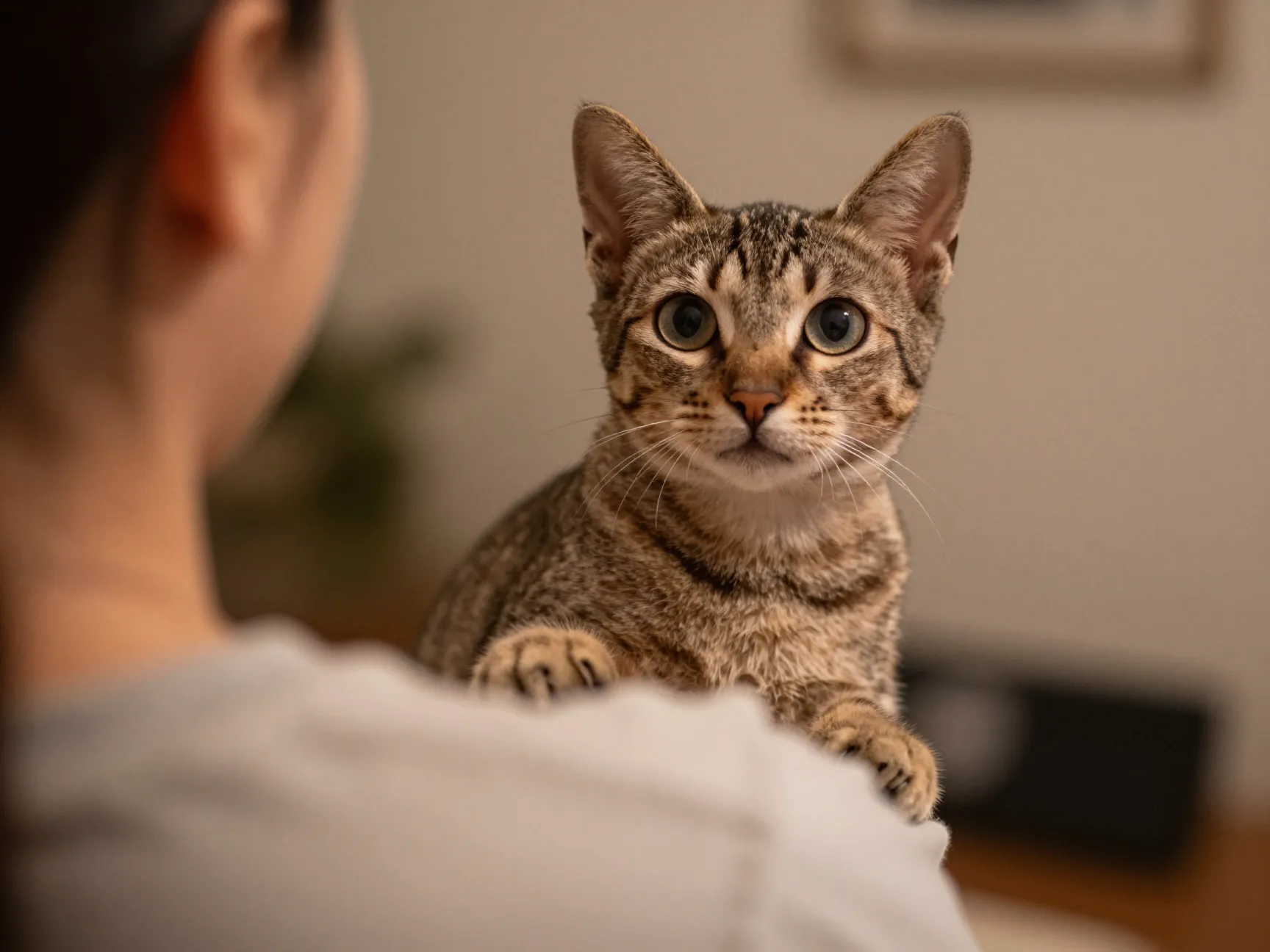
Don’t let the size fool you. The Singapura — named after the Malay word for Singapore — packs an enormous personality into the tiniest frame of any recognized domestic cat breed [7]. Adults typically weigh between 4 and 8 pounds, with females often staying closer to 4–5 pounds.
The Singapura’s coat is a warm sepia-toned ticked tabby, giving it a luminous, almost glowing appearance. Its oversized eyes and ears relative to its small head give it an almost cartoon-like cuteness that’s impossible to ignore.
Singapura at a glance:
| Feature | Detail |
|---|---|
| Weight | 4–8 lbs (smallest recognized breed) |
| Coat | Sepia-toned ticked tabby |
| Eyes | Large, hazel/green/yellow |
| Personality | Playful, curious, pesky in the best way |
| Activity level | High |
The Singapura is a “shoulder cat” — it loves to perch on your shoulder and observe everything happening around it. It’s also known for being a late bloomer, with females sometimes not reaching full maturity until age 2 [5].
4. LaPerm — The Curly-Coated Surprise from Oregon
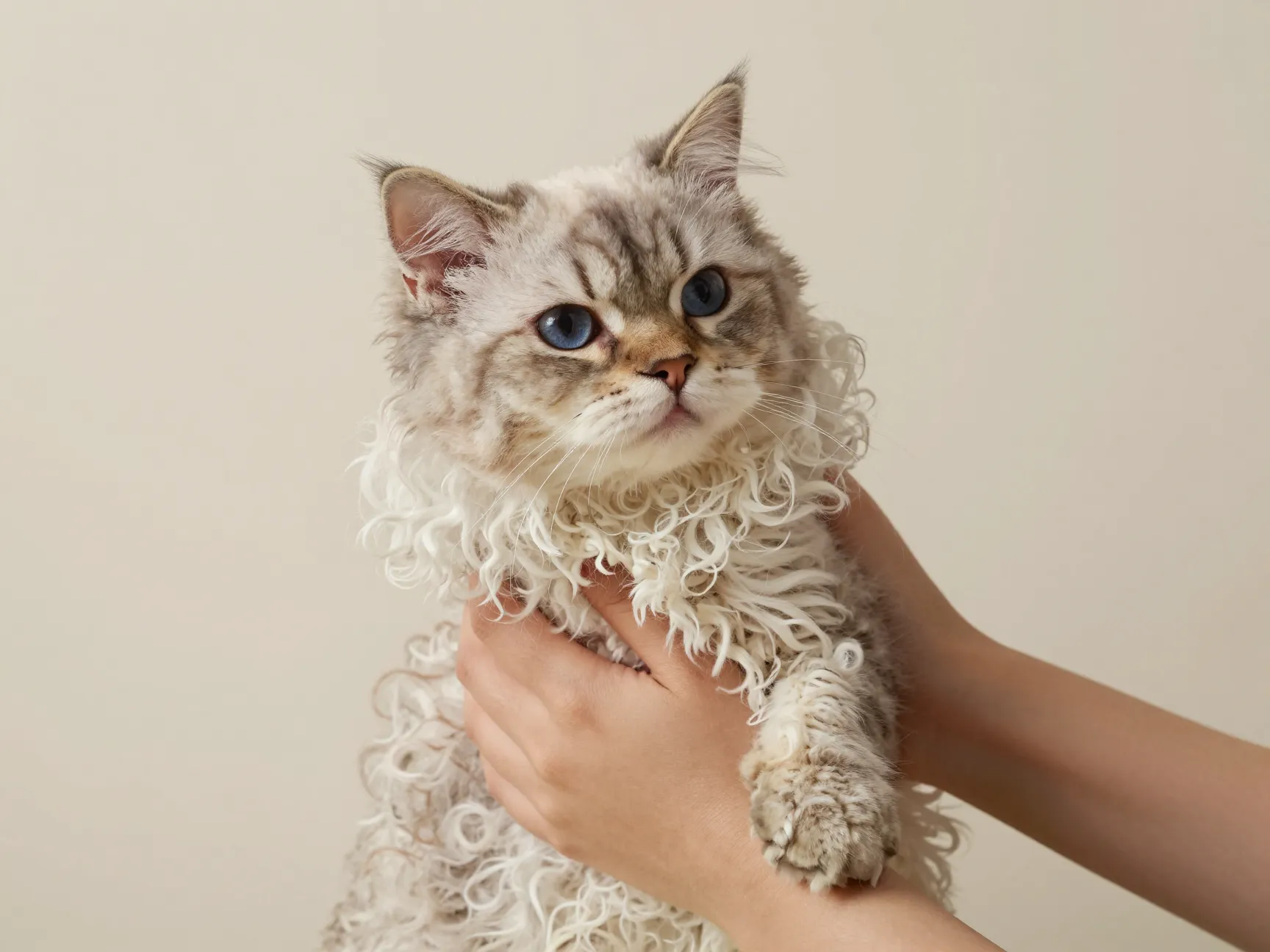
The LaPerm is one of the most visually surprising cats on this list. Born from a spontaneous genetic mutation on a cherry farm in The Dalles, Oregon in 1982, the LaPerm sports a coat of tight, bouncy curls or waves that feel surprisingly soft to the touch [1].
What’s remarkable about the LaPerm’s origin story is how accidental it was. A barn cat named Speedy gave birth to a litter that included one bald kitten. That kitten eventually grew a curly coat — and the LaPerm breed was born.
LaPerm coat varieties:
- Tight ringlet curls (most common)
- Loose waves
- Corkscrew curls (especially on the tail and neck)
The LaPerm is not just a pretty coat. It’s an affectionate, gentle breed that loves being held and cuddled. It’s also surprisingly quiet for a cat that clearly has a lot going on visually [8].
🐾 Care tip: Despite the curly appearance, LaPerm coats are low-maintenance and don’t mat easily. A gentle weekly brush is usually all that’s needed.
8 Images of Cute Cat Breeds You’ve Probably Never Seen Before — Part Two (Breeds 5–8)
5. Khao Manee — Thailand’s Sacred Diamond-Eyed Cat
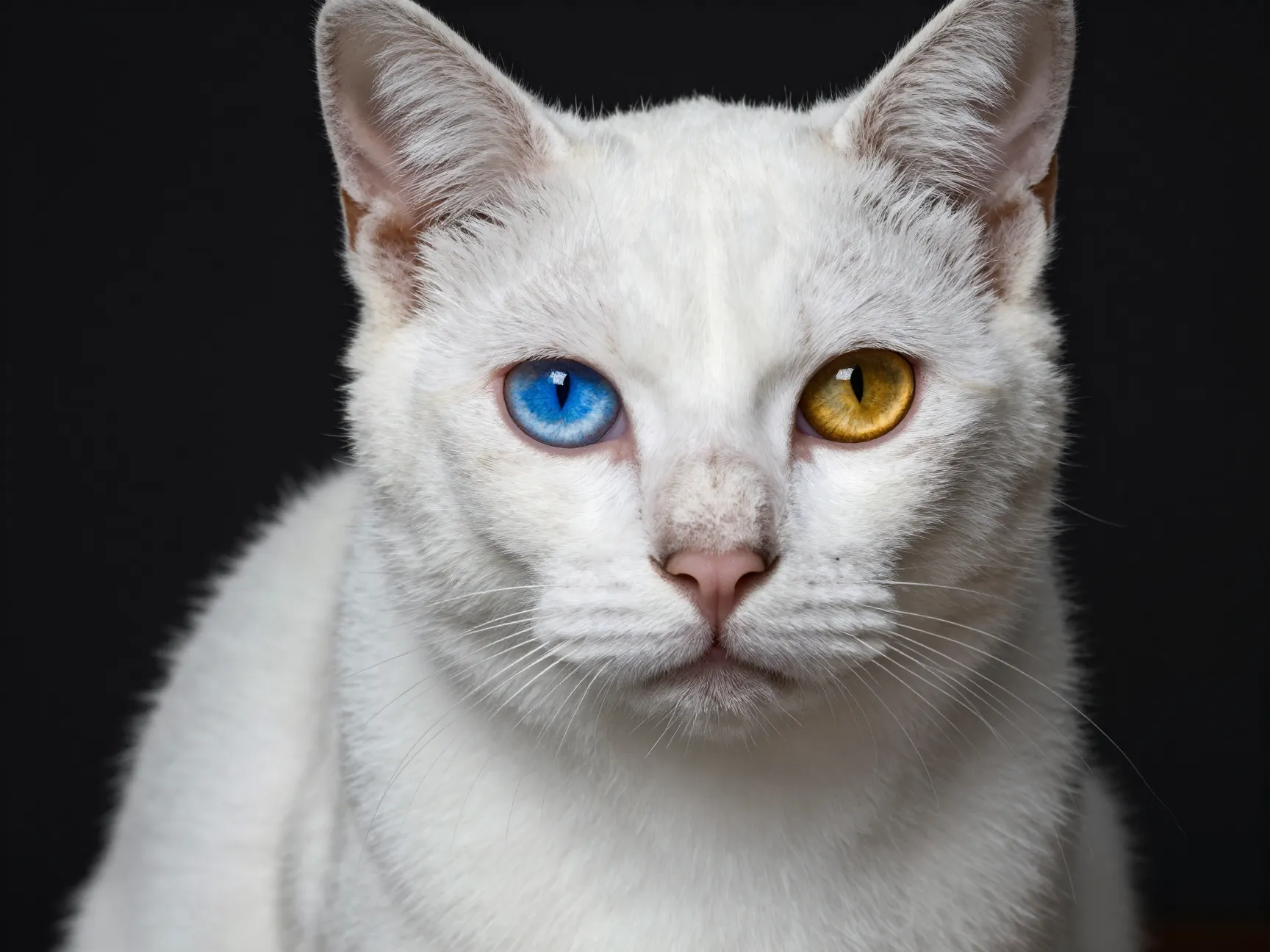
The Khao Manee (pronounced “Cow Mah-nee”) translates to “white gem” in Thai — and one look at this breed explains why [2]. This pure white cat has been treasured in Thailand for centuries, appearing in ancient manuscripts called the Tamra Maew (Cat Book Poems) dating back to the 14th century.
What makes the Khao Manee especially mesmerizing is its eyes. Many individuals have odd-colored eyes — one blue and one gold — which are considered extremely lucky in Thai culture. Even cats with matching eyes tend to have an intense, jewel-like gaze.
Pull Quote: “In Thailand, the Khao Manee was once exclusively owned by royalty. Gifting one to a foreign dignitary was considered a profound honor.”
Khao Manee personality profile:
- Highly social and outgoing
- Loves being the center of attention
- Vocal but not excessively loud
- Bonds strongly with one or two primary humans
- Curious and playful well into adulthood
The Khao Manee was only recently introduced to Western cat registries and remains quite rare outside of Southeast Asia [3]. Finding a reputable breeder requires patience and research.
6. Havana Brown — The Chocolate-Colored Rarity
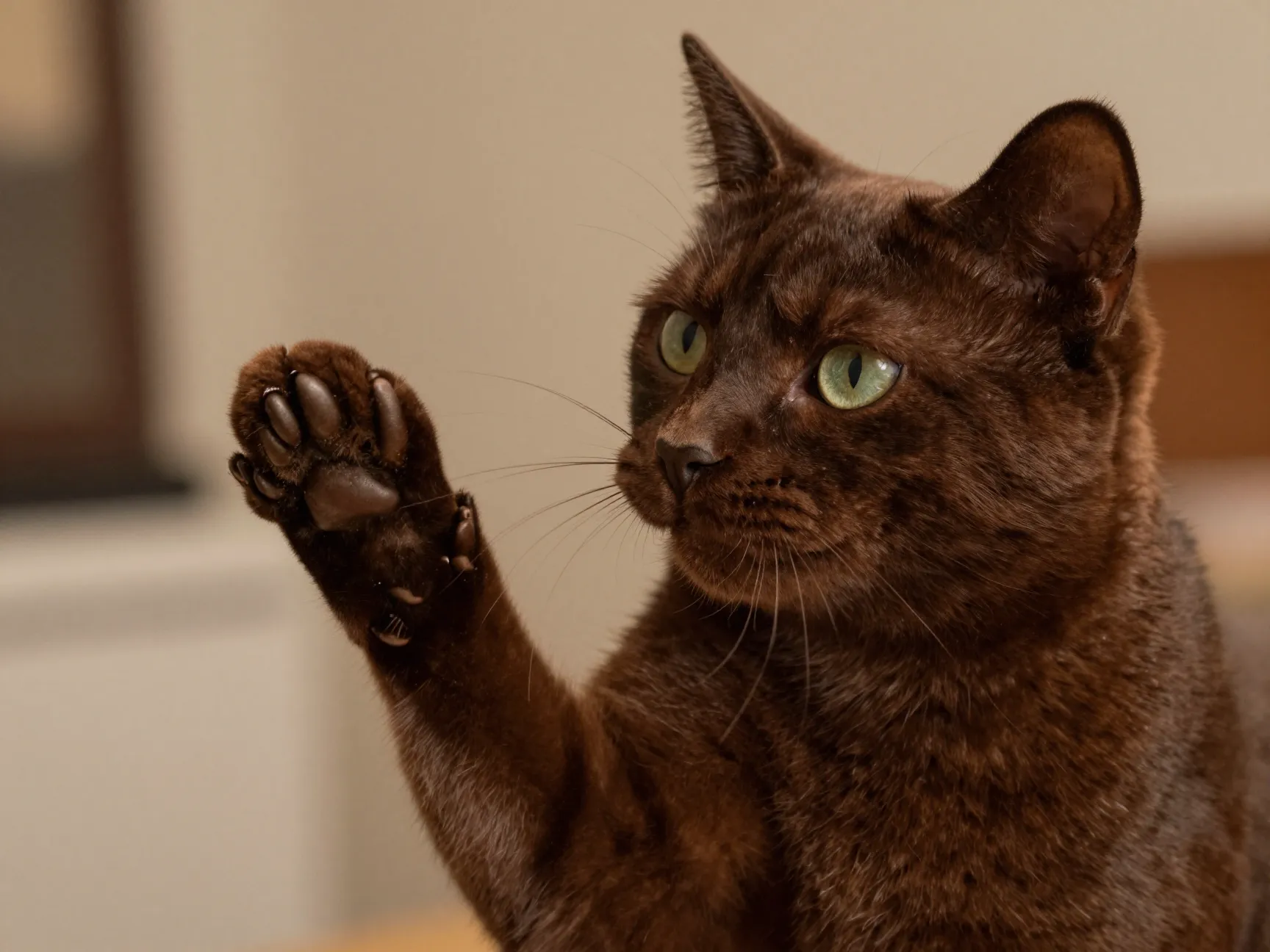
The Havana Brown is a breed that most people have never encountered in person — and that’s a genuine shame. With its rich, warm chocolate-brown coat (the color of a fine cigar wrapper, hence the name), striking green eyes, and distinctive corn-cob shaped muzzle, the Havana Brown is one of the most elegant cats in existence [9].
Developed in England in the 1950s by crossing Siamese cats with domestic black cats, the Havana Brown was later refined in the United States into a slightly different type. Today, the two versions — British and American — are actually considered separate breeds by some registries [1].
What sets the Havana Brown apart:
| Feature | Detail |
|---|---|
| Coat color | Rich chocolate brown (only solid color) |
| Eye color | Vivid green (required by breed standard) |
| Muzzle | Distinctly square, corn-cob shaped |
| Personality | Gentle, curious, uses paws to explore |
| Population status | One of the rarest pedigreed breeds |
The Havana Brown is known for using its paws almost like hands — reaching out to touch its owner’s face or investigate objects with a delicate, almost investigative touch. It’s a deeply affectionate breed that doesn’t do well with long periods of solitude [8].
7. Selkirk Rex — The Cat in Sheep’s Clothing
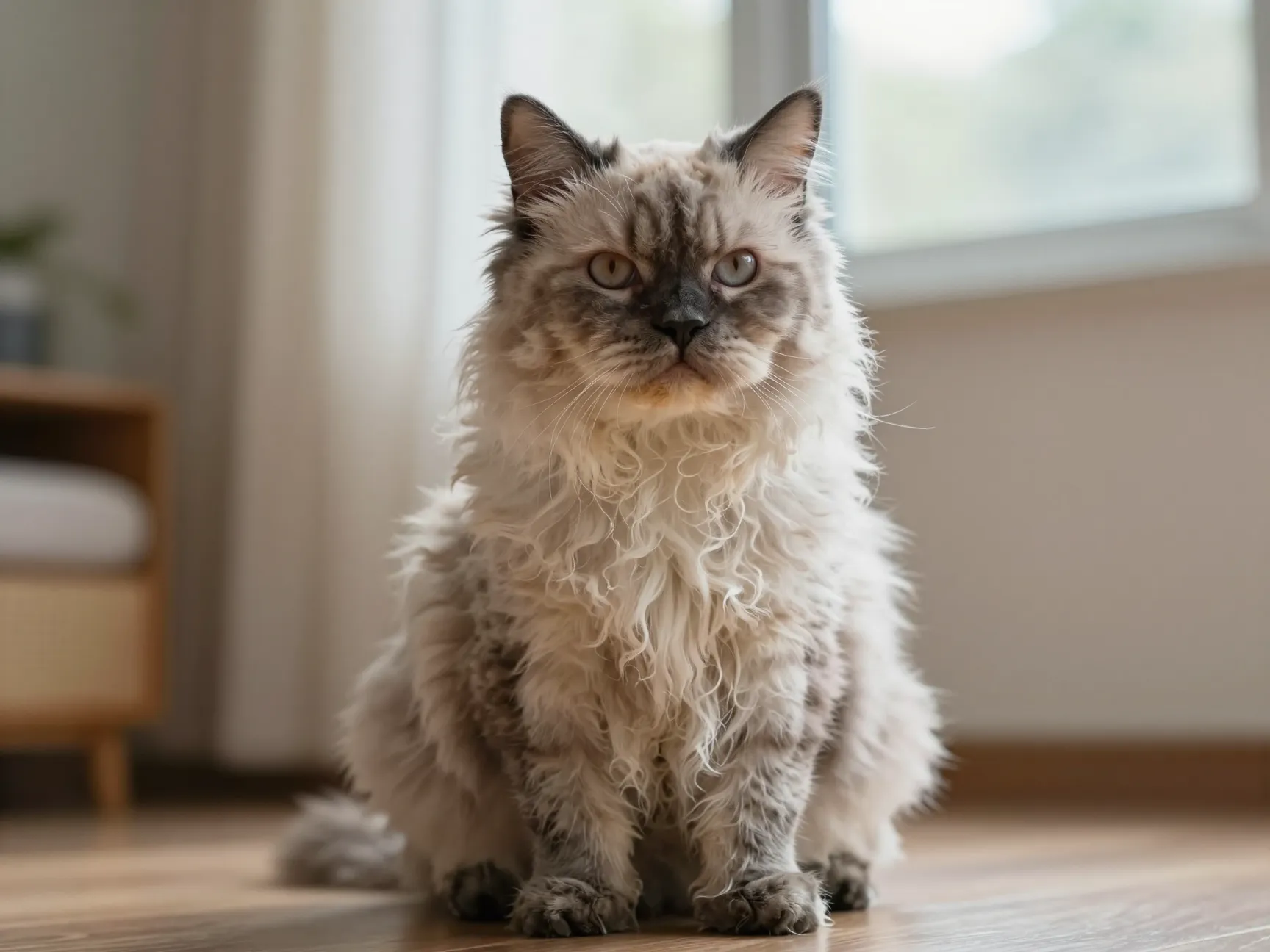
If the LaPerm is the “surprise curl,” the Selkirk Rex is the “full commitment curl.” This breed looks like someone wrapped a cat in a fluffy, wavy sheepskin rug — and the result is absolutely irresistible [6].
Unlike the LaPerm, which originated from a spontaneous mutation in a barn cat, the Selkirk Rex was deliberately developed after a curly-coated kitten was born in a shelter in Wyoming in 1987. The founding cat, Miss DePesto, was bred with a Persian, and the Selkirk Rex breed was established [2].
Selkirk Rex fast facts:
- Both longhair and shorthair versions exist
- Curly whiskers are a hallmark of the breed
- The curl gene is dominant (unlike the Devon and Cornish Rex)
- Named after the Selkirk Mountains, not a person
- Recognized by CFA, TICA, and other major registries
The Selkirk Rex has a patient, tolerant personality that makes it an excellent choice for families with children. It’s laid-back without being lazy, playful without being hyperactive — a genuine “Goldilocks” temperament [7].
🐾 Grooming note: The curly coat can mat if neglected. Regular gentle combing (not brushing, which can damage the curls) is recommended.
8. Pixiebob — The Domestic Cat That Looks Like a Wild Bobcat
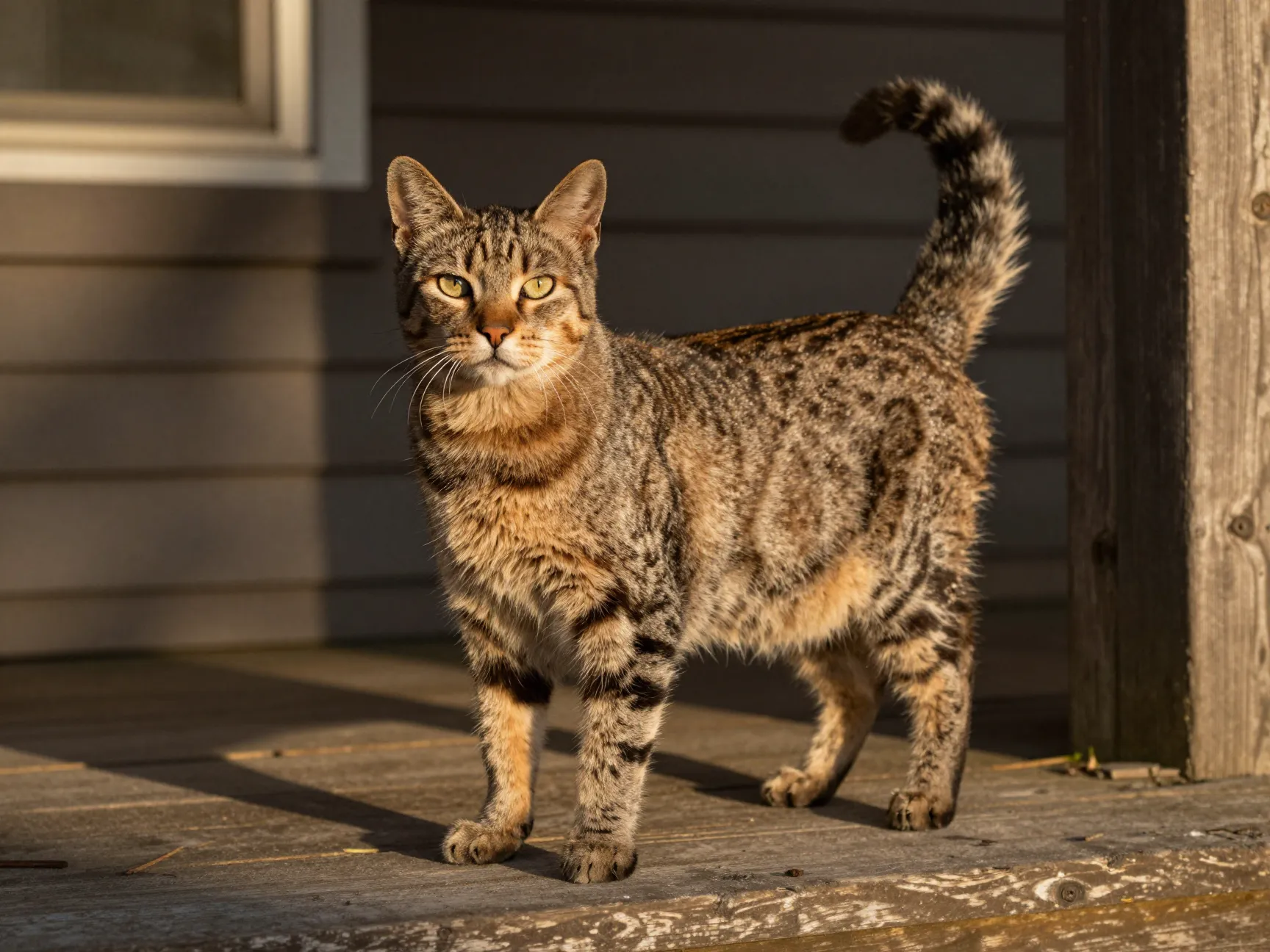
The Pixiebob is the final entry in our collection of 8 images of cute cat breeds you’ve probably never seen before — and it’s saved one of the most dramatic for last. This breed looks like a miniature bobcat that somehow ended up on your couch, complete with a naturally short (bobbed) tail, spotted tabby coat, and heavy brow ridge [5].
Despite its wild appearance, the Pixiebob is 100% domestic cat. It was developed in Washington State in the 1980s by breeder Carol Ann Brewer, who initially believed her founding cats were wild bobcat hybrids. DNA testing has since confirmed they are fully domestic — they just look remarkably wild [1].
Pixiebob characteristics:
| Feature | Detail |
|---|---|
| Tail | Naturally bobbed (2–6 inches) |
| Coat | Spotted tabby, can be short or long |
| Size | Large — males can reach 17–25 lbs |
| Personality | Dog-like, leash-trainable, loyal |
| Unique trait | Polydactyl (extra toes) is common and accepted |
The Pixiebob is one of the few cat breeds that is commonly described as “dog-like” in its behavior. It can be leash-trained, enjoys car rides, and will often greet its owner at the door [8]. It’s also notably quiet — communicating more through chirps and chatters than traditional meows.
Pull Quote: “The Pixiebob gives you the visual drama of a wild cat with the gentle, loyal temperament of a family dog. It’s the best of both worlds.”
How to Find These Rare Breeds Responsibly in 2026
Now that you’ve seen these 8 images of cute cat breeds you’ve probably never seen before, you might be wondering how to actually find one. Here’s what I recommend:
Step-by-step guide to finding a rare breed:
- Start with official registries — The Cat Fanciers’ Association (CFA) and The International Cat Association (TICA) both maintain breeder directories for recognized rare breeds [3].
- Join breed-specific Facebook groups and forums — These communities often know of available kittens before they’re publicly listed.
- Attend cat shows — Regional and national cat shows are excellent places to meet reputable breeders in person.
- Expect a waitlist — For the rarest breeds (Sokoke, Khao Manee, Havana Brown), waitlists of 6–18 months are common.
- Ask for health clearances — Reputable breeders will provide genetic testing results and veterinary health records.
- Avoid pet stores and online marketplaces — Rare breeds sold through these channels are often from irresponsible sources.
⚠️ Red flag alert: If a breeder claims to have multiple rare breed kittens available immediately with no waitlist, proceed with extreme caution.
Quick Comparison: All 8 Rare Cat Breeds at a Glance
| Breed | Origin | Coat Type | Size | Best For |
|---|---|---|---|---|
| Sokoke | Kenya | Short tabby | Medium | Active families |
| Peterbald | Russia | Hairless/velvety | Medium | Affection seekers |
| Singapura | Singapore | Short ticked | Tiny | Apartment living |
| LaPerm | USA (Oregon) | Curly/wavy | Medium | Gentle households |
| Khao Manee | Thailand | Short white | Medium | Social owners |
| Havana Brown | England/USA | Short chocolate | Medium | Quiet homes |
| Selkirk Rex | USA (Wyoming) | Curly (long/short) | Medium-Large | Families with kids |
| Pixiebob | USA (Washington) | Spotted tabby | Large | Dog lovers |
Conclusion: Your Next Steps Into the World of Rare Cat Breeds
The world of domestic cats is far richer, stranger, and more beautiful than most people realize. These 8 images of cute cat breeds you’ve probably never seen before represent just a fraction of the extraordinary feline diversity that exists — each breed with its own history, personality, and visual signature.
Here’s what I’d encourage you to do next:
- Save this guide and share it with fellow cat lovers who think they’ve seen it all.
- Research two or three breeds that genuinely excited you and dive deeper into their specific care requirements.
- Connect with breed communities online — the people who raise these cats are passionate, knowledgeable, and usually happy to answer questions.
- Visit a cat show in your area in 2026 — you may get to meet some of these breeds in person for the first time.
- If you’re ready to adopt, start the process early. Rare breeds require patience, but the wait is always worth it.
The most extraordinary cat you’ll ever own might be one you’ve never heard of — until today. 🐾
References
[1] Rarest Cat Breeds – https://animals.howstuffworks.com/pets/rarest-cat-breeds.htm
[2] Rare Cat Breeds – https://cats.com/rare-cat-breeds
[3] Rare And Unusual Breeds – https://cfa.org/cat-talk/rare-and-unusual-breeds/
[5] Cute Cat Breeds You Probably Never Heard Of – https://dogwoodanimalhospital.com/cute-cat-breeds-you-probably-never-heard-of/
[6] Unusual Looking Cat Breed Features – https://www.meowmix.com/cat-care/unusual-looking-cat-breed-features
[7] Cutest Cat Breeds – https://headsupfortails.com/blogs/cats/cutest-cat-breeds
[8] Cute Cat Breeds You Probably Never Heard Of – https://thevalleyanimalhospital.com/cute-cat-breeds-you-probably-never-heard-of/
[9] Beautiful Cats – https://www.chewy.com/education/cat/general/beautiful-cats