8 Funny & Concerning Reasons Dogs Eating Flowers Happens
Have you ever caught your dog mid-chomp on your prized rose bush and thought, “Why on earth are you doing that?” You are not alone. Dogs eating flowers is one of those behaviors that can make you laugh one second and reach for the vet’s phone number the next. The truth is, the 8 funny & concerning reasons dogs eating flowers happens covers everything from pure goofiness to genuine health red flags — and every dog owner deserves to know the difference.
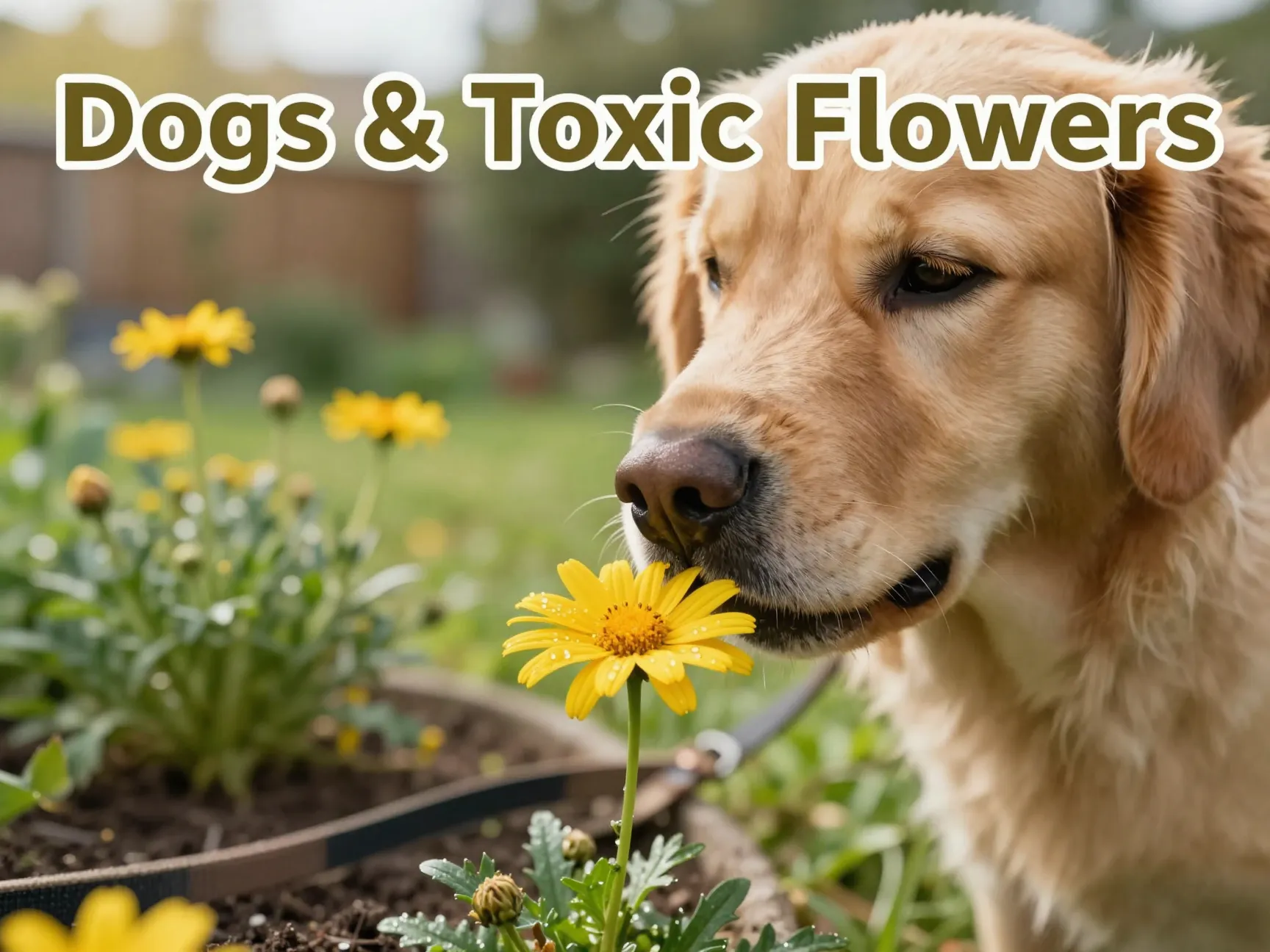
Whether your pup is a serial petal-muncher or an occasional flower thief, understanding why this happens is the first step to keeping them safe. Let’s dig in — pun absolutely intended. 🌸🐾
Key Takeaways
- Not all flower-eating is dangerous, but some common garden plants are highly toxic to dogs and can cause serious harm.
- Dogs eat flowers for a mix of behavioral, instinctual, nutritional, and medical reasons — some funny, some worrying.
- Puppies and bored dogs are the most frequent flower eaters, often out of curiosity or lack of stimulation.
- Knowing which flowers are toxic vs. safe can be a life-saving piece of knowledge for every pet owner.
- If your dog eats a flower and shows vomiting, lethargy, or tremors, contact your vet immediately.
Why Do Dogs Eat Flowers? The Big Picture
Before we explore the 8 funny & concerning reasons dogs eating flowers happens, it helps to understand the broader context. Dogs are natural explorers. They use their mouths the way we use our hands — to investigate, taste, and interact with the world around them. Flowers, with their bright colors, interesting textures, and strong scents, are basically an irresistible sensory buffet.
That said, not every flower-eating episode is innocent. Some plants are genuinely dangerous. According to veterinary resources, plants like azaleas, tulips, daffodils, and sago palms can cause symptoms ranging from mild stomach upset to life-threatening organ failure in dogs.
💬 “The line between ‘my dog is being silly’ and ‘my dog needs emergency care’ can be thinner than a rose petal.”
Let’s break down each reason with honesty, a little humor, and the practical information you need.
The 8 Funny & Concerning Reasons Dogs Eating Flowers Happens
1. Pure Curiosity (The “What Does This Taste Like?” Phase)
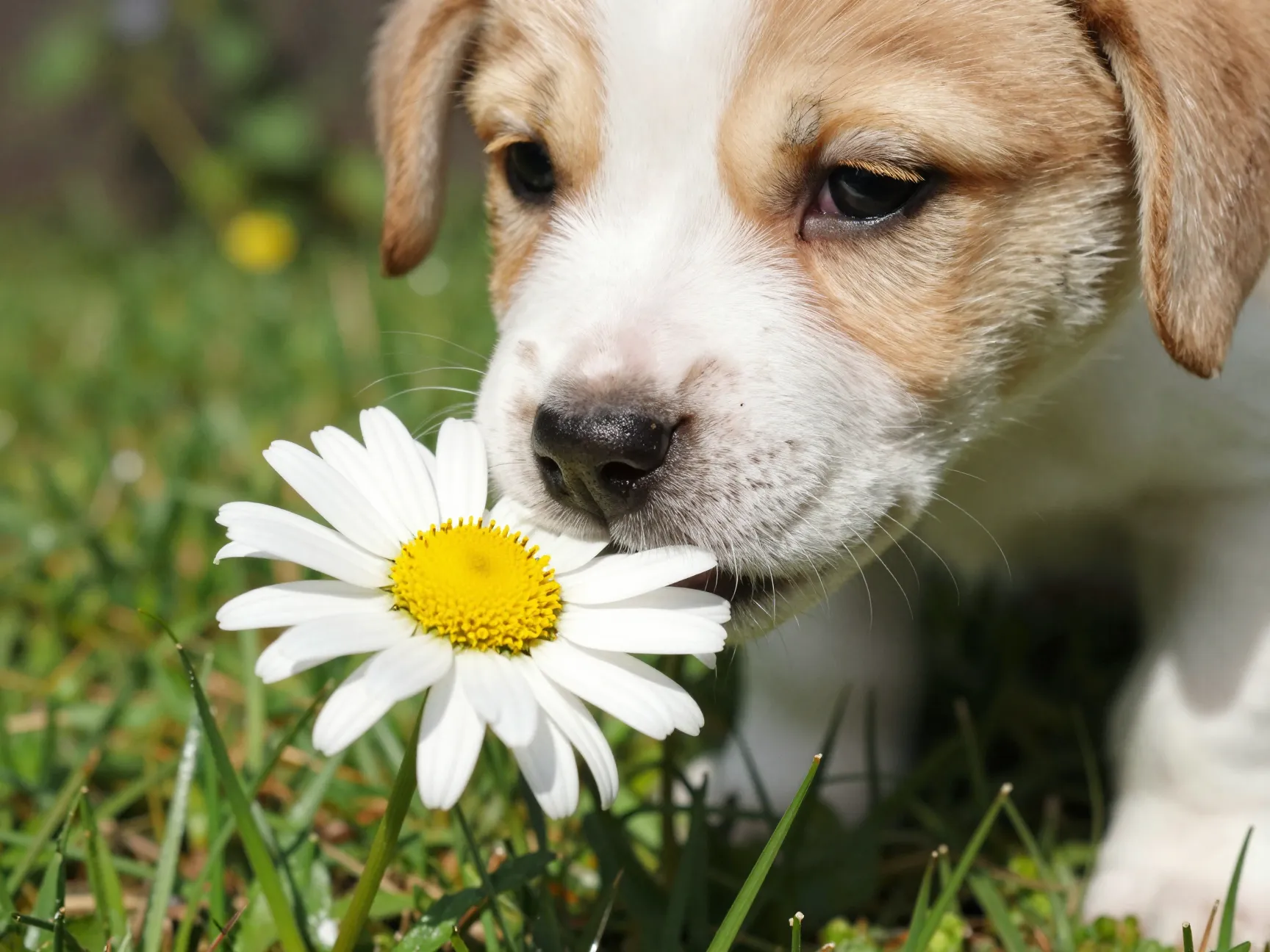
Dogs, especially puppies, are hardwired to explore everything with their mouths. A flower is just another object in a world full of fascinating things to chew. The bright petals, unusual texture, and distinct smell make flowers practically magnetic to a curious nose.
Why it’s funny: Your dog has no idea that the daisy it just ate cost you $12 at the garden center.
Why it’s concerning: Curiosity-driven eating is indiscriminate. A puppy that eats flowers without hesitation may also chew on a toxic plant without any warning signs until it is too late.
What to do: Redirect your puppy with toys and positive reinforcement. Supervise outdoor time closely, especially in gardens with a wide variety of plants.
2. Boredom and Under-Stimulation 🥱
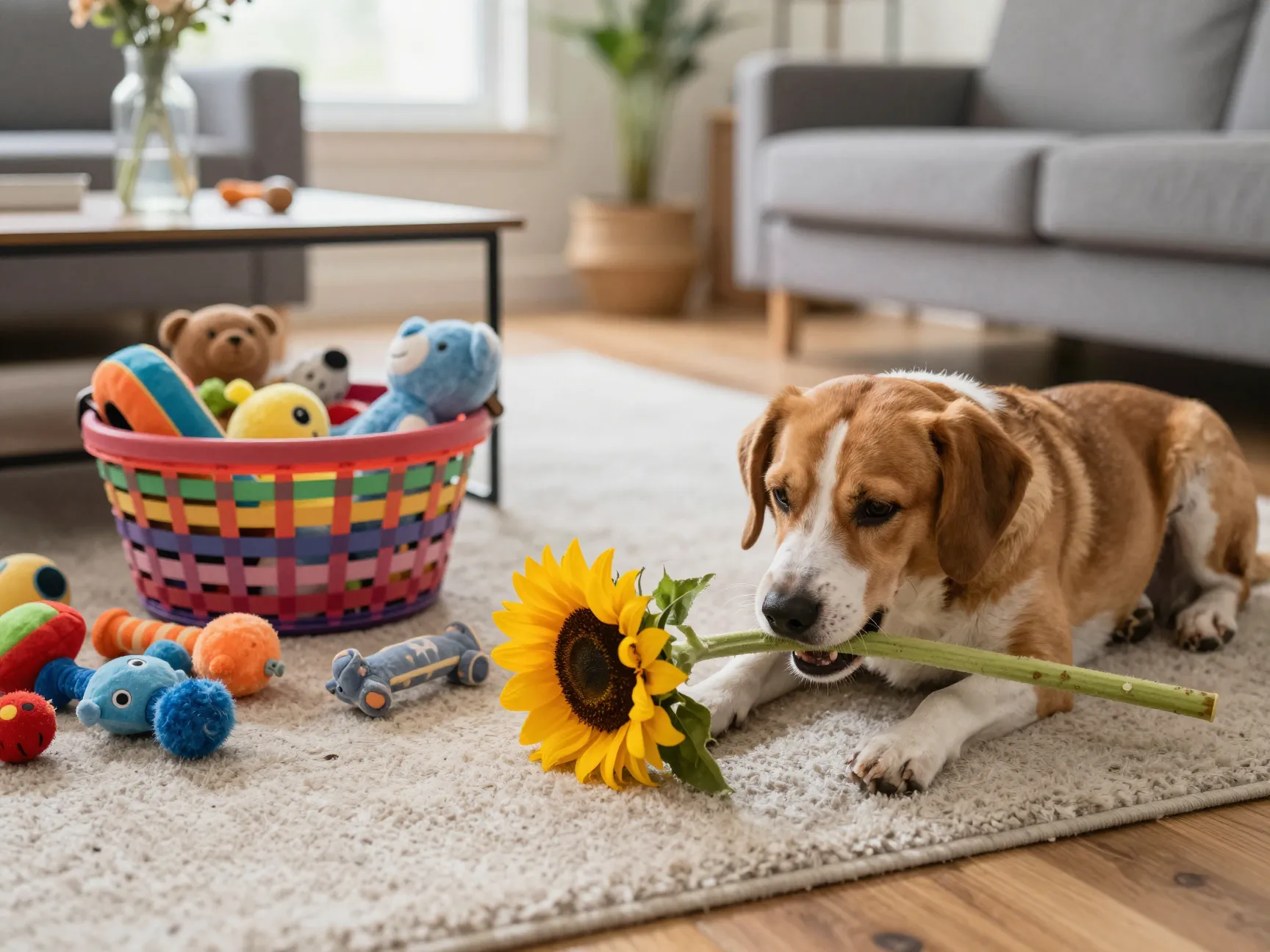
A bored dog is a destructive dog. When dogs don’t get enough mental and physical stimulation, they find their own entertainment — and that often means chewing on whatever is nearby. Flowers in a garden or a vase on the coffee table become fair game.
Why it’s funny: There is something undeniably hilarious about a dog that has a basket of toys three feet away but chooses to eat your sunflowers instead.
Why it’s concerning: Chronic boredom can lead to compulsive behaviors, including repeated plant-eating that may result in accidental poisoning over time.
Signs your dog is bored:
- Destructive chewing
- Excessive barking
- Pacing or restlessness
- Eating non-food items (including flowers)
What to do: Increase daily exercise, introduce puzzle feeders, and schedule regular playtime. A tired dog is a safe dog.
3. They Actually Like the Taste 😋
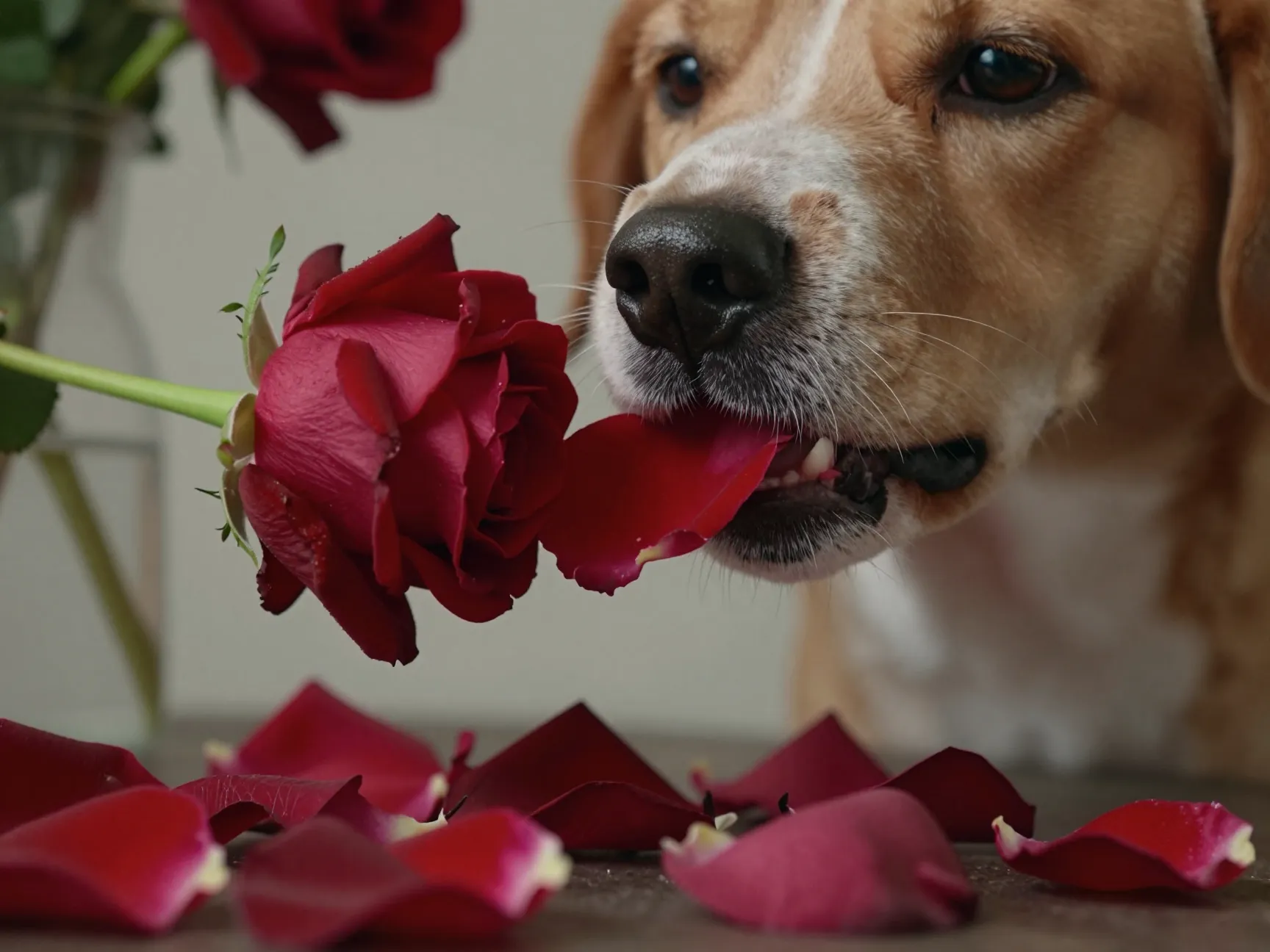
This one surprises a lot of owners, but some flowers genuinely taste good to dogs. Certain blooms have sweet nectar or mild flavors that dogs find appealing. Roses, for example, are non-toxic and have a subtle scent that many dogs seem to enjoy.
Why it’s funny: Your dog has developed a more sophisticated palate than you expected. Congratulations on raising a gourmet.
Why it’s concerning: The problem is that dogs cannot distinguish between a tasty-but-safe flower and a tasty-but-deadly one. Autumn crocus, for instance, can look and smell appealing but causes severe gastrointestinal damage and multi-organ failure.
| Flower | Safe or Toxic? | Common Reaction |
|---|---|---|
| Rose | ✅ Safe | Mild stomach upset possible |
| Daisy | ✅ Safe | Generally harmless |
| Tulip | ⚠️ Toxic | Vomiting, drooling, lethargy |
| Azalea | 🚨 Highly Toxic | Tremors, seizures, death |
| Daffodil | 🚨 Highly Toxic | Vomiting, low blood pressure |
| Sunflower | ✅ Safe | Generally harmless |
| Autumn Crocus | 🚨 Highly Toxic | Organ failure |
| Lavender | ⚠️ Mildly Toxic | Nausea, vomiting |
4. Nutritional Deficiency or Dietary Imbalance
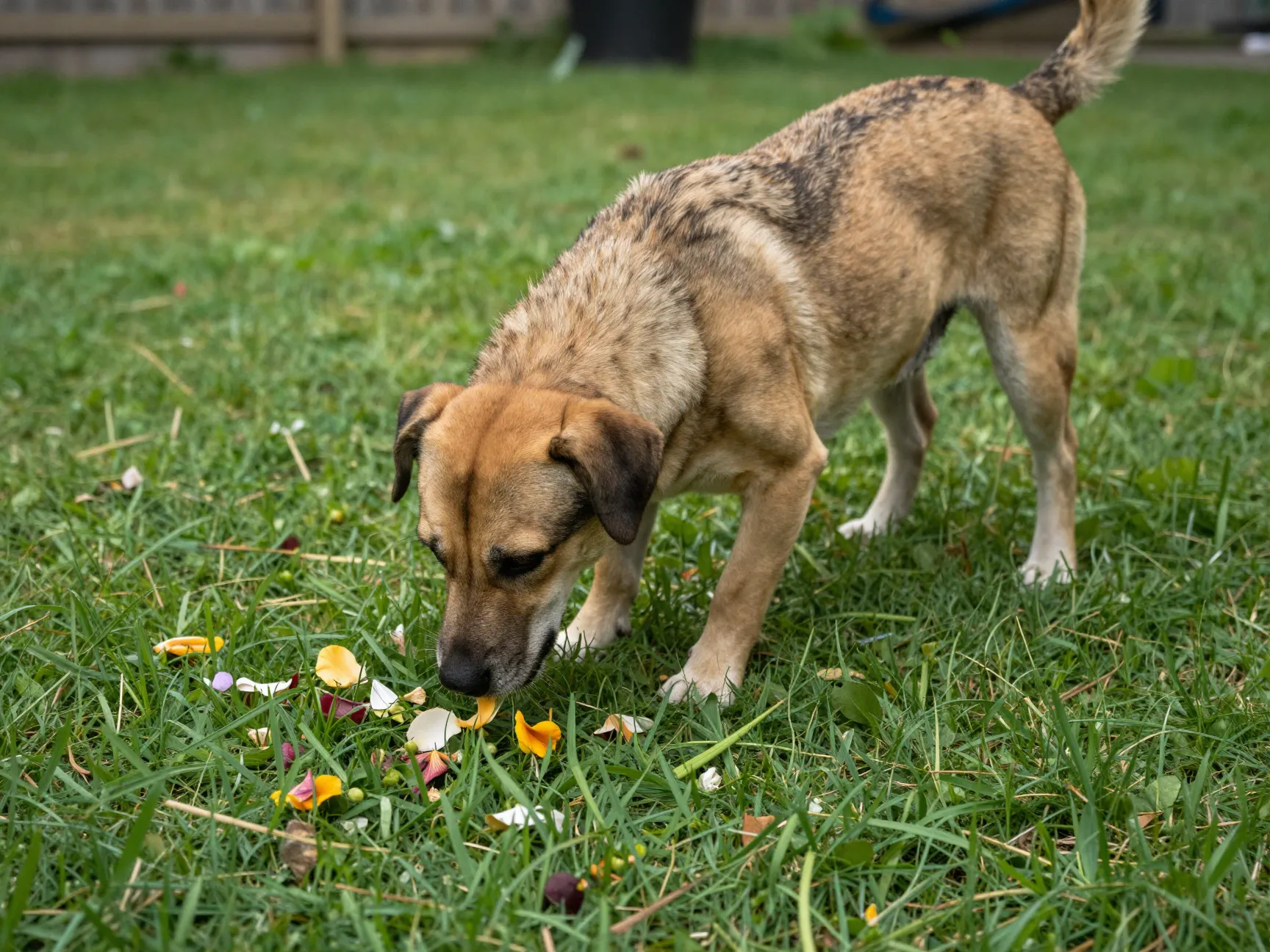
Sometimes, dogs eat unusual things — including flowers, grass, and dirt — because their body is signaling that something is missing from their diet. This is called pica, a condition where animals consume non-food items, often driven by nutritional gaps or underlying health issues.
Why it’s funny: Watching your dog delicately pick petals off a flower like a tiny, confused chef is genuinely entertaining.
Why it’s concerning: If your dog is regularly eating plants and non-food items, it could indicate a mineral deficiency, digestive enzyme imbalance, or gastrointestinal disorder that needs veterinary attention.
What to do: Review your dog’s diet with your vet. Ensure they are eating a complete, balanced food appropriate for their age, size, and health status. Blood work can sometimes reveal deficiencies.
5. Instinctual Grazing Behavior 🌿
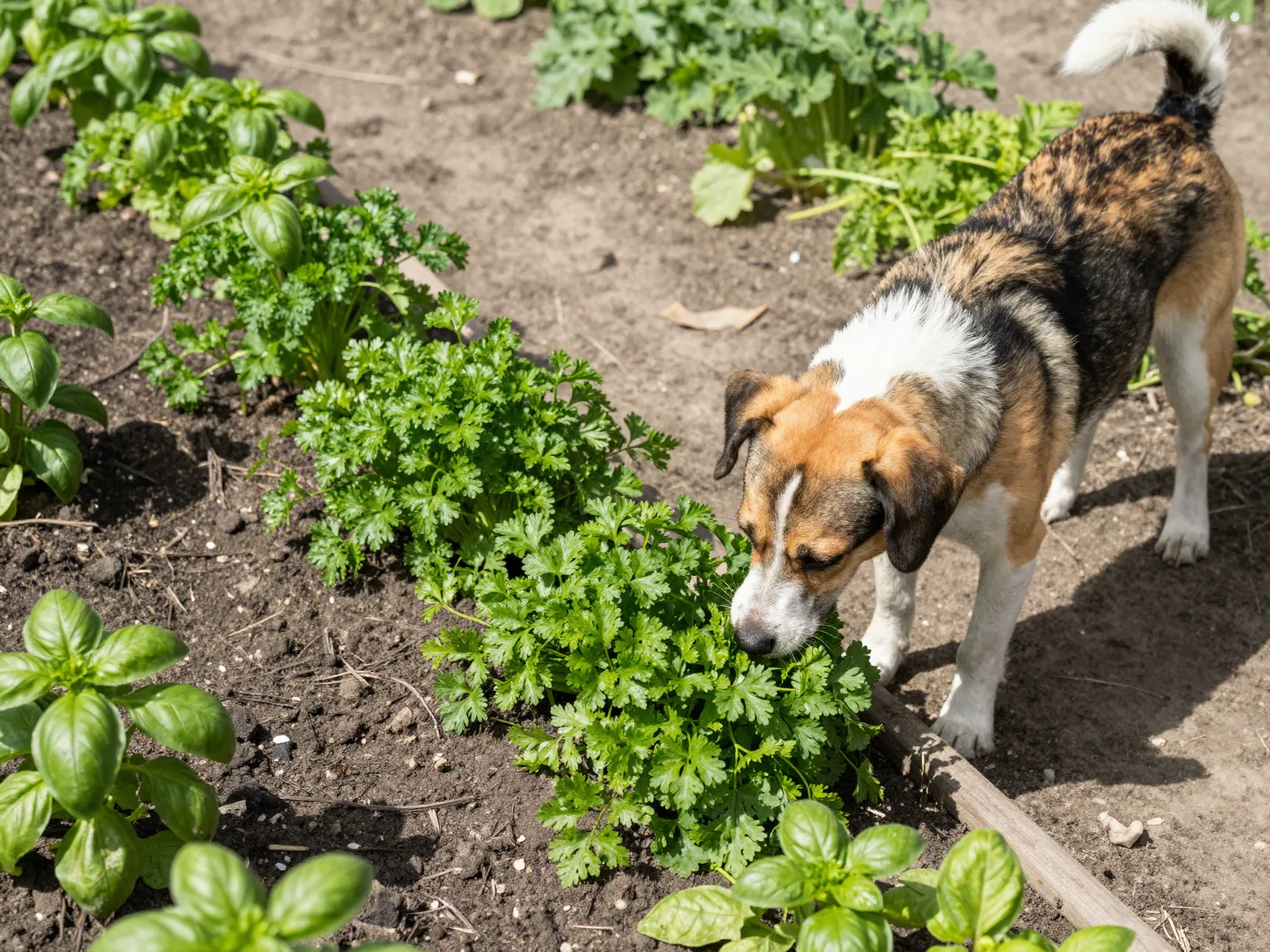
Dogs are descended from omnivorous ancestors who ate a wide variety of foods, including plant matter. Grazing on grass and flowers is a deeply instinctual behavior that many dogs engage in naturally — even when they are perfectly healthy and well-fed.
Why it’s funny: Your sophisticated, pampered dog is essentially cosplaying as a wild animal in your backyard.
Why it’s concerning: Instinctual grazing becomes a problem when the “grazing area” includes toxic plants. Unlike wild ancestors who evolved alongside specific plants, domestic dogs have no built-in radar for what is safe in a modern garden.
💬 “Instinct is powerful — but it doesn’t come with a toxicology database.”
What to do: Create a dog-safe garden zone with non-toxic plants. Consider growing dog-friendly herbs like parsley or basil that satisfy the grazing urge safely.
6. Upset Stomach — Using Plants as Self-Medication 🤢
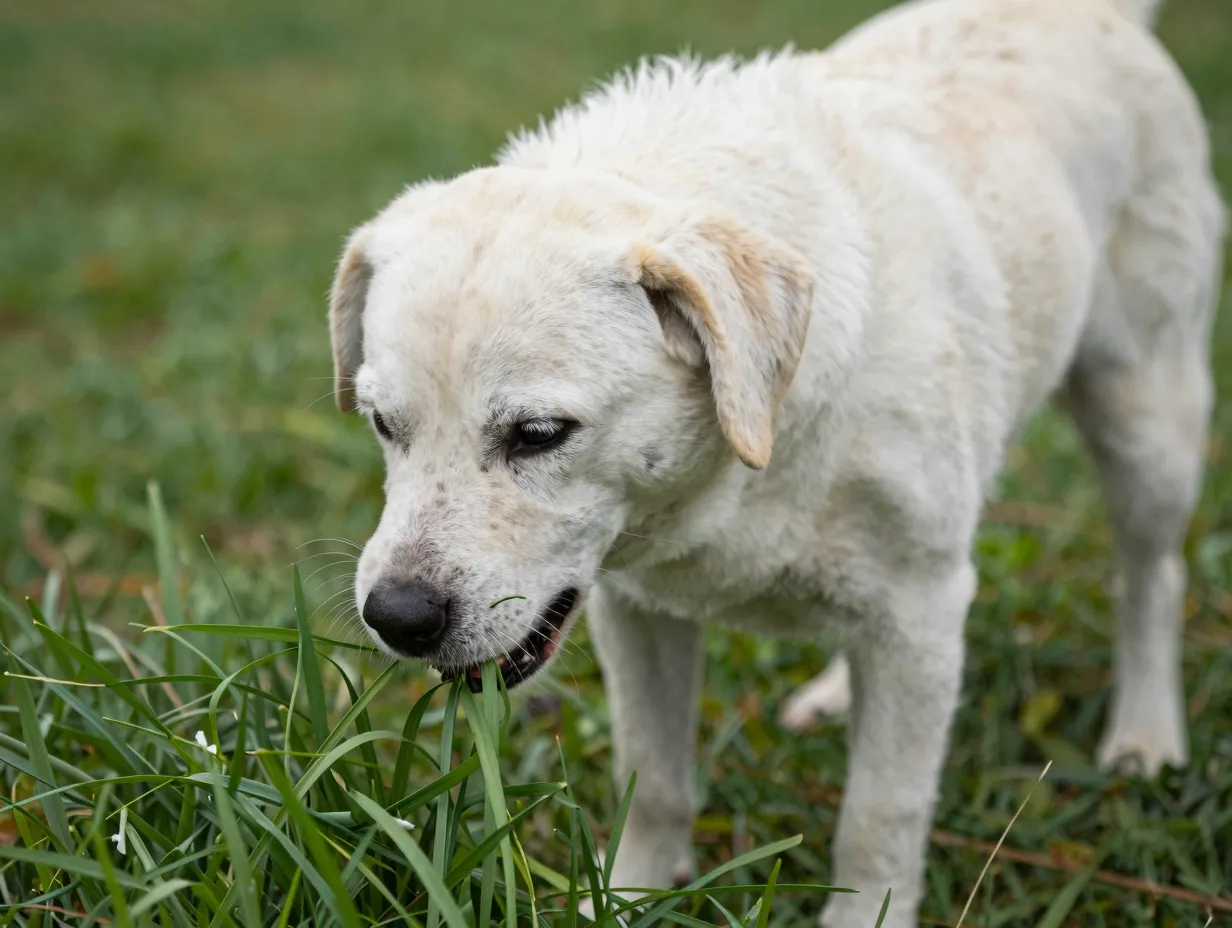
One of the more fascinating reasons dogs eat plant matter is that they may be doing it intentionally to make themselves vomit or ease digestive discomfort. Dogs have been observed eating grass and plants when they feel nauseous, and some veterinary researchers believe this is a form of self-medication.
Why it’s funny: Your dog has essentially decided to be its own doctor, which is both impressive and alarming.
Why it’s concerning: While eating a non-toxic flower to settle an upset stomach is mostly harmless, a dog that is repeatedly seeking out plant matter to vomit may have an underlying gastrointestinal condition like gastritis, inflammatory bowel disease, or even a foreign body obstruction.
Warning signs that warrant a vet visit:
- Vomiting more than once or twice a week
- Blood in vomit
- Weight loss alongside plant-eating behavior
- Lethargy combined with digestive symptoms
7. Attention-Seeking Behavior 🎭
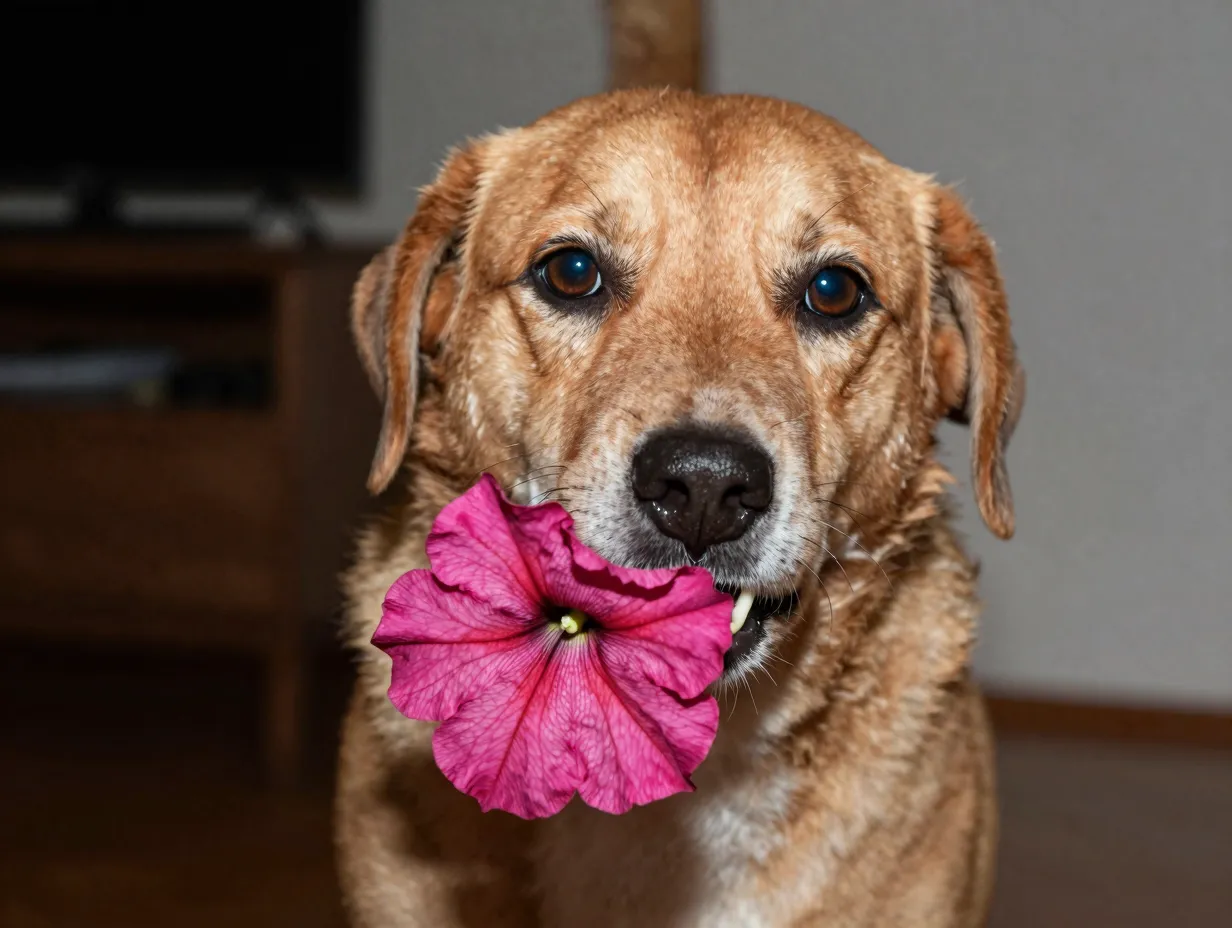
Dogs are smart. If your dog once ate a flower and you immediately rushed over, made a big fuss, and gave it lots of attention — even negative attention — your dog may have learned that flower-eating = instant owner engagement. This is a classic case of accidental reinforcement.
Why it’s funny: Your dog has essentially outsmarted you. It figured out that eating your petunias is the fastest way to get you off your phone.
Why it’s concerning: Attention-seeking behaviors can escalate. A dog that eats flowers for attention may eventually chew on more dangerous items for the same reward. The behavior also becomes harder to extinguish the longer it is accidentally reinforced.
What to do:
- Do not make a dramatic scene when your dog eats a flower.
- Calmly redirect the behavior without giving excessive attention.
- Reward your dog generously for appropriate behaviors throughout the day so it doesn’t need to resort to flower-eating to feel noticed.
8. Anxiety, Stress, or Compulsive Disorder 😟
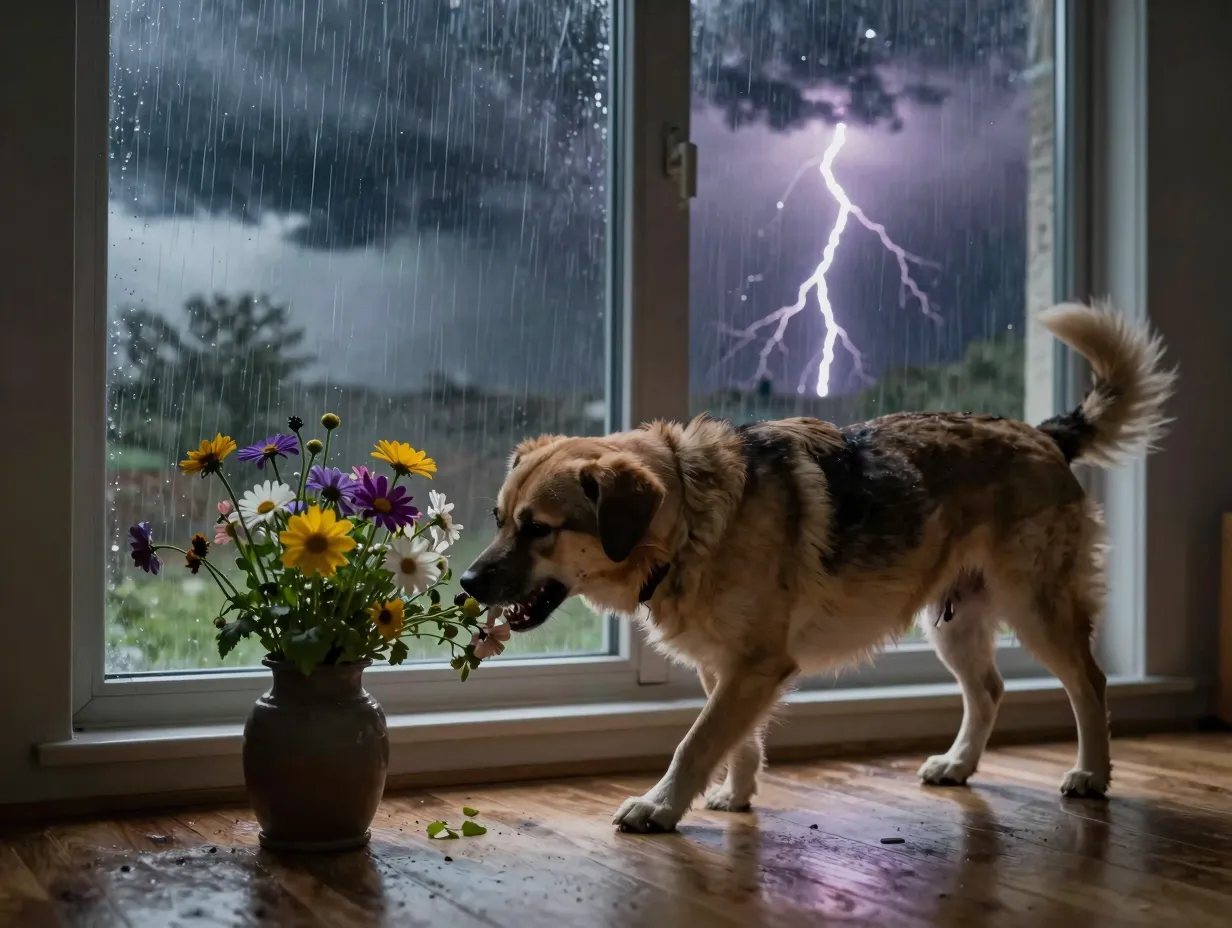
This is where the “concerning” part of the 8 funny & concerning reasons dogs eating flowers happens gets most serious. Some dogs eat flowers and other non-food items as a coping mechanism for anxiety or stress. This can be linked to separation anxiety, changes in the household, loud environments, or even past trauma.
Why it’s (sometimes) funny: A dog stress-eating flowers is relatable in a way that no dog owner should admit out loud.
Why it’s deeply concerning: Compulsive plant-eating driven by anxiety can be difficult to manage without professional help. It also puts dogs at repeated risk of accidental poisoning, especially if the behavior intensifies during high-stress periods.
Signs of anxiety-driven flower eating:
- Eating flowers specifically when left alone
- Pairing the behavior with pacing, whining, or destructive chewing
- Increased frequency during stressful events (thunderstorms, fireworks, moving)
- Inability to redirect or stop the behavior
What to do: Consult your vet or a certified veterinary behaviorist. Anxiety in dogs is a medical condition, not a training failure, and may require a combination of behavioral therapy, environmental enrichment, and in some cases, medication.
What Flowers Are Most Dangerous for Dogs?
Now that we have covered the 8 funny & concerning reasons dogs eating flowers happens, let’s get practical. Knowing which flowers pose the greatest risk is essential for every dog owner — especially those with gardens or who regularly bring cut flowers into the home.
🚨 High-Risk Flowers to Keep Away From Dogs
Azaleas and Rhododendrons are among the most dangerous plants for dogs. Even small amounts can cause vomiting, drooling, weakness, and in severe cases, cardiovascular collapse.
Tulips contain toxins concentrated in the bulb. Dogs that dig up and chew tulip bulbs are at the highest risk of severe poisoning, including gastrointestinal distress and central nervous system effects.
Daffodils contain lycorine, an alkaloid that triggers severe vomiting. The bulb is again the most toxic part, but all parts of the plant can cause harm.
Autumn Crocus is one of the most lethal plants for dogs. It causes multi-organ failure and can be fatal even with treatment if consumed in significant quantities.
Oleander is extremely toxic. Every part of this plant — flowers, leaves, stems — contains compounds that affect the heart and can be fatal.
Lily of the Valley affects the heart and can cause serious cardiac arrhythmias in dogs.
✅ Relatively Safe Flowers for Dogs
- Roses (thorns are the bigger hazard)
- Sunflowers
- Snapdragons
- Marigolds (mild irritant but generally safe)
- Orchids
⚠️ Important: Even “safe” flowers can cause mild stomach upset if eaten in large quantities. Always monitor your dog after any flower consumption.
What to Do If Your Dog Eats a Flower
Acting quickly and calmly is key. Here is a simple action plan:
Step 1: Identify the plant. Take a photo or save a sample if possible.
Step 2: Check whether the plant is toxic using a trusted resource. The ASPCA maintains an up-to-date list of toxic and non-toxic plants for dogs.
Step 3: Watch for symptoms. Common signs of plant poisoning include vomiting, diarrhea, drooling, lethargy, tremors, and difficulty breathing.
Step 4: Contact your vet or an animal poison control hotline immediately if you suspect a toxic plant was consumed — even if symptoms have not appeared yet. Some toxins have delayed effects.
Step 5: Do not induce vomiting unless specifically instructed by a veterinary professional. Some toxins cause more damage coming back up.
How to Stop Dogs From Eating Flowers
Prevention is always better than a vet emergency. Here are practical strategies that work:
- Plant dog-safe gardens. Research every plant before adding it to your yard. Choose non-toxic varieties whenever possible.
- Use physical barriers. Garden fencing, raised beds, and decorative borders can keep curious dogs away from flower beds.
- Train the “leave it” command. This is one of the most valuable commands you can teach any dog. Practice it regularly with flowers and other tempting items.
- Provide adequate enrichment. A mentally stimulated, physically tired dog is far less likely to seek out flower-eating as entertainment.
- Supervise outdoor time. Especially for puppies and known flower-eaters, direct supervision in the garden is the safest approach.
- Use pet-safe deterrent sprays. Bitter apple spray on plant stems can discourage chewing without harming the plant or the dog.
Conclusion
The 8 funny & concerning reasons dogs eating flowers happens covers a wide spectrum — from the laugh-out-loud moment of watching your dog delicately nibble a daisy to the genuinely alarming reality that some flowers can be life-threatening. The key is knowing the difference.
Most flower-eating behavior is manageable with the right combination of training, enrichment, and garden planning. However, some cases — especially those driven by nutritional deficiency, anxiety, or compulsive disorder — need professional veterinary input.
Your Actionable Next Steps:
- Audit your garden today. Identify every plant and cross-check it against a reliable toxic plant list.
- Save your vet’s number and an animal poison control hotline in your phone right now — before you need it.
- Observe your dog’s flower-eating patterns. Is it occasional and curious, or frequent and compulsive? The pattern tells you a lot.
- Invest in enrichment. More walks, more play, more puzzle toys. A stimulated dog is a safer dog.
- Talk to your vet if the behavior is frequent, escalating, or paired with other concerning symptoms.
Your dog cannot read a toxicology chart — but you can. Stay informed, stay proactive, and enjoy your garden (and your dog) with a little more peace of mind. 🌺🐶