
8 Beautiful Flowers Safe for Cats and Dogs to Grow at Home
If you have ever rushed to the internet at midnight searching “is this plant toxic to my cat?” — you are not alone. Millions of pet owners discover too late that common household flowers can be dangerous to their furry companions. The good news? You do not have to choose between a gorgeous home garden and a safe environment for your pets. In this guide, I have rounded up 8 beautiful flowers safe for cats and dogs to grow at home, so you can enjoy vibrant blooms without the worry. Whether you prefer indoor pots or outdoor garden beds, these pet-friendly picks deliver color, fragrance, and peace of mind all at once.
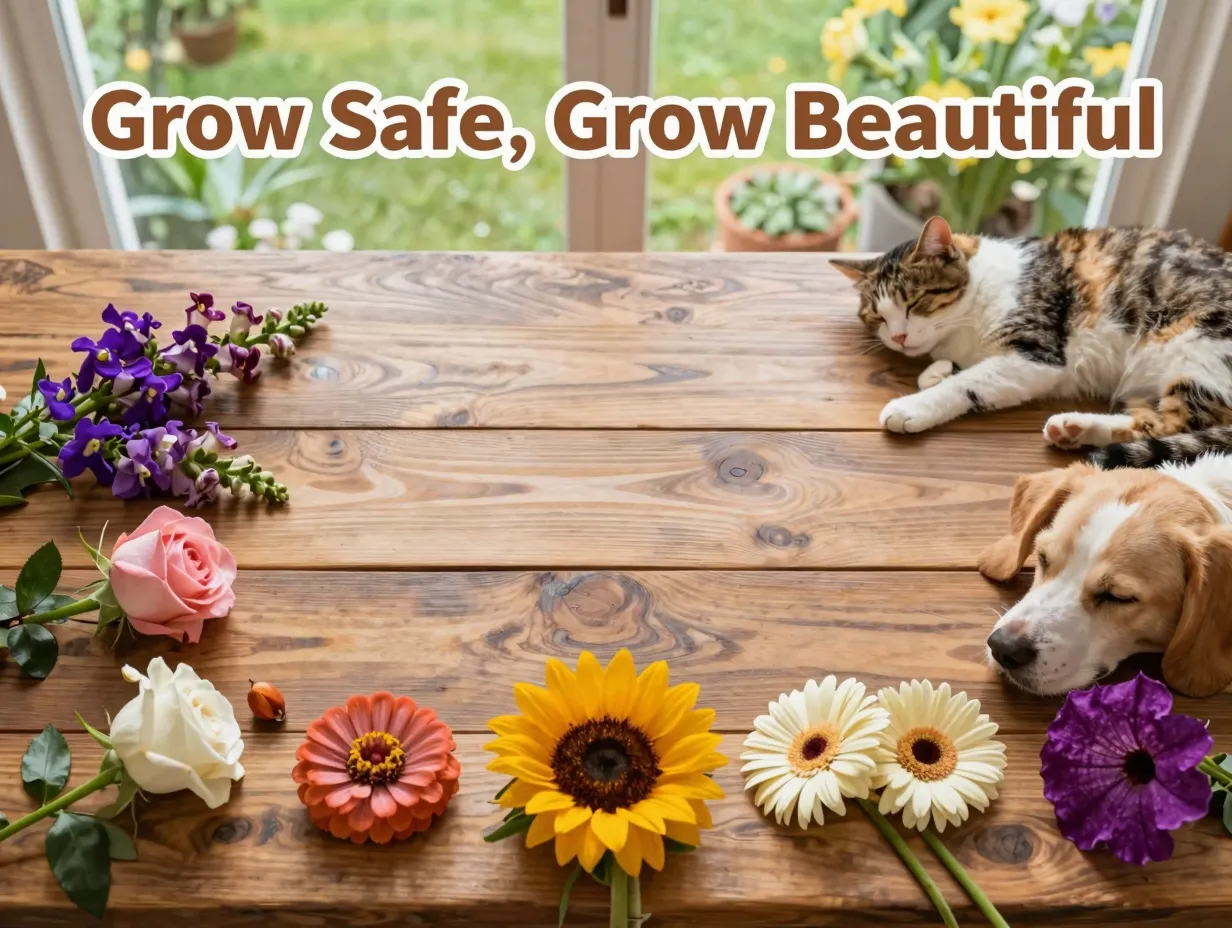
Key Takeaways 🌸
- Not all pretty flowers are safe — many popular blooms like lilies and tulips are highly toxic to cats and dogs.
- The 8 beautiful flowers safe for cats and dogs to grow at home featured in this guide are confirmed non-toxic by veterinary and horticultural sources.
- Growing conditions matter — always choose organic, unsprayed varieties to avoid pesticide-related risks.
- Some pet-safe flowers, like Calendula, offer bonus benefits such as natural insect repellent properties.
- When in doubt, always consult your veterinarian if your pet ingests any plant material.
Why Choosing Pet-Safe Flowers Matters
Before we dive into the list, let’s talk about why this topic is so important. Dogs and cats are naturally curious. They sniff, chew, and sometimes eat plants — especially when bored or exploring. Many popular flowers that look harmless are actually dangerous. Lilies, for example, can cause acute kidney failure in cats even in tiny amounts. Tulips, daffodils, and oleander are also serious hazards.
Choosing the right flowers is not just about aesthetics. It is about creating a home environment where your pets can roam freely without risk. The flowers in this list have been carefully selected because they are:
- ✅ Non-toxic to both cats and dogs
- ✅ Visually stunning and garden-worthy
- ✅ Suitable for a range of growing conditions
- ✅ Widely available at nurseries and garden centers
💬 “A pet-friendly garden is not a compromise — it’s a smarter, more thoughtful way to grow.”
The Complete List: 8 Beautiful Flowers Safe for Cats and Dogs to Grow at Home
Here is your definitive guide to the 8 beautiful flowers safe for cats and dogs to grow at home. Each flower below includes care tips, pet safety notes, and styling ideas to help you get started.
1. African Violets 💜
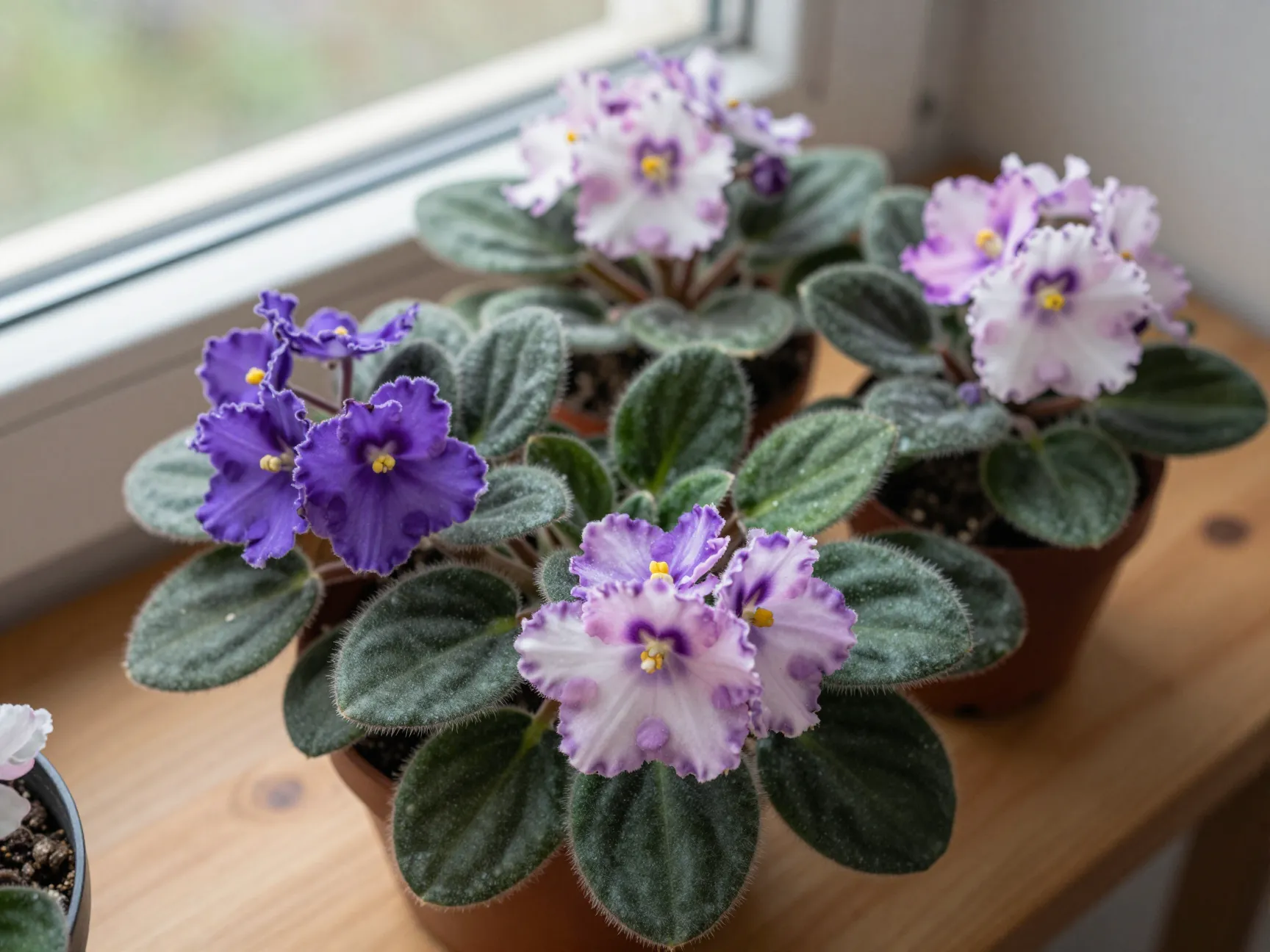
Best for: Low-light indoor spaces
African Violets are one of the most beloved houseplants for a reason. Their small, fuzzy blooms come in rich shades of purple, pink, and white, adding a calming splash of color to any room. What makes them especially appealing for pet owners is their confirmed non-toxic status for both cats and dogs.
These compact plants thrive in low-lighting conditions, making them perfect for shelves, bathroom windowsills, or office desks. They prefer indirect sunlight and consistent moisture — but avoid getting water on their fuzzy leaves, as this can cause spotting.
| Feature | Details |
|---|---|
| Light | Low to medium indirect light |
| Watering | Keep soil moist; water from below |
| Pet Safety | ✅ Safe for cats and dogs |
| Bloom Season | Year-round indoors |
Pro tip: Place African Violets in a self-watering pot to maintain consistent moisture without overwatering.
2. Snapdragons 🌺
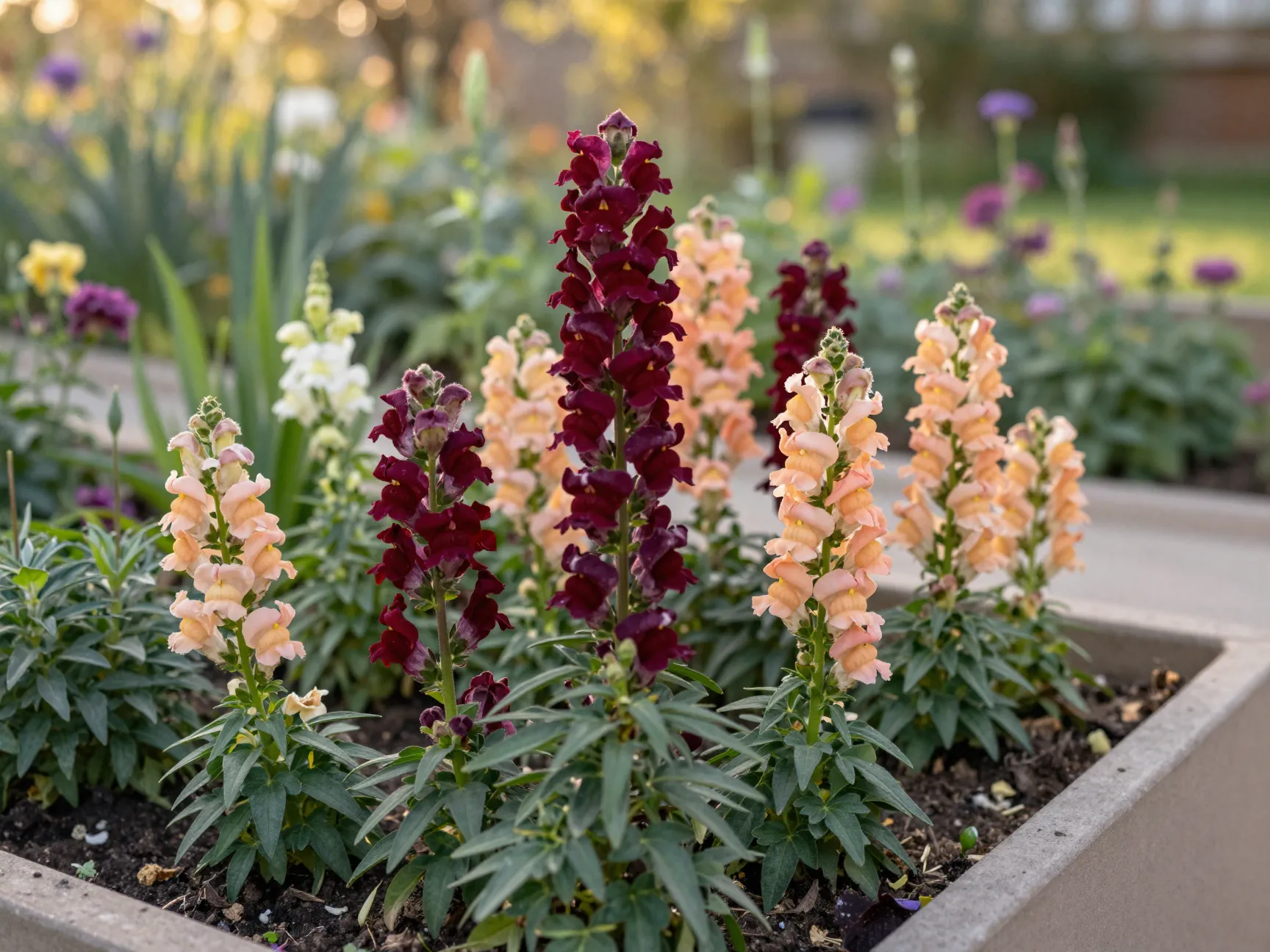
Best for: Bold color lovers and outdoor garden beds
Snapdragons are elegant, dramatic flowers with tall spikes of blooms that come in nearly every color imaginable — from deep burgundy to soft peach. They fall firmly in the non-toxic category for both cats and dogs, making them a worry-free choice for mixed households.
These flowers love cooler temperatures, making them ideal for spring and autumn gardens. They perform beautifully in raised beds, borders, or large containers on patios. Their unique “snapping” mechanism when you squeeze the bloom sides is also a fun feature that children and curious pets alike may investigate — safely.
Styling idea: Pair snapdragons with lisianthus for a soft, cottage-garden aesthetic that is entirely pet-friendly.
Key growing tips:
- Plant in full sun to partial shade
- Water regularly but ensure good drainage
- Deadhead spent blooms to encourage continuous flowering
- Ideal growing temperature: 45–65°F (7–18°C)
3. Roses (Organic and Unsprayed) 🌹
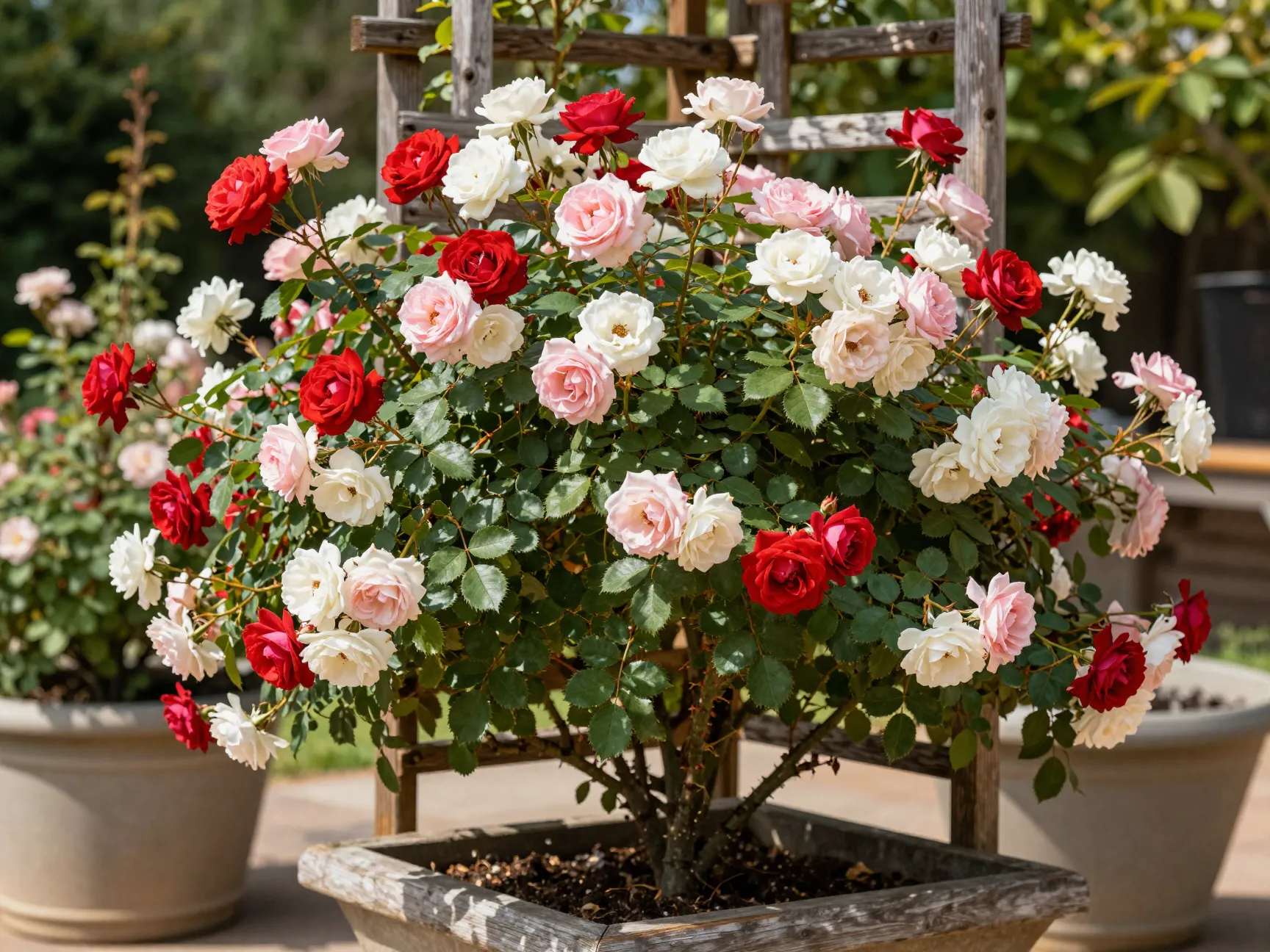
Best for: Classic elegance and timeless garden appeal
Here is a surprise for many pet owners: roses are actually safe for both cats and dogs — with one important condition. They must be grown organically and without harmful pesticides or chemical sprays. The rose itself is non-toxic, but commercially treated roses can carry residues that may upset your pet’s stomach.
Roses offer timeless beauty in virtually every color, from deep red to blush pink to creamy white. They work beautifully in outdoor garden beds, climbing trellises, or even large patio containers. While thorns can cause minor scratches if a curious dog decides to investigate too closely, the plant itself poses no toxicity risk.
💬 “Organic roses are proof that the most classic choice can also be the safest one for your whole family — pets included.”
What to watch for:
- Thorns — not toxic, but can cause physical injury
- Pesticides — always choose unsprayed, organic varieties
- Fertilizers — use pet-safe fertilizers around the root zone
4. Zinnias 🌼
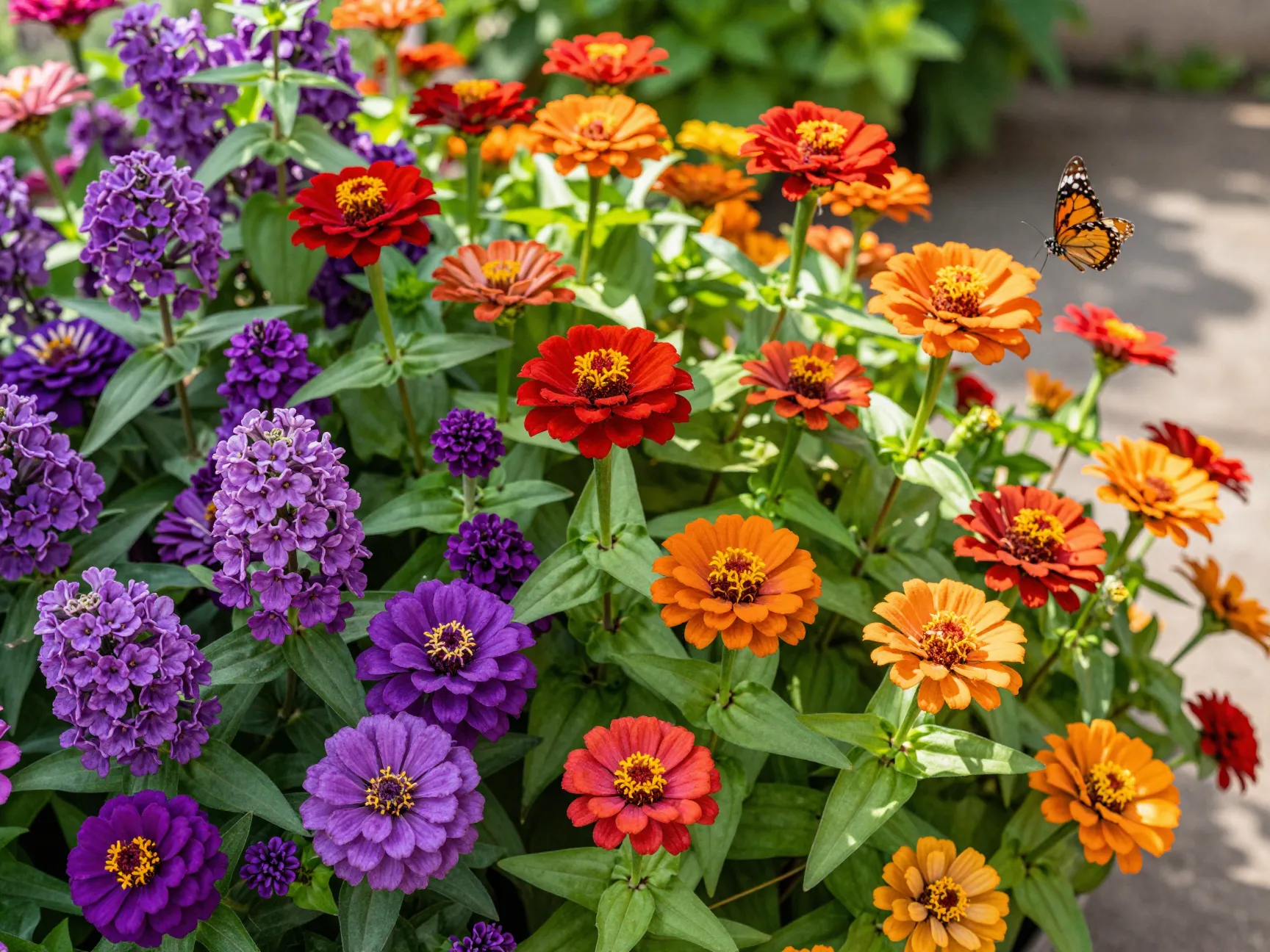
Best for: Vibrant color in pots and garden beds
Zinnias are the workhorses of the pet-friendly flower world. They are hardy, colorful, and entirely non-toxic, available in an impressive range of shades including purple, lilac, red, orange, and multi-colored varieties. If you want maximum visual impact with minimum fuss, zinnias are your answer.
These cheerful blooms thrive in full sun and warm temperatures, making them a summer garden staple. They grow well in both garden beds and large containers, and they are remarkably drought-tolerant once established. As a bonus, zinnias attract butterflies and pollinators, adding even more life to your outdoor space.
| Feature | Details |
|---|---|
| Light | Full sun (6+ hours daily) |
| Watering | Moderate; drought-tolerant once established |
| Pet Safety | ✅ Safe for cats and dogs |
| Bloom Season | Summer through first frost |
| Colors Available | Red, pink, orange, yellow, purple, white, multi |
Growing tip: Sow zinnia seeds directly into the ground after the last frost for the best results. They germinate quickly and reward you with blooms in as little as 8 weeks.
5. Sunflowers 🌻

Best for: Statement-making outdoor gardens and arrangements
Few flowers make a bolder statement than the sunflower. With their sunny faces, strong stems, and impressive height, sunflowers are a showstopper in any landscape. The great news for pet owners is that sunflowers are completely safe for both cats and dogs.
Sunflowers thrive in full sun and well-drained soil. They are fast growers and can reach impressive heights — some varieties grow over 10 feet tall! For smaller spaces or indoor arrangements, look for dwarf varieties that stay compact while still delivering that iconic cheerful look.
Beyond their visual appeal, sunflowers also produce edible seeds (for humans), and their large blooms make stunning cut flower arrangements that brighten any room.
Sunflower varieties to consider:
- Dwarf Sunspot — compact, ideal for containers
- Mammoth — tall and dramatic for outdoor gardens
- Teddy Bear — fluffy, double-petaled, great for small spaces
- Lemon Queen — pale yellow, attracts pollinators
6. Orchids 🌸
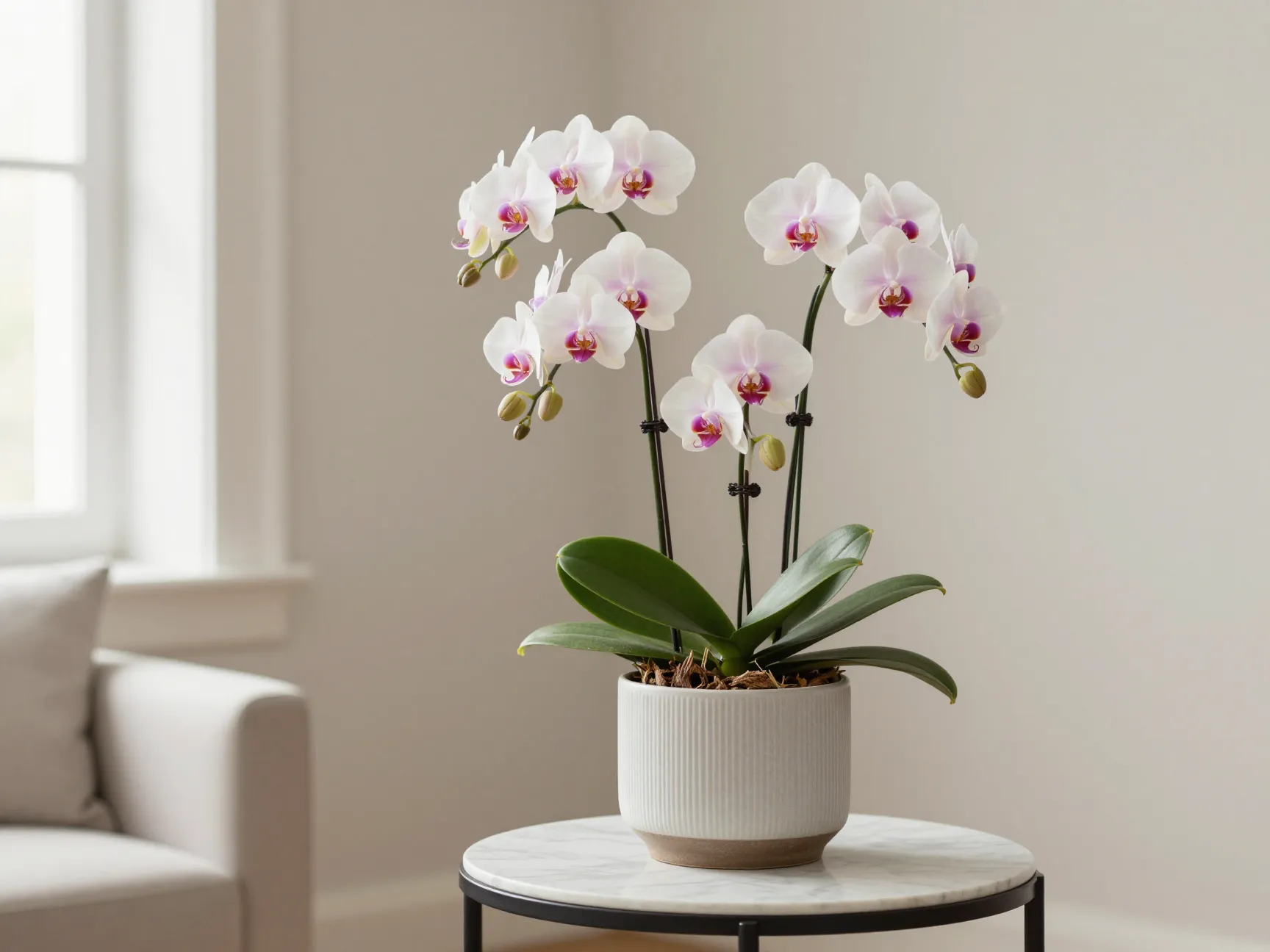
Best for: Elegant indoor displays and long-lasting blooms
Orchids have a reputation for being difficult to grow, but many varieties are actually quite manageable — and they are among the best pet-safe options for indoor flower lovers. Varieties including Cymbidium, Dendrobium, Oncidium, and Phalaenopsis are all confirmed non-toxic to cats and dogs.
Their long-lasting blooms and exotic appearance make orchids a top choice for living rooms, bedrooms, and home offices. Phalaenopsis (moth orchids) are the most beginner-friendly variety, thriving in indirect light with watering just once a week.
💬 “Orchids prove that ‘pet-safe’ and ‘sophisticated’ are not mutually exclusive.”
Orchid care basics:
- Water once a week; allow roots to dry between waterings
- Bright, indirect light (avoid direct sun)
- Use orchid-specific potting mix for best drainage
- Feed with diluted orchid fertilizer monthly during growing season
Pet safety note: While orchids are non-toxic, the potting bark or moss they grow in can be a choking hazard if ingested by curious pets. Keep pots out of easy reach.
7. Gerbera Daisies 🌸
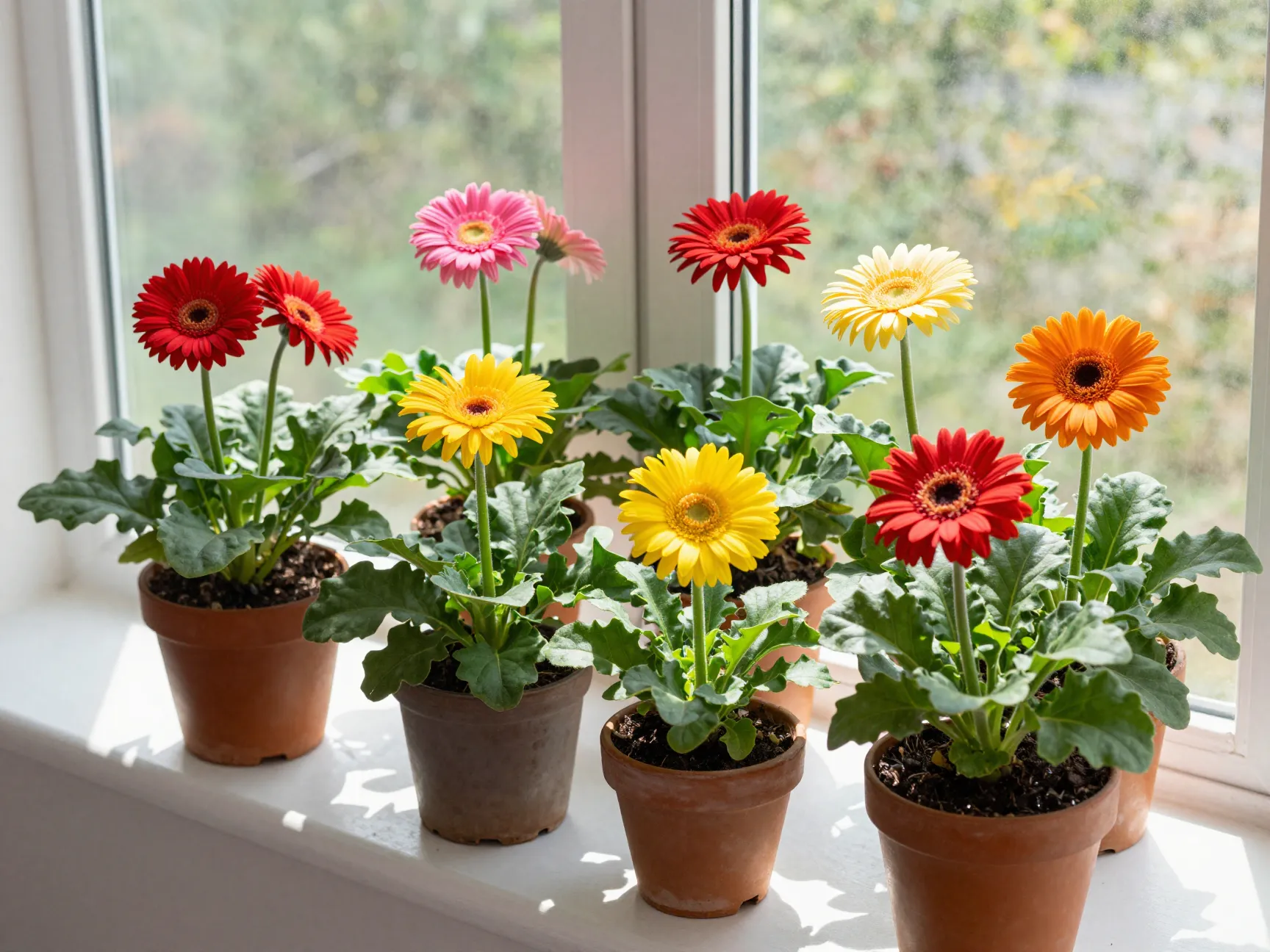
Best for: Bright, cheerful indoor and outdoor color
Gerbera Daisies are practically the poster child for pet-friendly flowers. Their bright, eye-catching blooms come in red, pink, yellow, orange, and white — and they are perfectly safe for both dogs and cats. If you want a flower that looks like pure happiness, this is it.
These South African natives love sunlight and perform well both indoors (near a sunny window) and outdoors in garden beds or containers. They bloom prolifically and are relatively easy to care for, making them a great choice for beginner gardeners.
Key benefits of growing Gerbera Daisies:
- Non-toxic to cats and dogs ✅
- Available in a wide range of colors
- Long-lasting cut flowers (great for vases)
- Attract beneficial pollinators outdoors
- Relatively low-maintenance
Care tip: Gerbera Daisies are susceptible to crown rot if overwatered. Always water at the base of the plant and ensure excellent drainage.
8. Petunias 🌺
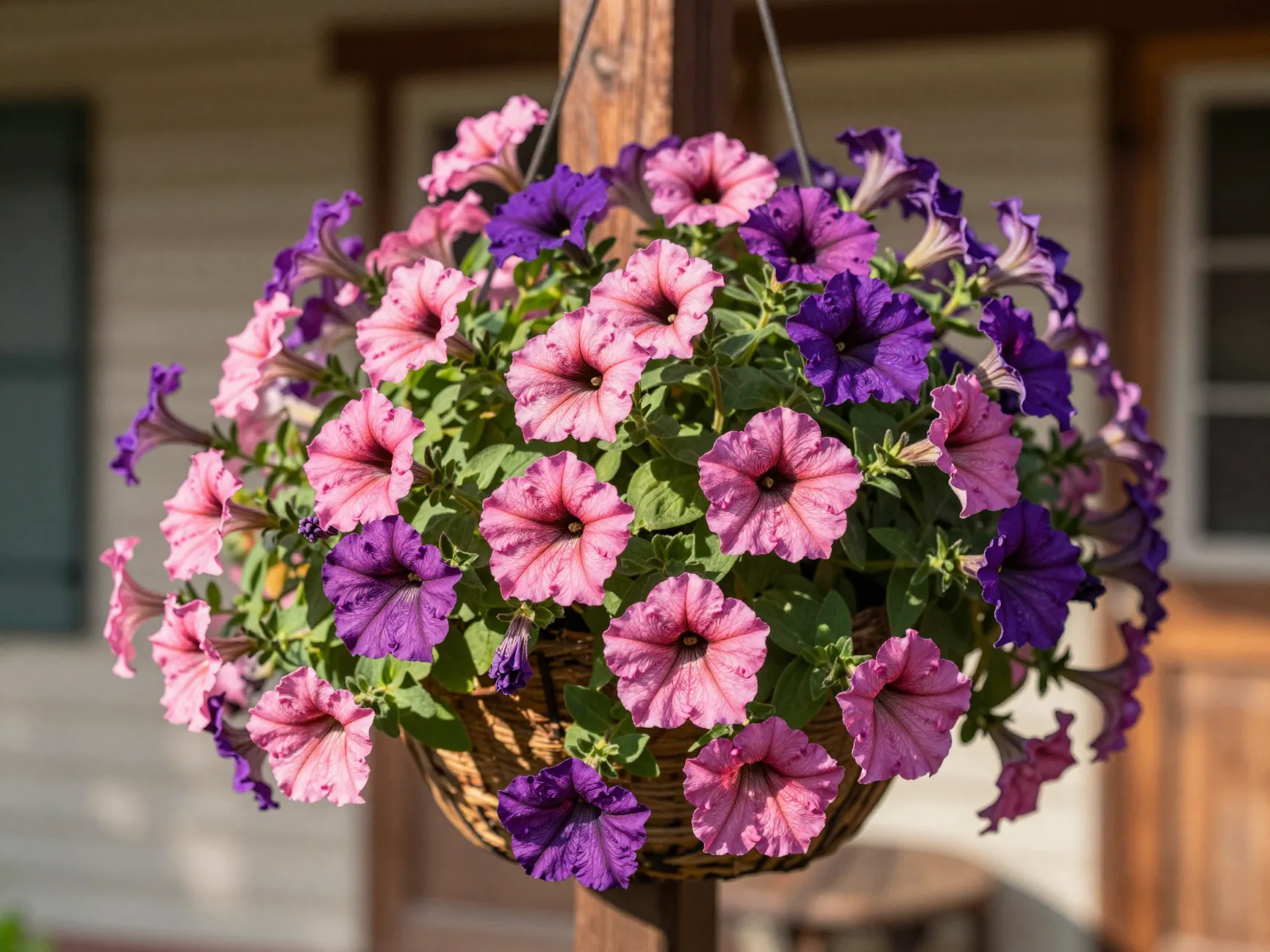
Best for: Sunny spots, hanging baskets, and pet-friendly garden borders
Rounding out our list of 8 beautiful flowers safe for cats and dogs to grow at home, petunias are a classic choice that never disappoints. Native to South America, these beautifully vibrant flowers symbolize perseverance and hope — and they are completely free of dangerous compounds for pets.
Petunias love sunlight and thrive in warm conditions. They come in an enormous variety of colors and patterns, from solid purples and pinks to striped and ruffled varieties. They work beautifully in hanging baskets, window boxes, and garden borders, providing season-long color with relatively little effort.
| Feature | Details |
|---|---|
| Light | Full sun (at least 6 hours daily) |
| Watering | Regular; do not let soil dry out completely |
| Pet Safety | ✅ Safe for cats and dogs |
| Bloom Season | Spring through autumn |
| Best Use | Hanging baskets, borders, containers |
Bonus: Petunias are also known to repel certain garden pests, including aphids and asparagus beetles, making them a smart companion planting choice.
Bonus Mentions: More Pet-Safe Flowers Worth Growing
While our core list focuses on 8 beautiful flowers safe for cats and dogs to grow at home, a few honorable mentions deserve a spot on your radar:
Calendula (Pot Marigold) 🌼
Calendula is known for its soothing, golden-orange blooms and is completely safe for pets. As a bonus, it acts as a natural insect repellent against mosquitoes — a win for both you and your garden.
Camellias 🌺
These glossy, richly colored flowers bloom beautifully and are great for indoor pots or shaded outdoor spots. They are confirmed cat-safe and add a touch of Southern elegance to any garden.
Bee Balm 🐝
A pollinator magnet that attracts bees and butterflies while remaining entirely non-toxic to pets. Bee Balm is a fantastic all-rounder for wildlife-friendly, pet-safe gardens.
Lisianthus 💐
With their soft, cottagelike appearance, lisianthus blooms are elegant without being fussy. They pair beautifully with roses or other pet-safe flowers in arrangements.
Quick Reference: Pet-Safe Flower Comparison Table
| Flower | Safe for Cats | Safe for Dogs | Best Location | Difficulty Level |
|---|---|---|---|---|
| African Violet | ✅ | ✅ | Indoors | Easy |
| Snapdragon | ✅ | ✅ | Outdoors/Pots | Easy |
| Rose (Organic) | ✅ | ✅ | Outdoors | Moderate |
| Zinnia | ✅ | ✅ | Outdoors/Pots | Easy |
| Sunflower | ✅ | ✅ | Outdoors | Easy |
| Orchid | ✅ | ✅ | Indoors | Moderate |
| Gerbera Daisy | ✅ | ✅ | Both | Easy |
| Petunia | ✅ | ✅ | Both | Easy |
Common Mistakes Pet Owners Make With Home Gardens
Even when you choose pet-safe flowers, there are a few pitfalls to avoid:
1. Using toxic pesticides or fertilizers. Even non-toxic plants can become dangerous if treated with harmful chemicals. Always choose pet-safe garden products.
2. Mixing safe and unsafe plants. If you have one toxic plant among many safe ones, a curious pet can still find it. Audit your entire garden.
3. Ignoring the potting medium. Some orchid barks, fertilizer pellets, or soil additives can cause digestive issues if ingested. Keep these out of reach.
4. Assuming “natural” means safe. Not all natural plants are pet-friendly. Always verify before introducing a new plant to your home.
5. Forgetting about cut flowers from florists. Florist bouquets often contain a mix of safe and unsafe flowers, plus chemical preservatives. Always check every stem.
What to Do If Your Pet Eats a Plant
Even with the best precautions, accidents happen. Here is what to do:
- Stay calm and identify the plant your pet ate
- Call your veterinarian immediately or contact the ASPCA Animal Poison Control Center (in the US: 888-426-4435)
- Do not induce vomiting unless specifically directed by a vet
- Bring a sample of the plant or take a photo to help with identification
- Monitor for symptoms including vomiting, drooling, lethargy, or difficulty breathing
💬 “When it comes to pet safety, it is always better to call and be reassured than to wait and regret.”
Conclusion: Grow Beautiful, Grow Safe 🌿
Creating a home garden that is both stunning and safe for your pets is entirely achievable. The 8 beautiful flowers safe for cats and dogs to grow at home — African Violets, Snapdragons, Roses, Zinnias, Sunflowers, Orchids, Gerbera Daisies, and Petunias — give you a full palette of colors, textures, and growing options to work with. Whether you are decorating a small apartment windowsill or designing a full outdoor garden, these blooms deliver beauty without compromise.
Your Actionable Next Steps:
- Audit your current garden — remove or relocate any toxic plants immediately.
- Choose 2–3 flowers from this list to start with based on your light conditions and space.
- Visit a local nursery and ask specifically for organic, unsprayed varieties.
- Set up a pet-safe zone in your garden where your animals can roam freely among safe blooms.
- Bookmark the ASPCA’s toxic plant list as a reference for any future plant purchases.
A thriving garden and happy, healthy pets are not mutually exclusive. With the right choices, you can have both — and enjoy every bloom along the way. 🌸🐾